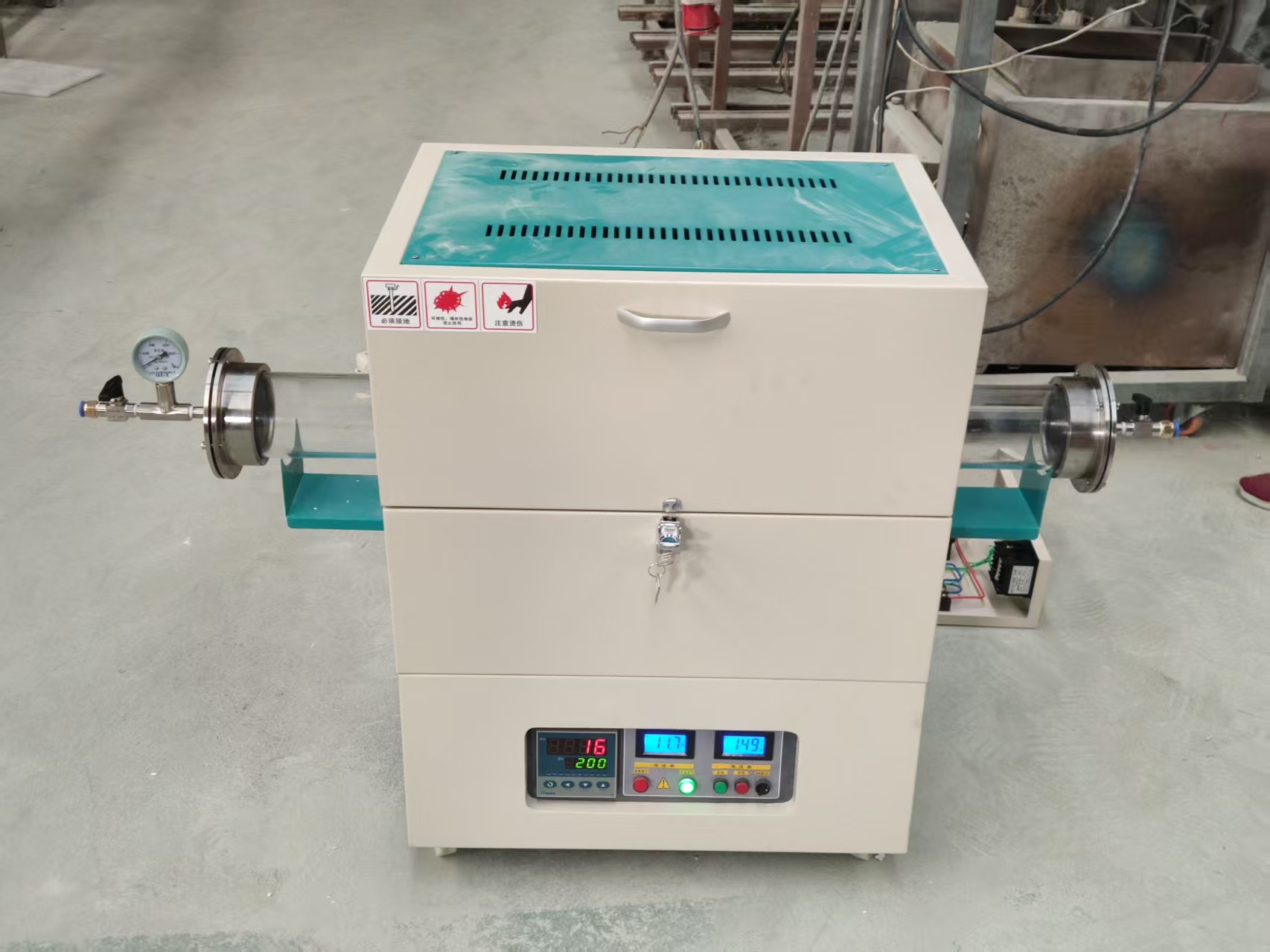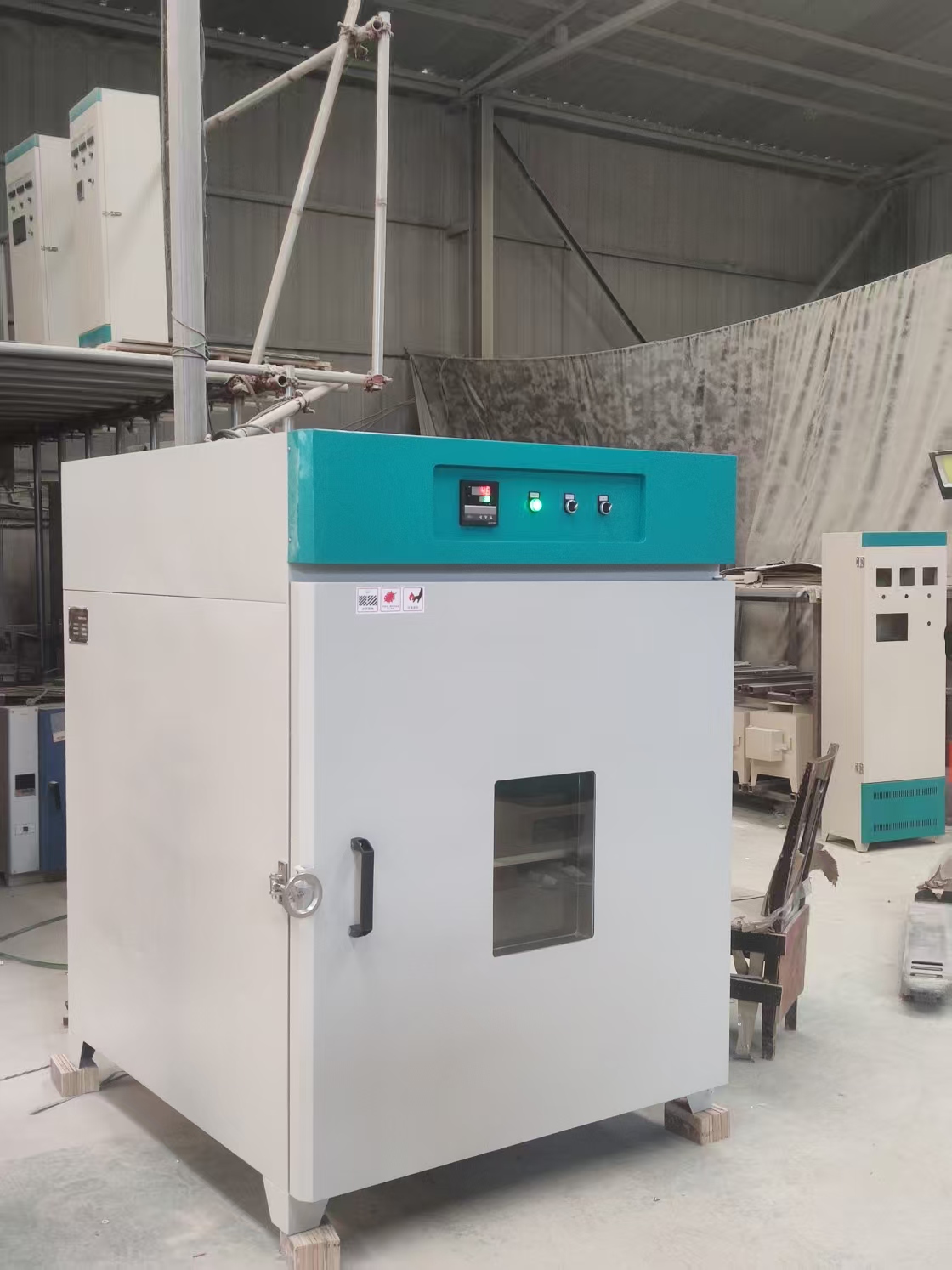
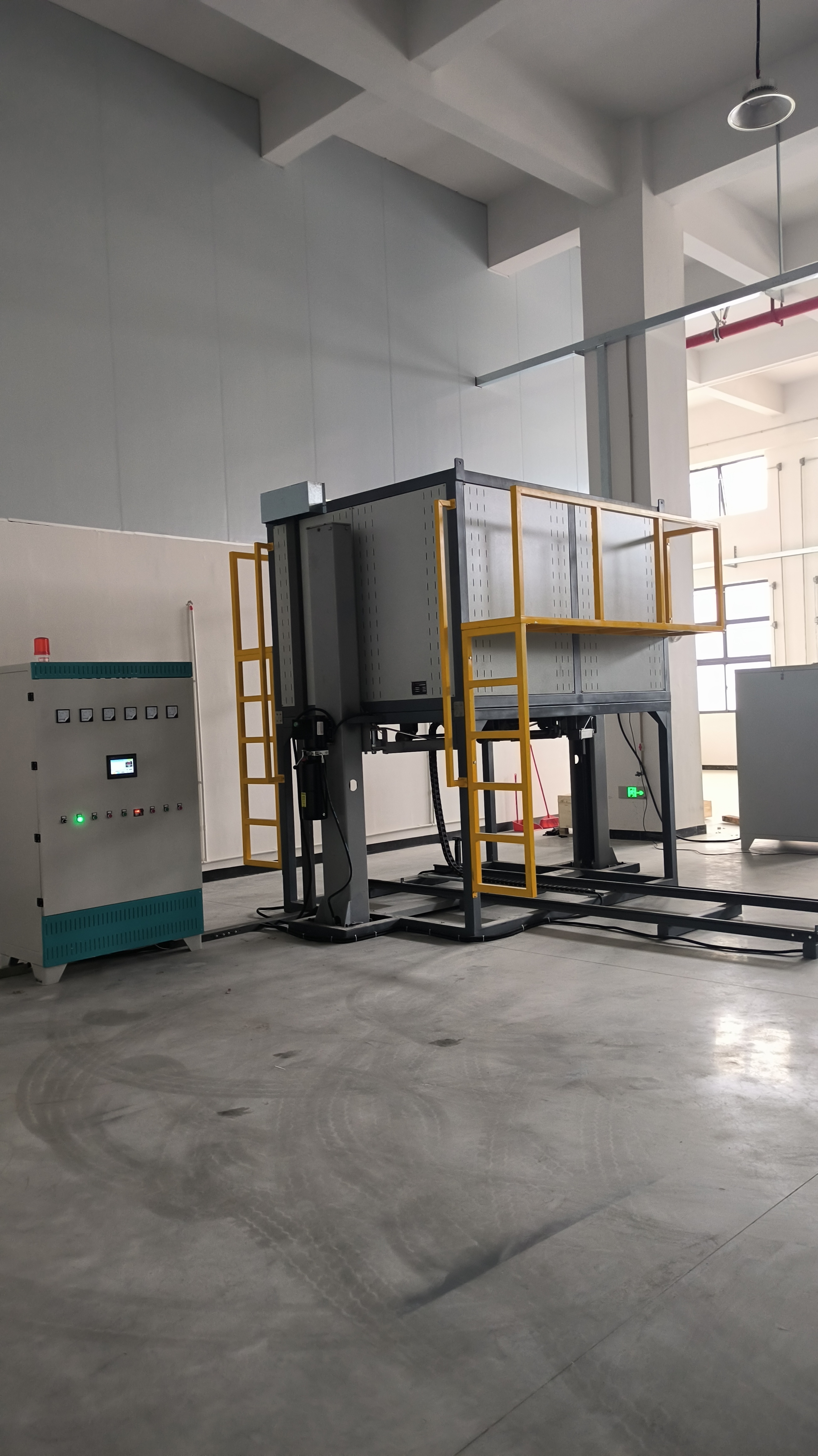


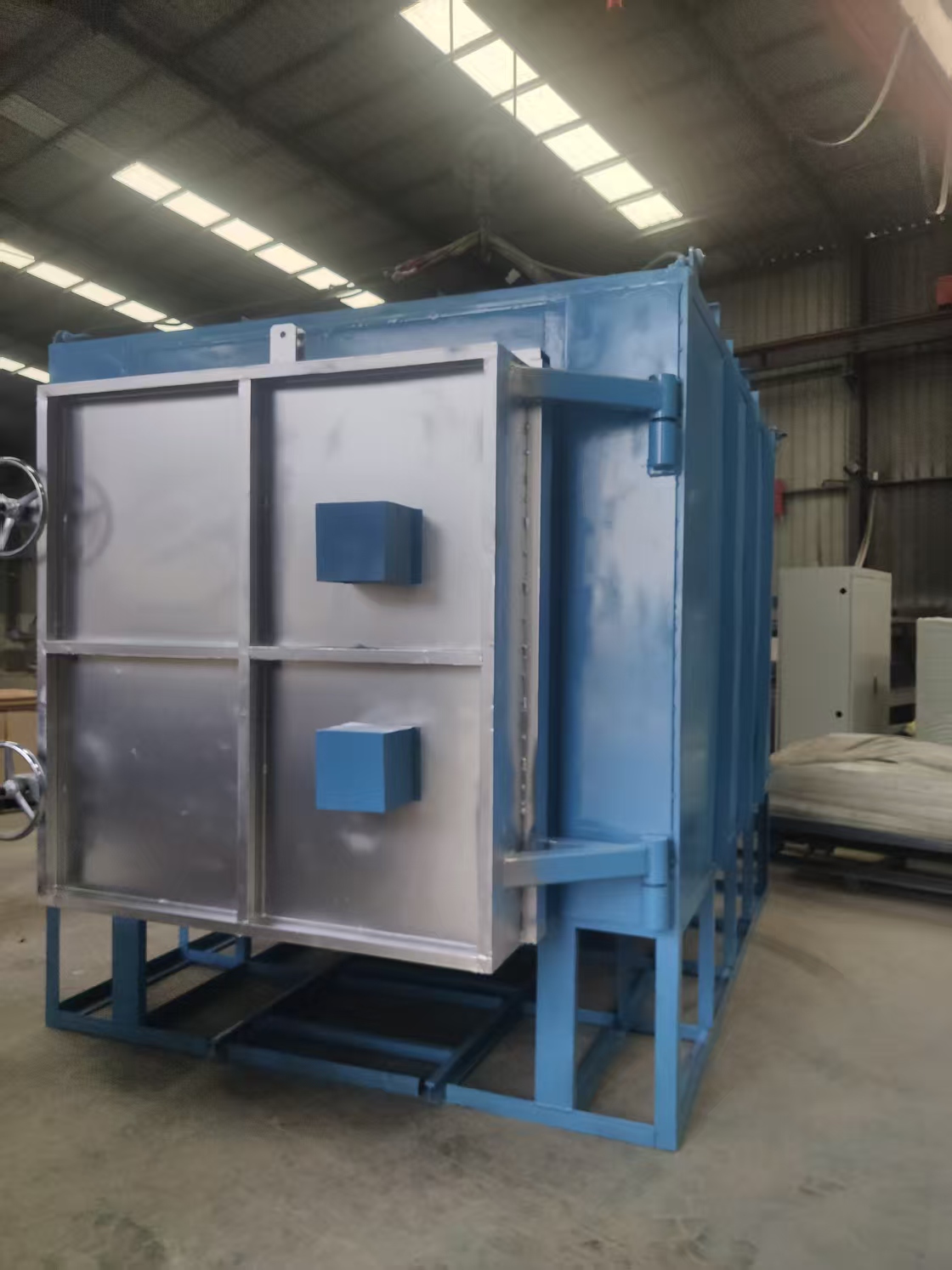






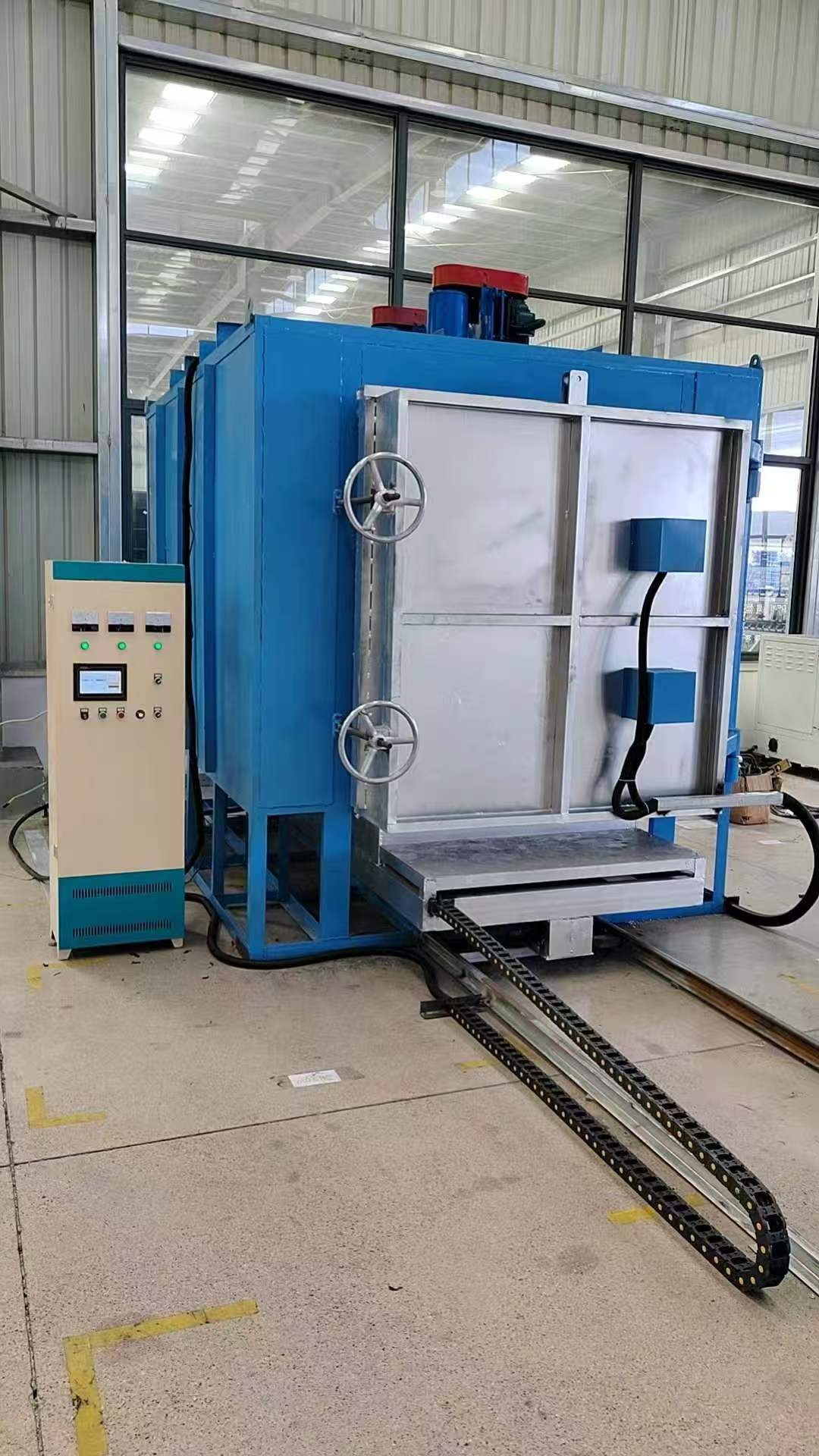
Yangjiang Muffle Furnaces are widely used in both laboratory and industrial settings as high-temperature ovens. Their primary function is to heat materials in a high-temperature environment for various thermal processes such as sintering, melting, and annealing. As an important manufacturing base, the muffle furnaces produced in Yangjiang are highly favored in the market for their reliability and stability.
Section 1: The Structure and Principle of a Muffle Furnace
A muffle furnace typically consists of the furnace body, heating elements, temperature control system, and insulation layer. The furnace body is usually made of refractory materials, offering excellent thermal insulation properties and capable of withstanding high temperatures. The heating elements are generally resistive wires or tubular heaters that heat up through the passage of electricity to raise the internal temperature of the furnace. The temperature control system is responsible for monitoring and adjusting the internal temperature to ensure the stability and uniformity of the heating process.

Section 2: Features of Yangjiang Muffle Furnaces
High-Temperature Resistance: Yangjiang muffle furnaces typically withstand temperatures up to 1200°C or higher, suitable for various materials and processes.
Uniformity of temperature: The adopted temperature control technology ensures even distribution of the temperature inside the furnace, meeting the processing requirements for different materials.
Energy-saving and environmentally friendly: The modern Yangjiang muffle furnace takes energy consumption into consideration in its design, using insulating materials and heating elements to reduce energy consumption.
Operation Simple: Equipped with an intelligent temperature control system, users can easily set temperatures via a touch screen or computer, making the operation straightforward and easy to master.
Section 3: Application Fields
Yangjiang muffle furnaces are widely used in industries such as ceramics, metals, glass, and chemical engineering. Specific applications include:
Ceramic Sintering: In the ceramic manufacturing process, the sintering of materials is achieved using a muffle furnace, enhancing the mechanical strength and thermal resistance of the ceramic.
Metal Heat Treatment: Used in the metal processing industry for heat treatment processes such as annealing and quenching to improve the physical properties of metals.
Research and Experimentation: Many research institutions and universities use muffle furnaces for high-temperature experiments on materials to study the properties of new materials.