










Better domestic mixers, crushers, granulators, conveyors, vibratory sieves, dryers, and EPC powder drying engineering manufacturer
Operating Principle:
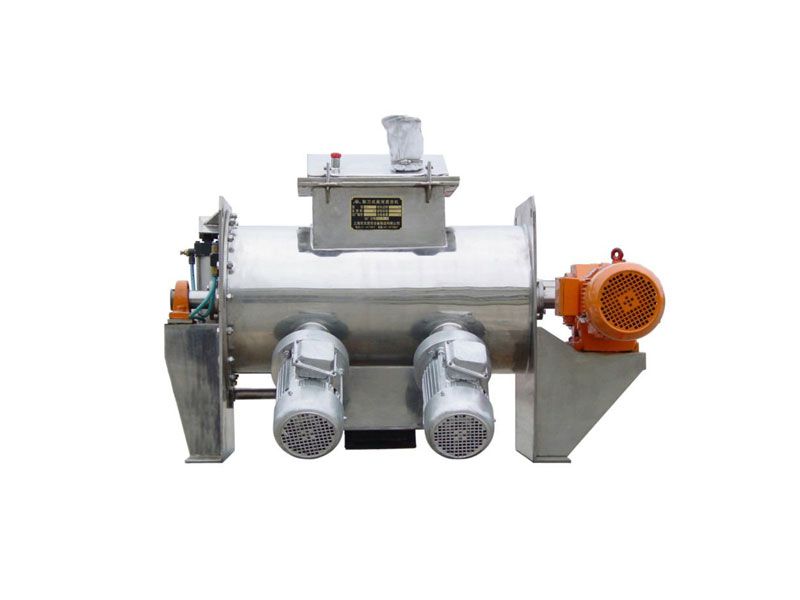
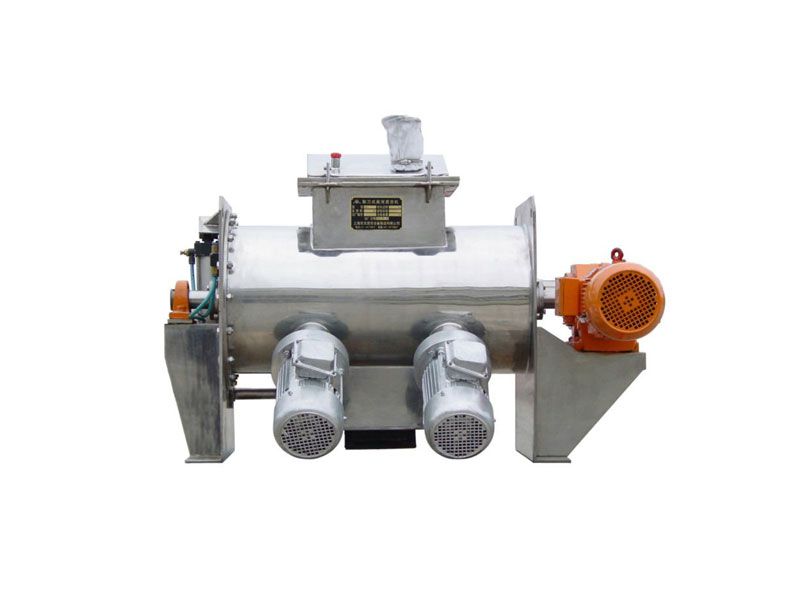
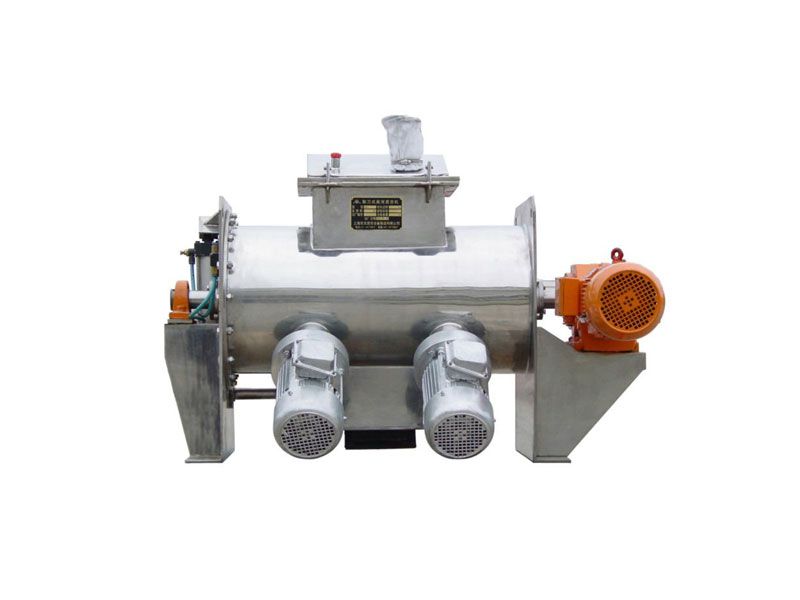
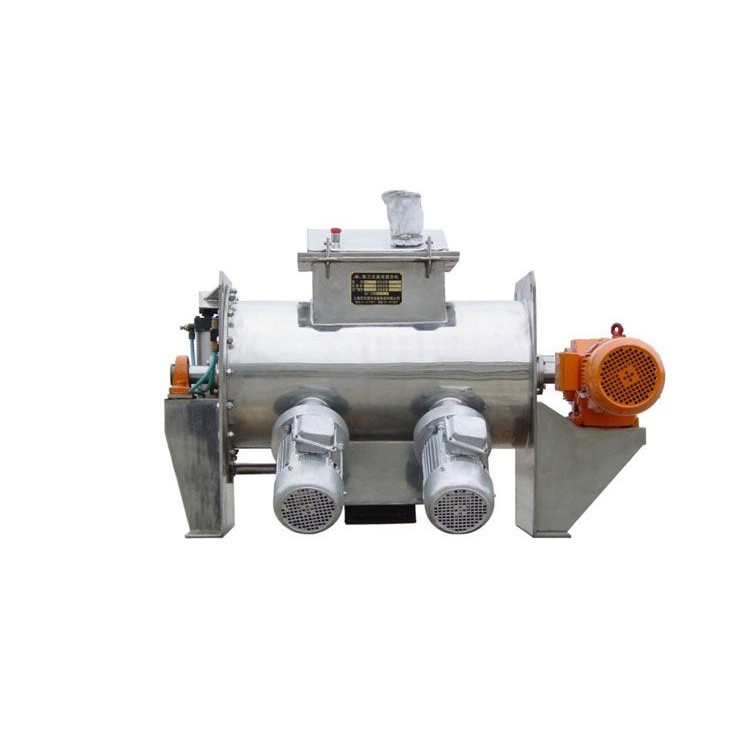
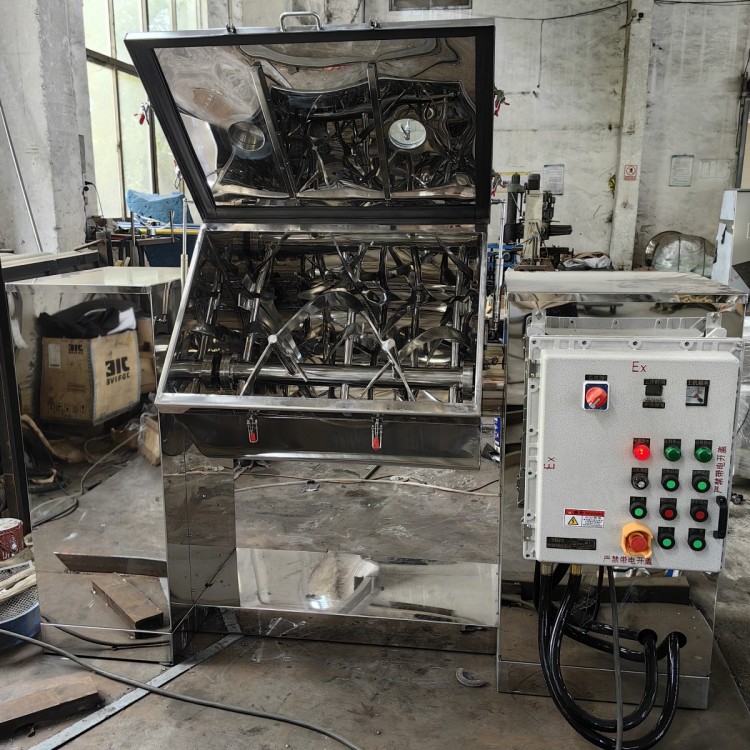
The plow-blade mixer is a single-axis forced agitation equipment, featuring multiple plow-blade agitators installed on the main shaft in an offset, continuous arrangement. This structural design eliminates dead mixing zones. During operation, it generates a continuous vortex centrifugal force, with the offset plow blades continuously stirring. The vortex centrifugal material flow overlaps and disperses continuously, causing the material to boil and form a convectional circulation, thereby rapidly agitating the material.
Agglomerated materials such as fibers or damply clumped powders, and powders that have been agglomerated by adding liquid, are broken down and separated by the action of a high-speed blade in a plow blade mixer, which creates a convectional circulation effect during the mixing process with the plow blade agitator.
The high-speed flying knife is installed at a downward angle of 45 degrees on the side of the plow knife mixing cylinder. The knife head extends into the cylinder. During mixing, the material is driven towards the effective range of the flying knife by the plow knife, where it is subjected to high-speed shearing.
Selection Method:
1. Determine the volume of material mix for each batch, ranging from 0.1 to 20 cubic meters, and select the corresponding equipment specifications.
2. Select equipment material, categorized as: parts in contact with materials and parts not in contact with materials. Other equipment components maintain the original material.
Material is determined based on material properties, operating conditions, hygiene levels, and other factors. Standard materials include carbon steel, and 304/316L/321 stainless steel.
After material selection, determine surface treatment requirements as per specifications.
3. Determine the driving capacity based on the material's specific gravity, fluidity, and other properties, as well as the startup standards.
Startup Standards: Overload Start, No-load Start.
4. Depending on actual process conditions, add auxiliary function components such as spray liquid, heating/cooling, etc.
5. Specify the opening requirements for design equipment, such as material inlets, cleaning ports, exhaust holes, etc.
6. Select the feeding mode and drive method, including manual, pneumatic, and electric.
Important Note: The selection of equipment is a crucial step. Please provide as much detail as possible about the materials and process arrangements, so that our professional staff can offer you high-quality technical services.
Case Study Presentation
24-hour Customer Service Hotline: 139-1501-6913
View Details →
Case Studies
24/7 Customer Service Hotline: 139-1501-69