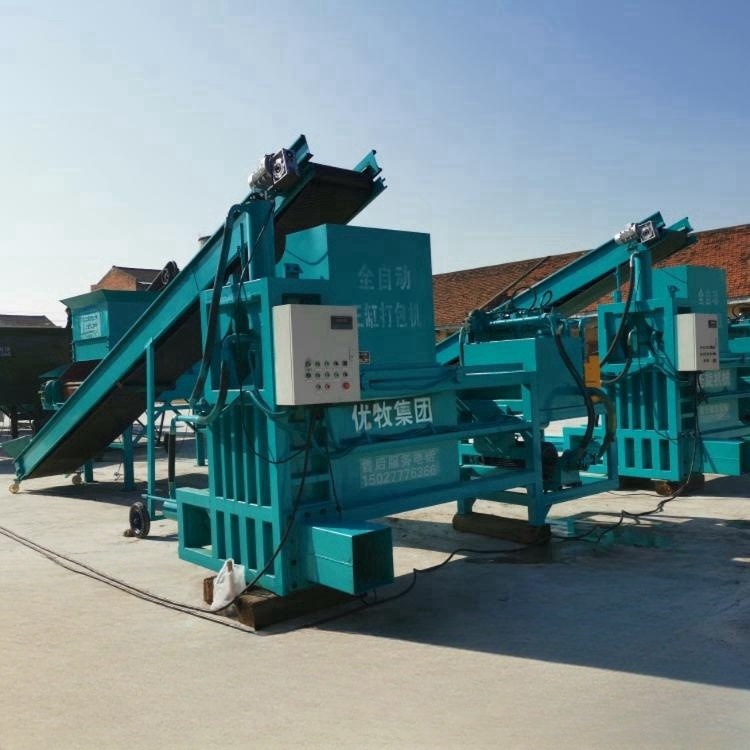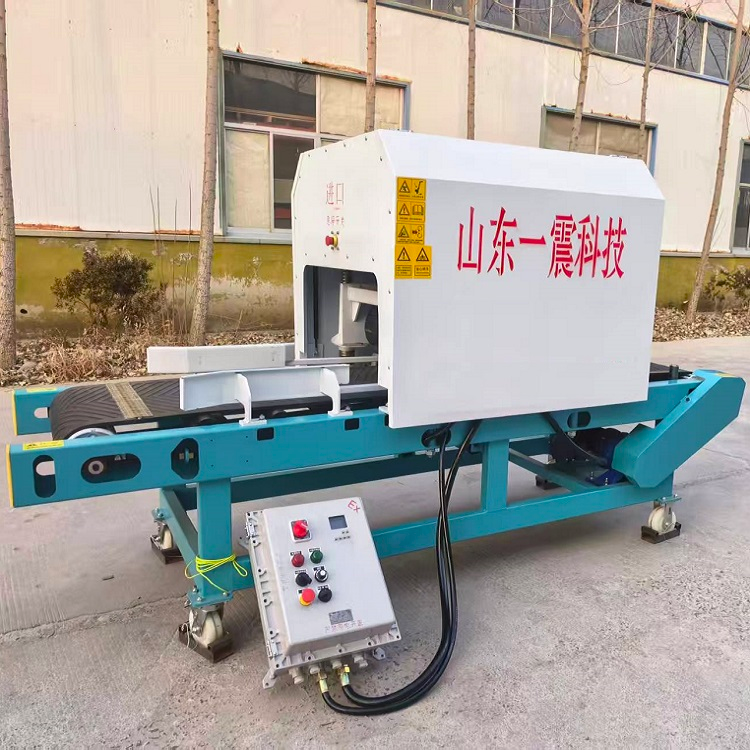


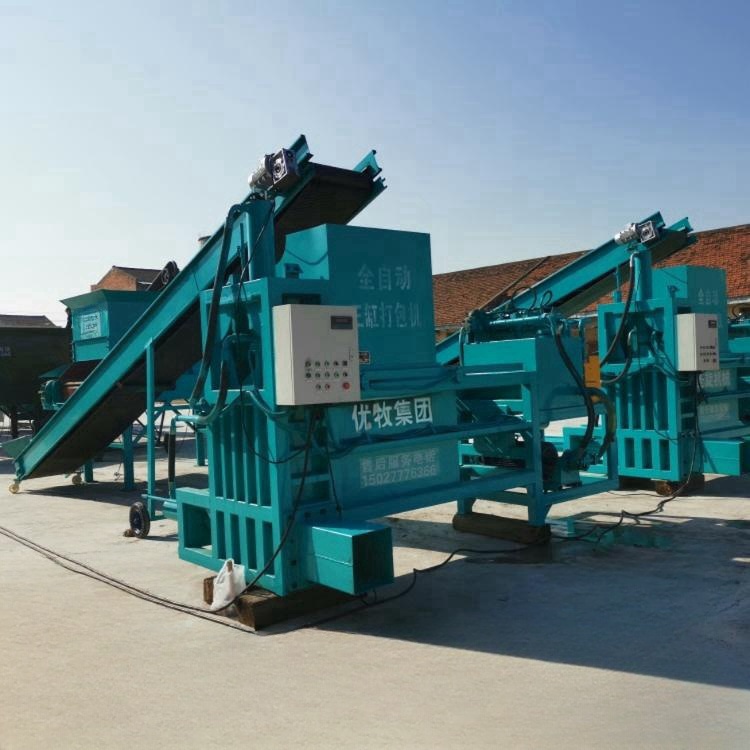


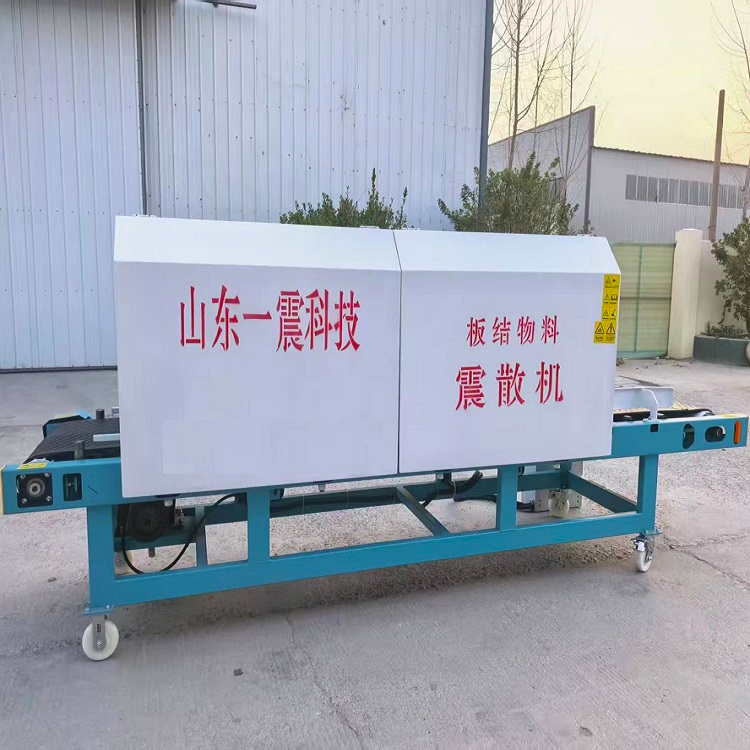
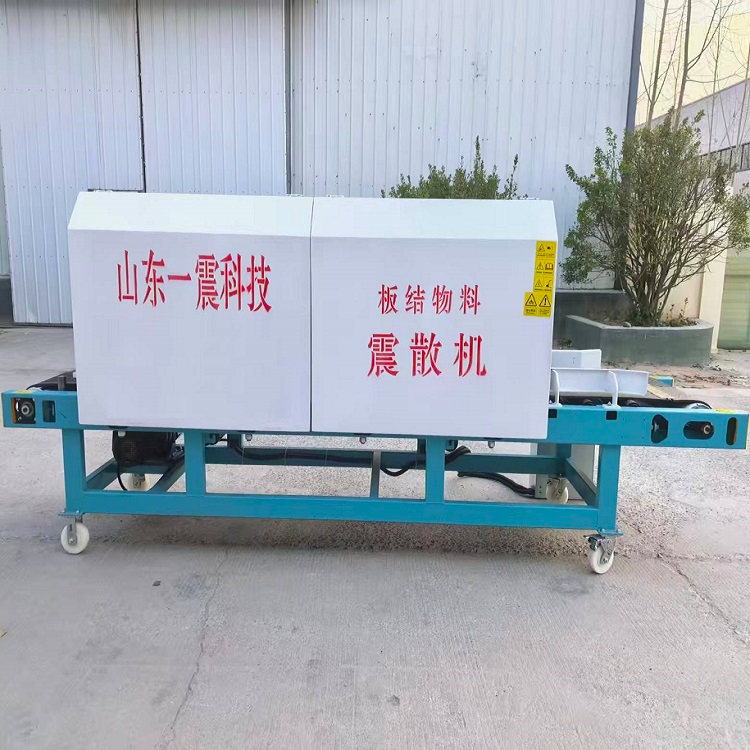
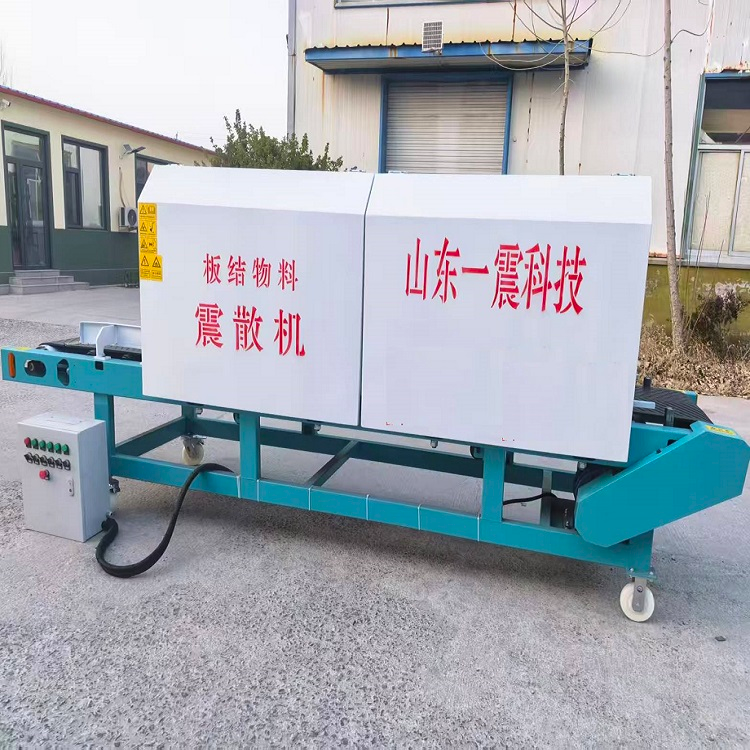
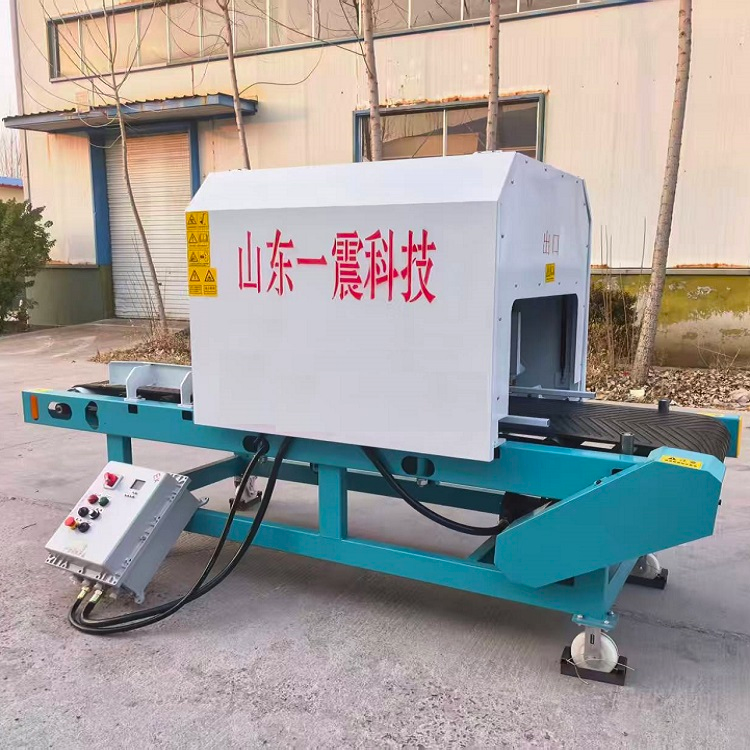
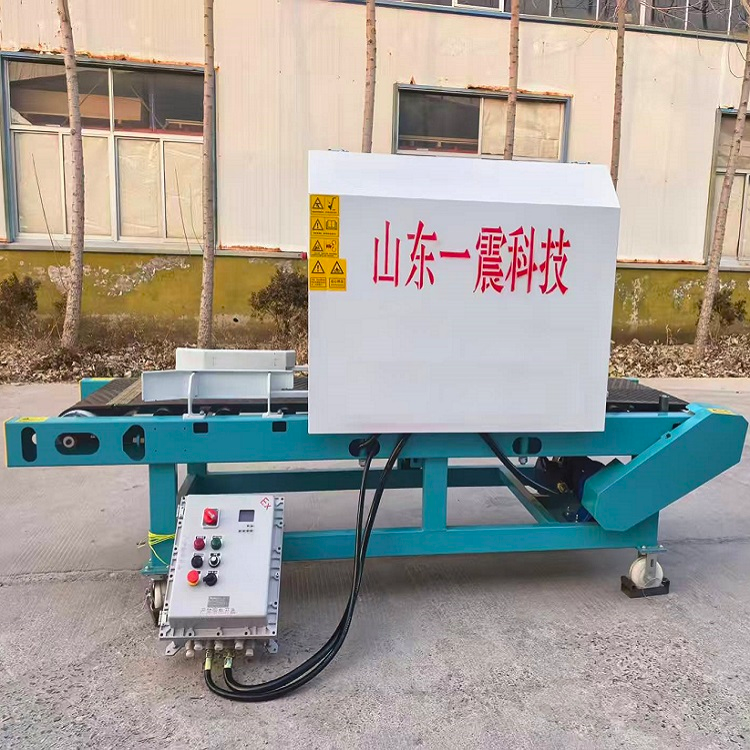






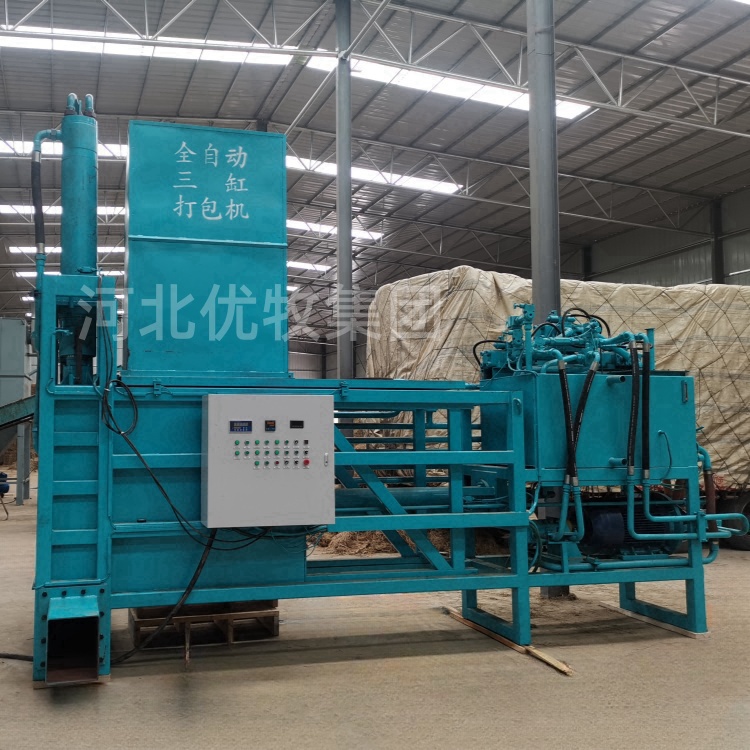
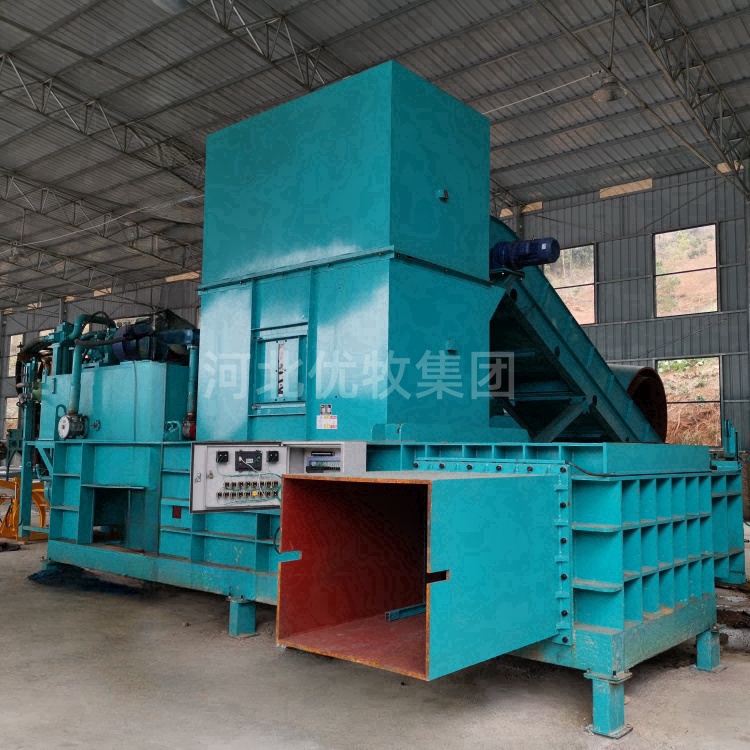
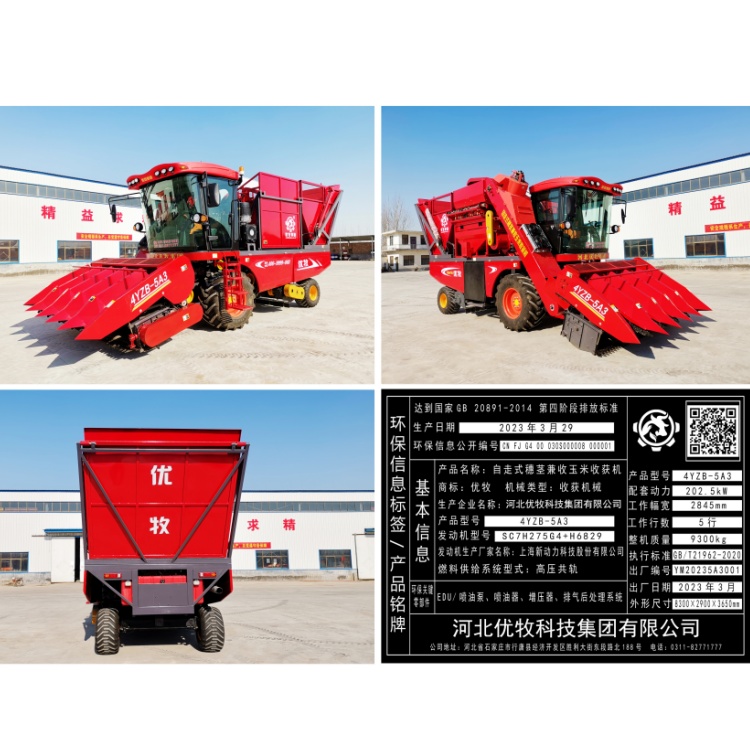


In the poultry farming industry, a straw baling machine is a mechanical equipment that quickly processes crop straw. It compresses and binds the straw into tight bales for easy transportation, storage, and subsequent use. Below is its application in the poultry farming industry and related introduction:
I. The main function of the straw baling machine
Compressed StrawCompress loose straw into high-density blocks (square or round bales), reducing volume by 50%-80%, saving storage space.
Automatic BindingSecure straw bales with ropes or net bags to prevent scattering.
Enhance Efficiency: Replaces manual bundling, with a daily processing capacity of up to 10-50 tons (depending on model).
Section II: Application Scenarios in Aquaculture
Feed Storage and Processing
Compressed straw is convenient for long-term storage, reduces spoilage, and can be used as roughage for ruminants like cows and sheep.
With silage technology, the baling machine can process corn stover for making silage feed.
Padding Material Preparation
Compressed straw bales can be crushed for use as bedding material for livestock and poultry (such as cow bedding), offering good moisture absorption, low cost, and environmental friendliness.
Environmental Protection and Waste Management
Addressing straw burning issues, avoiding environmental pollution, in line with environmental protection policies.
Utilizing waste straw resources to reduce farm disposal costs.
Straw Collection and Sales
Large-scale farms can package excess straw for sale, generating additional income.
III. Types of Straw Baling Machines
Fixed-bagging machineSuitable for fixed locations with high-volume processing, ideal for large-scale farms or straw processing centers.
Portable Packaging MachineSelf-powered or traction equipped, suitable for direct field operation, offering high flexibility.
Power TypeDiesel-powered (suitable for areas without electricity), electric-powered (energy-saving), and hydraulic-powered (pressure-stable).
IV. Advantage Analysis
EconomicReduce transportation and storage costs, minimize feed waste.
Eco-friendlinessReduce air pollution and fire risks associated with straw burning.
Efficiency EnhancementMechanized operations save labor and accommodate large-scale farming requirements.
VersatilityCompatible with various straw types (wheat, rice, corn, etc.) and forage.
V. Buying Recommendations
Select based on requirementsSmall to medium-sized farms can choose medium-power packaging machines (such as those processing 3-5 tons per hour), while large enterprises can opt for automated models.
Focus on durabilitySelect brands with high steel strength and reliable quality for critical components (such as hydraulic systems).
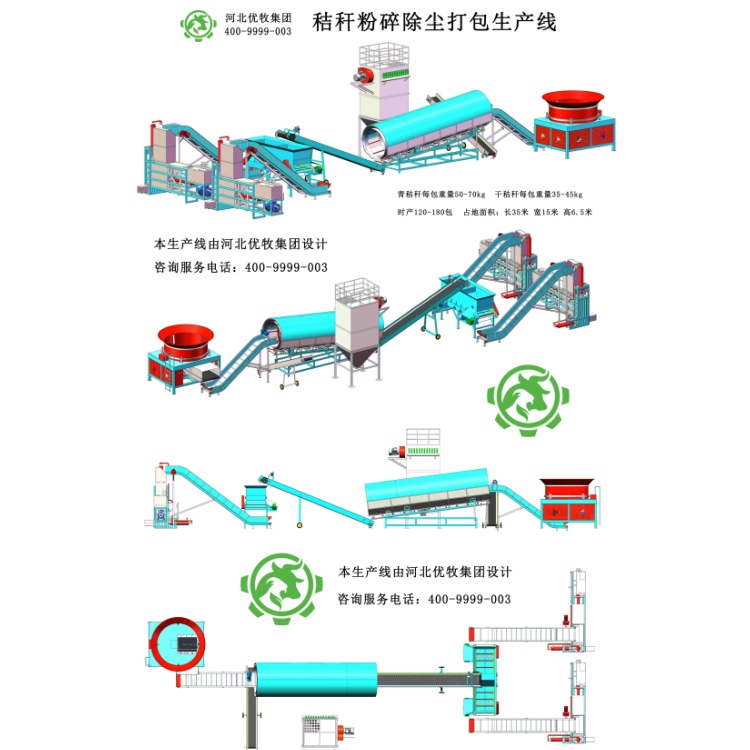
Matching EquipmentFor further processing, you can pair with straw crushing machines, baling and film wrapping machines, etc.
Section 6: Precautions
Safe OperationAvoid hands near the compression chamber, and regularly check the equipment fasteners.
Maintenance and careThoroughly clean away remaining straw residue, lubricate moving parts, and prevent rust.
Humidity ControlEnsure the straw is dried before packaging (humidity below 20%) to prevent fermentation or mold.
Section 7: Summary
Straw baling machines maximize the utilization of straw resources in the livestock industry, reducing feed and bedding costs while promoting the circular economy of agricultural waste. Selecting the appropriate model based on the actual needs of the farm can significantly enhance production efficiency and foster sustainable development.