












Grounding engineering is a crucial aspect of electrical engineering, involving establishing a good connection between the metal components of electrical equipment and circuits with the ground through conductive means to ensure safety for personnel and equipment. Below is a detailed introduction to grounding engineering:
I. The Purpose of Grounding Engineering
Protect human safety: Prevent electric shock accidents caused by overvoltage or leakage from electrical equipment failures or other reasons.
Protect electrical equipment: Reduce the risk of equipment damage due to overvoltage, static electricity, and other causes.
Ensure stable operation of electrical systems: Provide a stable reference voltage point for electrical equipment to ensure normal operation.
Lightning Protection: Directs lightning currents quickly into the ground through grounding systems, safeguarding buildings and electrical equipment from lightning damage.
Section II: Main Components of the Grounding Engineering
The grounding engineering mainly consists of grounding bodies, connecting lines (grounding wires), and a grounding network.
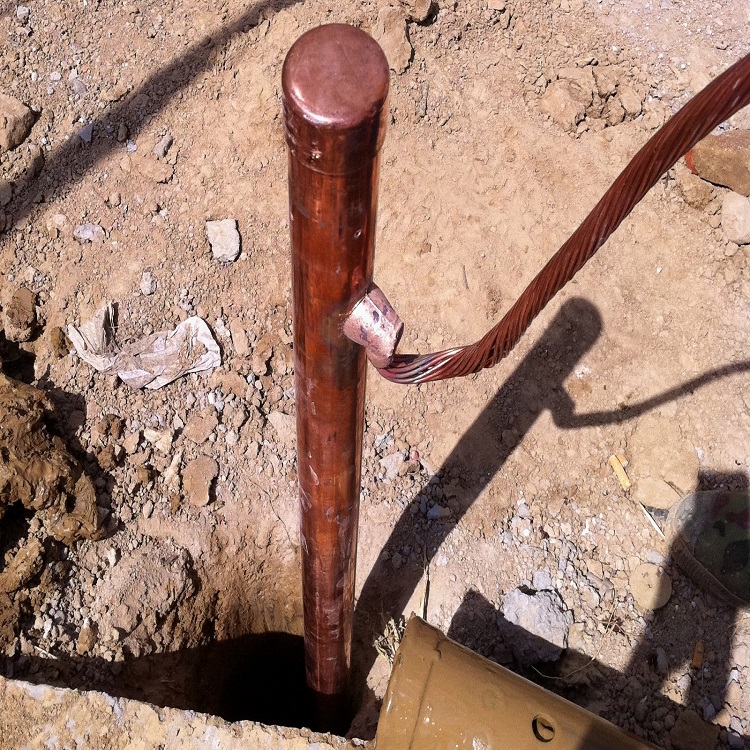
Grounding Rod: A metal conductor buried in the ground and in direct contact with the earth, used to channel electricity into the ground. Common grounding rods include galvanized steel pipes, angle iron, copper materials, etc. Depending on the environment and usage requirements, non-metallic grounding rods such as expanded graphite grounding rods can also be chosen.
Grounding Wire: Conductive wire used to connect electrical equipment to the grounding body, typically made of materials like copper or galvanized steel, known for their good conductivity and corrosion resistance. The installation of grounding wires should ensure a secure connection and implement corrosion prevention measures.
Grounding Network: An integrated system formed by multiple grounding bodies interconnected by connection lines, designed to enhance the reliability and stability of the grounding system.
Section 3: Design and Implementation of Grounding Engineering
Survey and Design: Conduct detailed surveys at the construction site, including soil resistivity, topography, and building structures, to formulate grounding design plans that comply with national standards. Prioritize the installation of grounding bodies in areas with low soil resistivity, such as moist, clayey soil.
Material Preparation: Prepare the required materials according to the design, including grounding bodies, grounding wires, connecting parts, etc. For critical areas and important equipment, choose materials with excellent performance and corrosion resistance.
Construction Steps:
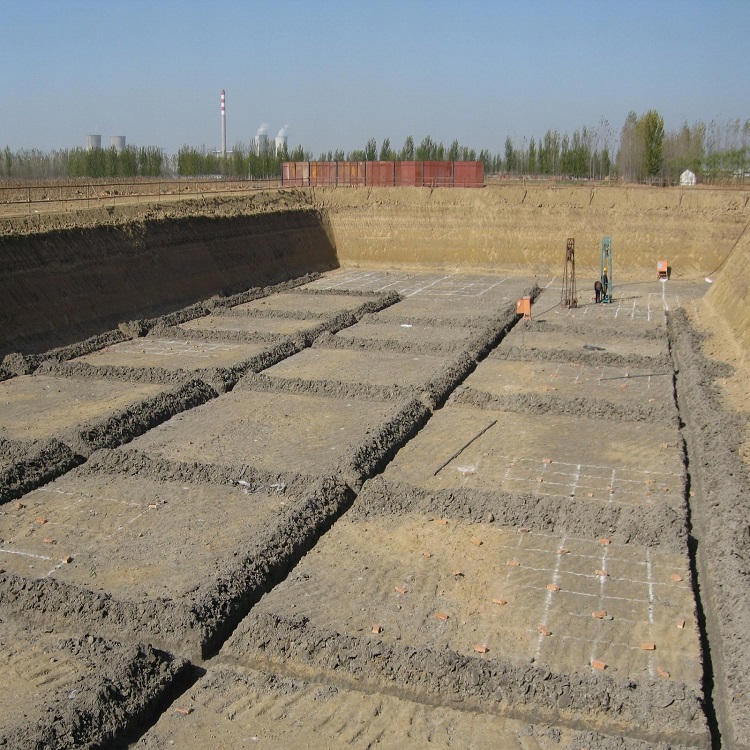
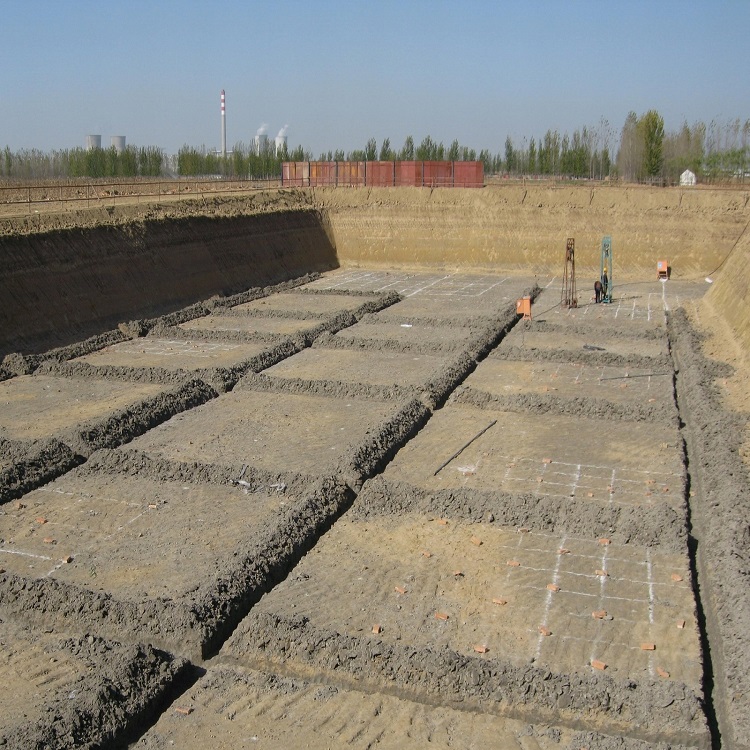
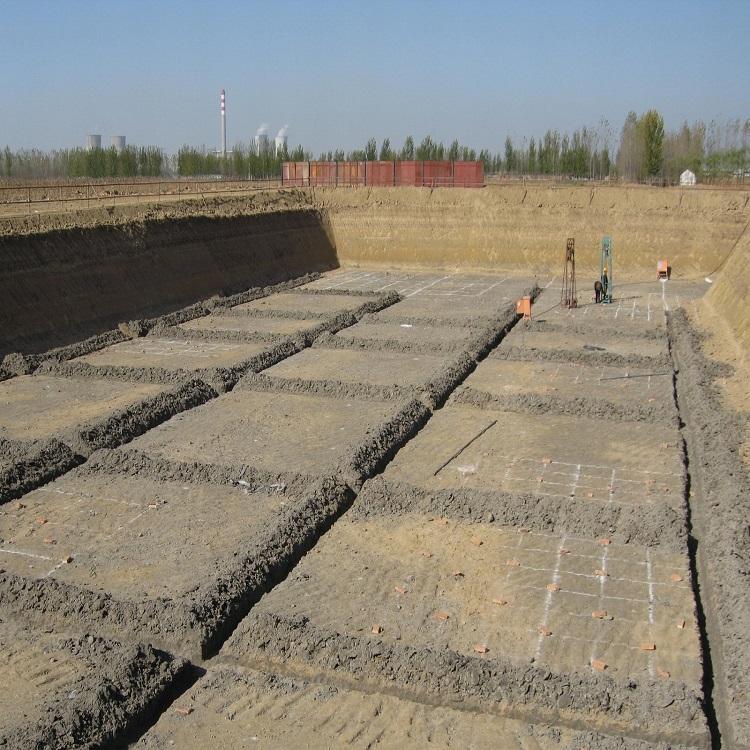
Excavate grounding trench: Excavate the grounding trench according to design specifications, ensuring the trench depth and width meet construction requirements.
B埋 ground rods: Vertical or horizontally embed the ground rods into the ground trench, ensuring the burial depth is not less than the specified value and maintaining an appropriate distance from the building foundation. The ground rods should be reliably connected through bonding wires.
Bonding Ground Wire: Securely connect the ground wire to the metal casing of the electrical equipment, ensuring a firm bond and good contact.
Measure Ground Resistance: After the grounding system is installed, use a specialized instrument to measure the ground resistance value to ensure it meets the design requirements. If it does not meet the requirements, take measures to reduce the ground resistance, such as increasing the number of grounding bodies or using resistance-reducing agents.
Acceptance and Maintenance: Upon completion of the grounding system installation, an acceptance check should be conducted to ensure the integrity and stability of the grounding system. Additionally, regular inspections and maintenance of the grounding system should be performed to ensure its long-term effective operation.
Four: Notes on Grounding Engineering
Grounding Electrode Selection: Choose the appropriate grounding material and specifications based on factors such as soil resistivity and grounding current size. In high-corrosive environments, select grounding materials with excellent corrosion resistance.
Ground wire installation: The ground wire should be buried underground and anti-corrosion measures should be taken. The connection between the ground wire, the grounding body, and electrical equipment should be firm and reliable, with the contact resistance as small as possible.
Ground Resistance Requirements: The requirements for ground resistance vary depending on the equipment and location, and should be determined based on the actual situation. Generally, the ground resistance should be less than 10 ohms.
Training for Construction Personnel: Individuals involved in ground engineering projects must be familiar with the technical requirements and safety standards of ground engineering to ensure construction quality and safety.
Section 5: Applications of Grounding Engineering
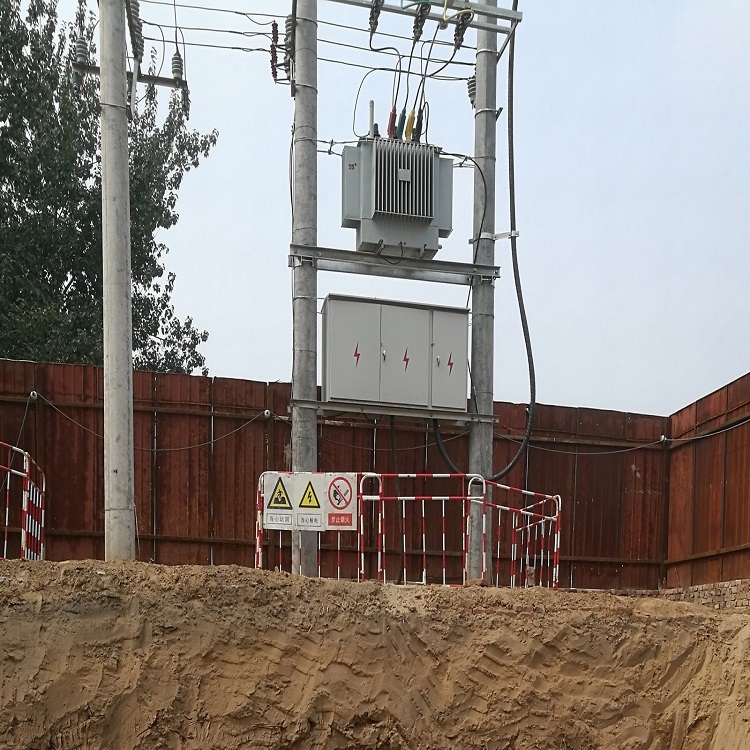
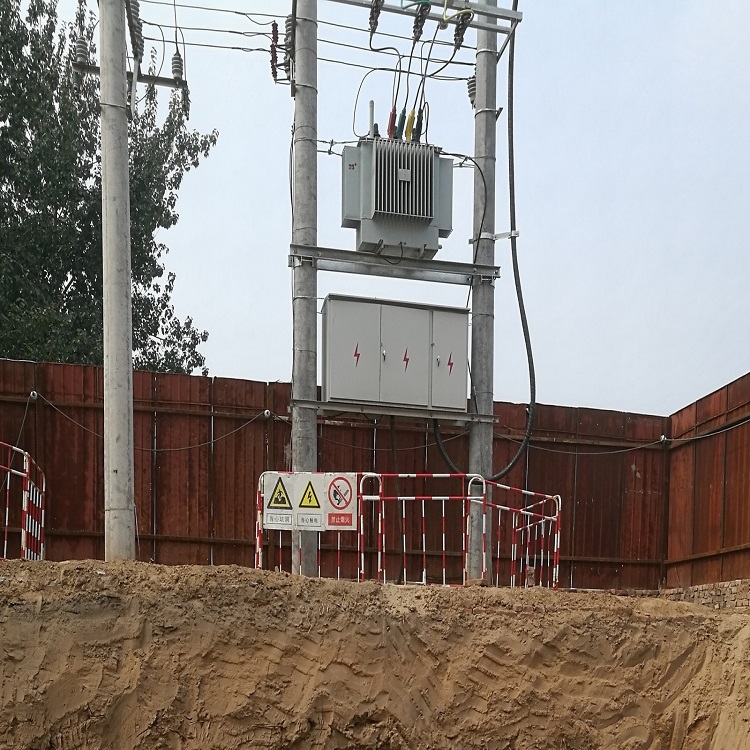
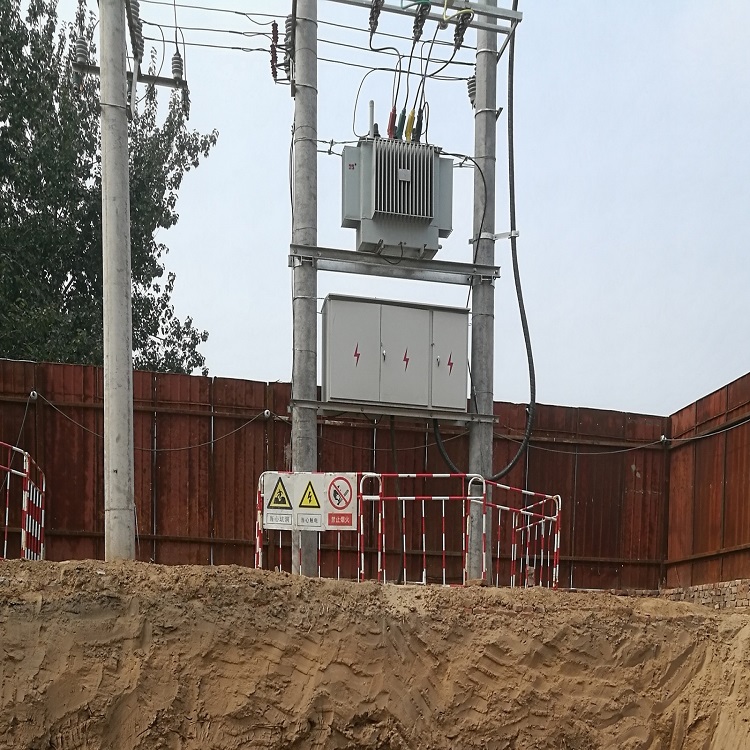
Grounding engineering is widely used in fields such as construction, electricity, communication, transportation, and petrochemicals. In high-rise buildings, grounding systems are often integrated with lightning protection systems to form comprehensive lightning protection and grounding systems. In power systems, grounding systems are used to protect important equipment like generators and transformers from lightning strikes and overvoltage damage. In communication systems, grounding systems ensure the normal operation of communication equipment and personal safety.
Section 6: Trends in Grounding Engineering Development
As electrical technology continues to advance, grounding technology is also innovating and improving. In the future, grounding projects will place greater emphasis on environmental protection, energy conservation, and intelligence. For instance, developing more efficient and environmentally friendly grounding materials and technologies to reduce the cost and environmental impact of grounding systems; utilizing intelligent technology to monitor and maintain grounding systems, enhancing their performance and reliability.
In summary, grounding engineering is an indispensable part of electrical engineering, vital to both personal and equipment safety. Therefore, when designing and implementing grounding projects, strict adherence to national standards and regulations is essential to ensure the reliability and safety of the grounding system.