













A human static eliminator is a device used to dissipate static electricity from the human body. Below is a detailed introduction to it:
I. Working Principle
Static electricity dissipater operates based on the principle of charge balance and conductivity. When the human body carries a static charge, the dissipater generates a charge opposite to it, thereby neutralizing the static charge on the human body. This process is typically achieved in two ways:
Inductive Neutralization: The emitter generates a charge opposite to the static electricity of the human body through induction. When a person approaches the emitter, the internal inductive component detects the static electricity on the person and automatically generates a charge of the opposite polarity. This charge is then conducted through the air to the person, achieving neutralization of the static electricity.
Contact Neutralization: Certain dispensers are designed with touchable metal plates or buttons. When a person touches these parts, the static charge is directly transferred from the person to the dispenser, effectively neutralizing it.
II. Features and Advantages
Passive Design: The human static electricity release device utilizes a passive circuit, operating on the body's own static electricity without requiring an external power source, offering convenient use.
Compact and lightweight: easy to carry and install.
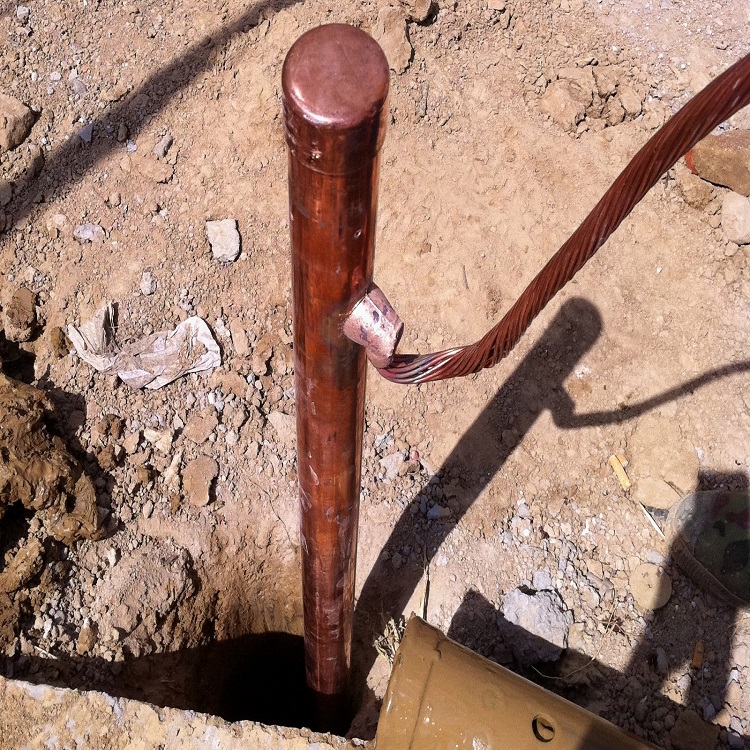
Easy installation: Simply connect the ground wire and it's ready to use; no complicated construction required.
Fast static elimination: Quickly and effectively removes static charge from the human body, enhancing work efficiency.
Safe and Reliable: Made of corrosion-resistant materials like stainless steel, offering excellent durability and safety.
Section 3: Application Sites
Static discharge devices for the human body are widely used in various places where flammability, explosiveness, and electrostatic protection are required, such as:
Chemical, metallurgy, oil fields, petrochemical, and gas stations: These sites contain a large amount of flammable and explosive materials. Static electricity from the human body may cause fires or explosions. The use of static discharge devices can effectively reduce the risk.
Electrical & Electronics: In the electrical and electronics industry, static electricity can damage precision equipment. Using static discharge units can ensure the safe operation of the equipment.
Railways, mines, and gas extraction: Work environments in these areas are complex, and human static electricity may pose safety hazards. Using static dissipators can enhance job safety.
Fireworks, computer rooms, luxury hotels, and high-end offices: These locations are sensitive to static electricity. Using static eliminators can protect equipment and personnel safety.
Four: Usage Precautions
Routine Inspections: The grounding resistance and performance of the human static discharge device should be inspected regularly to ensure proper operation.
Proper Installation: Follow the product manual to correctly install and use the static dissipative footwear, to prevent misuse that could damage or render the device inoperable.
Avoid Moisture: Static Eliminators should be used in dry conditions to prevent performance and lifespan issues.
Regular Inspections: The appearance and connections of the human static dissipater should be inspected regularly. Any damage or loose parts should be replaced or repaired promptly.