














Laboratory grounding is a crucial safety measure, vital for the safe operation of lab equipment, the accuracy of experimental data, and the personal safety of lab personnel. Below is a detailed explanation of laboratory grounding:
The role of grounding in a laboratory
Protective function
Grounding prevents excessive voltage from damaging equipment and personnel due to internal insulation breakdown or external factors such as lightning strikes or line surges.
Grounding can also eliminate radio frequency potential on the equipment housing, preventing the accumulation of static charge.
Shielding function
The grounding of laboratory equipment is equivalent to placing the entire unit in a specially designed shielding room, which can block electromagnetic radiation from both external and internal sources, ensuring the equipment remains undisturbed and enhances the accuracy and precision of measurements.
Stable Instrument Working Zero Point
Grounding provides a reference zero potential for the instrument, ensuring normal and stable circuit operation. When the instrument housing is not grounded, the reference zero position is floating relative to the earth, prone to fluctuations due to external power source interference, leading to unstable instrument zero points and affecting measurement accuracy.
II. Classification of Laboratory Grounding
Laboratory building grounding
Lightning protection grounding: To prevent buildings and internal personnel equipment from being struck by lightning, the lightning current is channeled into the earth. The lightning protection grounding resistance should be less than 10Ω.
Electromagnetic shielding and static electricity grounding: Modern buildings commonly use reinforced concrete frame structures. By connecting the steel bars around the laboratory with electrical connections, a grounded equipotential Faraday cage is formed, which not only provides electromagnetic shielding but also serves as a static electricity prevention measure.
Auxiliary electrical equipment grounding
Grounding of general electrical equipment and systems with high voltage, large current, and strong interference, including lighting, air conditioning, elevators, etc. The grounding method can be handled according to the general electrical equipment grounding standards.
Lab equipment is grounded separately.
For precision instruments, particularly high-frequency generators (such as inductively coupled plasma emission spectrometers and mass spectrometers), the installation manual typically emphasizes that the laboratory must provide a separate grounding wire. This wire must have a good electrical connection to the earth, with a grounding resistance of 4Ω or less.
Individual grounding not only protects the operator and equipment from harm but also shields the instrument from external electromagnetic fields and stabilizes the instrument's electrical zero point.
Section 3: Implementation Requirements for Laboratory Grounding
Ground Resistance
Ground resistance is a crucial indicator of the performance of grounding systems. Different types of grounding systems have varying requirements for ground resistance. Generally, the ground resistance should be as low as possible to ensure the effectiveness of the grounding system.
Grounding Material
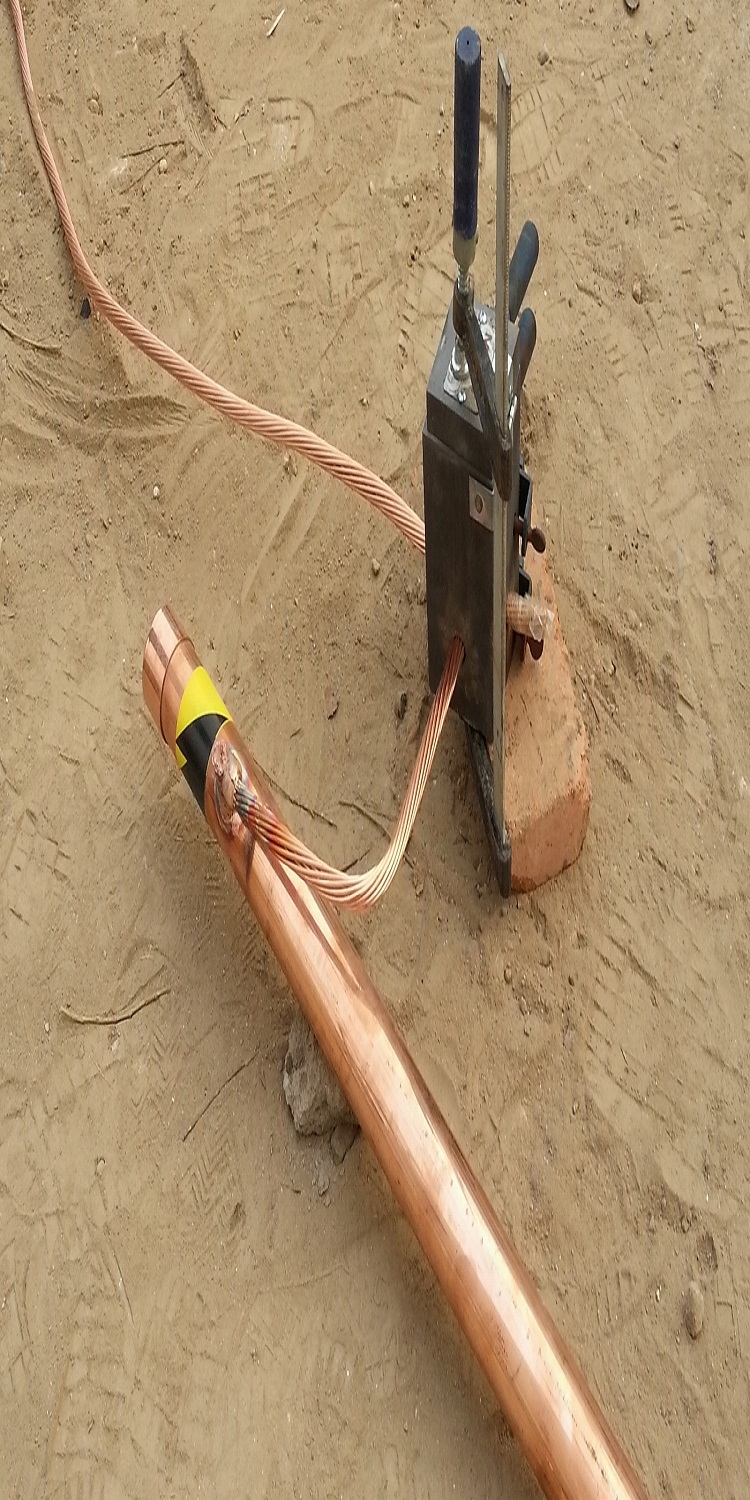
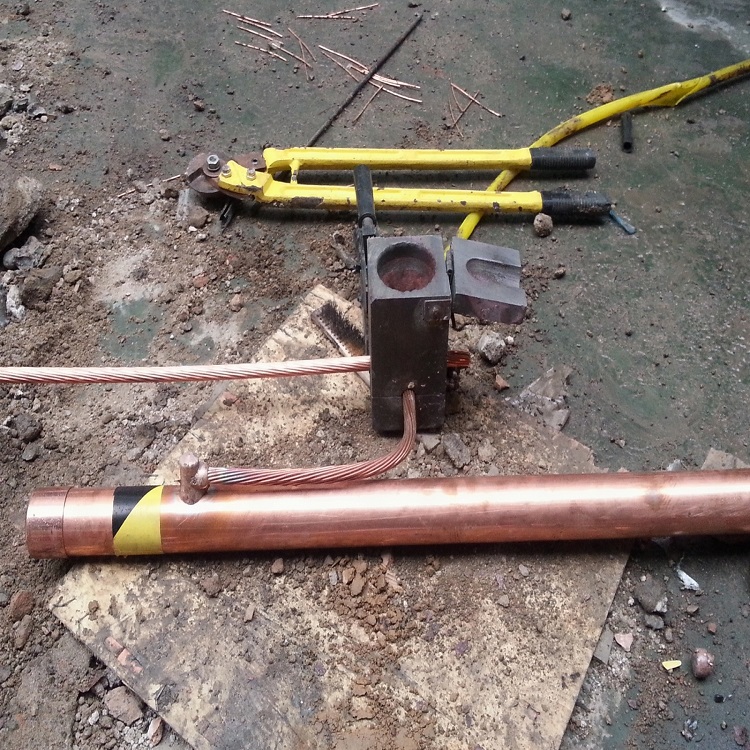
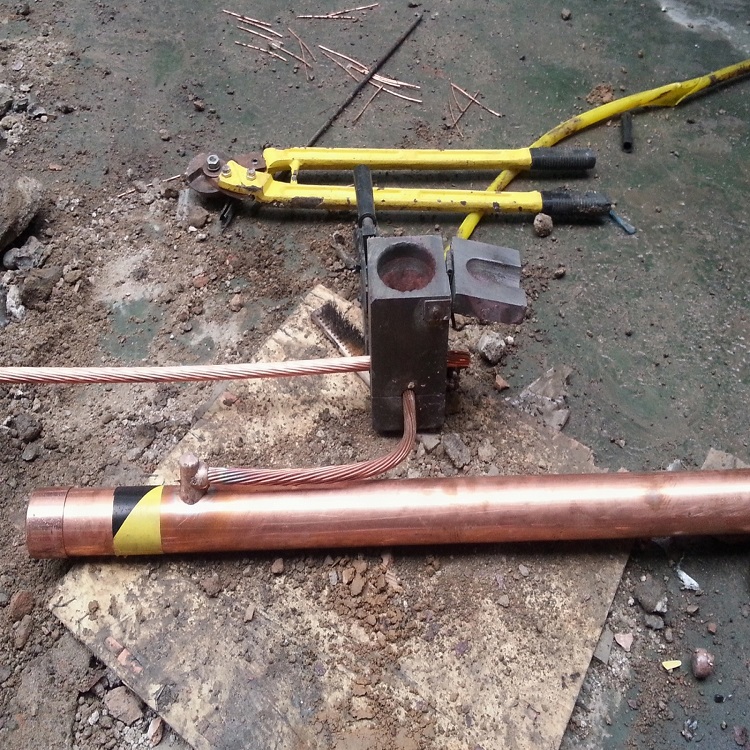
Grounding materials should possess excellent conductivity and corrosion resistance. Common grounding materials include copper, galvanized steel, and copper-clad steel.
Grounding method
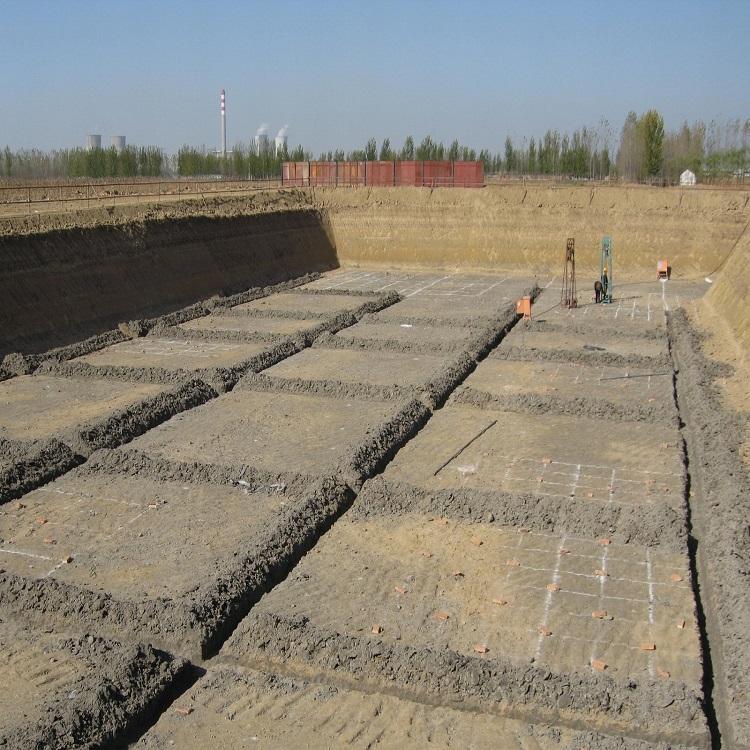
The grounding method should be determined based on the specific conditions of the laboratory and the requirements of the equipment. Single-point grounding, multi-point grounding, and mesh grounding are some of the methods that can be employed.
Ground connection
Ground connections should be secure and reliable to prevent failure due to poor connections. The connection points should be inspected and maintained regularly.
Section 4: Precautions for Laboratory Grounding
Avoid ground interference
During grounding, it is important to avoid grounding interference. For instance, there may be chaotic interference signals in the common ground wire, which can affect the test results of analyzers and even the lifespan of critical components. Therefore, for precision instruments, a separate grounding wire should be used.
Regular inspections and maintenance
The grounding system should be inspected and maintained regularly to ensure proper operation. Inspection items include measuring the grounding resistance, checking for corrosion of the grounding materials, and verifying the tightness of the connection points.
Professional Construction
The installation of the laboratory grounding system should be performed by professionals to ensure quality and safety.
In summary, proper grounding in the laboratory is a crucial measure for ensuring safe operation and the accuracy of experimental data. When designing and implementing a grounding system, careful consideration should be given to the specific conditions of the laboratory and the requirements of the equipment, to ensure the effectiveness, reliability, and safety of the grounding system.