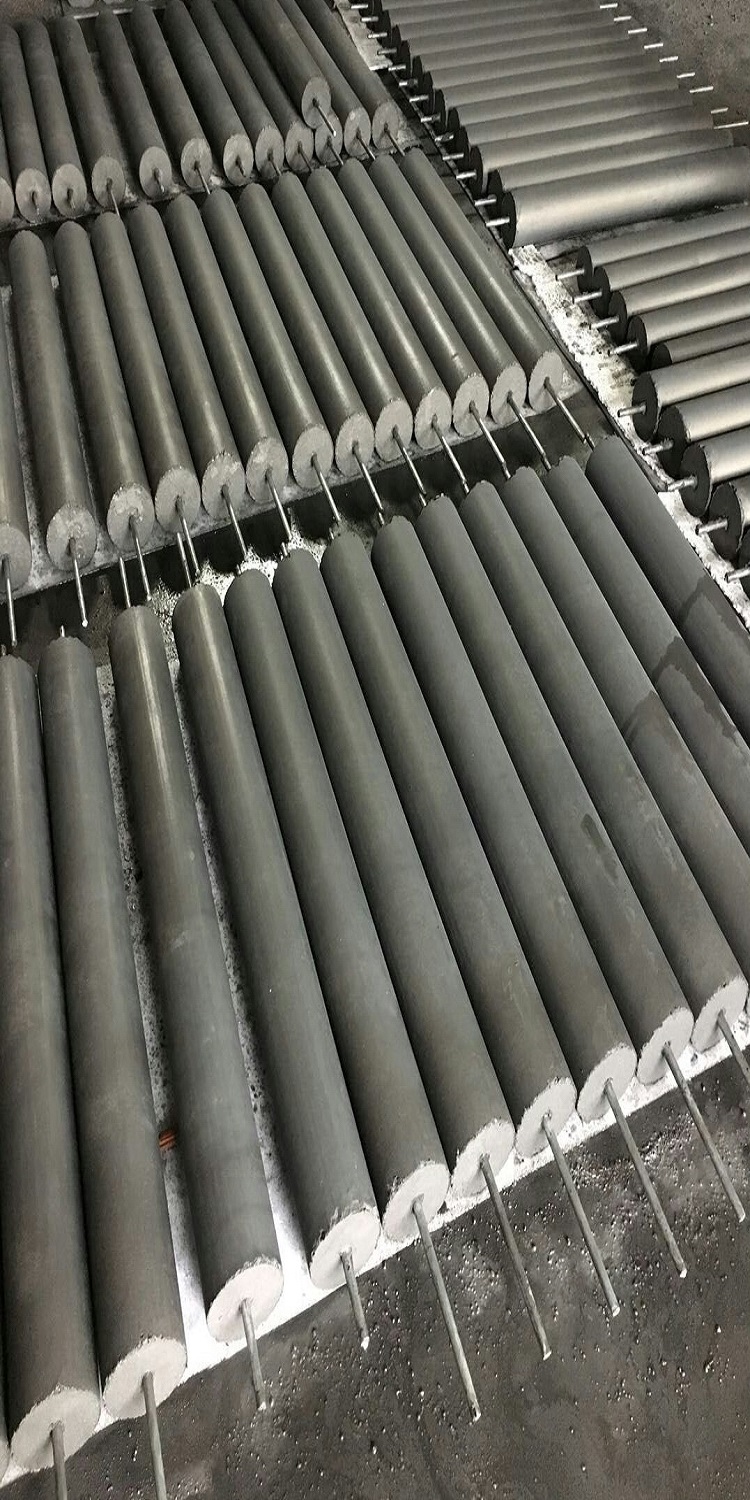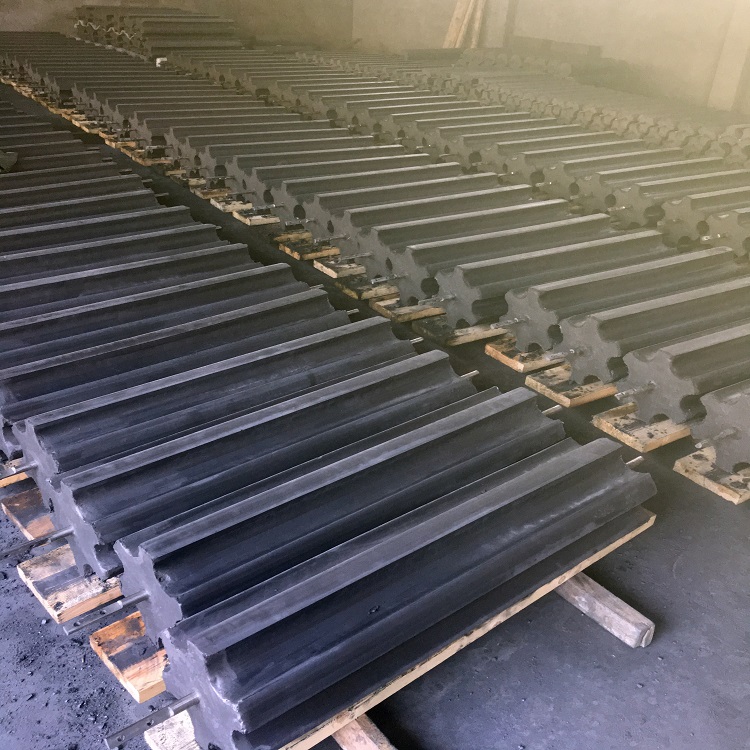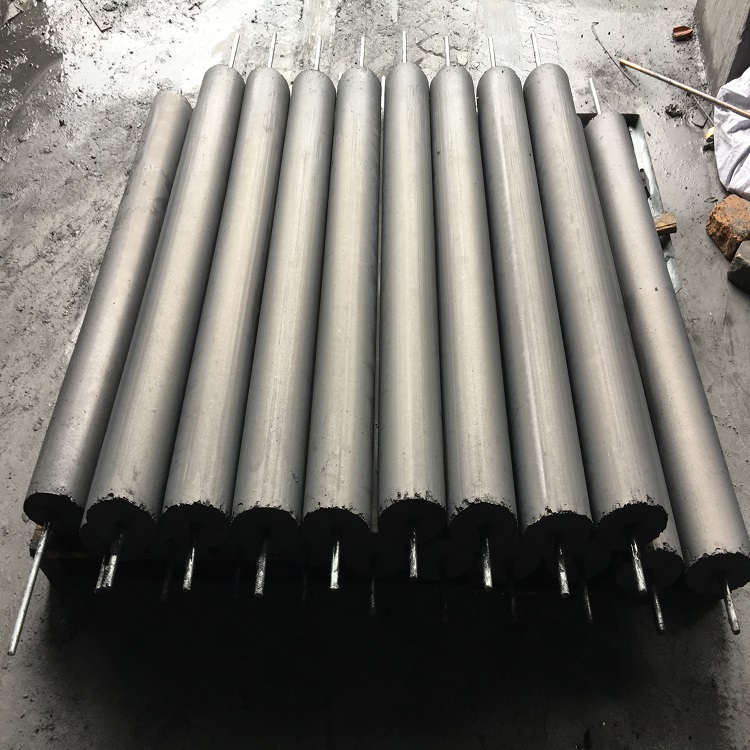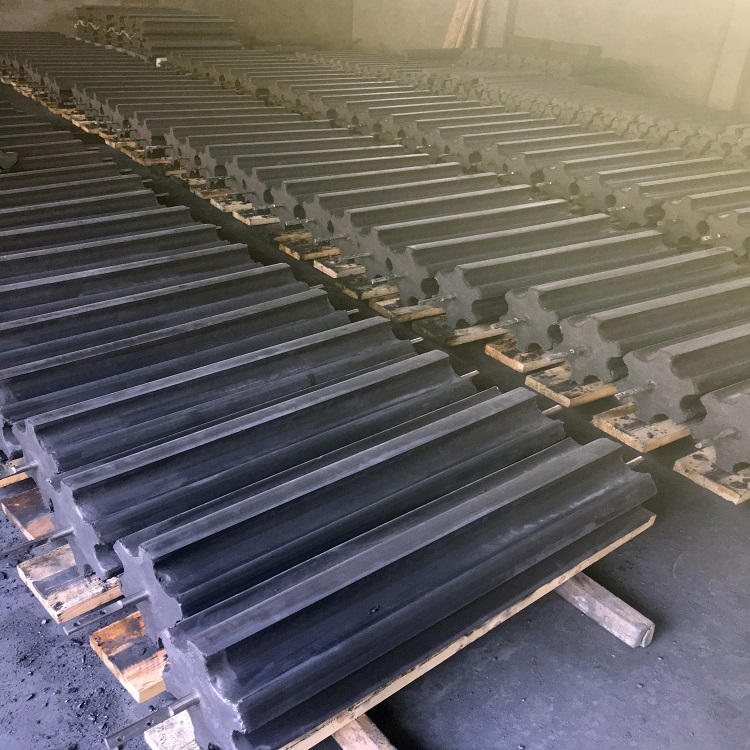

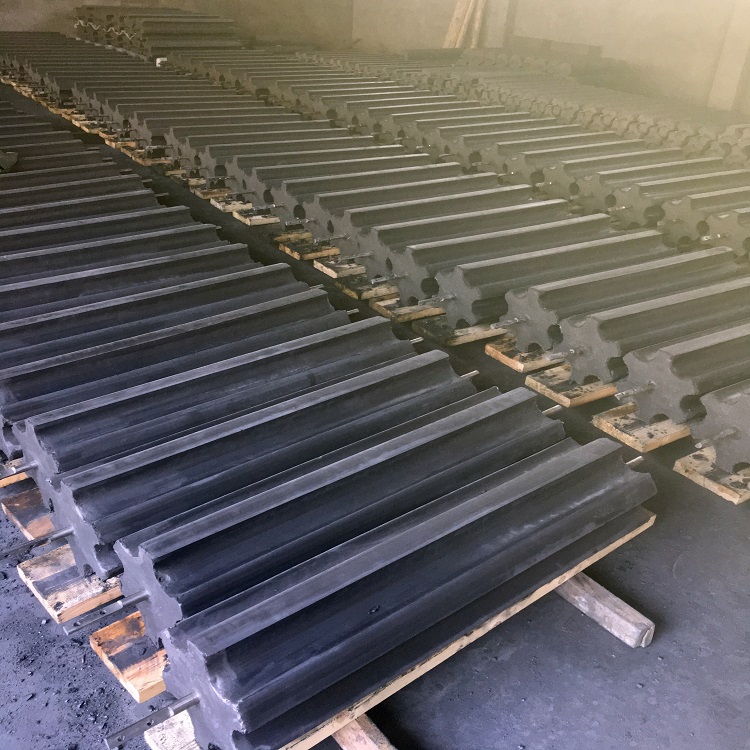
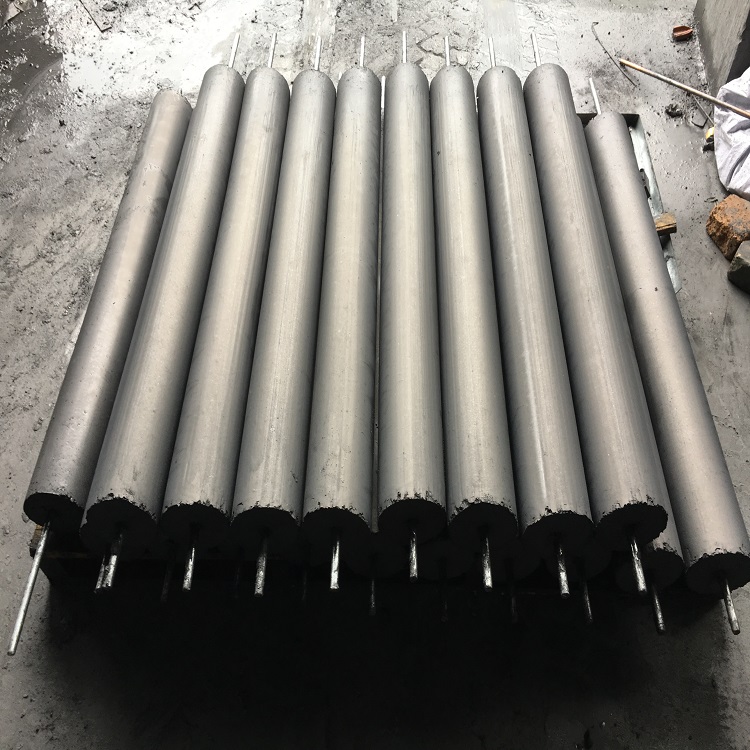













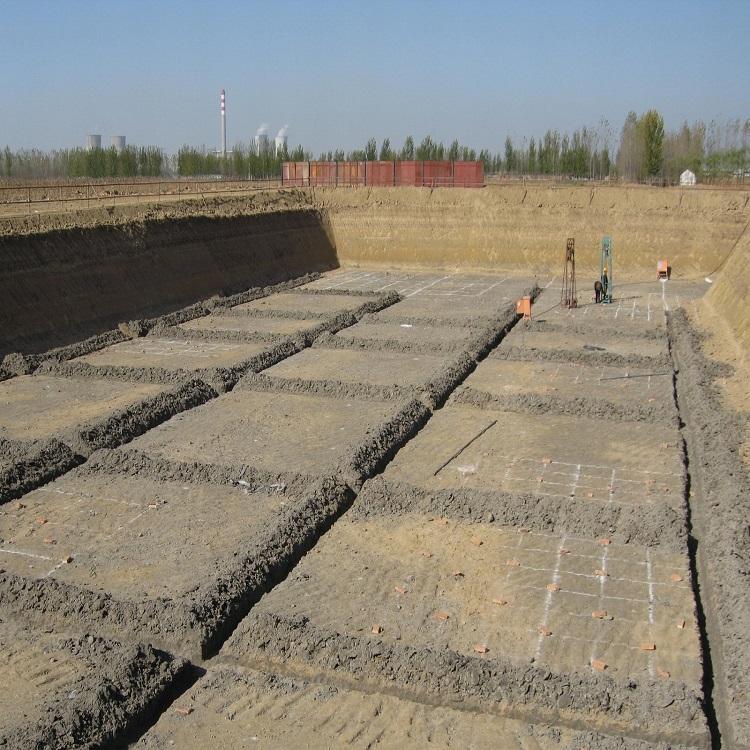
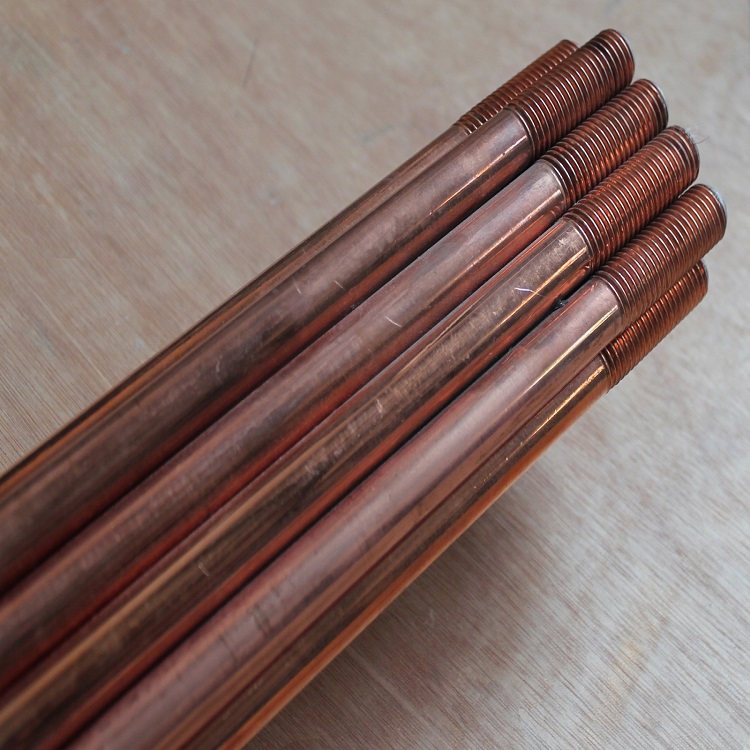
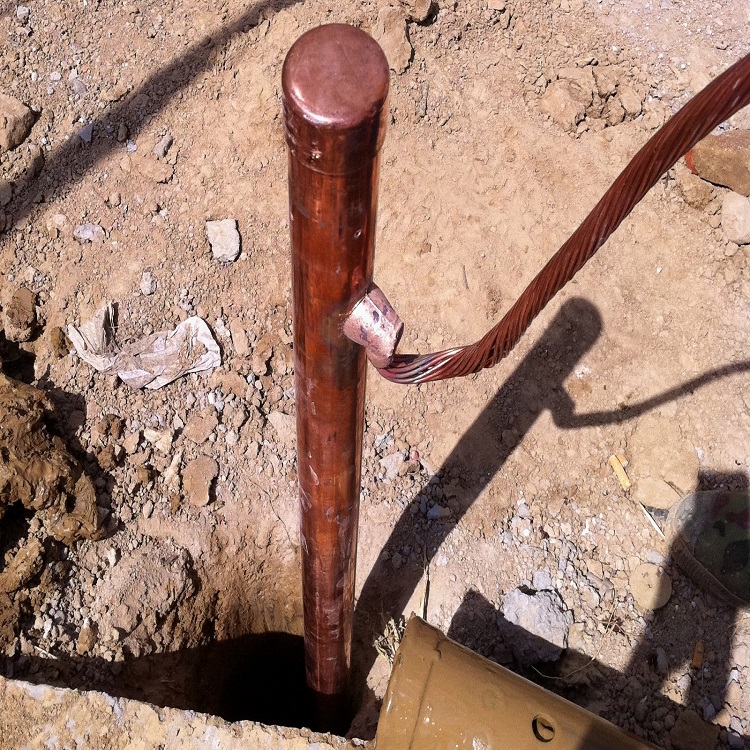
A grounding module is a grounding body mainly composed of conductive non-metallic materials. It consists of non-metallic materials with good conductivity and chemical stability, metallic grounding bodies, electrolytes, and desiccants. Suitable for various soil environments, it offers significant advantages in areas with high soil resistivity. Compared to traditional grounding bodies, it features high resistance reduction efficiency, stable grounding resistance, reduced反击of ground potential, long service life, corrosion resistance, and easy installation.
Principles and Functions
1. Reduce Contact Resistance: The main material of the grounding module is physically similar to soil, allowing it to integrate with the soil as a whole. This results in a significantly larger effective contact area between the grounding body and soil compared to metal grounding bodies, increasing the effective dissipation area of the grounding body and reducing the contact resistance between the grounding body and the soil.
2. Stable Ground Resistance: The grounding module features strong moisture absorption and retention capabilities, keeping the surrounding soil moist to ensure the module effectively conducts electricity. Additionally, the conductivity of the conductive materials in the grounding body is unaffected by seasonal changes such as humidity, high and low temperatures, thus providing a stable ground resistance.
3. Reduce Ground Potential反击: The non-metallic material of the grounding module forms a low-resistance area with a relatively smooth change between metals with vastly different resistivity and soil. During high current surges, it can reduce the step voltage and contact voltage, thereby decreasing the probability of ground potential反击.
4. Strong Corrosion Resistance: The metal frame of the grounding module is made of metal materials that have been treated with corrosion-resistant surfaces.
Performance Features
1. Utilizes non-metallic materials as conductive media, with conductivity unaffected by seasons.
2. Moisture-absorbent and moisture-retaining, ensuring effective contact with soil and low grounding resistance.
3. In high soil resistivity areas, it can effectively reduce grounding resistance.
4. Easy installation, corrosion-resistant, and long lifespan.
Installer
1. The grounding module is installed horizontally (or vertically) with a depth of not less than 0.8m and a spacing of not less than 4m.
2. Connections between grounding modules must be焊接, and anti-corrosion treatment should be applied.
3. Water should be sprinkled moderately during backfilling, compacted in layers, and then measure the grounding resistance after the grounding module has fully absorbed moisture (24 hours).
Cautionary Notes
1. Storage grounding modules should maintain a certain humidity to avoid high temperatures, dryness, and direct sunlight.
2. Avoid mechanical damage to the grounding module during transportation and installation.
In cold regions, the grounding module should be buried below the frost layer.