












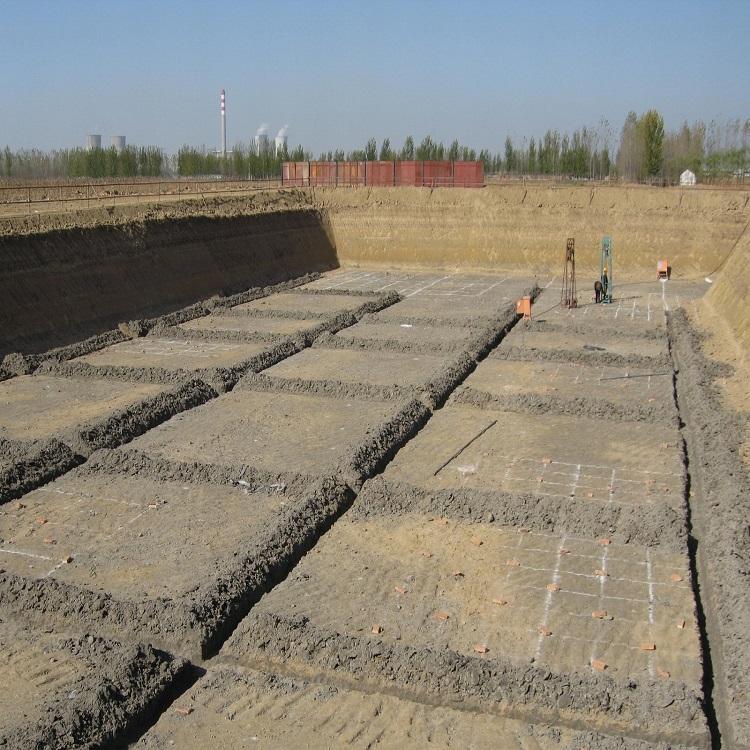
In the subway grounding system, due to the protection requirements for fault currents (leakage currents), the grounding grid is located beneath the structural bottom plate. Therefore, when electrical equipment at subway stations needs to be grounded, it must be connected to the grounding grid through grounding down conductors. In the past, grounding down conductors were typically drawn directly from the structural bottom plate or routed through PVC pipes. However, this method often fails to meet the protection requirements for fault currents (leakage currents) and groundwater can easily seep out from the grounding down conductors, thus not meeting the subway grounding design specifications.
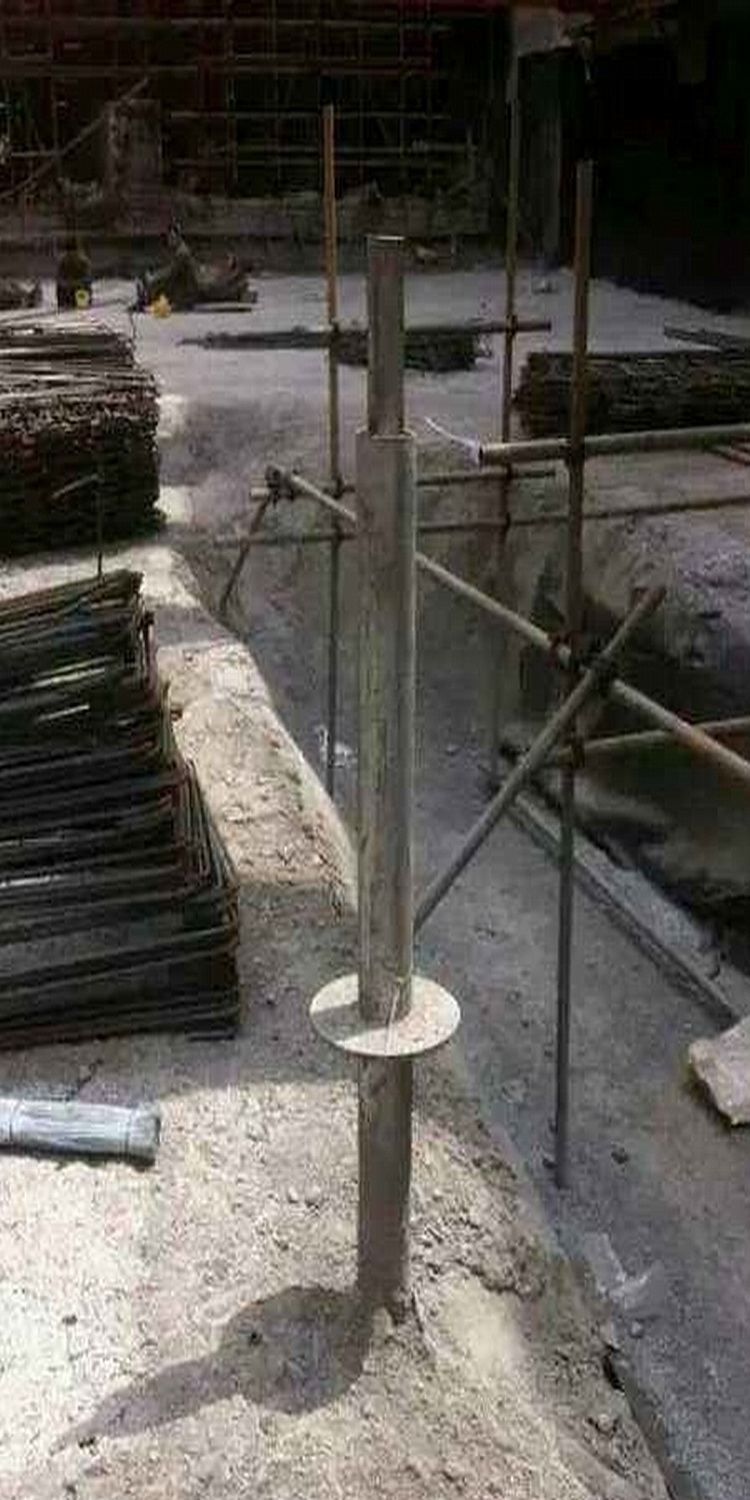
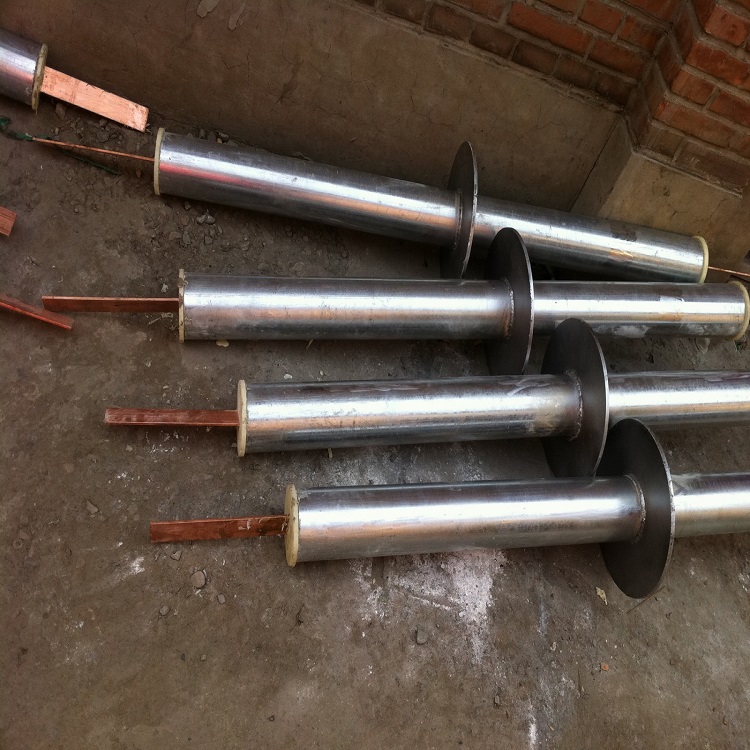
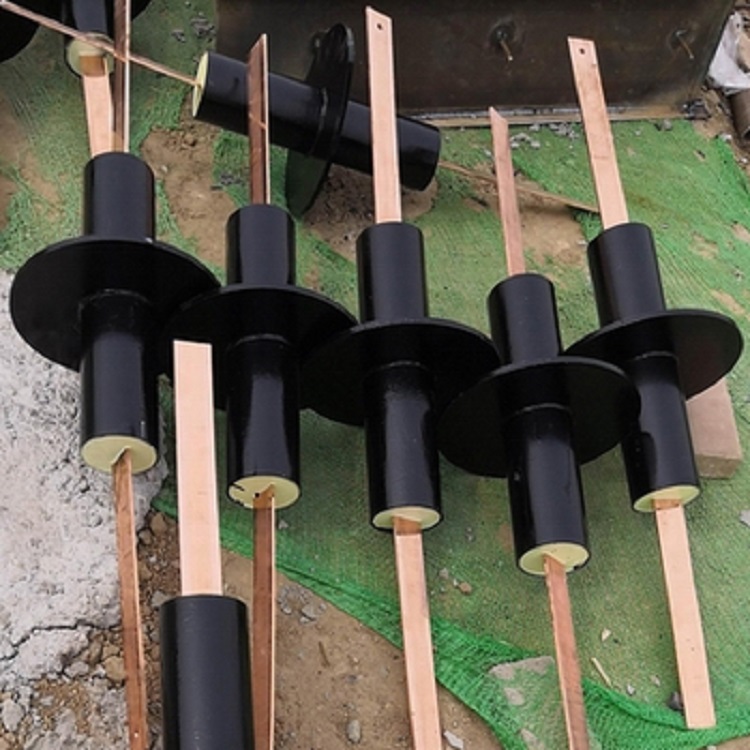
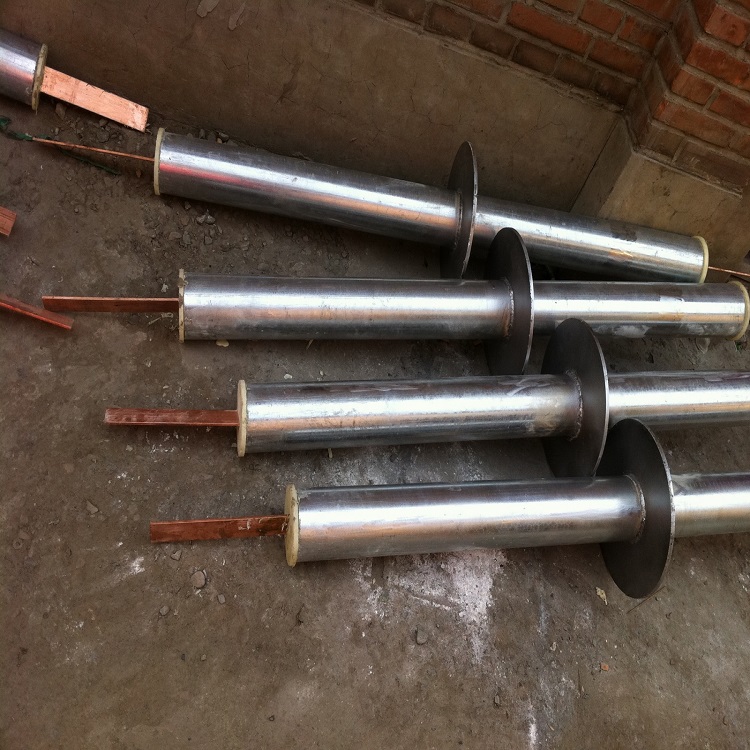
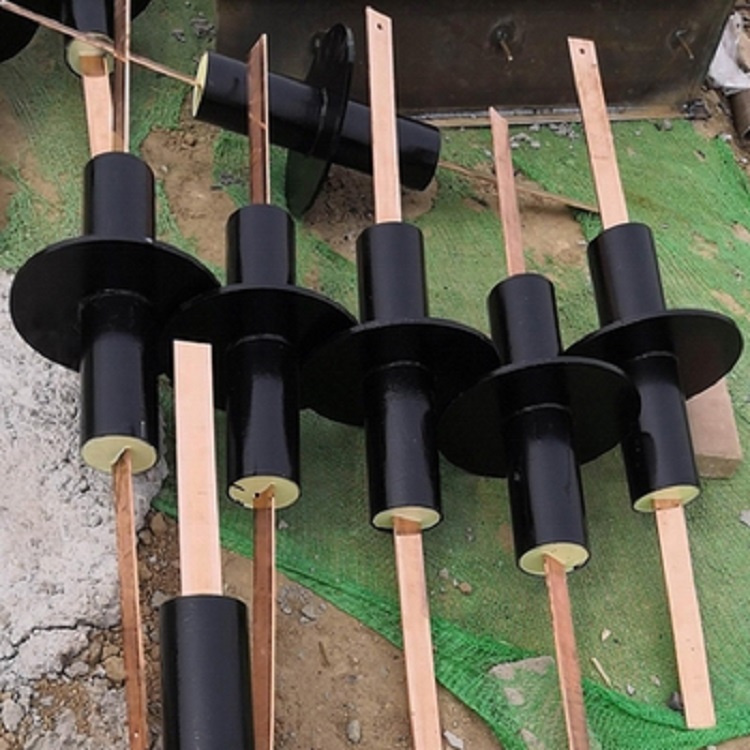
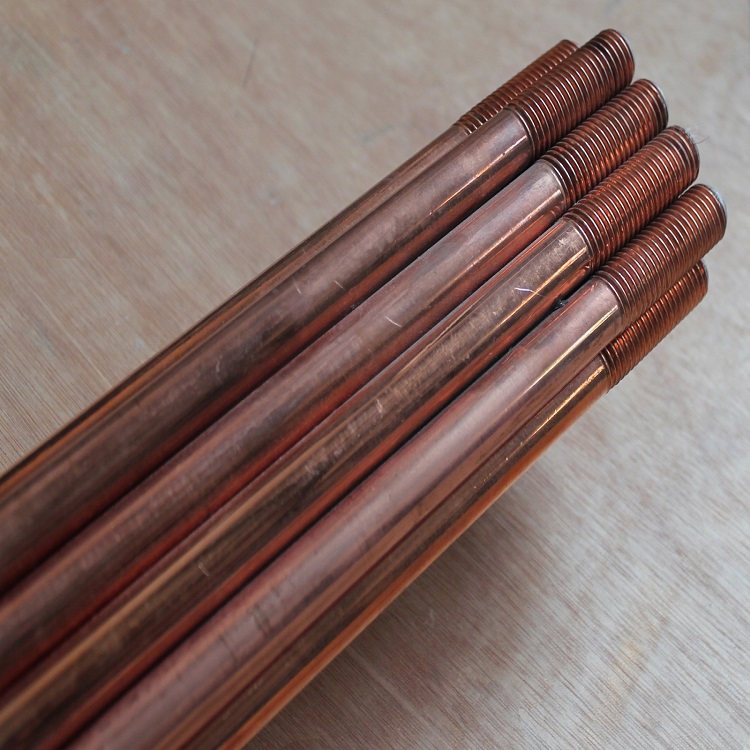
The grounding lead-out device consists of several parts, including a protective tube, a water-stop ring, a grounding lead-out wire, and insulating filling material. The protective tube is made of stainless steel, while the grounding lead-out wire is made of T2 copper strip. The hollow part of the protective tube is filled with insulating material, featuring a reasonable structure, advanced technology, stable reliability, and easy installation. It can effectively prevent groundwater seepage when connecting with power equipment grounding, signal equipment grounding, lightning protection grounding, and a comprehensive grounding network, meeting the protection requirements for fault current (leakage current).
Cautionary Notes
The external surface of the grounding lead-out device protection tube is coated with anti-rust paint (epoxy coal tar thick paint).
2. The grounding outlet protection pipe is elevated 100mm above the ground structural surface, and the reserved length of the grounding outlet cable is not less than 400mm above the pipe opening.
3. The grounding conduit penetrates through the structural bottom plate (without contacting the structural rebars), and the hollow section between the grounding conduit and the conduit is filled with insulating material.
4. Enhance protection for the grounding lead-out device during installation to prevent mechanical damage and chemical corrosion.
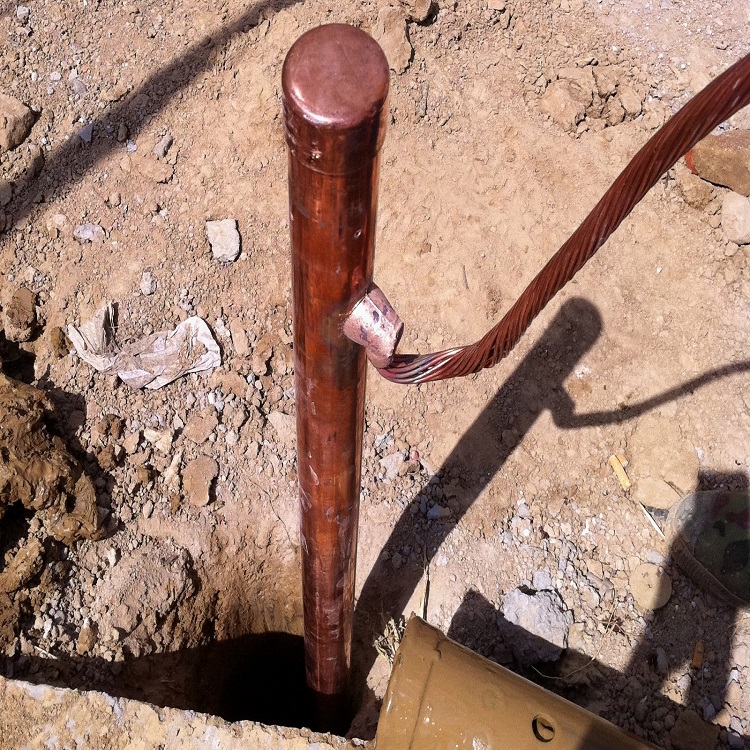
5. The grounding lead is connected to the grounding grid using a heat-fused joint method.