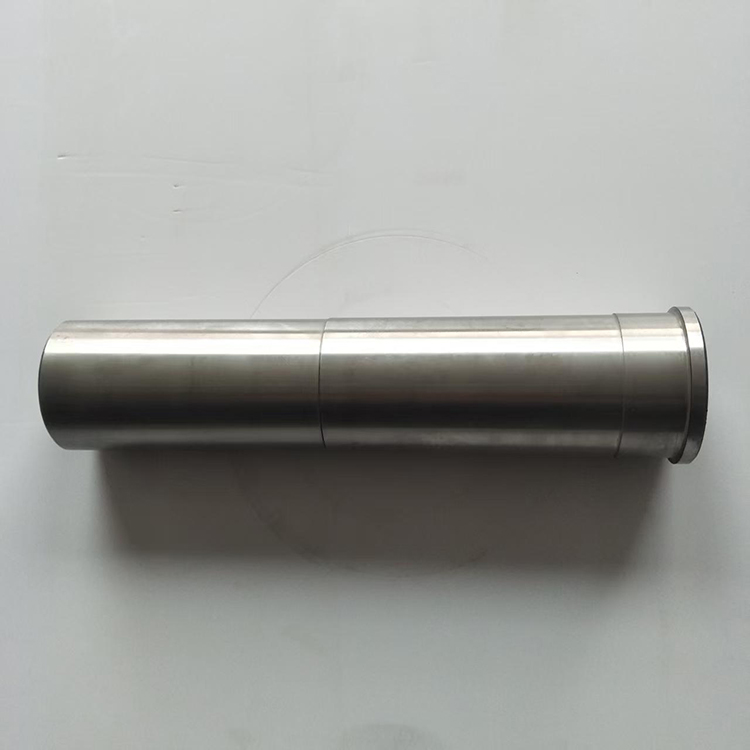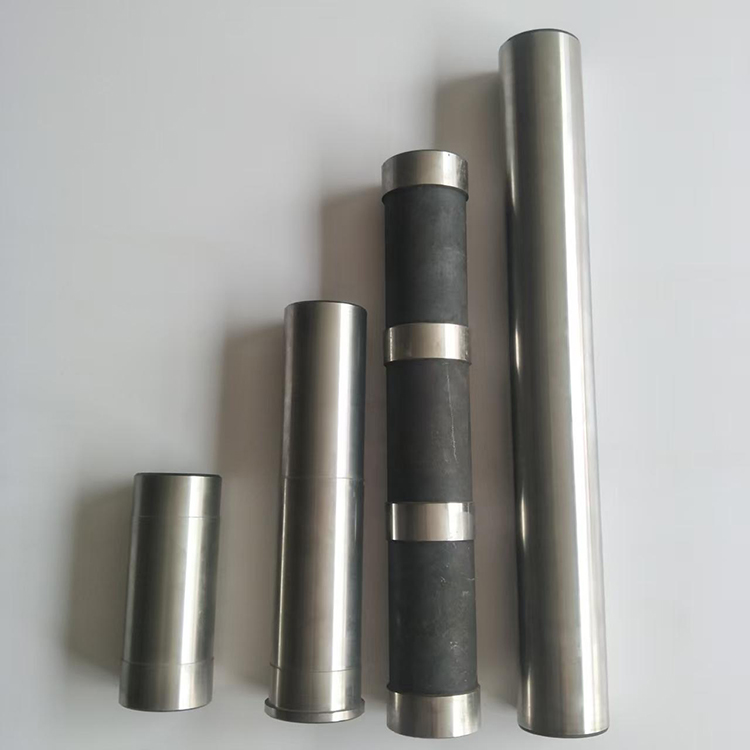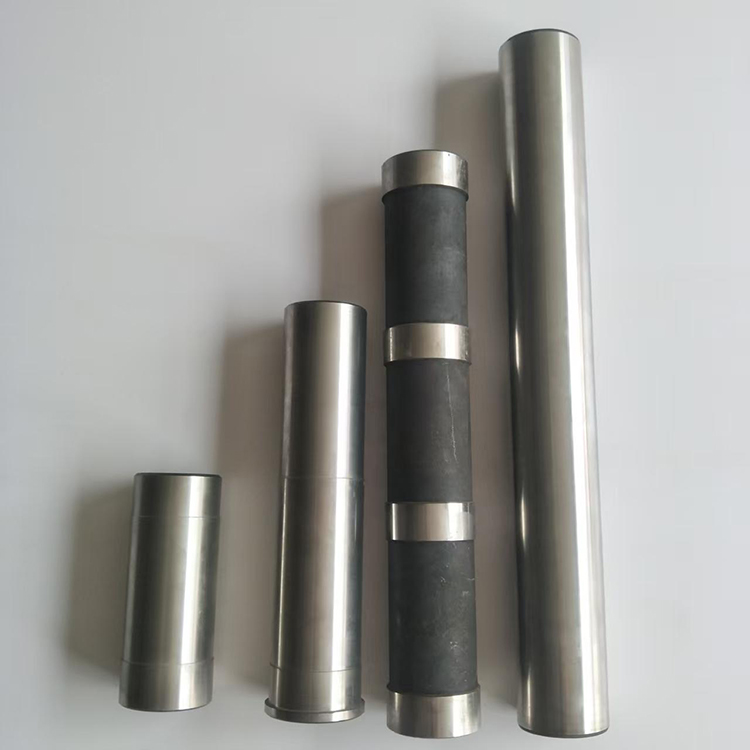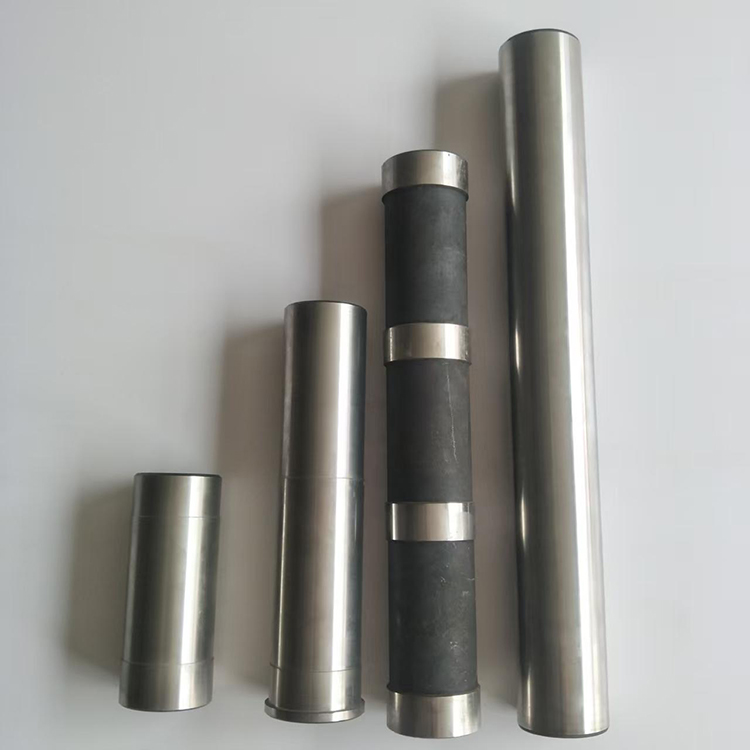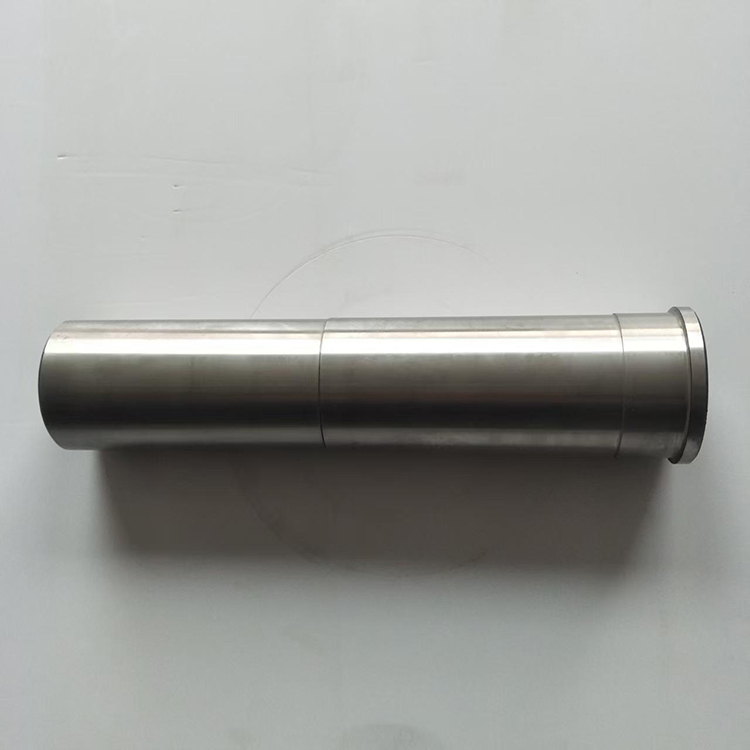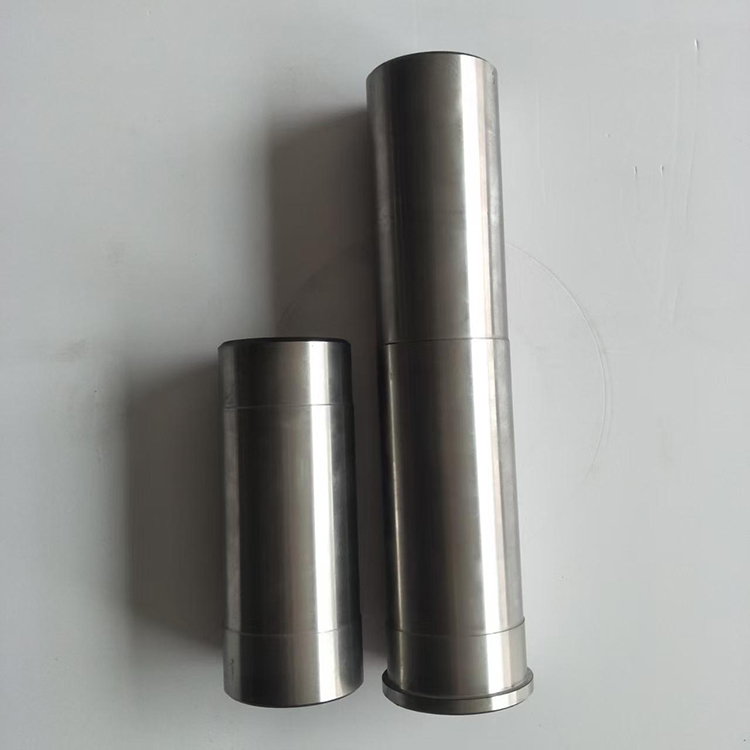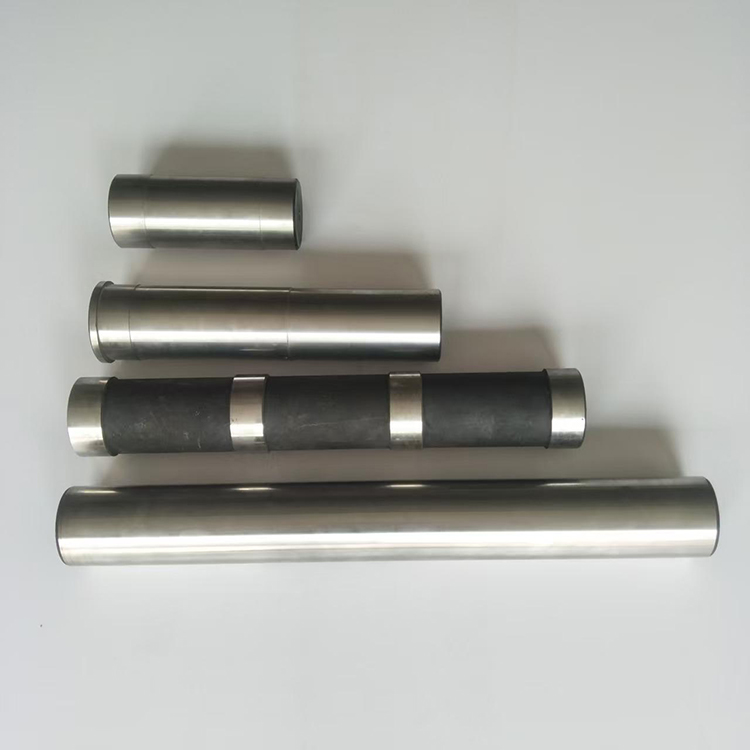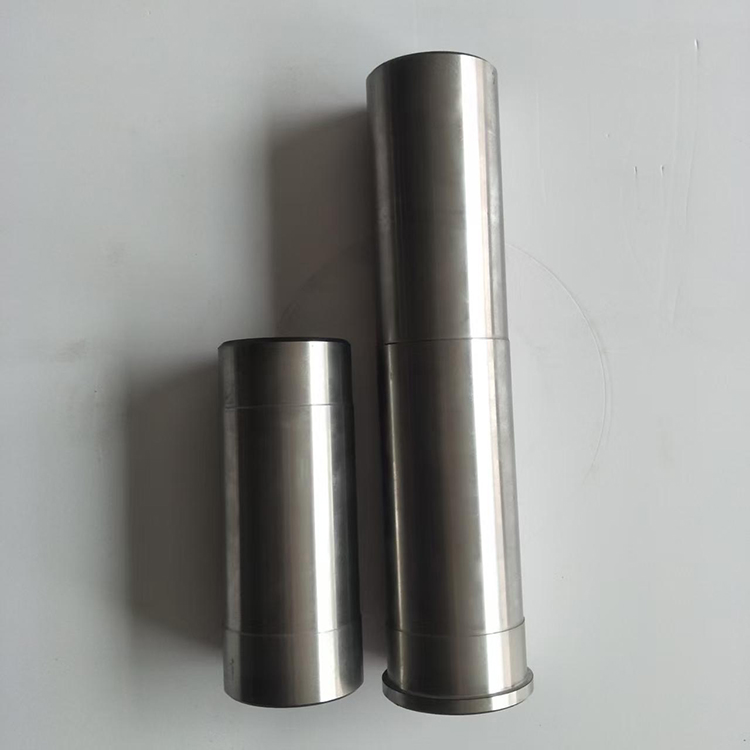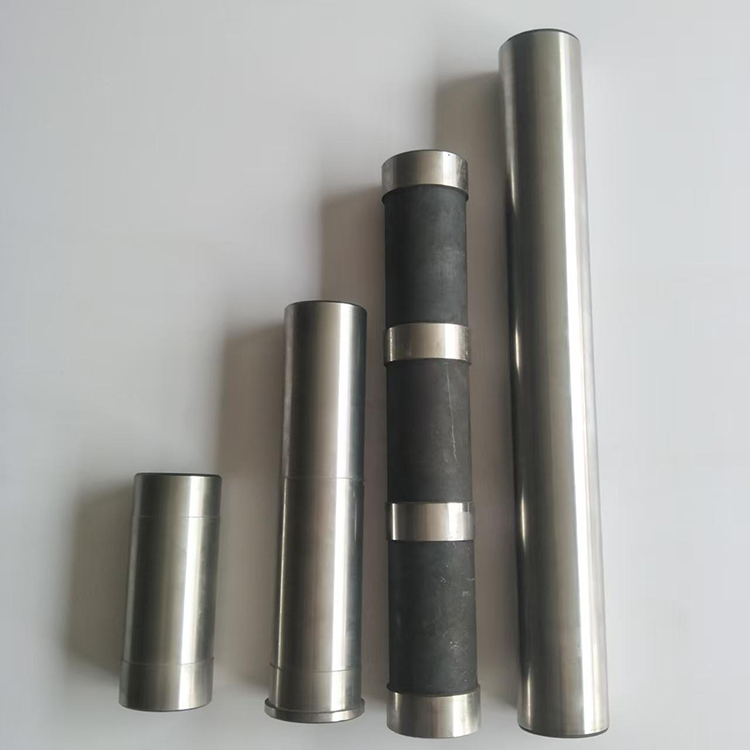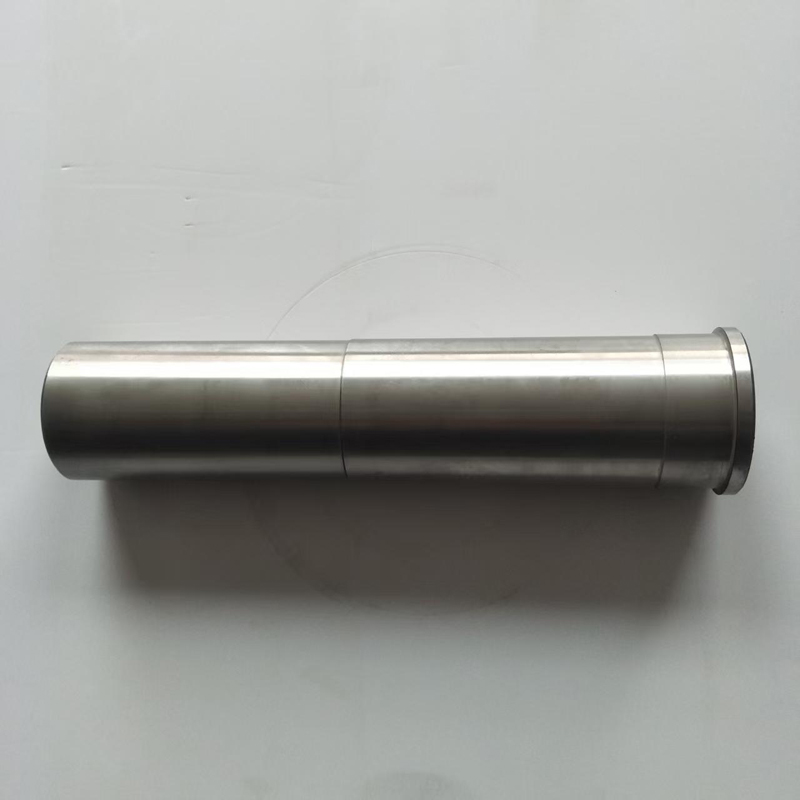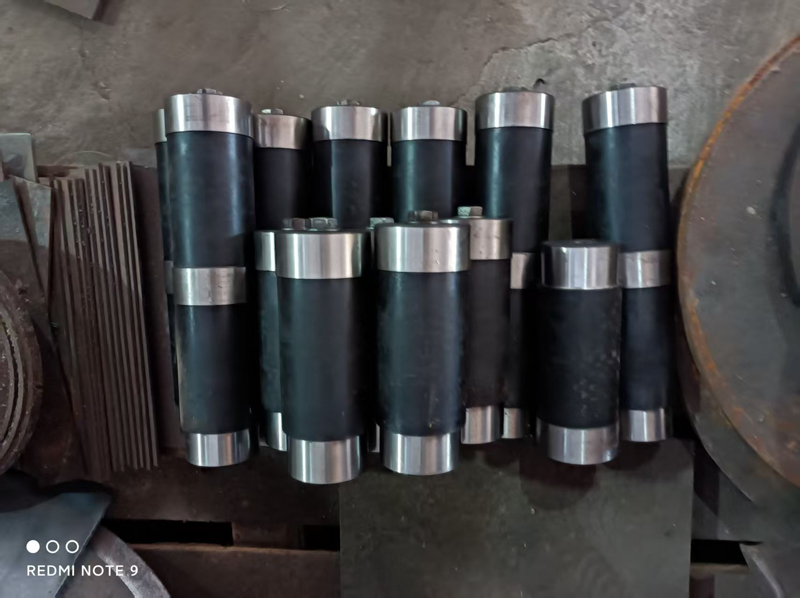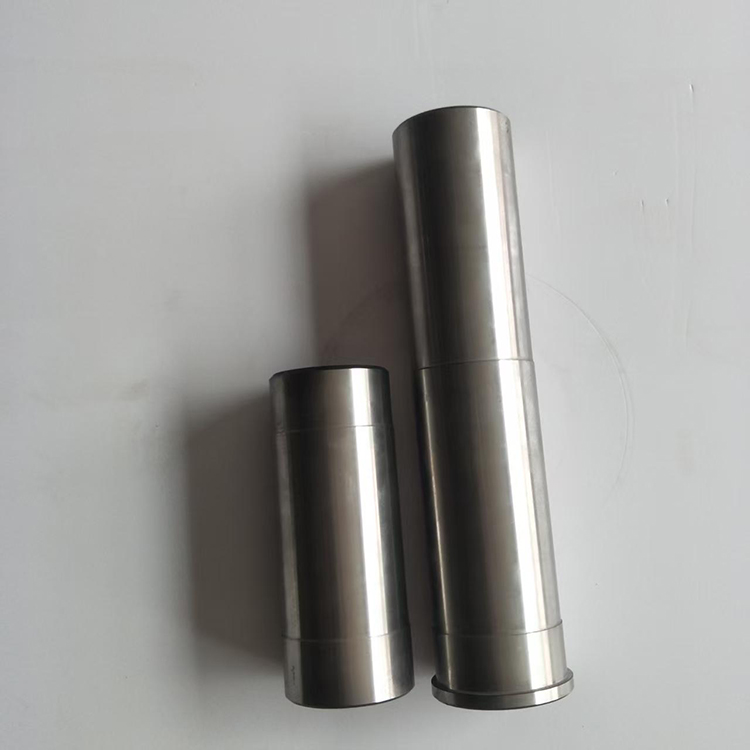

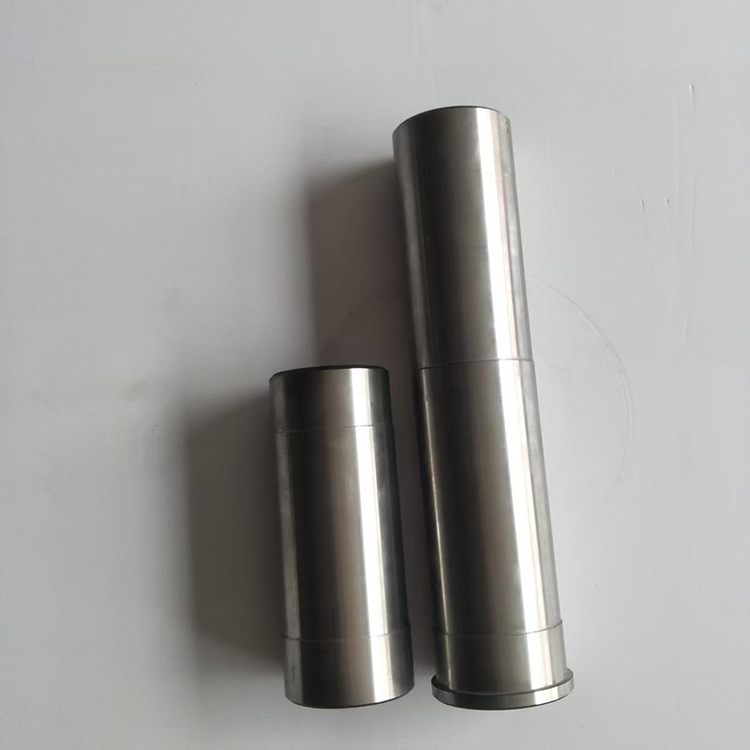
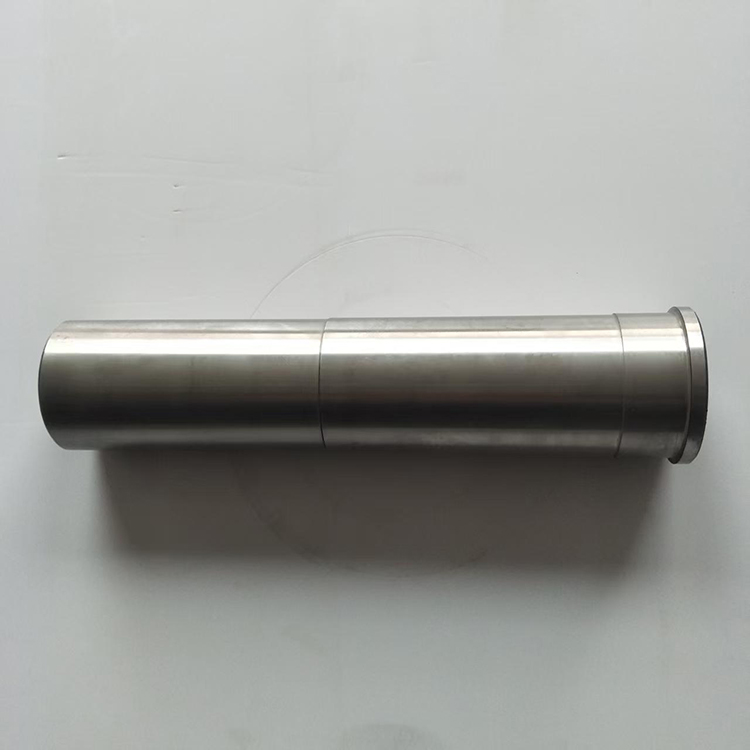
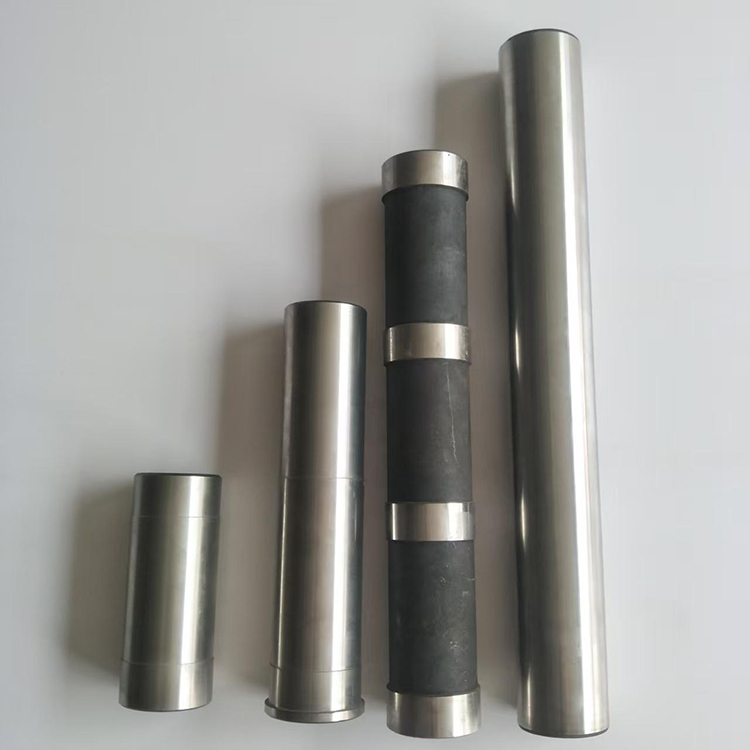


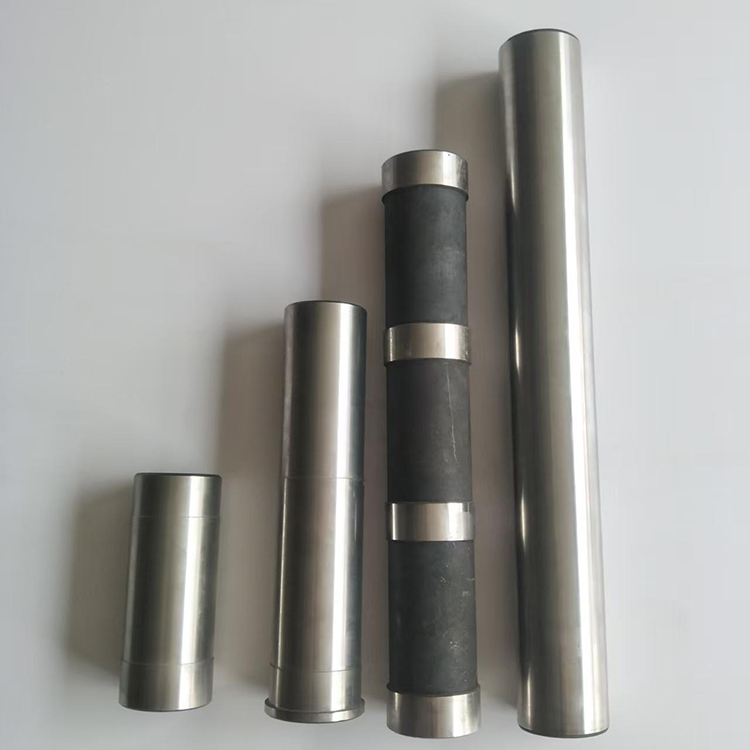
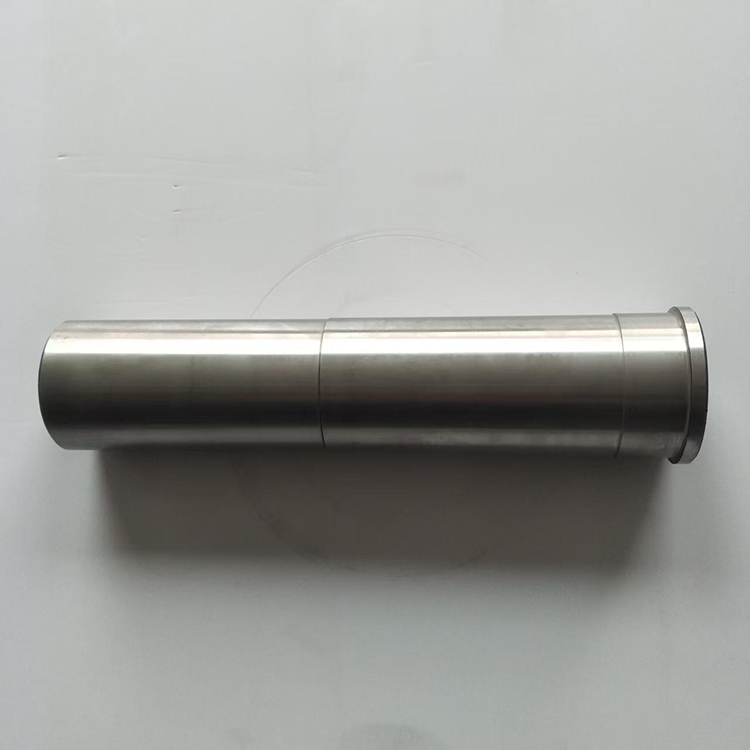
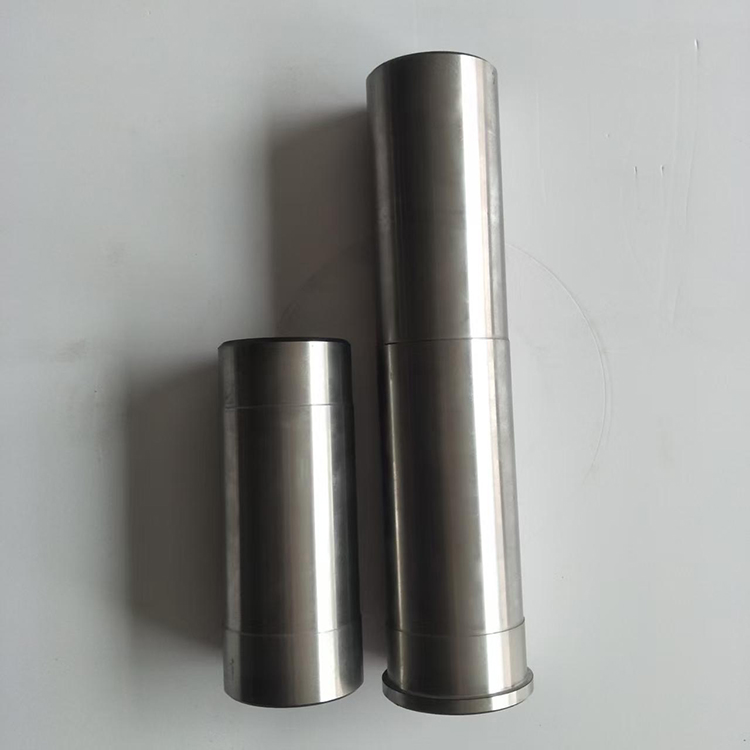







The grinding electrical spindle is a new technology that integrates the machine tool spindle with the motor in the CNC machine tool field. Alongside linear motor technology and high-speed tool technology, it propels high-speed machining into a new era. The electrical spindle is a set of components, which includes the electrical spindle itself and its accessories: the electrical spindle, high-frequency inverter, oil mist lubricator, cooling device, built-in encoder, tool changing device, etc.
The motor rotor serves directly as the machine tool's spindle, with the spindle unit's housing being the motor base. Along with other components, it achieves an integrated design between the motor and the machine tool spindle.
Currently, with the rapid development and improvement of electrical transmission technology (such as variable frequency speed regulation technology and motor vector control technology), the mechanical structure of the high-speed numerical control machine tool's main drive system has been greatly simplified. The belt drive and gear drive have basically been eliminated. The machine tool spindle is directly driven by an integral motor, thereby shortening the drive chain length of the machine tool to zero, achieving the "zero drive" of the machine tool.
This motor shaft drive structure, which integrates the motor shaft with the machine tool spindle, makes the spindle component relatively independent from the machine tool's transmission system and overall structure. Thus, it can be formed into a "spindle unit," commonly known as an "electric spindle." As the electric spindle primarily uses AC high-frequency motors currently, it is also referred to as a "high-frequency spindle." Due to the absence of intermediate transmission stages, it is sometimes called a "direct drive spindle."