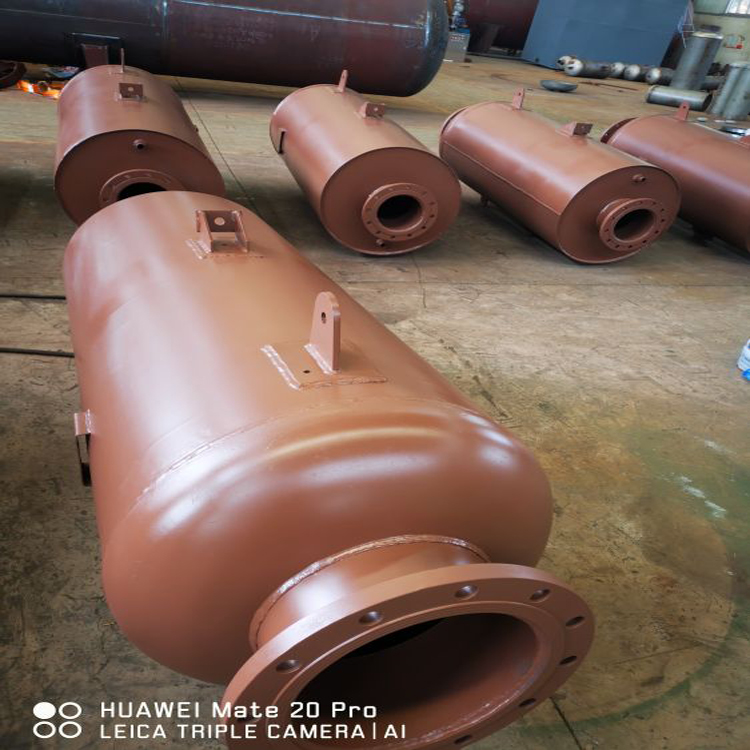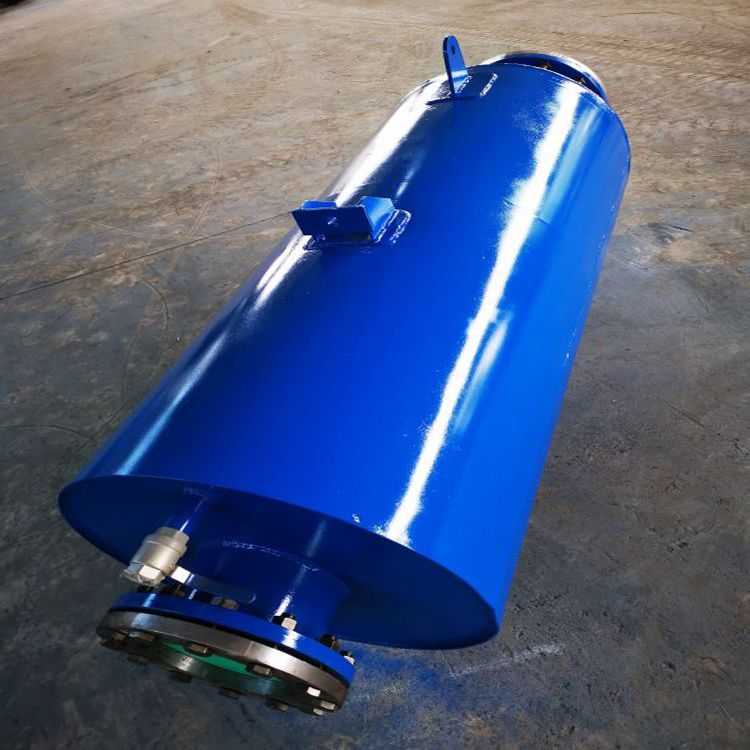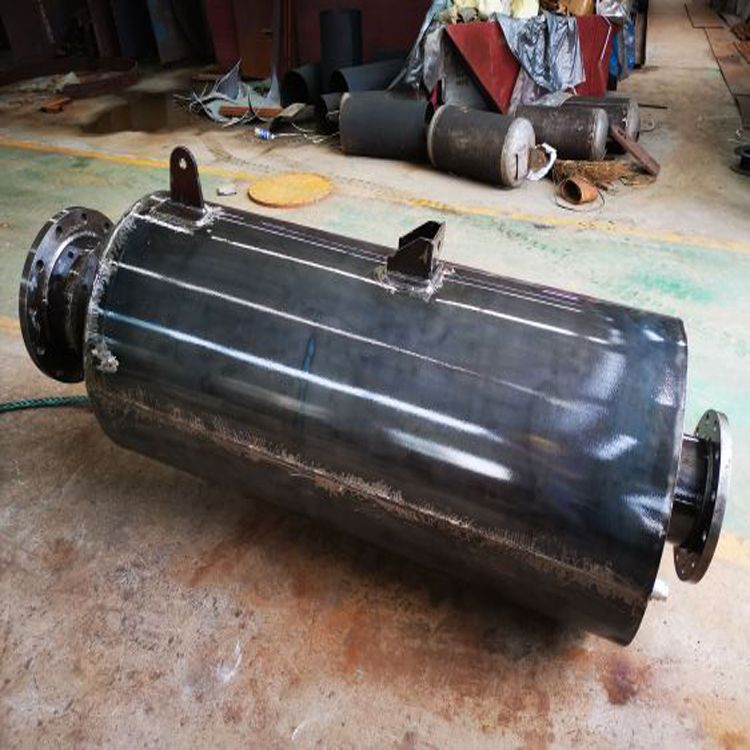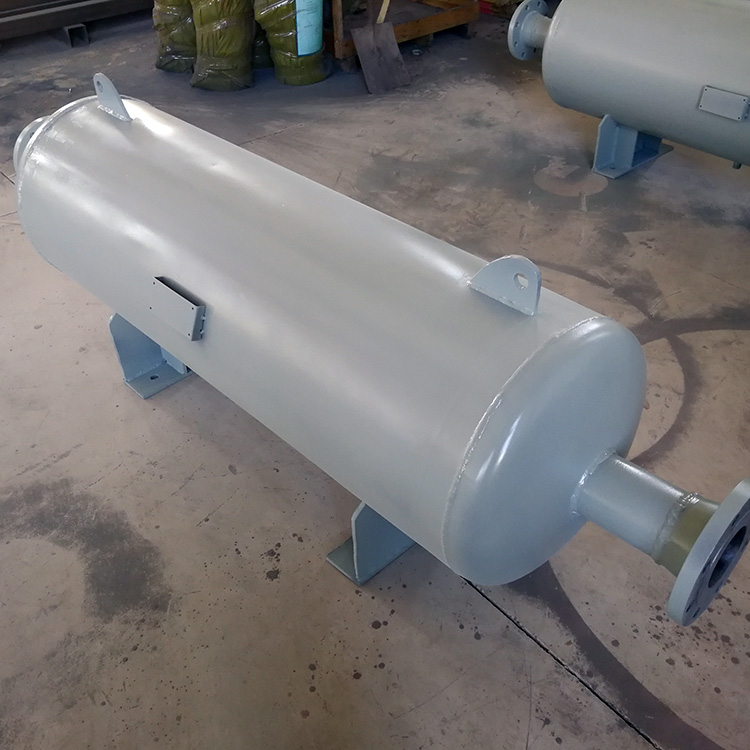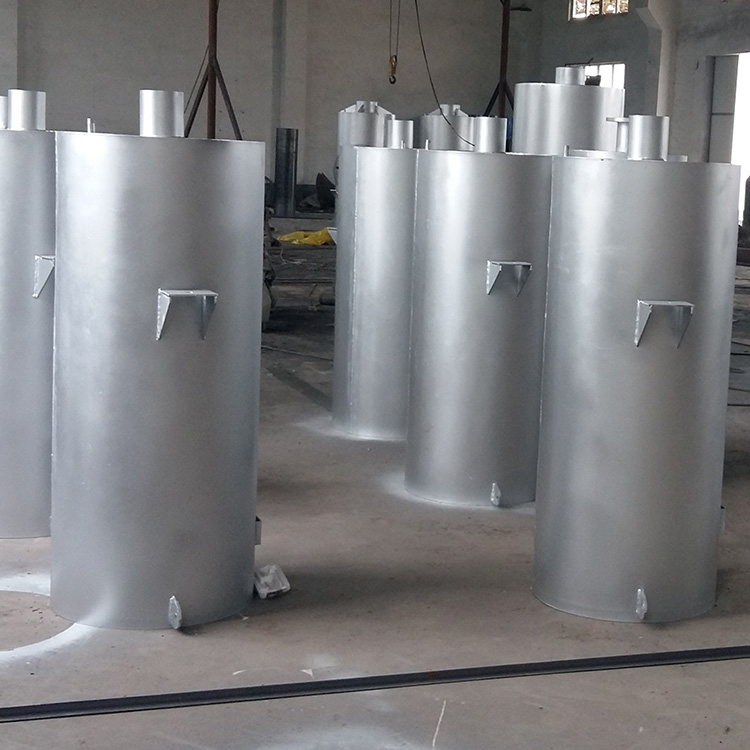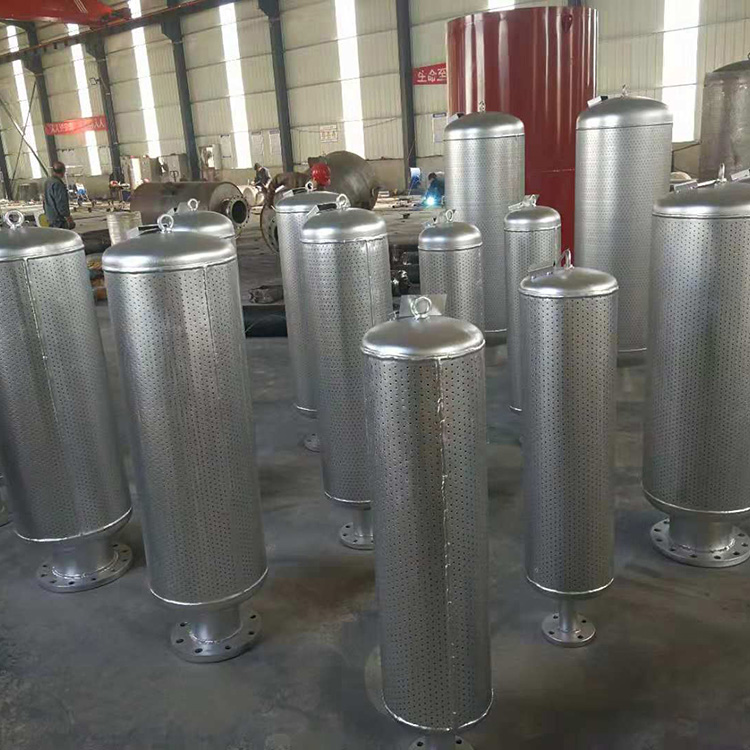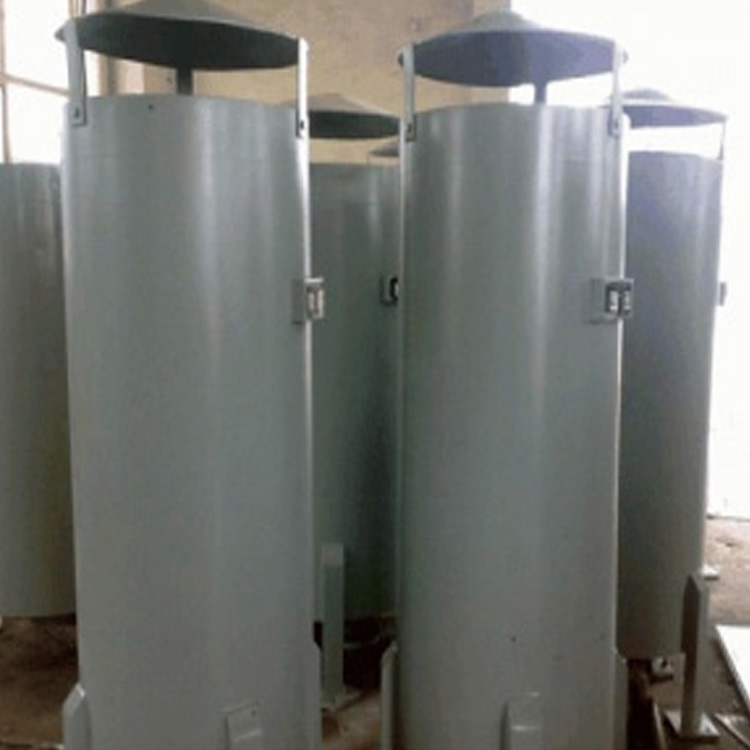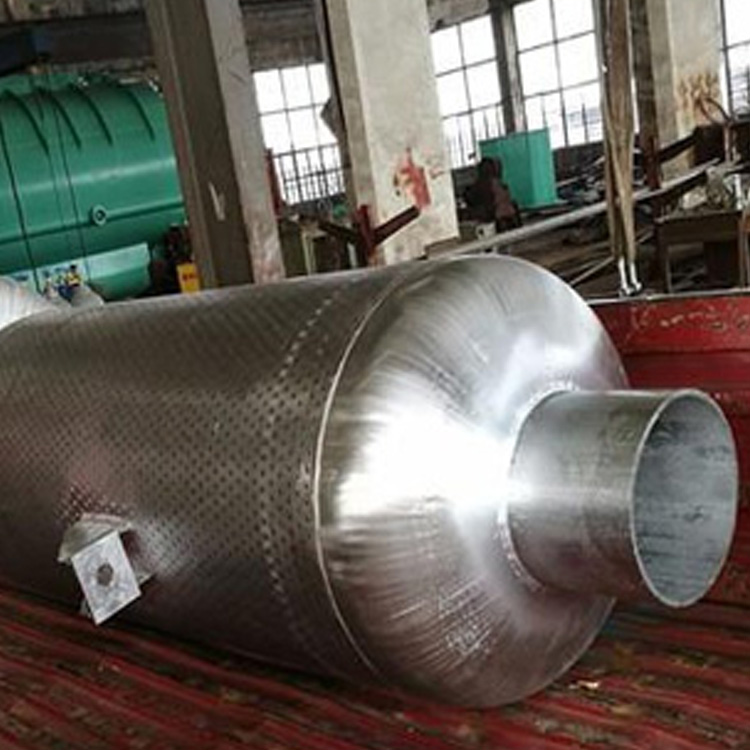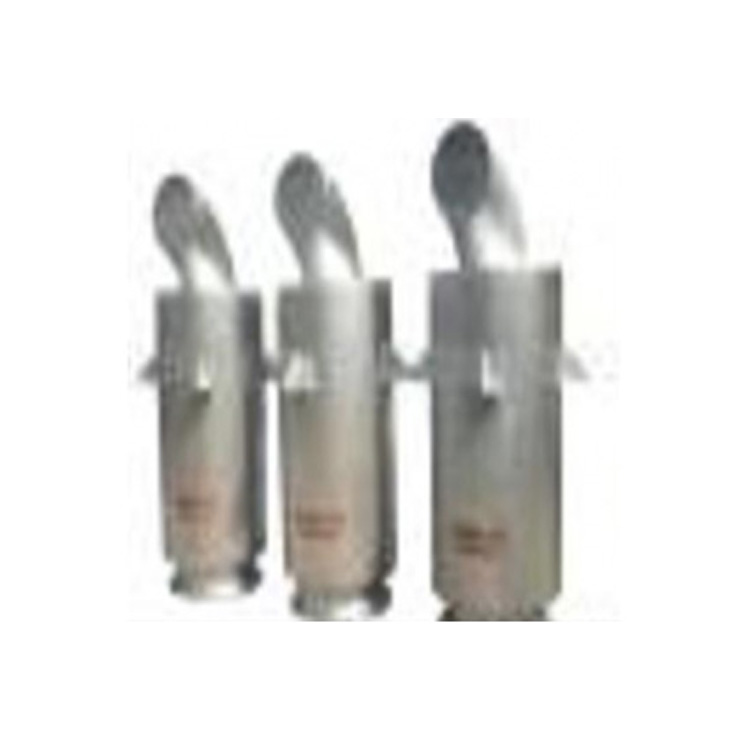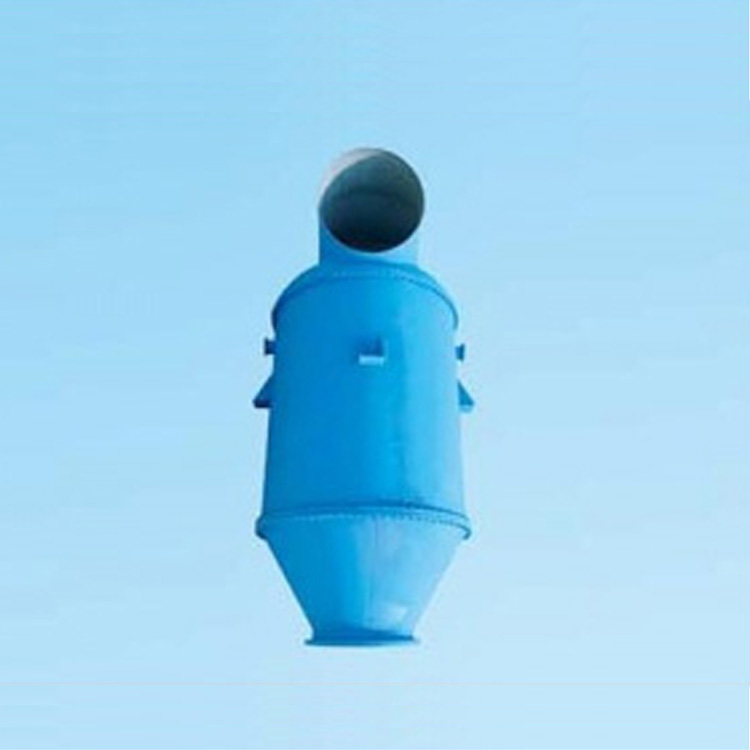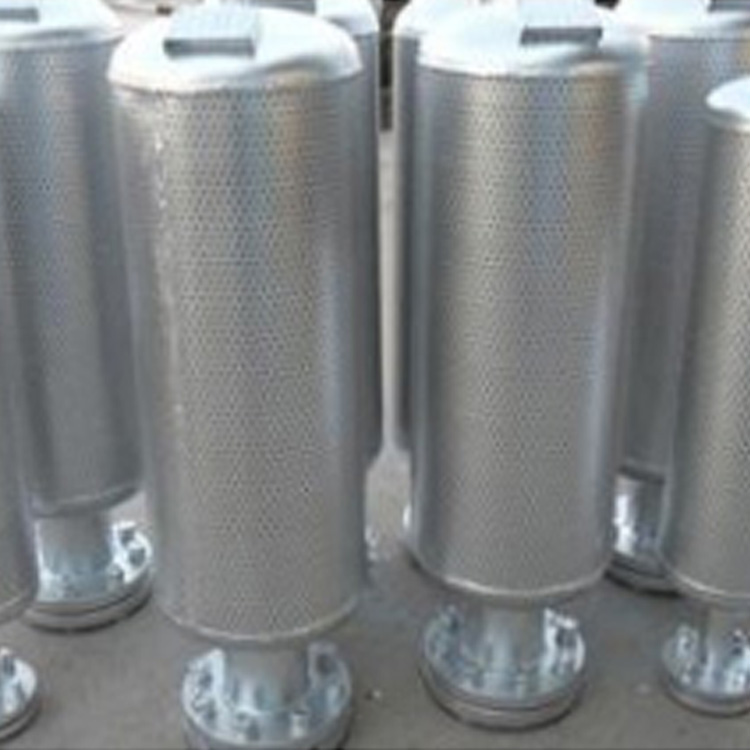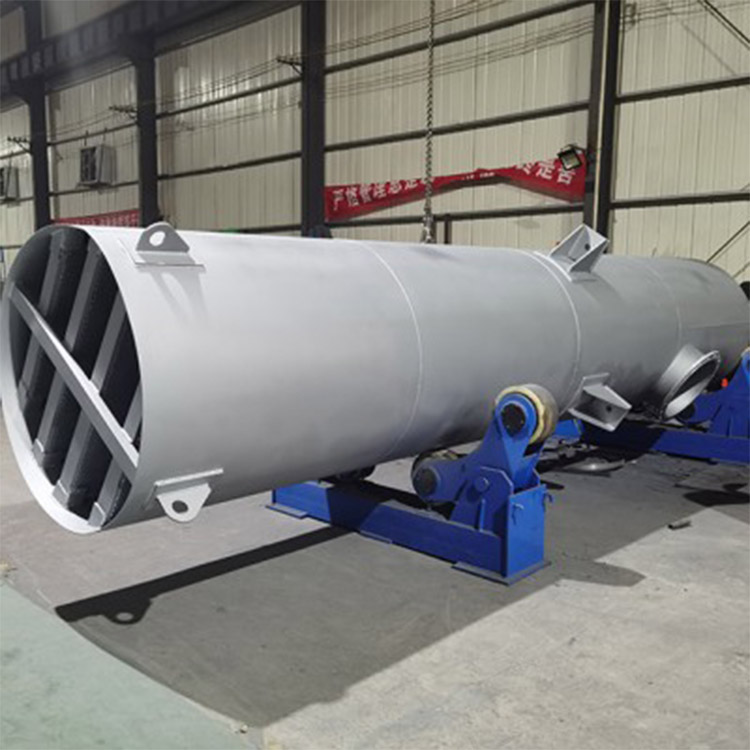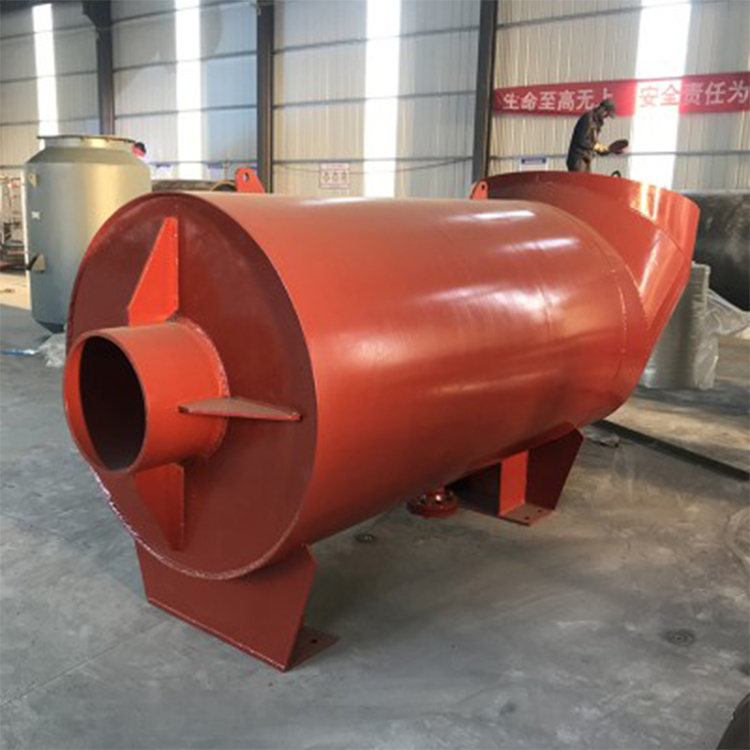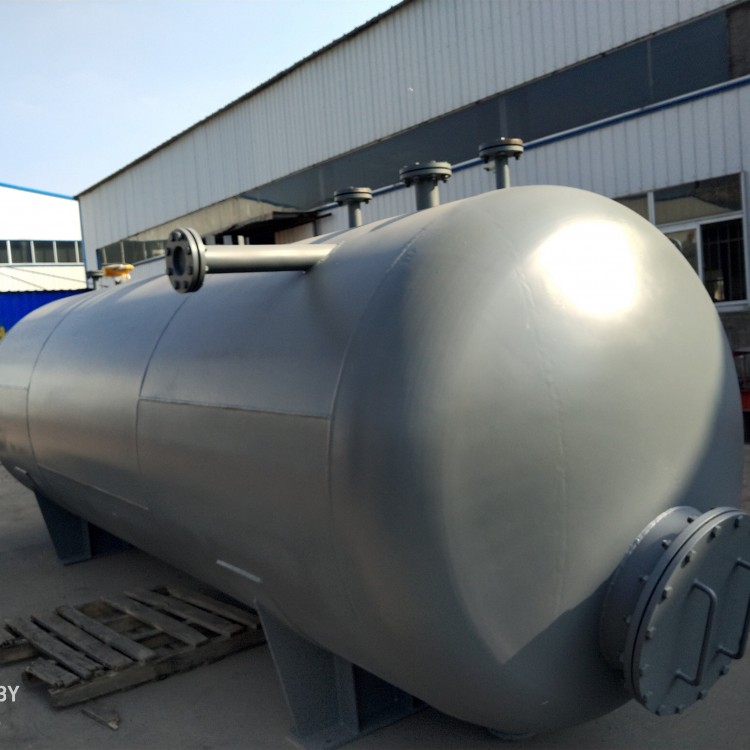


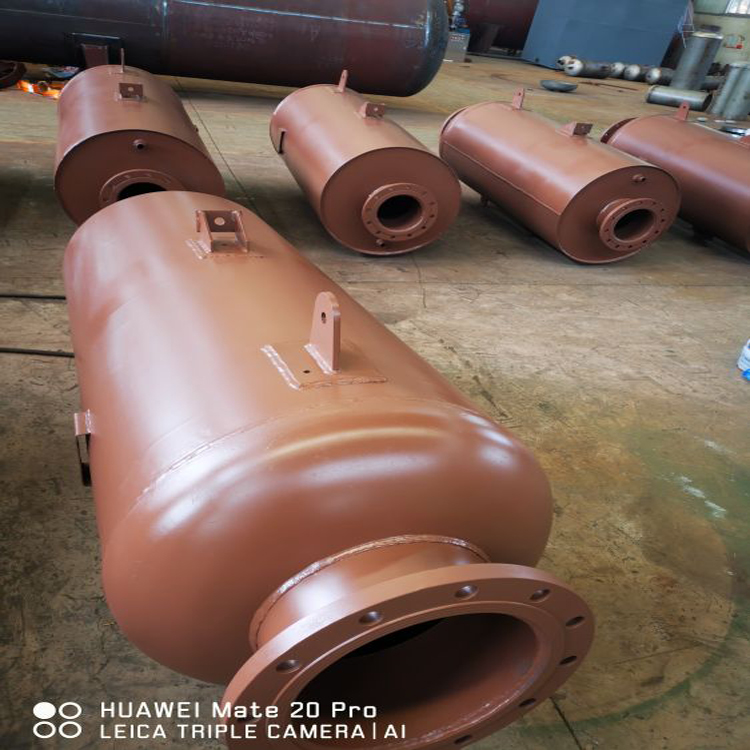
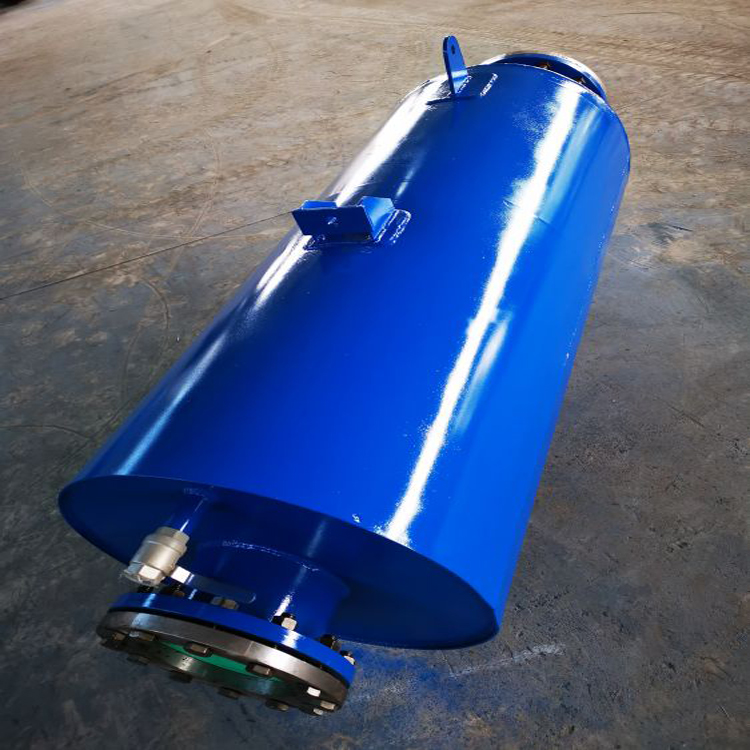
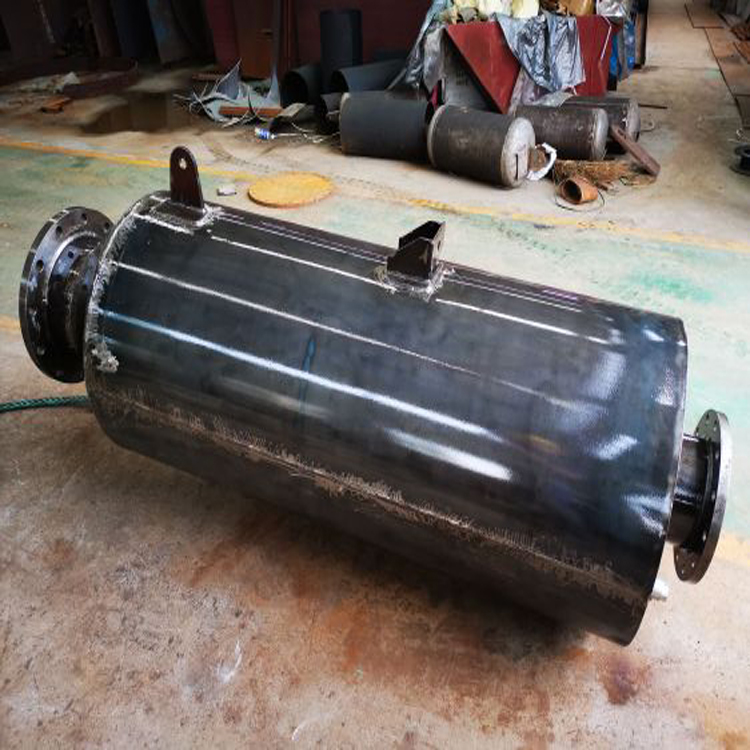


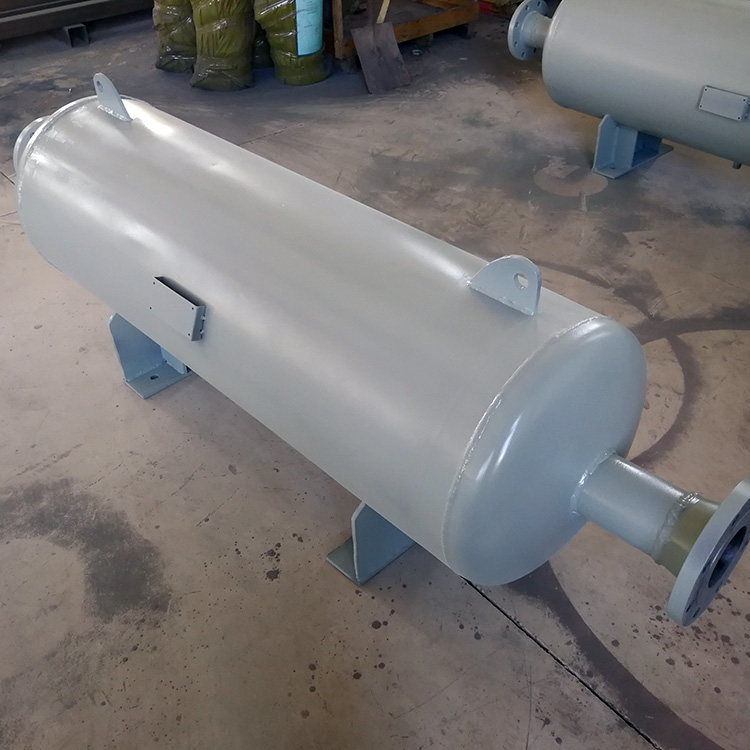
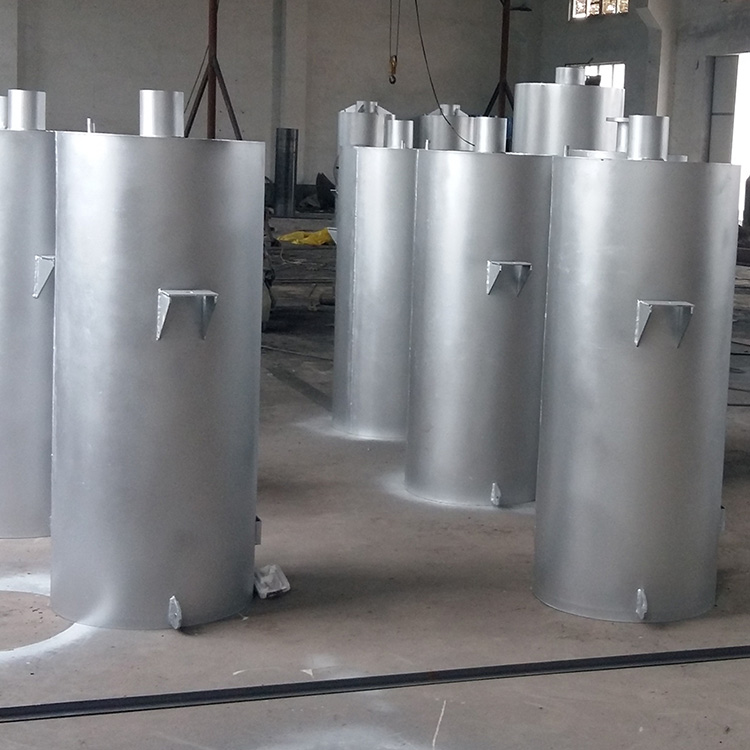
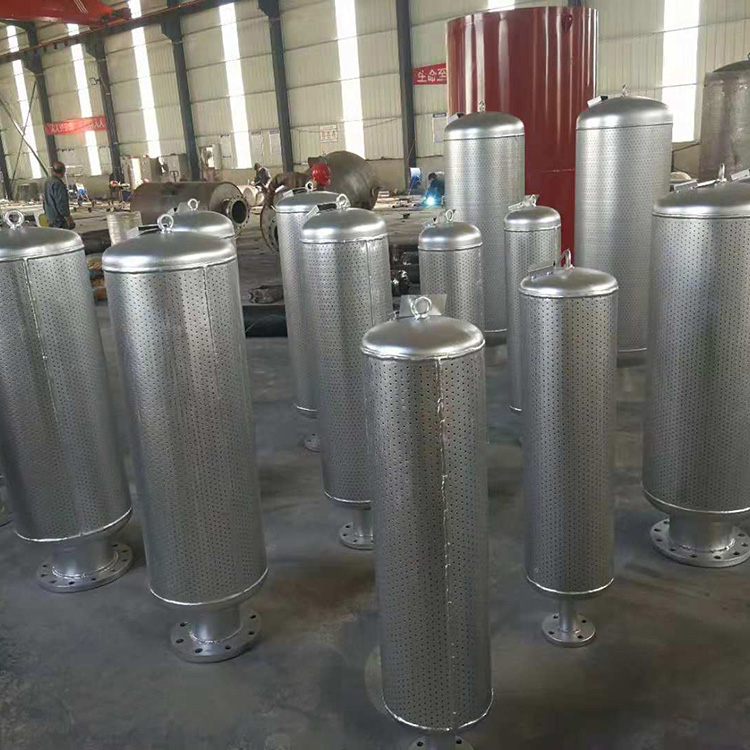







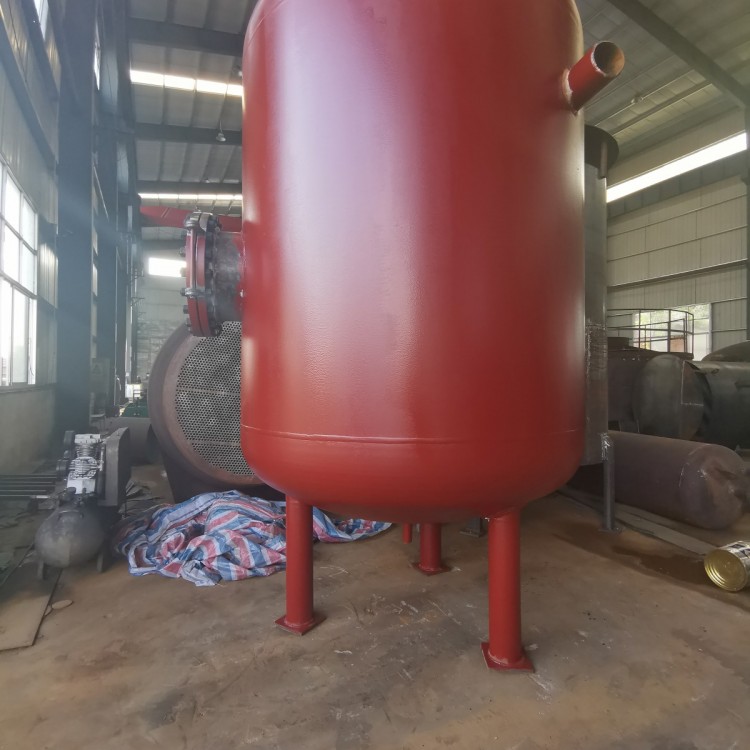
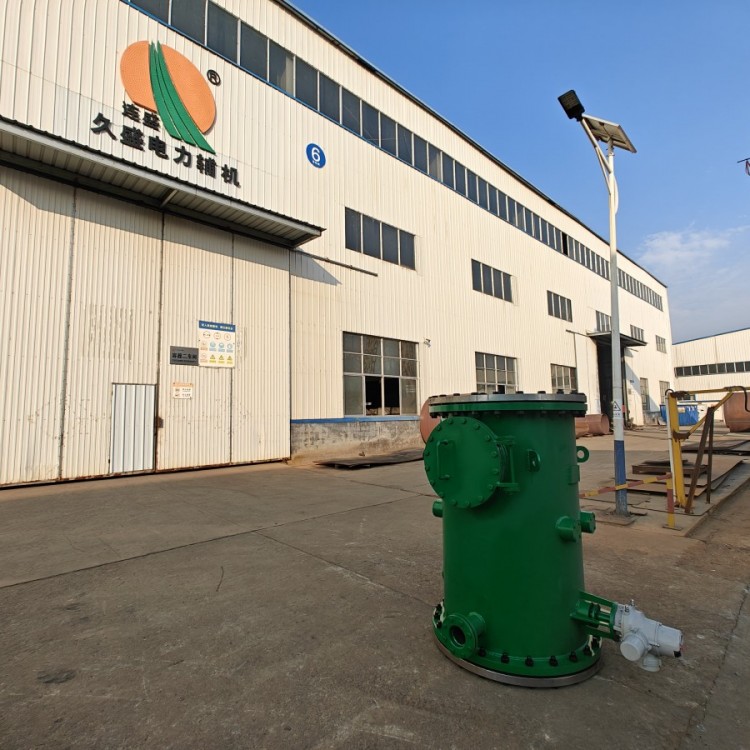
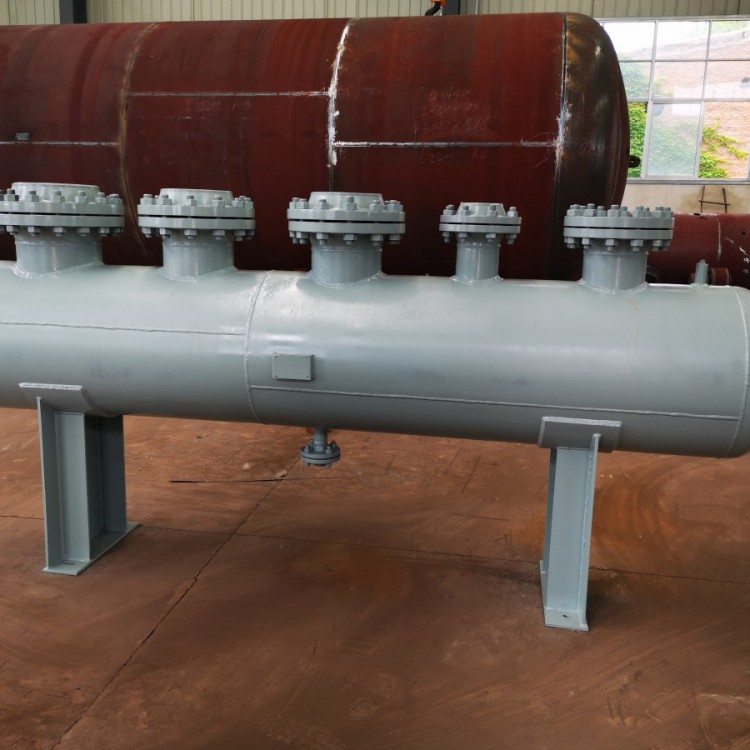
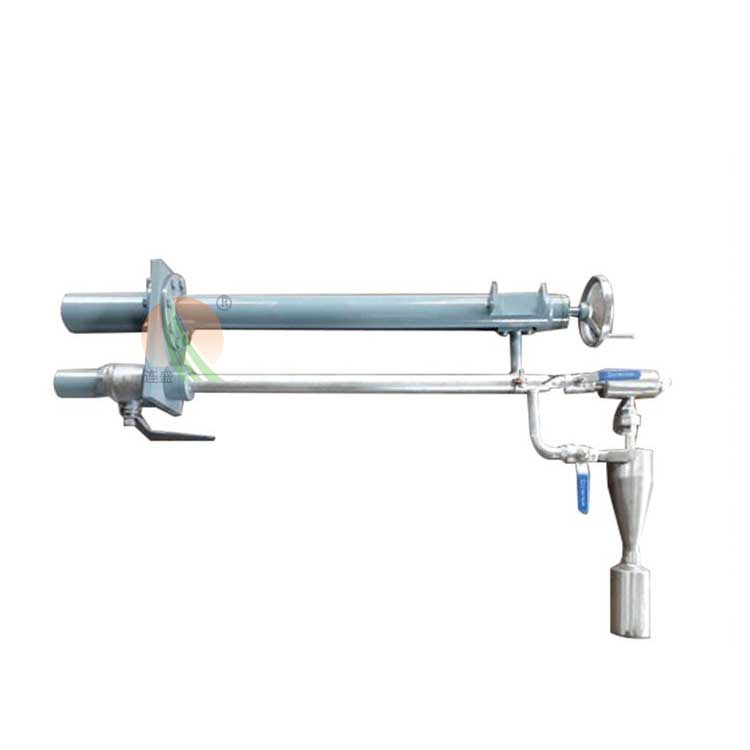


The impedance silencer primarily utilizes porous sound-absorbing materials to reduce noise. By fixing the sound-absorbing material to the inner wall of the airflow passage or arranging it in a certain manner within the pipeline, a resistive silencer is formed. When sound waves enter the resistive silencer, a portion of the sound energy is frayed within the pores of the porous material, converting it into heat and dissipating it, thereby weakening the sound waves passing through the silencer. The resistive silencer is akin to a pure resistance circuit in electrical terms, with the sound-absorbing material resembling a resistor. Hence, this type of silencer is referred to as a resistive silencer. Resistive silencers are effective at suppressing mid-to-high frequencies but less effective at low frequencies.
WeChat Official Account

Scan to follow Official Account