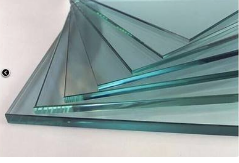




















Glass energy-saving performance testing is a crucial step in evaluating the energy-saving and environmental performance of building and window glass. As the global focus on energy efficiency and sustainable development grows, the energy-saving attributes of glass as a building material have garnered increasing attention. The following are several key aspects of glass energy-saving performance testing.
Purpose of the inspection
The primary aim of glass energy-saving performance testing is to evaluate the thermal insulation, light transmission rate, and shading properties of the glass, to determine its energy utilization efficiency in buildings. These tests enable:
Reduce energy consumptionEvaluate the glass's thermal resistance to reduce energy consumption for heating and air conditioning in buildings.
Enhance living comfortEnsure reasonable control of indoor temperature and lighting to enhance the comfort of living and working environments.
Meets environmental requirementsMeets national and local regulations on building energy conservation, promoting environmental protection.
2. Inspection Content
The energy-saving performance testing of glass mainly includes the following aspects:
Thermal Conductivity Coefficient (U-value)Measure the overall thermal conductivity of glass materials. The lower the U-value, the better the insulating performance of the glass, effectively reducing heat loss.
Transmittance: Indicates the glass's ability to transmit light. High light transmission glass can maintain indoor brightness while reducing energy consumption caused by artificial lighting.
Total Solar Heat Gain Coefficient (SHGC)Reflects the glass's ability to transmit solar heat gain, with a lower SHGC indicating the glass can more effectively block heat from entering the indoor space during summer.
Sunscreen FactorUsed to evaluate the sunshade effect of glass under specific conditions, it helps control the impact of solar radiation on indoor temperature.
3. Testing Methods
There are various methods for testing the energy-saving performance of glass, commonly including:
Thermocouple methodThe U-value is calculated by measuring the amount of heat passing through a certain area within a unit of time, commonly used in laboratory settings.
Spectral AnalysisUtilize a spectrometer to analyze the light transmittance and reflectance of glass to determine its optical properties.
Simulated TestingEvaluate glass performance under various climatic conditions through a combination of computer simulation and actual indoor environment testing.
4. Results Assessment
Test results must be compared to national standards (such as China's "Building Energy Efficiency Standards") to evaluate whether the glass's energy-saving performance meets the relevant regulations. If the test results indicate that the glass does not meet the required performance standards, consideration should be given to replacing or improving the glass material to enhance the overall energy-saving efficiency of the building products.
5. Conclusion
Glass energy-saving performance testing is a crucial step in building energy-saving assessment, contributing to the sustainable development of buildings and the goal of energy conservation and emission reduction. With the continuous advancement of technology, the types and applications of energy-saving glass are also increasing. In the future, promoting the research and application of high-performance energy-saving glass will help the construction industry better cope with energy crises and environmental challenges, driving the development of green buildings.