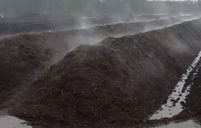


















Compost heavy metal testing is a crucial step in evaluating compost quality and safety, ensuring that the compost, when applied to farmland, does not contaminate soil or crops. Heavy metals such as lead, cadmium, mercury, arsenic, copper, and zinc, if present in high concentrations in the compost, may have adverse effects on the ecological environment and human health. Therefore, conducting heavy metal testing is particularly important.
Source of Heavy Metals
Heavy metals can originate from a variety of sources, such as composting materials (like sludge from wastewater treatment plants, industrial waste, and urban organic waste), and may also accumulate in soil due to environmental pollution.
2. Importance of Inspection
The primary significance of heavy metal detection lies in:
Ensure soil safetyBy testing the heavy metal content in compost, prevent long-term soil pollution after application, and maintain the ecological environment of the soil.
Protect agricultural cropsThe accumulation of heavy metals in crops can lead to food safety issues. Testing compost for heavy metals helps prevent crop contamination.
Compliant with standard specificationsMeets national or regional agricultural compost standards, ensuring the safety of agricultural products and compliant fertilization.
3. Testing Methods
Heavy metal detection typically involves three steps: sample collection, pretreatment, and analysis.
Sample CollectionSample compost from various locations and depths to ensure representativeness of the samples.
Sample Pre-treatmentThe sample is dried, crushed, and subjected to acid digestion to facilitate subsequent analysis.
Analysis MethodCommon analysis methods include:
Atomic Absorption Spectrophotometry (AAS)Used for quantitative analysis of heavy metal components, with high sensitivity and relatively simple operation.
Inductively Coupled Plasma Mass Spectrometry (ICP-MS)High sensitivity and the ability to analyze multiple elements simultaneously make it suitable for detecting heavy metals in complex matrices.
X-ray Fluorescence Spectrometry (XRF)Non-destructive testing, suitable for rapid screening of heavy metal content in samples.
4. Results Evaluation
Assessments of test results are typically based on national or regional compost standards. For instance, China's "Organic Fertilizer" standard specifies limits on heavy metal content in compost. Results determine if the compost meets application standards and guide appropriate management actions.
5. Conclusion
Heavy metal testing plays a crucial role in compost management, ensuring the safety and sustainability of agricultural ecosystems. As concerns over food safety and environmental protection intensify, the testing of heavy metals in compost is bound to become an increasingly important aspect of agricultural production.