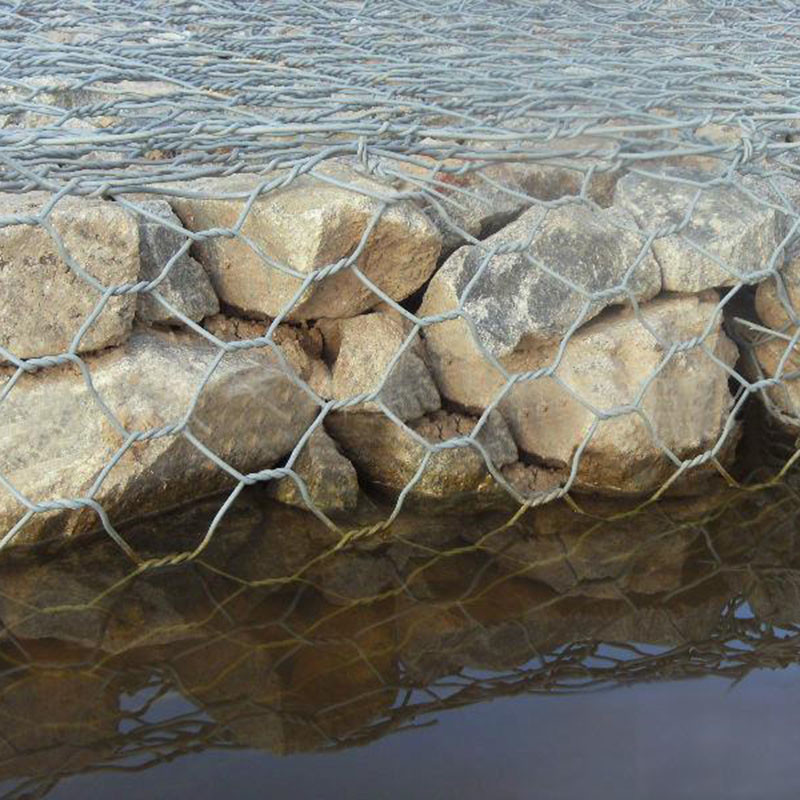

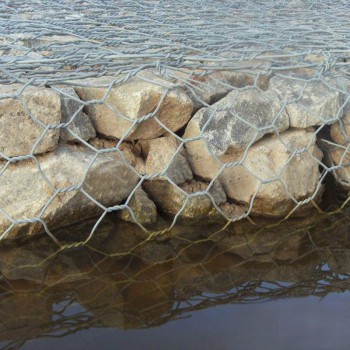











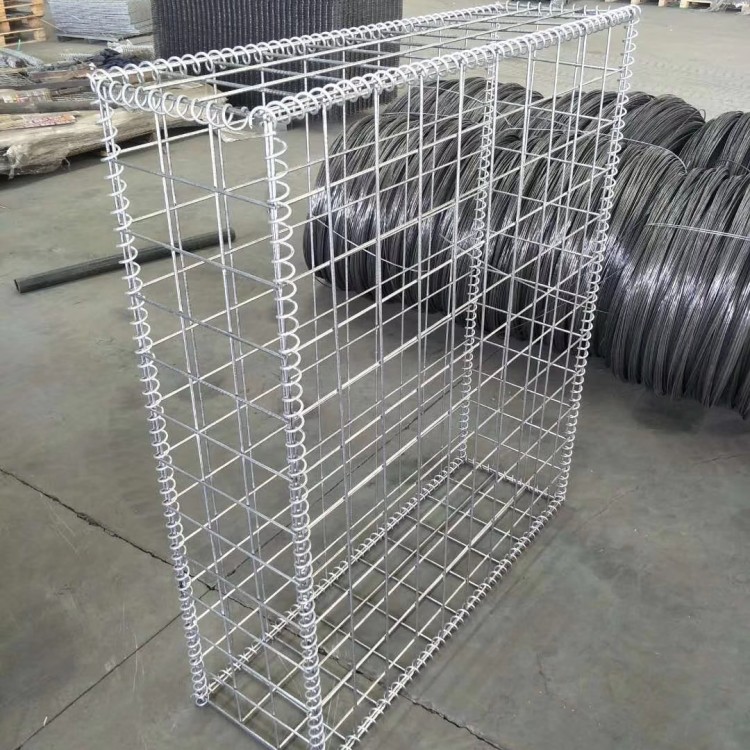
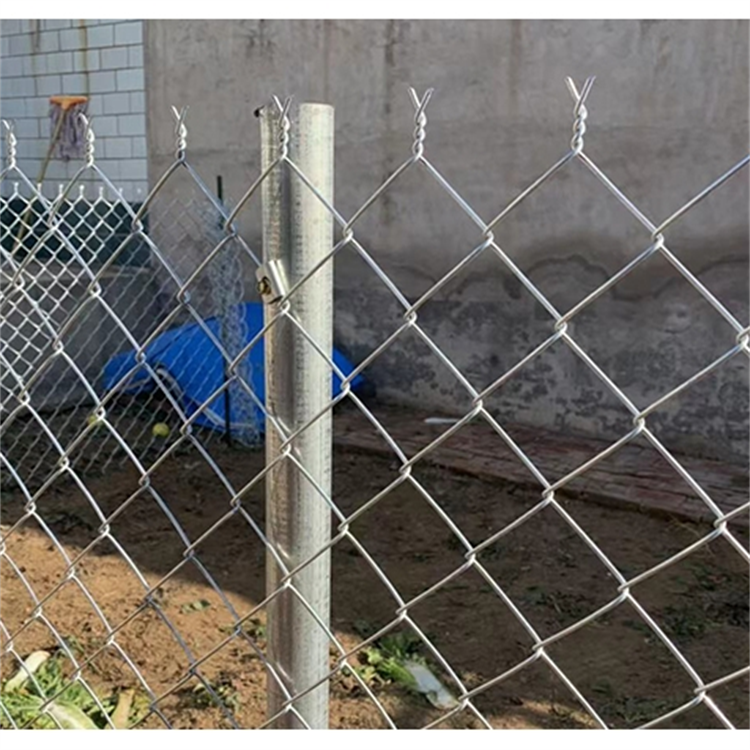
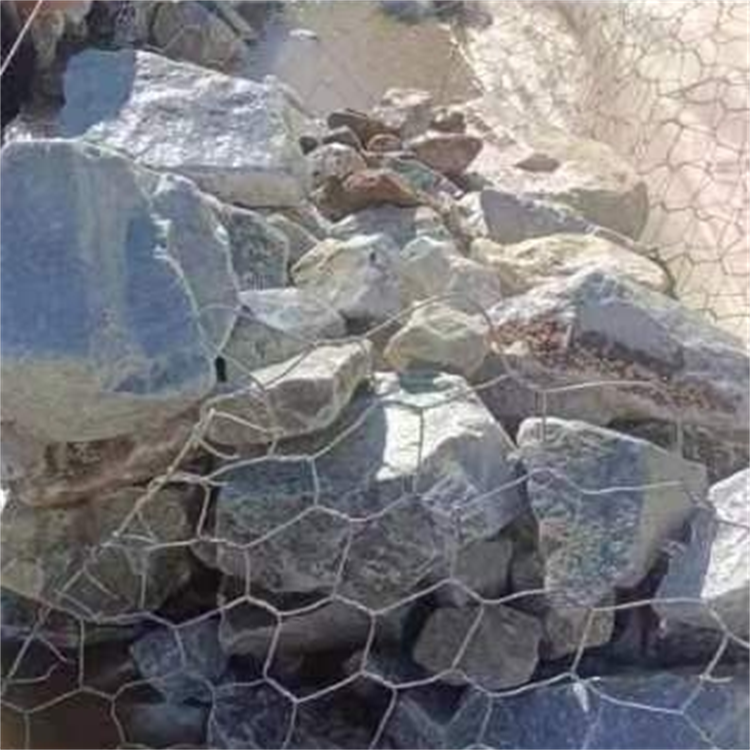
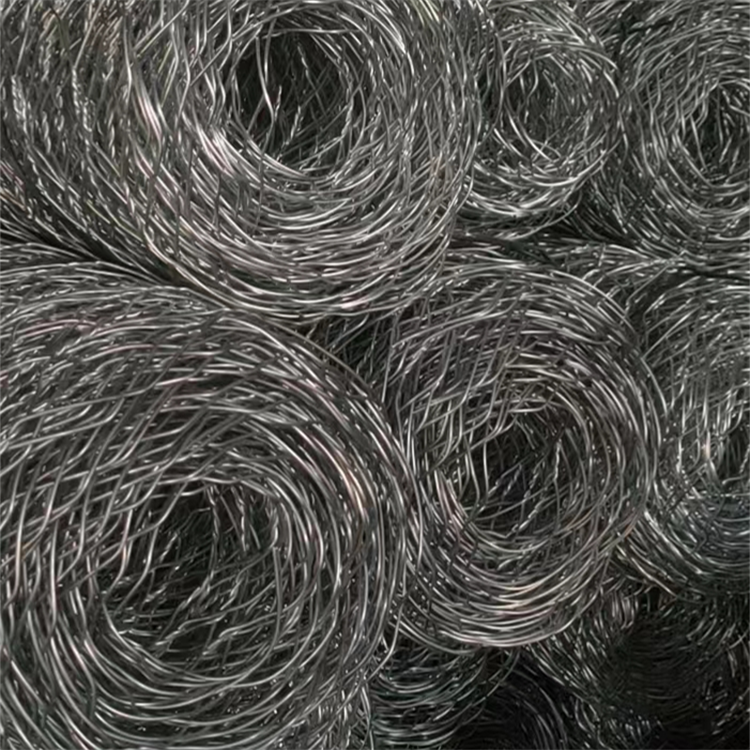
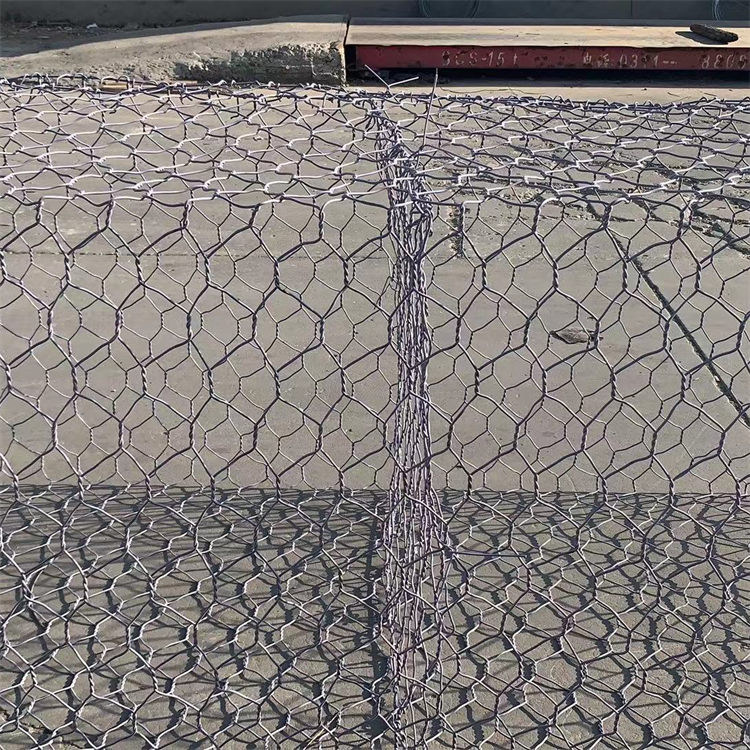
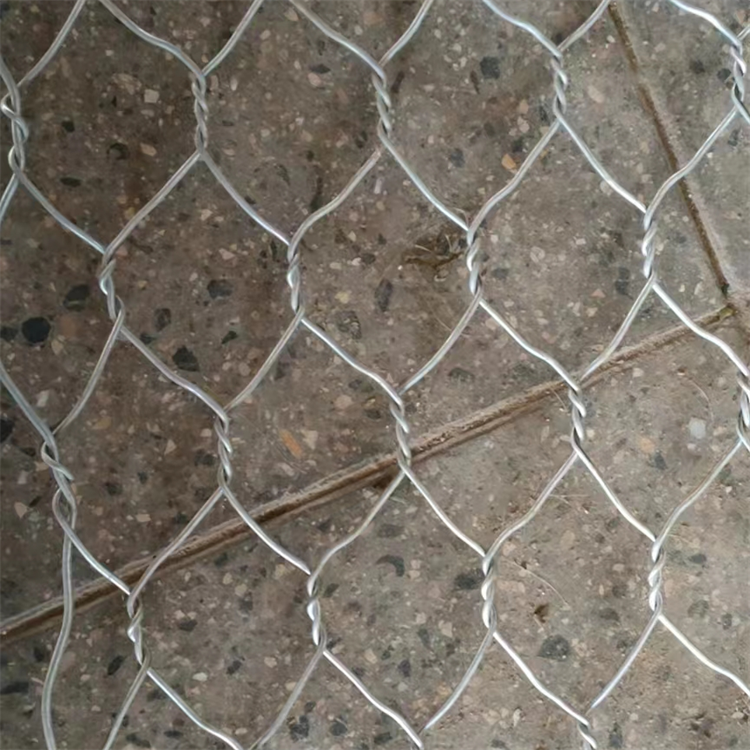
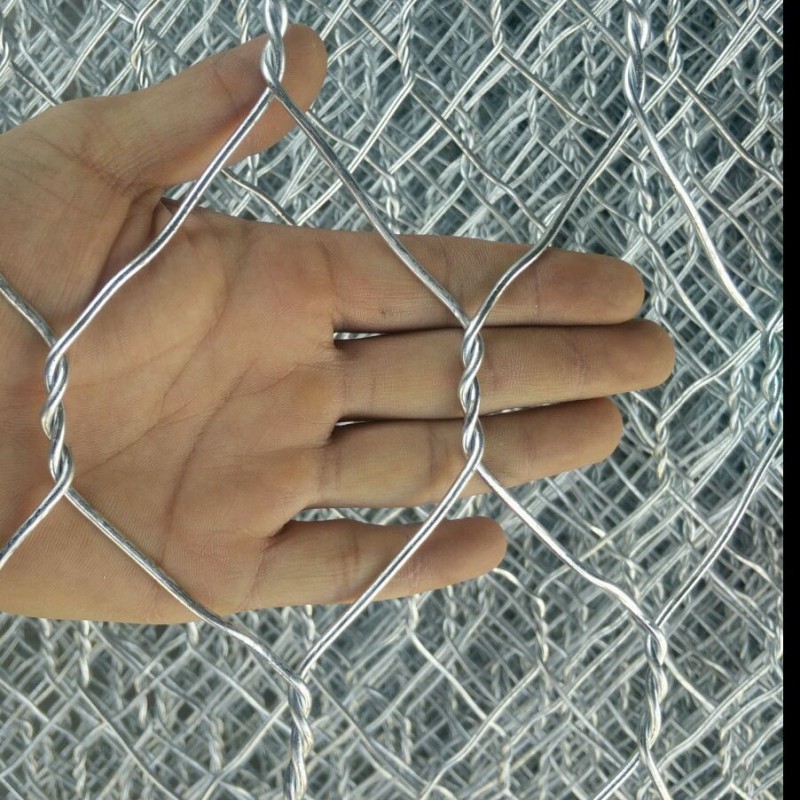
Gabion mesh, gabion baskets, gabion ground mesh, gabion mesh features a double twisted mesh structure. In China, it's known as stone笼 mesh, and in some southern regions, it's called gabion baskets or gabion stone笼 mesh. Gabion mesh is a type of ecological mesh, also known as green mesh, honeycomb retaining wall, wire mesh stone笼, etc. Abroad, this product is made into a structure called a gabion box. This structure is a wire or polymer wire mesh product that secures filled stones in place, using weather-resistant, hard stone blocks as fill material. It does not break down quickly due to abrasion in stone box or gabion arrangements. Gabions filled with different types of block stones have varying characteristics. Angular block stones can interlock well with each other, and gabions filled with them are less prone to deformation. It is the preferred structural method for river channel water conservancy, civil engineering slope erosion protection, and ecological management today.
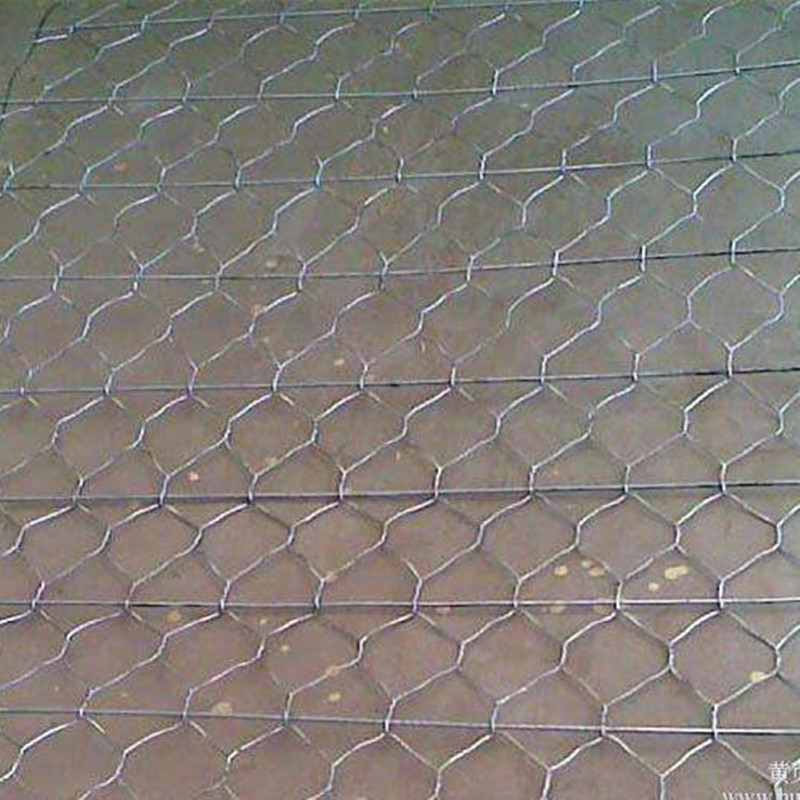
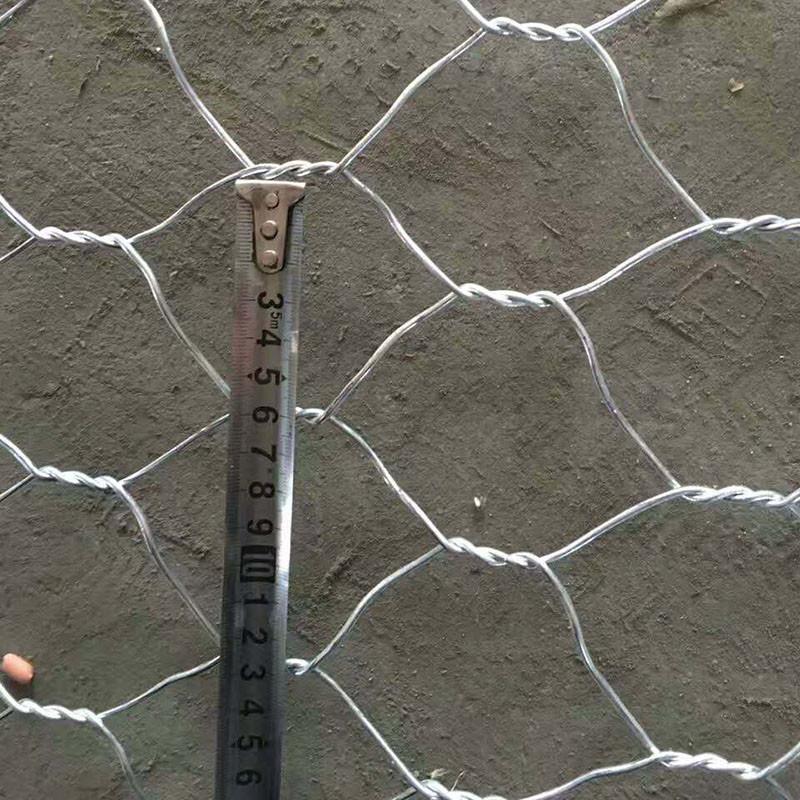
Galfan mesh is a woven box made from angular (hexagonal) mesh using metal wire, with the diameter of low-carbon steel wire varying according to engineering design requirements, generally between 2.0-4.0mm. The tensile strength of the wire must be no less than 38kg/m², and the weight of the metallic coating can reach up to 300g/m². It can be wrapped with a plastic film for protection and woven into various specifications of hexagonal mesh. This PVC protective layer significantly enhances protection in highly polluted environments and can blend with the surrounding natural environment through color choices. The diameter of the metal wire used in Galfan boxes varies with the size of the hexagon. For metallic coated wire, a diameter of 2.0mm to 4.0mm is used, while for PVC-coated metal wire woven into hexagonal mesh, a diameter of 3.0mm to 4.5mm PVC (metal) wire is used. The wire used for the frame edges is one size thicker than the hexagonal mesh wire.
Galfan mesh baskets characteristics:
1. Economical. Simply fill the cage with stones and seal the opening.
2. Easy installation, no special skills required.
3. Strong resistance to natural damage, corrosion, and adverse weather conditions.
4. Can withstand a wide range of deformation without collapsing.
5. The silt between the stones in the cage is conducive to plant growth and can seamlessly integrate with the surrounding natural environment.
6. Excellent permeability to prevent damage caused by hydrostatic pressure.
7. Save on transportation costs. It can be folded for transport and assembled on-site.
Galvanized wire mesh basket applications:
Bank protection, river and flood control and guidance, spillway and guide bank, rockslide protection, soil and water erosion prevention, bridge protection, soil stabilization structures, coastal defense projects, port engineering, retaining walls, road embankment protection.
Common gabion mesh material classifications:
Galvanized Steel Wire: High-quality low-carbon steel wire with diameter ranging from 2.0MM to 4.0MM. Tensile strength of the wire is not less than 380Mpa. The wire surface is protected by hot-dip galvanizing. The thickness of the galvanized layer is custom-made according to customer requirements, with a galvanizing weight up to 300g/m2 (electro-galvanized zinc coating is only about 10g).
2. Zinc-5% Aluminum-Mixed Rare Earth Alloy Wire (also known as Galfan) Wire: This is an emerging new material on the international scene, with corrosion resistance over three times that of traditional pure zinc-coated wire. The wire diameter ranges from 1.0MM to 3.0MM, and the tensile strength is no less than 1380Mpa.
3. Galvanized Steel Wire Coated with PVC: High-quality low-carbon steel wire, with a layer of PVC protective coating on the surface, then woven into various specifications of hexagonal wire mesh.
Zinc-5% Aluminum-Mixed Rare Earth Alloy Steel Wire Coated with PVC: The zinc-5% aluminum-mixed rare earth alloy steel wire is coated with a layer of PVC for protection, and then woven into various specifications of hexagonal wire mesh.
Gabion Mesh Specifications:
(1) Aperture: 60*80mm, 80*100mm, 80*120mm, 100*120mm, 120*150mm, etc., with the length of the double-strand braided section not less than 50mm to ensure the metallic coating and PVC coating on the braided steel wire are not damaged.
(2) Wire Diameter: The stone笼 net is divided into three types of wire diameters – mesh wire, edge wire, and binding wire.
The mesh range is 2mm to 4mm.
2. Edge wire is generally thicker than mesh wire, ranging from 0.5mm to 1mm in diameter.
3. Bind wire is generally smaller than mesh wire, with 2.2mm being the most common size.
(3) Wire Tensile Strength: Not less than 38 kg/m² / 380 N/mm²
(4) Surface Treatment
Electroplated zinc. Maximum zinc coating is 10g/m². Poor corrosion resistance.
2. Hot-dip galvanized. The zinc coating can reach up to 300g/m2, offering strong corrosion resistance.
3. Galfan (zinc-aluminum alloy). This is available in two types of materials: zinc-5% aluminum-alloy wire with mixed rare earth metals, and zinc-10% aluminum-mixed rare earth metals alloy wire. Exceptional corrosion resistance.
4. PVC Coated. The coating thickness is generally 1.0mm, for instance: after coating 2.7mm becomes 3.7mm.
(5) Partition: Add a partition every meter along the length of the stone笼 net
(6) Dimensions: Customizable
(7) Range corresponding to hole size and thread size
Common Gabion Mesh Structural Forms:
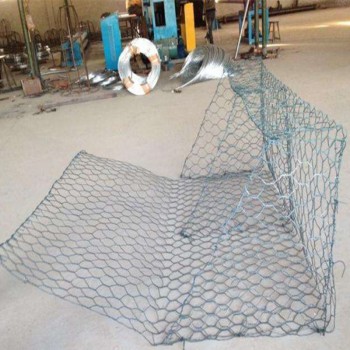
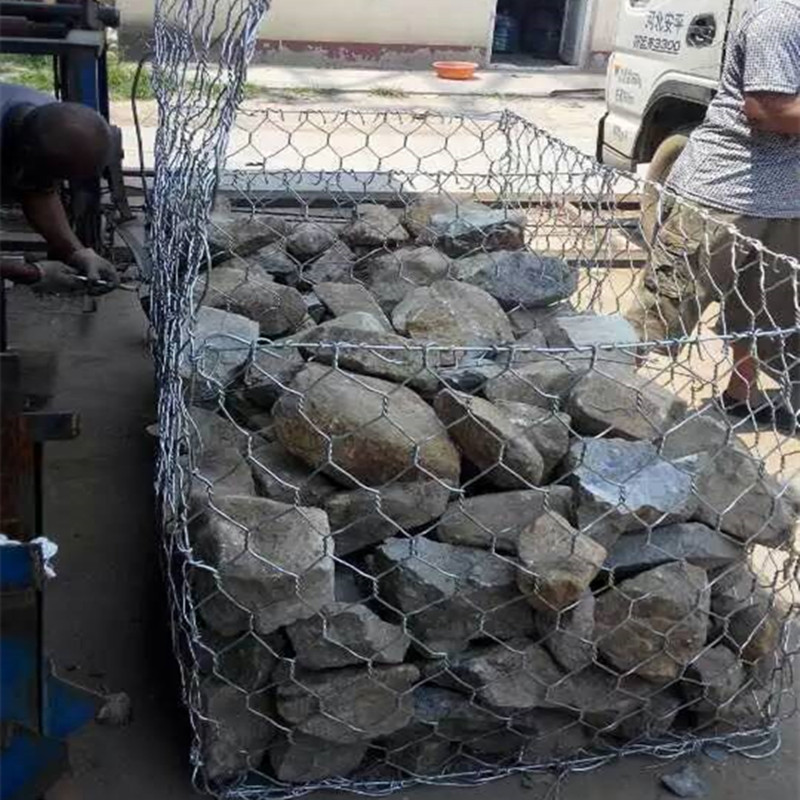
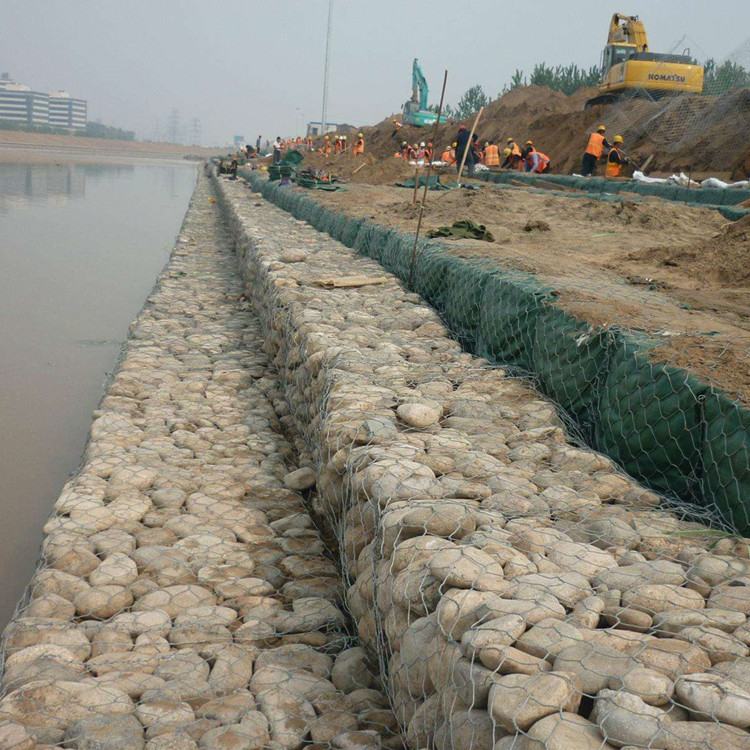
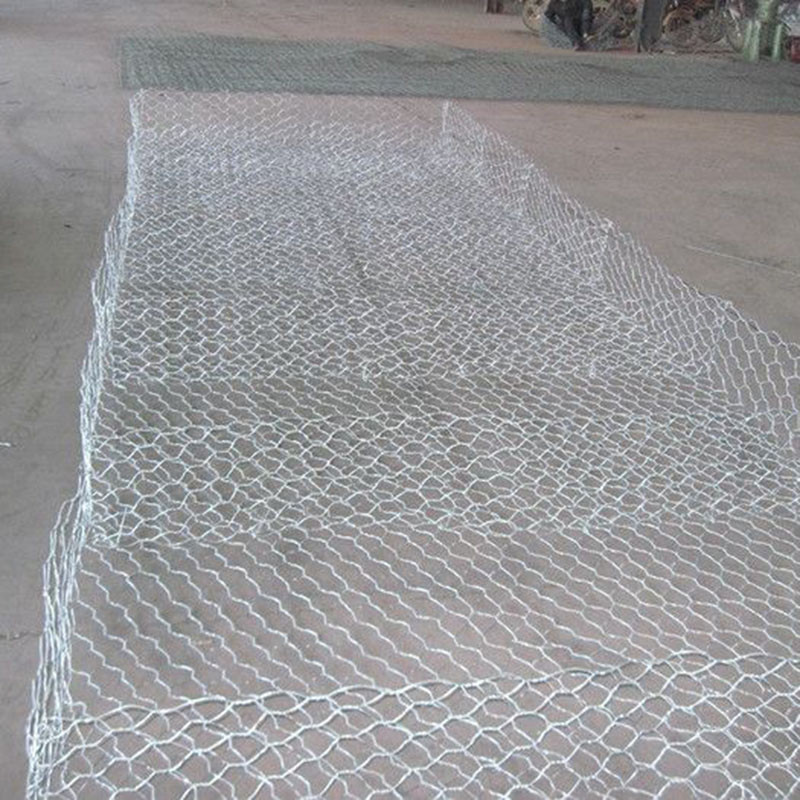
1. Gabion baskets are wire mesh cages made by cutting and folding heavy-duty hexagonal mesh. Generally, a gabion basket is assembled from 4 pieces of heavy-duty hexagonal mesh, with one large hexagonal mesh folded to form the 4 large faces of a rectangular prism, two smaller hexagonal mesh pieces at the ends, and a dividing mesh in the middle. Gabion baskets can also be made into triangular or trapezoidal shapes, with the embankments formed by these stone baskets having an inclined plane. The use of gabion baskets is due to their unique ecological function. A little soil can be sprinkled on the surface for greening, as the gaps between stones are filled with soil, which is conducive to the growth of plant roots, creating a favorable ecological environment. Even without sprinkling soil, over time, the gaps between stones will settle with soil, allowing the growth of herbaceous plants, forming a natural ecological environment. After the gabion baskets are produced, they can be bundled and compressed for packaging to save space.
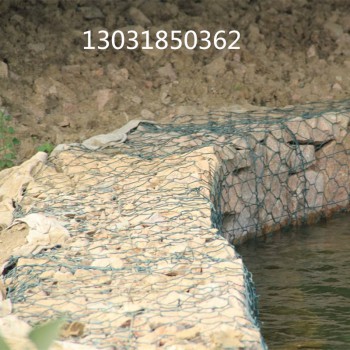
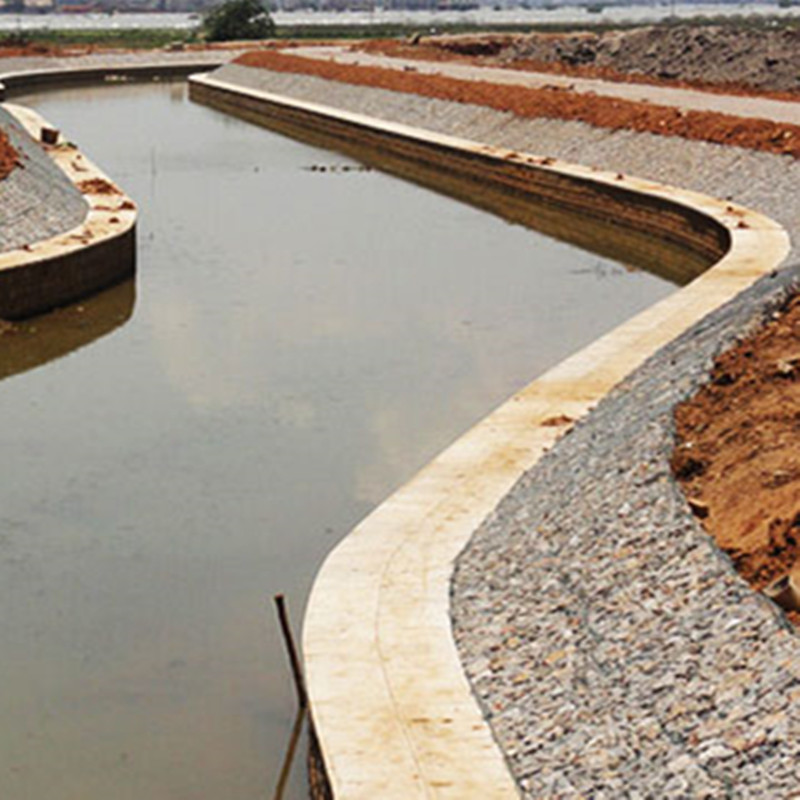
Section 2: Gabion mat, a heavy-duty hexagonal mesh cut and folded metal mesh box, with a thickness ranging from 0.15 to 0.5 meters. The thickness of the gabion mat is significantly smaller than the length and width of the gabion box. The gabion mat is divided into several cells by single or double dividers. To enhance the structural strength of the gabion mat, the diameter of the wire at the edges of the mesh plates is relatively thick. Primarily used in river channels, riverbank slopes, road embankment slopes, and coastal slope structures. It not only prevents riverbanks from being eroded by water currents and waves but also achieves natural convection between the water body and the soil below the slope, achieving ecological balance. The gabion mat, when scattered with soil, allows for the planting of green vegetation, which can enhance the landscape greening effect on the slope.
Section 3: Gabion Retaining Walls are soil-retaining structures formed by the layered stacking of gabion baskets. These walls are constructed from gabion boxes measuring 0.5 to 1.0 meters in size. Gabion retaining walls are primarily used on steep slopes to control mudslides, prevent landslides, and protect road and railway subgrades, among other applications. The components of the gabion retaining wall are filled with stones of similar size within the mesh boxes, which creates a certain porosity. Due to the gaps between the stones, soil and water beneath the masonry and beneath the slope can be drained, thus reducing the water level and the ground water pressure behind the wall and below the slope. Prompt drainage minimizes the likelihood of damage to the retaining wall, significantly extending its lifespan. Additionally, the wall's mesh boxes are made of wire mesh, allowing for some deformation. Moreover, the stones can slide against each other, enhancing the wall's ability to withstand sudden external forces.
Galvanized wire mesh demonstrates protective advantages in hydraulic engineering applications:
Ideal ecological construction and restoration functions
Geotextile baskets and matting create pores that facilitate water flow, promoting natural exchange between water and soil. This creates a habitat for aquatic life and microorganisms, enhancing the water body's self-purification capabilities and protecting and improving water sources and quality. The voids in the filling material, either artificially laid soil layers or naturally deposited soil, provide conditions for greening and vegetation. Even without sowing seeds, plants will naturally grow, optimizing, beautifying the environment, and improving and restoring the ecological environment.
2. Excellent permeability properties
Retaining walls and slope protection laid with mesh boxes, filled with loose materials, have numerous pores that facilitate the drainage of backfill and soil under the slope. Once surface water infiltrates the soil, it can be quickly drained through the masonry, effectively lowering the groundwater level and reducing the groundwater pressure behind the wall and under the slope. The gabion mesh structure, in the treatment of landslides and the prevention of mudslides, ensures timely drainage to minimize wall damage and its excellent deformation ability effectively mitigates the impact of sudden external forces.
3. Exceptional stability and overall functional permeability.
Galfan wire mesh is a double twisted mesh structure woven by special machinery, with local damage not causing overall destruction to the cage. The Galfan mesh has moderate deformation characteristics, uniting the entire project as a whole without the need for seams. Even if uneven settlement occurs, the overall structure will not crack or encounter severe issues.
4. Simpler construction methods.
The Gabion mesh process can be factory-produced to create semi-finished products according to design intentions. On the construction site, the components are assembled and shaped according to the design plans, then laid on prepared slopes or excavated foundation pits to form retaining slopes or constructed into box culvert retaining walls. Filling material is added, and the cover mesh is installed to complete the structure. The operation is simple, minimally affected by weather conditions, and suitable for mechanized operations, ensuring both construction quality and speeding up project progress. During the construction process of a construction unit, affected by the weather, workers originally assigned to building stone masonry retaining walls were transferred to install gabion mesh slopes.
5. Outstanding scenic view.
The easy assembly and wide range of colors in the gabion mesh structure allow for a variety of structural design options, catering to different regional landscape requirements. Combined with grass lawns and flower trees, we present a green retaining wall or slope.
6. Excellent corrosion and durability resistance.
The steel wire used in Gabion Mesh is coated with a hot-dipped aluminum-zinc finish, ensuring a more stable surface coating that effectively reduces the oxidation of the wire. After being treated with a resin film process, it boasts corrosion resistance, static electricity prevention, anti-aging, and anti-oxidation properties, resulting in a longer service life. Tests have shown that when the plastic is soaked in a 30% concentration of hydrochloric acid for 10 days, there is no discoloration or cracking. This demonstrates that the material is absolutely reliable even in highly polluted areas. The lifespan of steel wire coated with a resin film can reach 70 years.
7. Excellent resistance to erosion and wind wave impact.
The gabion structure is highly effective as slope protection or retaining walls in rivers with high flow velocities, offering strong resistance to erosion. According to relevant experiments, the erosion resistance coefficient of gabion structures is twice that of conventional rock protection works. Even if the large stones within the gabion mat are displaced by the water flow, the deformed cage structure achieves a new equilibrium, ensuring overall integrity is not compromised. The gabion structure is flexible, with gaps between the filled stones or other materials inside the cages. When waves crash against the peak, the splashes are crushed, reducing the impact force of wave pressure. As the wave peaks recede, the gaps in the cage disrupt the vacuum suction force of the waves, further reducing the damage to the protective works. Moreover, the overall structure can self-adjust slightly under the force of waves, effectively preventing cracks from forming in the wall.
The method of operating a gabion mesh is the same as that of a gabion cage:
Gabion sedimentation operation involves first submerging the stone笼 made of woven wire. It can also be electroplated and coated with PVC (polyvinyl chloride), and PVC gabion sedimentation can also be used for revetment and toe protection.
2. Gabion baskets. Wire mesh baskets woven into a grid are more flexible than welded ones, hence their performance in adapting to settlement and load is different. Although filling with stone materials requires careful attention to ensure the stones are packed tightly, it is sometimes believed that rigid stone boxes are easier to fill. For non-standard shapes, such as turns or areas prone to significant settlement, these structures are preferred when the woven wire or polymer grid shapes can deform without losing strength.
3. The internal filling of the gabion mesh is composed of hard, weather-resistant stones, which will not break down quickly due to abrasion in stone boxes or stone baskets. Gabion meshes filled with different types of block stones possess varying characteristics. Angular block stones can interlock well with each other, making the stone baskets filled with them less prone to deformation. Therefore, they are more effective than round stones in large retaining walls resistant to shearing forces, and also facilitate the connection of stone baskets. The general size of the filling is 1.5 times the average mesh size. Individual block stones are not less than the standard mesh size (typically used in woven stone baskets range from 60mm x 80mm to 100mm x 120mm), and generally not larger than 200mm in standard size. For block stones placed away from the outer surface of the gabion cage and within the interior, the size requirements for the smaller stones may sometimes be relaxed.
4. Internal Filling. Mechanical filling is generally faster and cheaper, but it does not offer the same level of control as manual filling. For decorative retaining walls, a better appearance and a compact structure should be achieved. When using either method, the filling material must completely fill the gabion mesh. The filling material must be packed well to minimize gaps, ensuring good contact between individual stones, packing it as tightly as possible, and reducing the likelihood of stone movement within the gabion. Both polygonal and round stones can be packed tightly when the filling material size is within the normal range, and additional soil can be added as needed.

WeChat Official Account

Scan to follow Official Account