


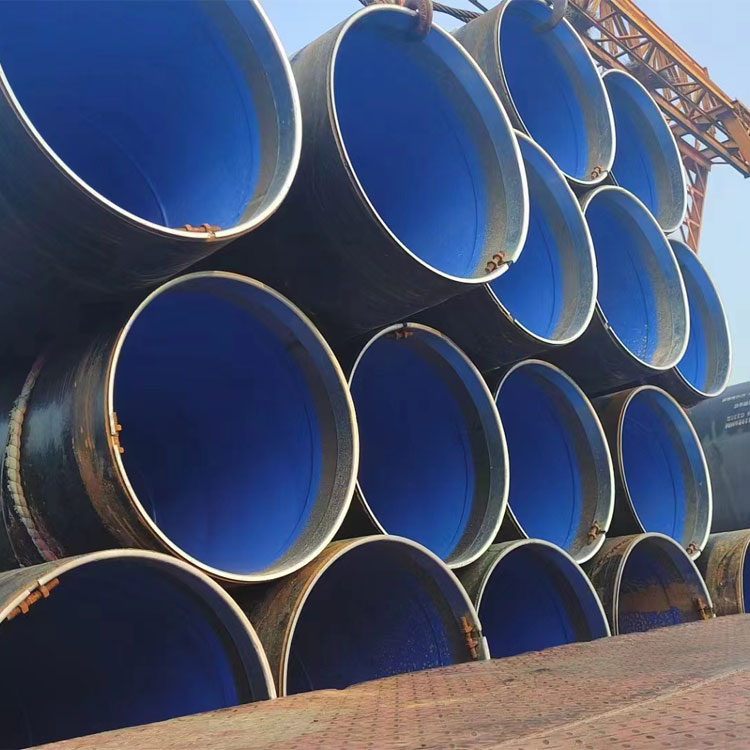

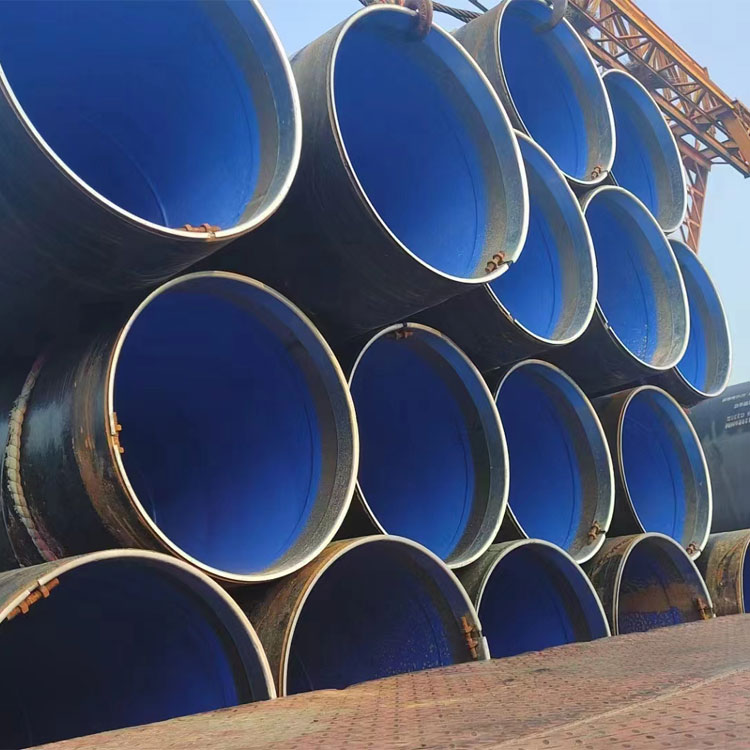
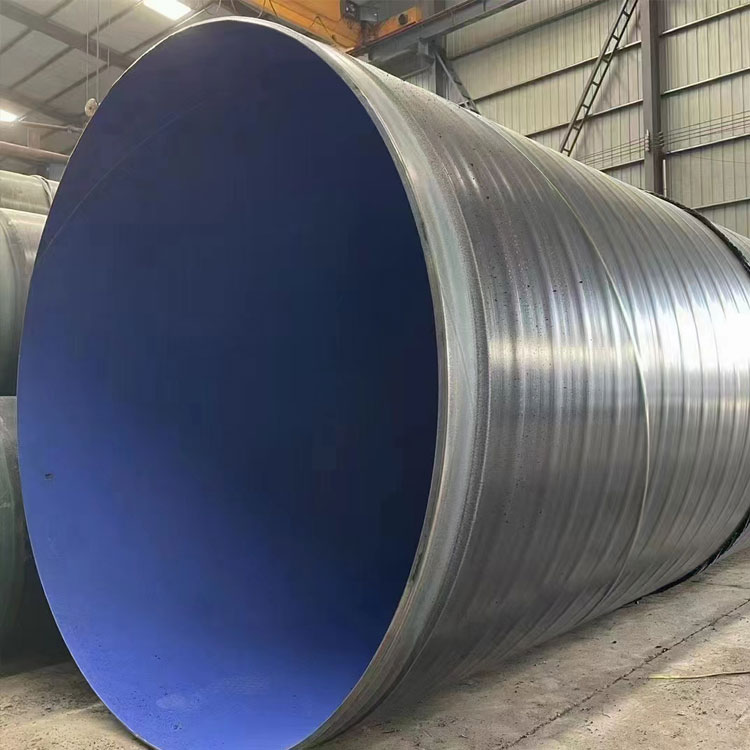
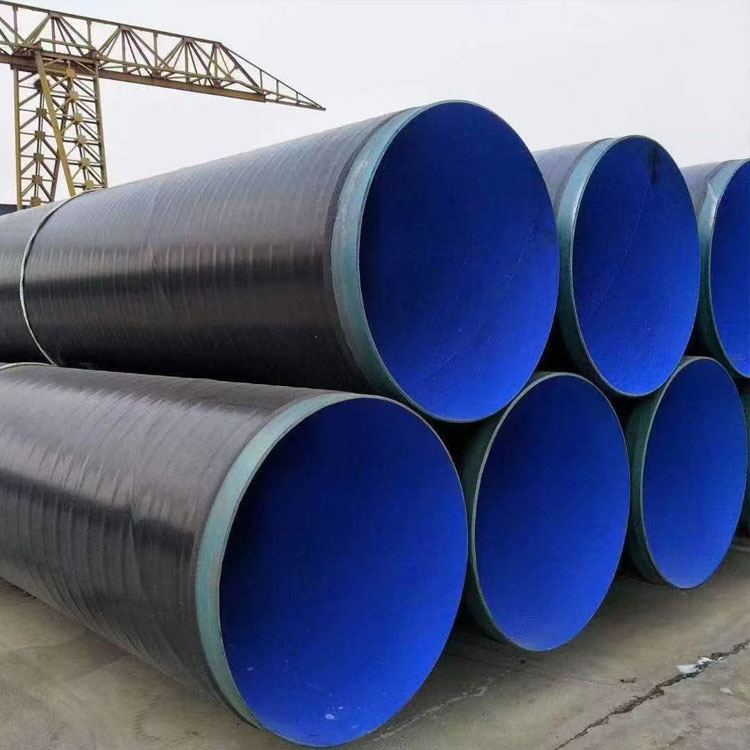











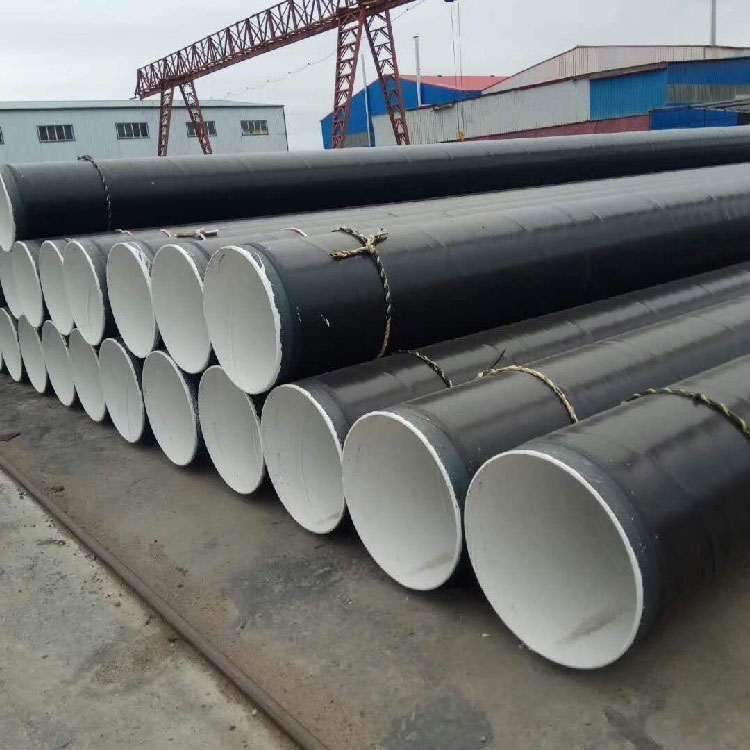
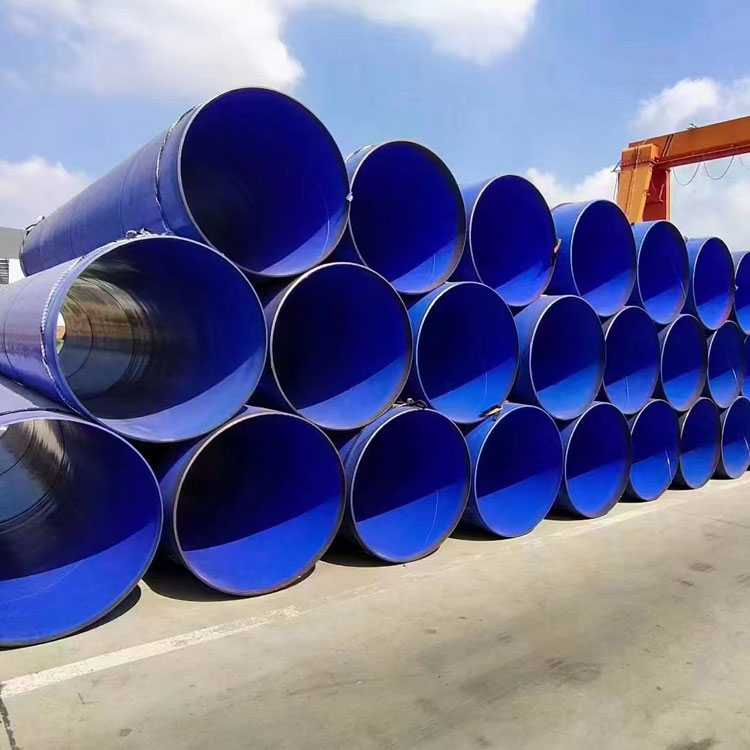
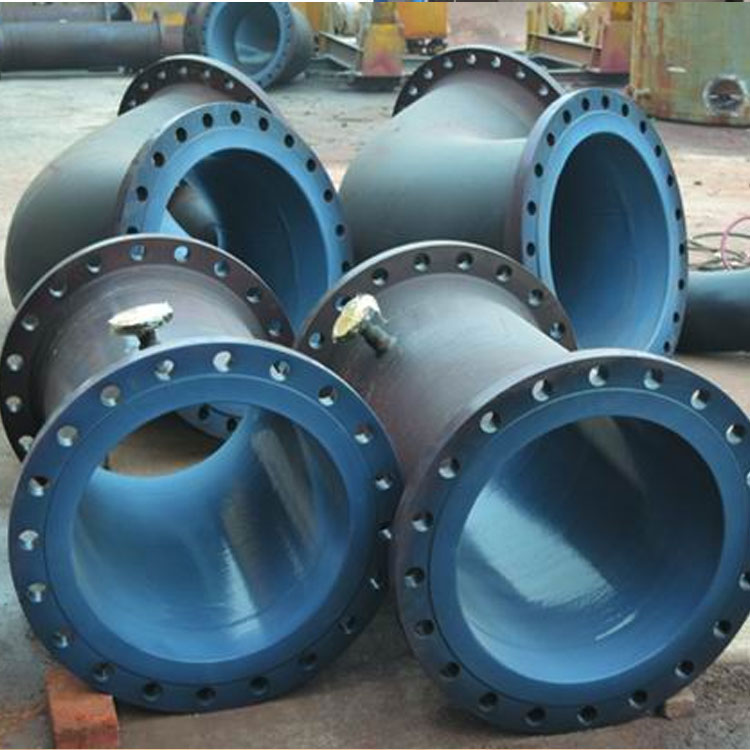

3PE anti-corrosion steel pipes are a corrosion protection technology introduced from abroad in recent years. Their full name is Fusion Bonded Epoxy/Extruded Polyethylene Structural Coating, which consists of three layers: the base layer is fusion bonded epoxy (≥80μm); the middle layer is adhesive (170-250μm); and the surface layer is extruded polyethylene (about 2mm). The total thickness of the protective layer is approximately 1.8-3.7mm. In the three-layer structure, the primary function of the fusion bonded epoxy powder coating is to form a continuous film, directly bonded to the surface of the steel pipe, with excellent chemical resistance and cathodic disbondment resistance; it reacts with the active groups of the adhesive in the middle layer to form a chemical bond, ensuring good adhesion of the overall protective layer at higher temperatures. The middle layer is typically a copolymer adhesive, mainly composed of polyolefins, and currently uses vinyl copolymer adhesive. The polar functional groups of the copolymer adhesive can react with the epoxy groups of the fusion bonded epoxy powder coating to form hydrogen bonds or chemical bonds, resulting in good adhesion between the middle and base layers; the non-polar ethylene part has good affinity with the surface polyethylene, thus the middle and surface layers also exhibit good adhesion properties. The main function of the polyethylene surface layer is to provide mechanical protection and corrosion resistance, similar to the traditional two-layer structure polyethylene protective coating.
Standard Grade 3PE Coating Pipe Structure: Layer of epoxy powder (FBE > 100um), two layers of adhesive (copolymer adhesive) 170~250um, three layers of polyethylene (PE) 2.5~3.7mm. These three materials are tightly integrated and firmly bonded to the steel pipe, forming an excellent anti-corrosion layer.
Advantages of Standard Grade 3PE Corrosion-Resistant Steel Pipe:
1. The 3PE anti-corrosion steel pipe offers sealing properties, which can significantly save energy, reduce costs, and protect the environment during long-term operation.
2. Excellent corrosion resistance, with a straightforward installation process, lifespan up to 30-50 years.
3. Excellent corrosion and impact resistance at low temperatures, with a low water absorption rate of PE (less than 0.01%).
4. Boasts high epoxy strength, low PE water absorption, and excellent softness of hot melt adhesive, offering high corrosion resistance reliability.
3PE coated steel pipe disadvantages:
Compared to other lining material costs, the expense is higher. Corrosion-resistant steel pipes can be divided into two categories: lined corrosion-resistant steel pipes and externally coated corrosion-resistant steel pipes.
Internal lining corrosion prevention mainly involves the use of cement mortar lined anti-corrosion steel pipes, which are cost-effective. These pipes utilize the cement mortar corrosion-resistant layer to provide protection against corrosion.
3PE coated steel pipes are widely used in external corrosion protection. Corrosion protection technology involves applying a protective coating to the outer or inner wall of steel pipes to safeguard the pipeline itself. This process can be applied to various types of pipes, including straight seam pipes and spiral steel pipes.






















