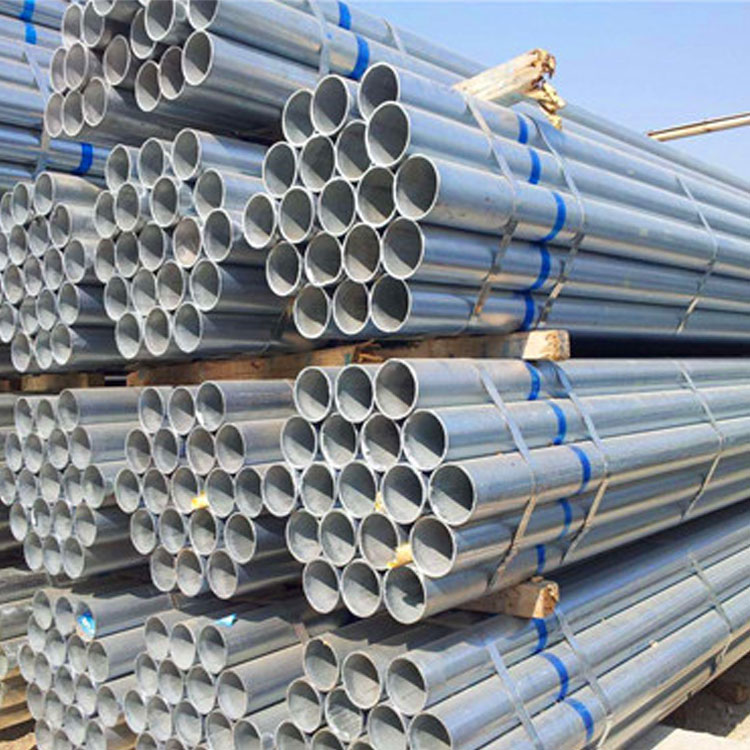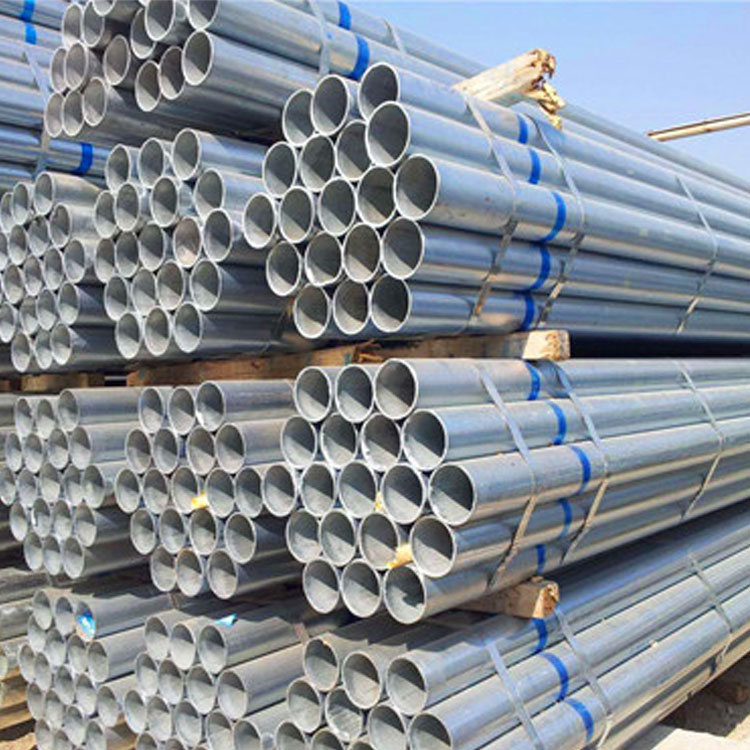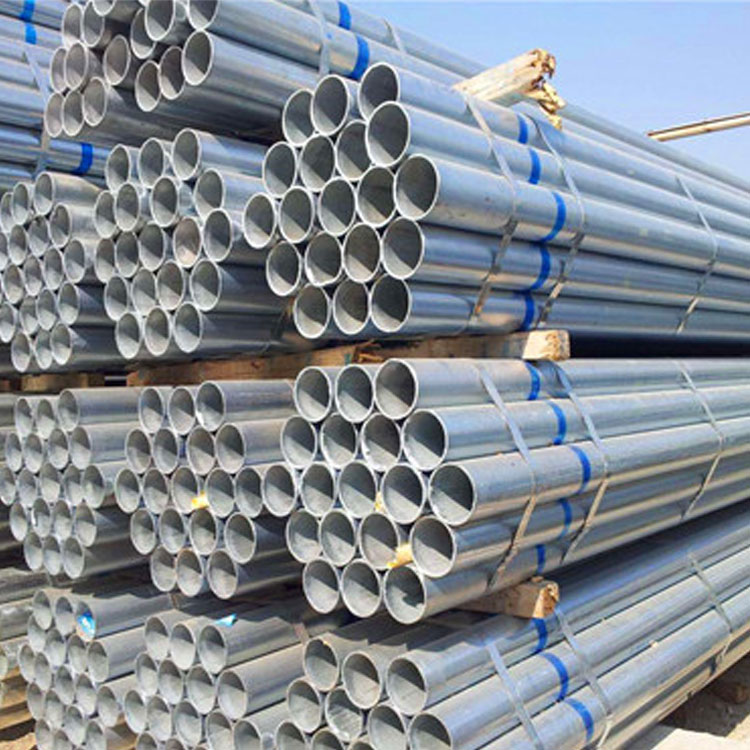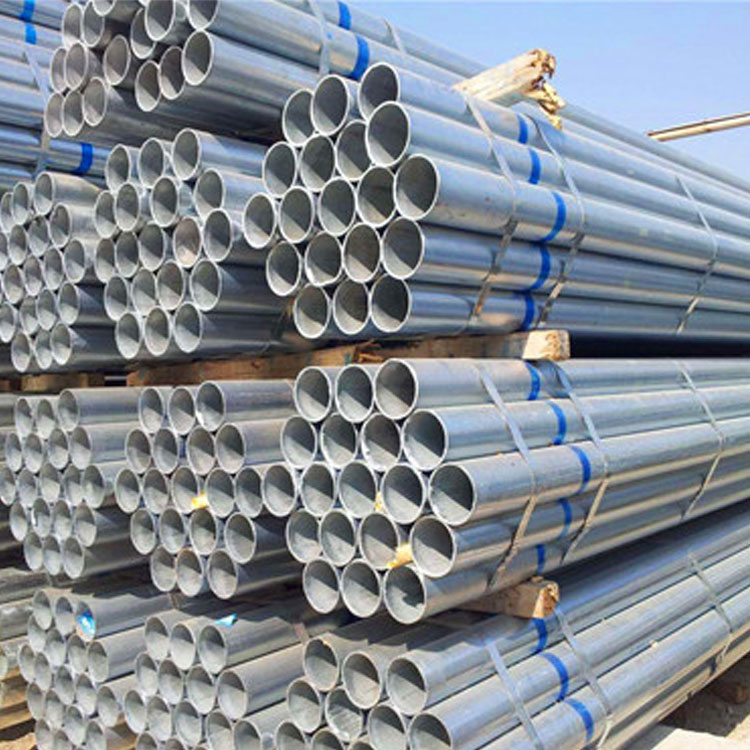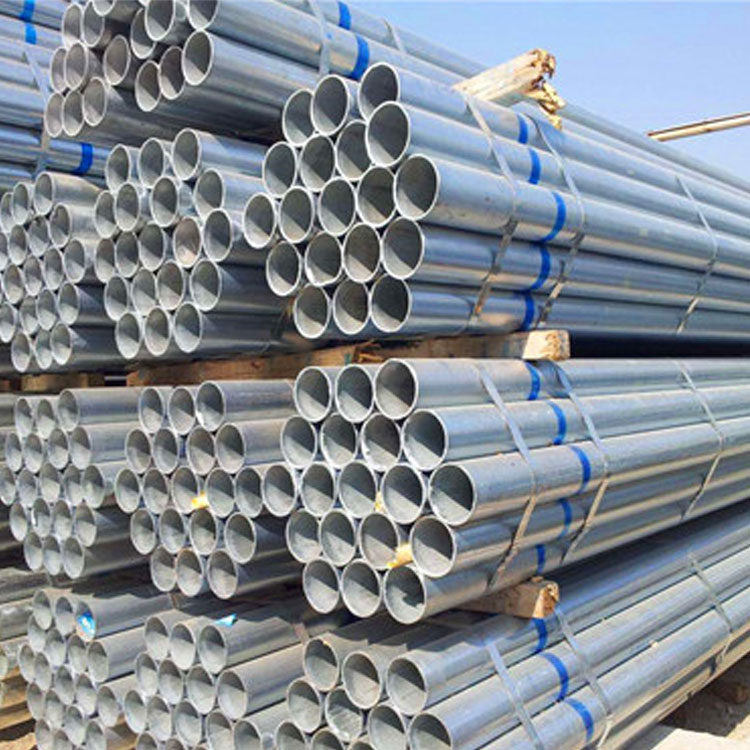

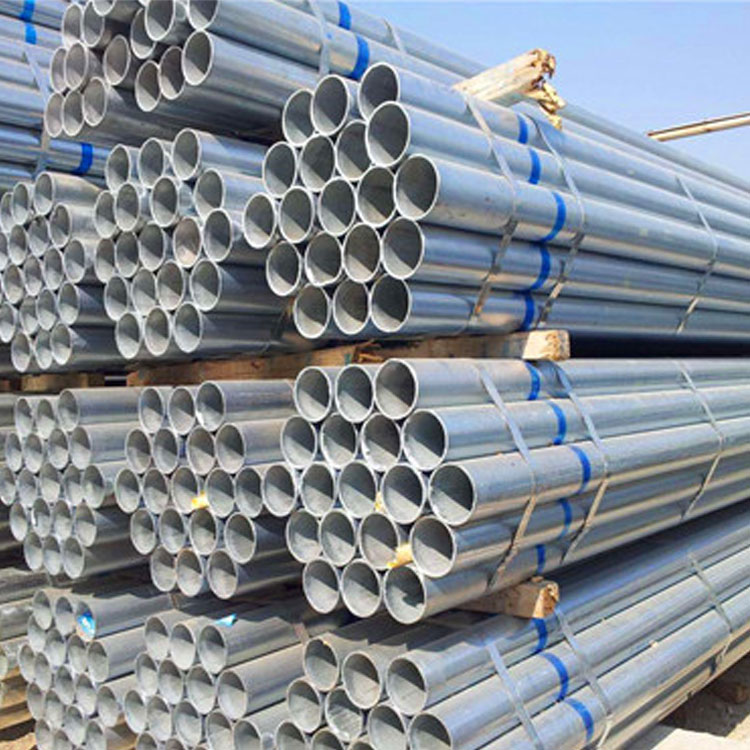
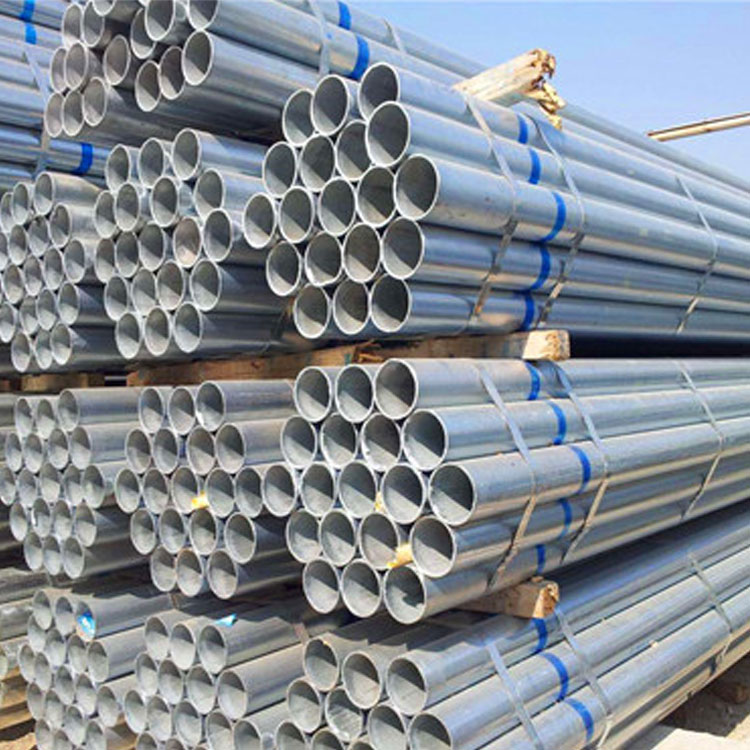
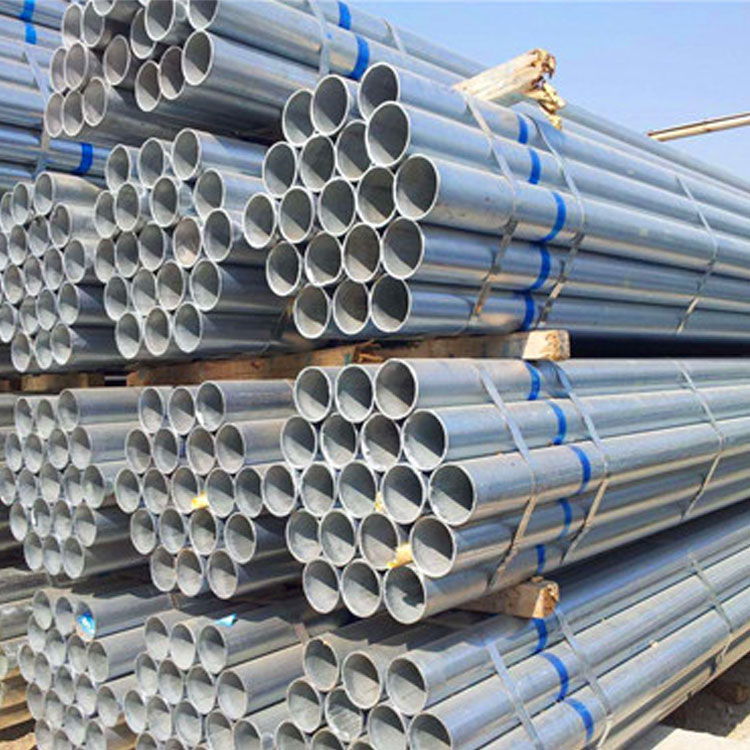











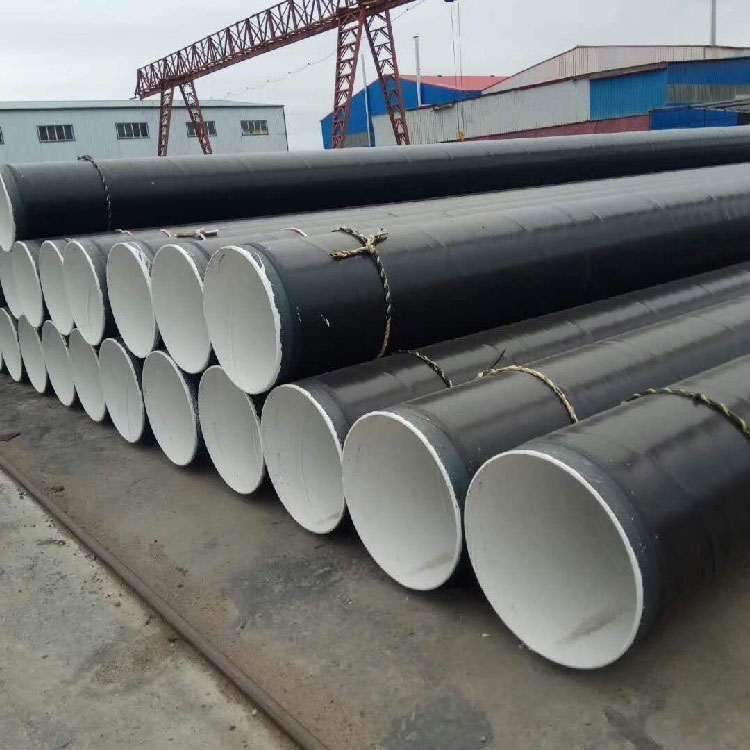
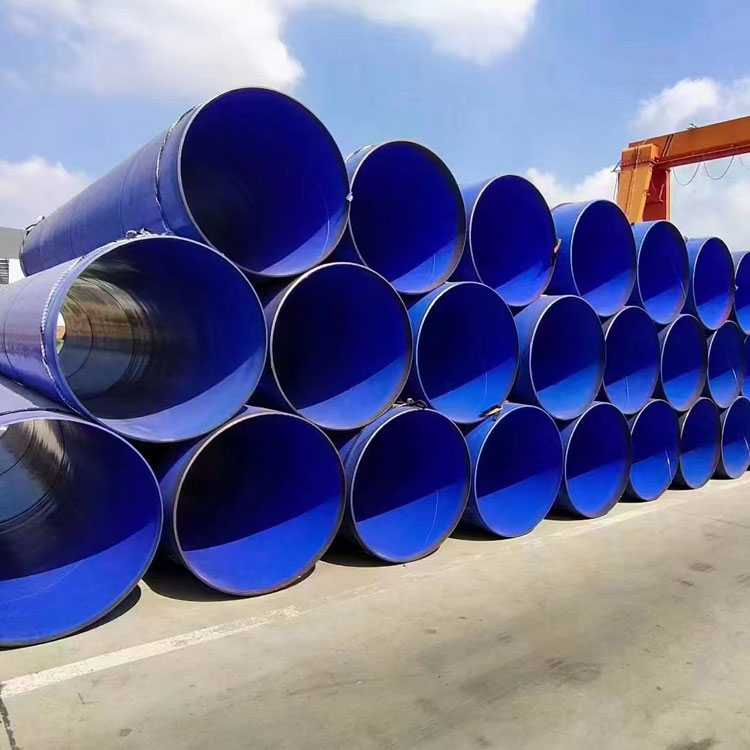
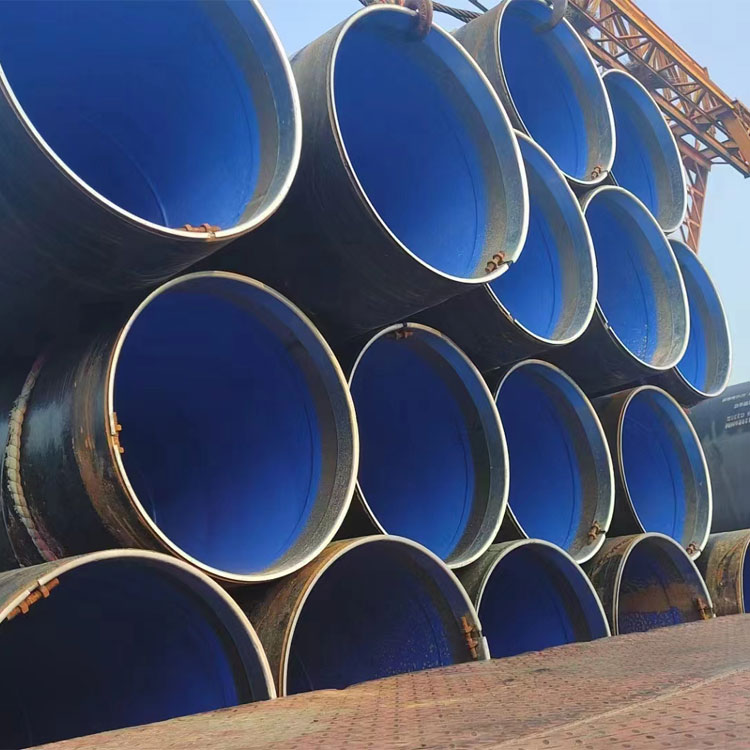
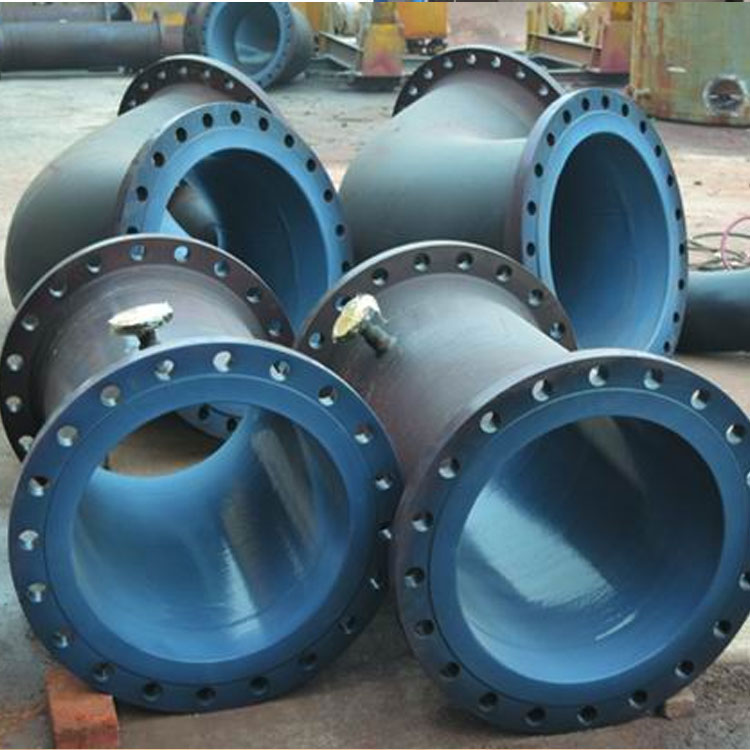

Galvanized steel pipes are categorized into cold galvanized and hot galvanized types. Cold galvanized pipes have been banned, while hot galvanized pipes are still temporarily recommended by the state. In the 1960s and 1970s, developed countries internationally began developing new types of piping materials and gradually banned the use of galvanized pipes. China's Ministry of Construction and other four ministries issued documents clearly stating the ban on using galvanized pipes for water supply from 2000 onwards. New residential complexes rarely use galvanized pipes for cold water piping, while some use them for hot water piping. Hot galvanized steel pipes are widely applied in fire protection, electricity, and highways.
Product Applications
Hot-dip galvanized steel pipes are widely used in manufacturing industries such as construction, machinery, coal mining, chemicals, electricity, railway vehicles, automotive industry, highways, bridges, containers, sports facilities, agricultural machinery, oil machinery, prospecting equipment, etc.
Galvanized steel pipes with a hot-dipped or electro-galvanized zinc coating. The galvanizing enhances the anti-corrosion capability of the pipes, extending their service life. These pipes find extensive applications, not only as pipeline tubes for transporting water, gas, oil, and other low-pressure fluids, but also as oil well pipes and oil transport pipes in the petroleum industry, particularly for offshore oil fields. They are used in oil heaters, condensers, and coolers for petrochemical coking equipment, as well as for pile tubes in bridges and support tubes in mining tunnels.
Weight coefficient
Nominal Wall Thickness (mm): 2.0, 2.5, 2.8, 3.2, 3.5, 3.8, 4.0, 4.5.
Coefficient parameters (c): 1.064, 1.051, 1.045, 1.040, 1.036, 1.034, 1.032, 1.028.
Note: The mechanical properties of steel are crucial indicators ensuring the final performance (mechanical properties) of the steel, which depend on the chemical composition and heat treatment process. In the standards for steel pipes, different usage requirements dictate the specifications for tensile properties (tensile strength, yield strength or yield point, elongation), as well as hardness and toughness indicators. Additionally, high and low temperature properties required by users are also specified.
Steel Grades: Q215A; Q215B; Q235A; Q235B.
Test Pressure Value/Mpa: D10.2-168.3mm is 3Mpa; D177.8-323.9mm is 5Mpa
Current National Standard
Galvanized钢管 National Standard and Dimensional Specifications
GB/T3091-2015 Welded Steel Pipe for Low-Pressure Fluid Transportation
GB/T 13793-2016 Seamless Welded Steel Pipe
GB/T21835-2008 Welding pipe dimensions and weight per unit length