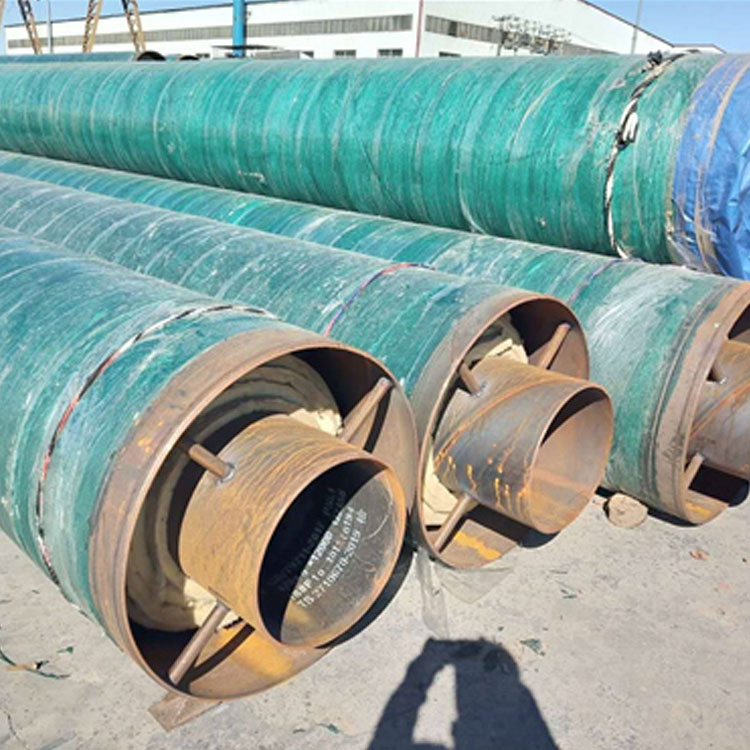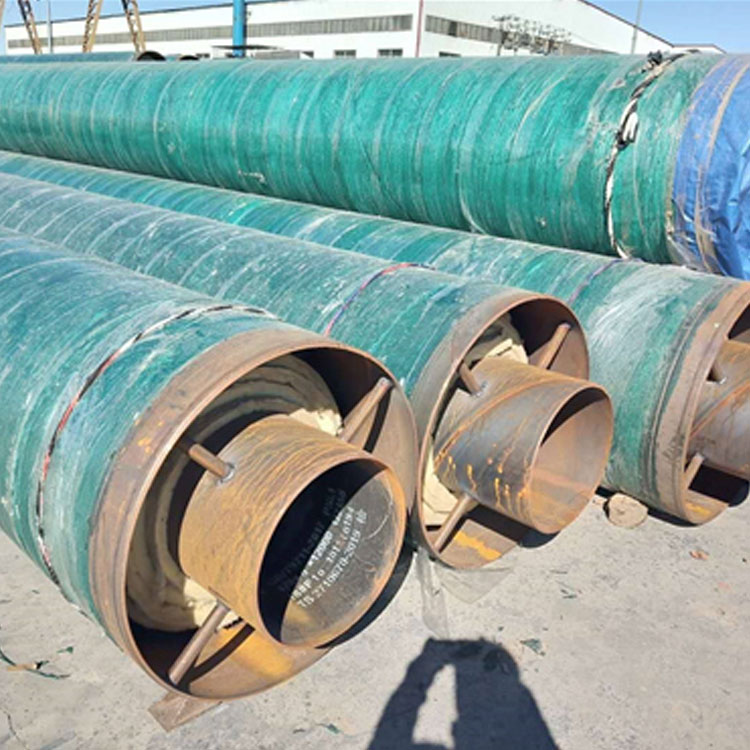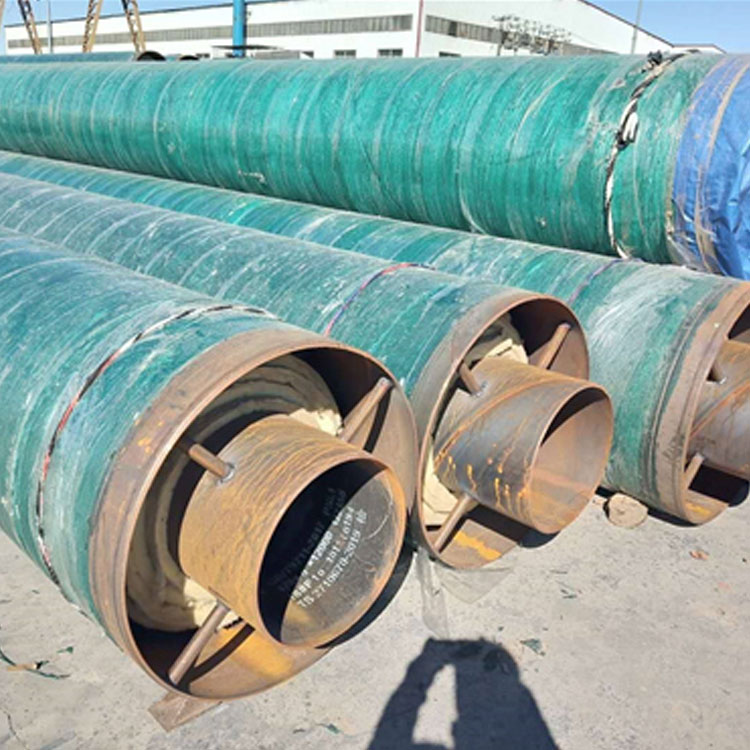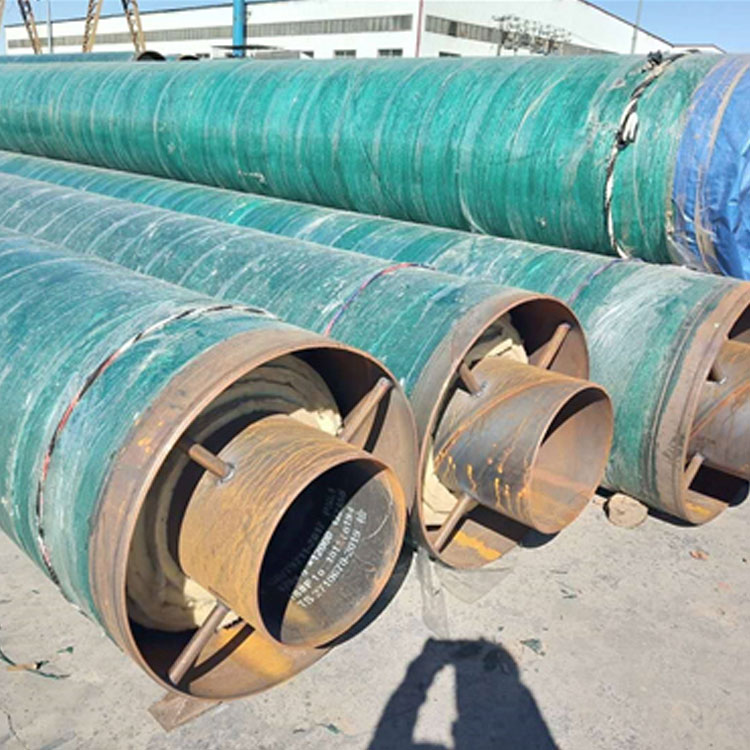













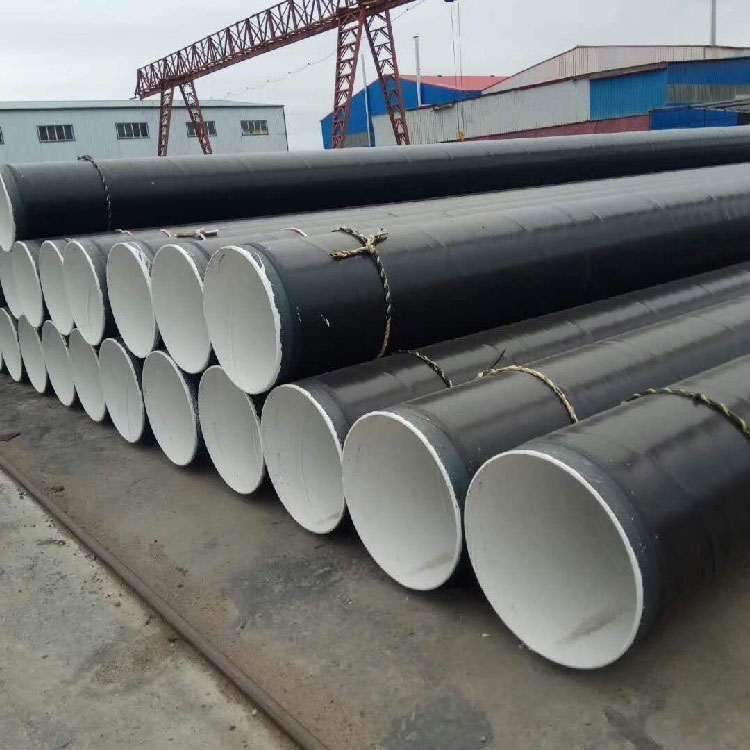
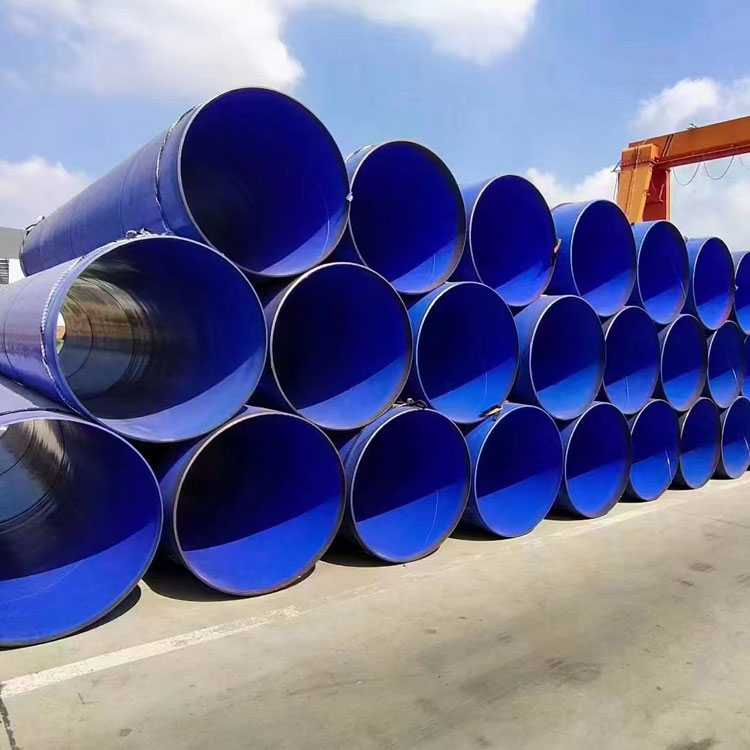
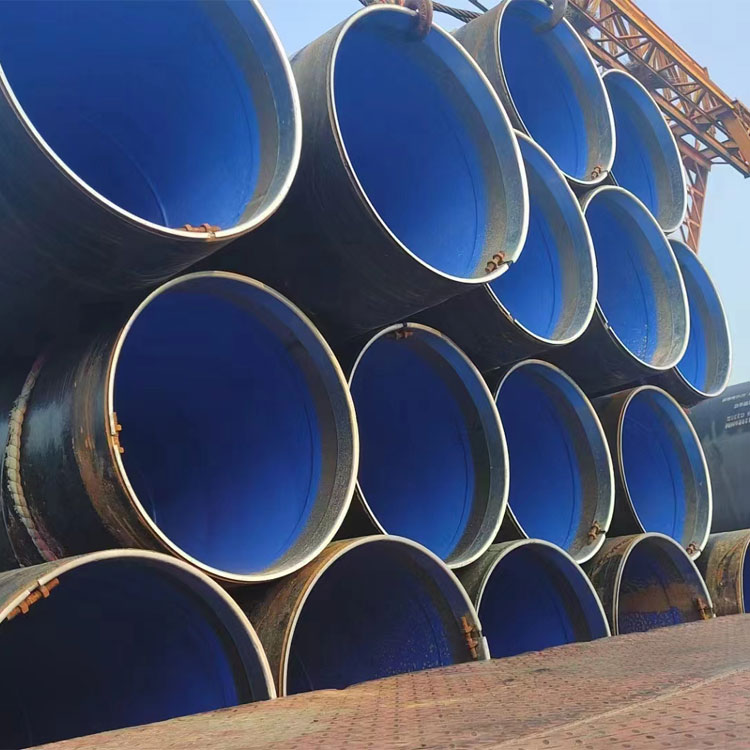
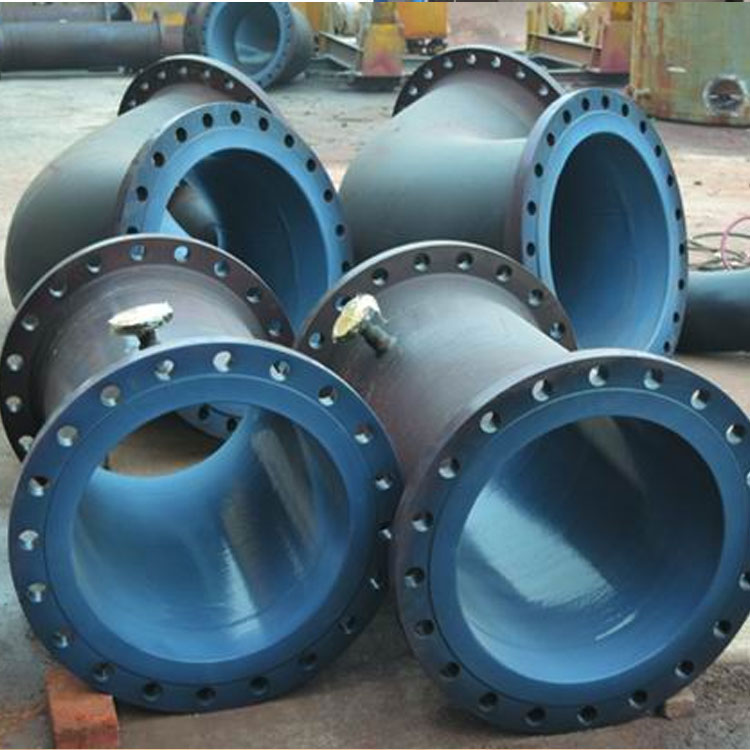

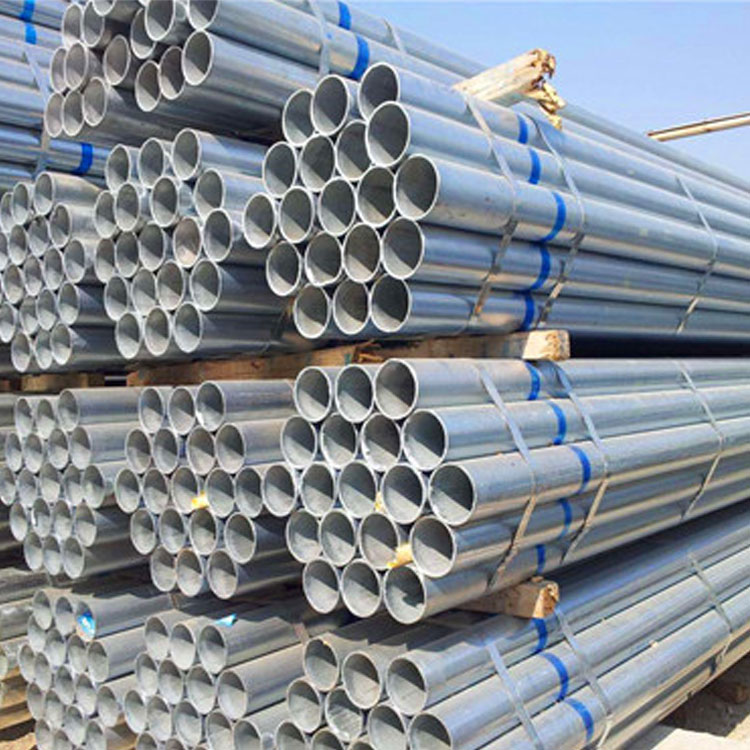
Insulated steel pipes are steel pipes that have undergone heat preservation processing, ensuring that the internal temperature of the working pipe meets or reaches the required temperature in various working environments and the influence of external media. They are widely used in liquid and gas transmission networks, chemical pipeline insulation projects, oil and chemical industries, centralized heating networks, central air conditioning ventilation pipes, and municipal engineering projects. Steel-clad steel composite insulated pipes
Steel-clad steel composite thermal insulation pipes can be divided into two major categories based on different sliding methods:
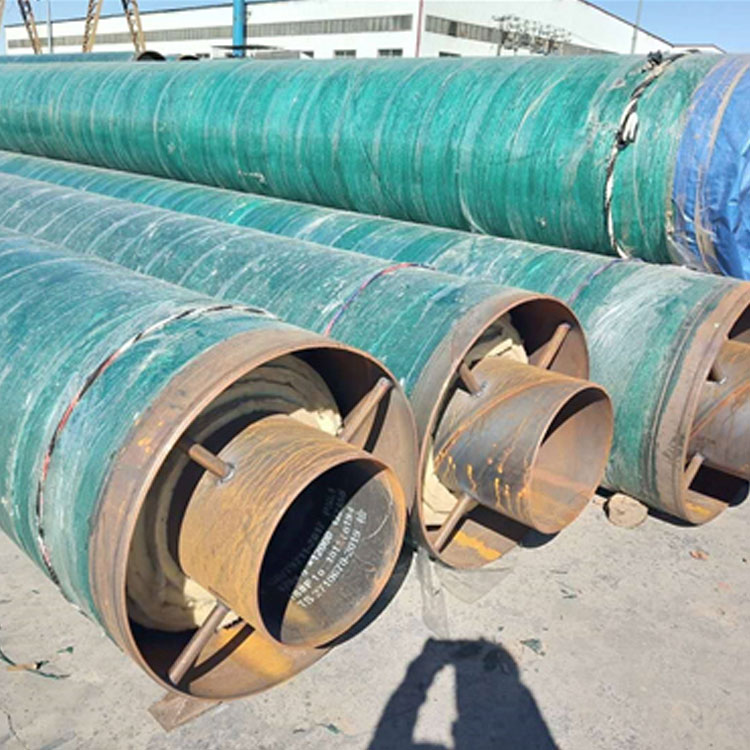
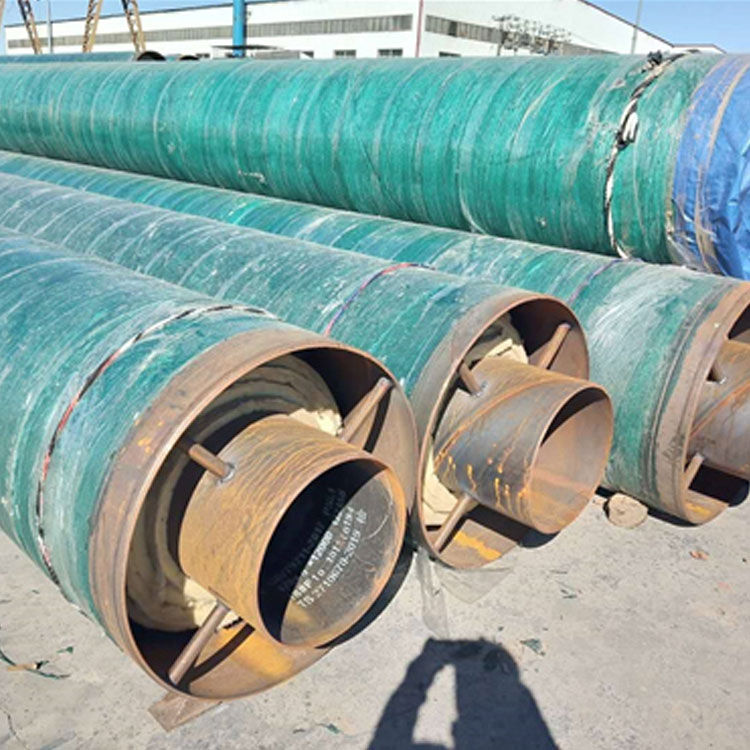
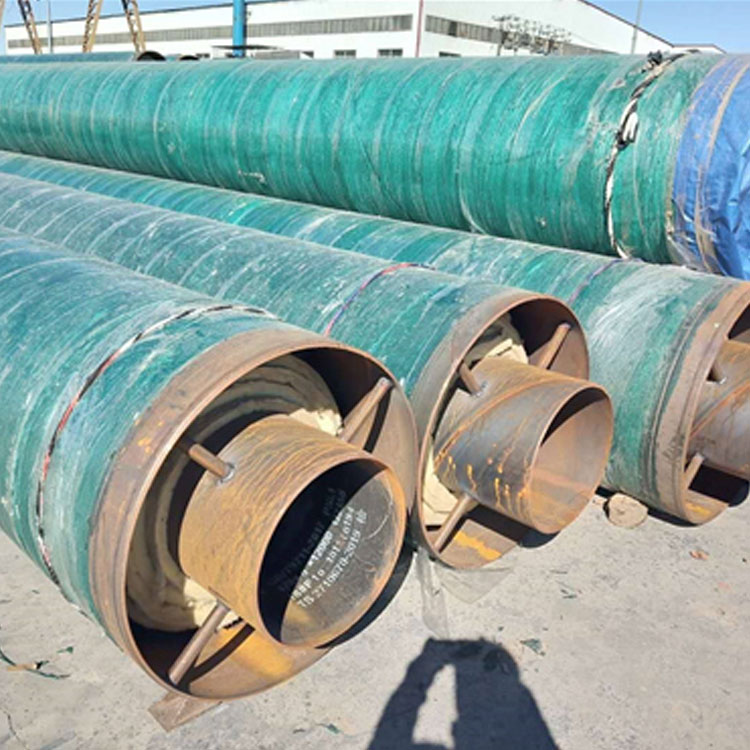
1. Internal sliding type: The thermal insulation structure is composed of working steel pipe, aluminum silicate, drag reduction layer, microporous calcium silicate, insulation layer, stainless steel reinforcing steel strip, aluminum foil reflective layer, polyurethane insulation layer, outer steel pipe, and external anti-corrosion layer. The internal sliding type insulated steel pipe is structured from a steel pipe for conveying medium, composite silicate or microporous calcium silicate, rigid polyurethane foam plastic, outer steel pipe, and glass fiber reinforced plastic shell anti-corrosion protective layer. Various pipe fittings joints have matured thermal insulation treatment technology and reliable quality.
2. External Sliding Type: Insulating structure consists of working steel pipe, glass wool insulation layer, aluminum foil reflective layer, stainless steel fastening steel strip, sliding guide bracket, air insulation layer, outer protective steel pipe, and outer anti-corrosion layer.
1. External sliding insulating steel pipe structure: 1. Inner steel pipe 2. Zinc-rich primer 3. Sliding guide bracket 4. High-temperature resistant glass wool 5. Aluminum foil reflective layer 6. Air insulation layer 7. Outer steel pipe 8. Outer steel pipe anti-corrosion coating
Steel-clad steel composite thermal insulation pipes are a type of underground buried pipeline. They can be buried underground without a concrete structure, with the thermal expansion of the working steel pipe occurring inside the outer pipe, thereby reducing material costs, shortening construction time, and ensuring the safety of the heating pipeline. They can be widely used in different temperature environments with enhanced safety, particularly suitable for high-temperature steam pipeline projects. The operating temperature can reach 150℃-450℃. The pipeline ends are generally sealed with polyethylene film or three-layer PE cold-skin tape to prevent moisture or water from entering before installation or during construction. The thermal insulation material is wrapped in multi-layer staggered fashion, effectively reducing heat loss. Control measures are also taken on the outer sheath surface to prevent the formation of cold bridges, ensuring the temperature control of the anti-corrosion layer. Multi-layer aluminum foil reflective layers are wrapped with thermal insulation material, further reducing heat loss and making steam pipelines more cost-effective. The drainage system is designed in a fully enclosed form, with flexible layout, reasonable structure, and high reliability.
The drainage pipe on the steel casing pipe can timely expel moist gas and also serve as an alarm signal pipe for daily operation. The thermal compensation of the pipeline is achieved through a bellows compensator, installed inside the casing in a direct-bury form, eliminating the need for observation wells, ensuring convenient construction and a short construction period. Suitable for conveying steam or other mediums at pressures below 2.5MPa and temperatures below 350°C, this product features a high-strength steel pipe as the outer protective layer, which is resistant to damage, easy to install and maintain, and has a long service life. Polyurethane insulated steel pipes are used on medium and small-diameter hot oil pipelines or heating pipes to reduce heat loss to the soil by adding an insulating composite layer externally. The commonly used insulating material is rigid polyurethane foam plastic, with an applicable temperature range of -185 to 120°C. This material is soft in texture, and to enhance its strength, a layer of high-density polyethylene is applied externally to the insulation layer, forming a composite material structure to prevent groundwater from seeping into the insulation layer. The outer surface of the steel pipe is treated with shot blasting to remove rust and the inner surface of the protective pipe is treated with corona discharge to improve the bonding performance of the insulating pipe. The insulation material is rigid polyurethane foam with a density of 60 to 80 kg/m3, which fills the gap between the steel pipe and the casing, and has a certain bonding strength, creating a firm unity between the steel pipe, the outer casing, and the insulation layer. Polyurethane foam has good mechanical and insulating properties, typically withstanding temperatures up to 120°C, and through modification or combination with other insulating materials, it can withstand temperatures up to 180°C.