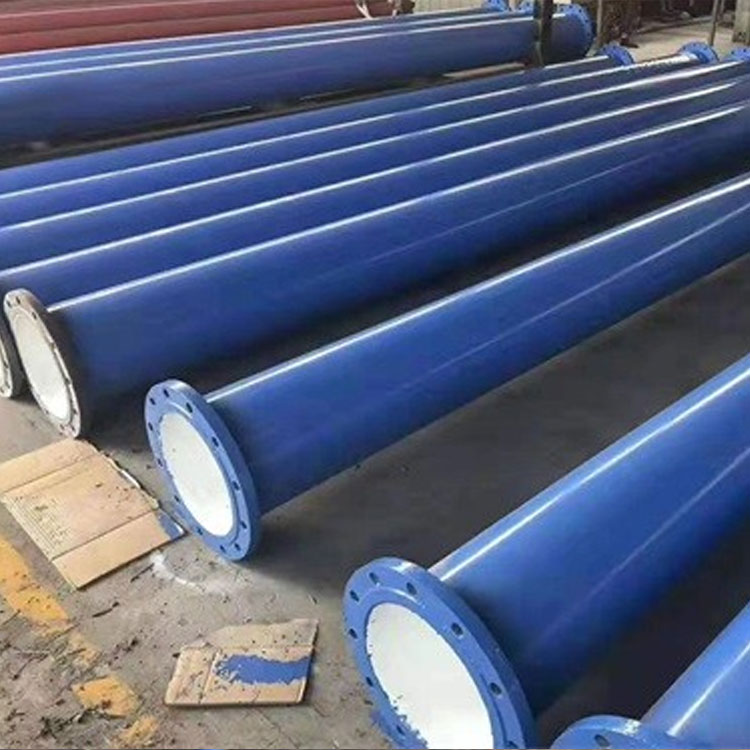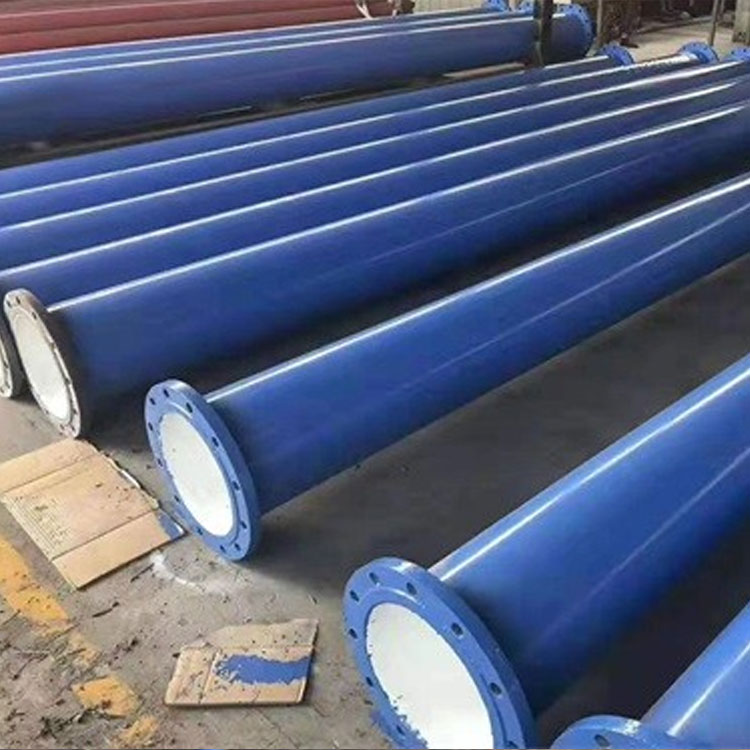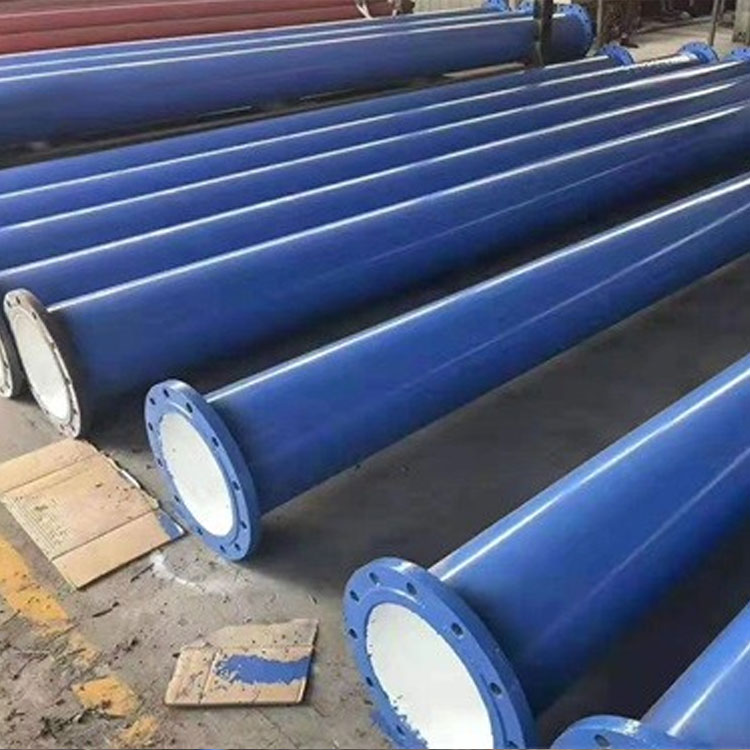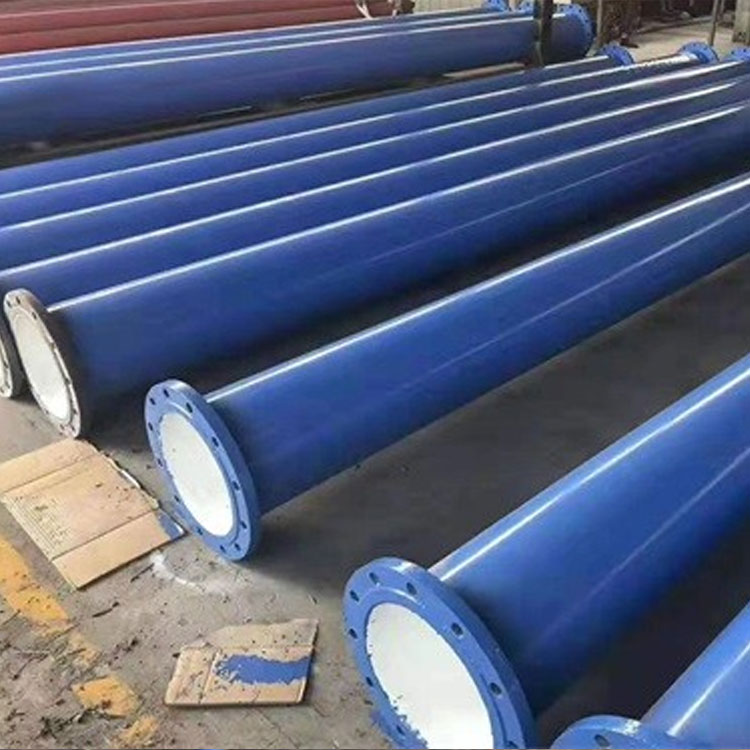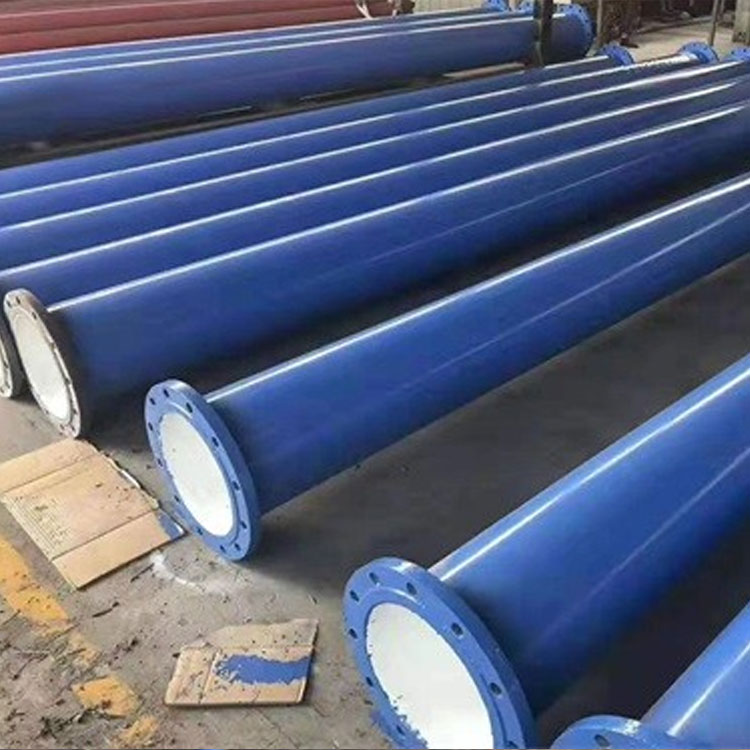

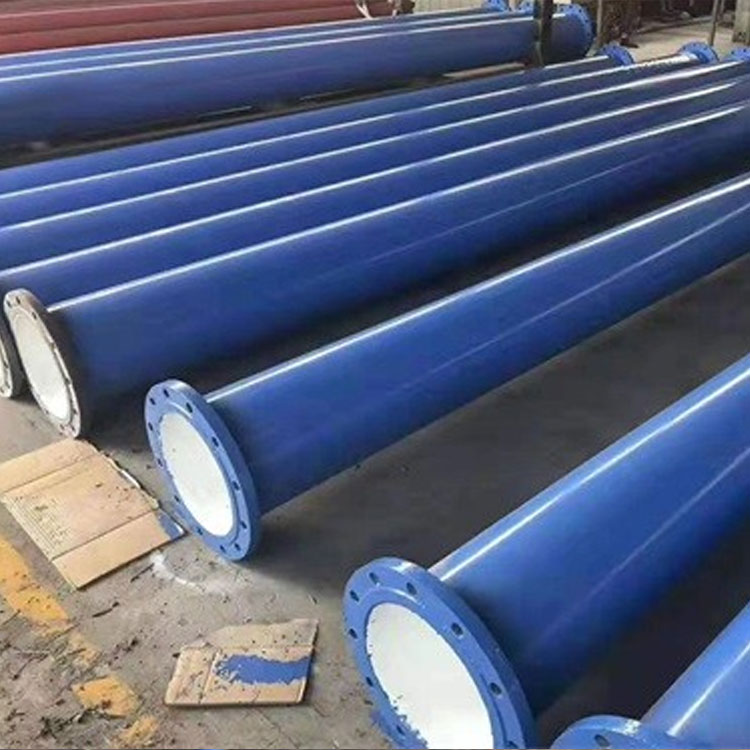











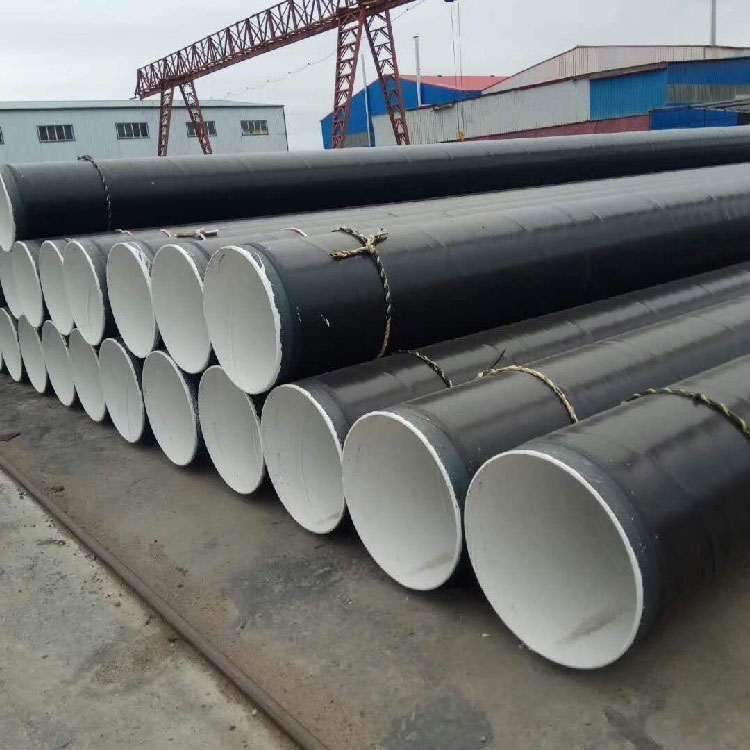
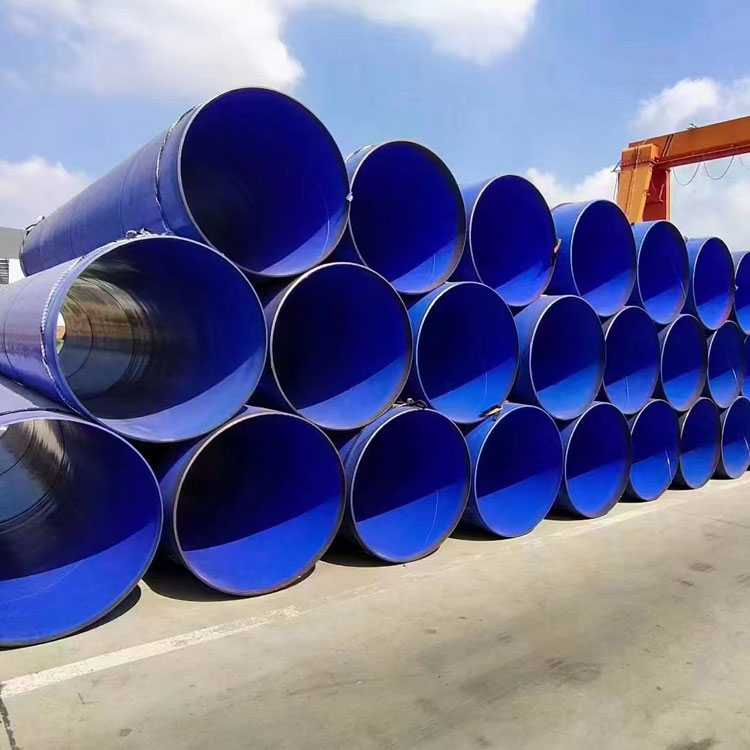
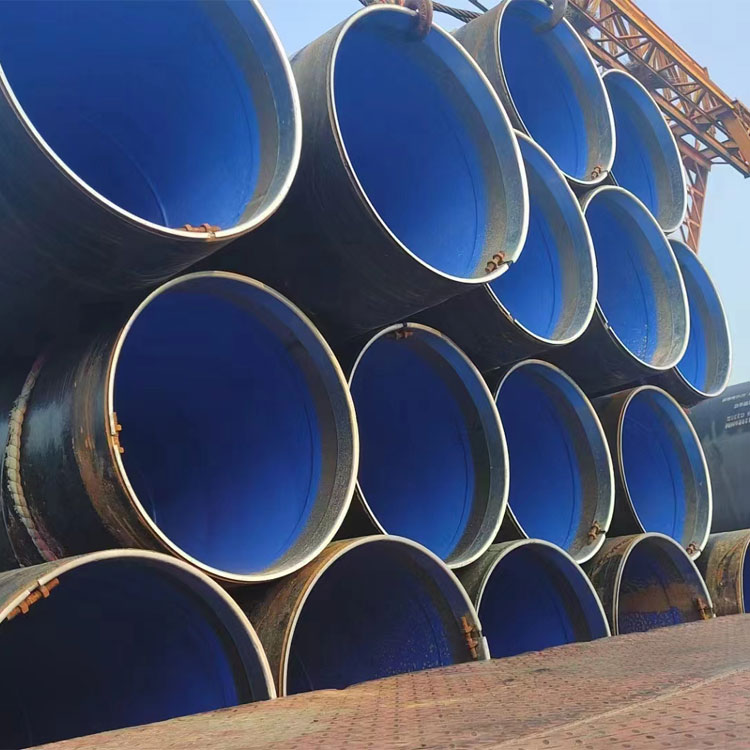
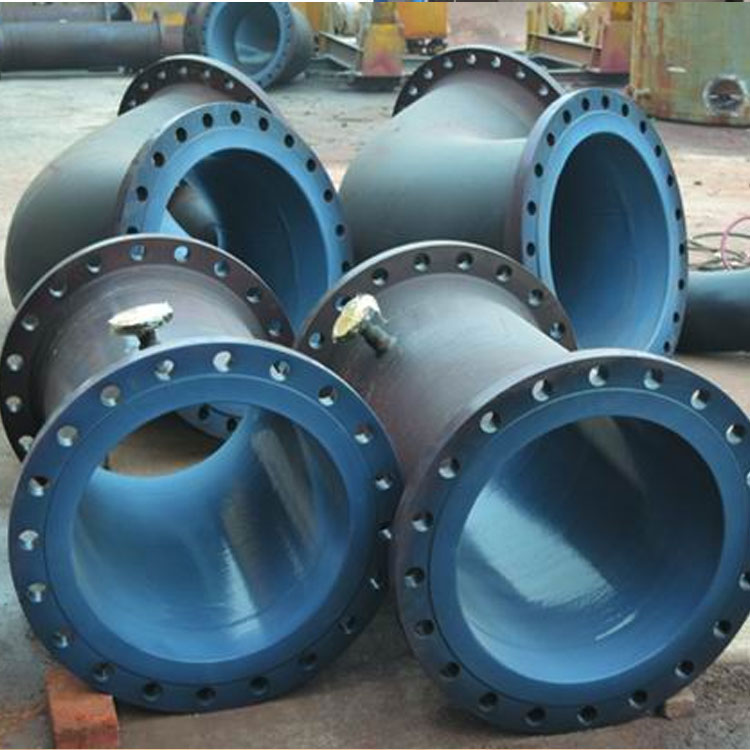

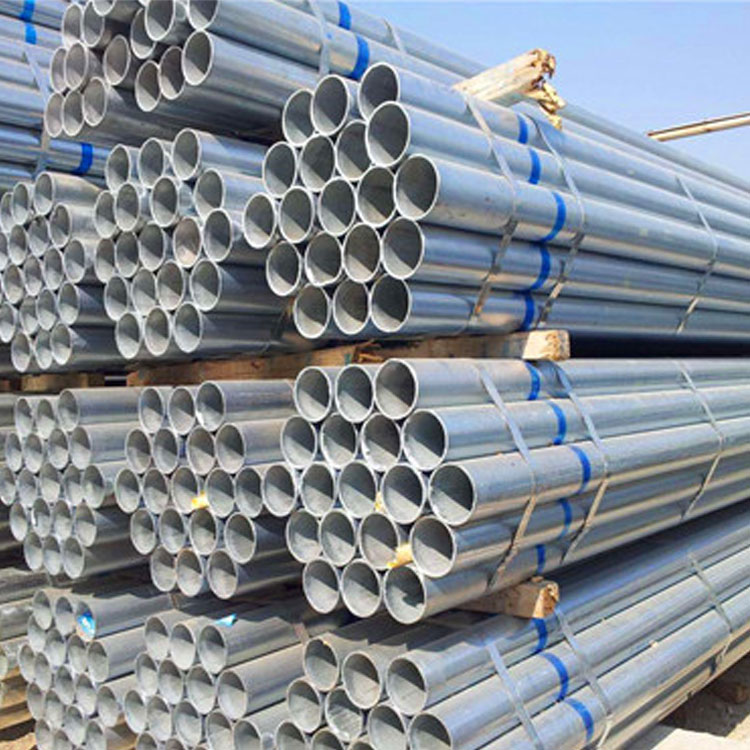
Fusion bonded epoxy coated steel pipes, also known as fusion bonded epoxy pipes, steel-plastic composite pipes, and coated steel-plastic composite pipes, are steel pipes with a plastic corrosion-resistant layer fused onto the inner surface (or both inner and outer surfaces) through spraying, rolling, dipping, or absorption techniques. These pipes offer excellent corrosion resistance and low frictional resistance. Fusion bonded epoxy coated steel pipes are suitable for conveying water supply and drainage, seawater, warm water, oil, gases, and other media. Polyvinyl chloride (PVC) coated steel pipes are suitable for conveying drainage, seawater, oil, gases, and other media.
Technical Specifications
Universal Colors: Black, Grey, Blue, Red, White, Green; Coating Thickness: PE (modified polyethylene) coating thickness is 400um-1000um, EP (epoxy resin) spray thickness is 100um-400um; Coating Method: PE (polyethylene) is hot-dipped galvanized, EP (epoxy resin) is both internal and external spraying; Product Specifications: DN15-DN1660; Environmental Temperature: -30℃ to 120℃; Connection Methods: Threaded (DN15-DN100), Grooved (DN65-DN400), Flanged (suitable for any diameter), Welded, Double Metal Bonding, Socket, Pipe Section, Seal Connection, etc.
Product Features
Plastic-coated steel pipes are products made by hot-dipping with PE (modified polyethylene) or electrocoating with EP (epoxy resin), boasting excellent corrosion resistance. The coating itself also offers good electrical insulation without causing electrolytic erosion. They have low water absorption, high mechanical strength, and a small friction coefficient, ensuring long-term use. Additionally, they effectively prevent damage from plant roots and soil environmental stresses. Easy to connect and maintain.
Product Advantages
1. Suitable for burial and damp environments, and can withstand high temperatures. 2. Strong anti-interference capability; when used as cable conduit, plastic-coated steel pipes can effectively shield against external signal interference. 3. Excellent pressure resistance, with a maximum pressure of up to 6Mpa. 4. Good insulation properties, ensuring no leakage when used as a protective conduit for wires. 5. Free of burrs and with smooth walls, ideal for installing wires or cables during construction.