







Electrolyte drums

Introduction
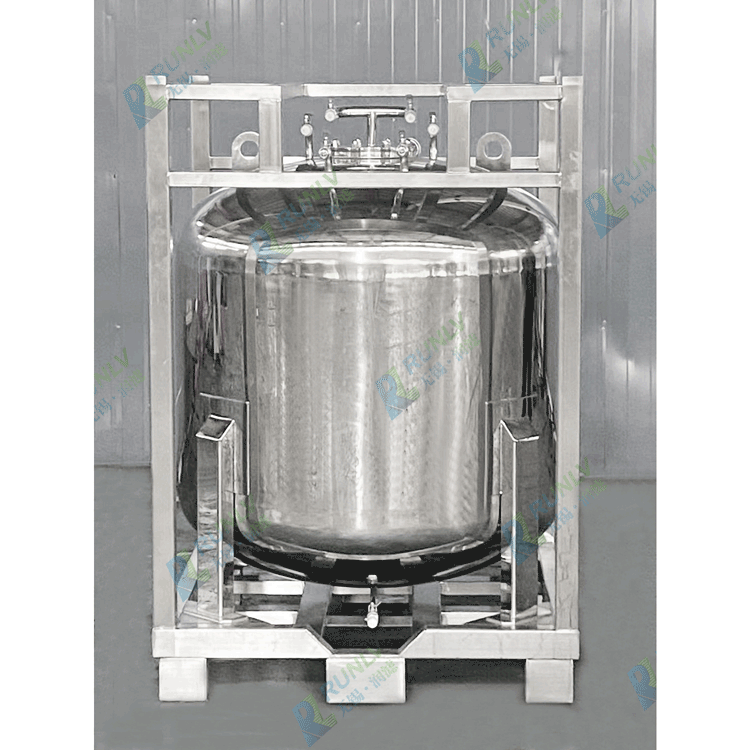
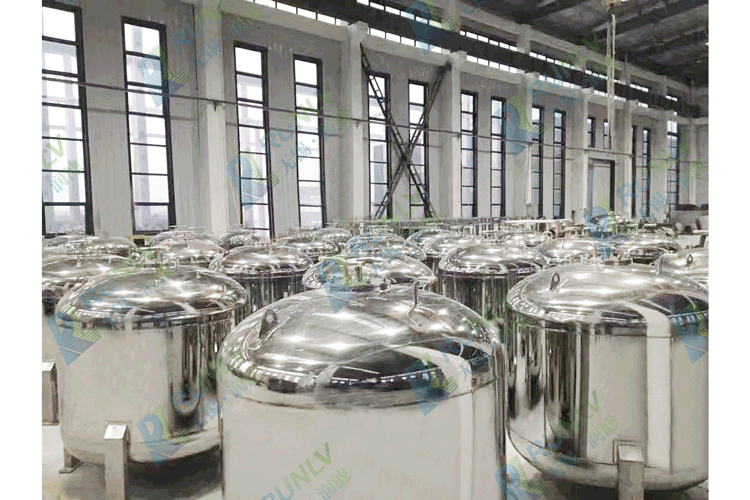
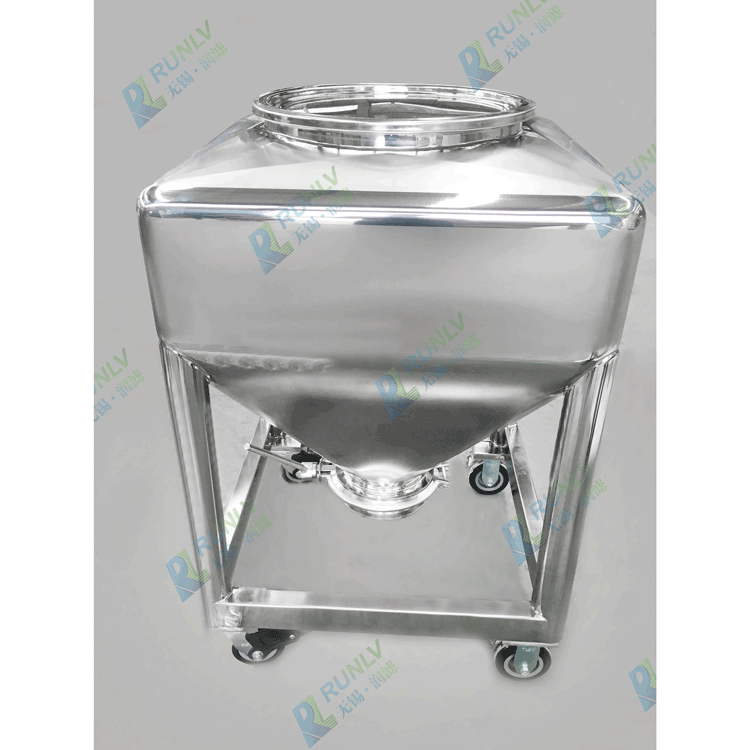
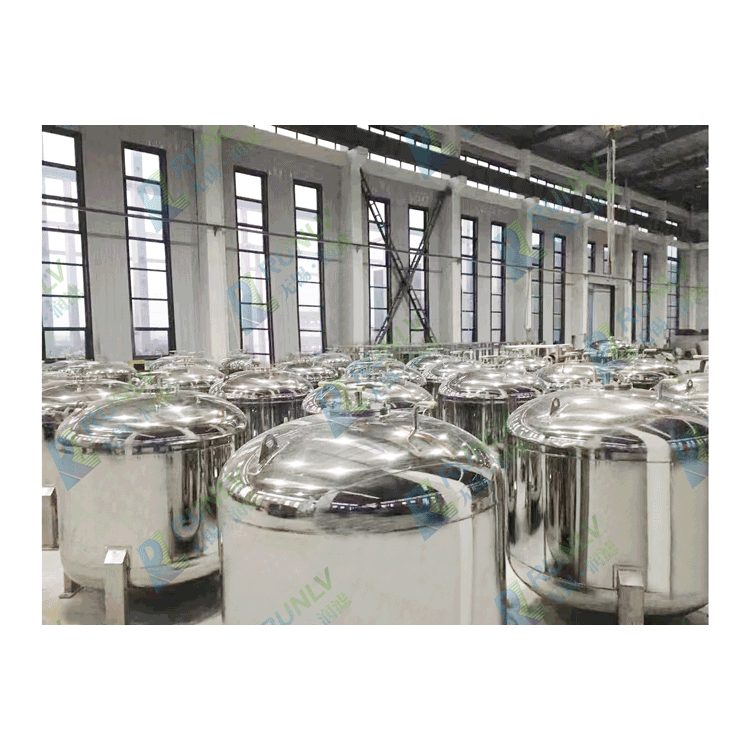
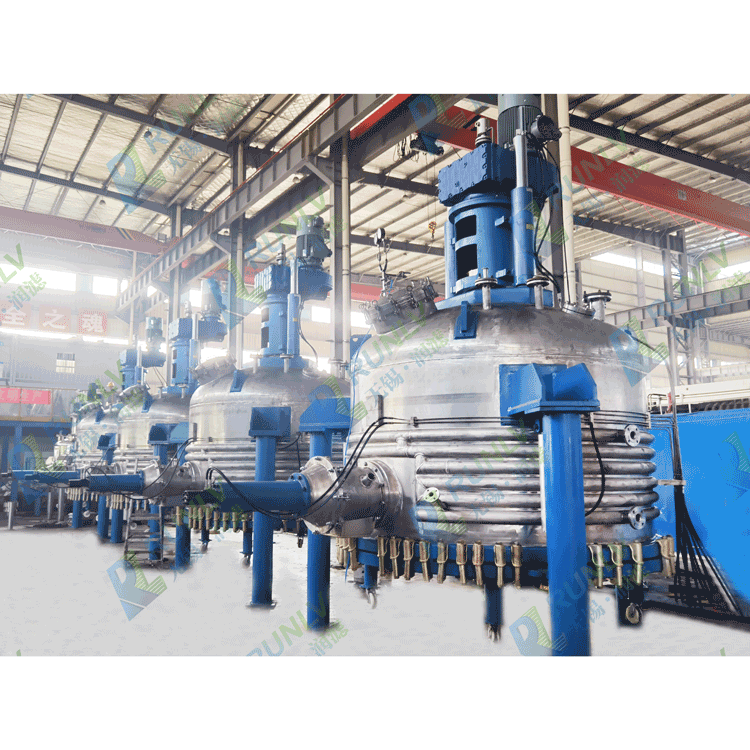
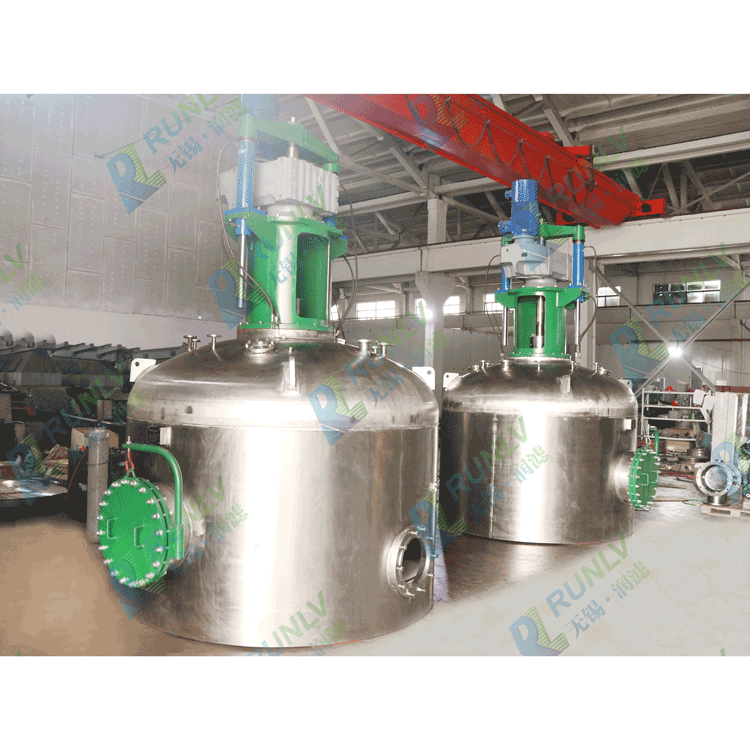
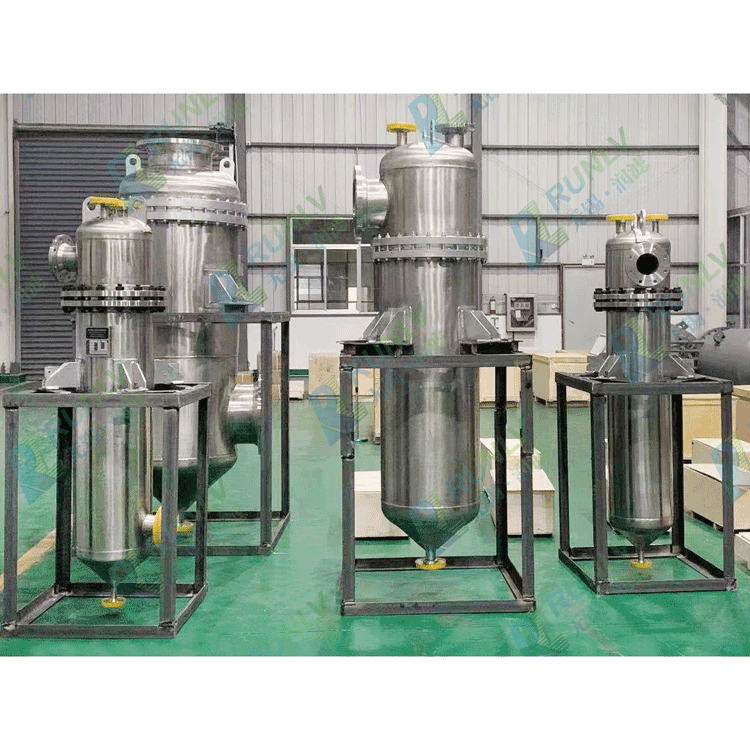
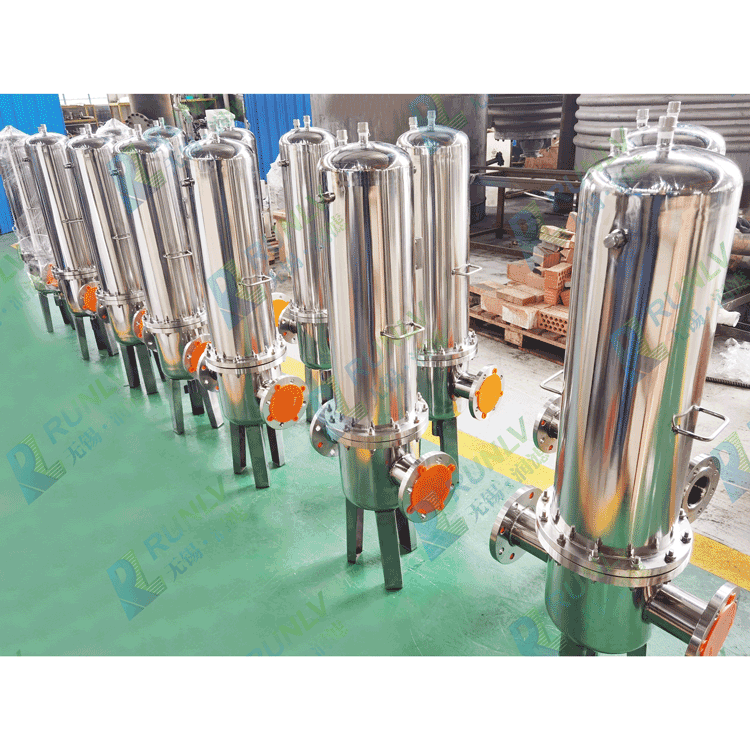
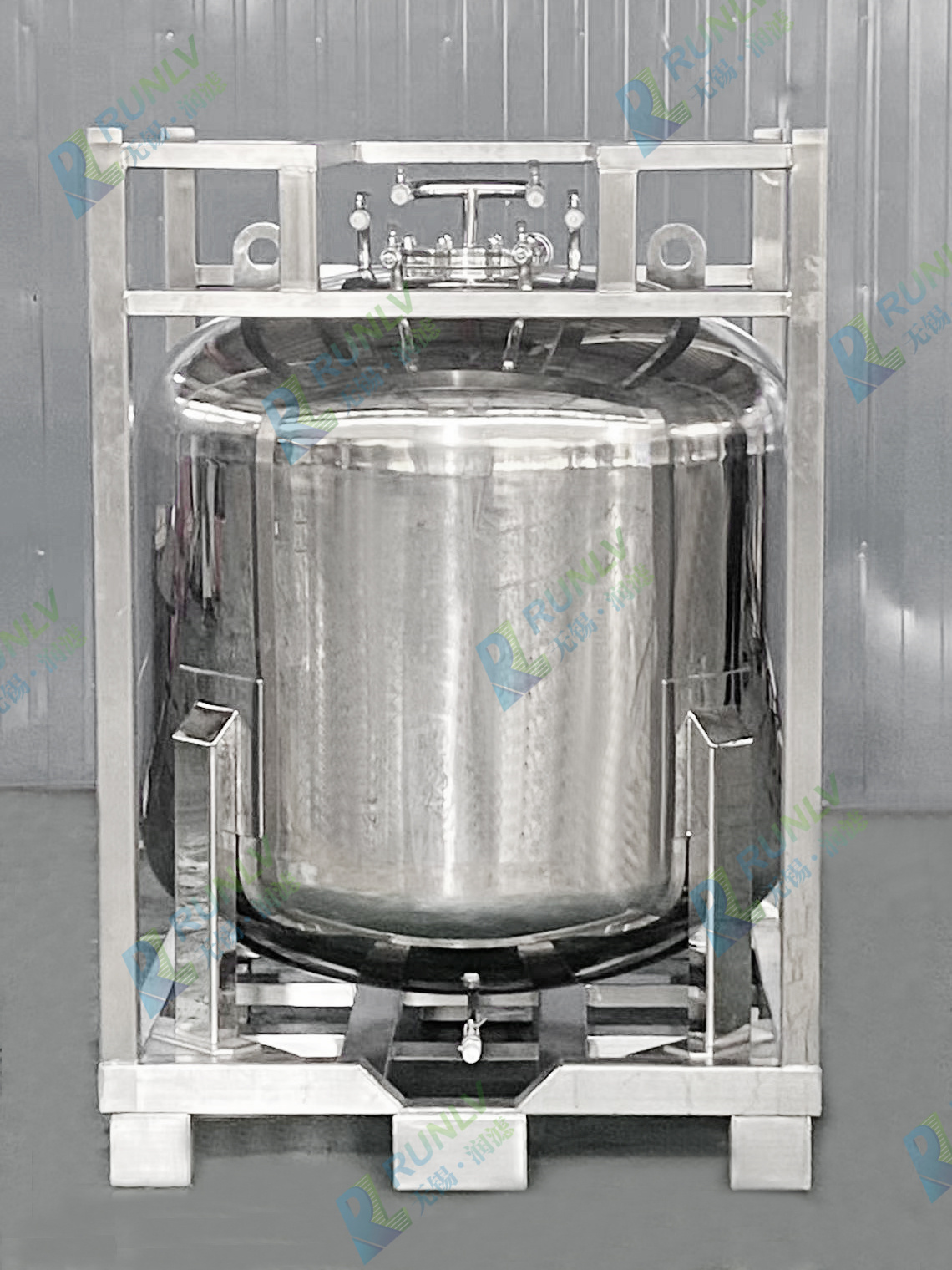
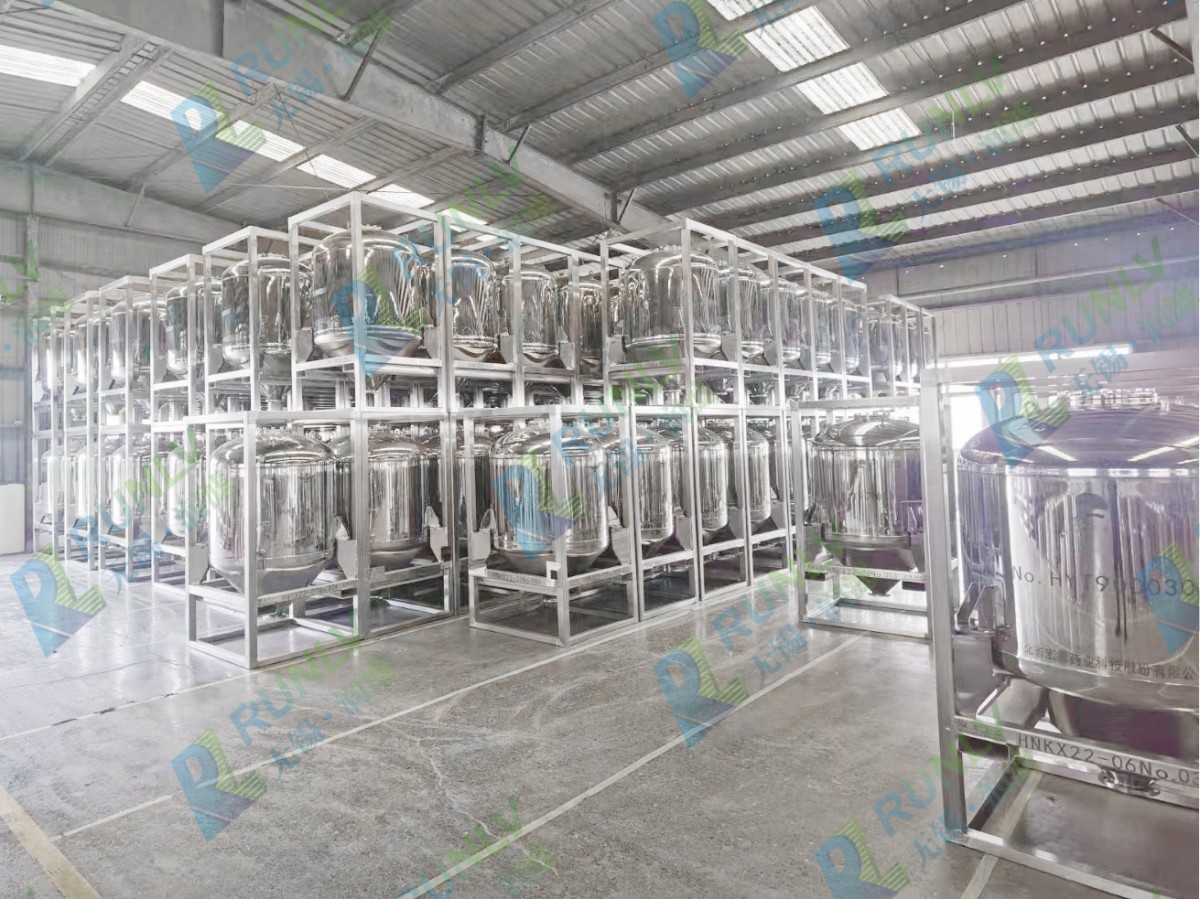
Electrolyte drums are containers used for storing and transferring electrolytes. Electrolytes are conductive solutions commonly used in batteries, electrolytic processes, and other electrochemical applications. Electrolyte drums are typically made of corrosion-resistant materials to ensure safe storage and transportation of the electrolyte. The design of electrolyte drums usually takes into account the following aspects: capacity, corrosion resistance, sealing, and safety. Capacity varies depending on specific application requirements and can come in different sizes and shapes.
Working Principle
1. Storage of Electrolyte: Electrolyte drums are primarily used for storing electrolyte. Electrolyte is a conductive solution commonly used in batteries, electrolytic processes, and other electrochemical applications. Electrolyte drums are typically made of corrosion-resistant materials to ensure safe storage. Electrolyte is injected into the drum through specific import devices and sealed with a tight lid or other sealing devices to prevent leakage or evaporation.
2. Electrolyte Transfer: The electrolyte drums can also be used for transferring electrolyte to where it's needed. Typically, the drums are equipped with outlets, such as valves or pipe connections, for delivering the electrolyte to other equipment or containers. The transfer process can be achieved through gravity flow or by using pumps and similar devices.
Product Features
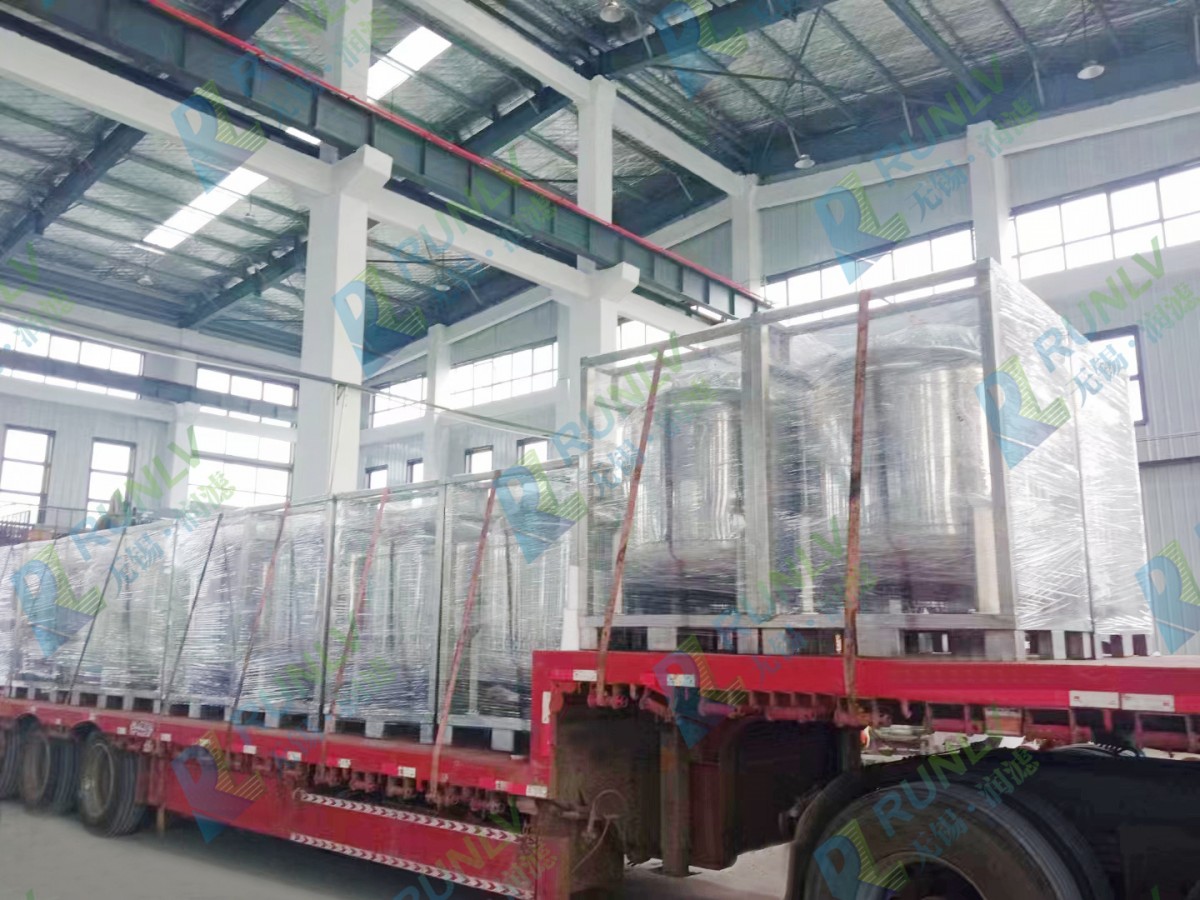
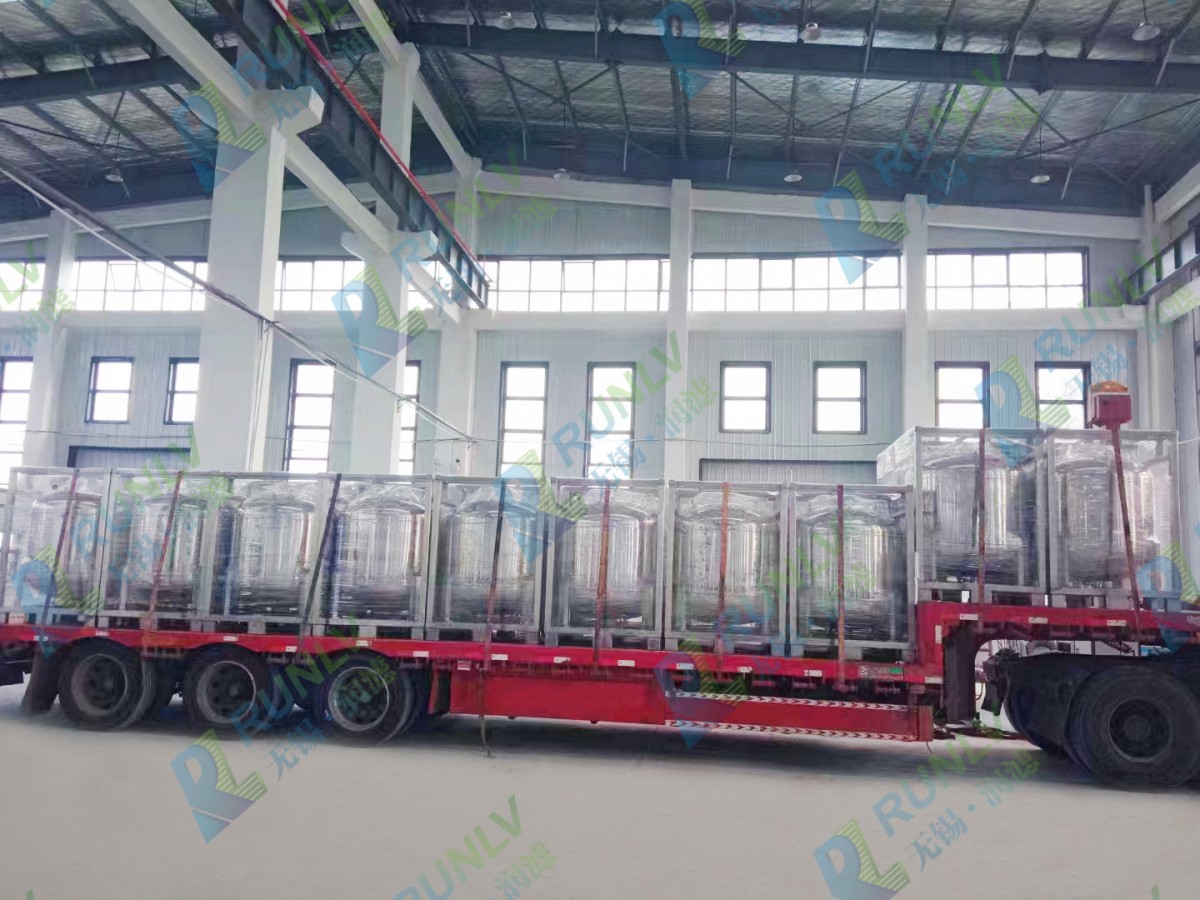
Electrolyte drums feature corrosion resistance, sealing, safety, diverse capacities, and easy transportation, catering to the storage and transfer needs of electrochemical applications.
Application Scope
1. Battery Manufacturing: Electrolyte drums play a crucial role in the battery manufacturing process. They are used for storing, conveying, and supplying the required electrolytes for various batteries, such as lithium-ion, lead-acid, and nickel-hydride batteries.
2. Electroplating Industry: Electrolyte drums are used for storing and transporting the electrolytes required in the electroplating process, such as metal plating and coating. They ensure the quality and stability of the electrolyte, guaranteeing the normal operation of the electroplating process.
3. Chemical Industry: Electrolyte drums are suitable for storing and transporting various chemical electrolytes, such as acidic and alkaline solutions, corrosive liquids, etc. During the chemical production process, electrolyte drums ensure the safe storage and transportation of liquids.
4. Solar Industry: Electrolytes are required for processes such as etching and cleaning in the manufacturing of solar cells. Electrolyte drums can be used for storage.
5. Laboratory and Research Fields: Electrolyte drums are used for storing and transferring various electrolytes in laboratories and research fields, for experimental and research purposes.