







Customized Container




Introduction
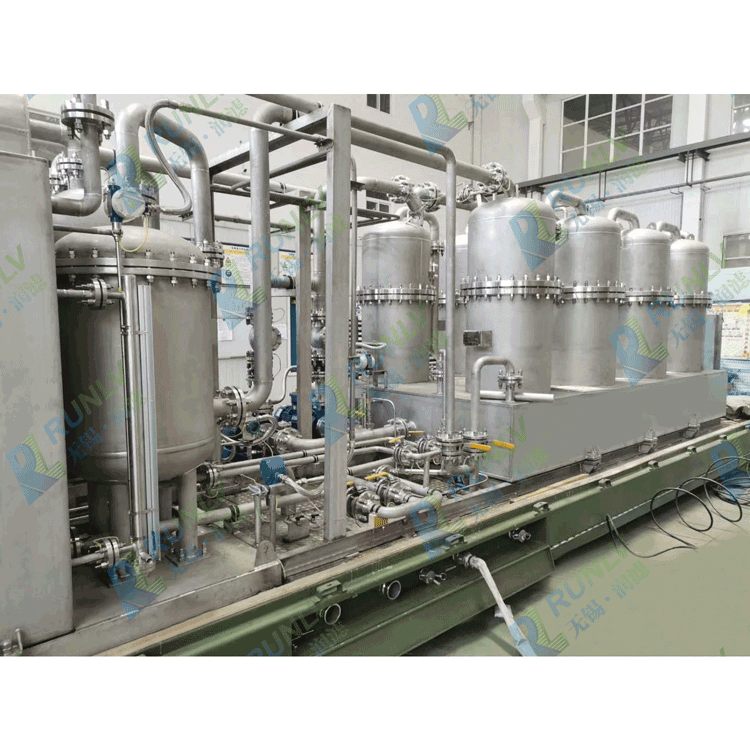
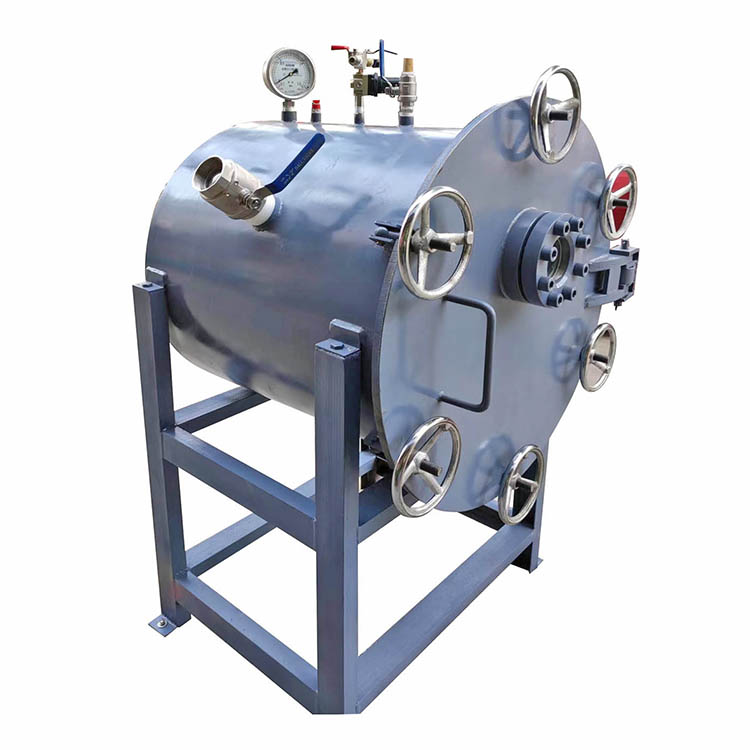
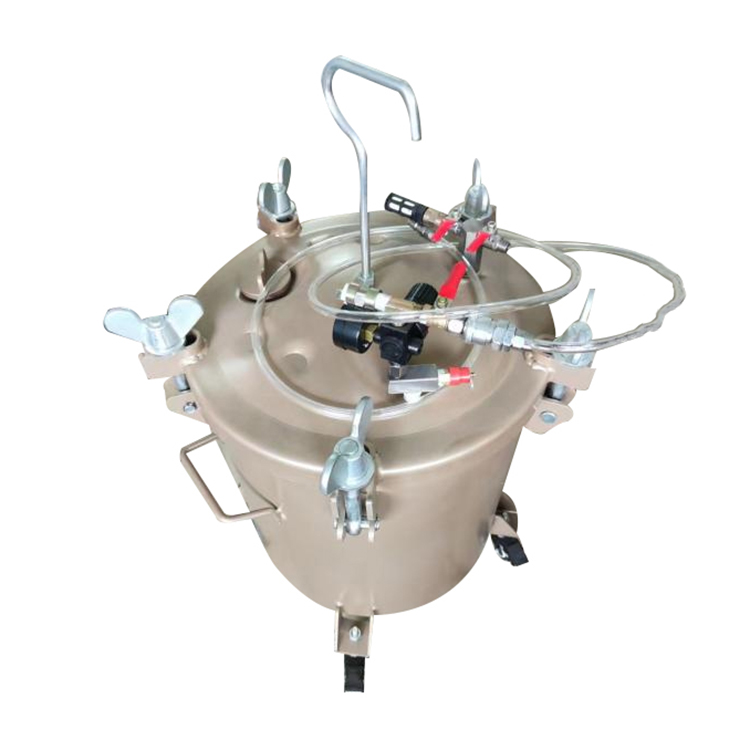
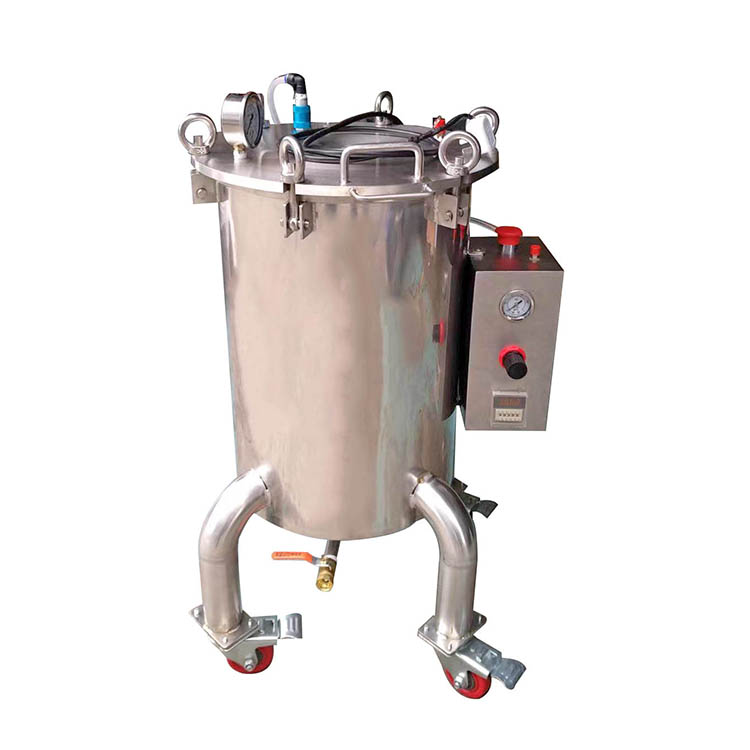
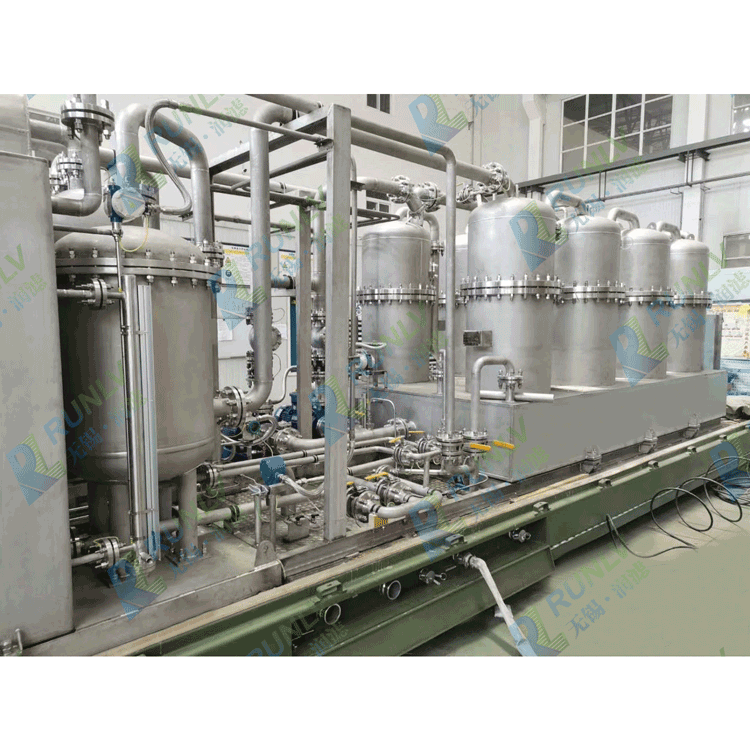
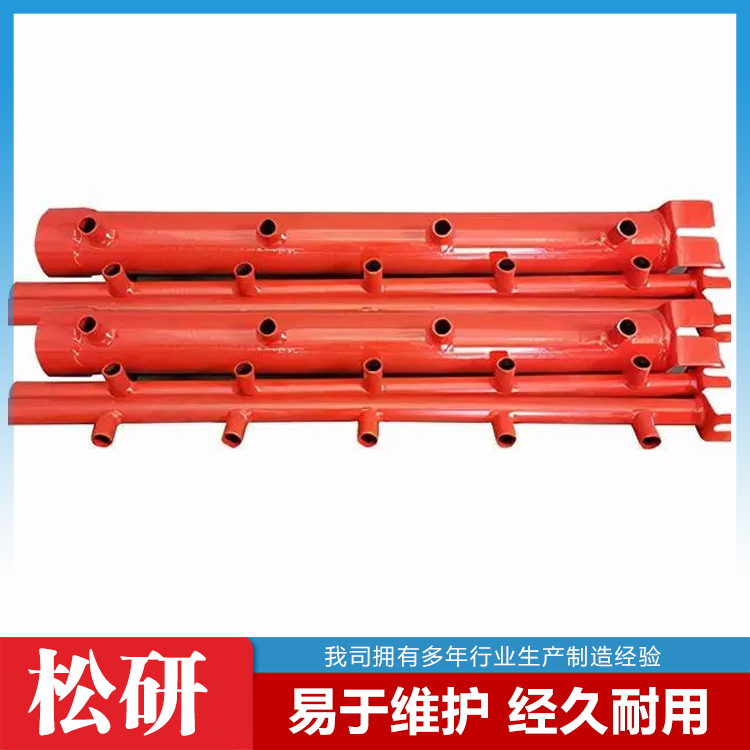
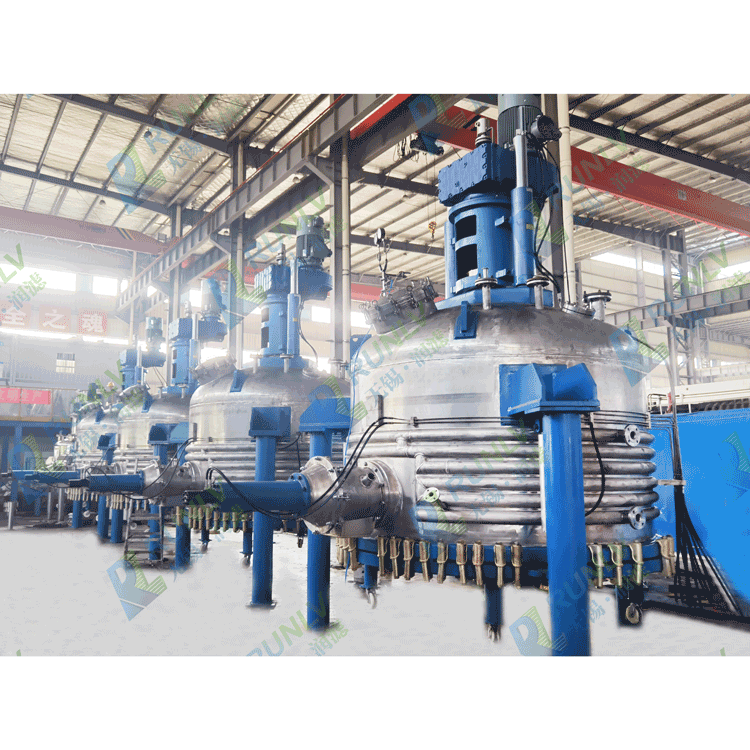
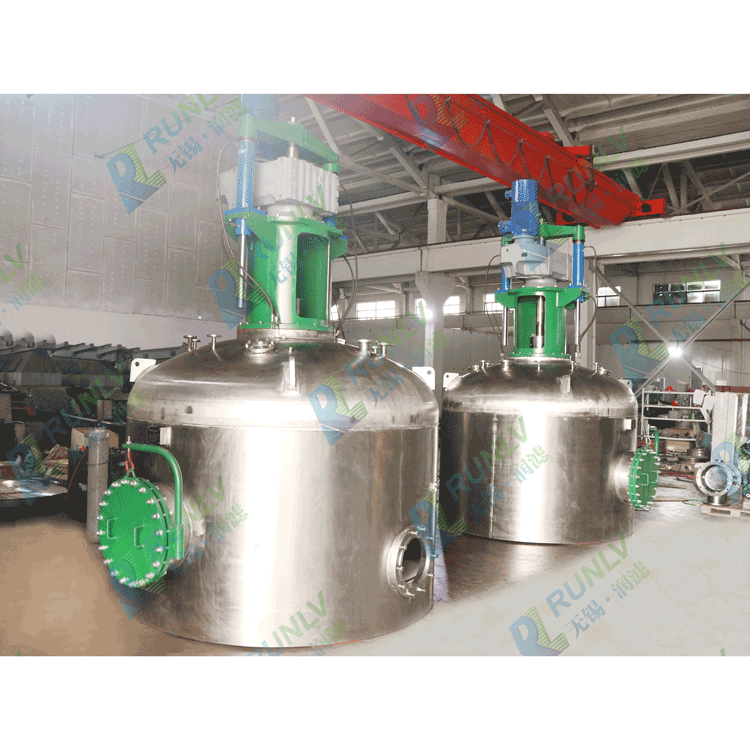
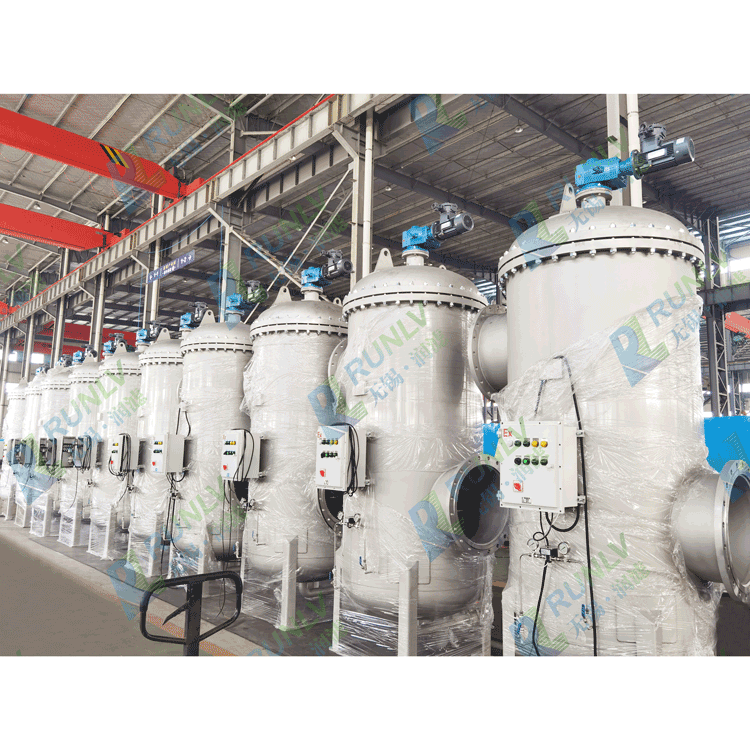
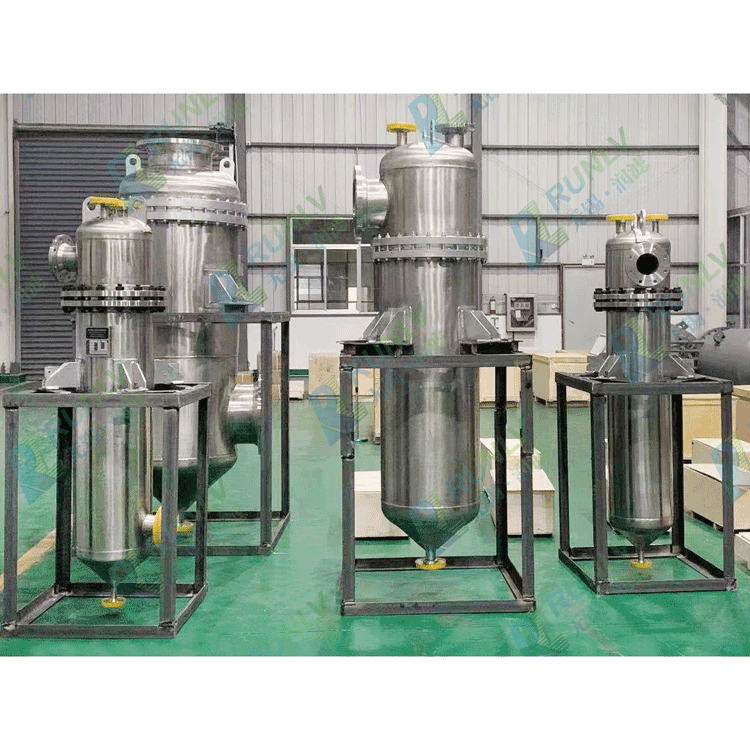
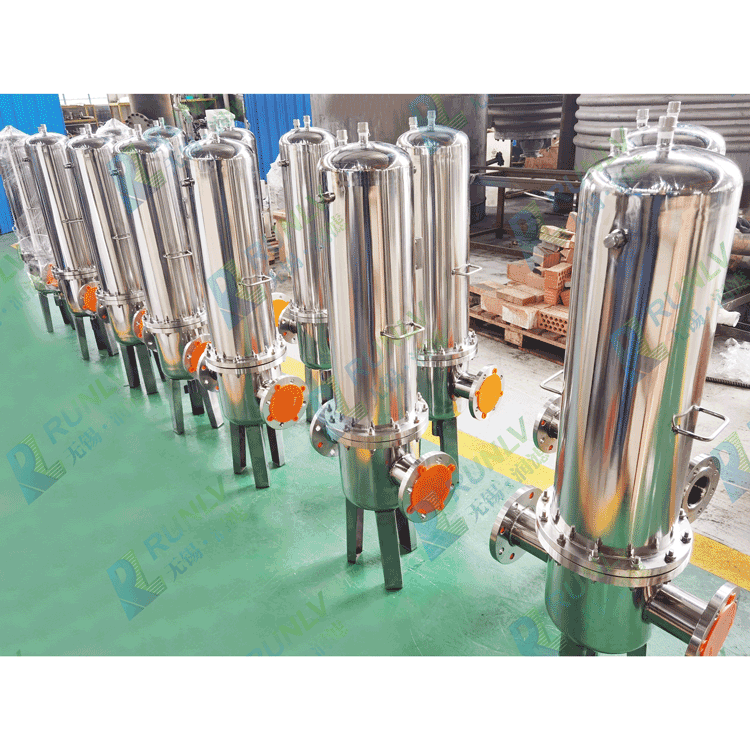
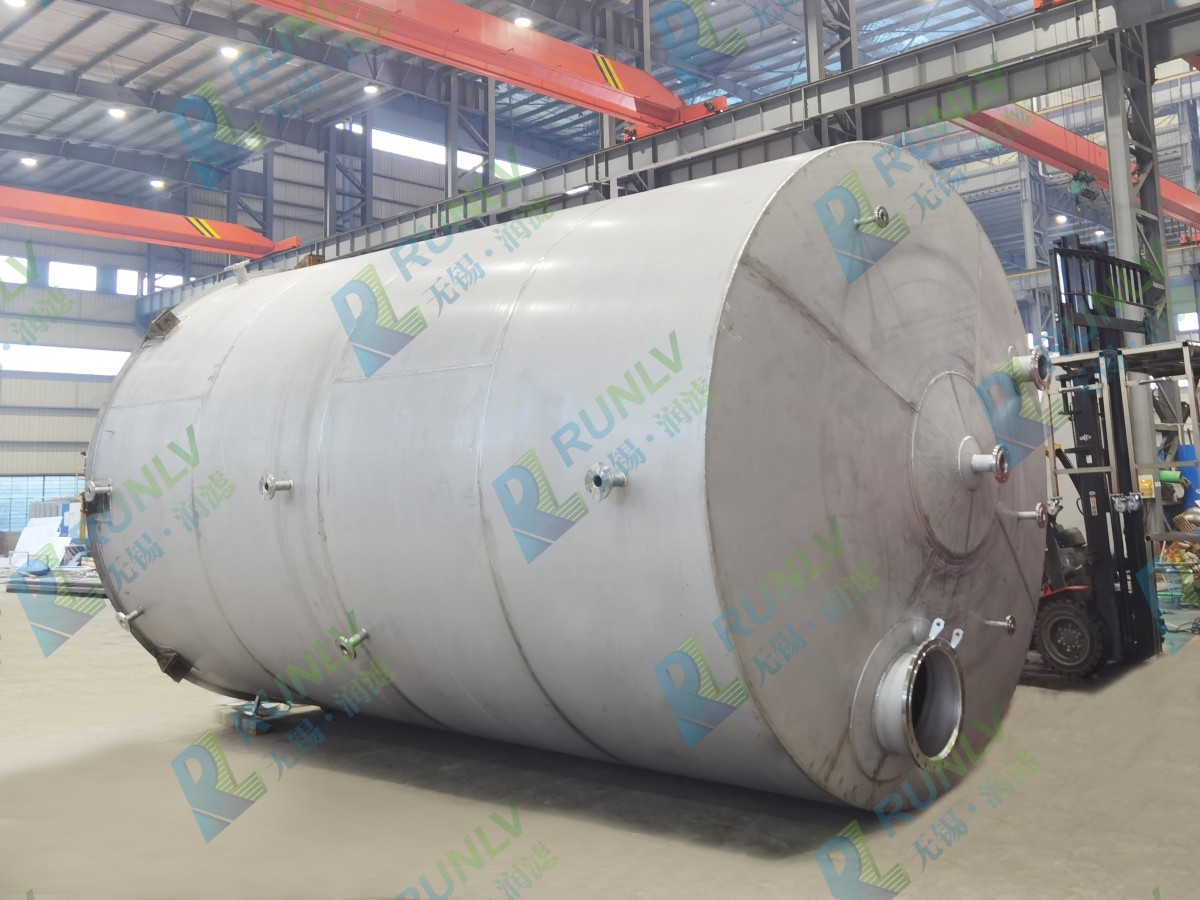
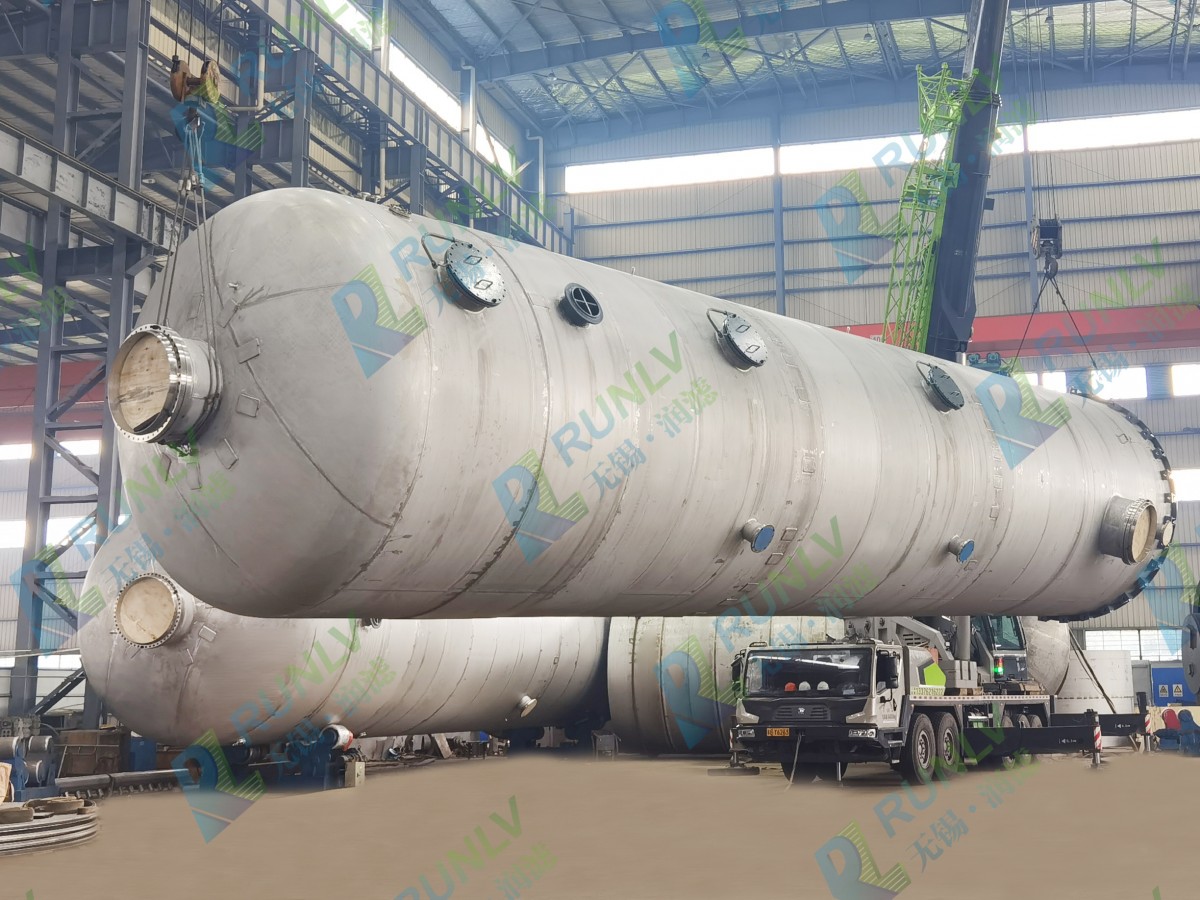
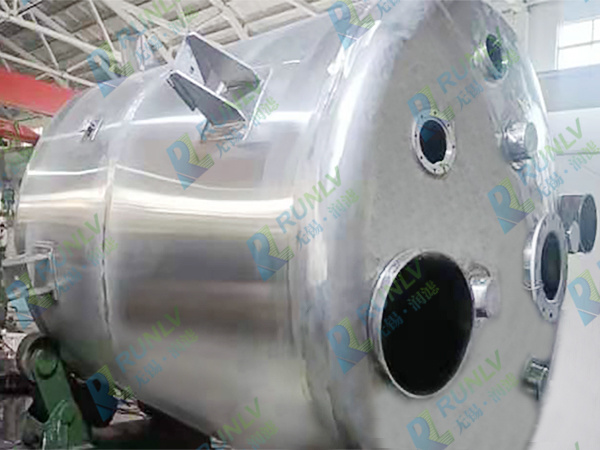
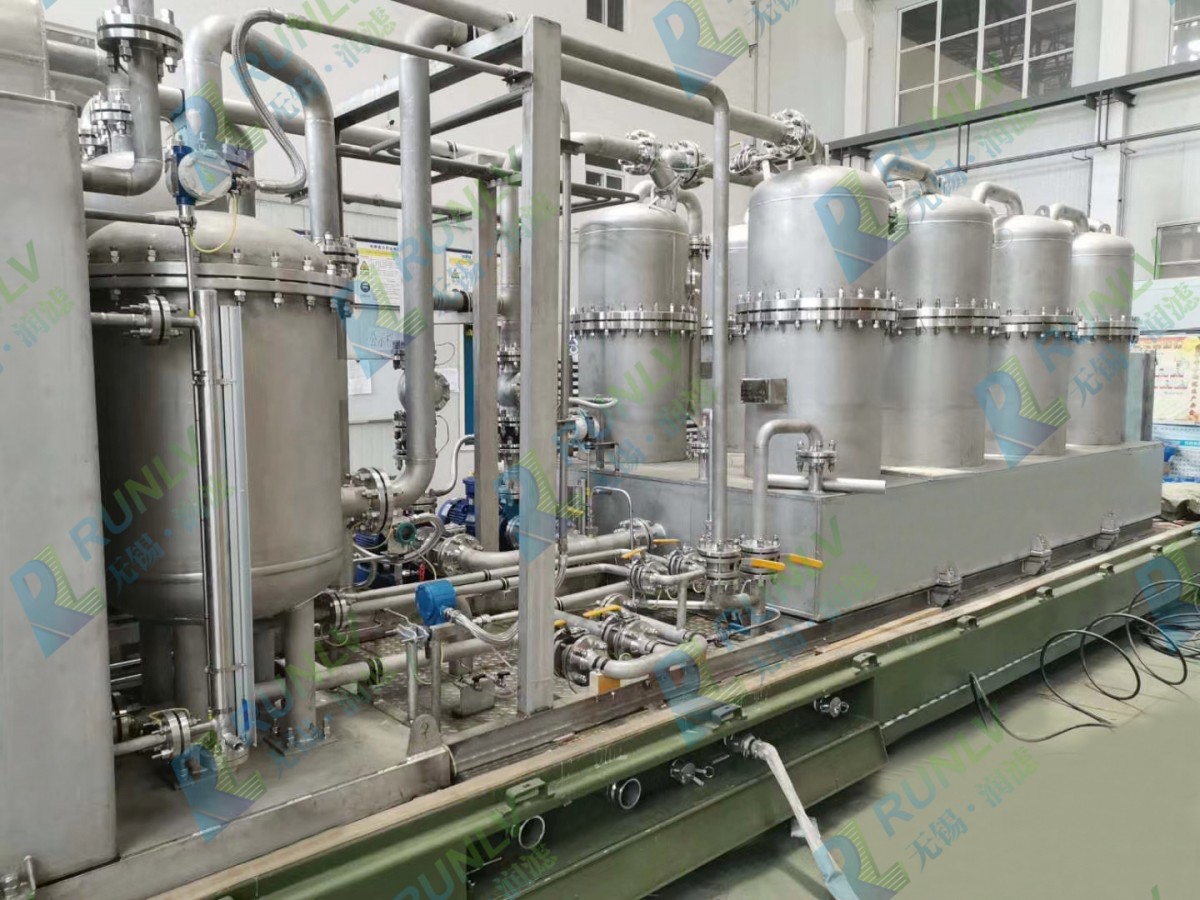
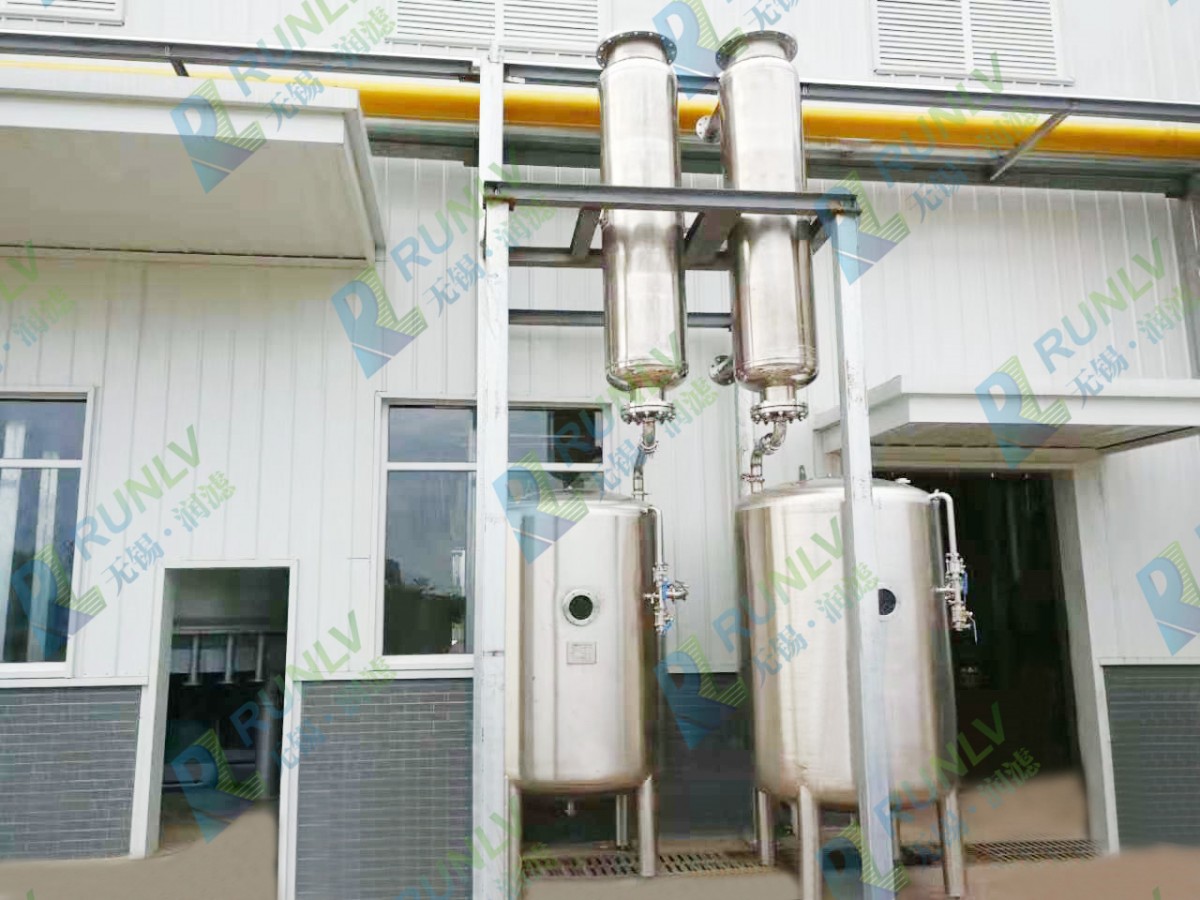
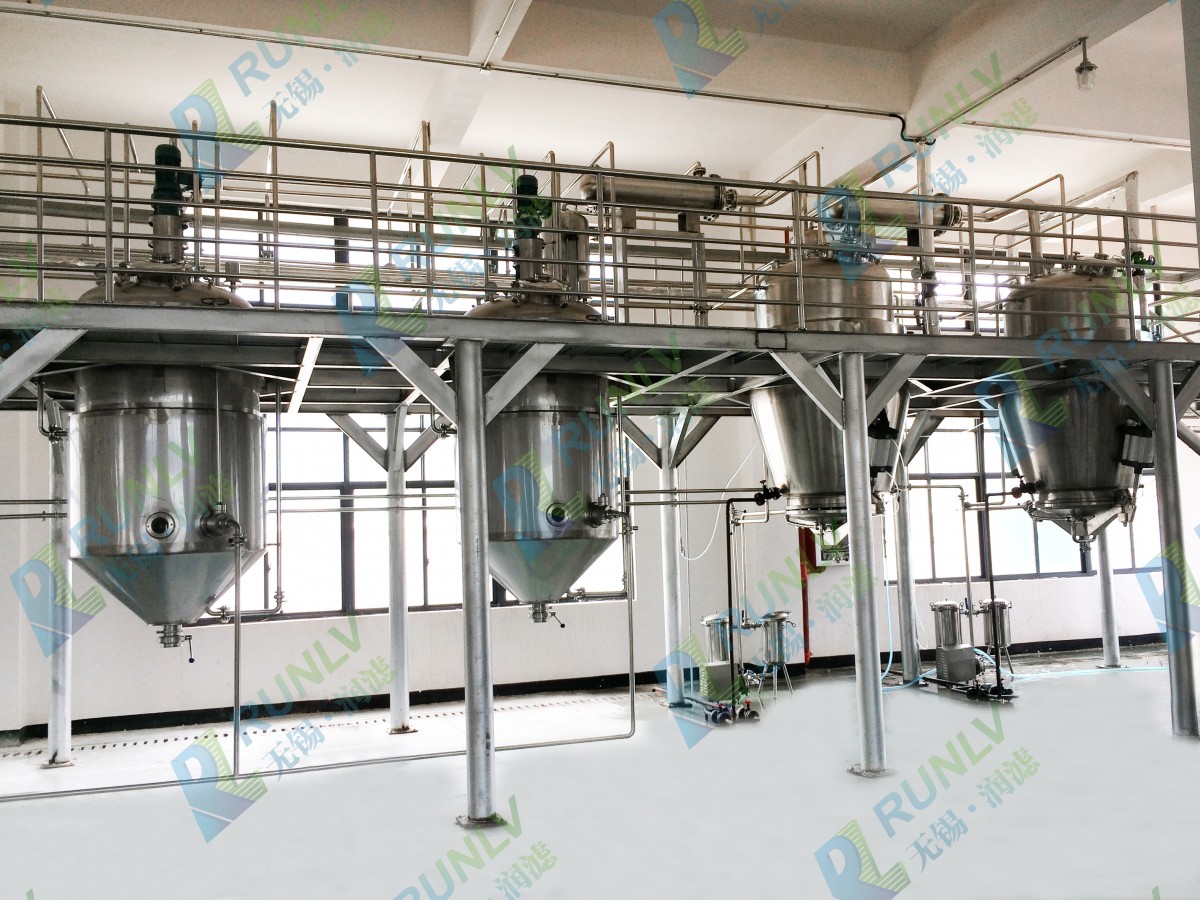
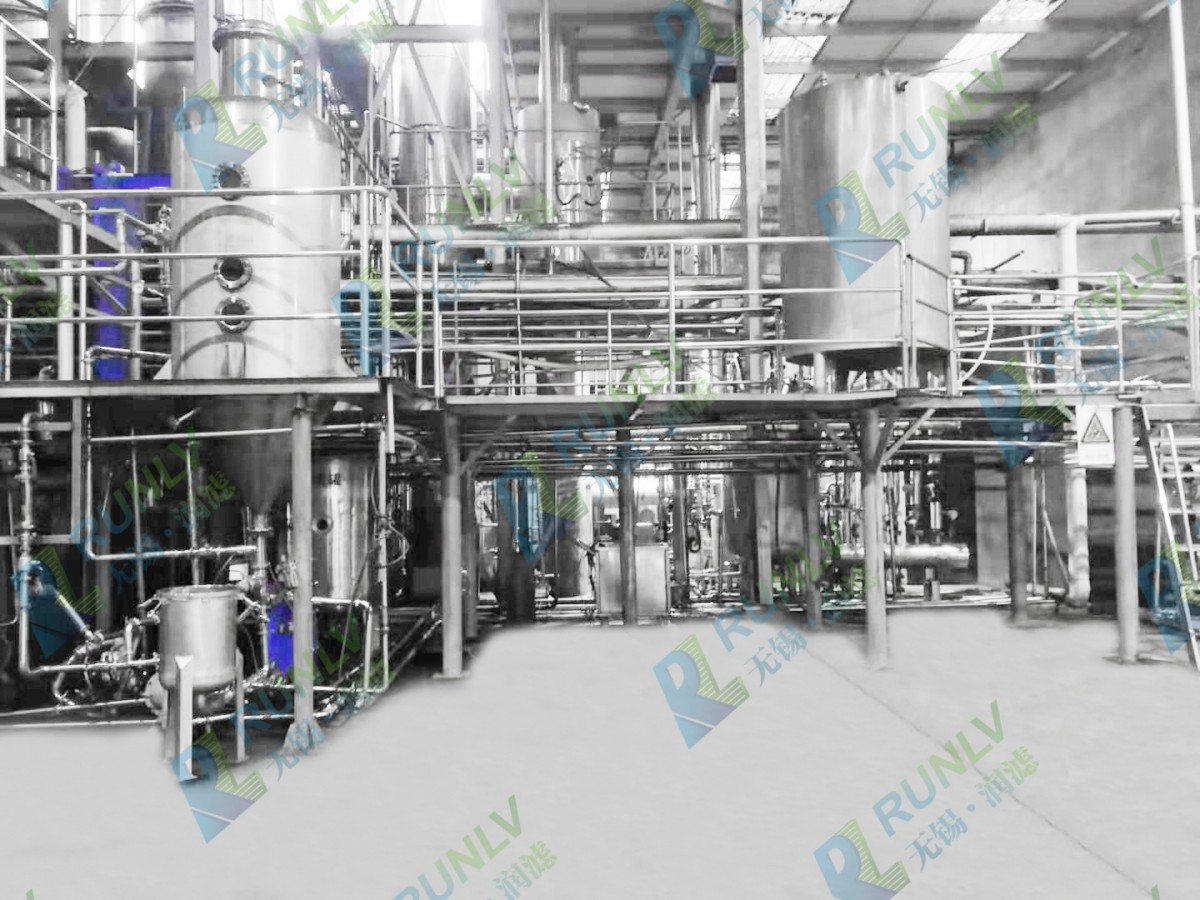
Non-standard containers refer to containers that differ from the conventional shapes, sizes, or designs. They are typically designed to meet specific usage requirements and functionalities.
Categories
High-pressure Vessels: Used for storing and transporting high-pressure gases or liquids. These vessels are typically designed with special materials and structural configurations to ensure safe operation under high-pressure conditions.
2. High-Temperature Vessels: Used for storing and processing high-temperature materials such as high-temperature liquids or solids. These vessels must have high-temperature resistance to ensure stability and safety in high-temperature environments.
3. Corrosive Containers: Used for storing and handling corrosive materials, such as acidic or alkaline solutions or chemical reagents. These containers are typically made from corrosion-resistant materials and possess compatibility with specific chemicals.
4. Special-shaped Containers: Designed for specific container shapes and dimensions, such as rectangular containers, oval containers, etc. These containers can accommodate particular spatial constraints or process requirements.
5. Customized Containers: Containers designed with platform big data, tailored to specific usage requirements and functional design. These containers can accommodate various special application scenarios, such as laboratory containers, medical containers, etc.
Operating Principle
1. Design and Manufacturing: The working principle of non-standard containers involves their design and manufacturing process. Designers create the container design based on customer requirements and application scenarios, including shape, dimensions, material selection, and structural design. Subsequently, manufacturers produce the containers according to the design drawings, utilizing special materials and processes.
2. Special Materials and Structures: Non-standard containers often utilize special materials, such as high-temperature-resistant and corrosion-resistant materials, to meet specific working environment requirements. Additionally, the structural design of the container is crucial, taking into account factors like strength, sealability, and stability.
3. Environmental Adaptability: The working principle of non-standard containers also involves their adaptability to specific working environments. Ensure that the container, based on its design and manufacturing, can operate within special temperatures, pressures, humidity levels, etc.
Features
Non-standard containers feature customization, special materials, unique shapes and sizes, high-performance requirements, safety and reliability, and a wide range of applications, meeting the needs of specific scenarios or industries.
Application Range
Chemical Industry; Food Industry; Laboratory; Energy Sector; Environmental Protection Industry; Also applicable in aerospace, automotive, construction, metallurgy, and other fields to meet specific storage, transportation, processing, and protection requirements.