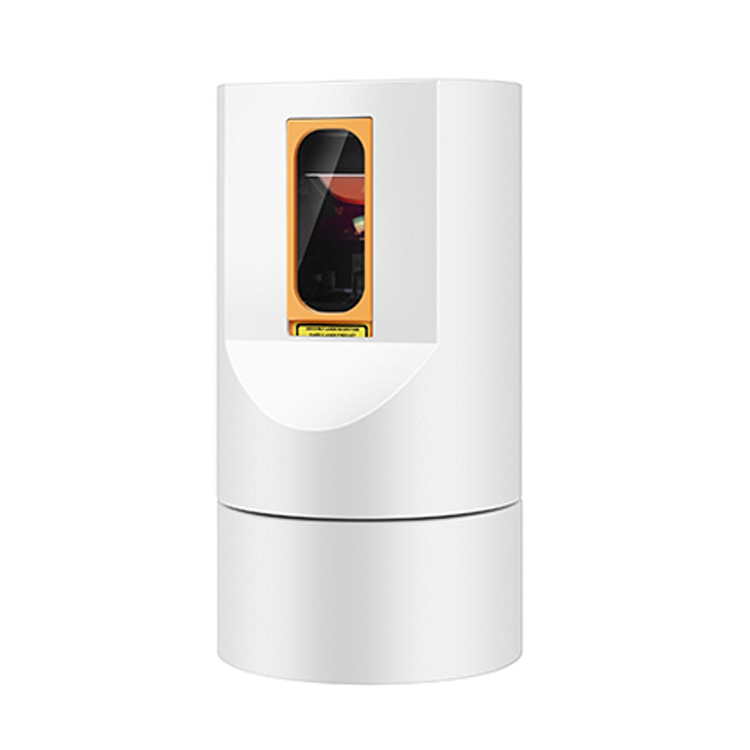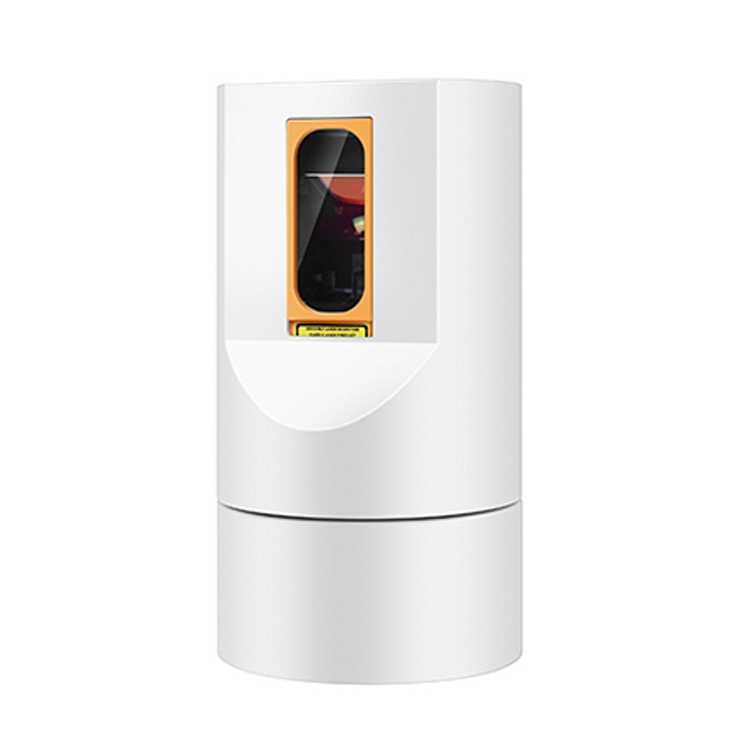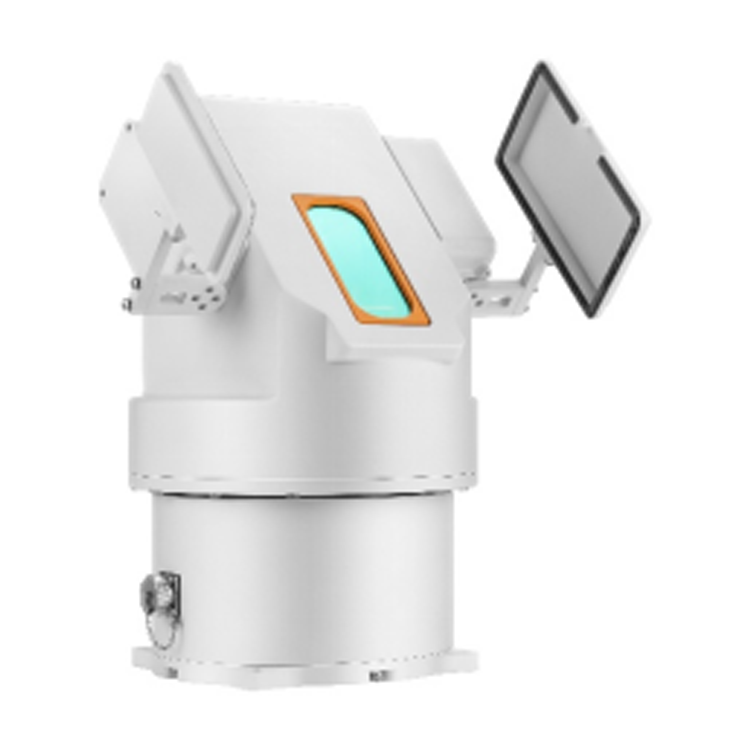

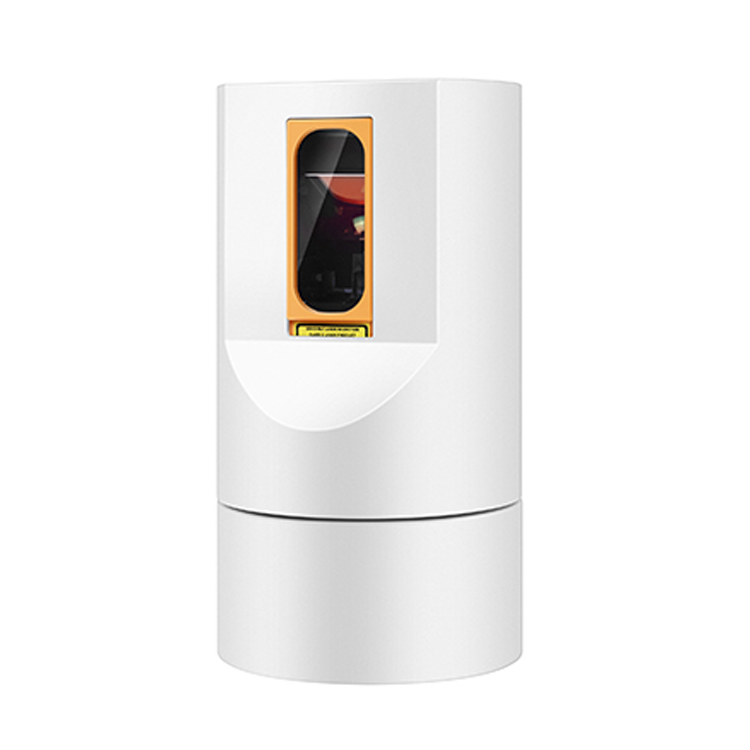


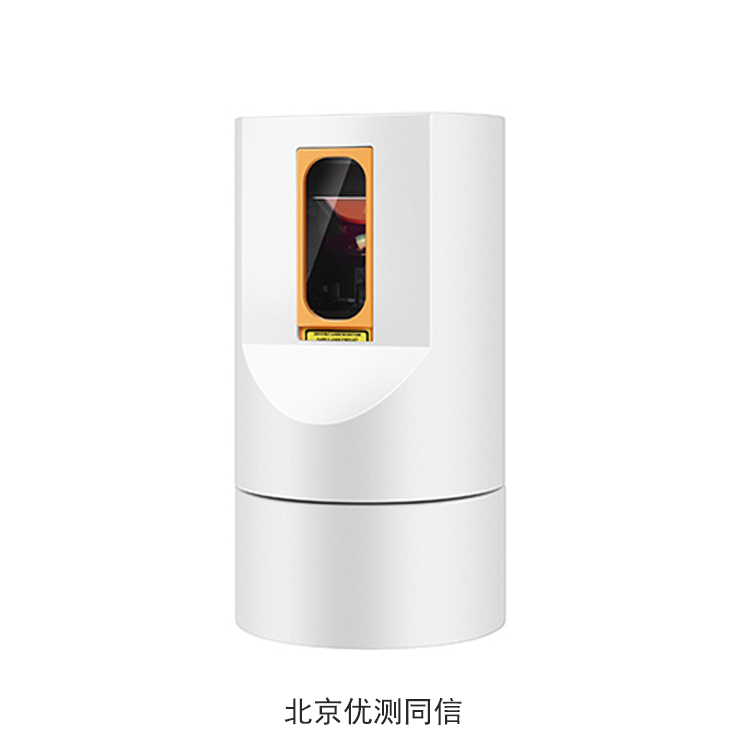








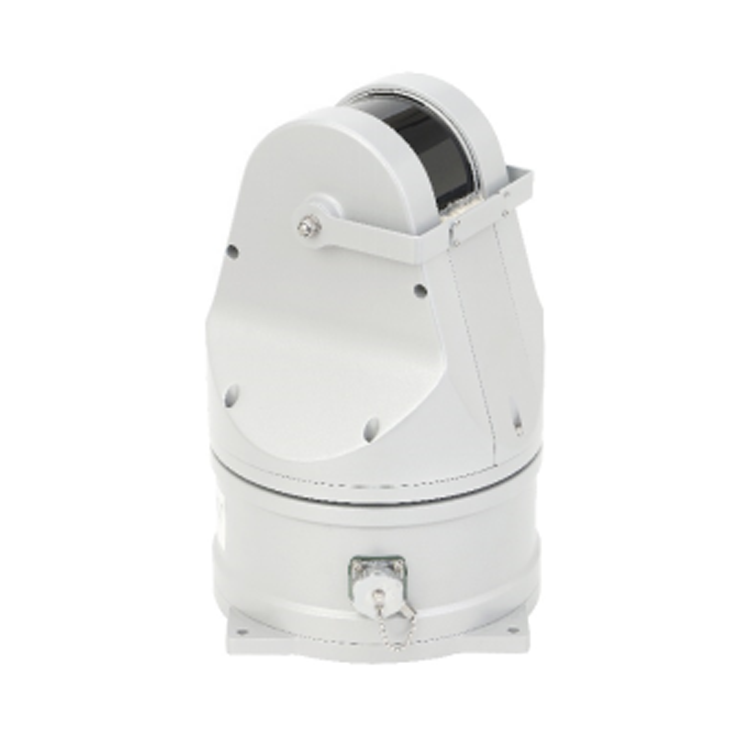


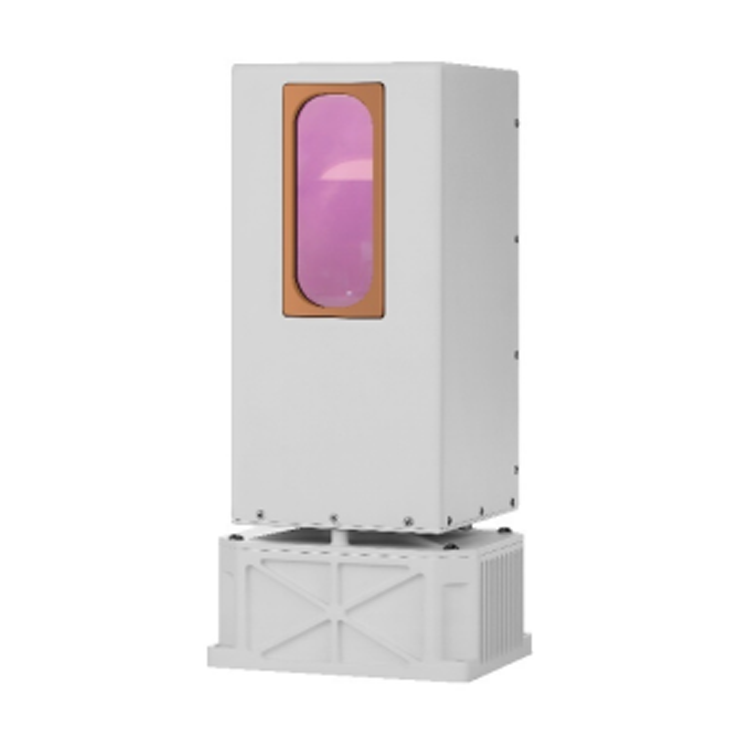
As 3D laser scanning technology continues to develop and mature, 3D scanning equipment is gradually commercialized. The advantages of 3D laser scanners are that they can quickly scan measured objects, directly obtaining high-precision point cloud data without the need for prisms. This allows for effective 3D modeling and virtual replication of the real world. Therefore, 3D laser scanners have become one of the current hot topics in research, widely used in digital cultural heritage protection, civil engineering, industrial measurement, natural disaster investigation, digital urban terrain visualization, and urban and rural planning.
Applications of 3D Laser Scanners:
(1) Surveying Engineering Field: Dam and power station foundation topographic survey, highway surveying, railway surveying, river surveying, bridge surveying, building foundation surveying, tunnel deformation monitoring, dam deformation monitoring, underground tunnel engineering structures, mine surveying, and volume calculation.
(2) Structural Measurement: Bridge renovation and expansion projects, bridge structural measurements, structural testing, monitoring, geometric dimensioning, spatial positioning conflicts, area measurements, volume measurements, 3D high-fidelity modeling, internal equipment measurements in shipyards, power plants, chemical plants, and other large-scale industrial enterprises; pipeline and line measurements, various mechanical manufacturing and installation.
(3) Architectural and Historical Heritage Surveying: Accurate interior and exterior measurements, protection surveys of historical heritage (ancient buildings, statues, etc.), artifact restoration, historical building surveying, data preservation, site mapping, photogrammetry, on-site virtual models, and on-site protection image documentation.