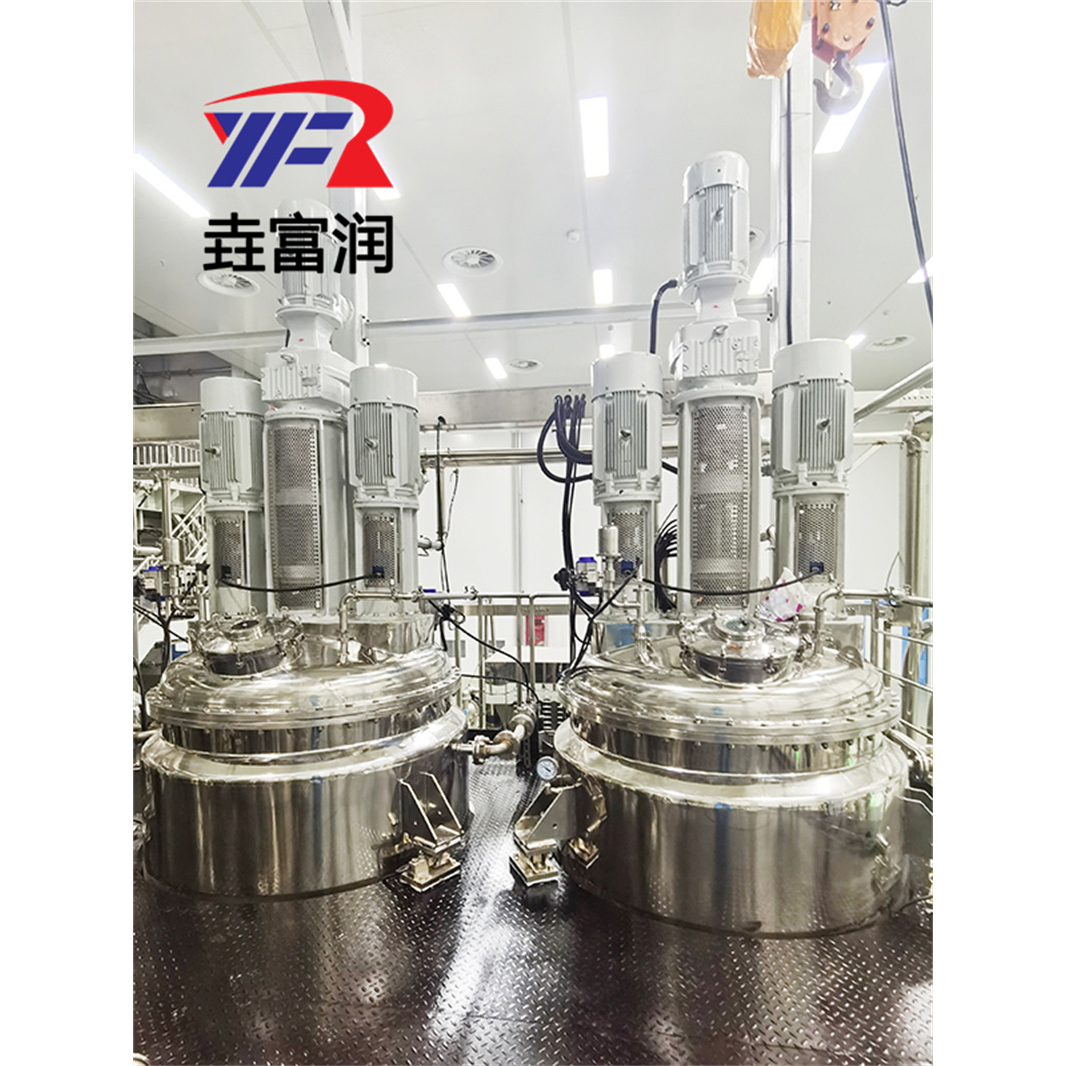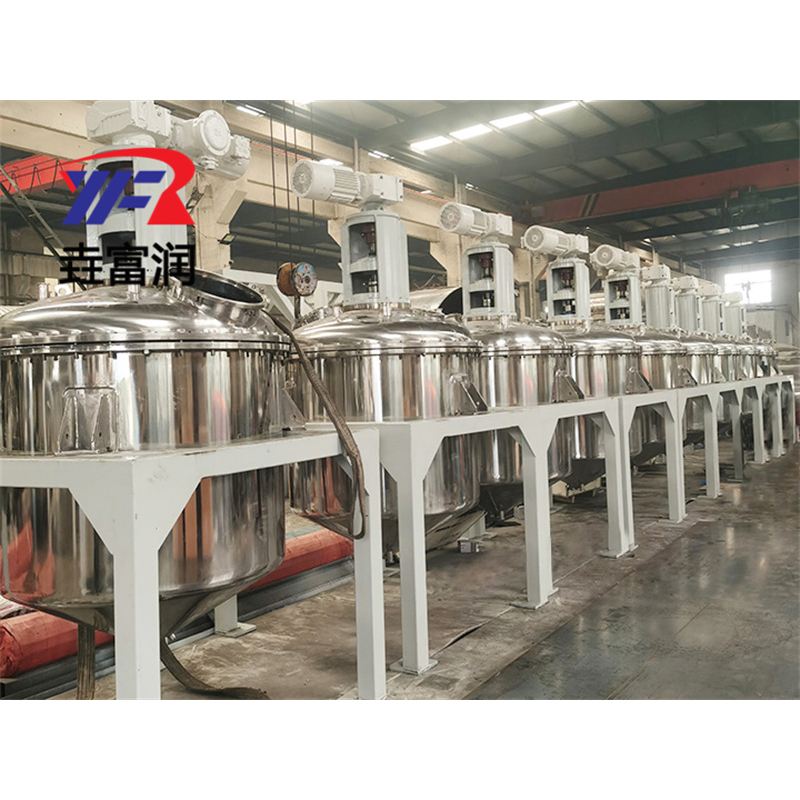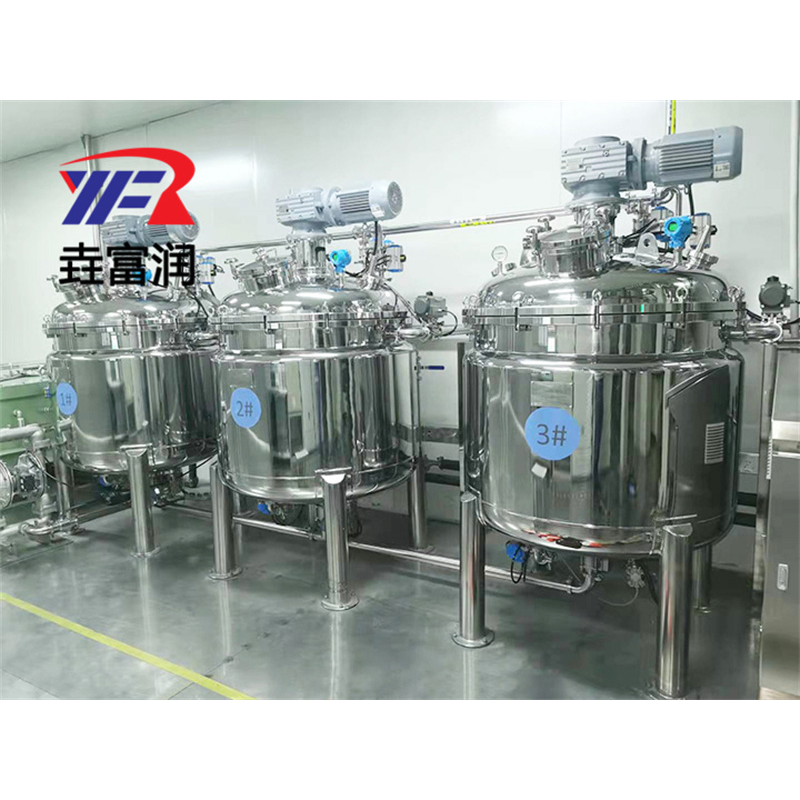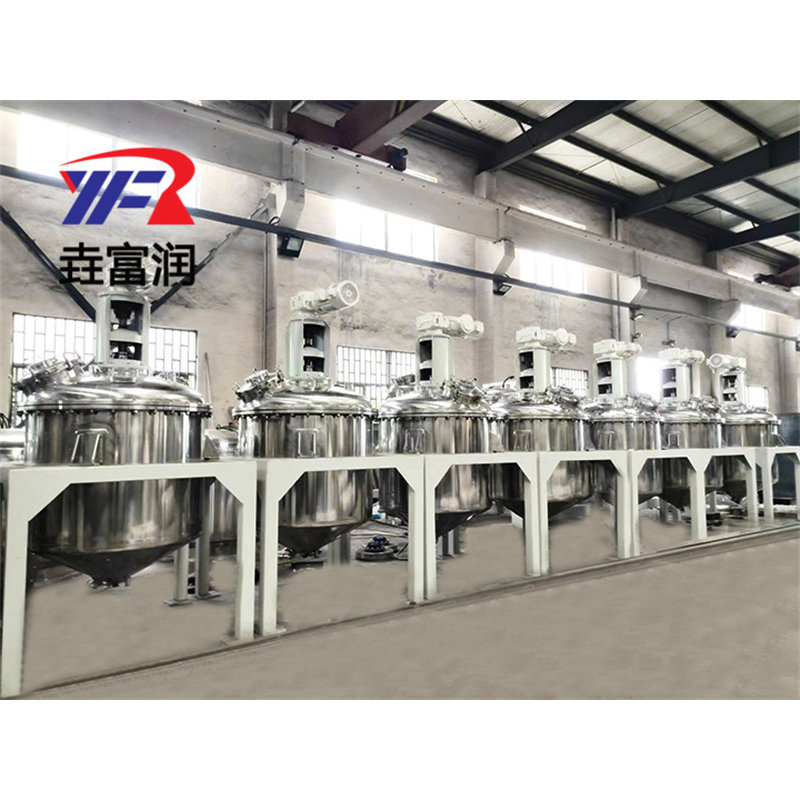









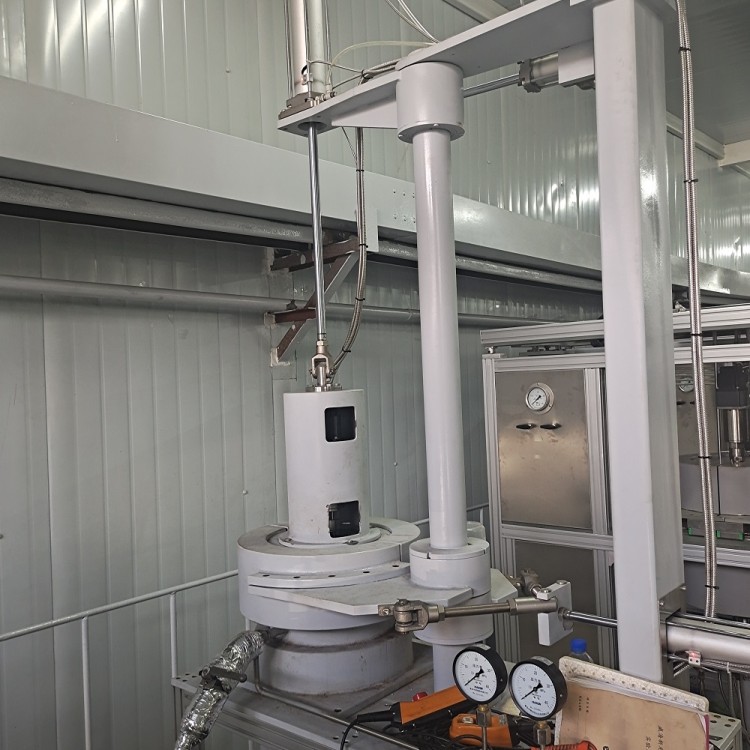
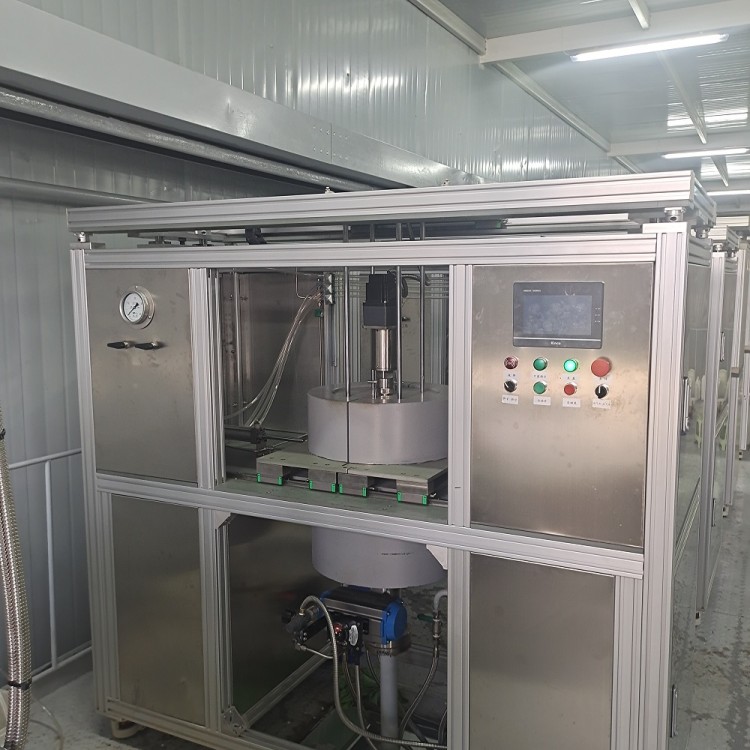
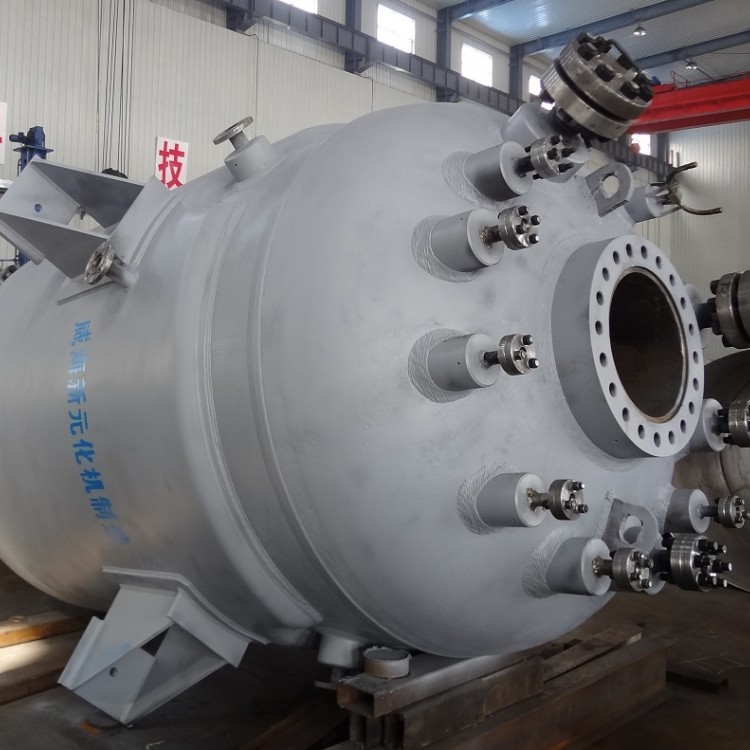
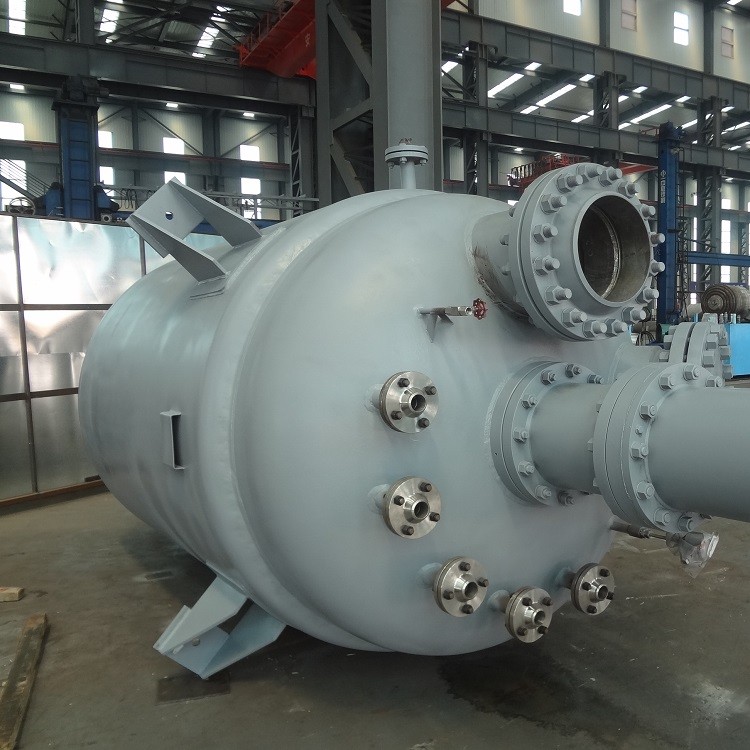


Composition and Design Key Points of the Recirculating Reactor
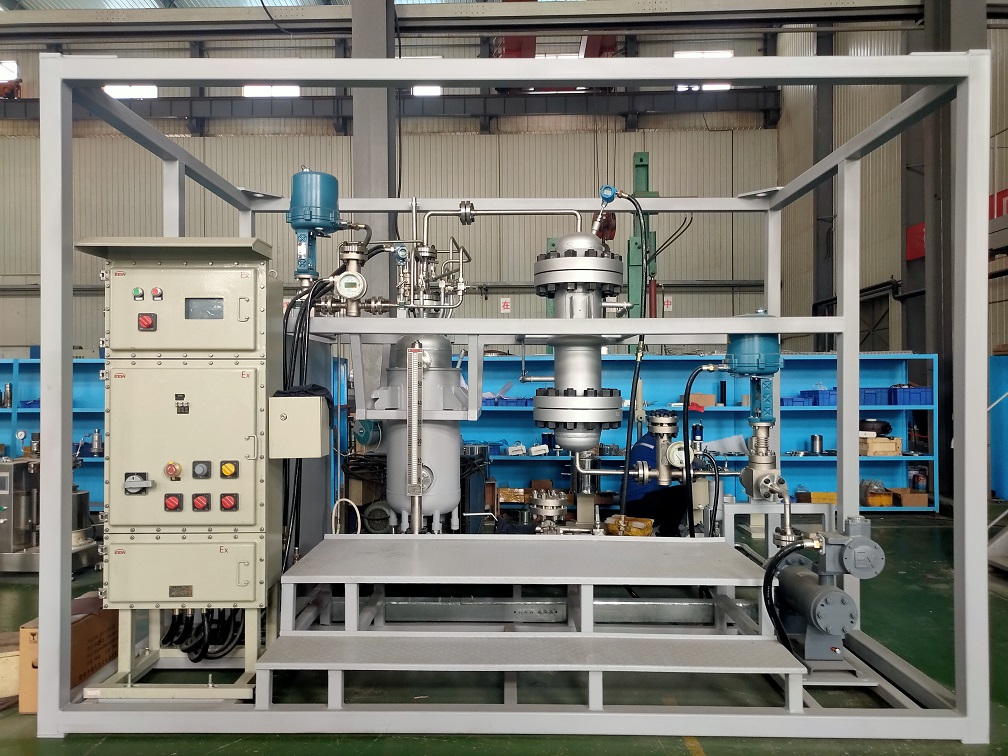
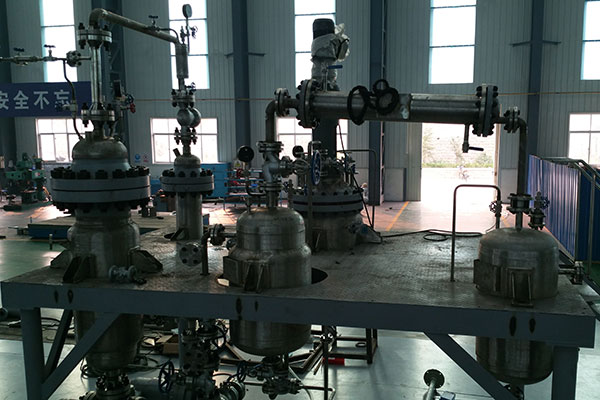
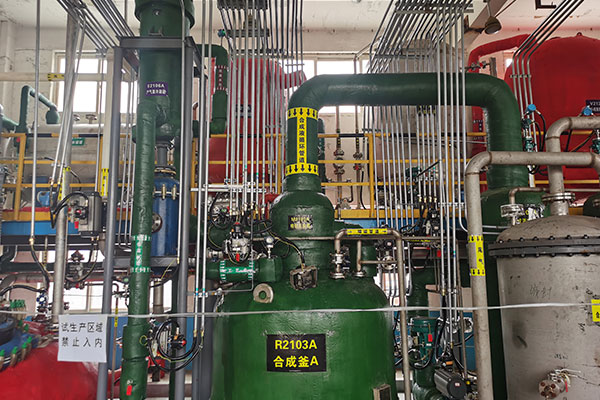
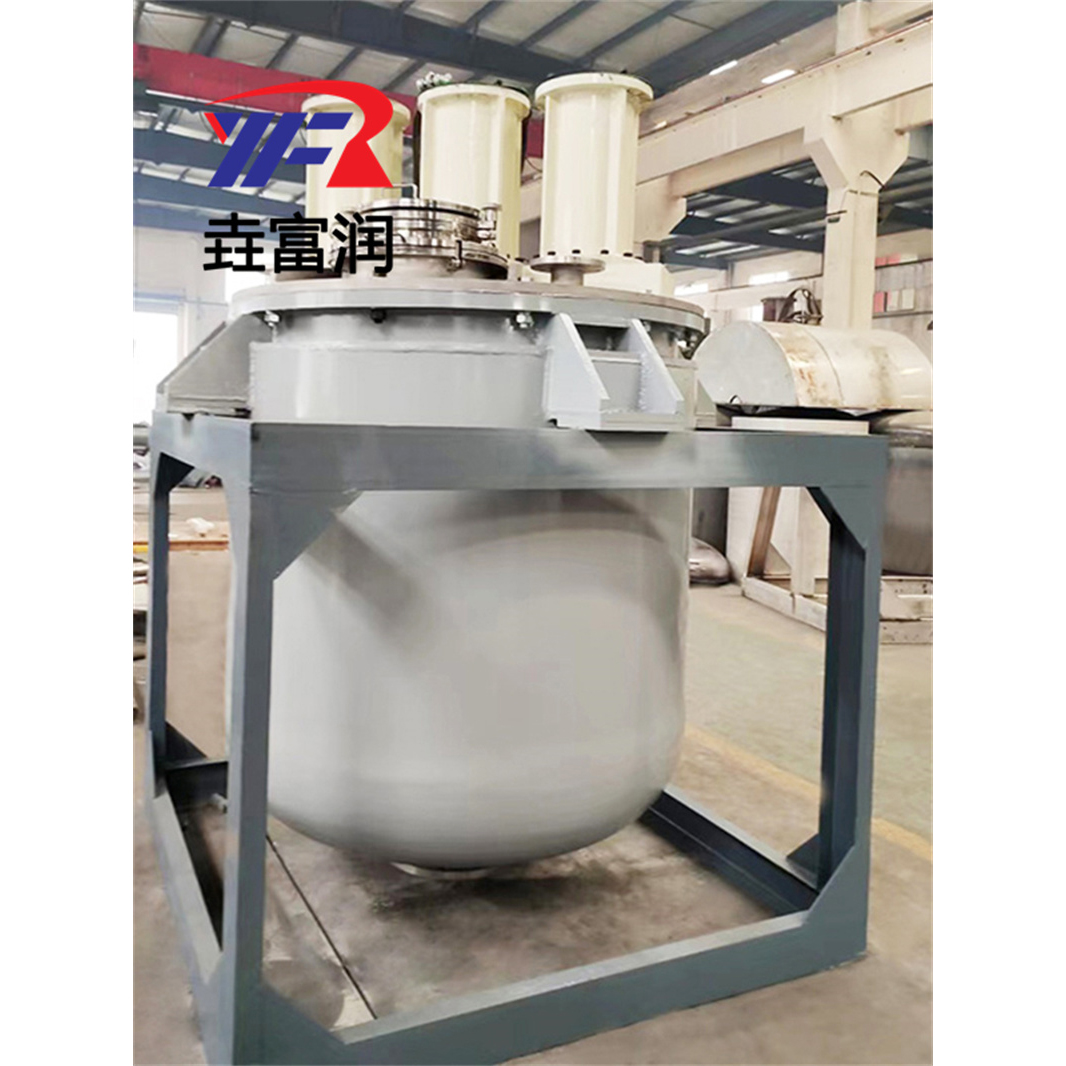
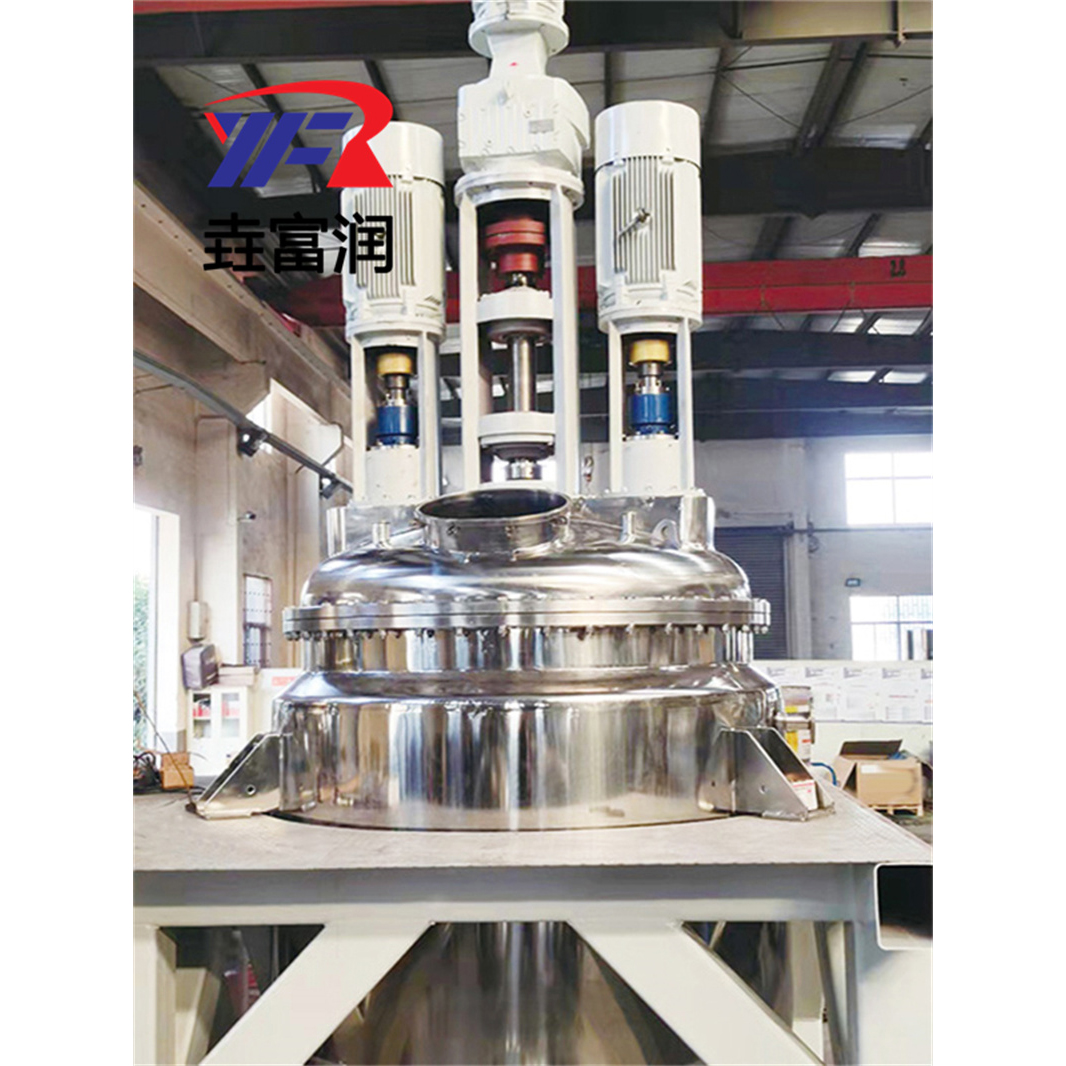
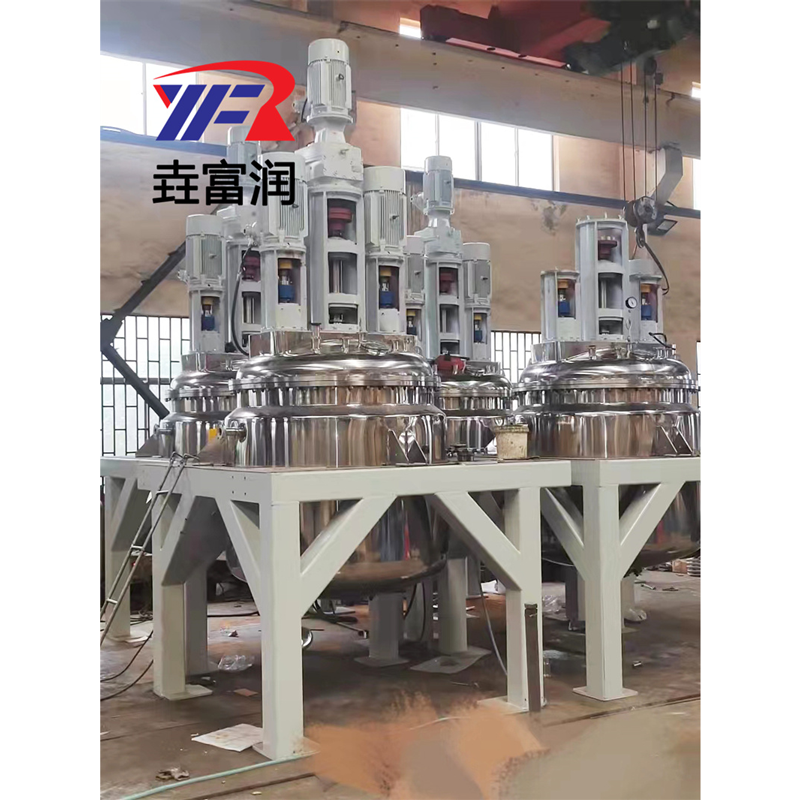
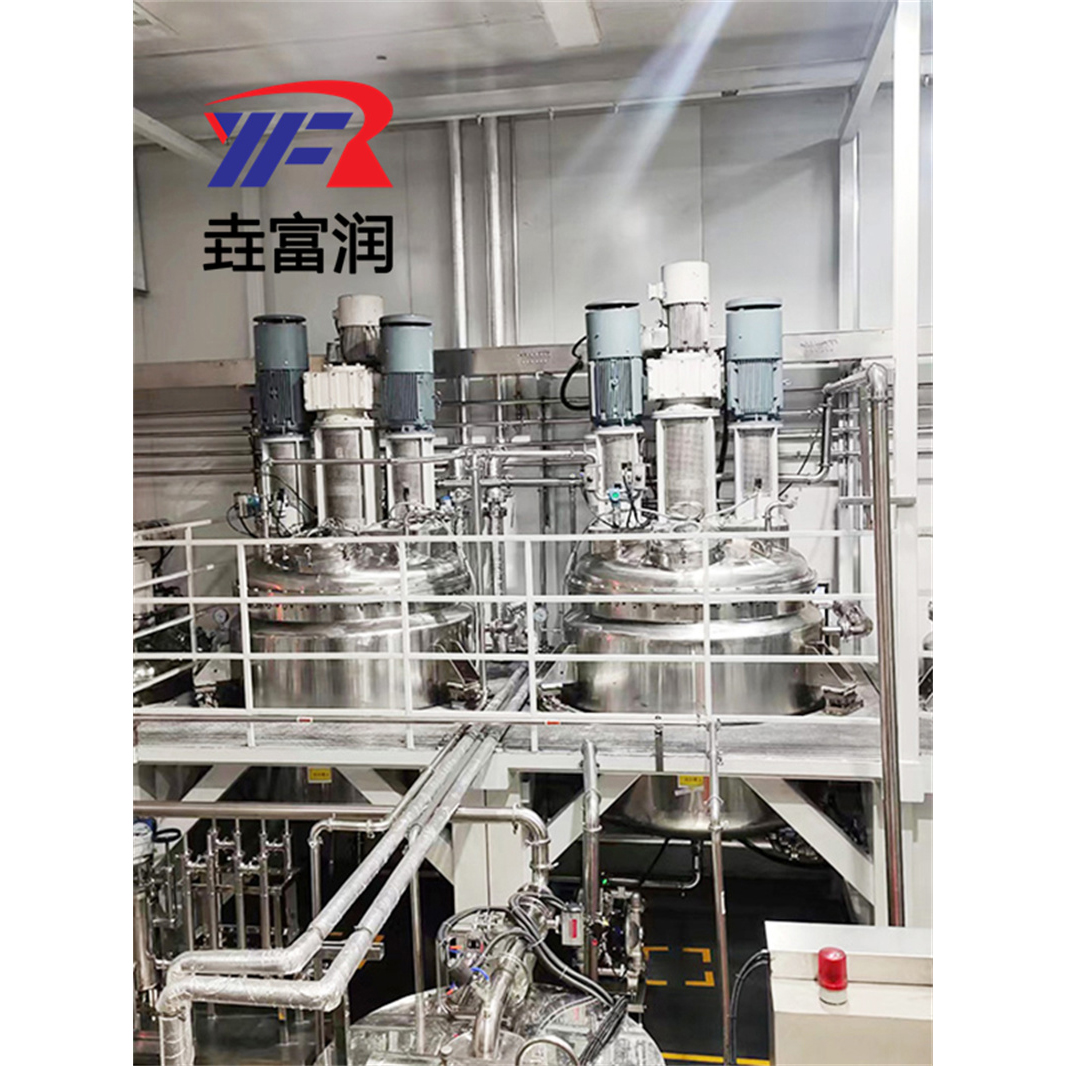
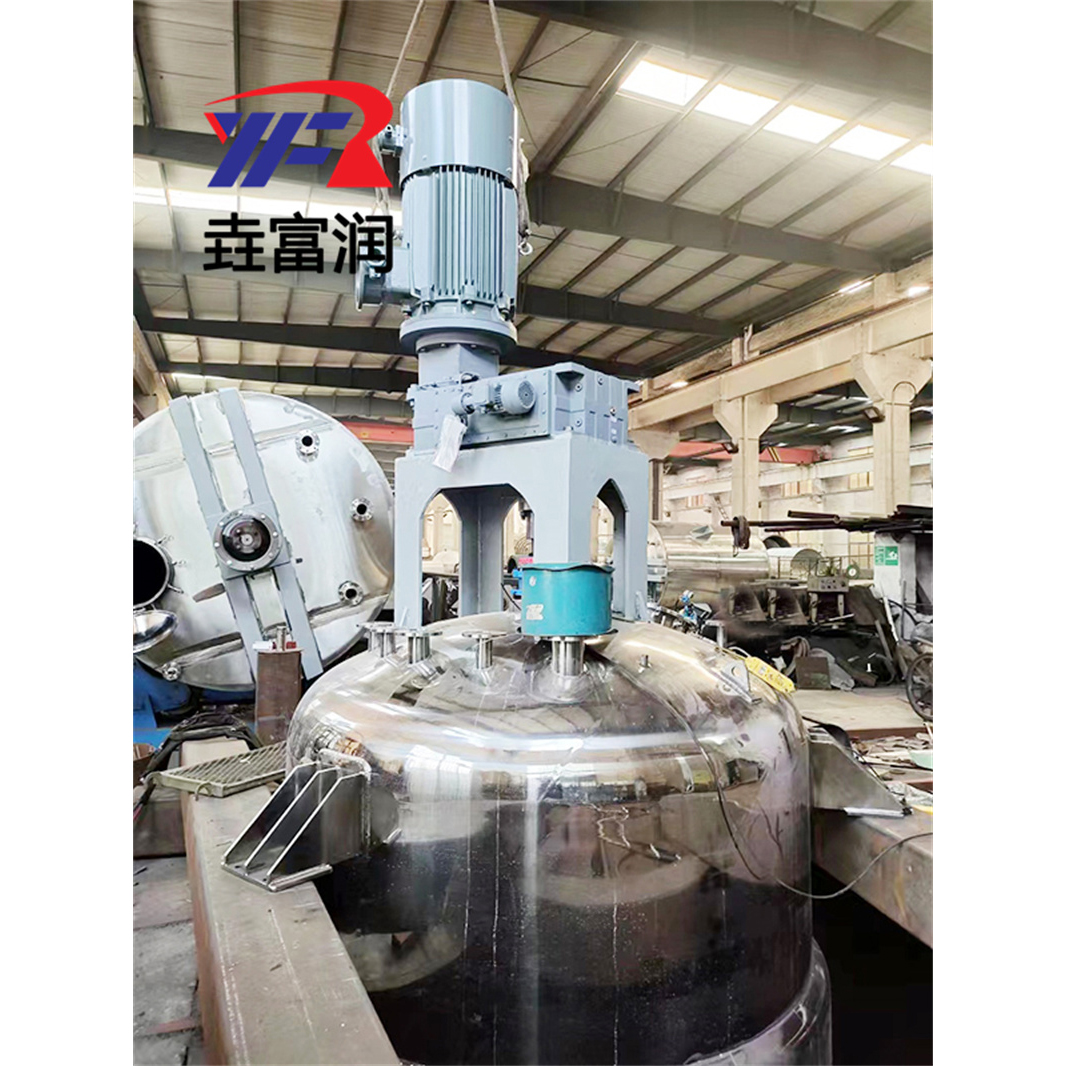
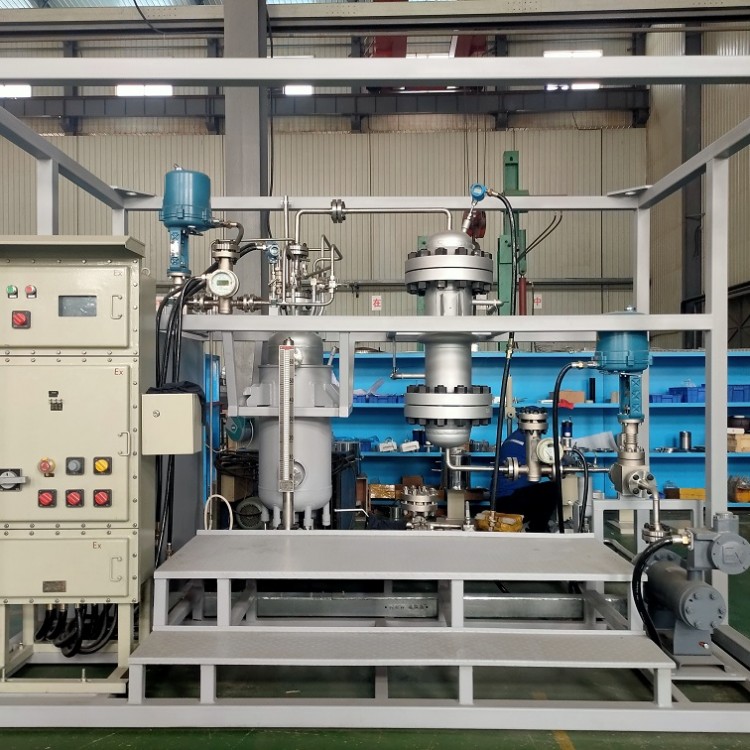
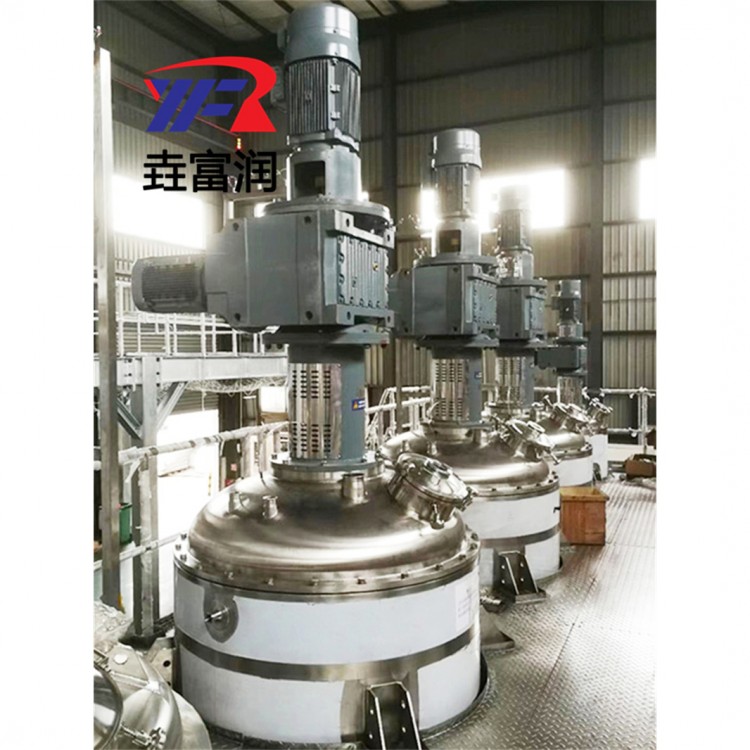
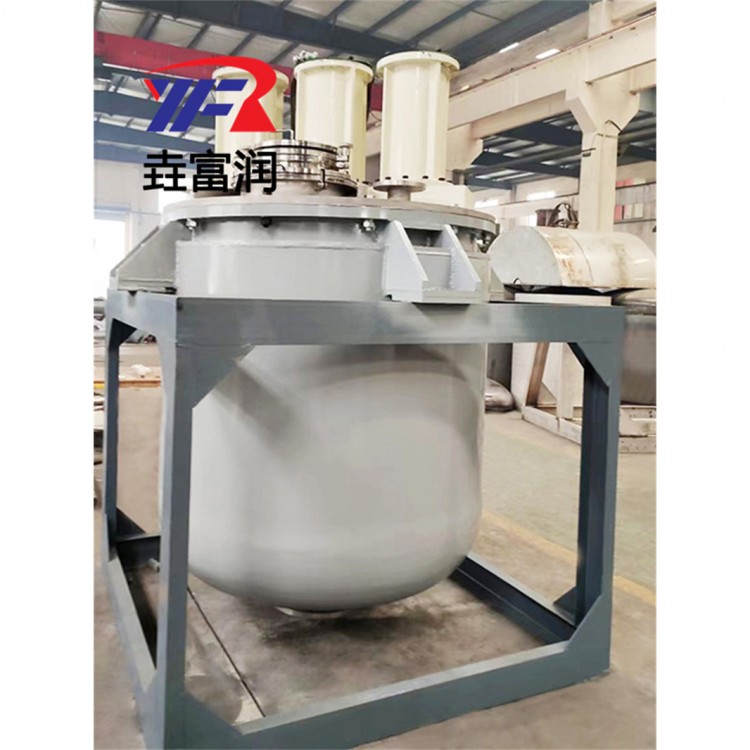
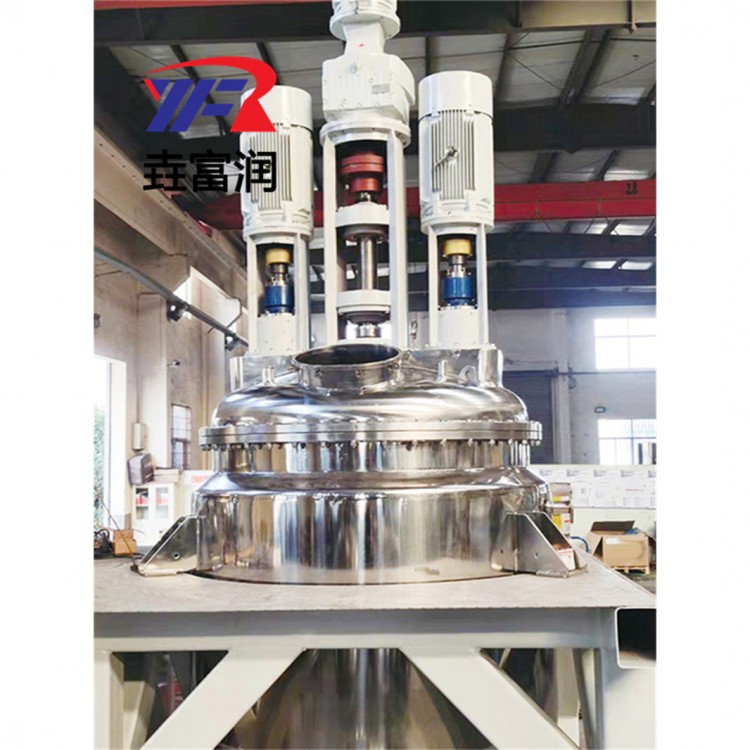
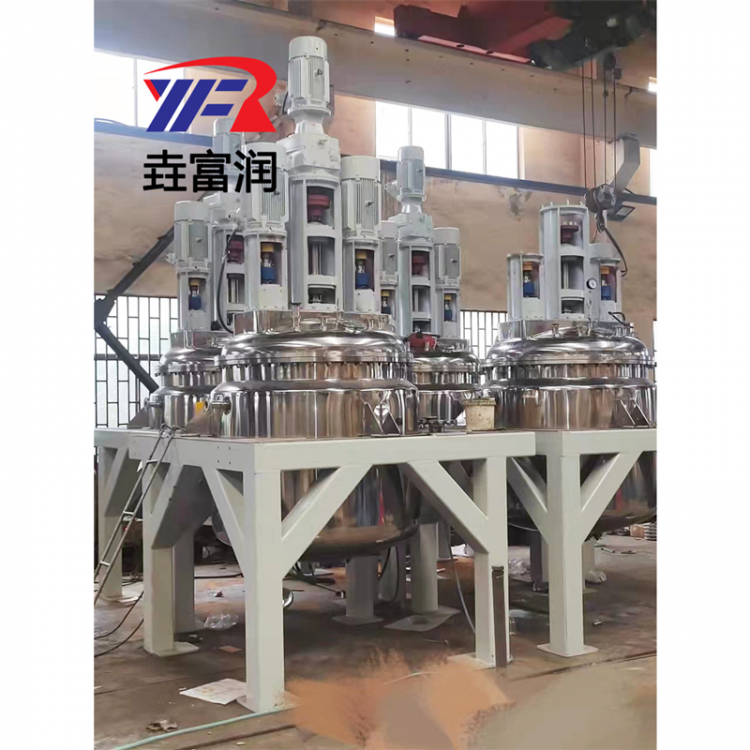
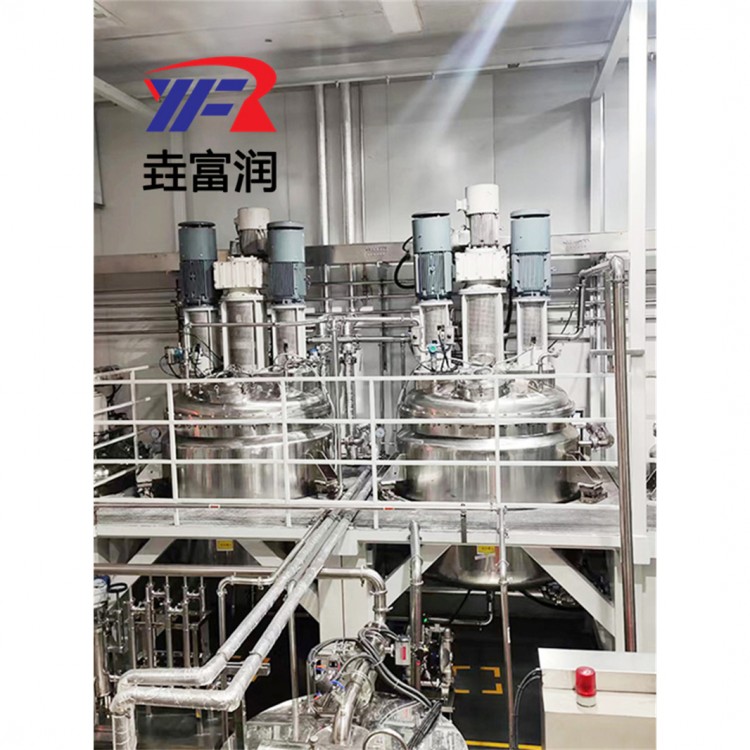
(1) The main components of the recirculating reactor include a safety drum, raw material storage tank, feed pump, Venturi jet structure, reactor, circulation pump, heat exchanger, and product recovery tank. The recirculation loop consists of the Venturi jet mechanism, reactor, circulation pump, and heat exchanger. The basic operating procedure is as follows: the raw material is fed into the reactor by the feed pump, the feed pump is closed, and the circulation pump is turned on to continuously preheat the material through the heat exchanger until the reaction temperature is reached. Subsequently, the fluid, accelerated by the circulation pump, is continuously jetted out through the Venturi structure's main nozzle. Due to the low pressure at the nozzle, gas is continuously吸入 into the Venturi structure, where it mixes with the fluid. The mixture is then jetted to the bottom of the reactor. After that, the liquid is re-injected into the reactor after heat exchange in the heat exchanger, while the unreacted gas is re-circulated through the gas-liquid equilibrium pipe. During the initial reaction process, samples are continuously taken from the sampling port to determine the reaction time of a specific reaction in the reaction system.
(2) Key Points for Loop Reactor Design
1) The injector used in the recirculation reactor employs a liquid-to-gas entrainment method, with a range of entrainment volume ratios.0.5~2, To entrain sufficient gas, it is essential to ensure that the circulation pump's flow rate matches the entrainment device.
2) The circulating pump for the recirculating reactor is not a standard circulating pump; it needs to meet several requirements:(a) Recirculating reactors typically operate under high pressure, requiring the circulating pump to have excellent pressure resistance and tight sealing capabilities; (b) The reaction medium in the recirculating reactor usually contains finely divided solid catalysts and often tiny bubbles as well, so the selected circulating pump must have tolerance for fine solids and gases.
3) Select an appropriate heat exchanger to promptly remove the heat generated by the reaction, ensuring the reaction temperature.