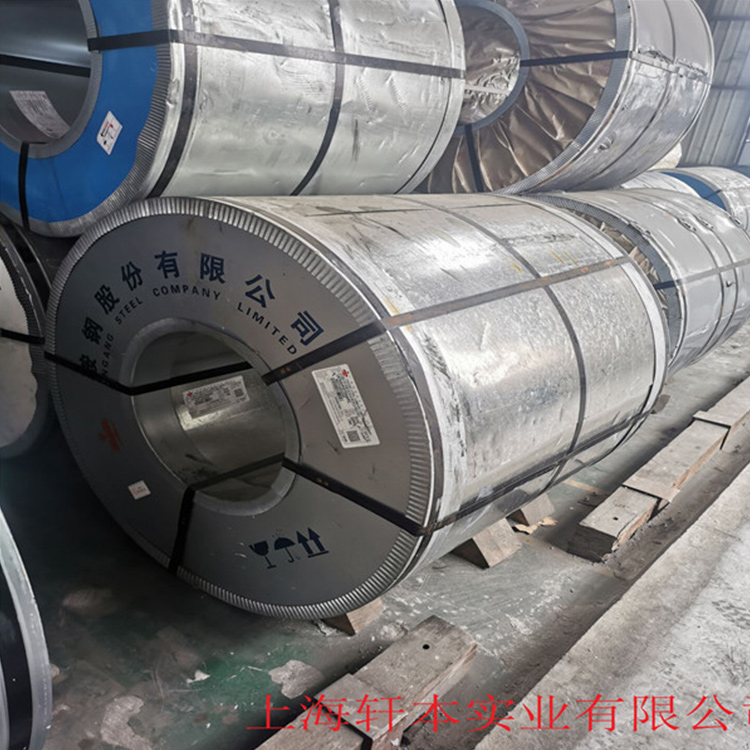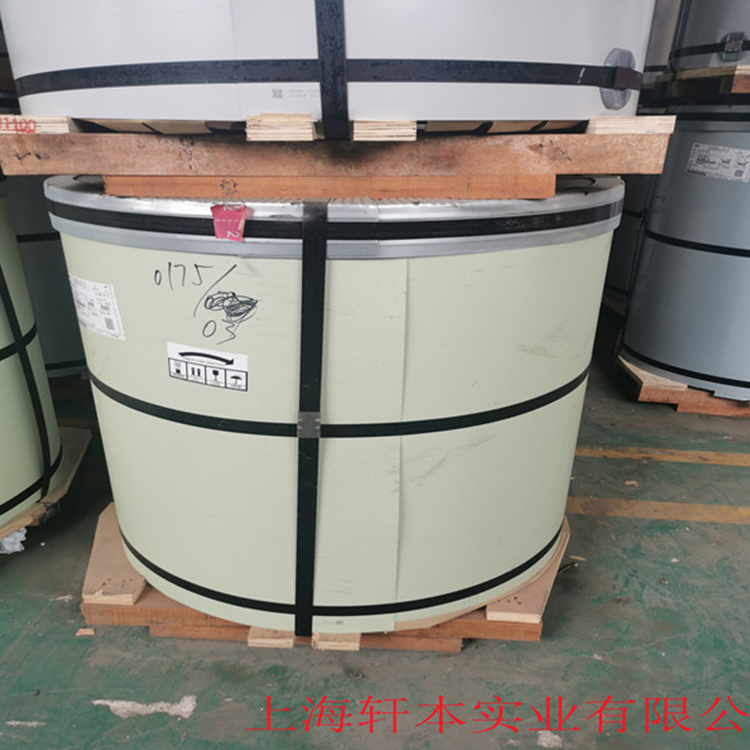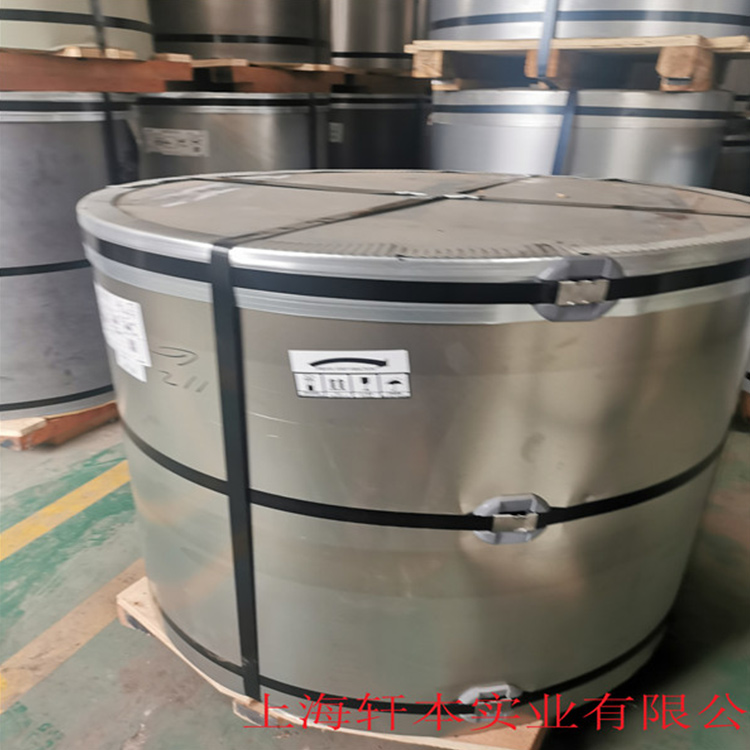

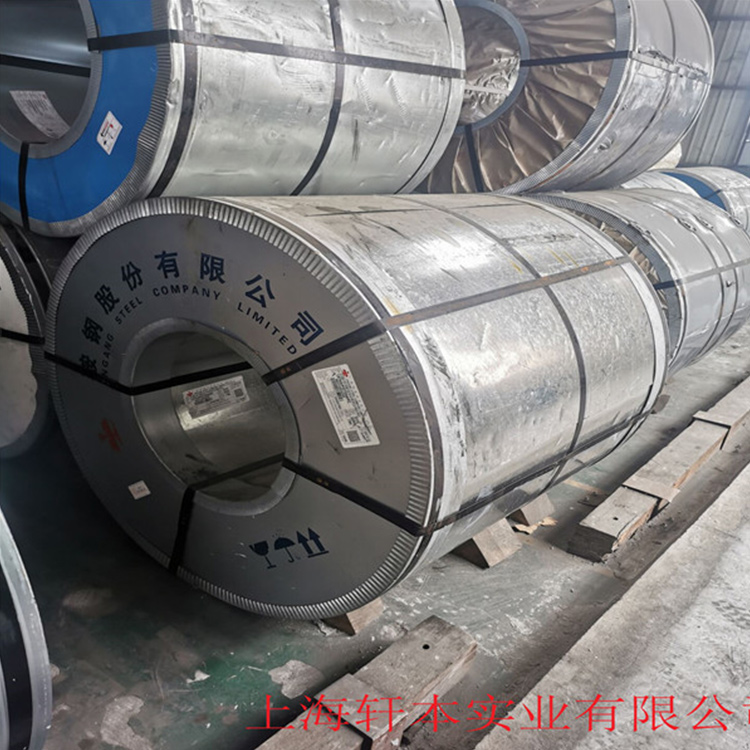
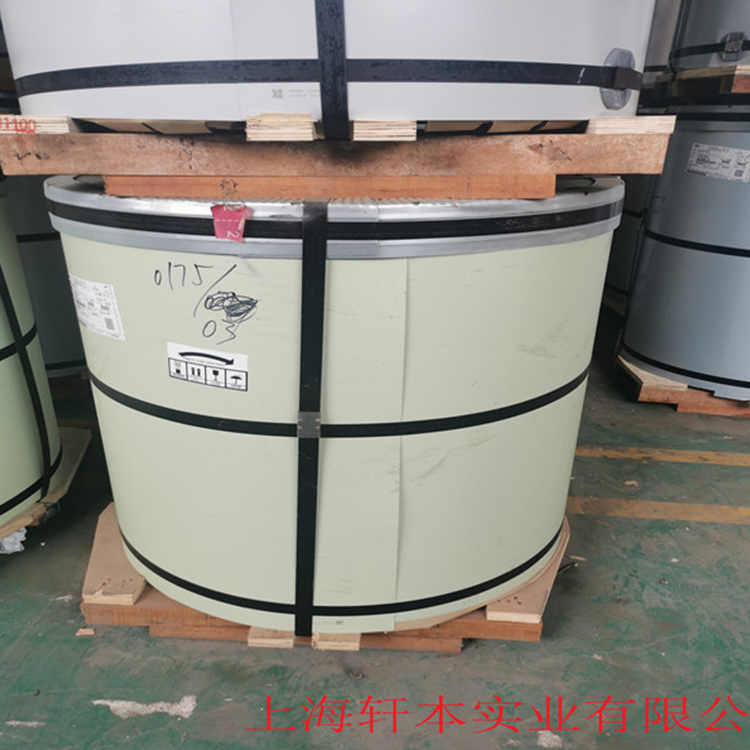











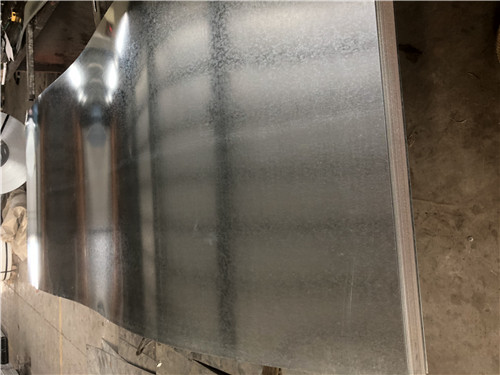
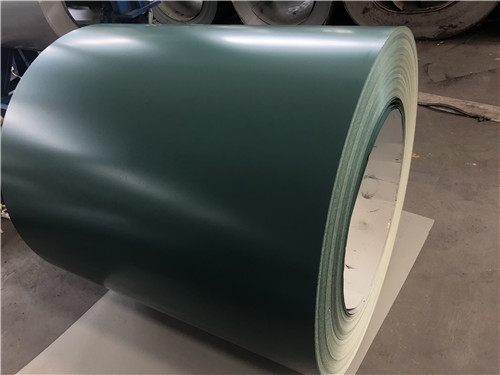

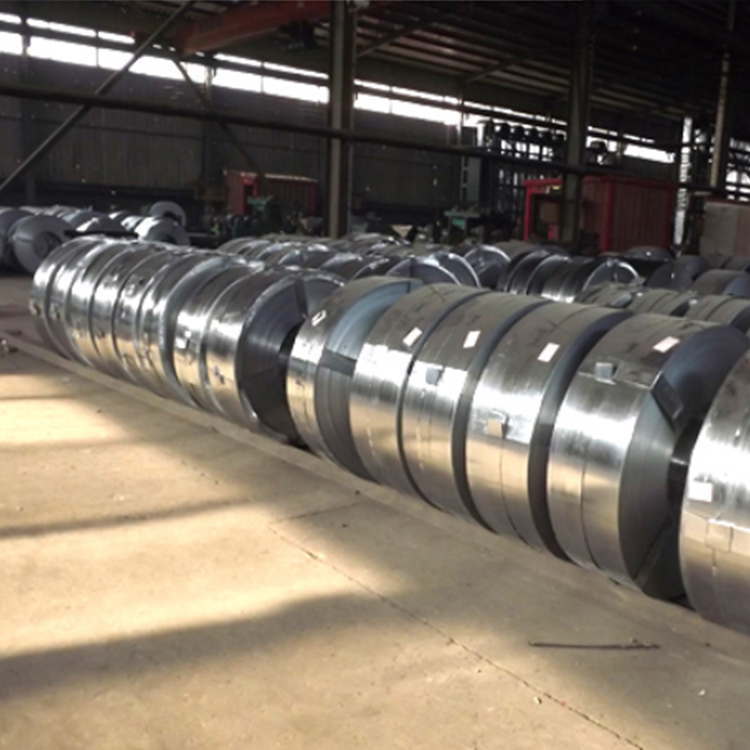
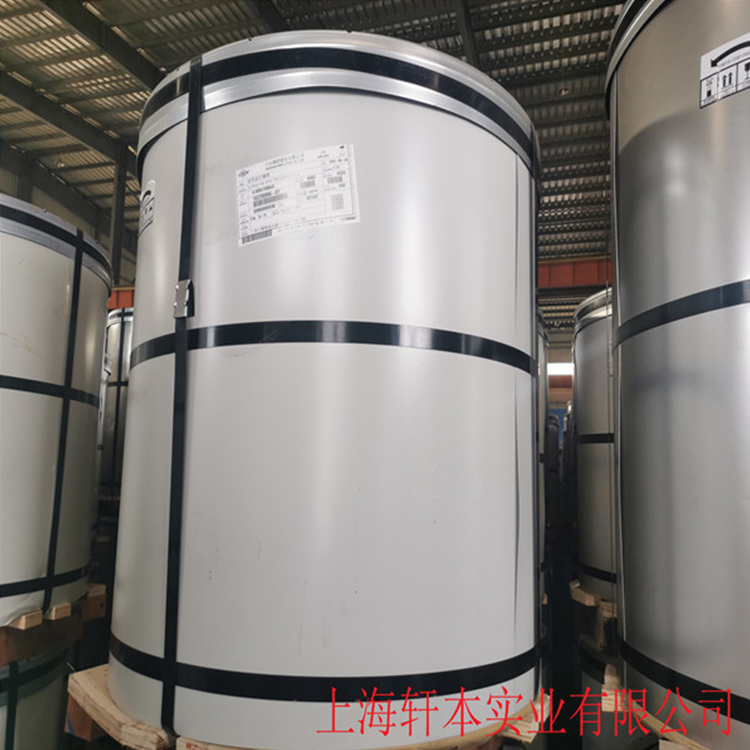
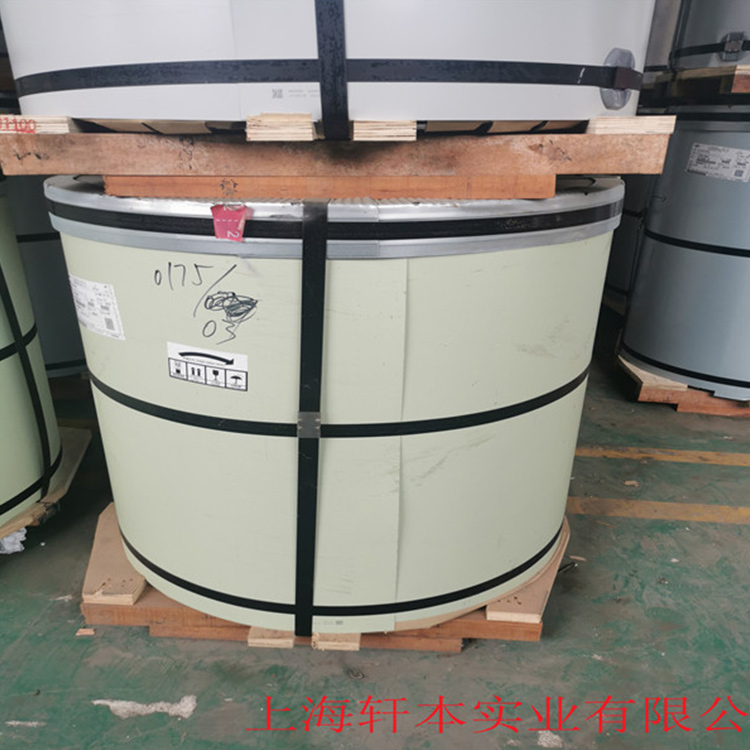
Shanghai Xuanben Industrial Co., Ltd. is a comprehensive service enterprise specializing in trade and processing, mainly focusing on products related to steel structure maintenance systems. We offer a range of raw materials including color coated, galvanized, aluminum-zinc coated, and aluminum-magnesium-manganese steel from various steel mills. Our processing services include metal roof (wall) systems (decking, wall panels, roof panels), standing seam roof systems (accessories), and light steel residential systems, as well as smoke exhaust skylights and fire linkage control systems. 1. For architectural color coated coatings, hot-dipped galvanized and aluminum-zinc coatings are used, with thicker coatings offering better corrosion resistance. The coating thickness primarily affects the cut-through corrosion of the color steel plate, influenced by factors such as primer, base plate thickness, and coating thickness. 2. In acidic environments, aluminum-zinc coated color coated steel is preferable, while in alkaline environments, hot-dipped galvanized pure zinc coated steel is better. According to common experience, materials like wet wood and concrete should not be in prolonged contact with aluminum-zinc base plates. 3. Steel Grades: For color coated steel plates, users are less aware of steel grades, as most domestic color coated steel plate manufacturers have a limited variety of steel grades, mostly falling into the DC51 category, which includes general commercial, general stamping, high-strength structural steel, and full-hard steel. The coating thickness is measured by electrolysis under a certain current density, based on the electrolysis time and potential changes. The electrolysis measurement device is shown in Figure 2-41. The electrolyte used is a solution of NaCl and ZnSO4 dissolved in distilled water, with concentrations of 200g/L NaCl and 100g/L ZnSO4. The sample's peripheral cross-section is sealed with paraffin to expose a certain surface texture for measurement, and then reassembled as originally. As organic coated steel plates for the construction industry, they require excellent corrosion resistance, good mechanical properties, and excellent decorative aesthetics. The corrosion resistance largely depends on the corrosion resistance of the base plate used for organic coated steel plates, so currently, thick galvanized steel plates, such as zinc-aluminum (5%) alloy and aluminum (55%) zinc alloy coated steel plate base plates, as well as aluminum plates, are commonly used. To extend the service life of organic coated steel plates, in addition to selecting corrosion-resistant materials, common oils used include dioctyl sebacate or tributyl citrate, applied to the steel strip using electrostatic oiling. The steel strip then runs through the main drive roller group, consisting of a set of independently driven rubber-lined rollers. The steel strip bends around these rollers, with significant friction between the rollers and the steel strip, sufficient to drive the steel strip through the entire production line. This roller group also effectively controls the speed of the entire production line. Finally, the coated tin plate is inspected online visually or with automated instruments for possible defects, such as surface blemishes, holes, or thickness. The comprehensive plan is formulated based on the type of paint, solvent evaporation temperature, coating thickness, furnace length, and the number of heating sections in the furnace, adjusted through experimentation and actual production, and summarized to make the temperature curve distribution more reasonable. When formulating the temperature distribution curve, the temperature control in the furnace is typically divided into three sections: 0. Physical drying section. Solvent evaporation. @ Physical-chemical drying transition section. Complete solvent evaporation and organic matter curing. Color coated steel plate trends: 2. Improve pretreatment processes and pretreatment solutions, with fewer equipment and lower costs becoming the mainstream process, continuously improving the stability, corrosion resistance, and environmental performance of pretreatment solutions. Color coated steel plate trends: 3. Develop new coatings to enhance color reproducibility, UV resistance, and corrosion resistance; develop functional coatings with anti-pollution, heat-absorbing properties. Color coated steel plate trends: 4. More comprehensive equipment. Color coated steel plate trends: 5. Cold-pressed embossing is more cost-effective, aesthetically pleasing, has a strong three-dimensional feel, and is high in strength, making cold-pressed embossing technology a trend. Color coated steel plate trends: 6. Focus on diversification, functionalization, and customization, such as deep drawing color coated steel plates, "grapefruit peel" color coated steel plates, anti-static color coated steel plates, corrosion-resistant color coated steel plates, high heat-absorbing color coated steel plates, etc. High durability color coated steel plate development: 1. Improve the weather resistance of oil-free polyester coatings (excellent in resistance to discoloration, fading, and powdering) to make them suitable as external coatings for steel drums. 2. Greatly develop polyfluoroethylene coatings. By matching with anti-rust substrates, pre-painted coil materials more suitable for steel drum processing can be obtained. 3. Use galvanized steel plates as substrates, which not only have good processing properties but also excellent corrosion resistance.