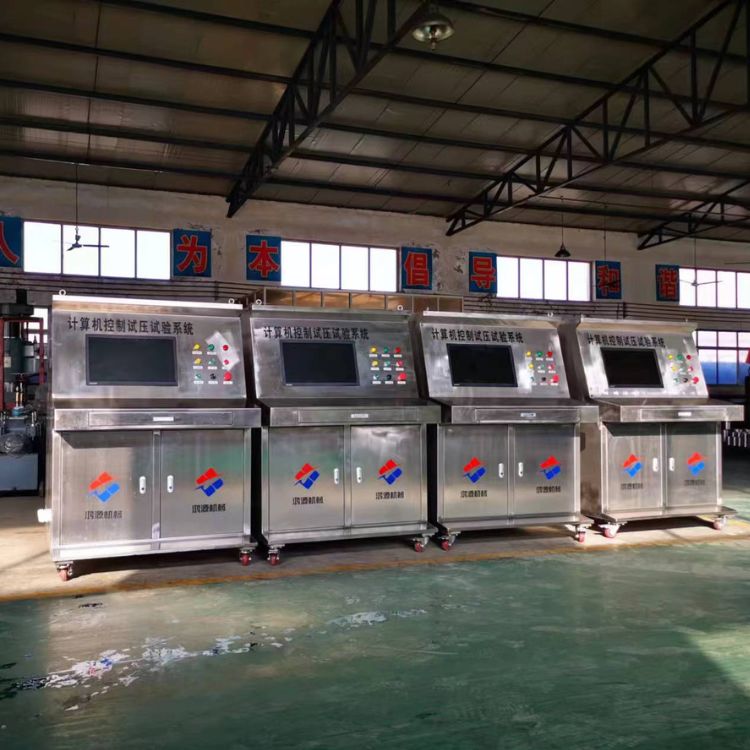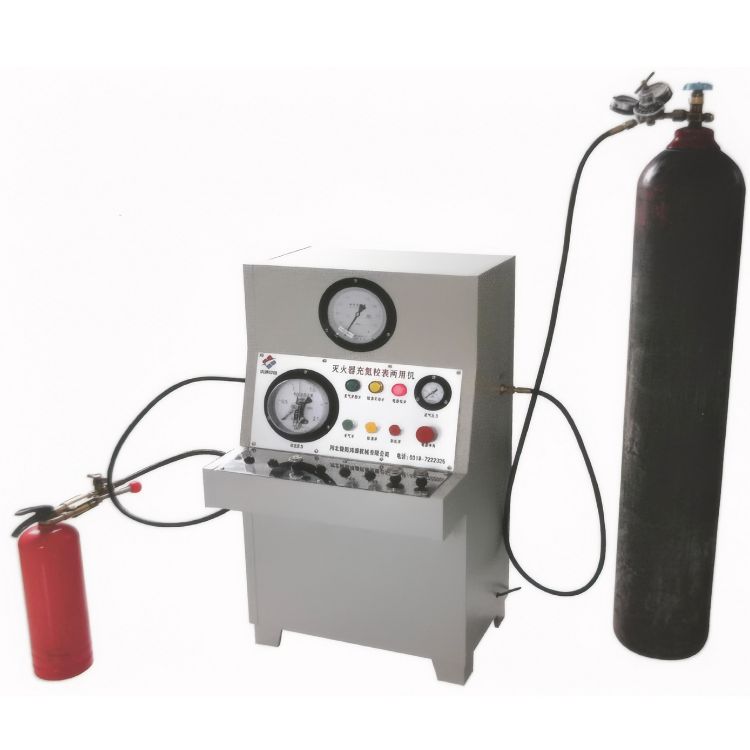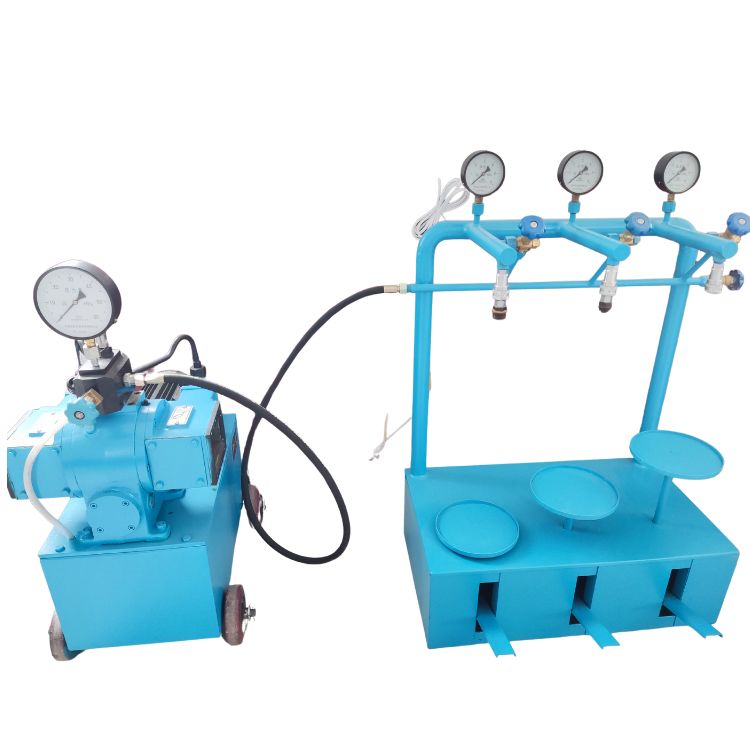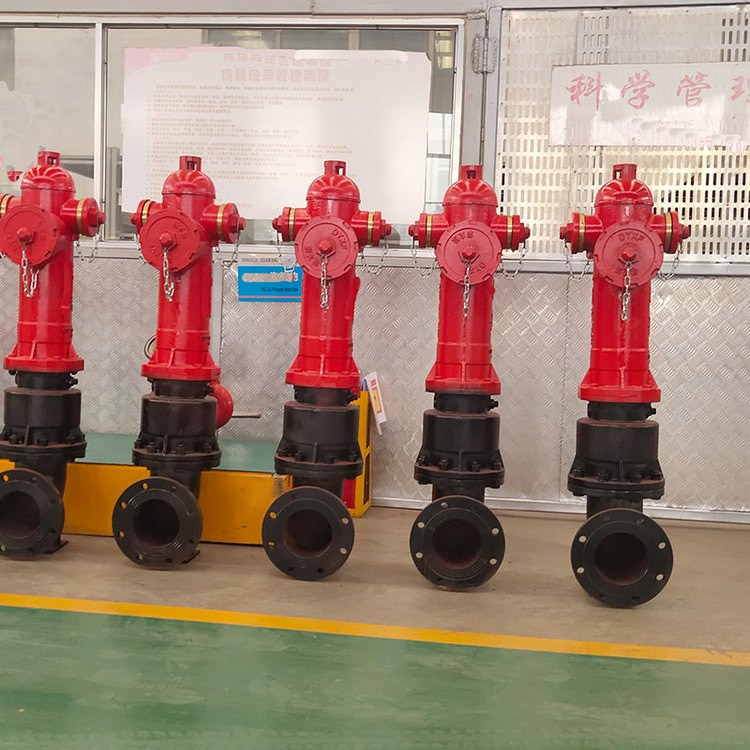

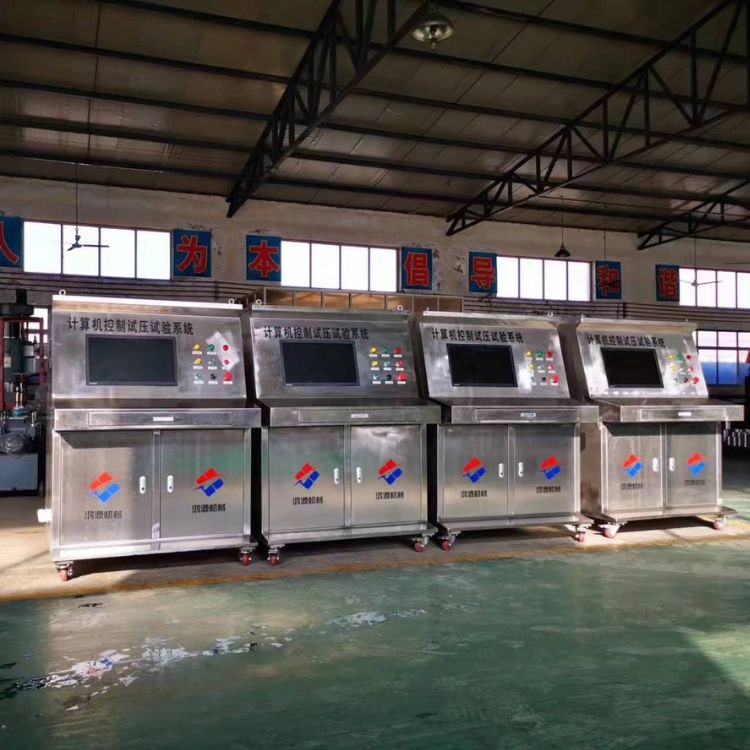

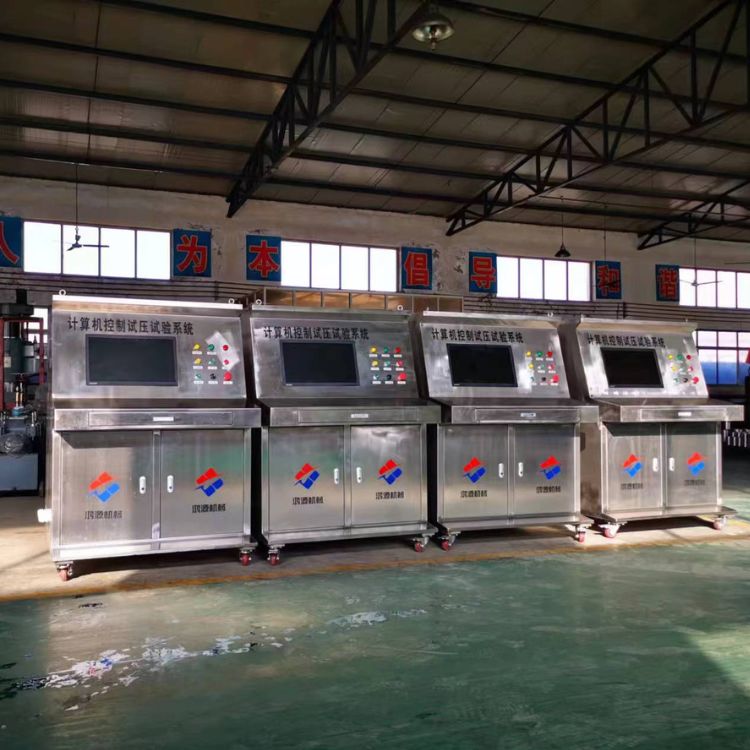

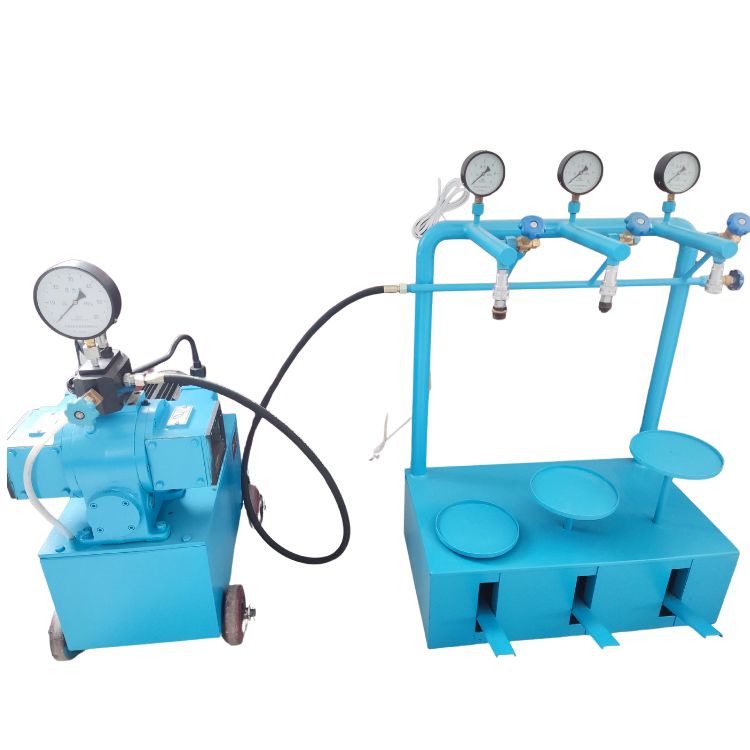


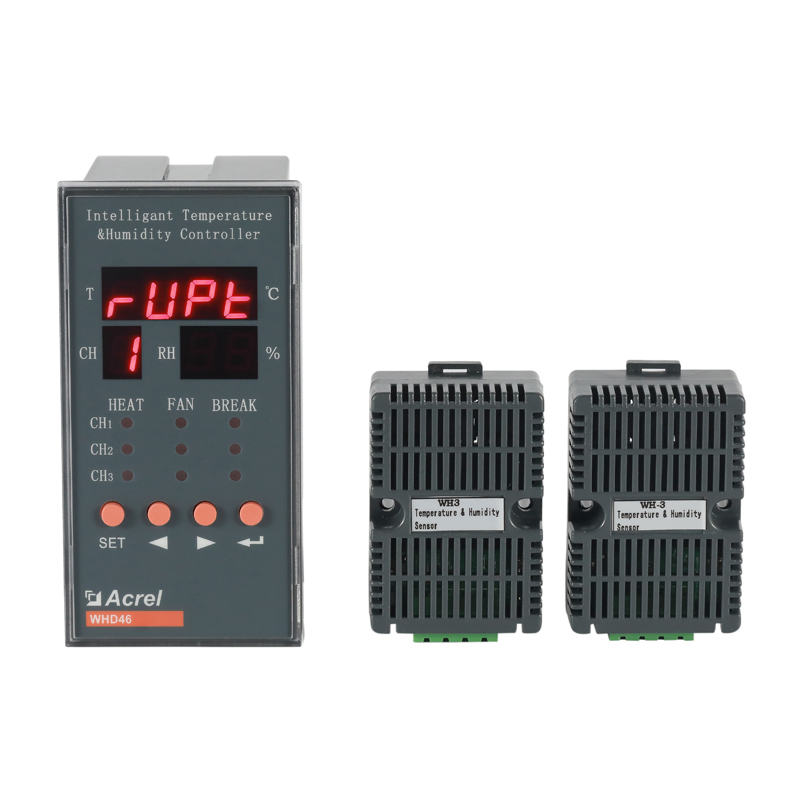







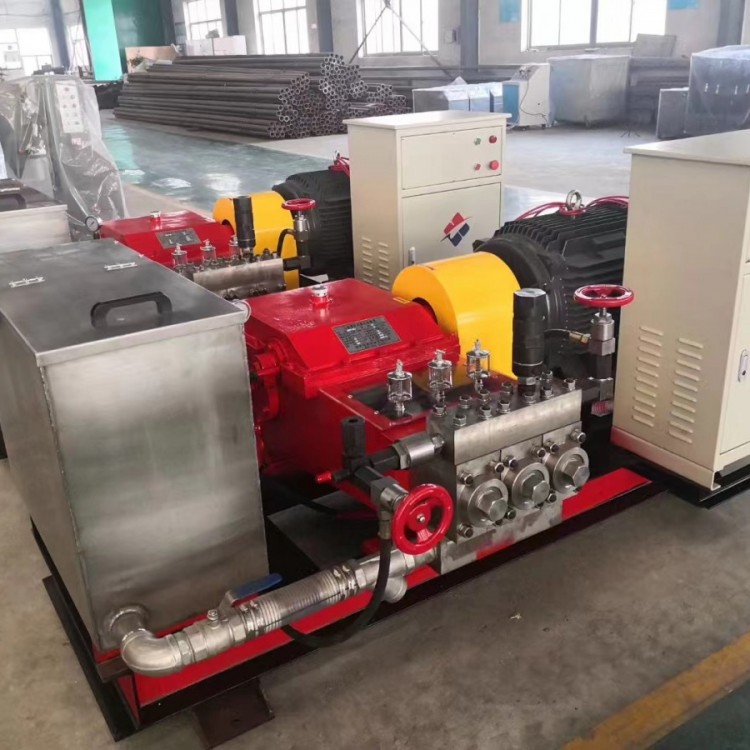
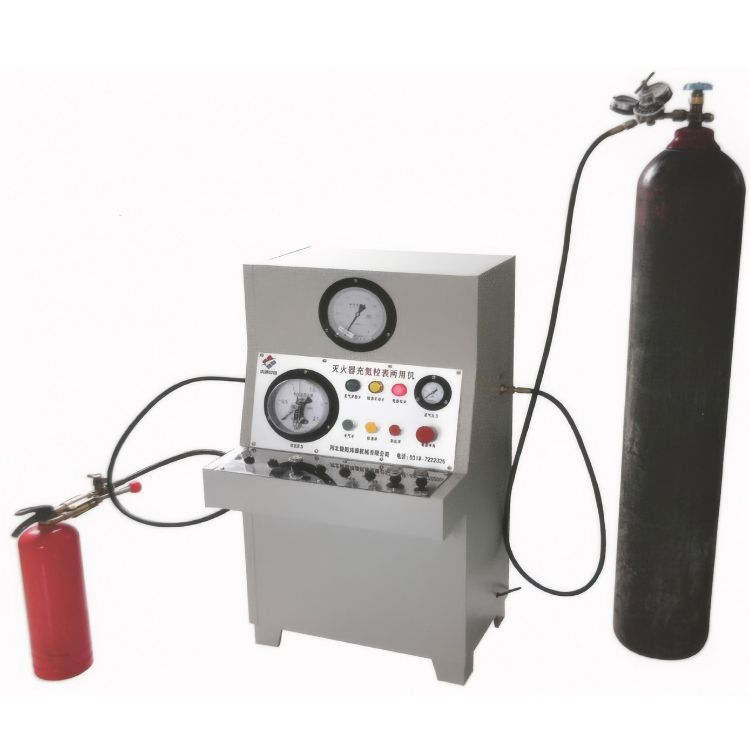


The working principle of the pressure test system primarily involves high-temperature pressure testing machines and pressure detection principles.
A high-temperature and high-pressure testing machine is an experimental device used to test the performance and durability of materials under high temperature and high-pressure conditions. It consists of two main parts: the test device and the control system. The test device includes pressure vessels, heating devices, and cooling devices, which are designed to withstand high temperatures and pressures to ensure normal testing under these conditions. The control system comprises temperature control, pressure control, and data acquisition systems, which monitor and control the temperature and pressure within the pressure vessels and record and store data throughout the testing process.
The principle of pressure detection involves obtaining relevant information by measuring and monitoring pressure changes within the system. This includes various detection principles such as mechanical, electrical, thin-film, and optical. Mechanical pressure detection measures pressure through the principle of force balance; electrical pressure detection indirectly obtains pressure information by utilizing the effect of pressure on electrical signals; thin-film pressure detection converts the deformation of the film material into an electrical signal using a sensitive element, which is installed at the point of the measured pressure; optical pressure detection indirectly measures pressure by measuring the propagation properties of light.
By these principles and technologies, the pressure testing system can evaluate the performance of materials or products under specific pressure conditions, identify potential performance bottlenecks and issues, and provide data support for system performance optimization and capacity planning.