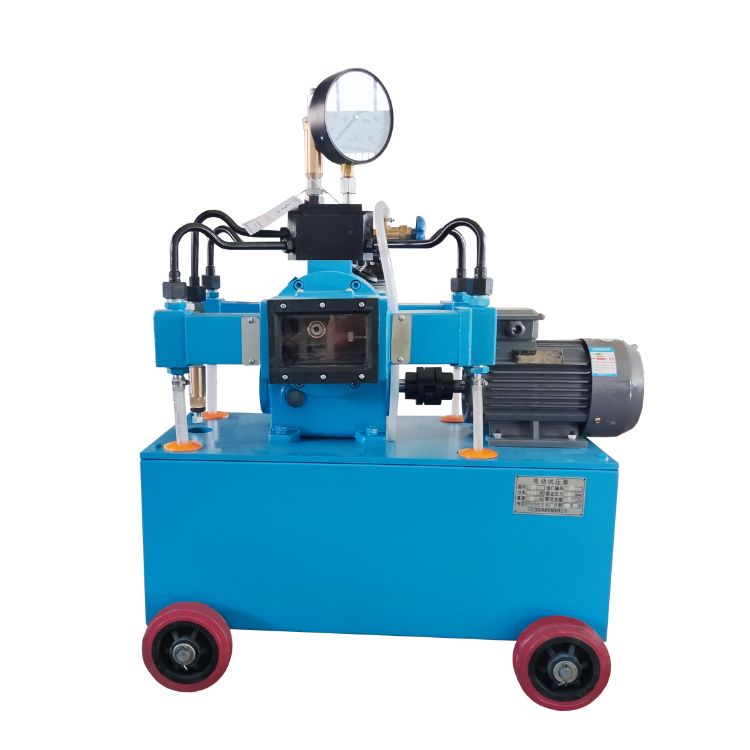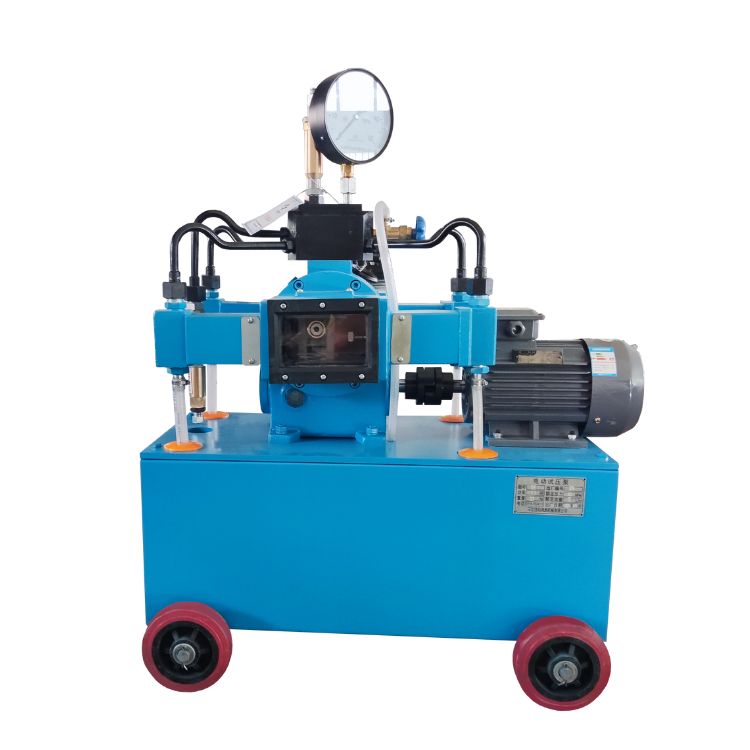














Principle of Water Pressure Testing Equipment
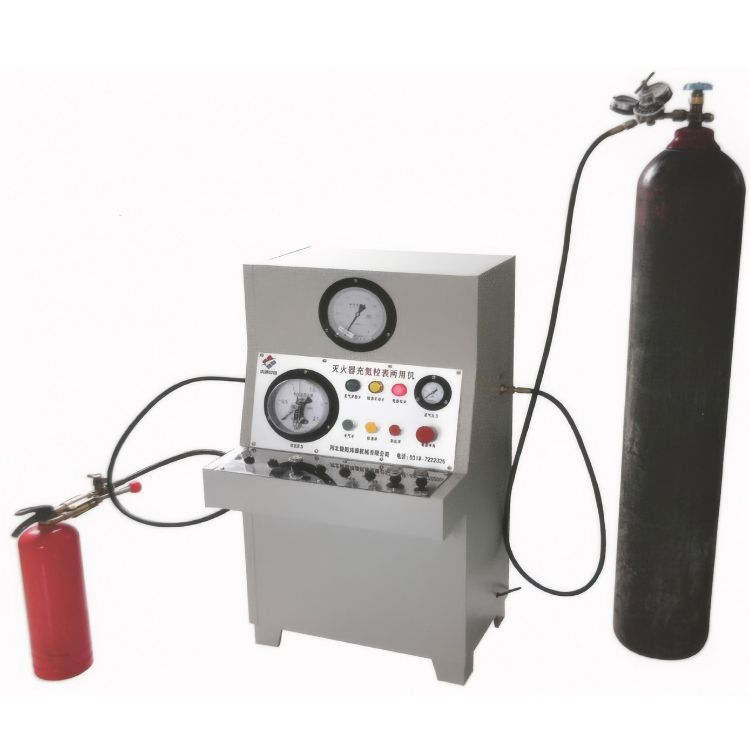
The working principle of the water pressure testing equipment primarily involves the application of pressure sensors, determining the water pressure by measuring the pressure difference generated by the liquid at two different positions.
Hydrostatic pressure sensors are a crucial component of pressure detection equipment. They typically contain a thin film or flexible membrane that is subjected to the force of liquid or gas pressure. As water pressure increases, the membrane is compressed or deformed, causing corresponding changes in its electrical properties such as resistance, capacitance, or inductance. These changes are detected and measured by the internal circuit of the sensor and converted into an electrical signal corresponding to the pressure change. Common conversion methods include the Wheatstone bridge, capacitance change measurement, and piezoresistive. The converted electrical signal may require amplification, filtering, and linearization to enhance its stability and accuracy. The processed signal can then be outputted as an analog signal or through a digital interface for use by the user or transmitted to other devices.
Differential pressure measurement is another crucial method for water pressure detection, involving the use of pressure sensors and differential pressure transmitters. The differential pressure sensor introduces the fluid into a measuring chamber between two pressure sensors. As the fluid passes through the chamber, a pressure difference is generated on both sides. The differential pressure sensor converts this pressure difference into an electrical signal, which is then outputted by the differential pressure transmitter. By measuring the electrical signal from the differential pressure sensor, the magnitude of the water pressure can be calculated.
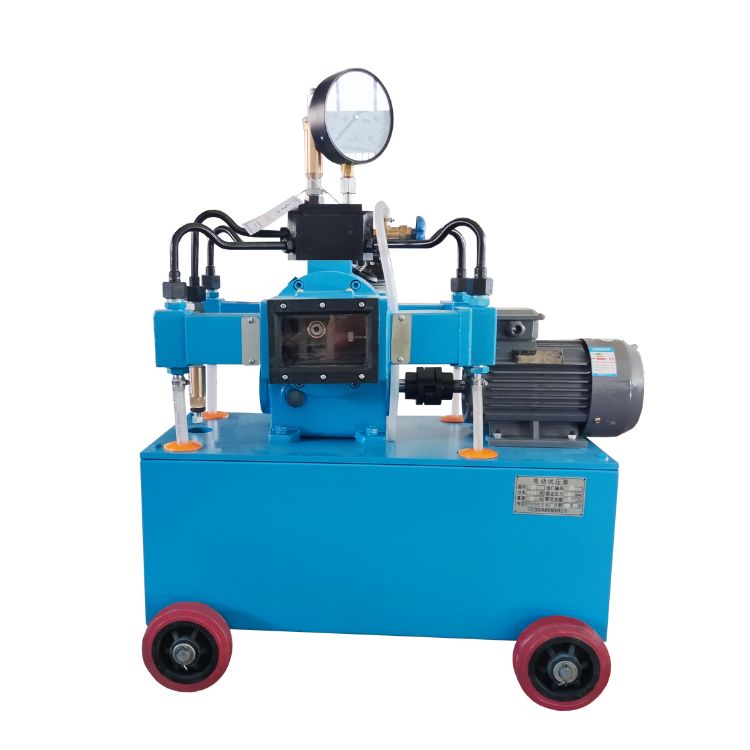
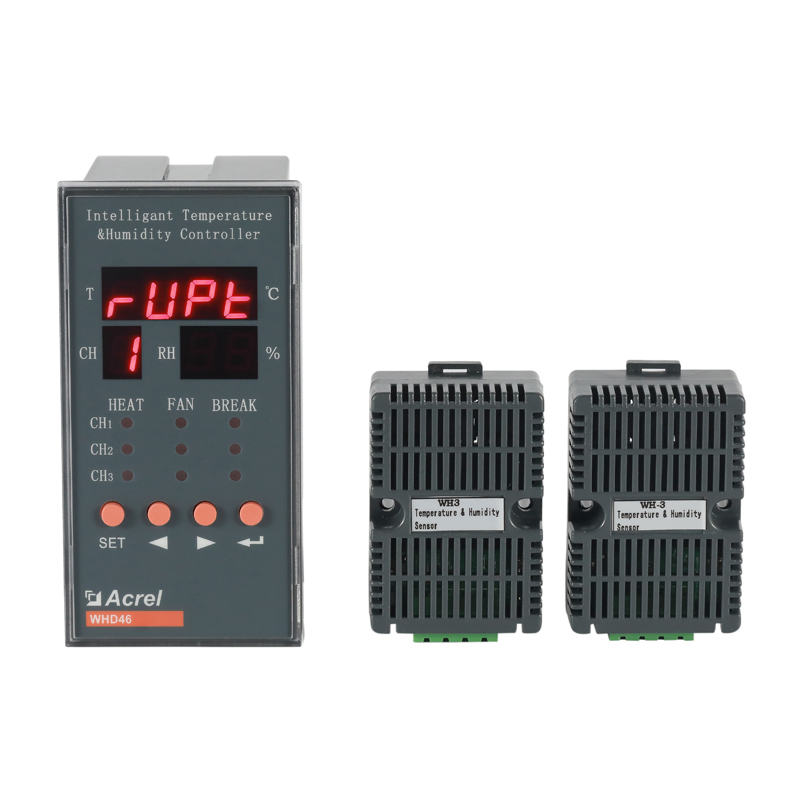
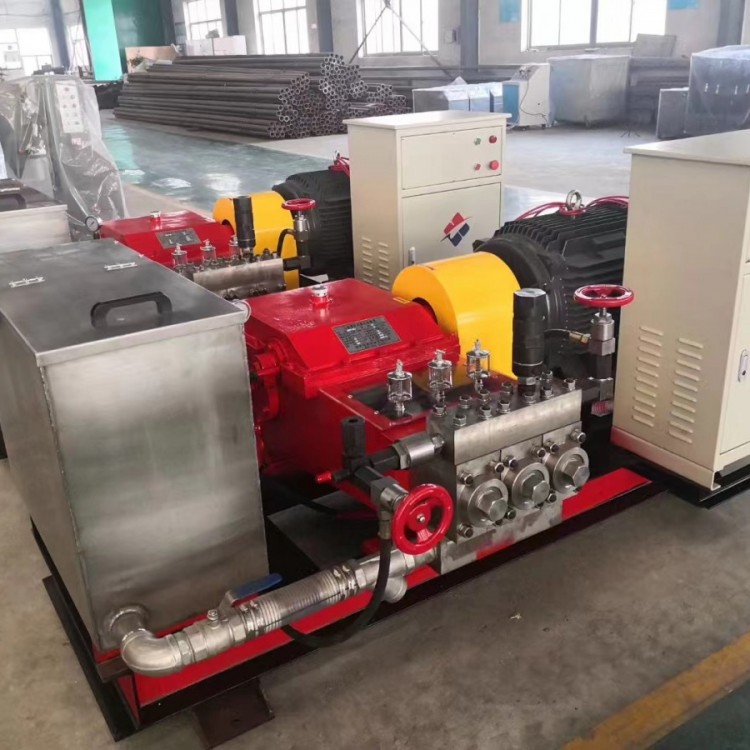
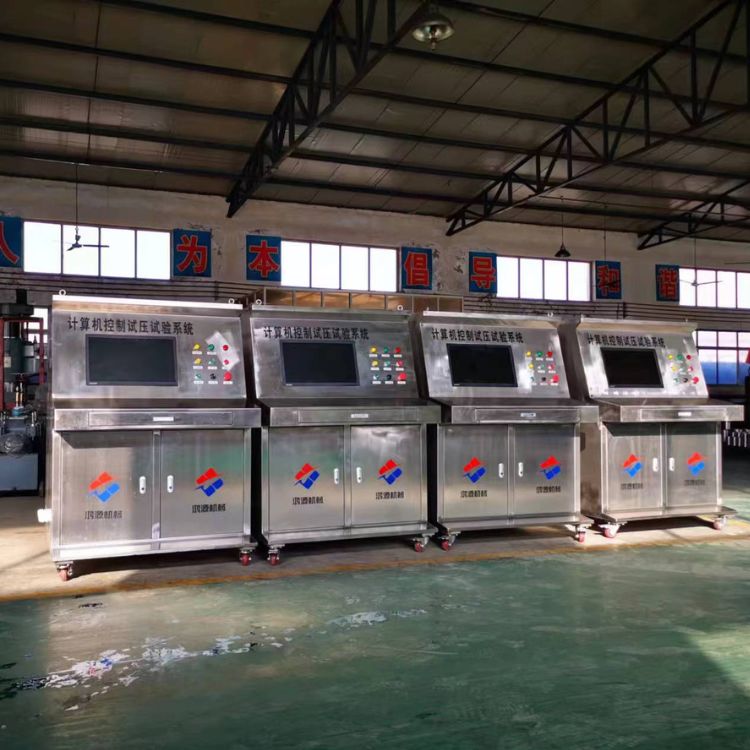
The intelligent part of the water pressure testing equipment, namely the control system, can regulate the operational status of the pressure pump, adjust the water level in the reservoir, and monitor the pressure values of the testing equipment. The control system can also record test data, generate test reports, facilitating user data analysis and comparison. The hardware part of the entire system is mainly composed of the master unit, slave unit, human-machine interface, field sensors, and executable components, working together to achieve overall automatic coordination of the system, completing tasks such as hydrostatic testing of steel pipes.