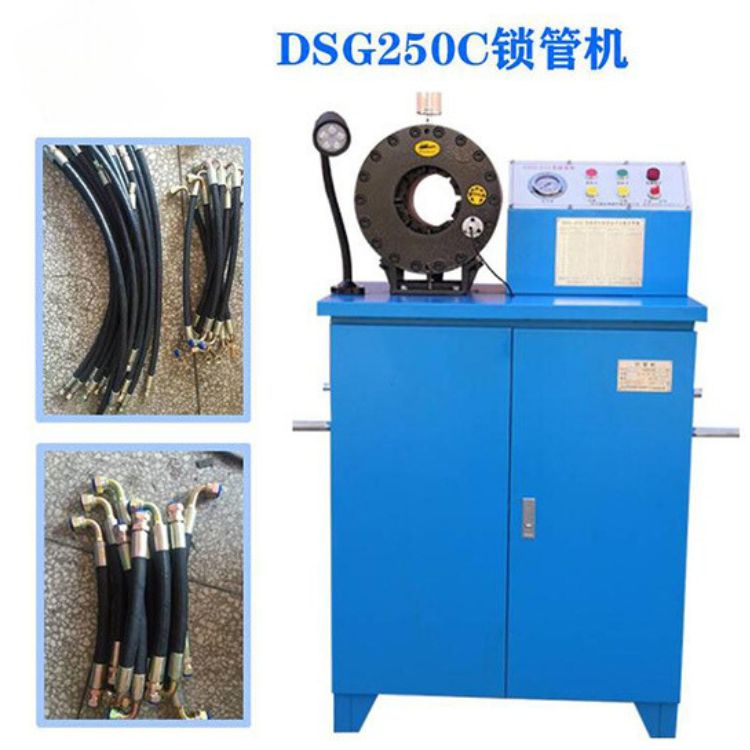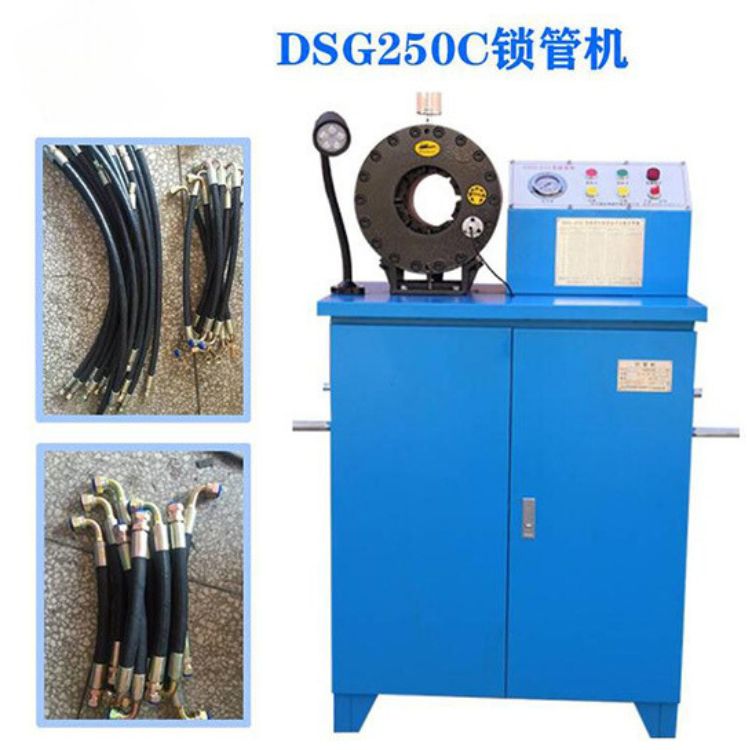

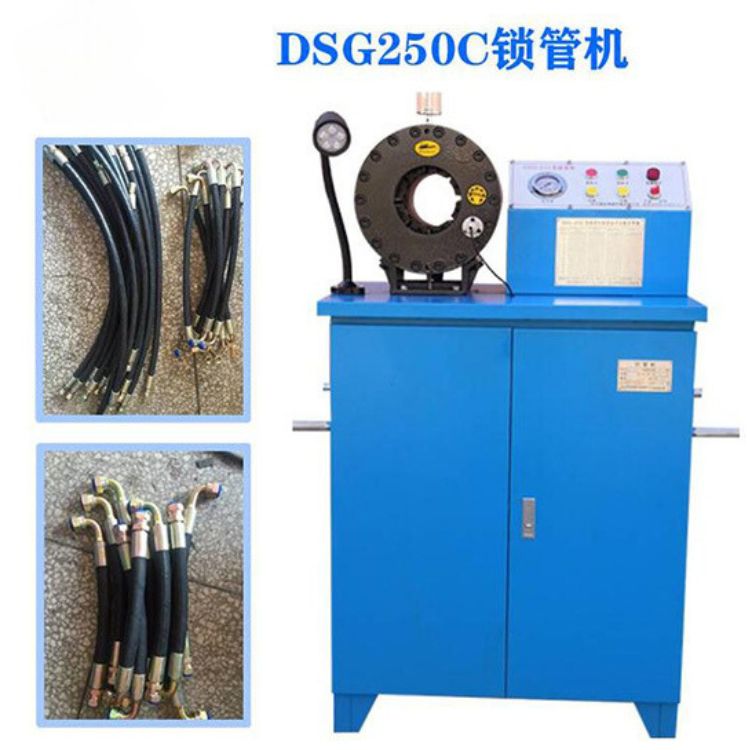

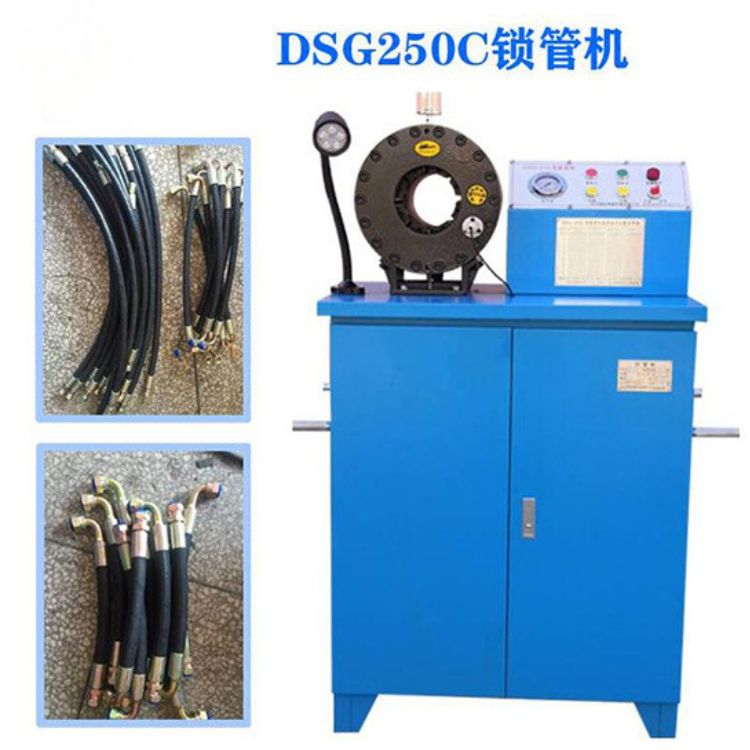
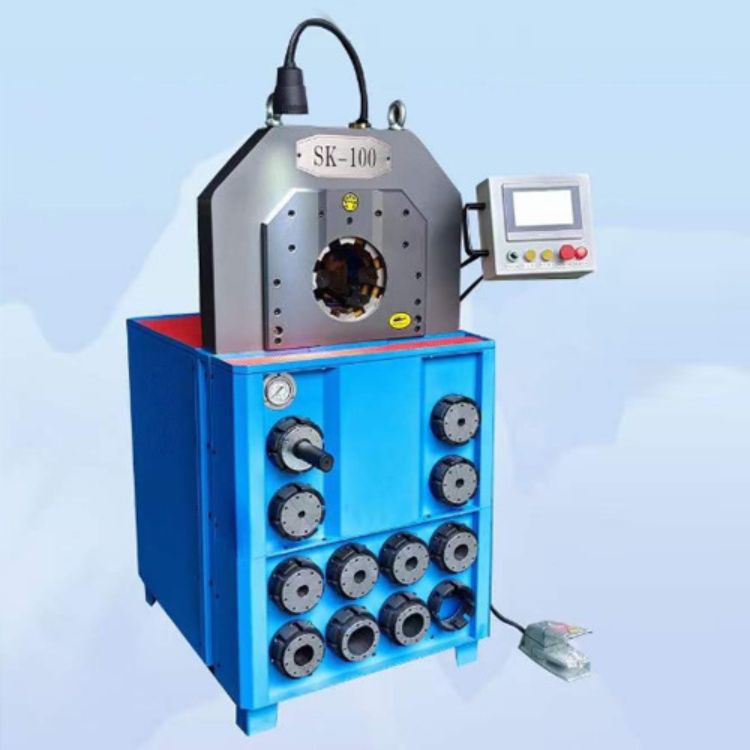









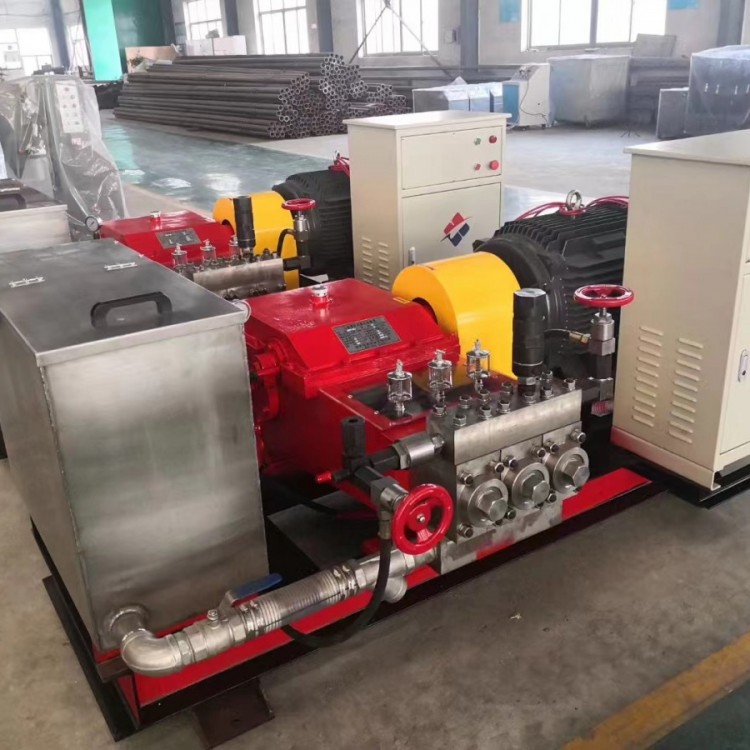
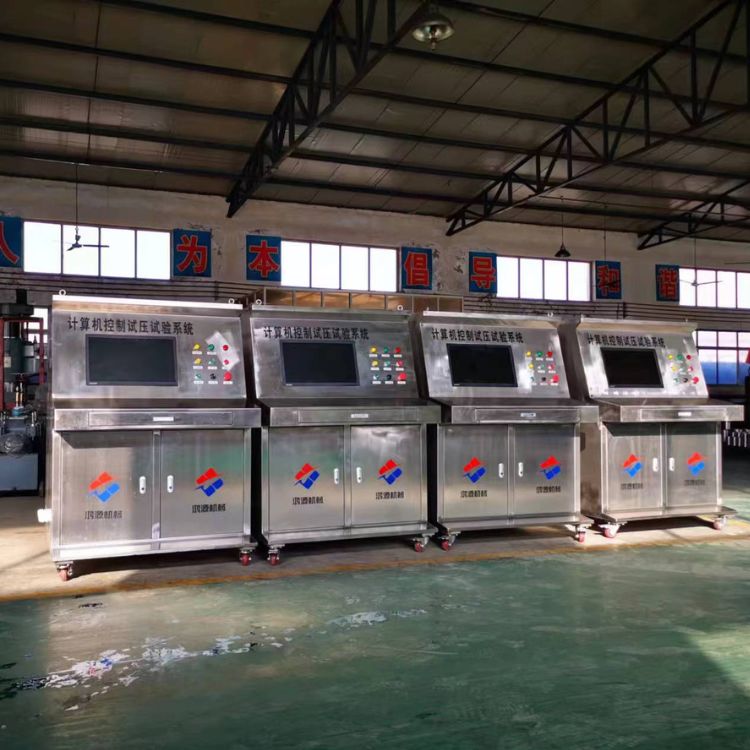


The locking tube machine operates primarily through the process of the hydraulic system. Specifically, the machine uses an oil pump, driven by an electric motor, to output hydraulic oil, which then pushes the plunger within the clamping cylinder forward. This movement causes the plunger and two inner conical sleeves on the front cylinder cover to push the mold base with symmetrical conical surfaces radially inward, thereby achieving clamping on the rubber hose. When the contraction reaches the scale's set value, the clamping automatically stops. Subsequently, the electromagnetic directional valve switches direction, hydraulic oil enters the two mold opening cylinders, pushing the plunger in the opposite direction, and the mold base, under the action of springs, returns the module to its original position.
The locking tube machine's operation can be broken down as follows: The clamping mechanism is its main working component. Under the action of the cylinder's piston, the sleeve performs reciprocating motion, continuously tightening and releasing the spring-loaded head mounted on the front plate. After placing the assembled joint into the appropriate position in the center circular hole of the spring-loaded head, the motor is activated to drive the oil pump. By controlling the electromagnetic directional valve, the cylinder piston is propelled forward, and the sleeve with an internal conical hole tightens the spring-loaded head with the same taper, achieving the bonding purpose. Upon pressing the mold release button, the piston drives the sleeve in the opposite direction, the spring-loaded head returns to its original position, and at this point, the hose connector can be removed from the locking tube machine.