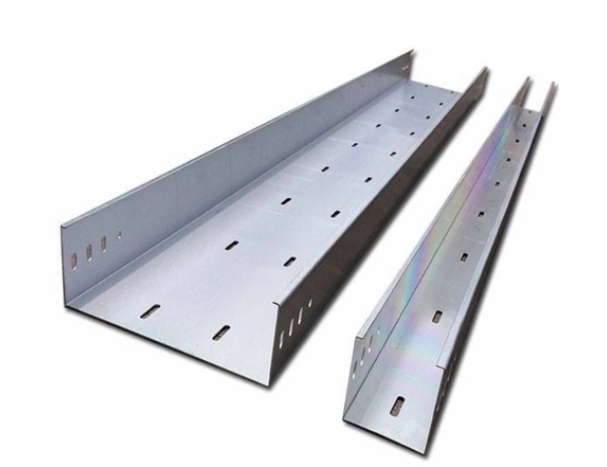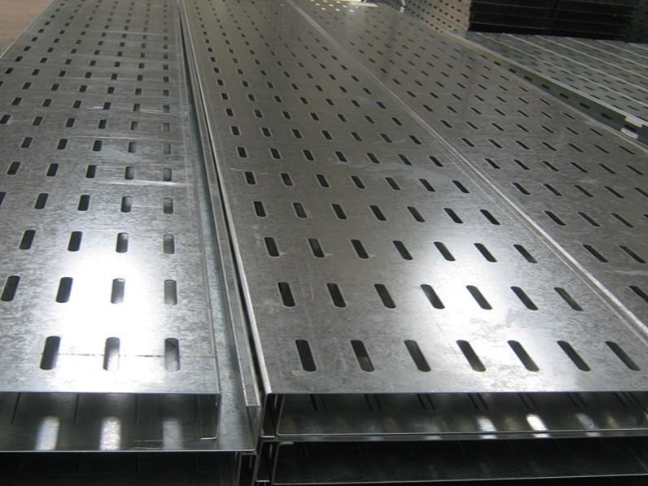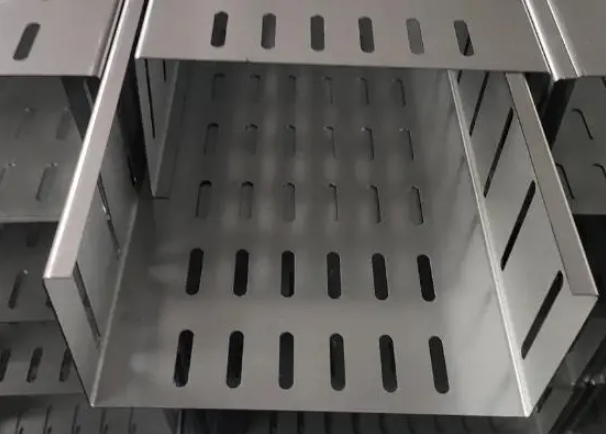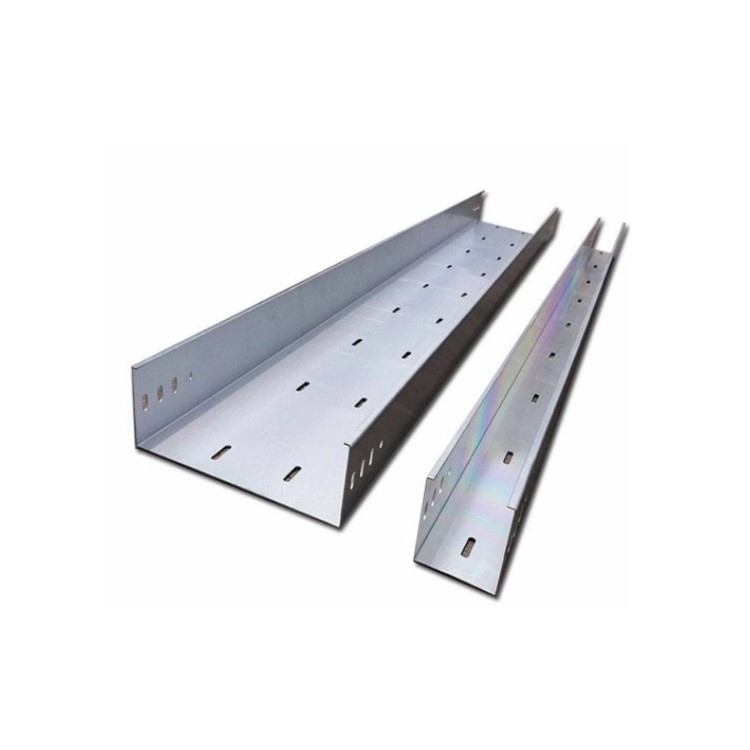

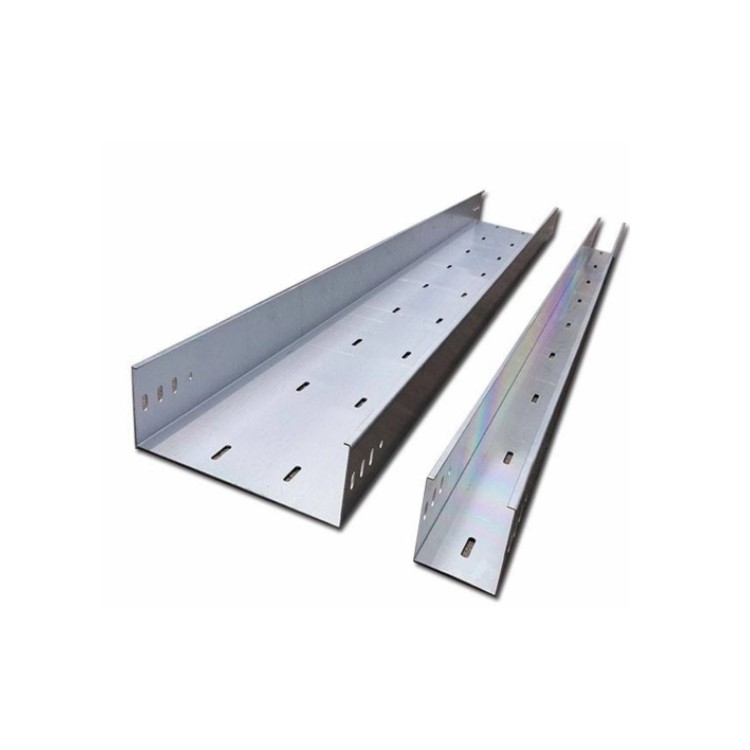
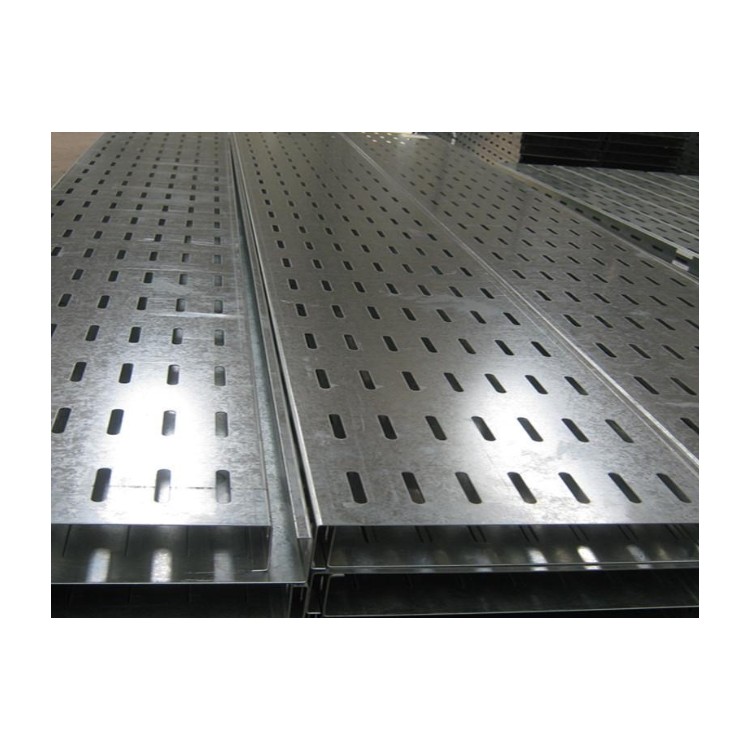
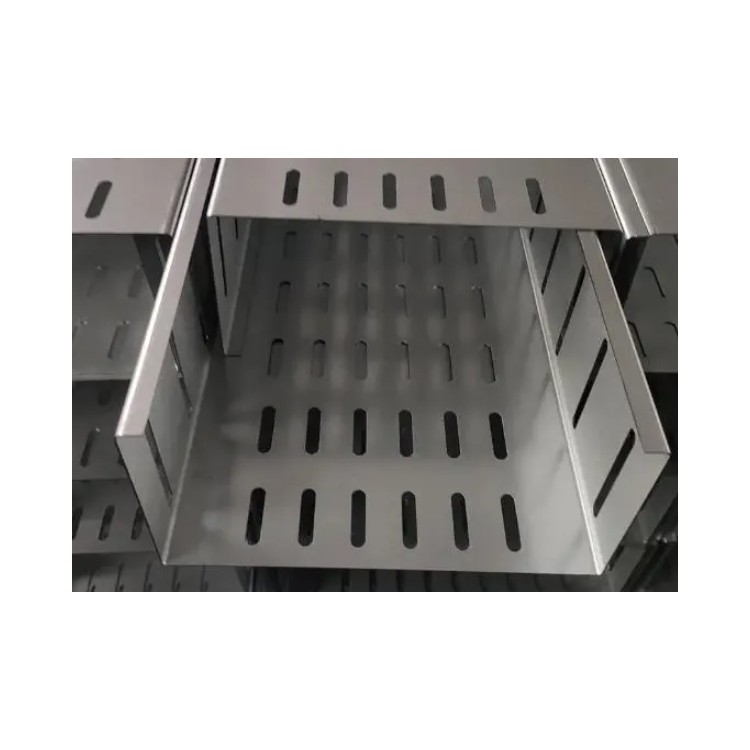









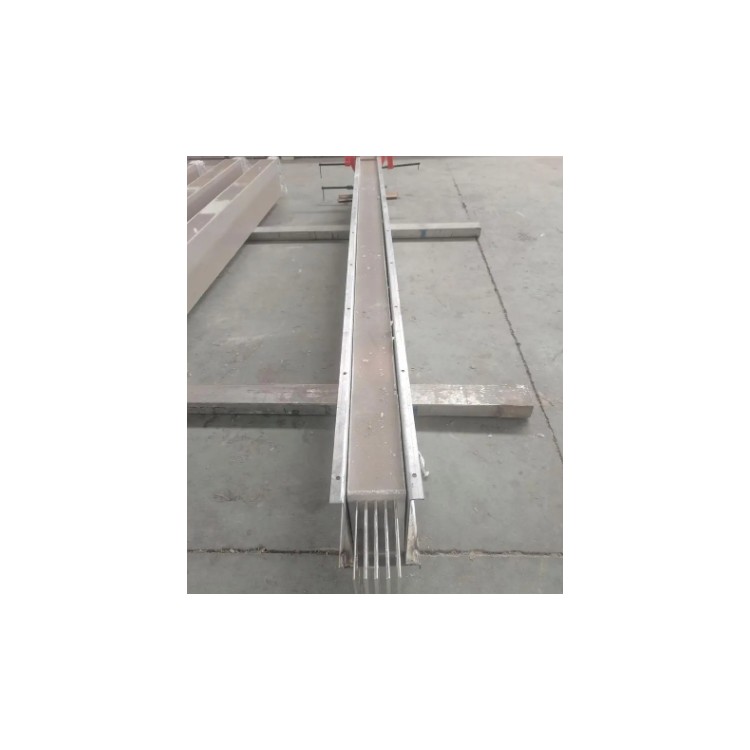
A tray bridge is a specialized type of bridge, primarily used for supporting and protecting cables, wires, or other pipelines, enabling them to safely traverse various areas such as buildings, facilities, factories, roads, etc. Below is a detailed introduction to tray bridges:
I. Structural Features
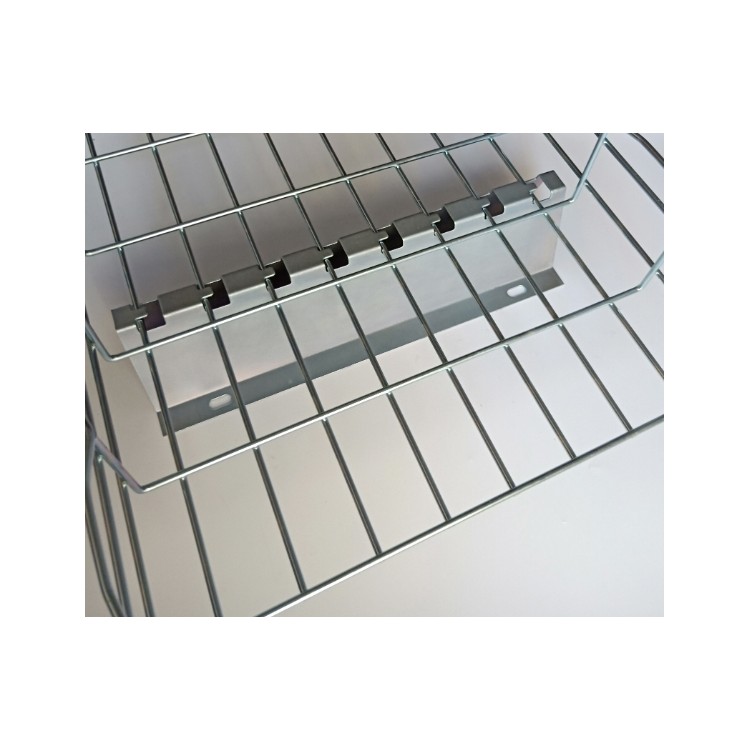
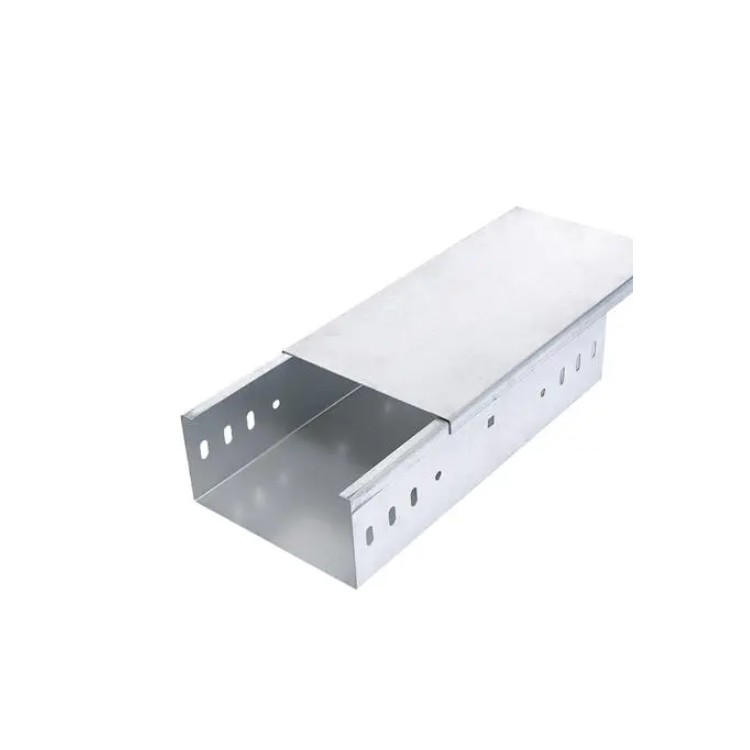
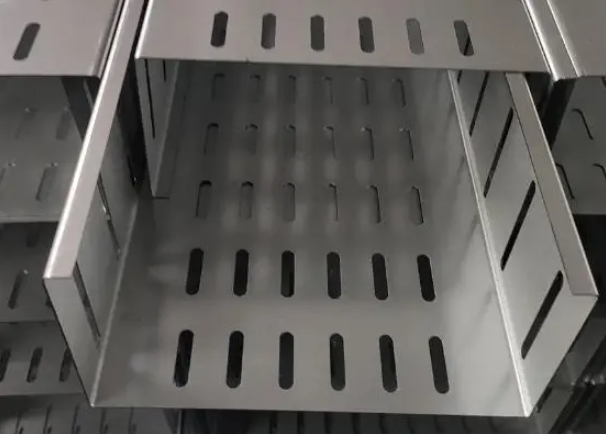
Shape designThe tray bridge's main feature is its design in the shape of a tray, resembling a shallow bowl or trough, hence the name "tray bridge." This design allows the bridge to accommodate and secure cables, protecting them from external environmental damage.
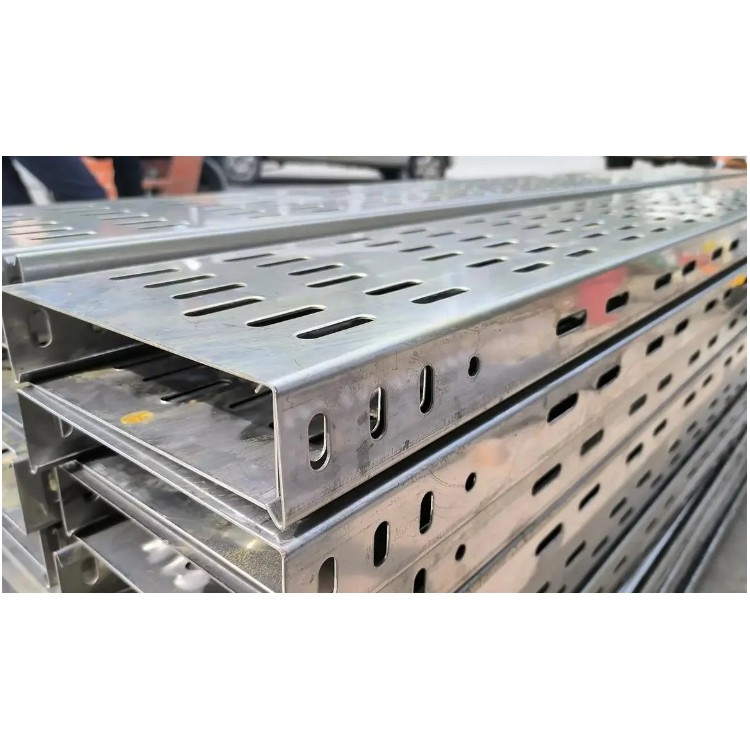
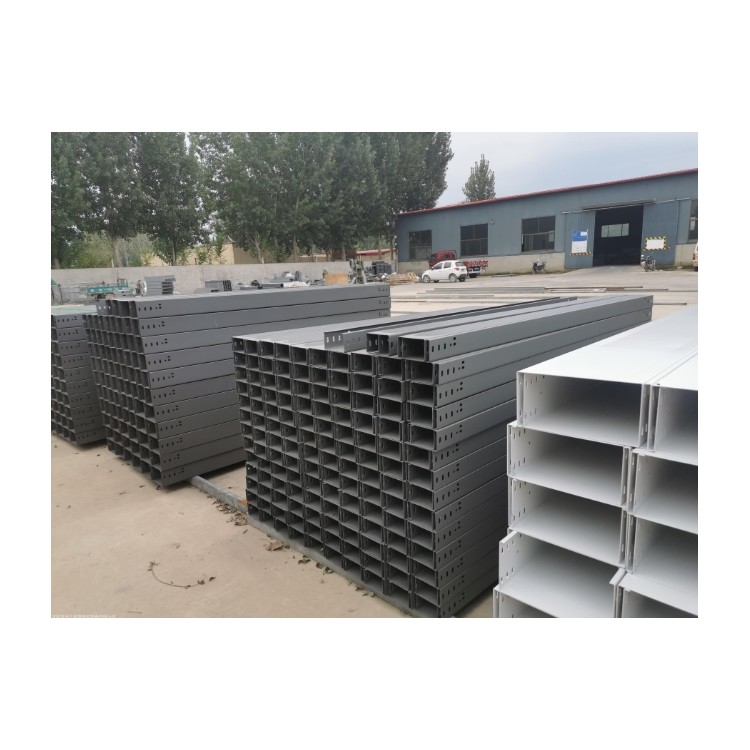
MaterialSkid-type bridge channels are typically made of steel or glass fiber reinforced plastic (FRP), materials that offer excellent mechanical properties and corrosion resistance, meeting the usage requirements under various environmental conditions.
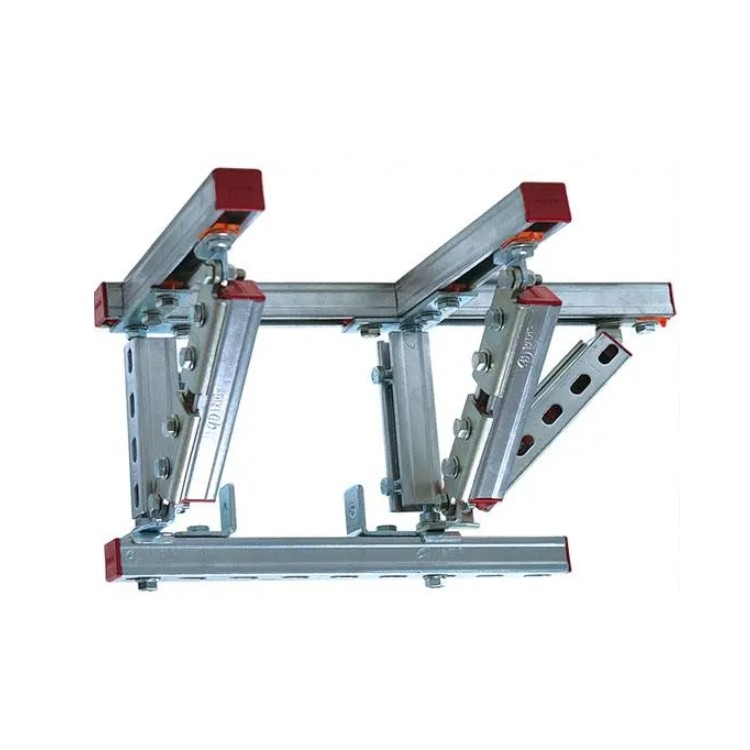
Structure compositionThe tray bridge consists of a series of interconnected beams, forming a grid-like structure. This design is not only sturdy and reliable but also flexible for adjustments as needed.
II. Features
ProtectiveThe tray-type bridge provides excellent protection for cables and pipelines, preventing damage from external elements such as dust, moisture, and chemicals, thereby extending their service life.
FlexibilityThe tray bridge can be designed in a modular manner, allowing for assembly into various shapes and sizes to accommodate different wiring requirements. Additionally, the internal space of the bridge can be adjusted according to the number and specifications of the cables.
VentilationThe hollow structure design of the tray-type bridge provides air circulation, aiding in heat dissipation and preventing cables from overheating. This is of great significance in enhancing the operational efficiency and safety of electrical equipment.
Easy to installSkid-mounted bridge structures feature a simple installation design, allowing for quick setup and adjustment, saving time and labor costs. Additionally, their modular design facilitates easy maintenance and replacement in the future.
ReliabilityThe tray-style bridge supports provide a stable structure, reliably protecting cables from damage and reducing maintenance and replacement costs. This is of great significance for ensuring the normal operation of electrical equipment and extending its service life.
Section 3: Application Fields
Tray-style bridge supports are widely used in various buildings and industrial sites, particularly in large facilities and factories. They are not only suitable for the installation and control of power cables but also for the laying of communication cables and other integrated cabling systems. The use of tray-style bridge supports ensures a neat and orderly cable layout, enhancing the aesthetics and safety of the entire system.
In summary, the tray bridge is a powerful, flexible, and reliable cable support system. It not only protects cables from external environmental damage but also enhances the operational efficiency and safety of electrical equipment. In future development, the tray bridge will continue to play a vital role, providing robust support for cable wiring in various building and industrial settings.