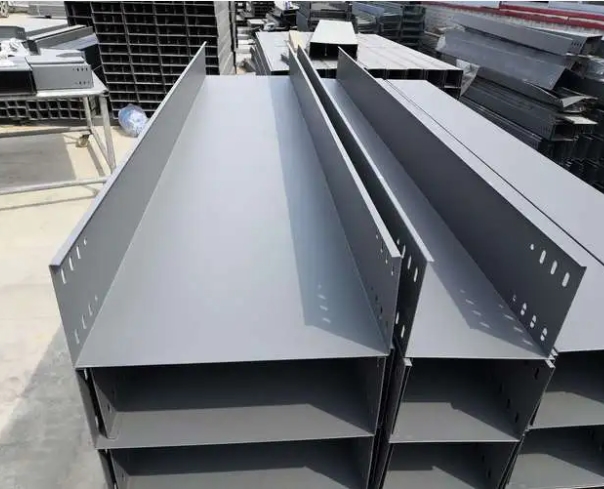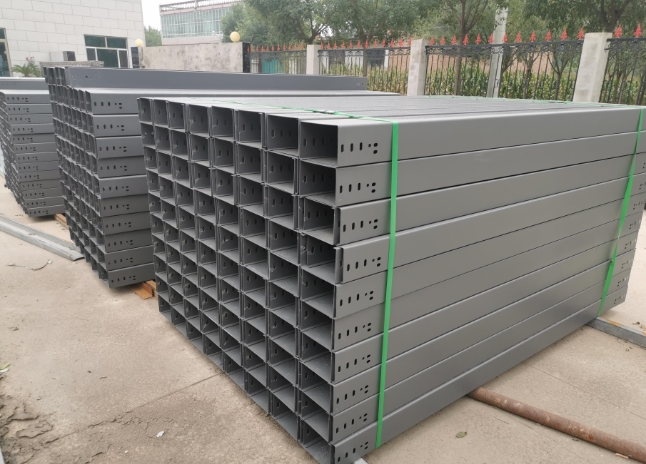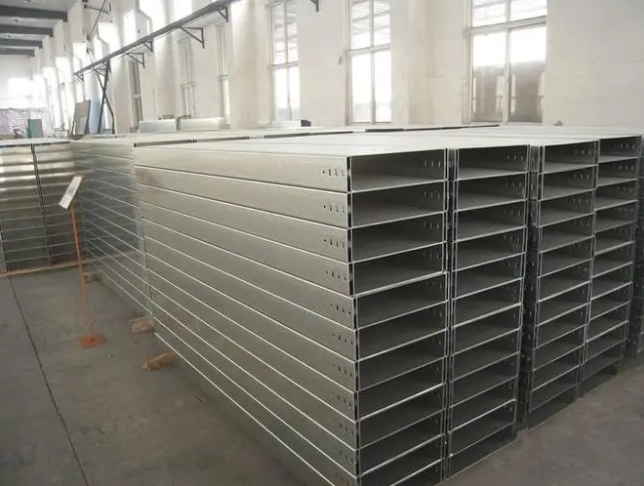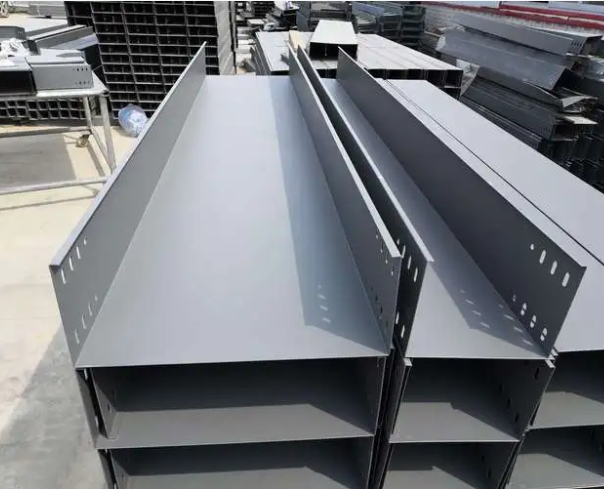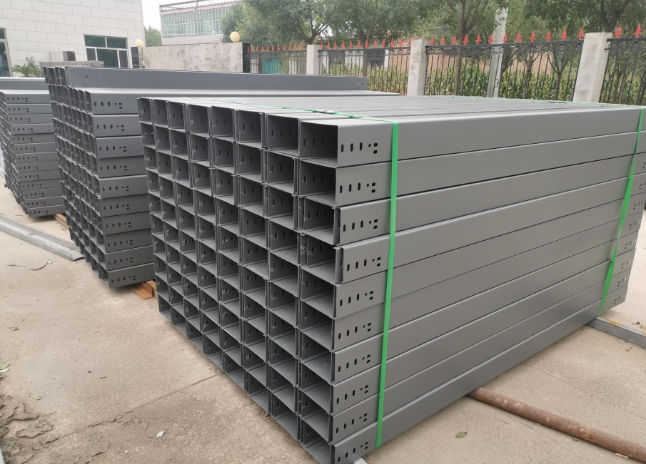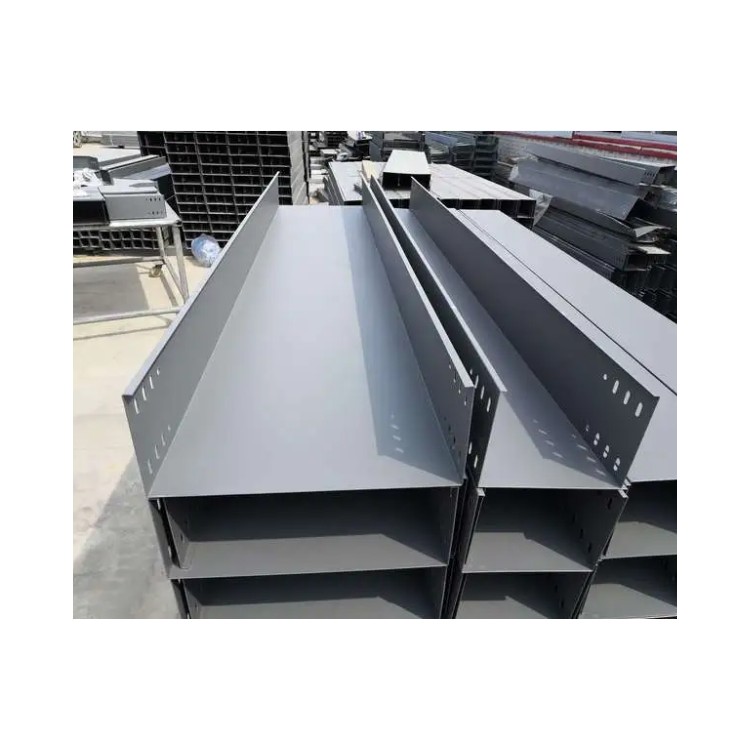

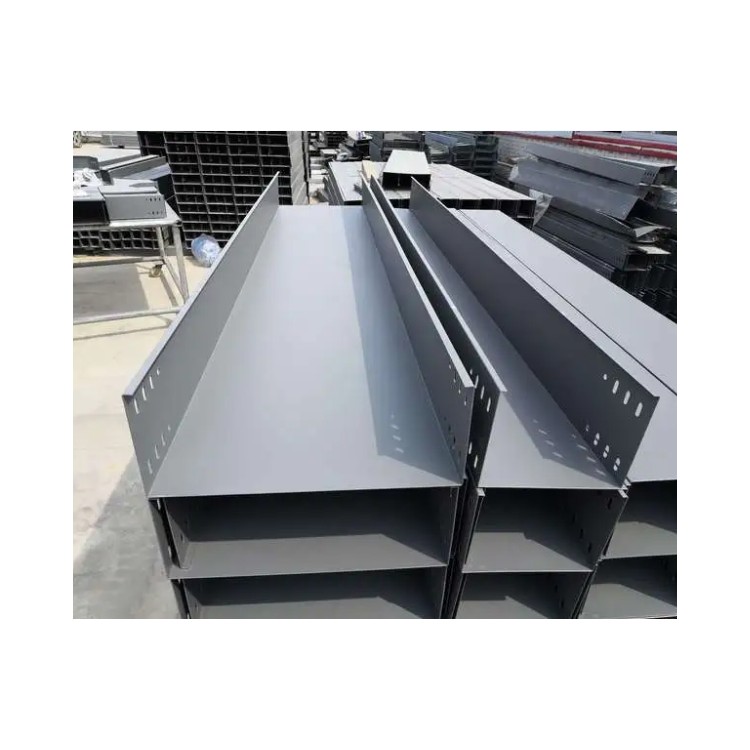
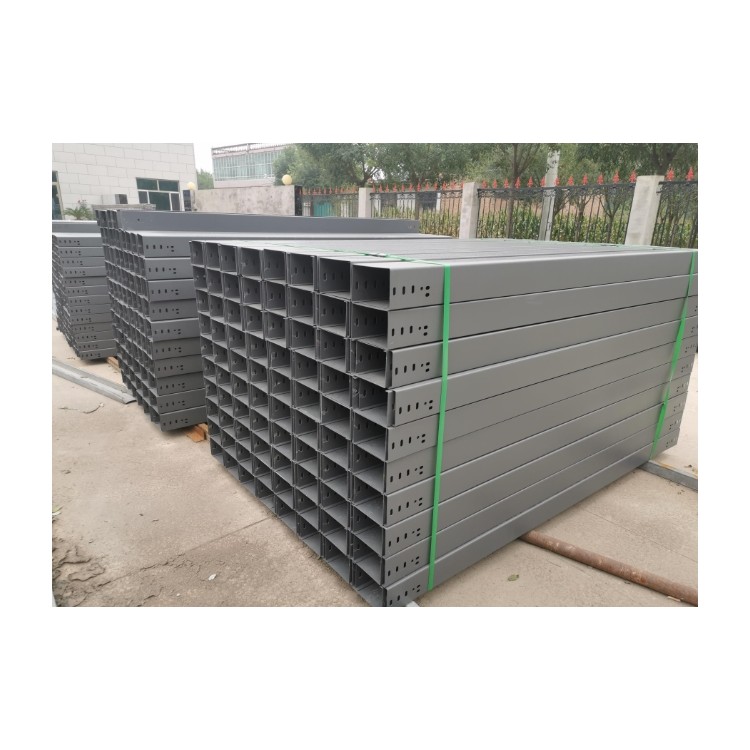
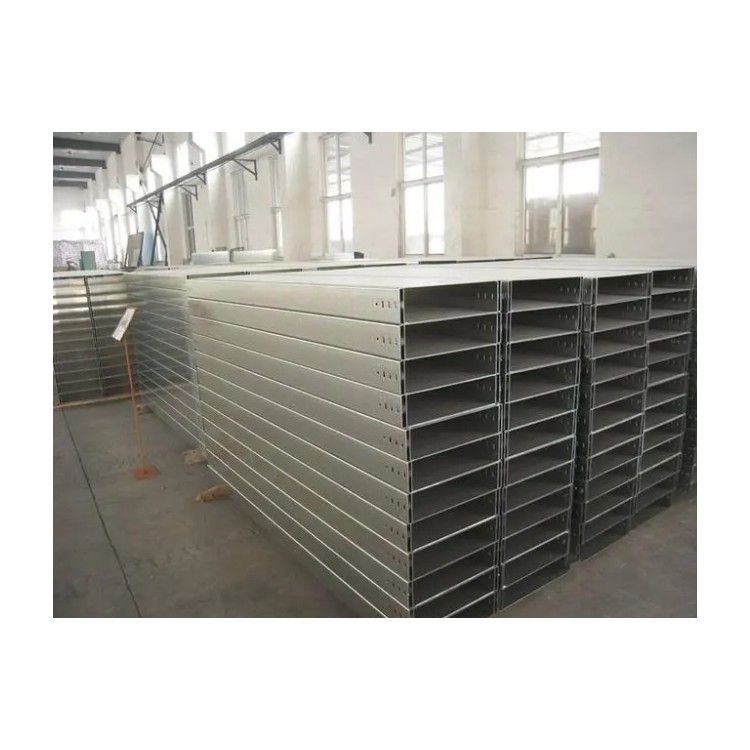


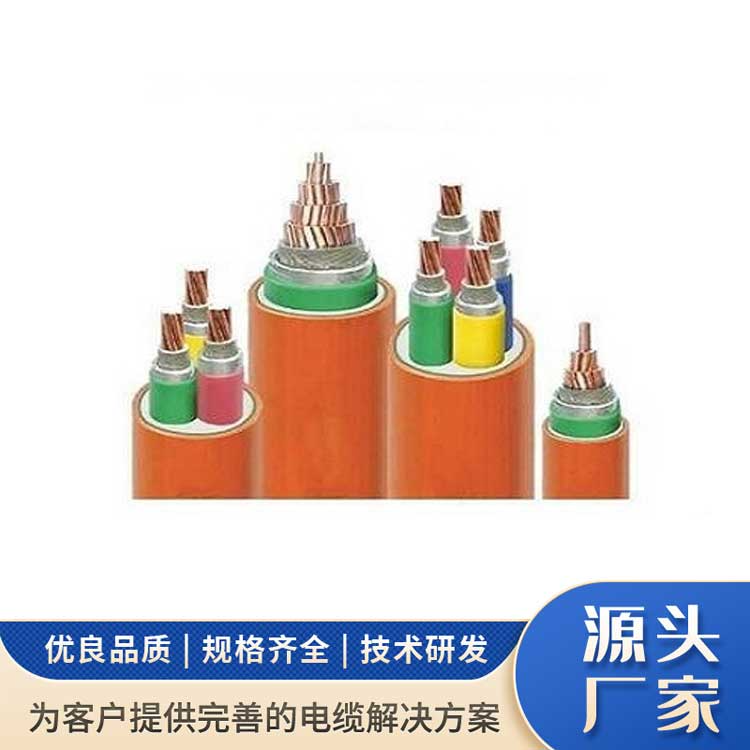





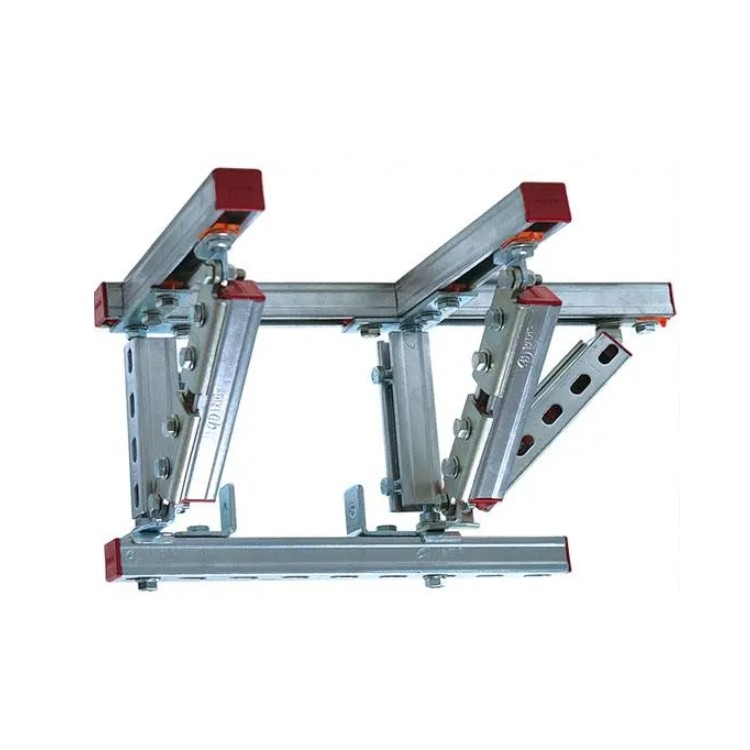
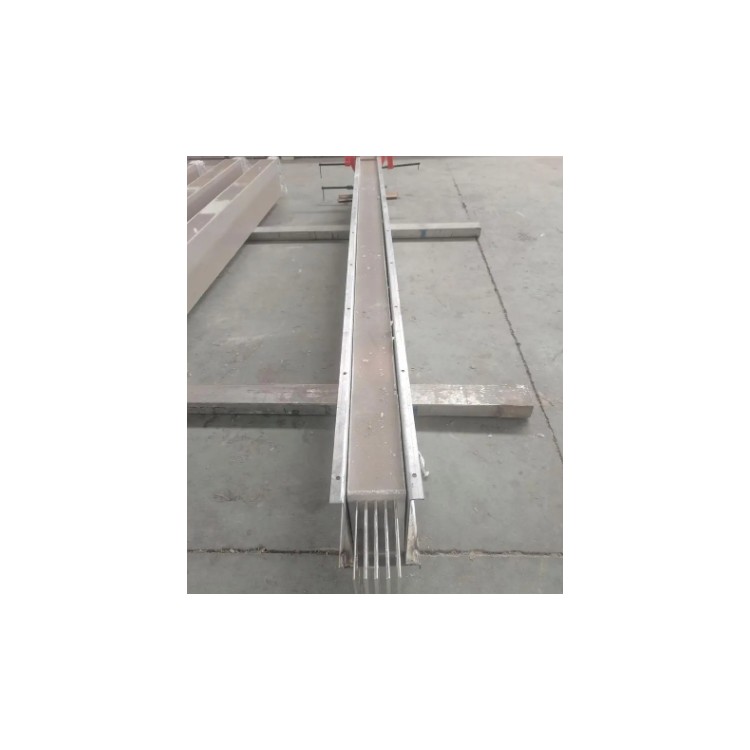
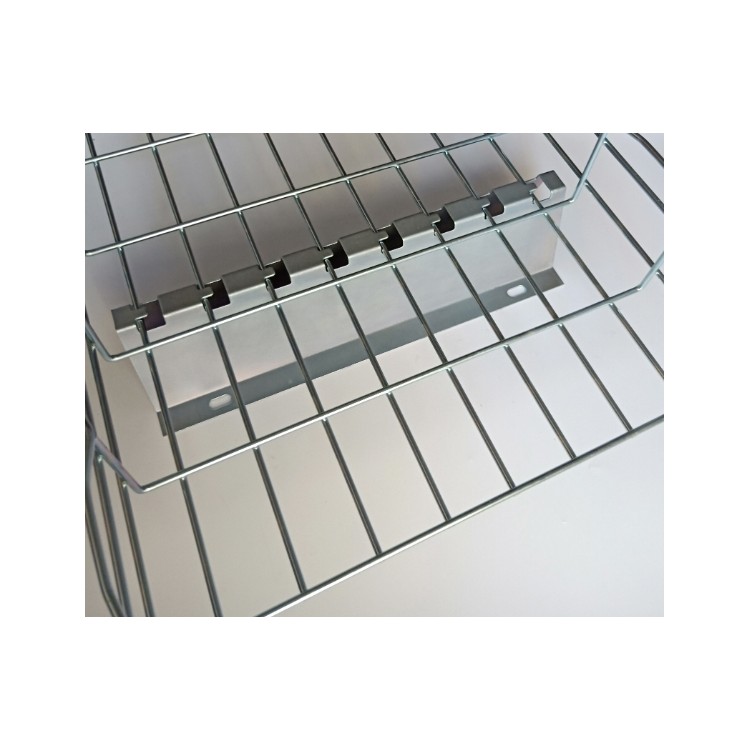
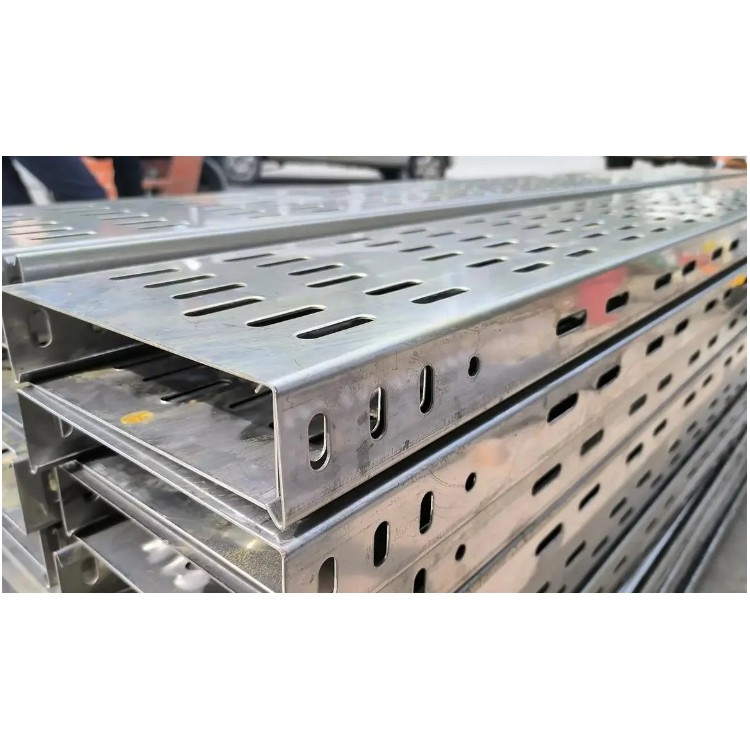
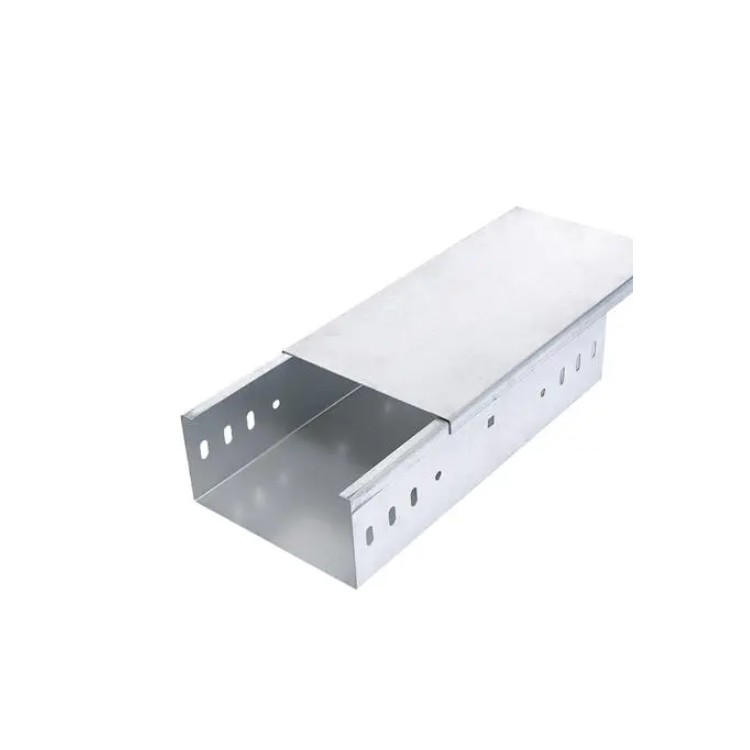
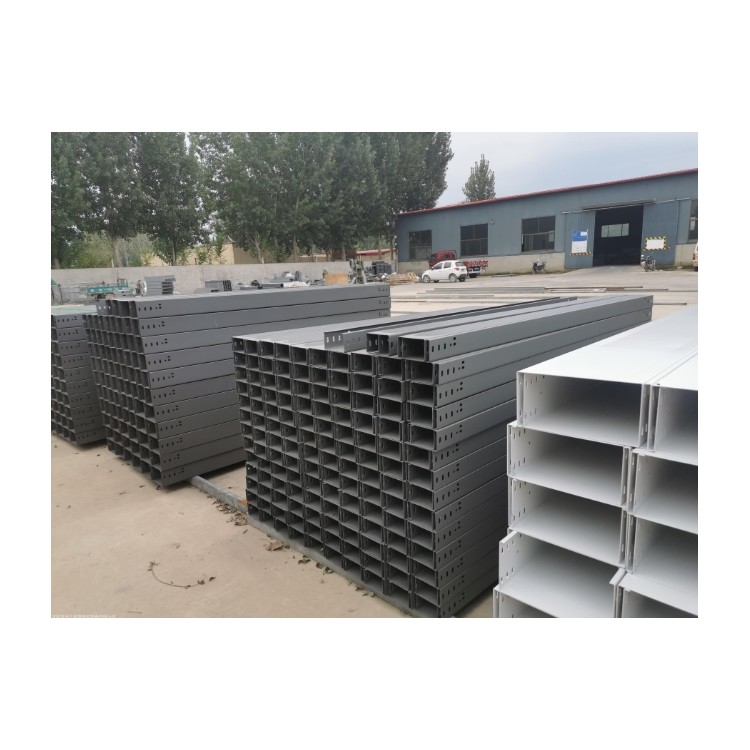
A fire-resistant bridge is a specially designed cable bridge for protecting electrical wires and cables from damage in fire or high-temperature environments. Below is a detailed introduction to fire-resistant bridges:
I. Definition and Application
Fire-resistant bridgeways are constructed with an insulating layer made of fire-retardant materials, providing effective protection for cables and wiring during fires, preventing the spread of flames, and minimizing damage to buildings and personnel. Their primary applications include:
Fire-resistant isolationIsolate the cable from other flammable materials to prevent the spread of fire.
Flame RetardantWithstands high temperatures and prevents flame spread, safeguarding cables from direct heat and flame damage.
Smoke ControlReduce the spread of smoke and toxic gases during fires, providing time and space for personnel evacuation.
Insulation protectionProvide insulation protection for cables to prevent damage from heat and flames during a fire.
Material and Construction
Fire-resistant bridge supports are typically made from a combination of materials to enhance their fire-resistant properties and structural strength, including:
Refractory materialsRock wool, aluminum silicate felt, etc., used for making insulation layers to enhance the fire resistance duration of bridgeways.
Metal MaterialsWe offer bridge support structures made of steel plates and stainless steel, providing load-bearing capacity and stability.
Composite materialsAs glass fiber reinforced plastics, they offer excellent corrosion resistance and fire-retardant properties.
Fire-resistant bridge supports come in a variety of construction types, including channel, tray, ladder, partition, combination, and mesh styles, to accommodate different laying requirements and environmental conditions.
III. Performance Features
Excellent fire-resistant propertiesWithstands high temperatures and prevents flame spread, ensuring cable safety.
High structural strengthMade of metal or composite materials, offering high load-bearing capacity and stability.
Excellent corrosion resistanceBridge structures made of composite materials like glass fiber reinforced plastics can withstand erosion from a variety of chemicals.
Easy installation and maintenanceThe bridge structure is simple, easy to install, and convenient for maintenance and inspection.
Section 4: Application Range
Fire-resistant bridge supports are widely used in various locations requiring fire protection, such as:
Interior of the buildingFire-resistant isolation protection for cable routing through fire partitions, boards, floors, etc.
Public PlaceEnsure cables operate normally during fires, such as in subways, airports, and nuclear power plants.
Special IndustrySuch facilities as oil fields, chemical plants, and ships have higher fire-resistant requirements for cables.
V. Selection and Installation Recommendations
When selecting fire-resistant bridgeways, choose based on actual needs and engineering environment, taking note of the following points:
Understand fire ratingSelect the appropriate bridge way according to the fire prevention grade requirements of the building or site.
Consider load-bearing capacitySelect the appropriate ladder tray specifications based on the quantity and weight of the cables.
Focus on material and performanceSelect bridge material with good fire-resistant and corrosion-resistant properties.
Pay attention to installation details.Ensure the bridge installation is secure, stable, and complies with relevant safety standards.
When installing fire-resistant bridgeways, strictly adhere to relevant standards and regulations to ensure the quality of installation and fire resistance. Also, pay attention to matching and coordination with cables to avoid potential safety hazards.