








Four-winged saltbush is a xerophytic or mesophytic plant, prefers sunlight, does not tolerate shade, and is not resistant to humidity. Its root system is well-developed; the roots of one-year-old seedlings in the open field can reach 3 to 4 meters deep, and those of two-year-old plants can reach 4 to 6 meters, which is about five times the height of the plant.
Four-winged saltbush is widely used for road embankment stabilization and soil conservation, but is primarily employed for pasture improvement. In the southwestern United States, it is extensively planted alongside many highways, both to reinforce road protection and to assist overburdened pastures in increasing their productivity.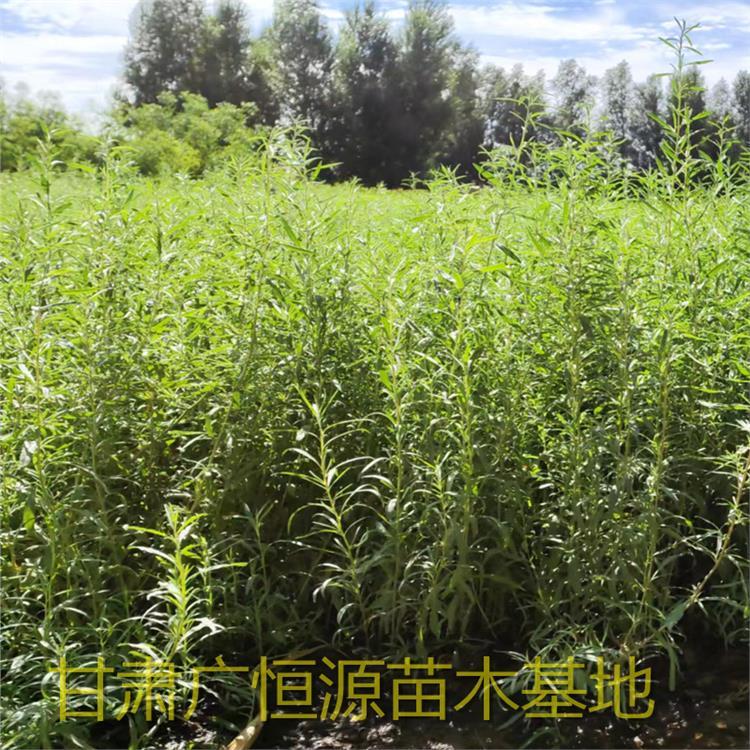
The value and excellent characteristics of Salsola collina var. mongolica primarily include four points: First, it is drought-resistant and cold-tolerant, thriving well in arid and semi-arid deserts with an average annual precipitation of 350mm, an average annual temperature of around 5°C, and an extreme low temperature of -40°C. Second, it is salt-tolerant; experiments show it grows well in soil with a salinity of 1.3%. Planting one acre (equivalent to 6 mu) of Salsola collina var. mongolica can absorb over a ton of salt from the soil in a year, reducing the salinity to a level suitable for growing other crops after planting in abandoned farmland. It is an excellent plant for soil improvement in saline-alkali soils, sometimes referred to as a "biological desalinator" for transforming saline flats. Third, it is nutrient-rich and an excellent forage shrub. After regrowing in spring, it grows rapidly, forming a forest within the same year. Its roots are extensive and contain nitrogen-fixing nodules. It can be harvested three times a year, providing considerable forage yield and rich nutritional value. The Salsola collina var. mongolica also has the ability to accumulate selenium, further enhancing the quality of the forage. It has strong recovery capabilities, is resistant to grazing, and is significantly superior to other forage plants, making it a valuable forage shrub in desert, semi-desert, and arid regions. Fourth, it has a wide range of adaptability and is an excellent species for soil and water conservation and desert transformation. Salsola collina var. mongolica can grow not only in land with good soil and water conditions but also in harsh ecological environments such as arid deserts, loess plateaus, saline-alkali flats, and sandy lands. Since the 1990s, it has been planted and tested in Xining and Qaidam regions (including areas around Dulan and格尔木), growing well and serving as an excellent species for soil and water conservation, pasture improvement, and desert transformation. It grows quickly in its early stages, allowing for early canopy closure. The western part of our country, which is located in arid and semi-arid regions with poor ecological and climatic conditions, has significant desertification and soil erosion, a large area of desertification, low forest coverage, and serious soil and water loss. The land use efficiency is low, making it highly suitable for planting Salsola collina var. mongolica.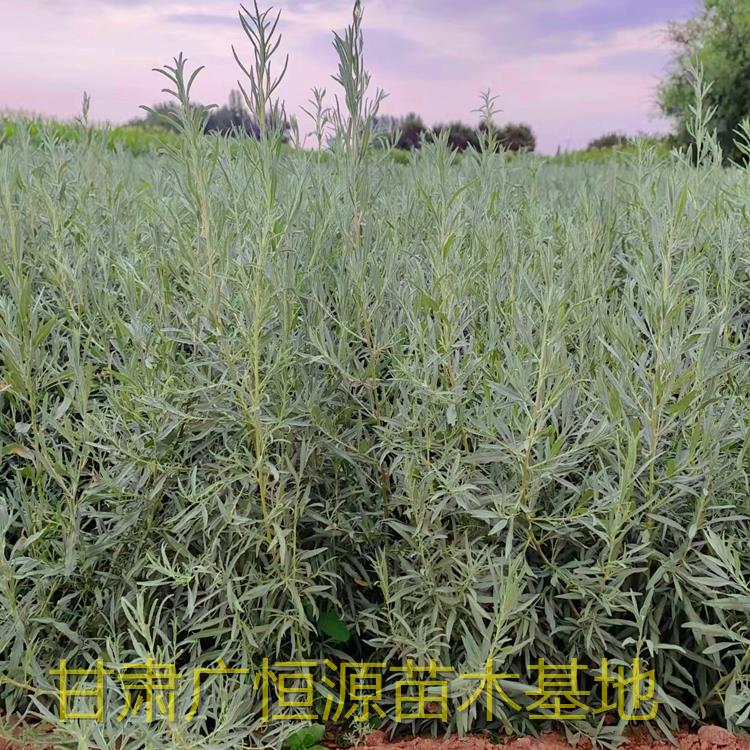
Four-winged saltbush boasts salt and alkali resistance, drought tolerance, cold resistance, rich nutrition, and a wide range of adaptability. By combining our national strategy with the climate and soil environment of the western region, we are intensifying regional promotion. It will play an invaluable role in improving barren hills and lands in the northwestern region, conserving water, soil and water conservation, and greening of roads and communities.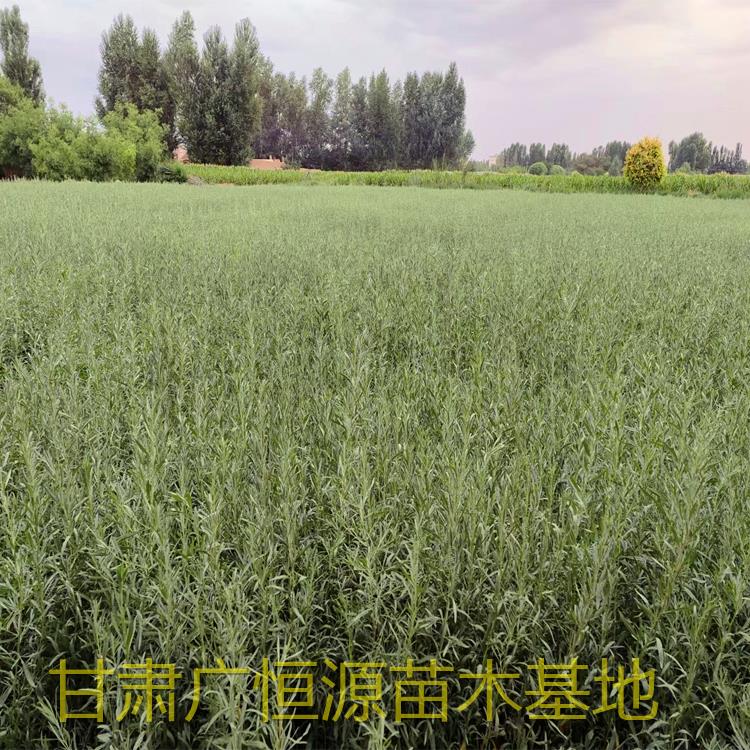
Four-winged saltbush is a valuable and excellent forage shrub for desert, semi-desert, and mountain arid lands, with good palatability for livestock. Its branches and leaves contain over 12% crude protein (with leaves containing 21.64% and branches containing 8.32%). High in protein, it serves as an excellent feed for raising cattle and sheep. Its feedability and meat yield are comparable to several common feed sources (see table). Additionally, the biomass of four-winged saltbush is substantial, reaching 23 tons per hectare, especially not easily buried under snow in winter and spring, thereby enhancing the region's ability to combat "white disaster." Establishing a forage shrub forest of four-winged saltbush is of great significance in arid climates, low grassland yields, and regions with severely insufficient livestock feed. China currently faces a significant feed supply gap. Statistics show that the annual feed demand in China is approximately 200 million tons, but the total production is only around 74 million tons.
Four-winged saltbush is a xerophytic plant, preferring sunlight, with tolerance to drought, cold, and salinity. Rich in nutrition, it is an excellent forage shrub. After four years of planting, its yield can feed one sheep, colloquially known as the "sheep-raising tree" of the desert. It is a great species for soil and water conservation, pasture improvement, and desertification transformation. The precious Cistanche deserticola can parasitize on the roots of the four-winged saltbush, hailed as the "Desert Ginseng." Calculations show that one mu of four-winged saltbush can produce 500 kilograms of Cistanche deserticola.
WeChat Official Account

Scan to follow Official Account