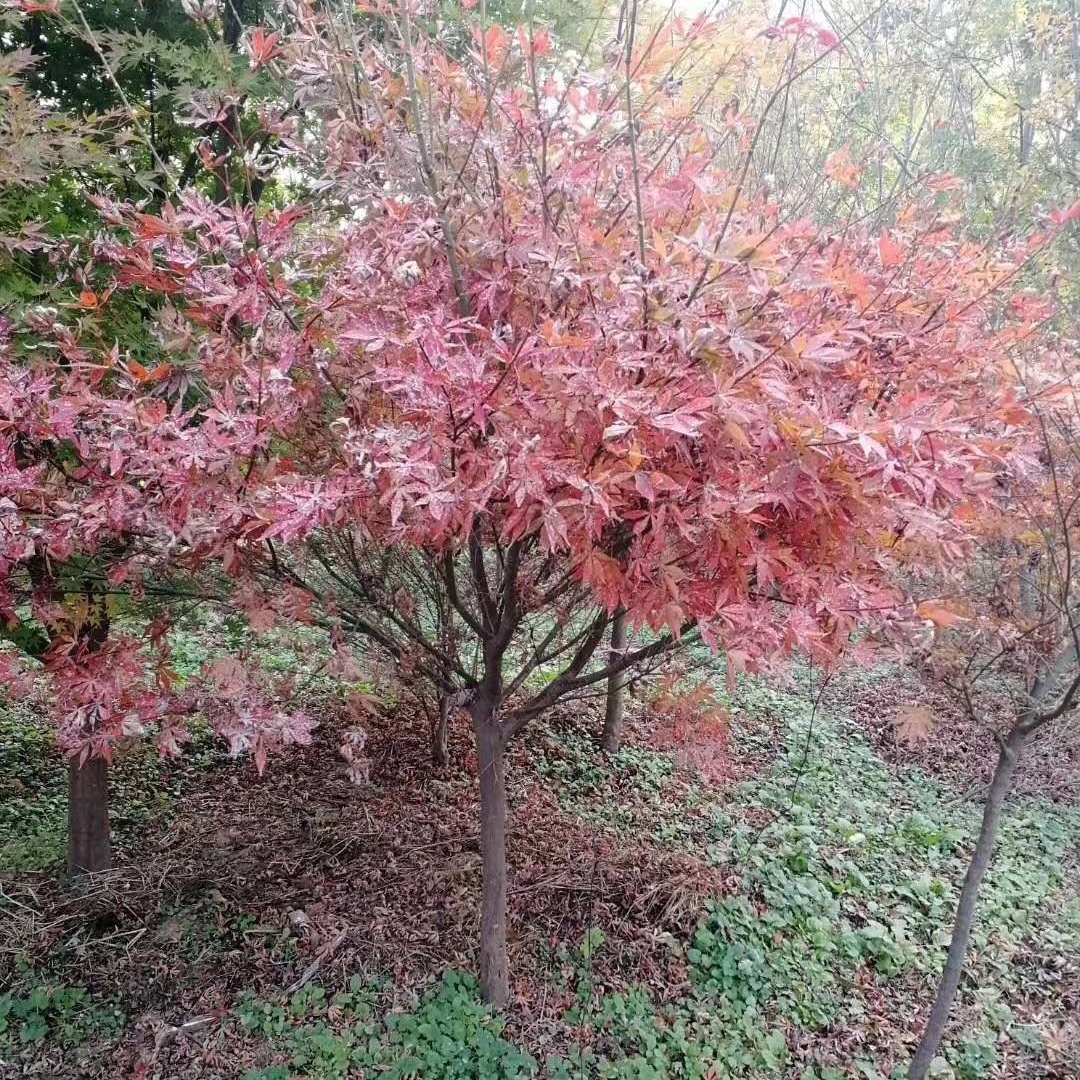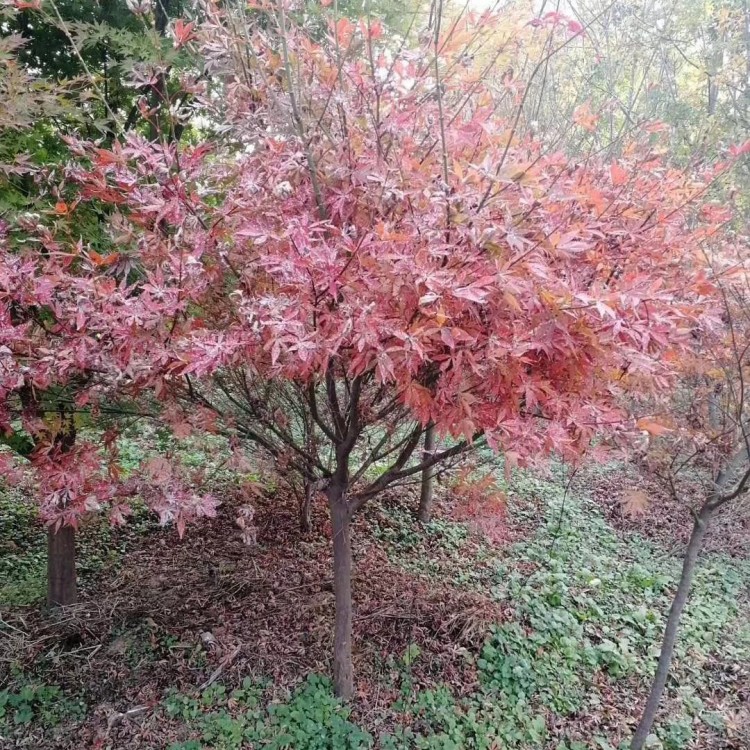









Tamarisk exhibits two dormancy characteristics. From late April to early May, the small and numerous flowers bloom rapidly within 5 to 8 days, but the ovaries remain dormant until the cool autumn weather, when they begin to develop into fruit. These fruits mature by the end of October or early November, and then enter a state of winter dormancy.
When planting Tamarix spp. seedlings, they should be planted deeply and watered in place. Tamarix is suitable for planting on sandy or sandy loam soils at the edges of lakes where groundwater is high and salinization is low, or on thin sandy soils on fixed or semi-fixed sand dunes. Both spring and autumn afforestation are feasible.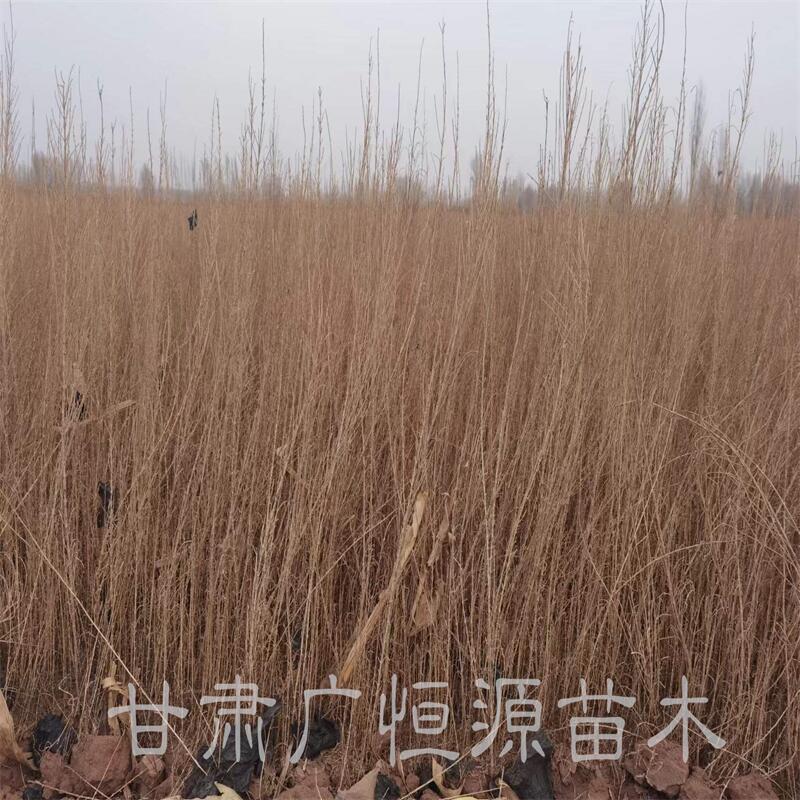
Tamarisk seedlings have an exceptional drought resistance. Notably, their leaves regress into small scale-like shapes, utilizing only the green, tender branches of the current year for normal photosynthesis. Upon the arrival of the dry and hot summer, some tender photosynthetic branches automatically drop off to reduce their transpiration area. The green, tender branches have a shiny exterior and are completely encased by two layers of tightly packed palisade tissue internally. The cells are small, with a high cell sap concentration and osmotic pressure, making them highly resistant to dehydration. These characteristics effectively reduce water loss within the plant, aiding in adaptation to atmospheric droughts with only a few tens of millimeters of rainfall and up to 3000mm of evaporation. The root system is well-developed, with a long taproot often reaching 3-5 meters deep to tap into the groundwater layer for ample absorption. The lateral roots are also highly developed, extending up to 5-10 meters, typically divided into two layers. The upper lateral roots are usually found in the topsoil layer, 40-100 cm deep, to fully absorb the unstable water in the upper soil during spring. The lower lateral roots are generally distributed at 2-3 meters, facilitating the efficient use of suspended water within the soil.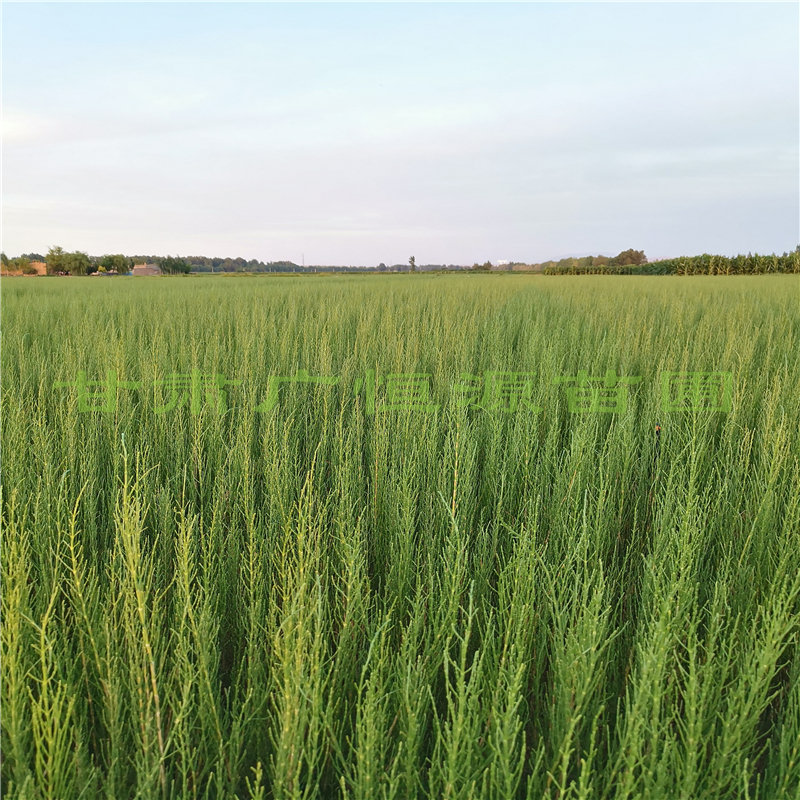
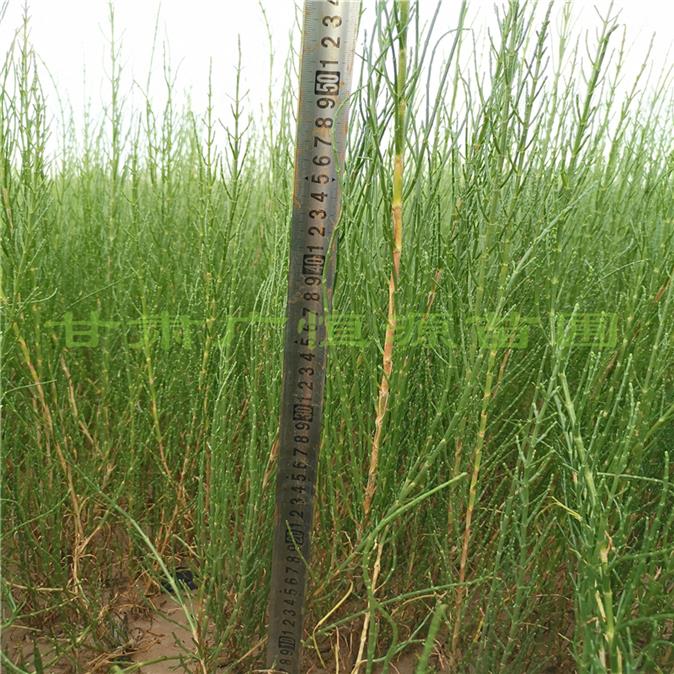
Tamarisk seedlings ready for shipment
Planting Seedlings: Must be done during the seedling dormancy period. If afforestation in spring, seedlings should be planted based on the soil thawing condition, generally the earlier the better. If afforestation in autumn, the optimal time for planting should be determined according to the soil freezing time and afforestation time, and it is crucial not to plant too early. Adequate watering should be done before planting to ensure the soil has sufficient moisture, which is beneficial for planting. If planting when the soil is too dry, it will not only be difficult to plant but also severely damage the root system. After the seedlings are planted, they should be graded according to standards.
Gansu Guanghengyuan Tree Seedling Cooperative is a major Nama grass planting base, producing over 30 million Nama grass seedlings annually. The Nama grass is widely sold in Inner Mongolia, Gansu, Qinghai, Ningxia, and other provinces. It serves as one of the bases for forestry departments, research institutions, forest and pasture residents, and greenery companies for ordered planting and designated procurement.
WeChat Official Account

Scan to follow Official Account