








The Sosso material is sturdy yet brittle, with strong combustion and minimal smoke, known as "sandy coal." It serves as a fuel in the region and is also an excellent material for constructing animal shelters. The tender branches are a good feed for camels during winter and spring and can also be used for windbreaks and sand stabilization. Therefore, it holds significant economic value.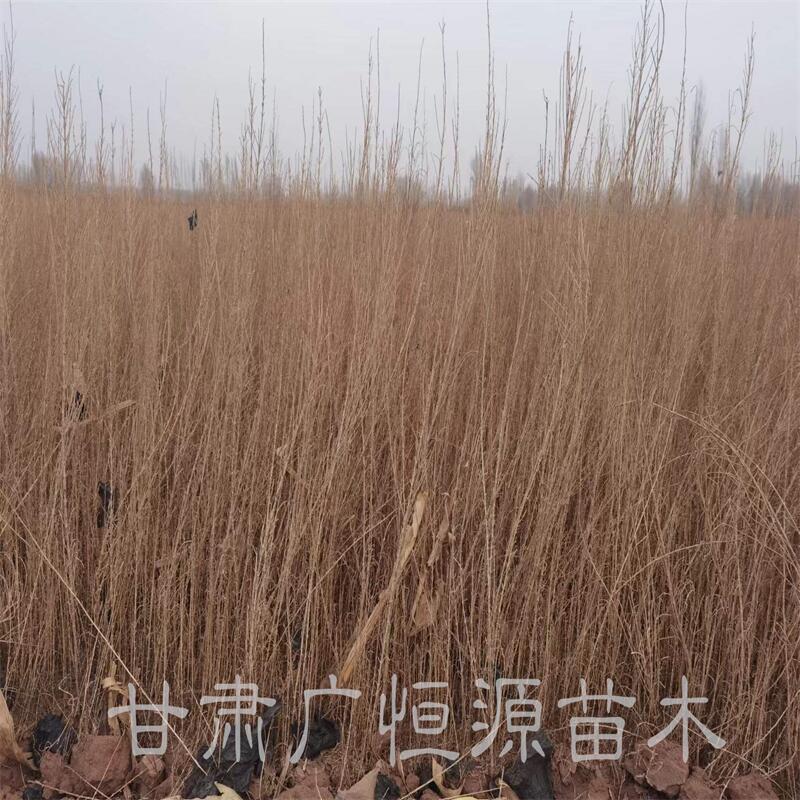
Tamarisk is a plant from the Chenopodiaceae family and the Tamarix genus, a sand-binding plant commonly found in sandy areas, with trunks that can reach 50 cm in diameter. The bark is grayish-white, and the wood is hard yet brittle; old branches are gray-brown or pale yellow-brown, often with annular cracks. Tamarisk can also serve as livestock feed, and the valuable Cistanche plant parasitizes the roots of the tamarisk.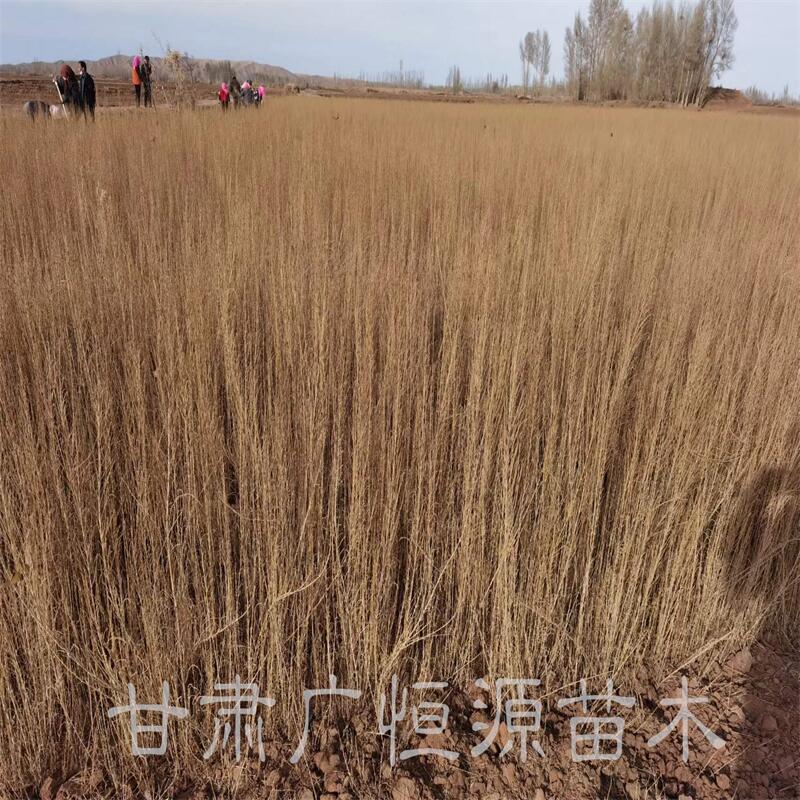
Salsola seedlings ready for shipment
Planting: Must be done during the dormant period of the seedlings. If afforestation in spring, the planting must be based on the soil thawing condition, generally the earlier the better. If afforestation in autumn, the optimal time for planting should be determined according to the soil freezing time and afforestation time, and it is crucial not to plant too early. Adequate water should be applied before planting to ensure the soil has sufficient moisture, which is beneficial for planting. If planting when the soil is too dry, it not only makes planting difficult but also severely damages the root system. After the seedlings are planted, they should be graded according to standards.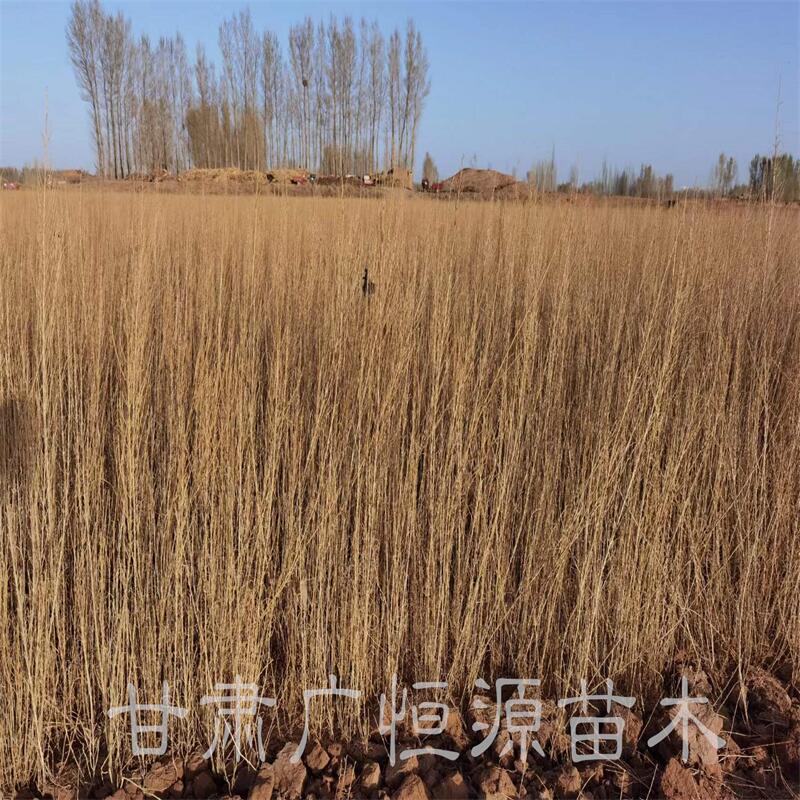
Tamarisk trees are commonly planted in desert regions for windbreaks and sand stabilization, making them an ecological species. However, they also hold significant economic value. Their branches, when used as firewood, burn fiercely and produce minimal ash. Moreover, they can be used as feed for herbivores, offering good feeding value.
Gansu Guanghengyuan Seedling Cooperative is a major Nama grass planting base, producing over 30 million Nama grass seedlings annually. The Nama grass is widely sold in Inner Mongolia, the Xinjiang Uyghur Autonomous Region, Gansu, Qinghai, Ningxia, and other provinces. It is one of the bases for order planting and designated procurement by forestry departments, scientific research institutions, forest and pasture residents, and greenery companies.
WeChat Official Account

Scan to follow Official Account