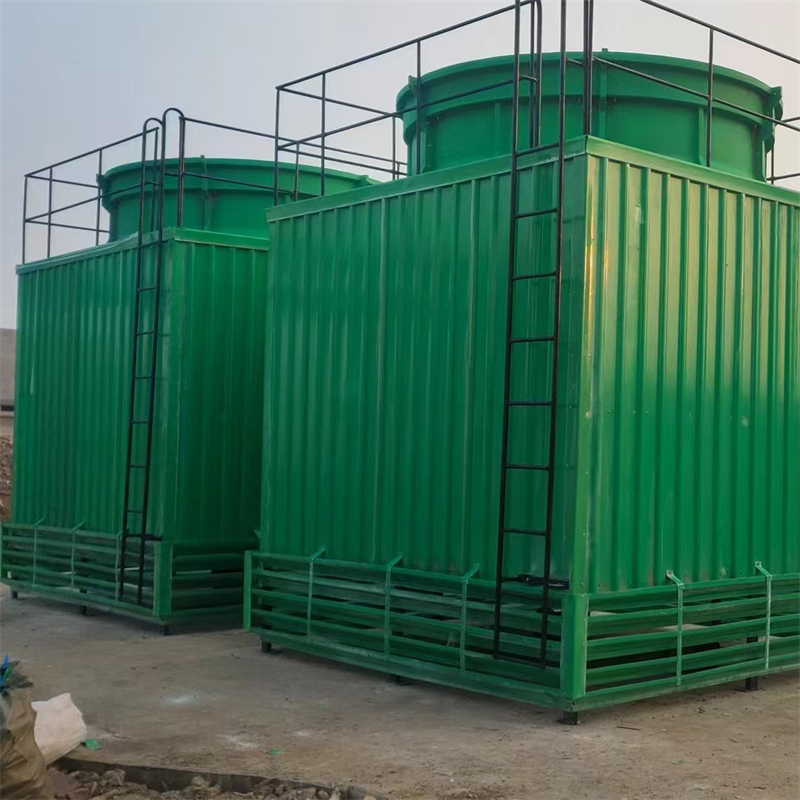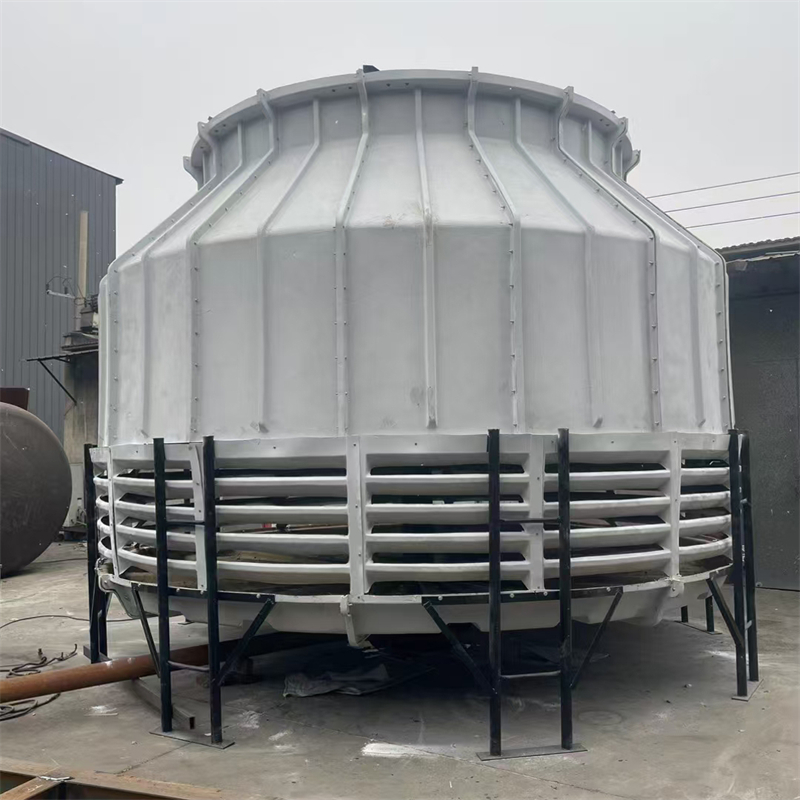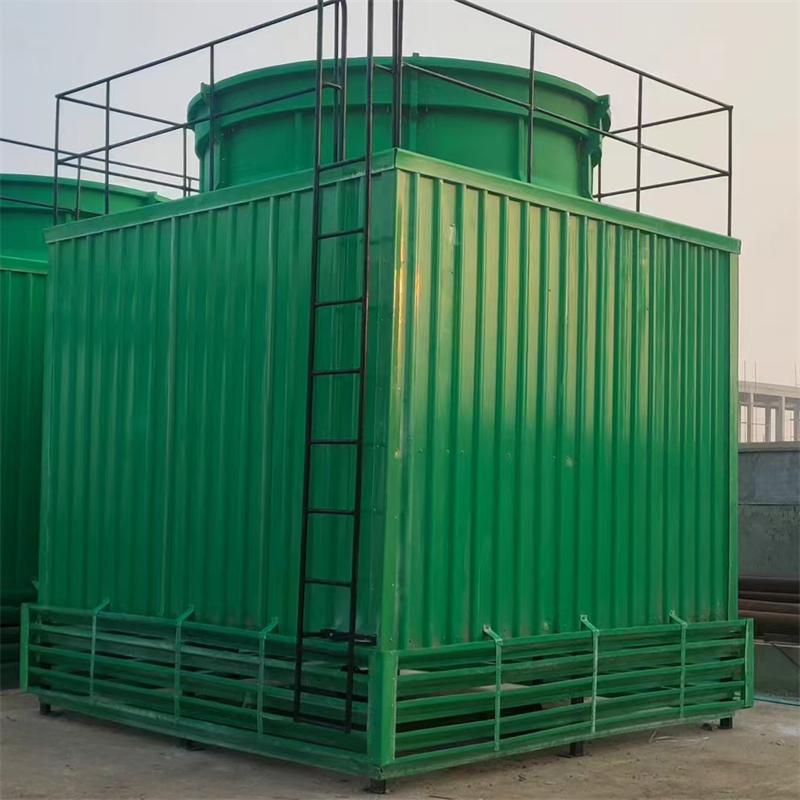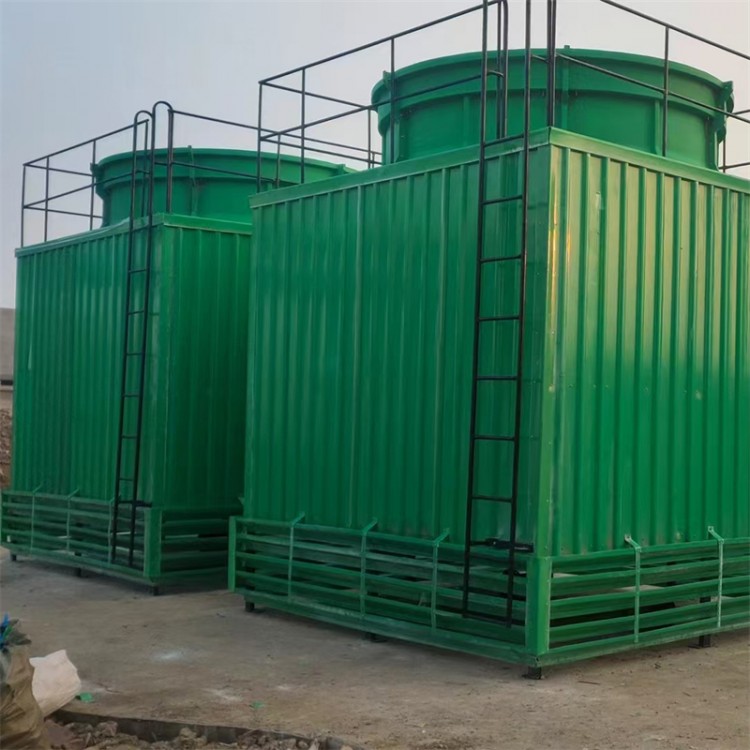

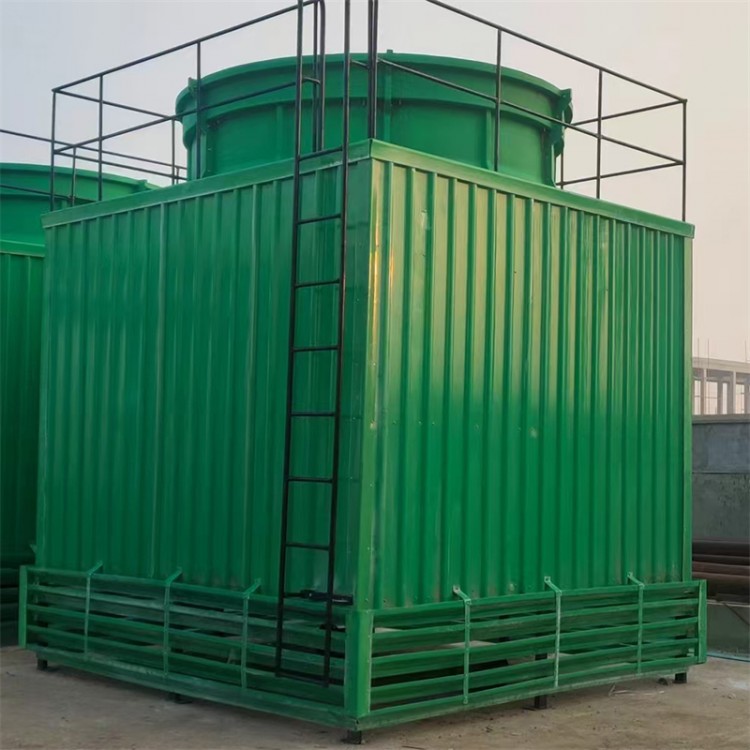


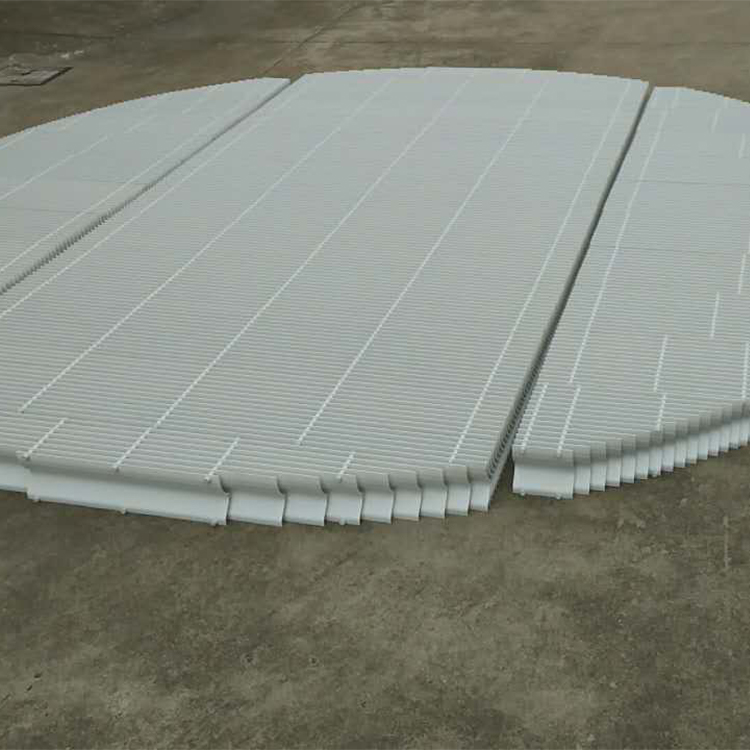
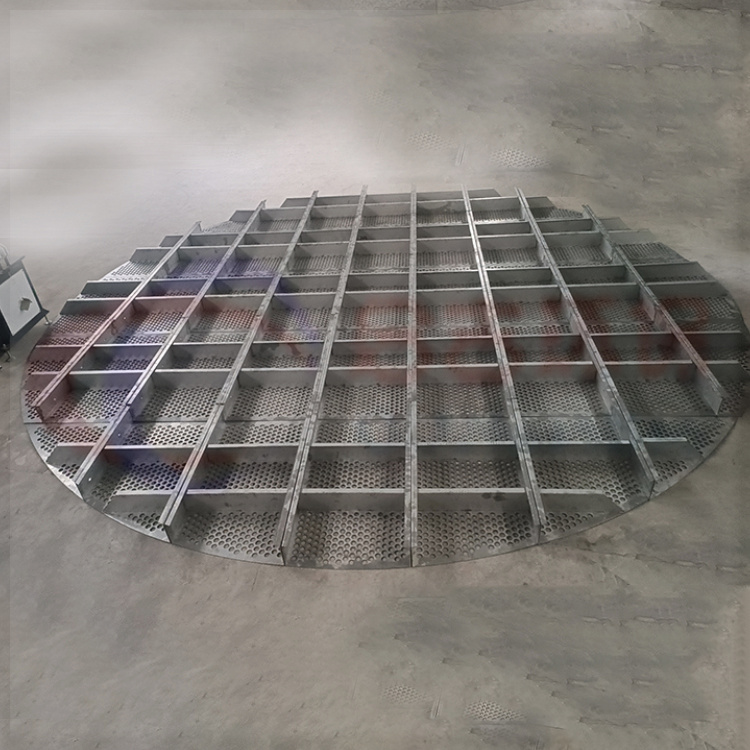








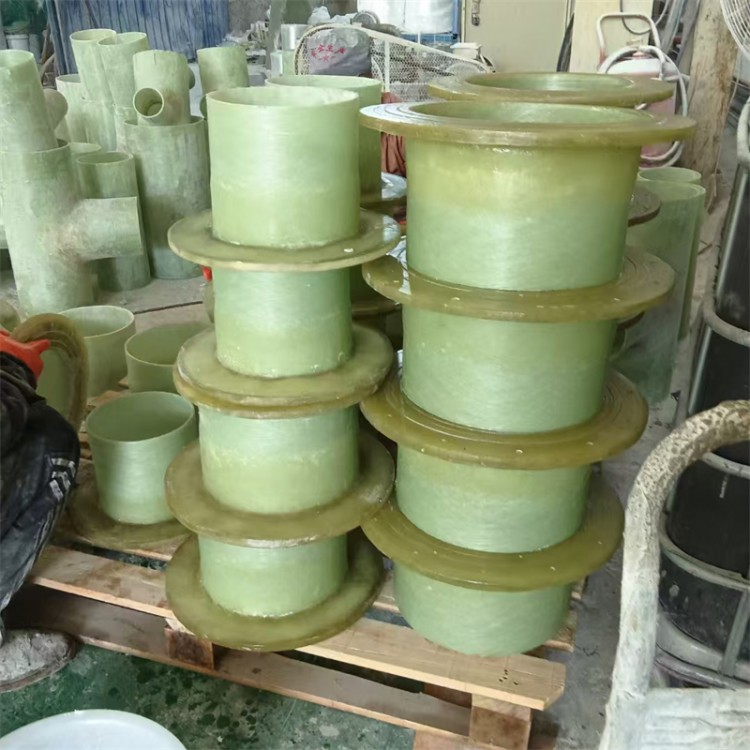
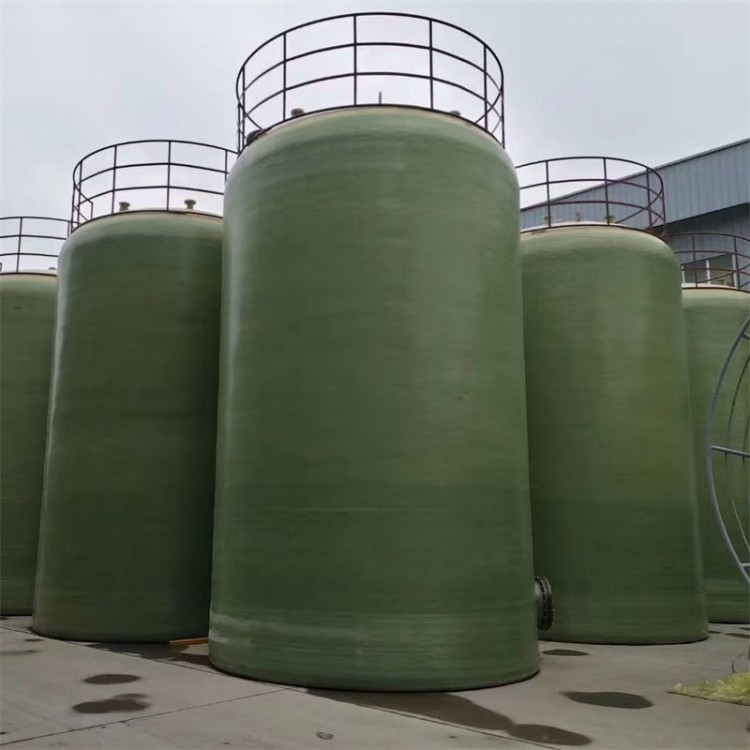

Glass-fiber cooling towers are an efficient industrial equipment widely used in smelting, manufacturing, heating, air conditioning, and other fields in the oil, chemical, power, steel, textile, and other industries. They dissipate waste heat generated in industrial processes or refrigeration air conditioning by utilizing the evaporation effect through the contact of water and air, achieving the purpose of cooling. The following is a detailed introduction to glass-fiber cooling towers:
I. Working Principle
The working principle of glass fiber cooling towers is primarily based on the heat exchange between water and air. The specific process is as follows:
Hot water intakeThe cooling tower's inlet pipe delivers hot water, which is uniformly distributed across the entire filling layer as it passes through the material bed distributed by the finned sections.
Heat ExchangerWithin the packing layer, hot water is impacted by atmospheric air currents, which are generated by the cooling tower exhaust fan and pass through the packing layer from bottom to top, carrying away the heat from the hot water. At the same time, a large number of water films and droplets form on the surface of the hot water. As the atmospheric air current blows over, the contact area between water and air increases, thereby enhancing the heat transfer efficiency.
Cooling water dischargeAfter passing through the packed bed, the cooled water flows out through the outlet and into the return water tank at the bottom of the cooling tower, completing the recirculation process.
II. Features
LightweightGlass fiber reinforced plastic cooling towers are characterized by their lightweight and high strength, making installation, transportation, and maintenance more convenient.
Corrosion-resistantGlass fiber cooling towers can withstand erosion from various chemicals such as acids, alkalis, and salts, thereby extending the lifespan of the equipment.
Heat and pressure resistantThe glass fiber cooling tower exhibits excellent heat resistance, capable of withstanding high-temperature environments, and also boasts good pressure resistance, able to endure high pressure levels.
EfficientFiberglass cooling towers efficiently dissipate heat generated during the production process, ensuring smooth production operations and reducing water waste.
Eco-friendly and energy-savingThe glass fiber cooling tower operates stably with a sealed structure, effectively preventing the leakage of gases and particles to reduce environmental pollution. It also efficiently cools the generated heat, minimizing energy waste.
Section 3: Categorization
Fiberglass cooling towers can be categorized according to different classification criteria, such as:
By ventilation method: Natural Ventilation Cooling Towers, Mechanical Ventilation Cooling Towers, Mixed Ventilation Cooling Towers.
By the method of water and air contact: Wet Cooling Tower, Dry Cooling Tower, Dry-Wet Cooling Tower.
In terms of water and air flow direction: counterflow cooling towers, crossflow cooling towers, and mixed flow cooling towers.
By application: General air conditioning cooling towers, industrial cooling towers, high-temperature cooling towers, etc.
IV. Applications
Glass fiber cooling towers are widely used in various industries, such as:
Chemical IndustryIn chemical production, many reactions require high-temperature conditions, and glass-fiber cooling towers can effectively dissipate the heat generated by the reactions, ensuring the normal progression of chemical reactions.
Power Generation IndustryPower plants require a large amount of cooling water to dissipate the heat generated by coal combustion or nuclear reactions, and fiberglass cooling towers can efficiently dissipate the heat, ensuring the normal operation of power plants.
Oil IndustryIn oil extraction and processing, a large amount of cooling water is required to cool oil or oil products. Glass fiber cooling towers can quickly cool and recycle the cooling water, thereby reducing water resource waste.