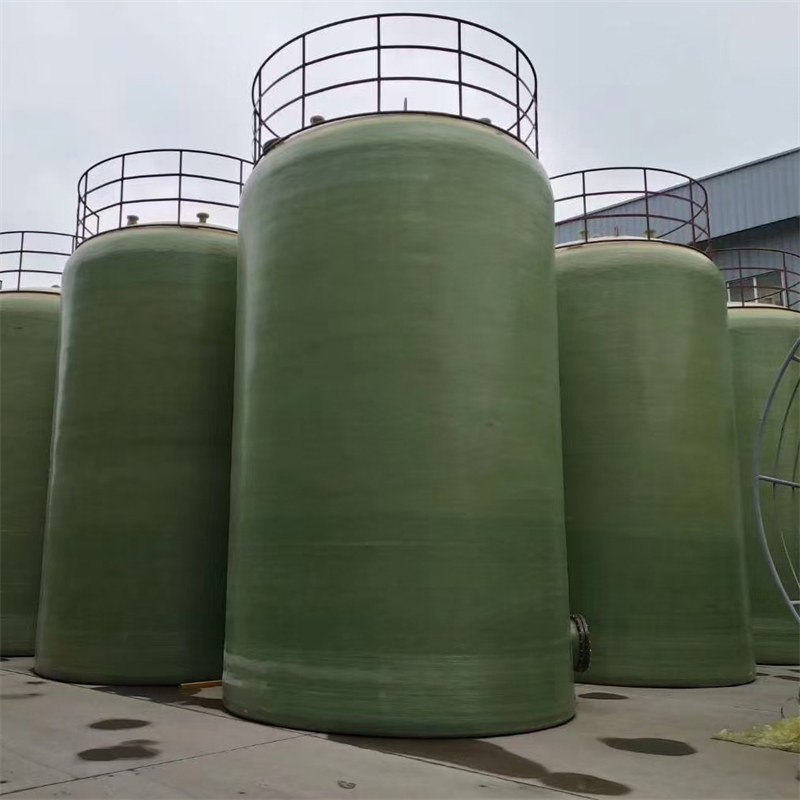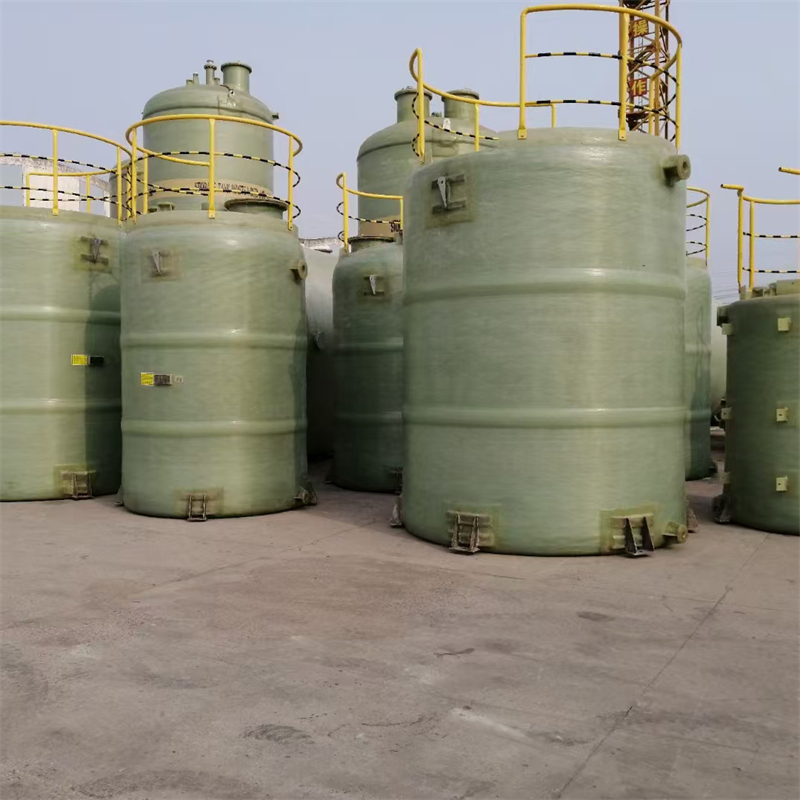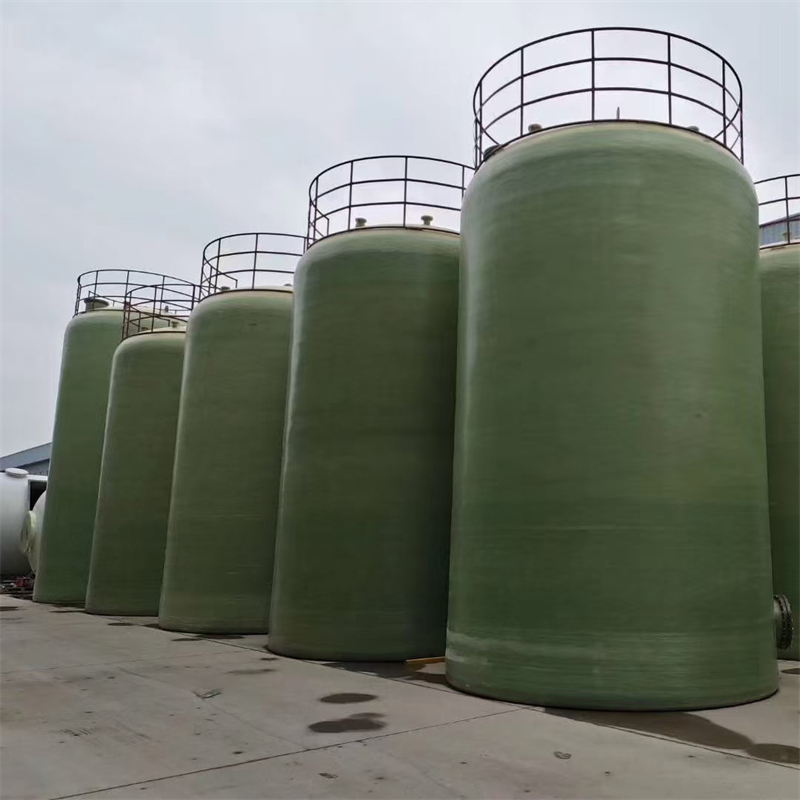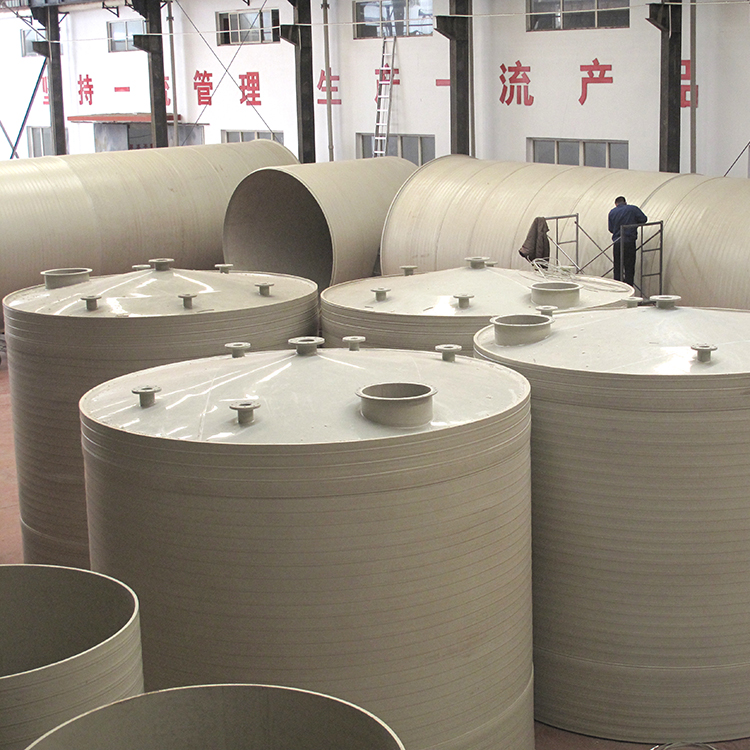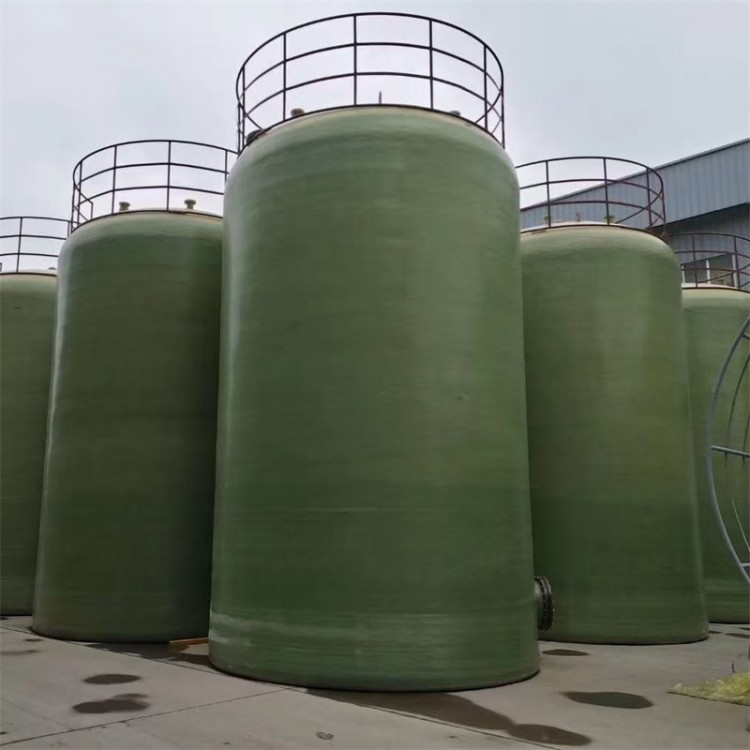

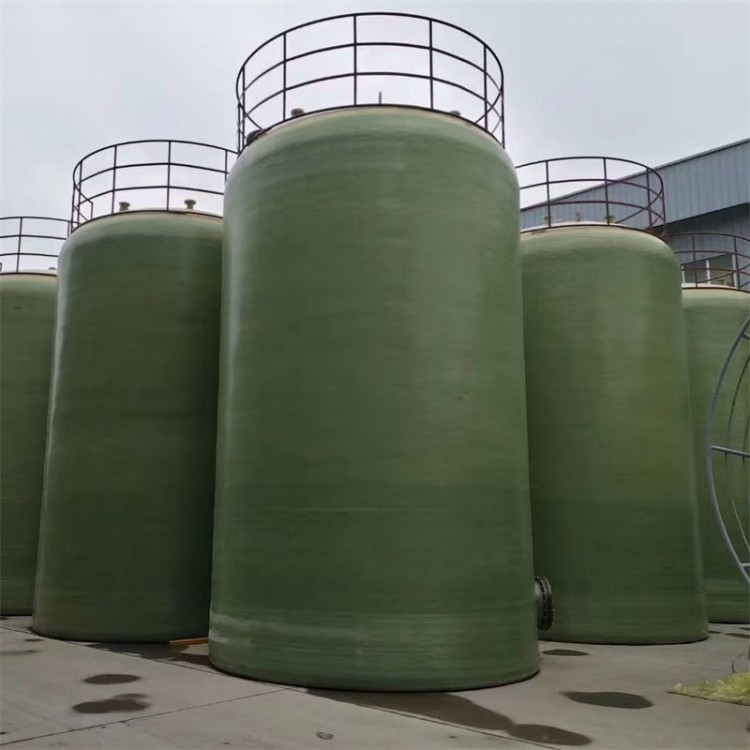
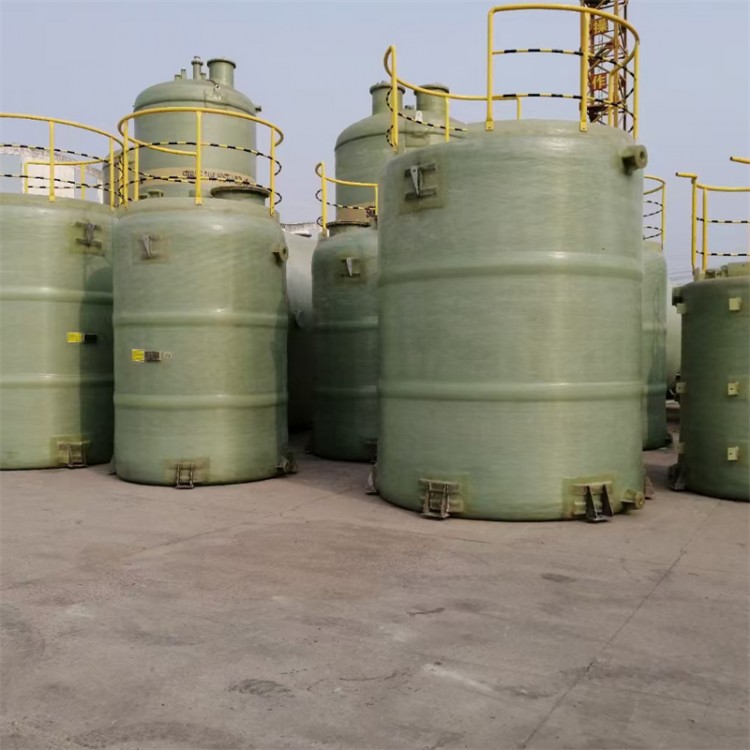
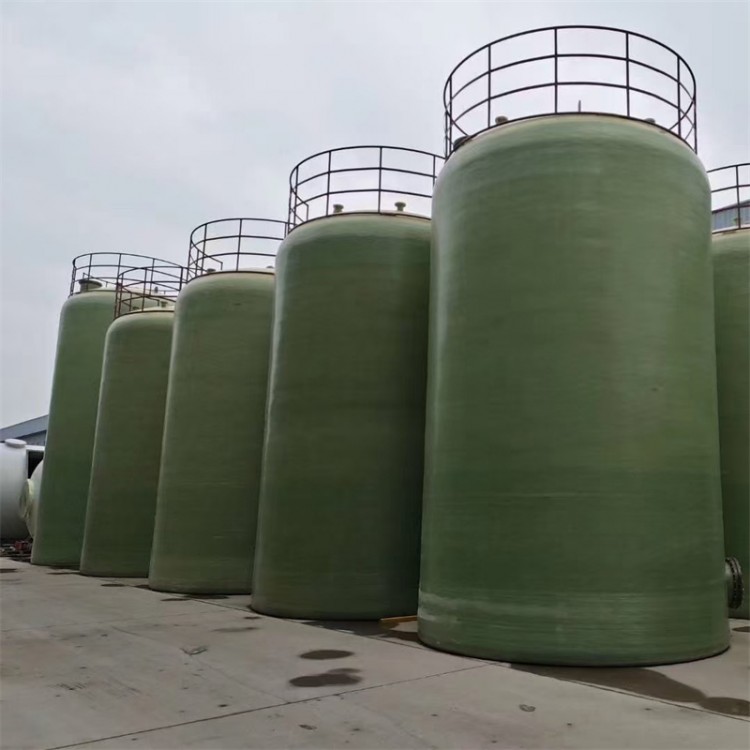








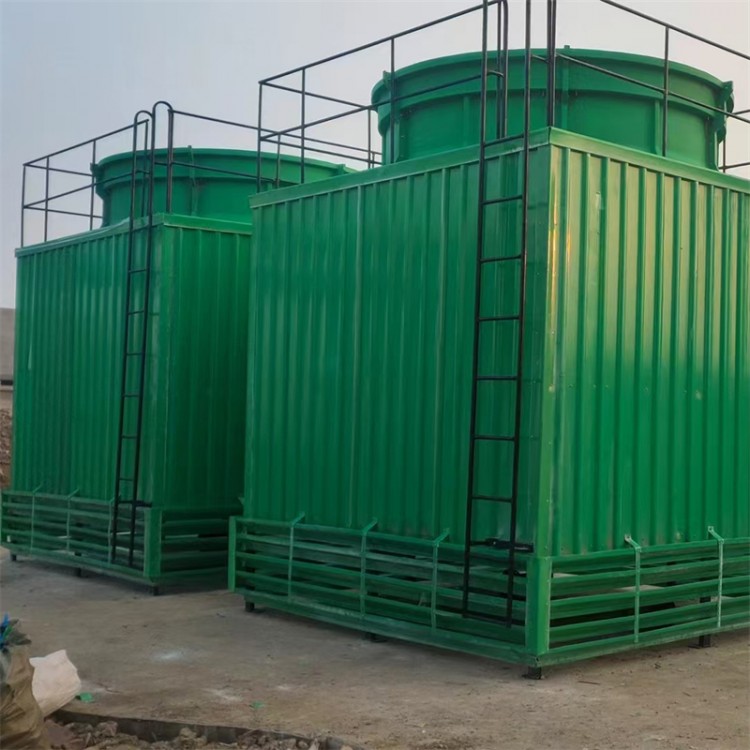
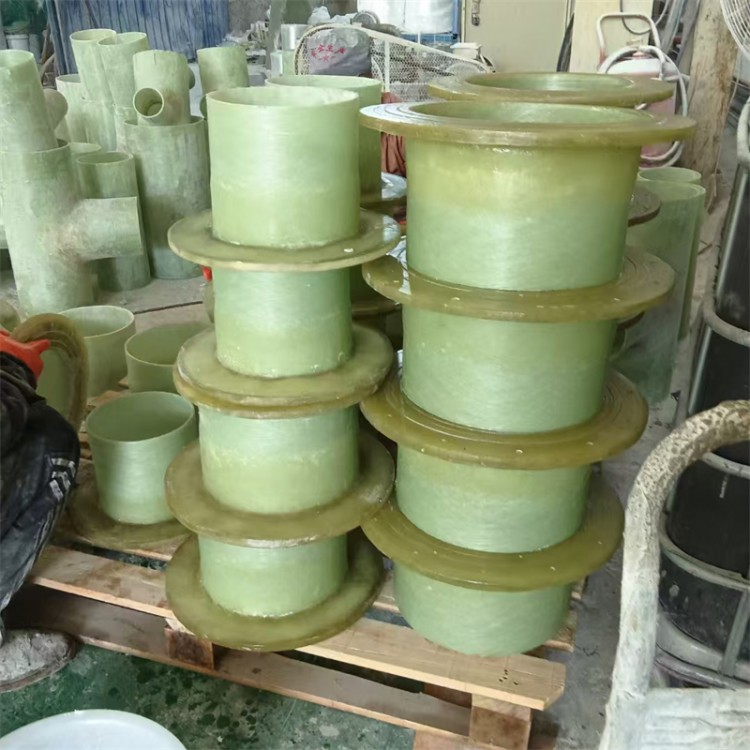

Fiberglass storage tanks are composite containers made by blending glass fibers and resins, offering numerous superior properties and widely used across various industries. Below is a detailed description of fiberglass storage tanks:
I. Definition and Classification
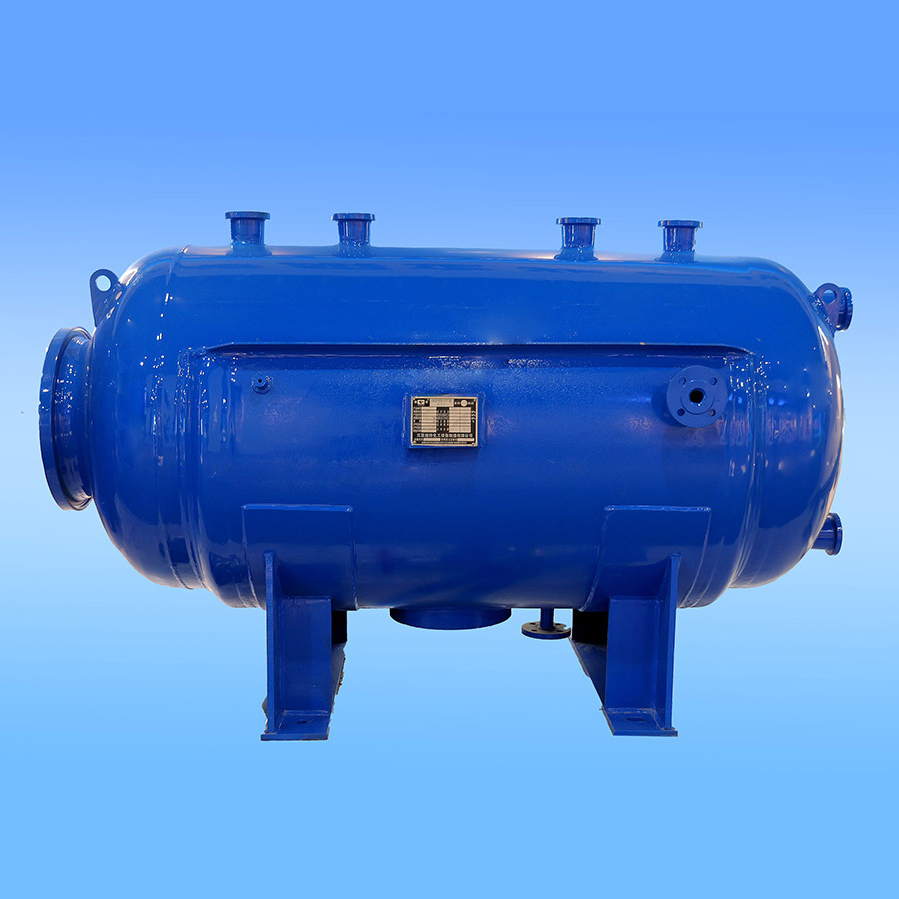
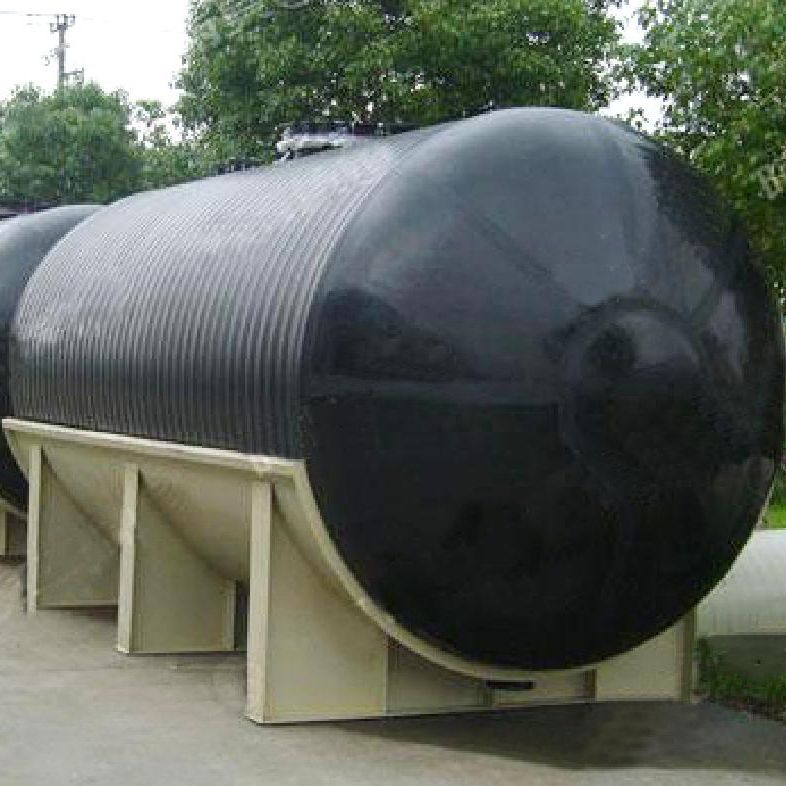
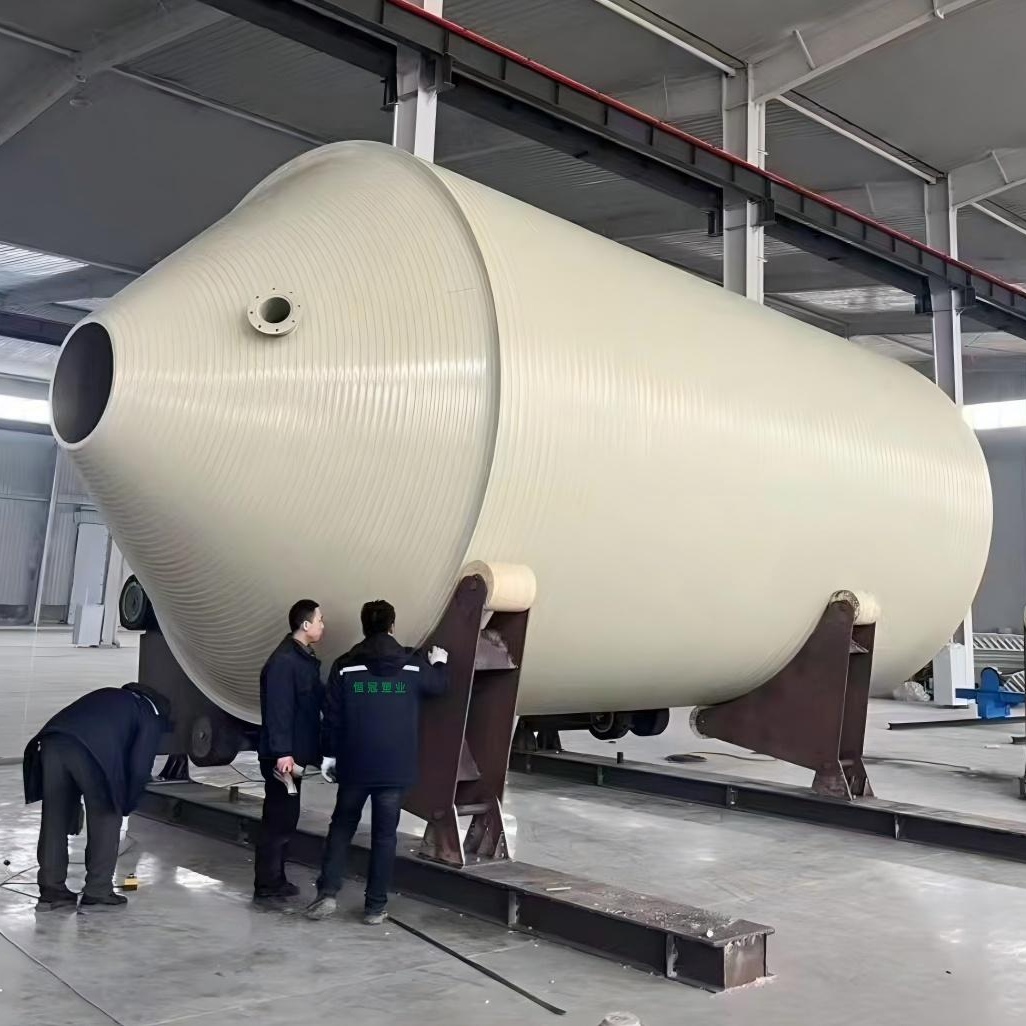
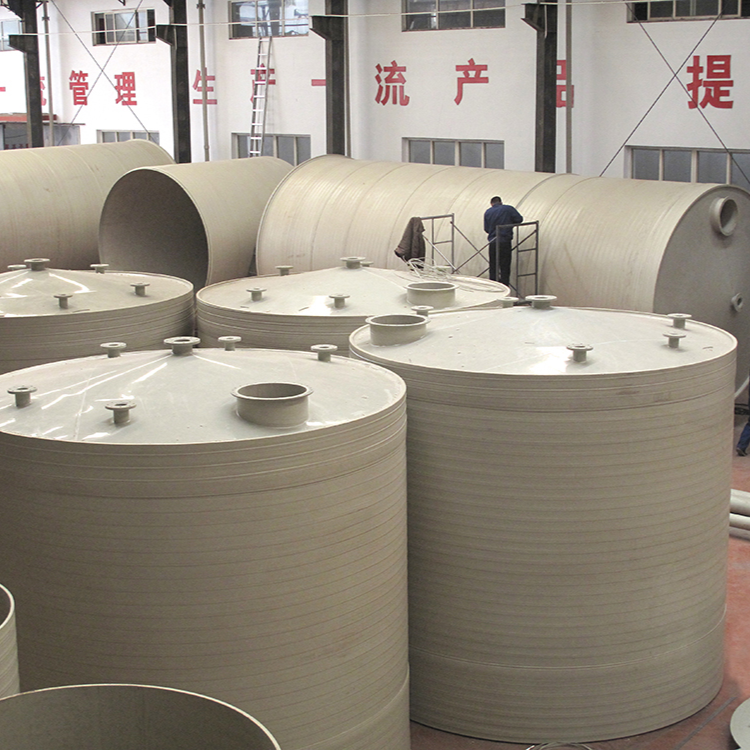
Fiberglass reinforced plastic (FRP) storage tanks, also known as glass fiber reinforced plastic tanks, are a type of FRP product, primarily reinforced with glass fibers and bonded with resins, manufactured by winding through microcomputer-controlled machines. Depending on their shape and application, glass fiber reinforced plastic tanks can be categorized into various types, such as vertical tanks, horizontal tanks, chemical storage tanks, corrosion-resistant tanks, hydrochloric acid tanks, and sulfuric acid tanks.
II. Features and Advantages
Lightweight and high-strengthThe relative density of the fiberglass storage tank is 1.5.Between 2.0 and 1/4 of carbon steel.1/5, yet its tensile strength is close to, if not exceeding, carbon steel, with its specific strength comparable to that of high-grade alloy steel.
Excellent corrosion resistanceFiberglass storage tanks offer excellent resistance to atmospheric conditions, water, and general concentrations of acids, alkalis, salts, as well as various oils and solvents, making them a superior anti-corrosive material. This characteristic has led to their widespread application in the field of chemical corrosion prevention and has gradually replaced traditional materials such as carbon steel and stainless steel.
Excellent electrical propertiesGlass fiber reinforced plastic storage tanks are excellent insulators, maintaining good dielectric properties even at high frequencies, and also have good microwave permeability. Therefore, they are often used in the manufacture of insulators and radar antenna covers, among other applications.
Excellent thermal performanceFiberglass storage tanks have a low thermal conductivity, just 1/100 to 1/1000 of metal at room temperature, making them excellent insulating materials. Under instantaneous ultra-high temperatures, they also serve as ideal thermal protection and ablation-resistant materials.
Good for designFiberglass storage tanks can be flexibly designed into various structural products to meet different usage requirements. Additionally, materials can be carefully selected to fulfill the performance needs of the products, such as corrosion resistance and ability to withstand high temperatures.
Superior craftsmanshipThe molding process for glass fiber storage tanks is simple, allowing for one-time molding with remarkable economic benefits. Especially for products with complex shapes and difficulty in molding, the technological superiority is even more pronounced.
Section 3: Production Process
The production process of fiberglass storage tanks typically includes design, mold making, mandrel fabrication, tank assembly, curing, inspection, and delivery. Throughout the production, strict control over each stage of the manufacturing process and raw material selection is essential to ensure high quality and meet specific performance requirements.