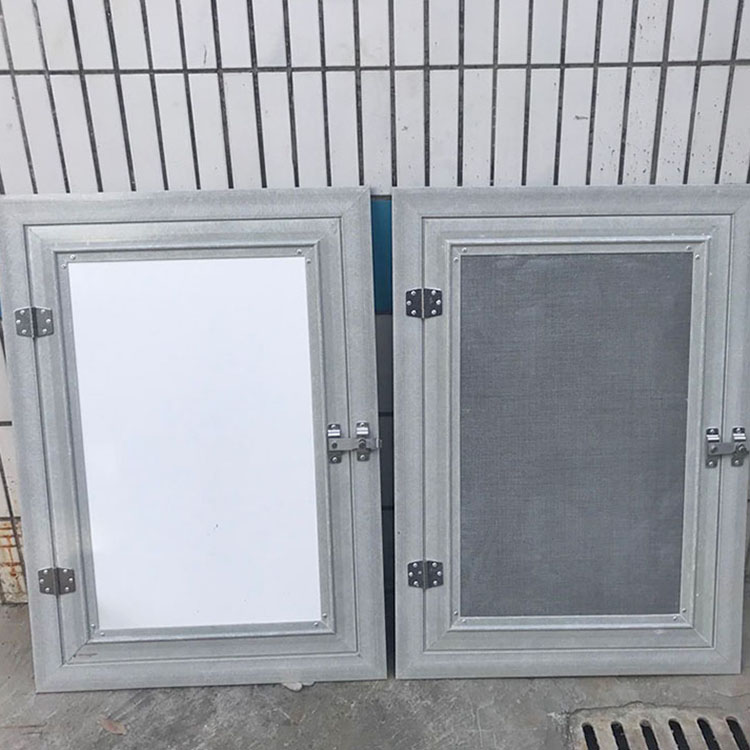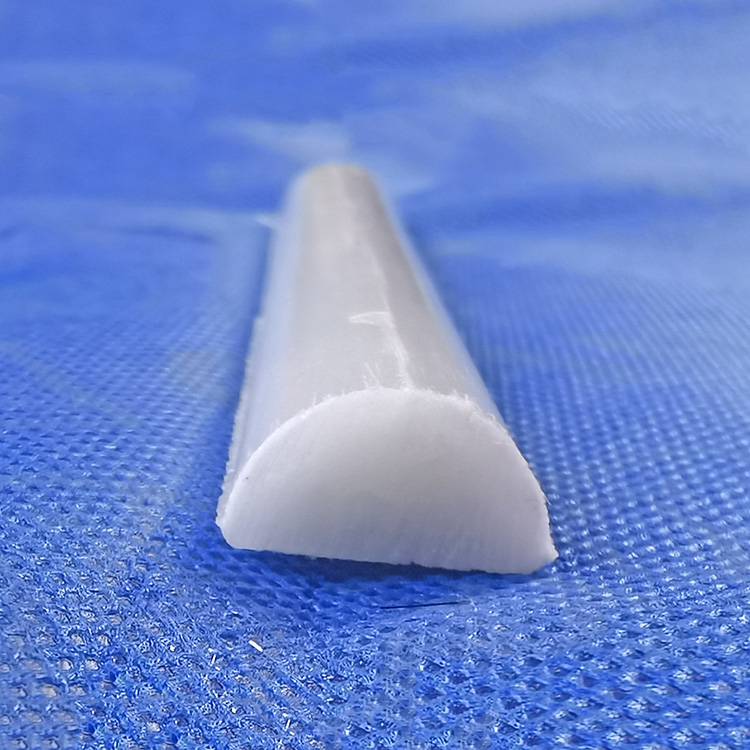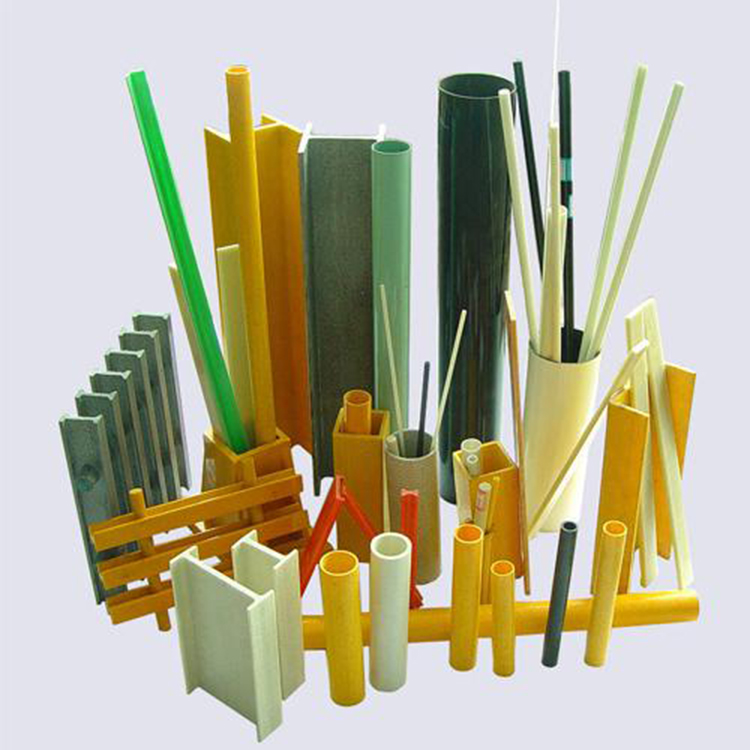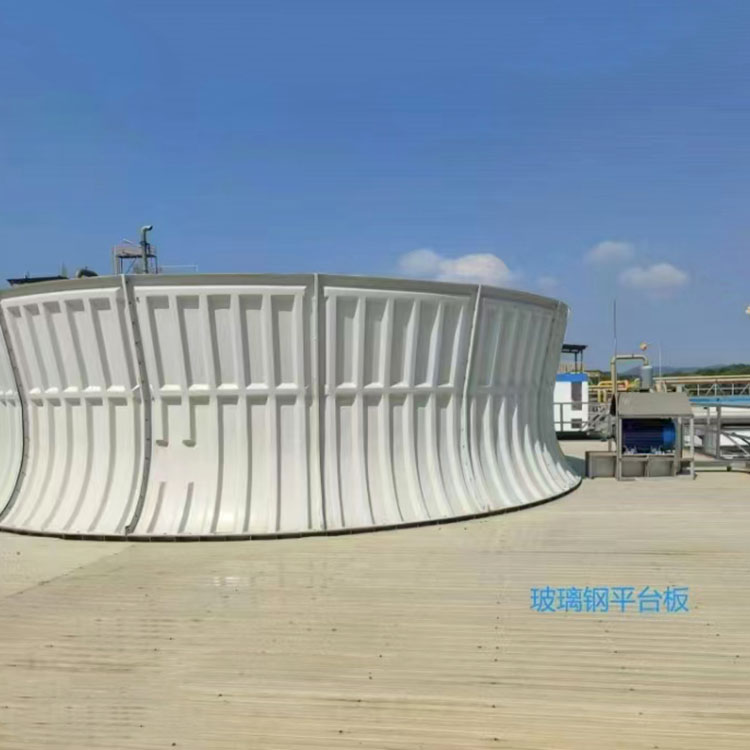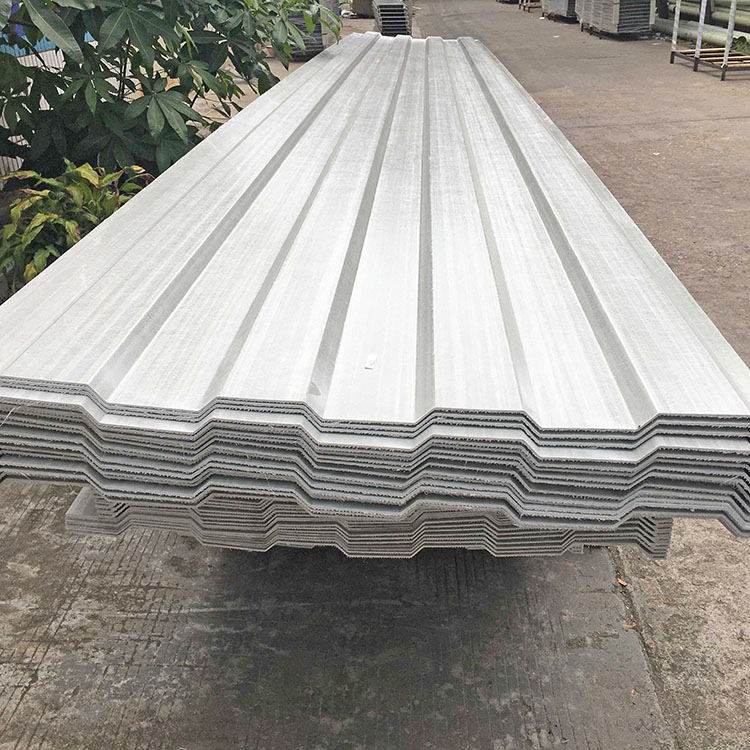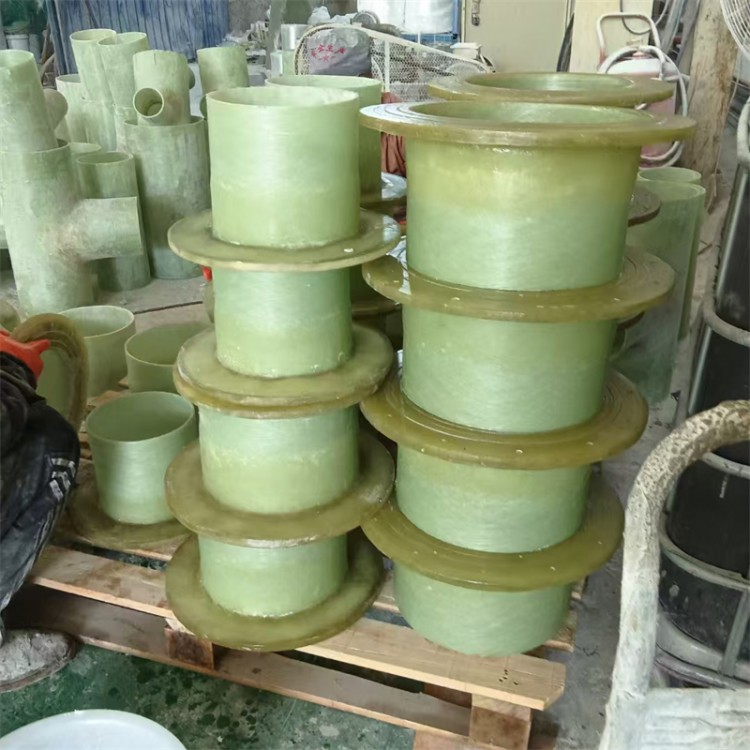

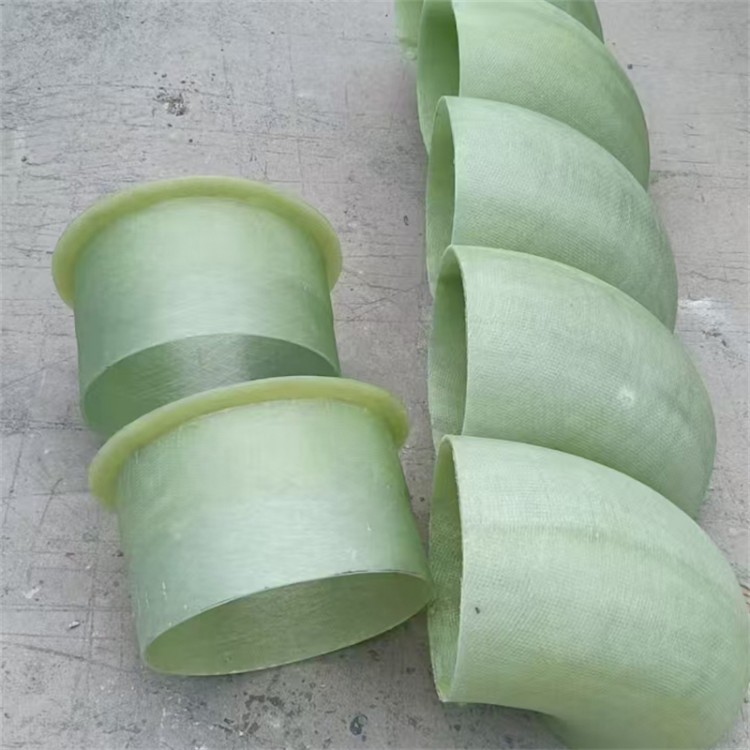


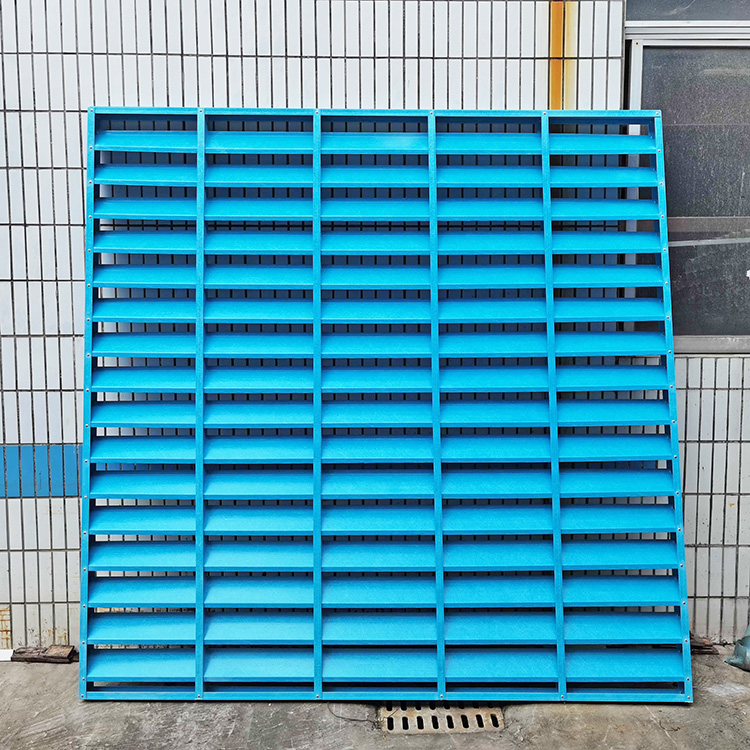
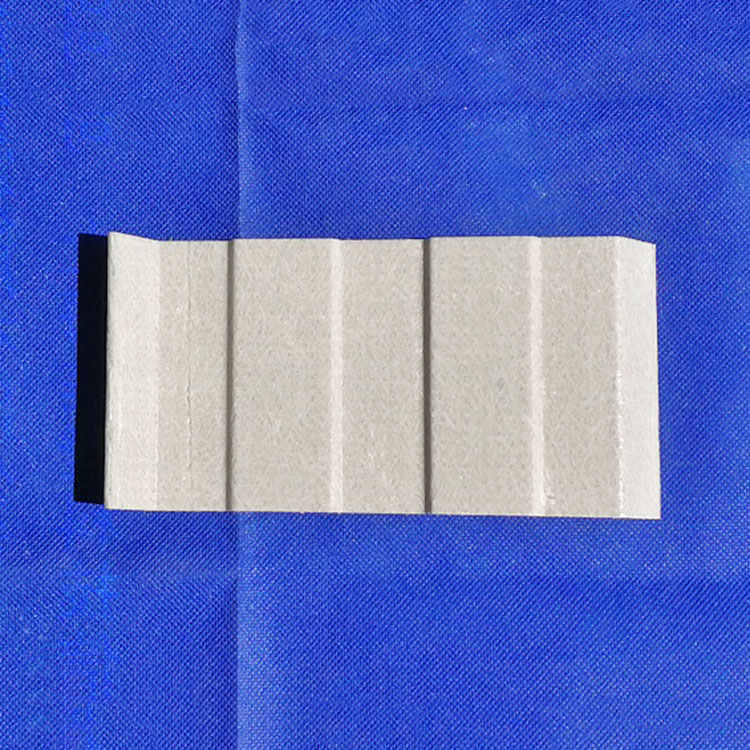
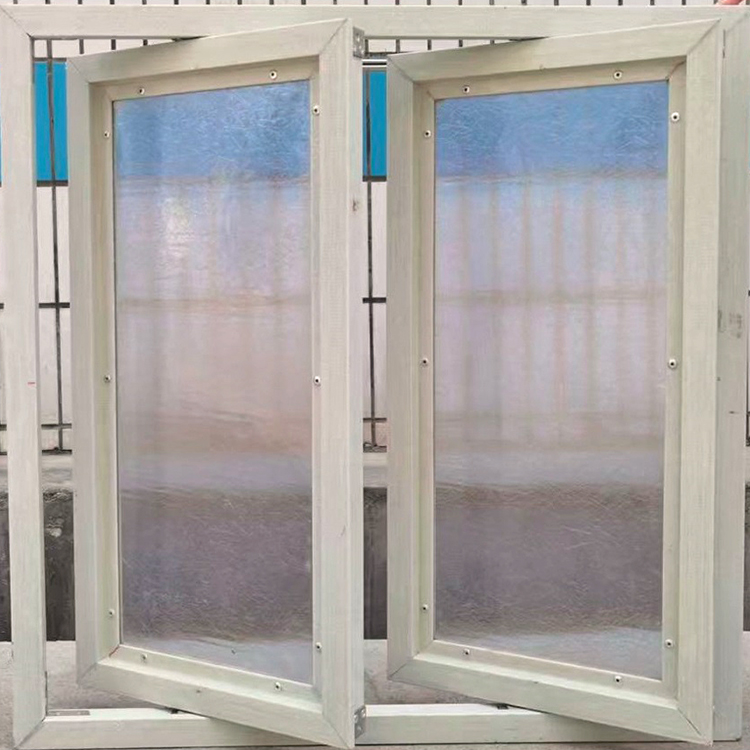

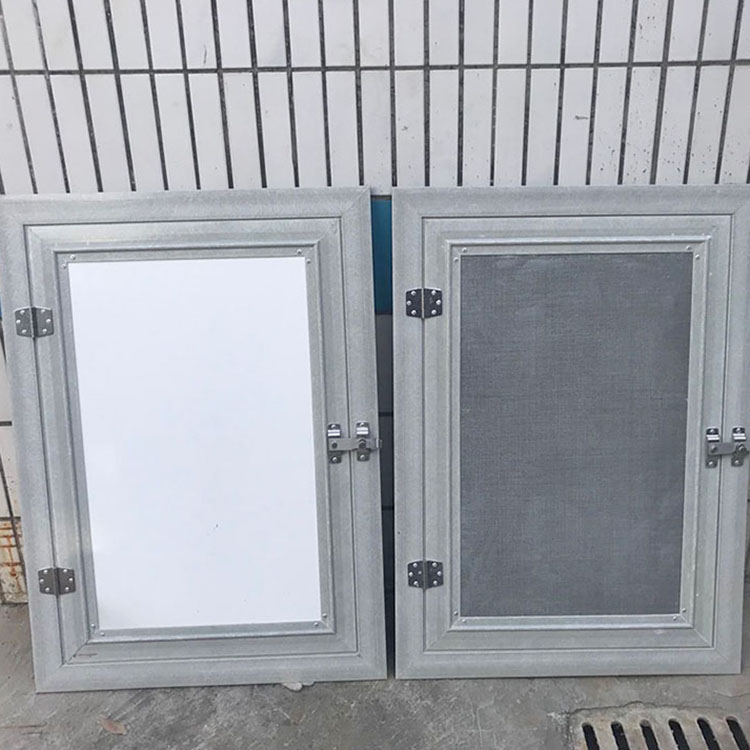







Fiberglass reinforced plastics (FRP) products are manufactured from glass fiber reinforced plastics, a type of composite material developed overseas in the early 20th century. Known for their unique properties, FRP products are widely used in various fields such as modern industry, construction, transportation, and environmental protection.
Key Features
Lightweight and high strengthFiberglass products have a low density but high strength, comparable to steel in terms of strength, yet only about 1/4 the weight.
Corrosion-resistantFiberglass products exhibit excellent resistance to atmospheric conditions, water, and general concentrations of acids, bases, salts, as well as various oils and solvents, making them superior anti-corrosive materials.
Flame RetardantGlass fiber reinforced plastics can possess excellent flame-retardant properties by adding flame-retardant additives.
Weather-resistantAntioxidant additives are added to the product, ensuring long-lasting luster and sustained strength, extending its service life.
Excellent electrical propertiesFiberglass products boast superior electrical properties, such as high insulation and non-magnetic characteristics, making them suitable for anti-EMI and explosion-proof environments.
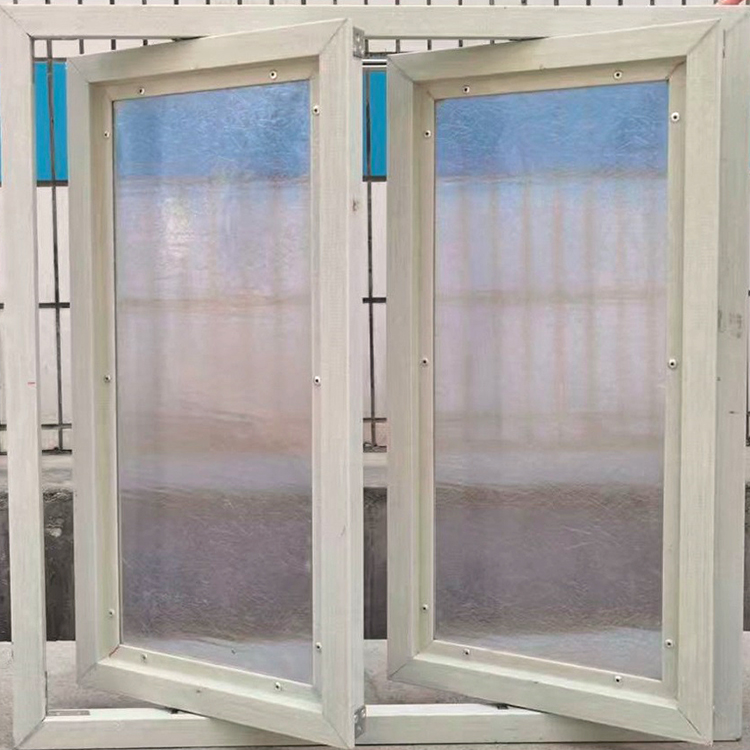
Easy to installFiberglass products offer flexible design, customizable in color and dimensions to meet customer requirements, and are easy to install.
Main Types
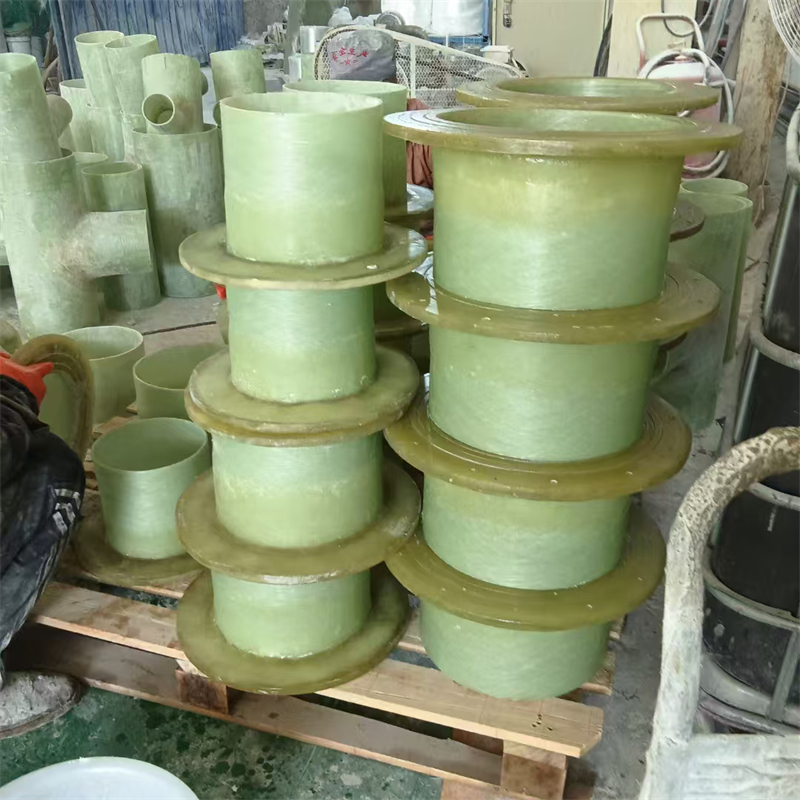
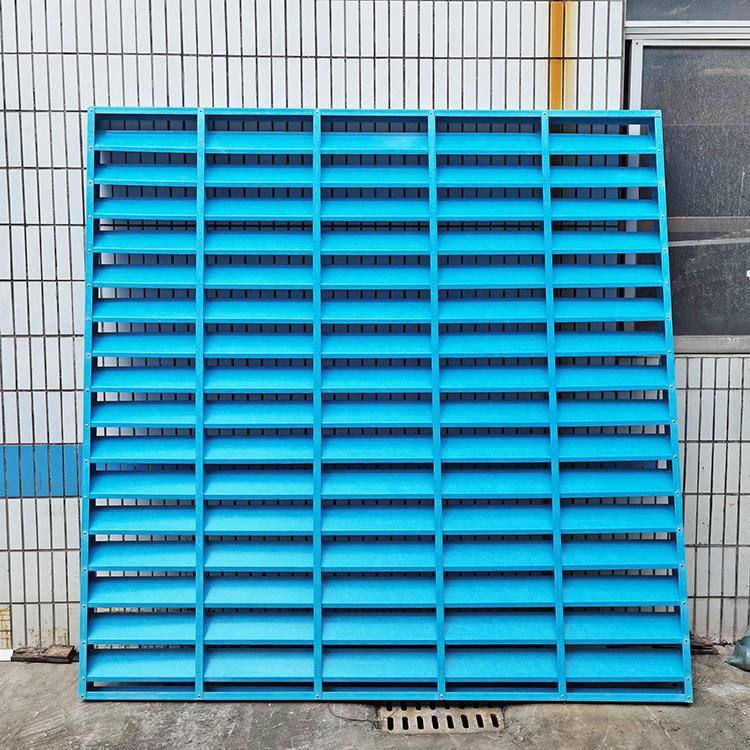
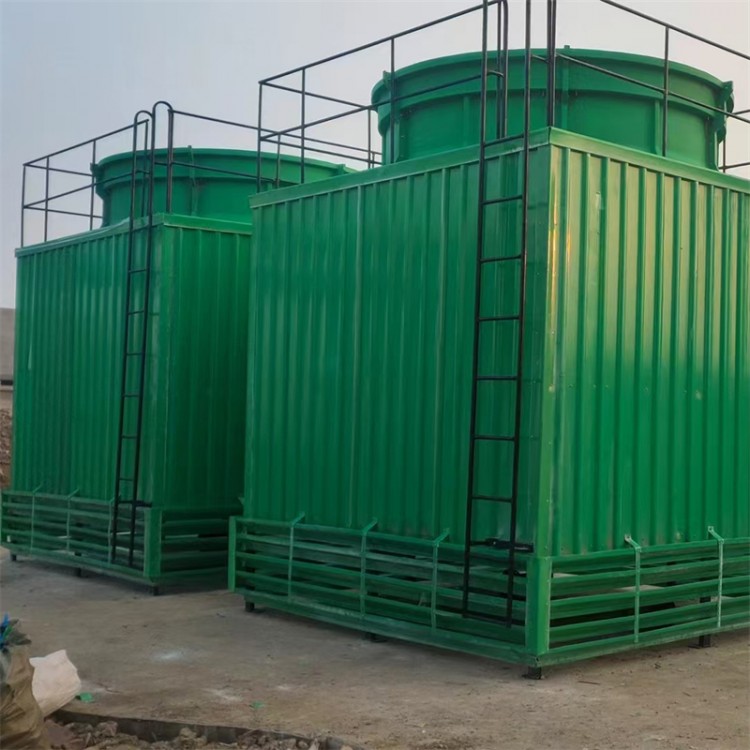
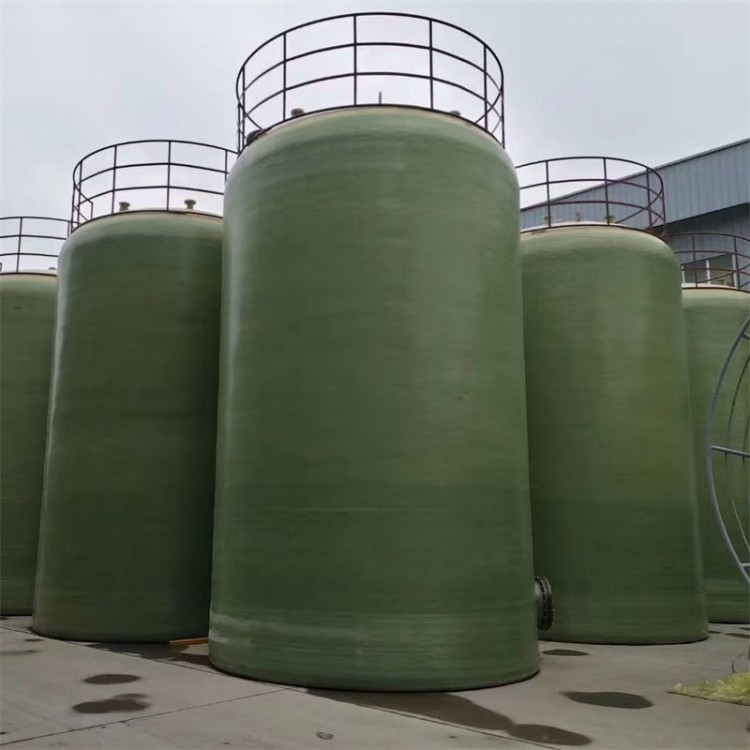
Glass fiber reinforced plastic products are diverse, including glass fiber tanks, storage tanks, mixers, pipes, pipelines, cooling towers, water tanks, tables and chairs, and waste bins. These products are widely used in industries such as chemicals, petrochemicals, construction, and transportation.
Production Process
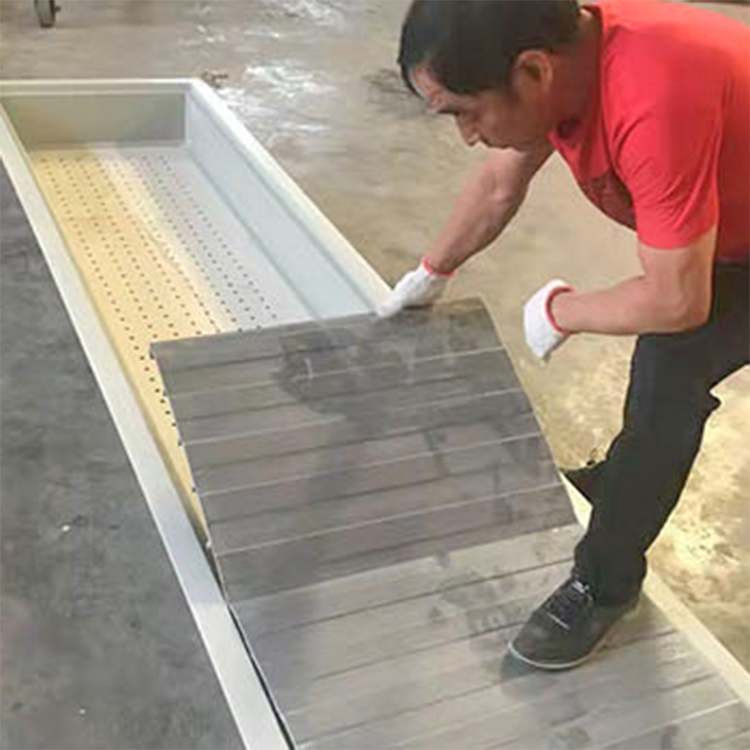
The production process of fiberglass products mainly includes hand lay-up, pull-winding, filament winding, and compression molding, among others. Among them, the hand lay-up process is more traditional and suitable for products with complex shapes and low volumes; pull-winding and filament winding processes are ideal for producing long, strip-like and tubular products; while the compression molding process is best suited for manufacturing products with regular shapes and large volumes.