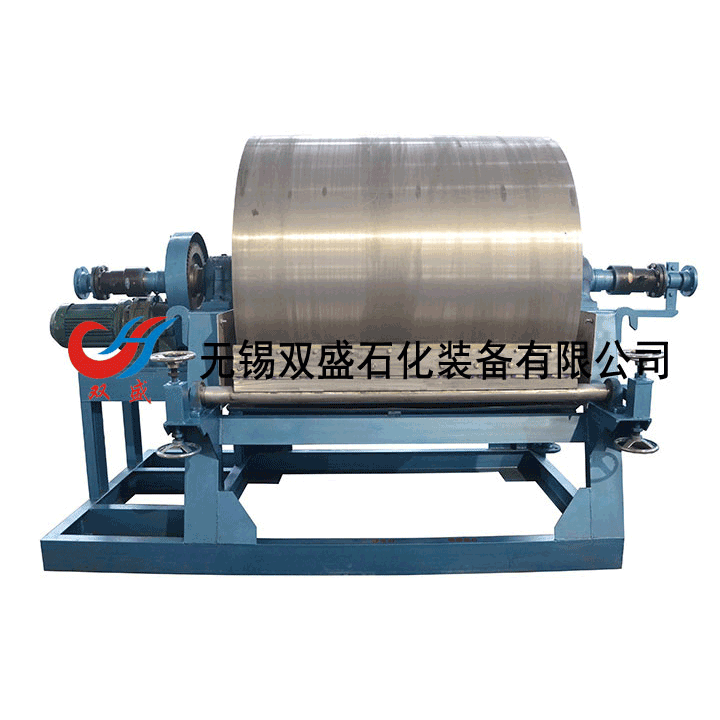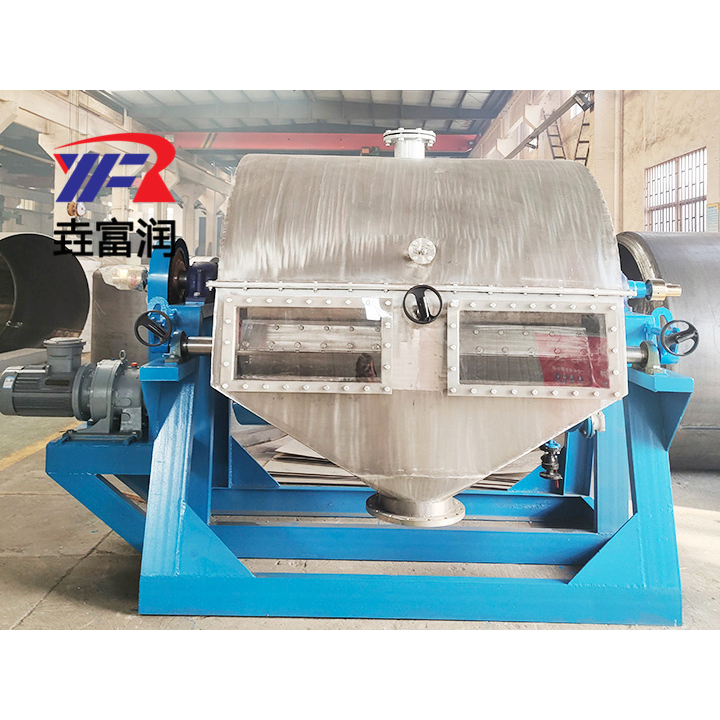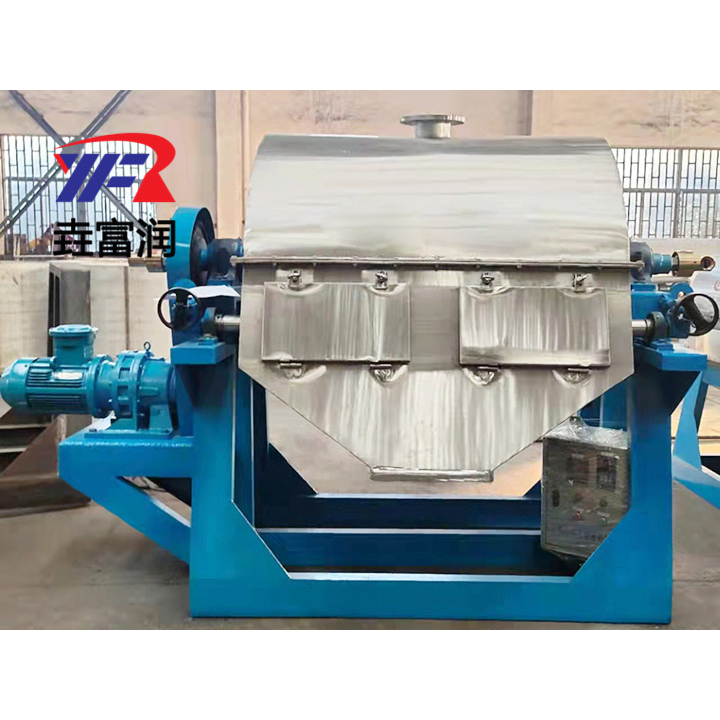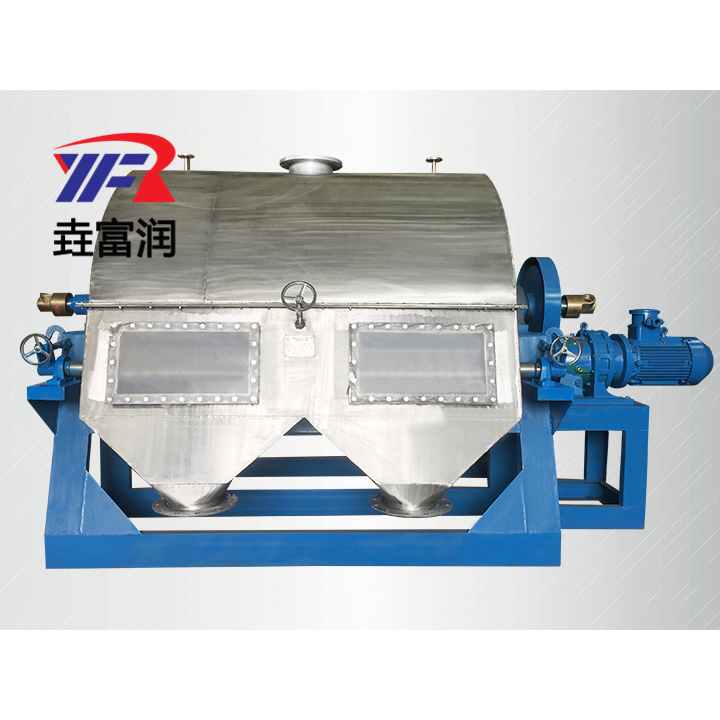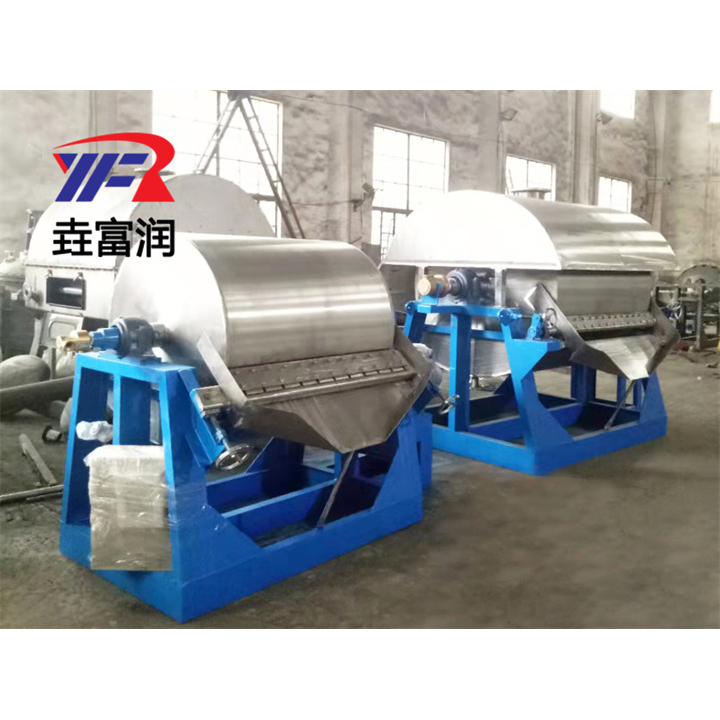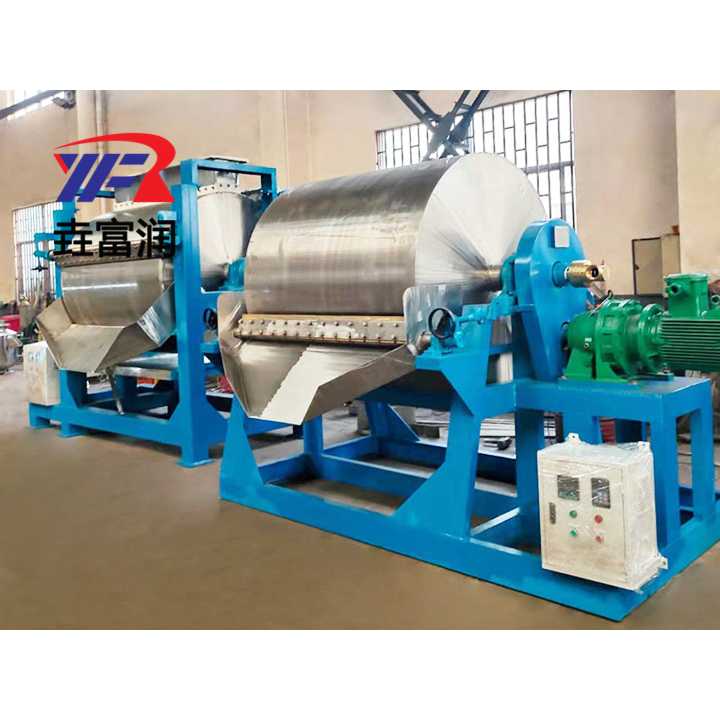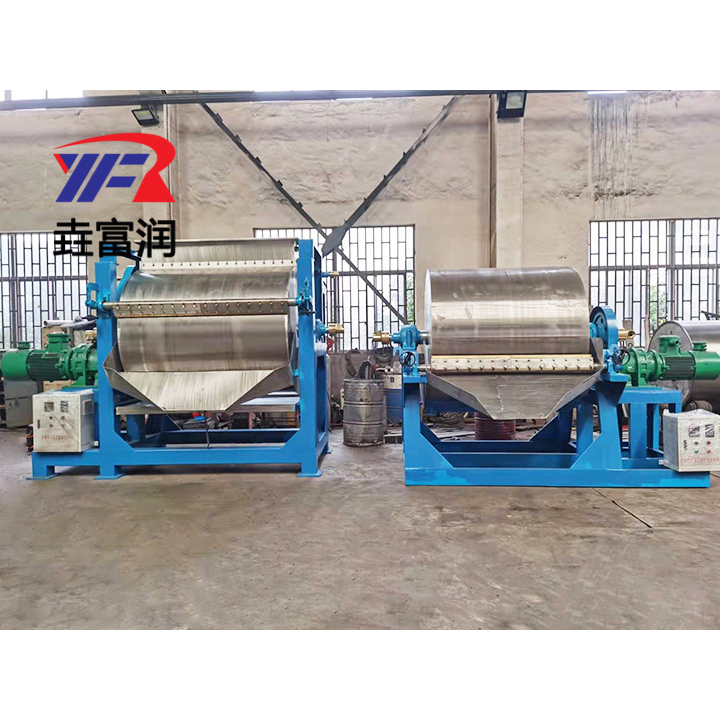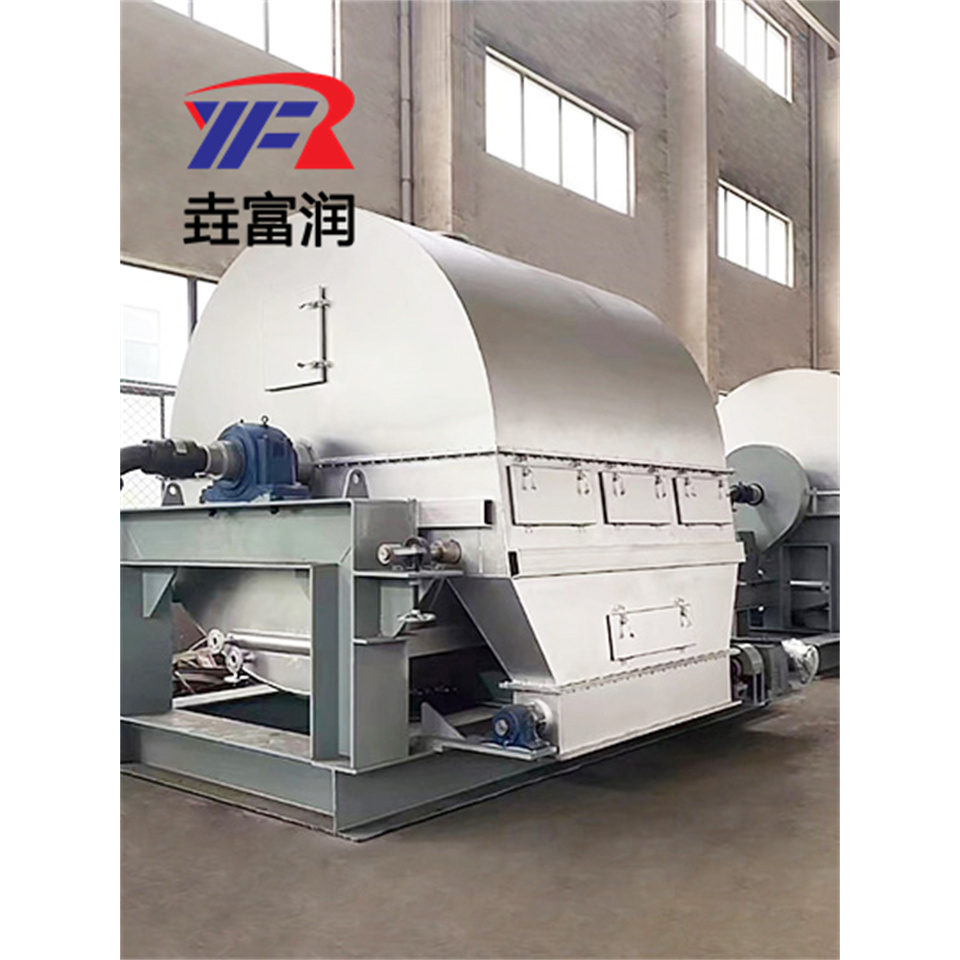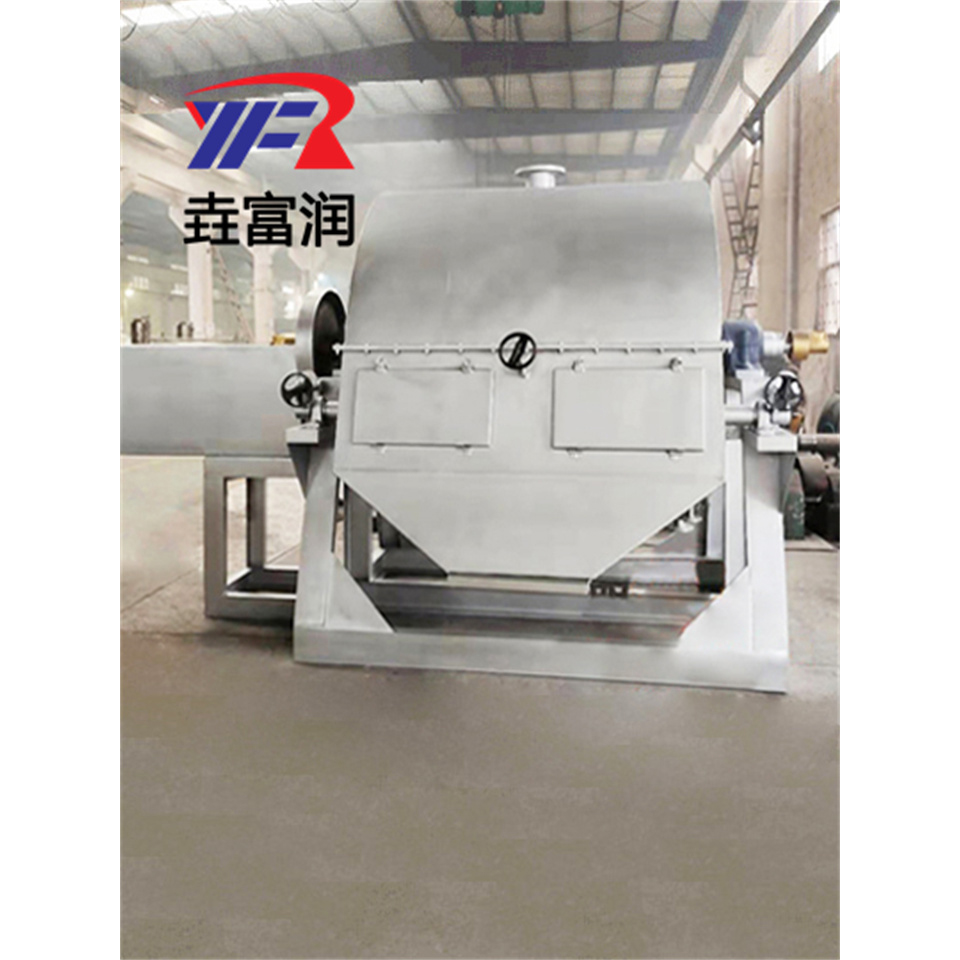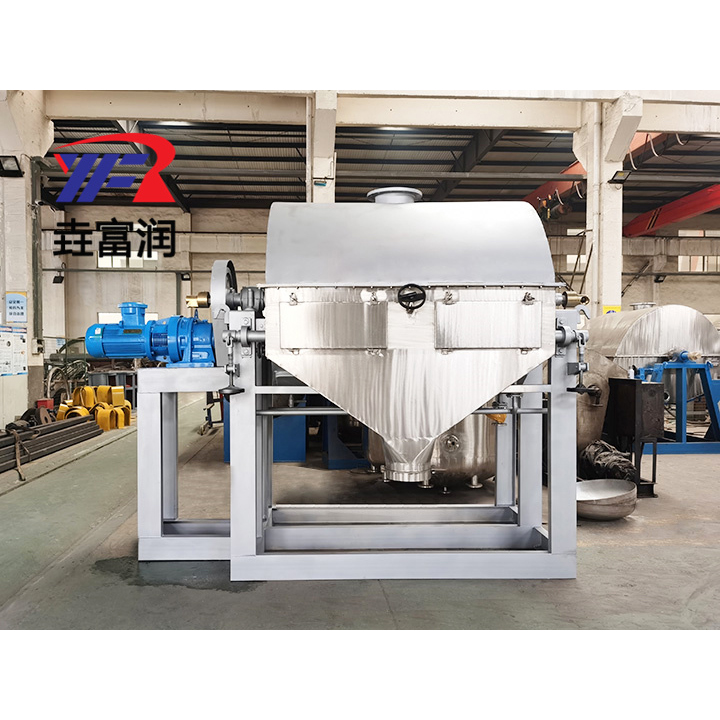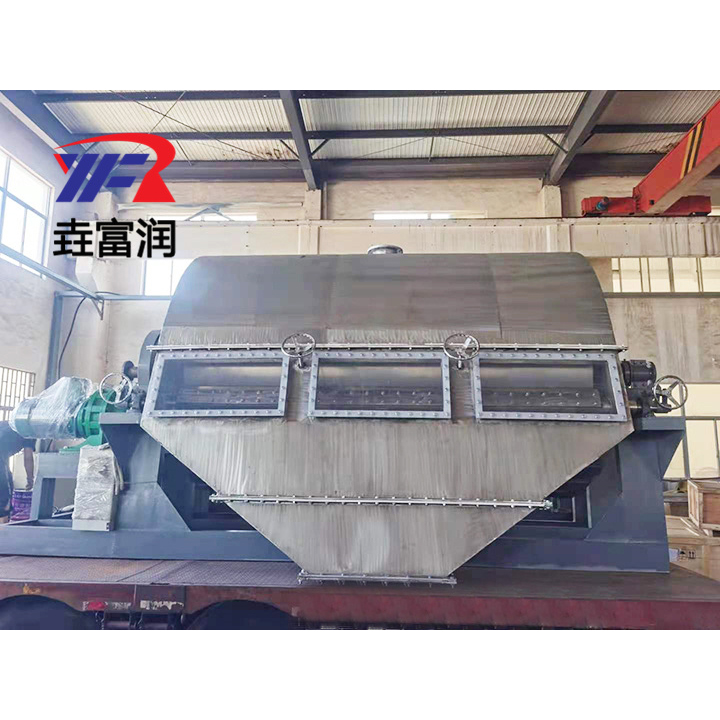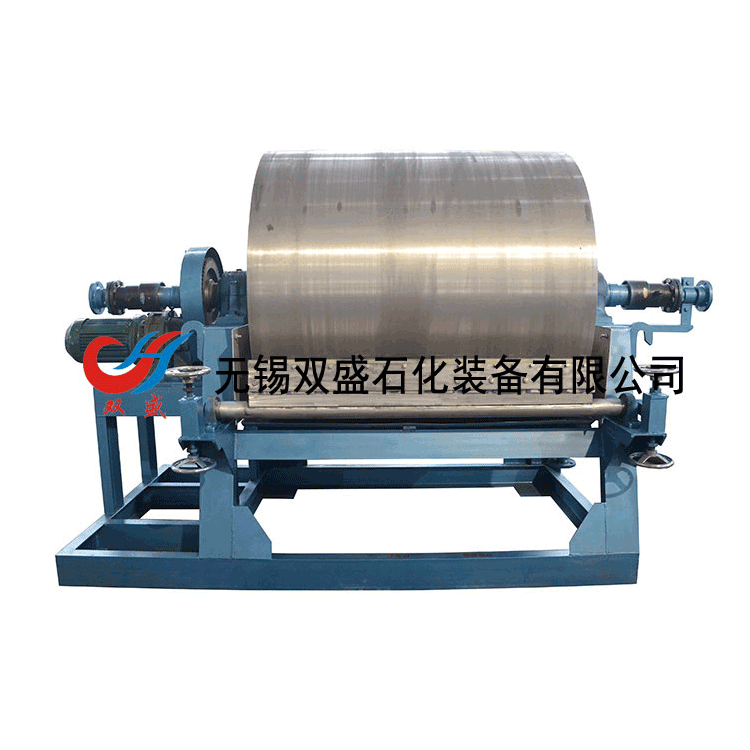

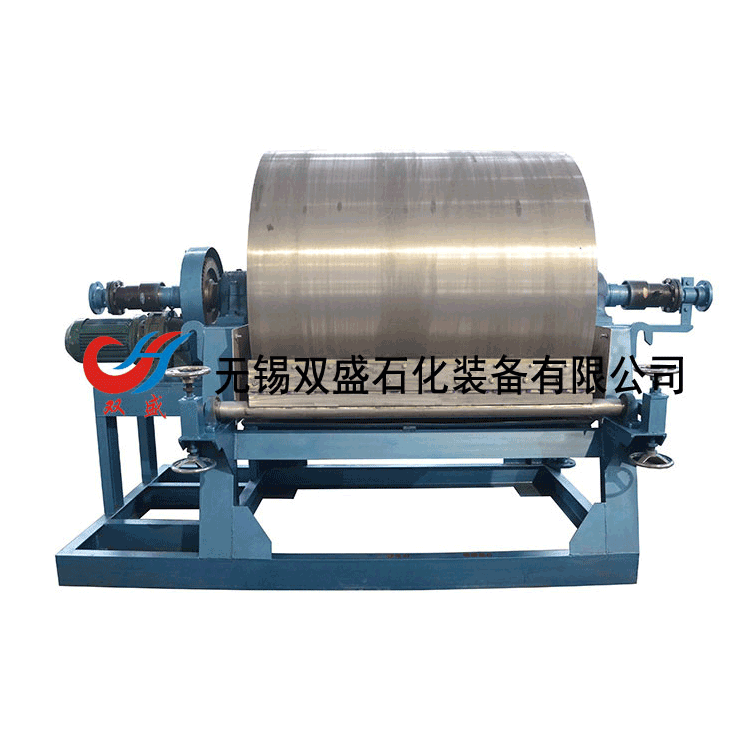
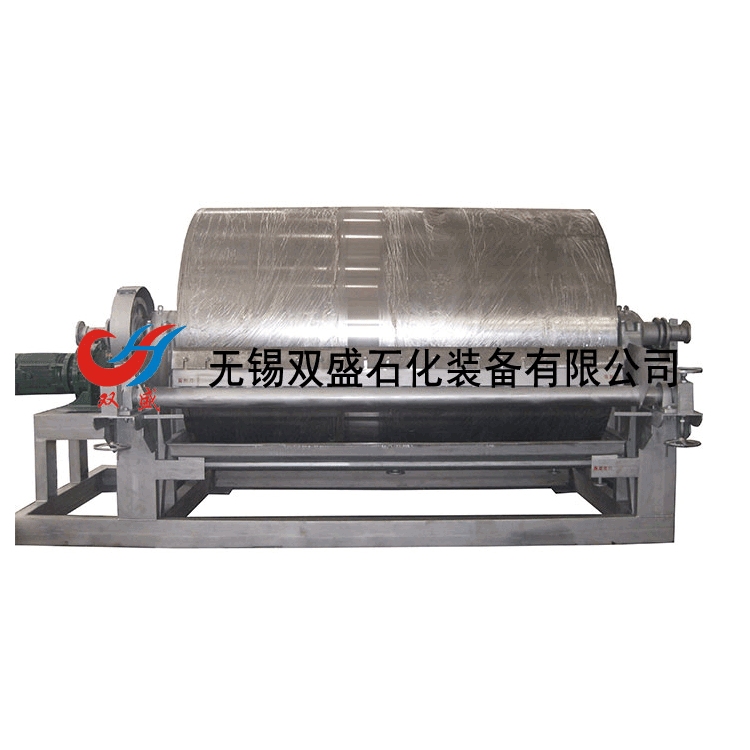


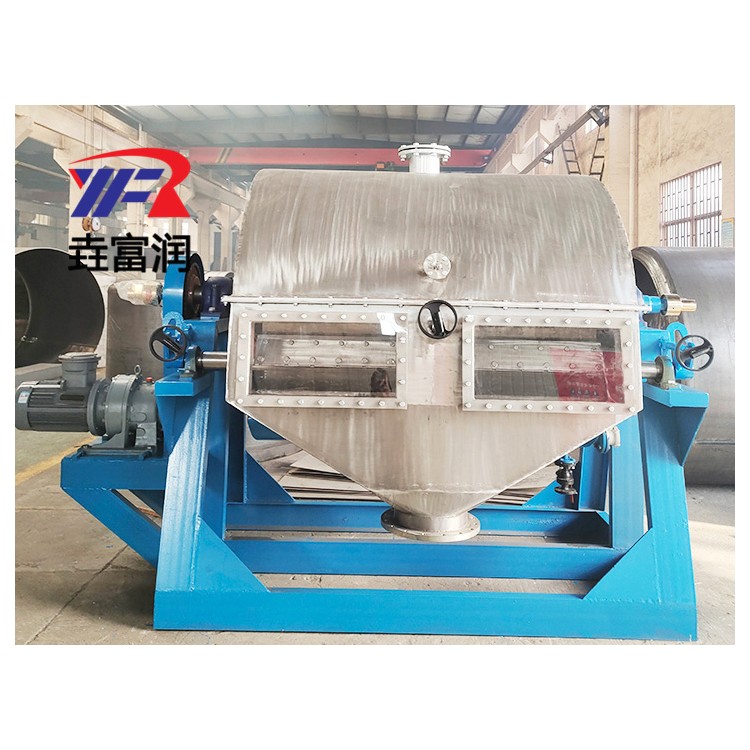
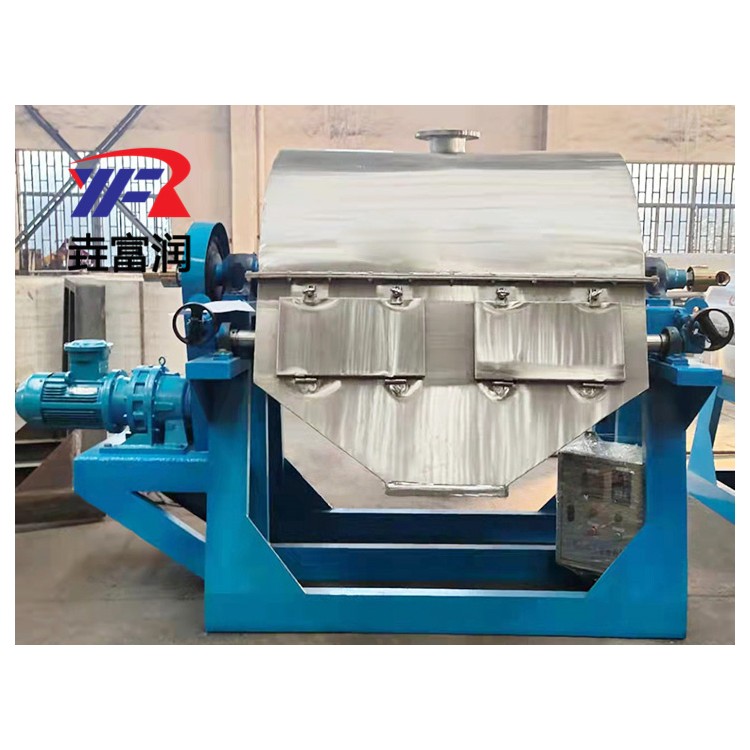







Roller Slicer

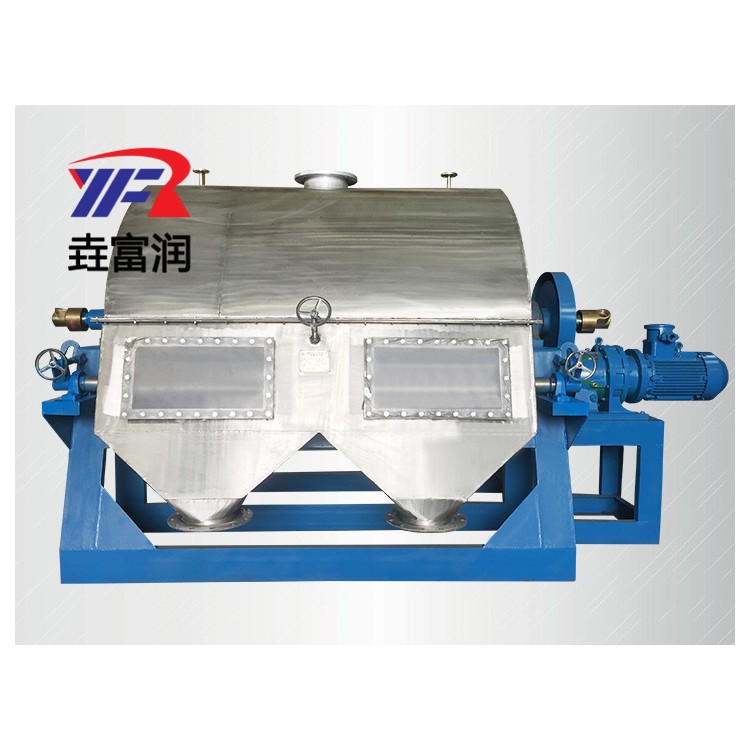
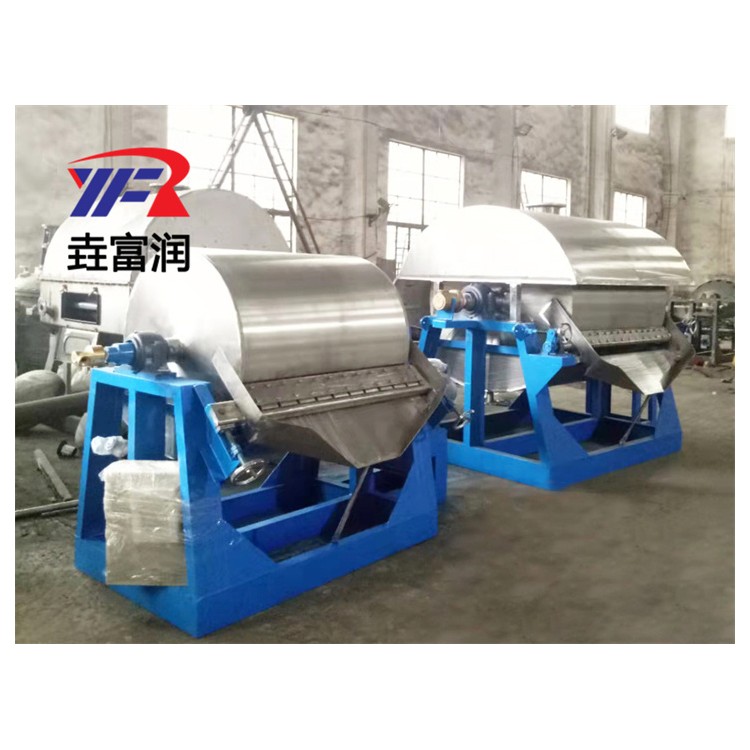
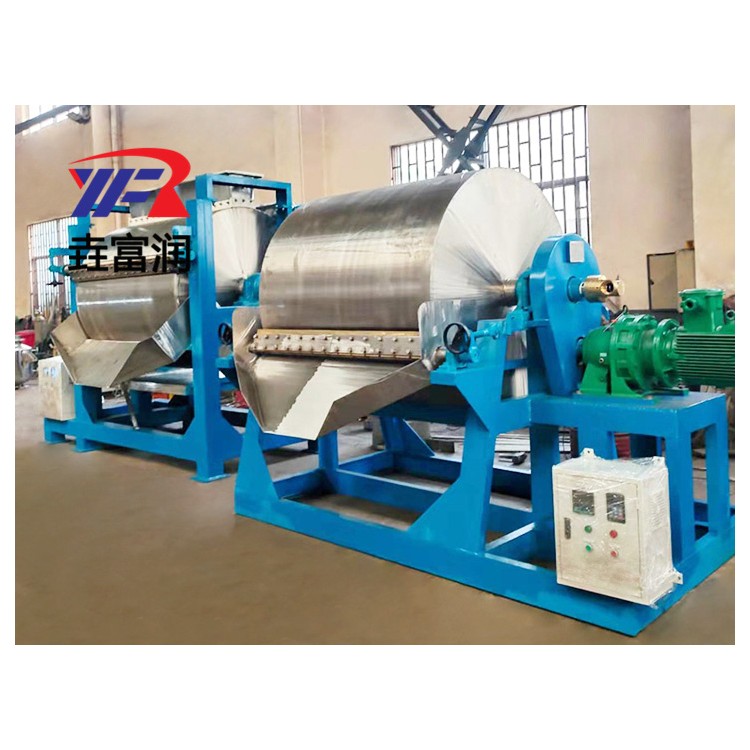
Performance and Features of Condensation Crystallization Slicer
1. There are 3 methods of material intake: upstream intake, downstream intake, and bottom intake. For the characteristics of chemical materials, there are single drum and double drum configurations.
2. Insulation for material troughs includes steam insulation, thermal oil recycling insulation, and electric heating insulation.
3. Equipment is categorized into open type, semi-enclosed type, fully enclosed type, vacuum type, and nitrogen protection type.
4. Blade materials include: brass, phosphor bronze, nylon, phenolic wood, and alloy steel saw blades.
5. The discharge system includes single discharge and double discharge options.
6. Special Requirements: The specified shape and size of the material ensure uniform thickness and size consistency.
7. The cooling (or heating) system features jacketed or spray-type designs, tailored to the slicing machine's size specifications and material characteristics. This enhances heat exchange efficiency, boosts drum strength, and increases the yield of the relative product.
8. Cooling water is sealed with packing or rotating joints, reliably preventing leaks, and a new process has been implemented to reduce the consumption of cooling water.
9. The drum ends are equipped with insulation layers and side scrapers, ensuring that no material accumulates at the drum ends. This eliminates frictional power consumption at the drum ends and resolves issues of unstable start-up caused by material buildup on the ends.

Equipment Features

Crystalline Slicer Model Specifications