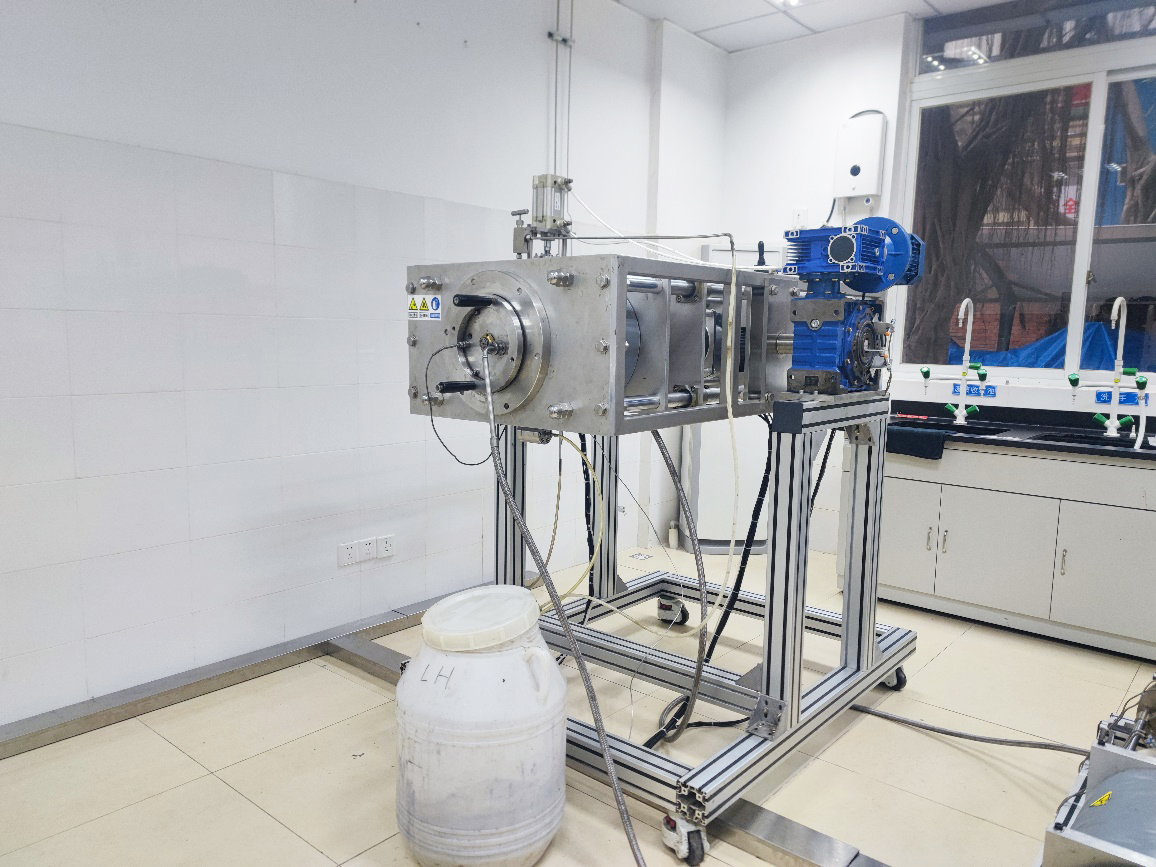


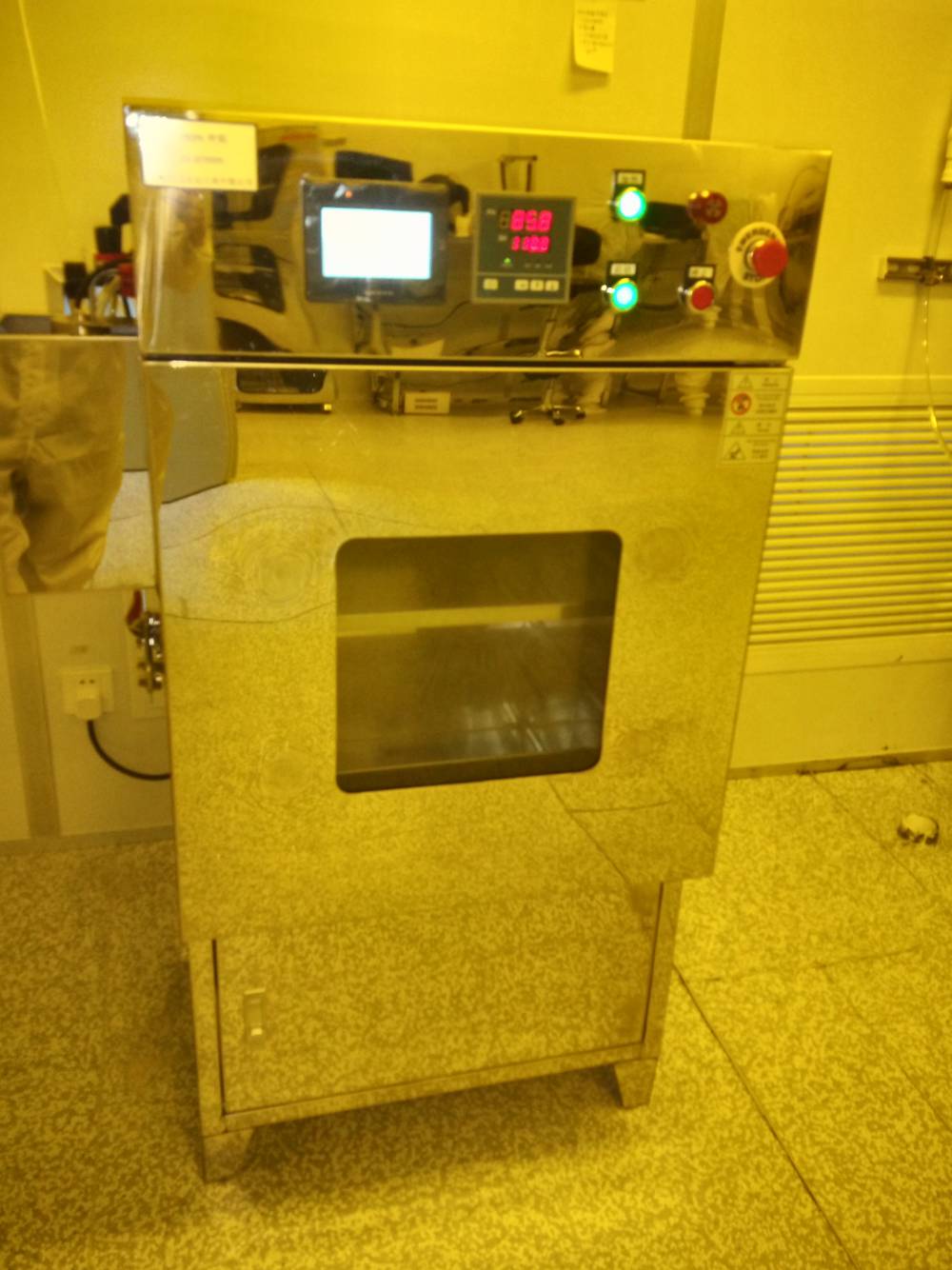
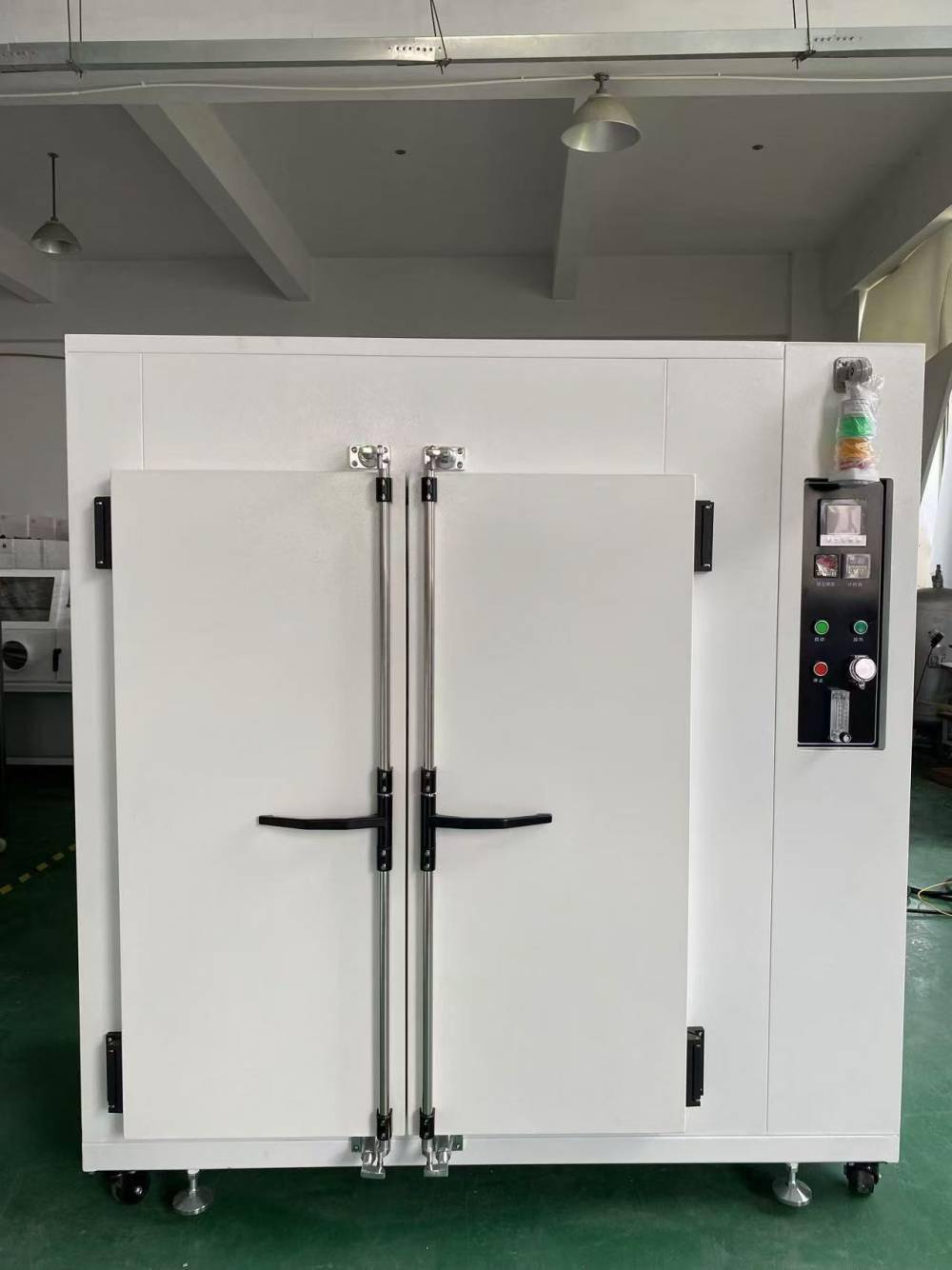







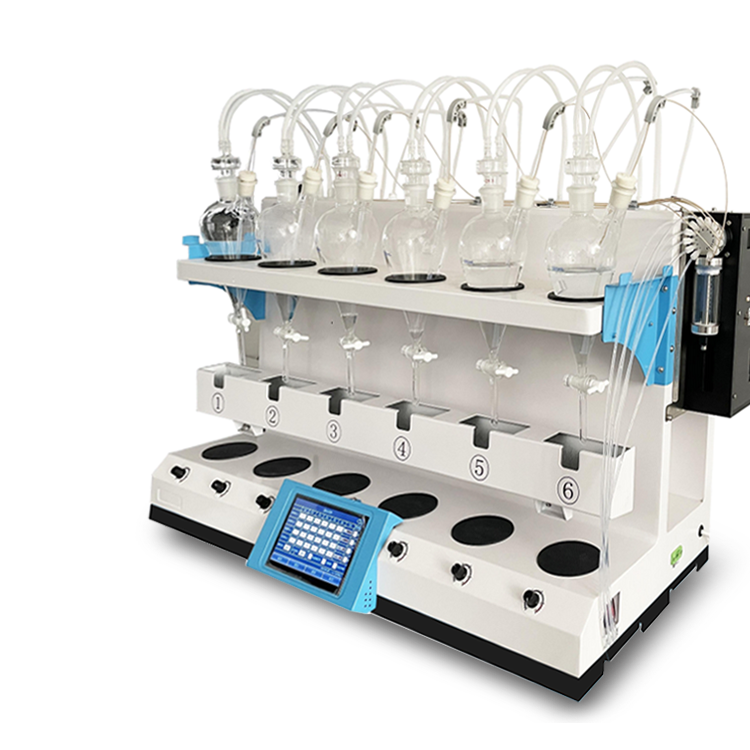

Nitrogen Distillation Apparatus CHZL-6D Water Quality Integrated Distillation UnitIntegrated distillation units (nitrogen distiller, volatile distiller, substance distiller) utilize the latest far-infrared heating method, offering advantages such as high thermal efficiency, long lifespan, rapid heating and cooling, adjustable heating time and power. The instrument can be connected to an external circulating water cooling system. The entire system is simple, easy to install and maintain, and use. It is widely applicable in the pretreatment process of sample analysis for distillation in industries such as environmental protection, chemical, pharmaceutical, and materials. Particularly suitable for distillation treatment of samples for nitrogen, volatile, and substance determinations.
The area of use should be kept clean and well-ventilated; storage of volatile gases is strictly prohibited.
2. Indoor installation temperature requirements: 15~35℃; relative humidity 20~80%, no temperature compensation; altitude 0~2000 meters
Avoid direct sunlight or other rays from striking the instrument.
4. The instrument should be placed on a stable, load-bearing flat surface. The back of the instrument should be at least 15 cm away from the wall to ensure effective ventilation and heat dissipation.
5. Instruments should be avoided from剧烈震动 and continuous vibration.
6. The power supply must be stable; do not share the same power source with equipment such as welders and electric motors. Voltage: 220V, Frequency: 50-60Hz.
7. Avoid using in areas with corrosive gases such as hydrochloric acid fumes, etc.
Operation Steps for the Smart Integrated Universal Distillation Apparatus:
Clean the condenser tube and distillation flask.
2. Connect the distillation apparatus according to the illustration in the product's user manual, and fill the trough with sufficient deionized water.
3. Accurately measure 200ml of the test water sample using a graduated cylinder and transfer it to a clean distillation flask (if the concentration is high, take less water sample and dilute to 200ml with water), and add a few glass beads.
Safety Precautions for Using the Intelligent Integrated Distillation Instrument:
1. Upon first use of the instrument, it is recommended to use pure water or distilled water to prevent scale buildup from prolonged use. Fill to the high liquid level up to the red line on the level window, and it can be recycled for over six months. If the yellow liquid line cools down, when refilling, do not exceed the red marking line.
The distillation flask and condenser are well-sealed, with the seal cap of the distillation flask connected to the solenoid valve through a flexible tube to prevent gas leakage.
During the experiment, no other items are allowed near the tray to prevent affecting the accuracy of the weighing.
4. When the room temperature is 25℃ during summer, the cooling effect will decrease. It is recommended to connect an external cooling device or use tap water for cooling and temperature reduction.
5. When the indoor temperature during winter reaches 0°C, proper cold protection measures for the instrument are required to prevent condensation device BAO cracking and subsequent non-operation.
6. The weight sensor has a large range of 3 kg. Please use the time control mode for any other requirements.
7. For the two consecutive distillation experiments, to ensure the condensation effect, do not turn off the cold water circulation switch after the first test.

Nitrogen Distillation Apparatus CHZL-6D Water Quality Integrated Distillation UnitThe fully automatic integrated distillation unit is a new intelligent distillation processing device that integrates constant-temperature heating, automatic control of distillation endpoint, and cooling water circulation, based on the laboratory distillation pretreatment operation procedures.
In water quality analysis and food testing, distillation is a common and crucial pretreatment step. Traditional distillation equipment, with its separate heating, distillation, condensation, and collection components, is cumbersome to operate; and due to the lack of distillation endpoint control, it often leads to distillation failure, impacting work efficiency. This product features an intelligent integrated design, incorporating precise temperature control, intelligent endpoint control, built-in cooling water automatic temperature reduction, and reflux devices, achieving simple operation, automatic distillation, aesthetic utility, and energy conservation. It is suitable for volatile operations and nitrogen distillation of water samples in environmental monitoring, water supply and drainage, and preventive control fields. It is also applicable to distillation operations of residues in food monitoring and redistillation of benzene and others.
The determination of volatile substances in water employs the 4-aminophenazone spectrophotometric method. Refer to HJ503-2009 for the experimental principle, scope of application, required reagents, interference, and result calculation.
Integrated Distillation Apparatus for Volatile Experimental Operations
Plug in the power, inspect the distillation equipment, ensure that all heating holes can heat normally, turn on the circulating water switch, check for any leaks at all interfaces to ensure the equipment operates smoothly.
2. Place 250ml of sample into a 500ml all-glass distillation flask, add 50ml of distilled water, and add a few drops of methyl orange indicator. If the sample does not show orange-red, supplement with phosphoric acid solution.
3. Begin heating the distillation and stop heating once the distillate approaches 250ml. Then, bring the volume up to 250ml with distilled water.
4. Turn on our company's extractor, check if it operates normally, and after inspection, transfer the entire 250ml distillate into the 500ml separatory funnel provided with our company's extractor.
5. Add 2.0ml of buffer solution to the separatory funnel, set the extraction intensity to 40Hz, duration to 90s, and hold time to 0, extract once to mix the solution.
6. Add 1.5ml of 4-cyanophenol solution, maintaining the extraction intensity, time, and frequency. Extract once and mix the solution thoroughly.
7. Add 1.5ml of iron, maintaining the extraction intensity, time, and number of cycles. Extract once to ensure the reagent and water sample are mixed evenly. Allow to stand for 10 minutes.
8. Add 10ml to the above separatory funnel, set the extraction intensity to 35Hz, time to 60s, dwell time to 30s, and extraction to 3 times. After setting, press the start button to initiate extraction. Once extraction is complete, allow it to settle and separate.
9. Wipe the inner wall of the separatory funnel neck with dry defatted cotton or filter paper. Stuff a small wad of dry defatted cotton or filter paper into the neck. Pass the layer through the wad or filter paper, discard the first few drops of the extracted liquid, and then transfer the remainder directly into a 20mm light path cuvette.
At a wavelength of 460nm, measure the absorbance with the sample as reference.
11. Blank Experiment: Replace the sample with distilled water and measure its absorbance according to steps 4-10. The blank and sample are measured simultaneously.
Points to Note
The buffer solution is prepared with water, therefore, during mixing, the extraction intensity should not be too high. Ensure thorough and even mixing at an appropriate strength; otherwise, it may result in a larger blank value.
2. Release the liquid drop by drop, not in a line.
Nitrogen Distillation Apparatus CHZL-6D Integrated Water Quality Distillation UnitTechnical Specifications
Model: CHZL-6D
2. Heating Method: Electric Heating
3. Heating Unit: 6 far-infrared ceramic heating furnaces, individually controlled for each hole.
4. Heating Time: 8-15 mins
5. Distillation Rate: 12ml/min
6. Time Control: 0-999 min
7. Digital Temperature Detection: Room Temperature -400°C
8. Terminal Control: Weighing Function (Optional)
9. Distillation Flask Specifications: 500ml x 6
10. Rated Voltage/Frequency: 220V/50Hz.