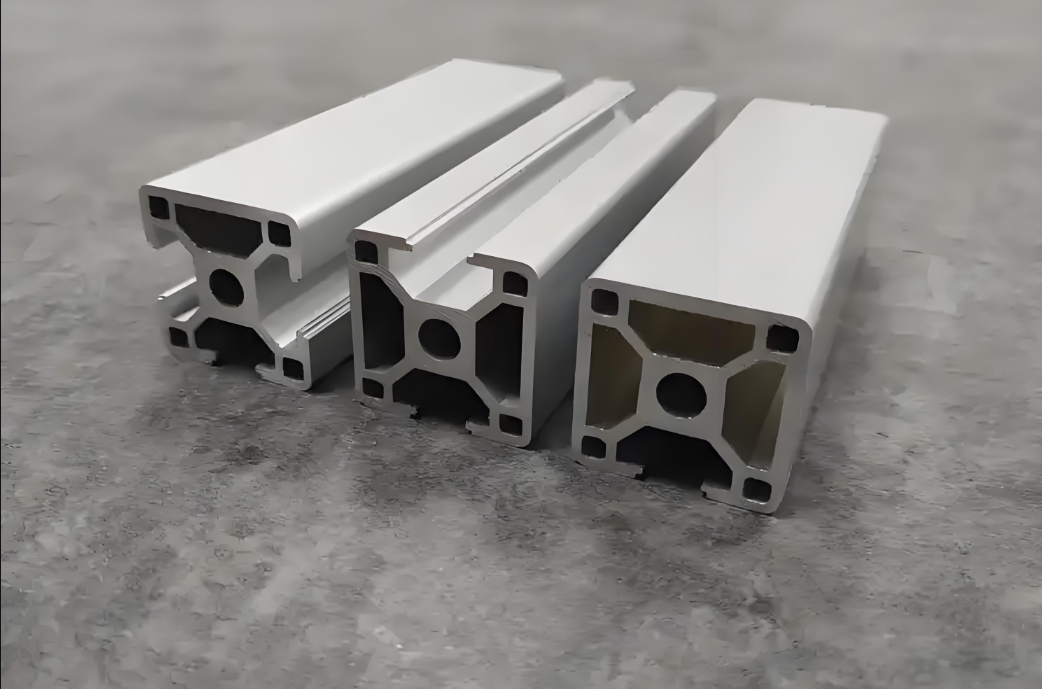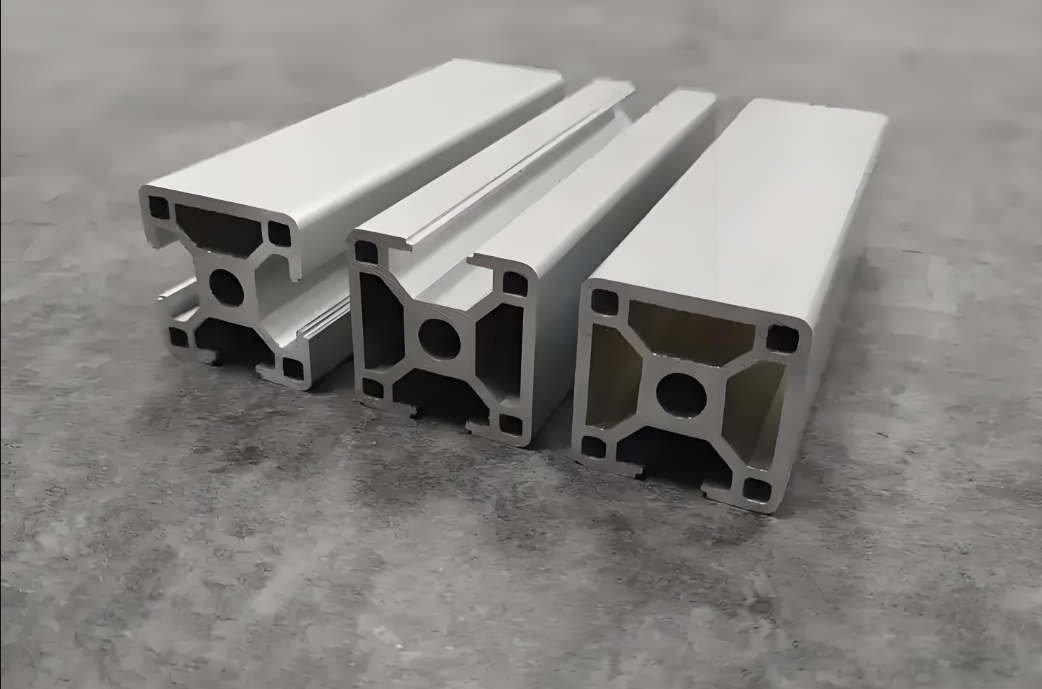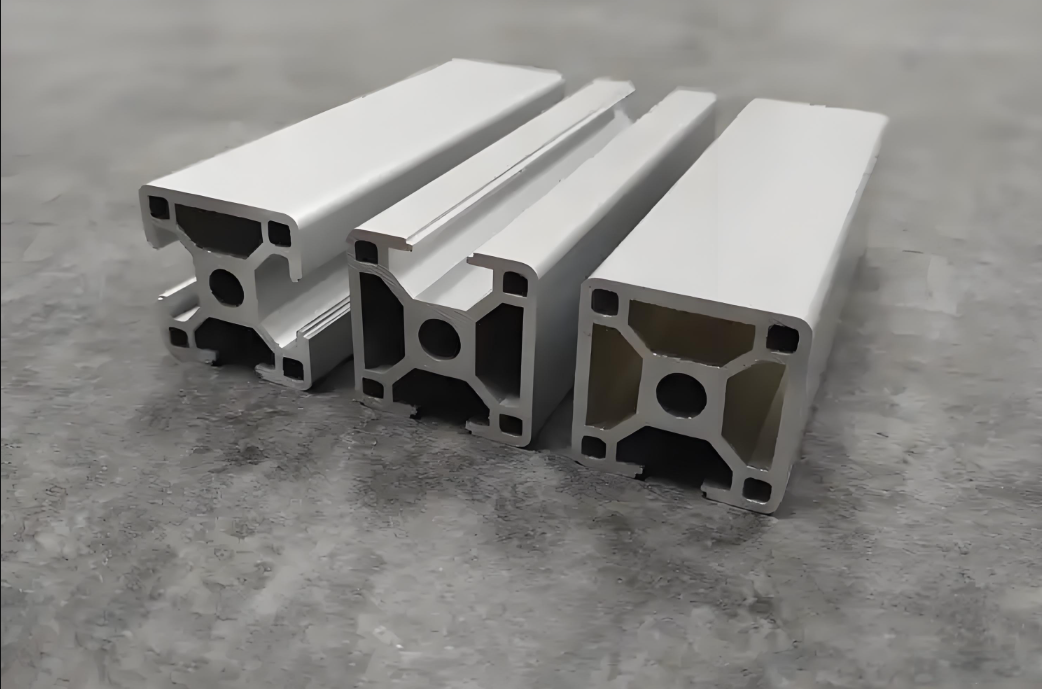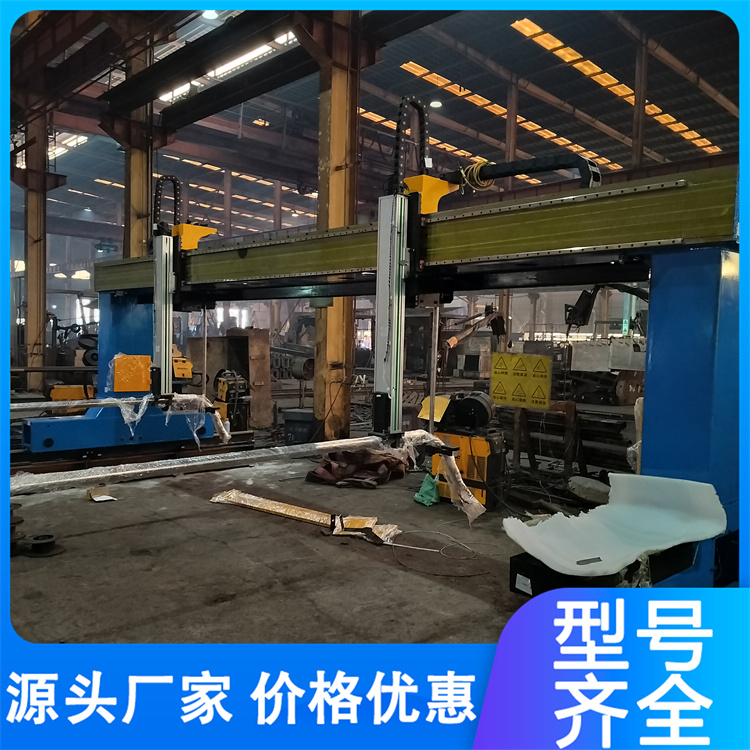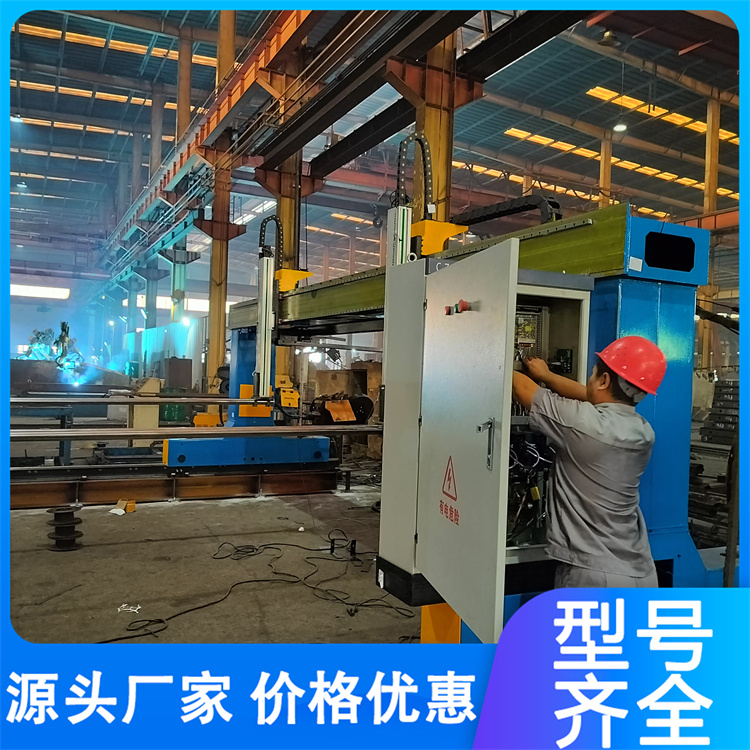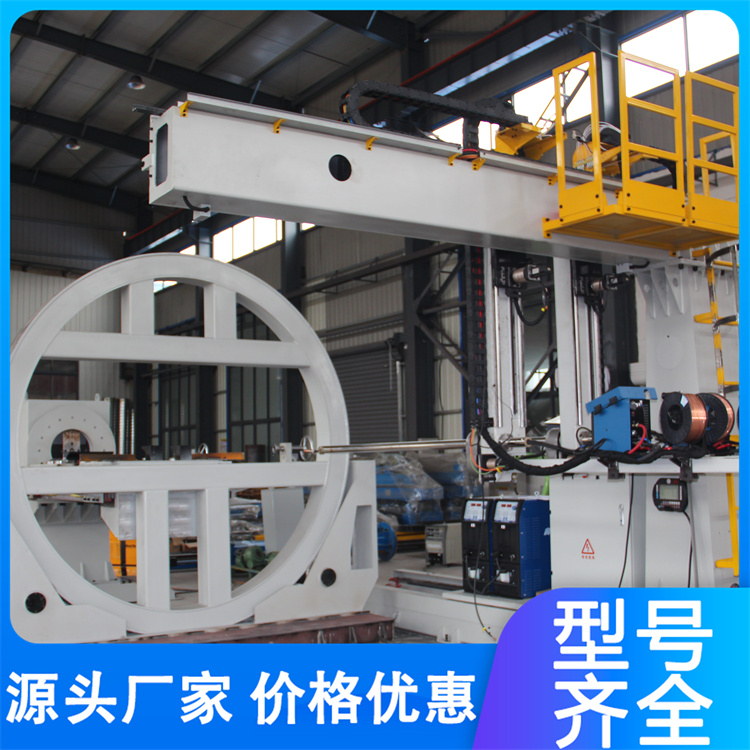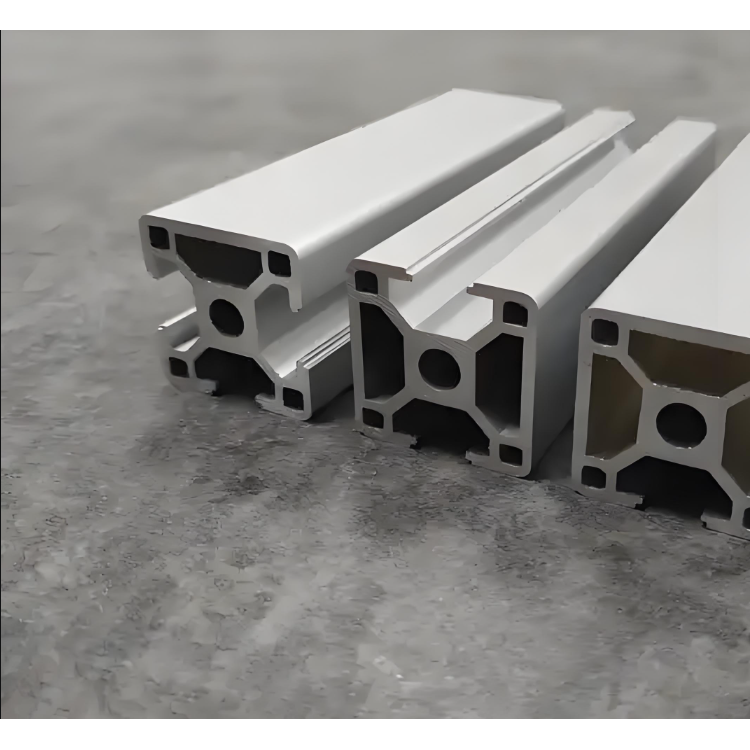

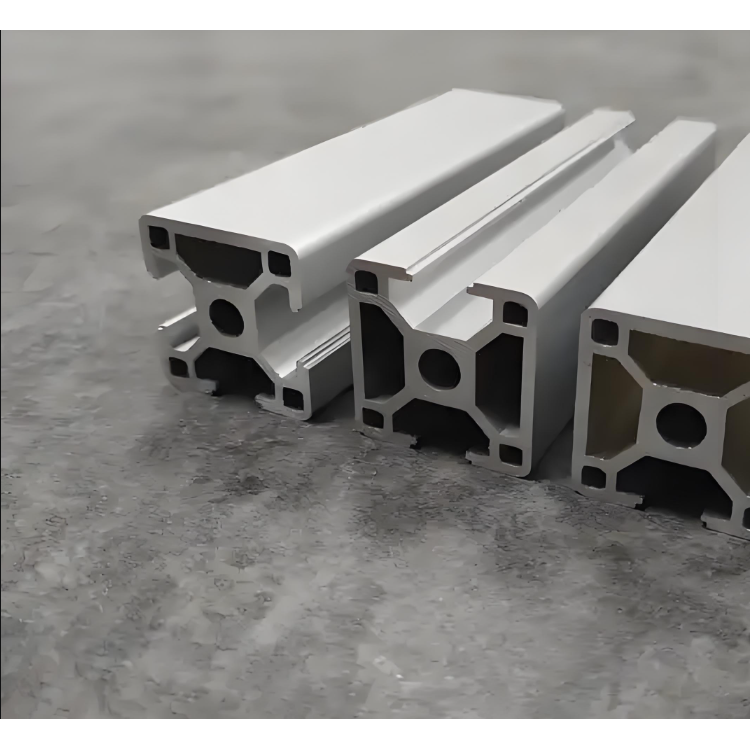
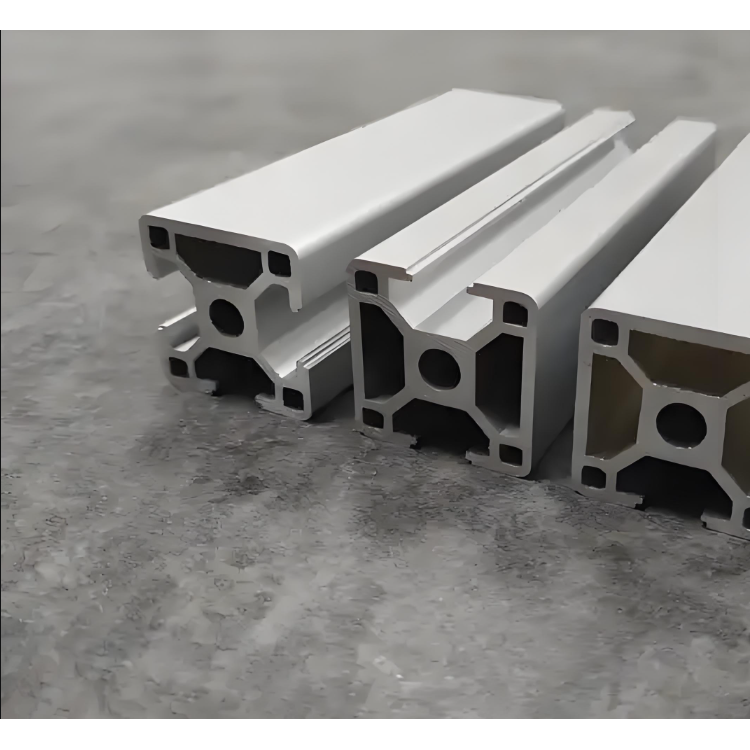
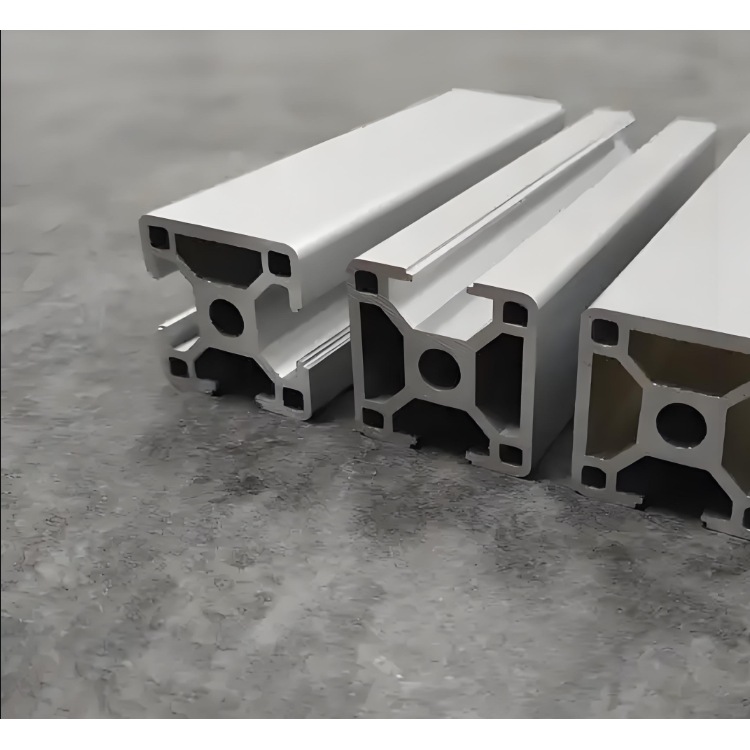


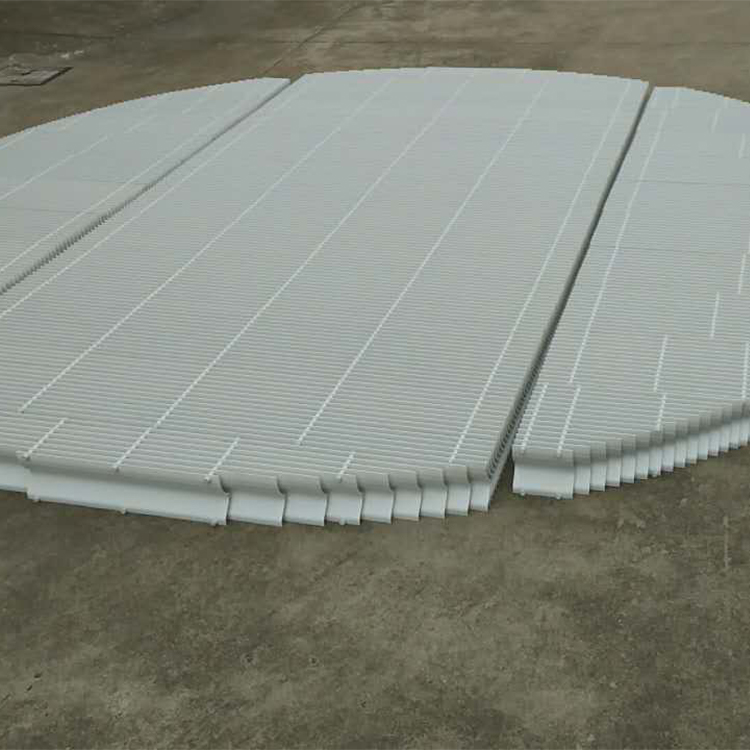
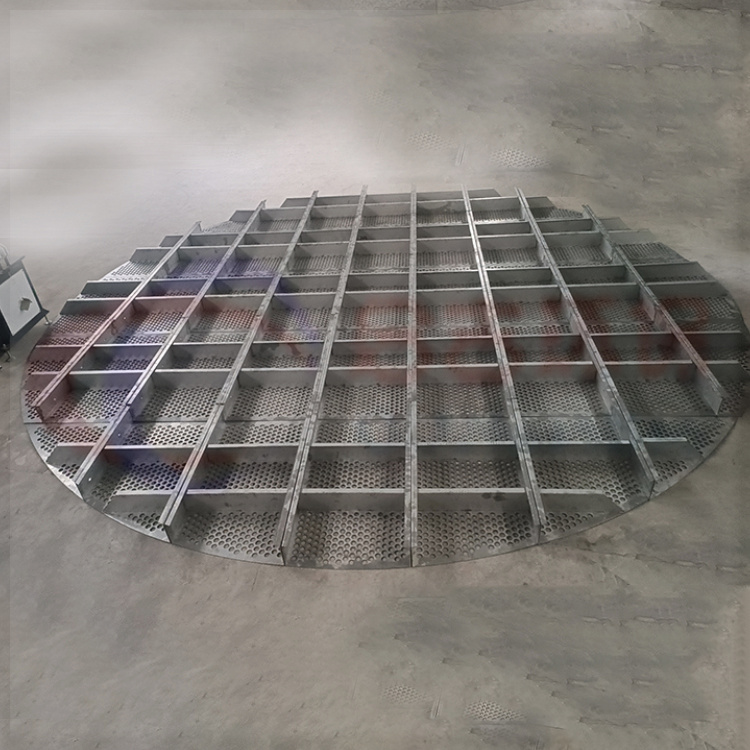








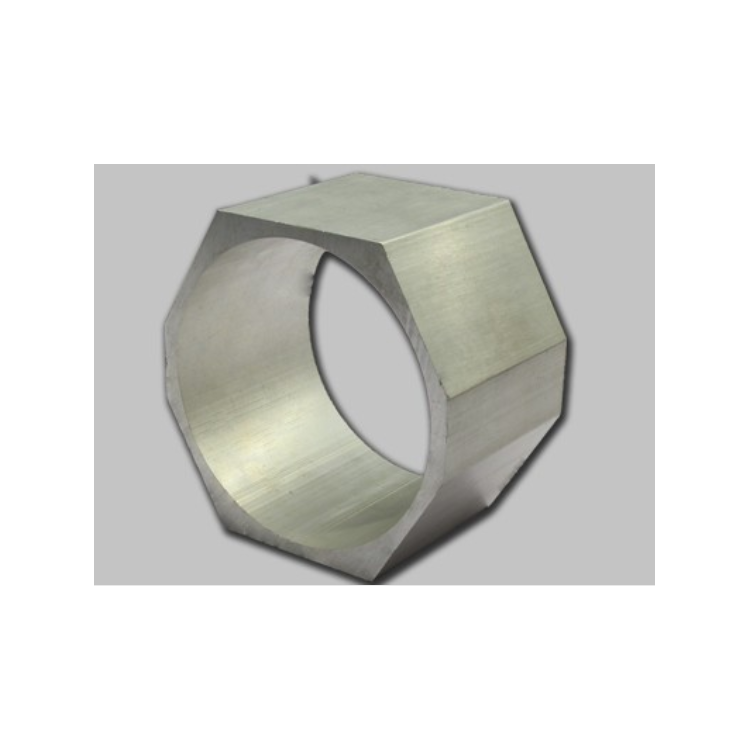


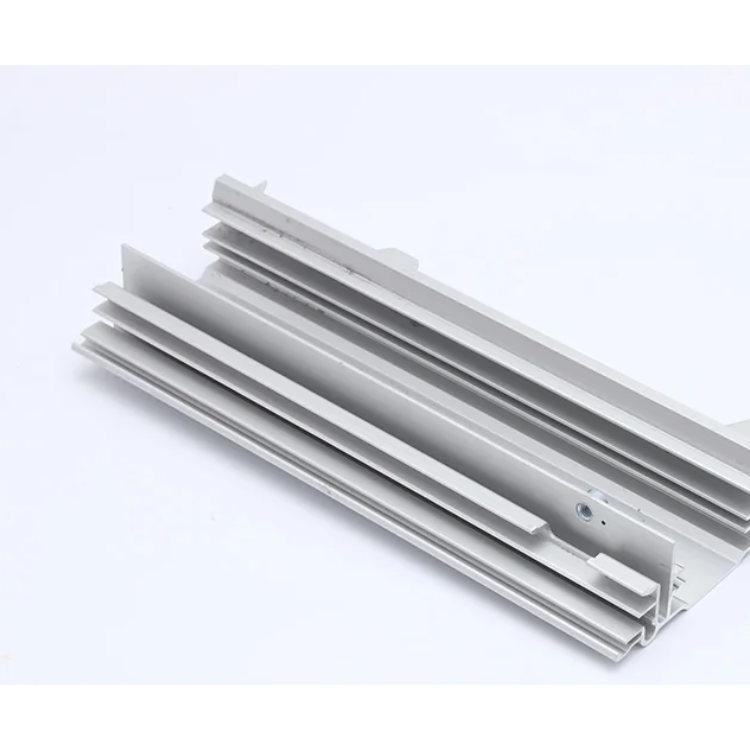
Industrial aluminum profiles are materials formed through the extrusion process of aluminum alloys, featuring specific cross-sectional shapes. They are widely used in industrial applications, such as constructing frameworks, mechanical components, automated equipment, rail transportation, automotive manufacturing, electronic devices, and building structures. Industrial aluminum profiles possess the following characteristics:
1. Lightweight and High-Strength: Aluminum profiles have a low density yet high strength, capable of bearing significant loads.
2. Corrosion-resistant: Aluminum alloy surfaces easily form a dense oxide film, offering excellent corrosion resistance.
3. Easily machinable: Aluminum profiles are easy to cut, drill, thread, and weld, facilitating later processing and assembly.
4. Recyclable: Aluminum materials are recyclable and reusable, meeting environmental protection requirements.
5. Excellent thermal conductivity: Aluminum boasts superior thermal conductivity, making it ideal for applications with high heat dissipation requirements.
6. Aesthetically pleasing: Aluminum profiles feature a smooth surface, which is suitable for anodizing, painting, electroplating, and other surface treatments to enhance the visual texture.
The production process of industrial aluminum profiles typically includes melting, extrusion, cooling, aging treatment, and surface treatment. Extrusion is a critical step, where heated and softened aluminum alloy material is extruded through molds to form profiles of the desired shape using an extruder. The extruded profiles are then subjected to subsequent processes such as cooling, straightening, and cutting to become finished products.
A wide variety of industrial aluminum profiles are available for customization to meet different application requirements. Common types include standard profiles, custom profiles, and special profiles. Standard profiles feature fixed cross-sectional shapes and dimensions, widely used in general structures. Custom profiles are designed and produced based on specific project needs. Special profiles are used for specific industries or applications, such as specialized profiles for rail vehicles and automotive use.