



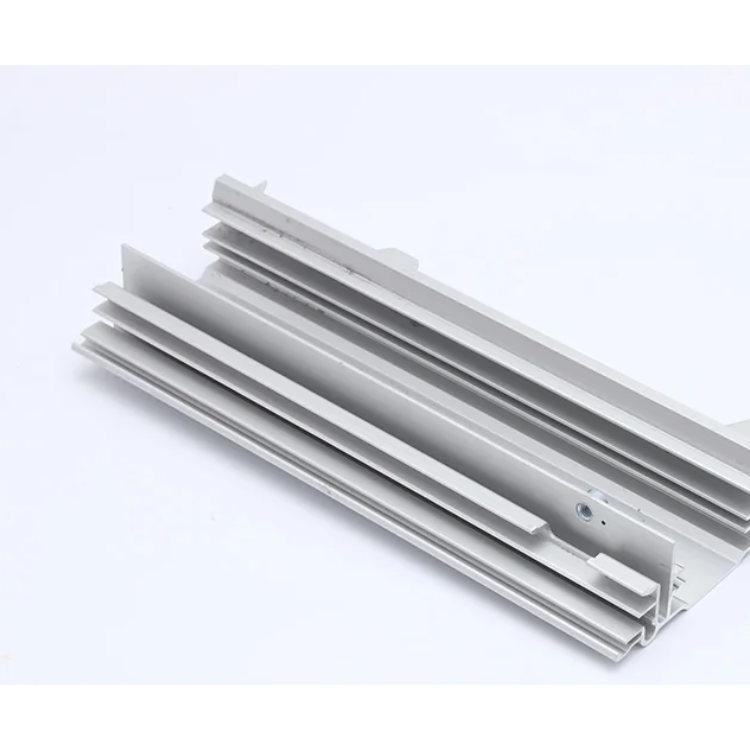













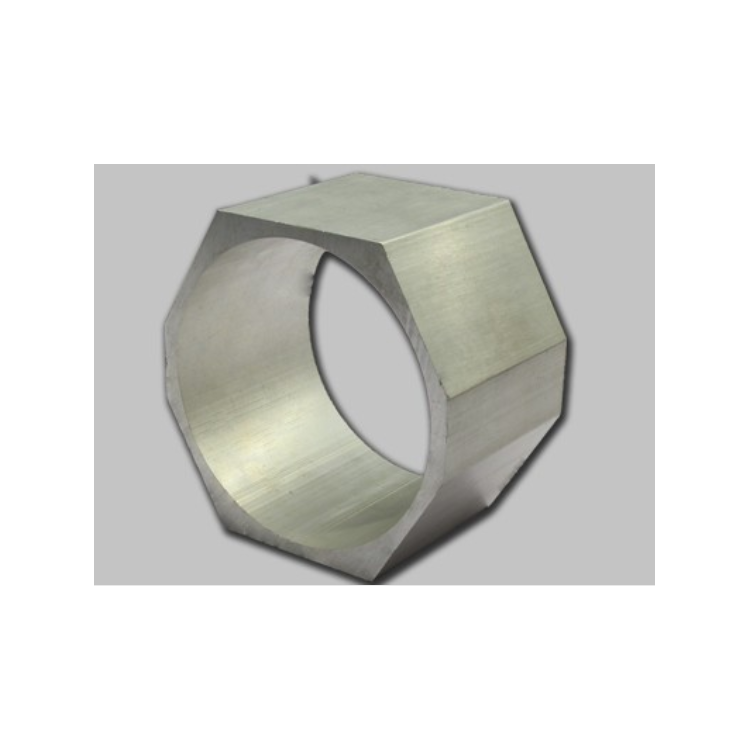

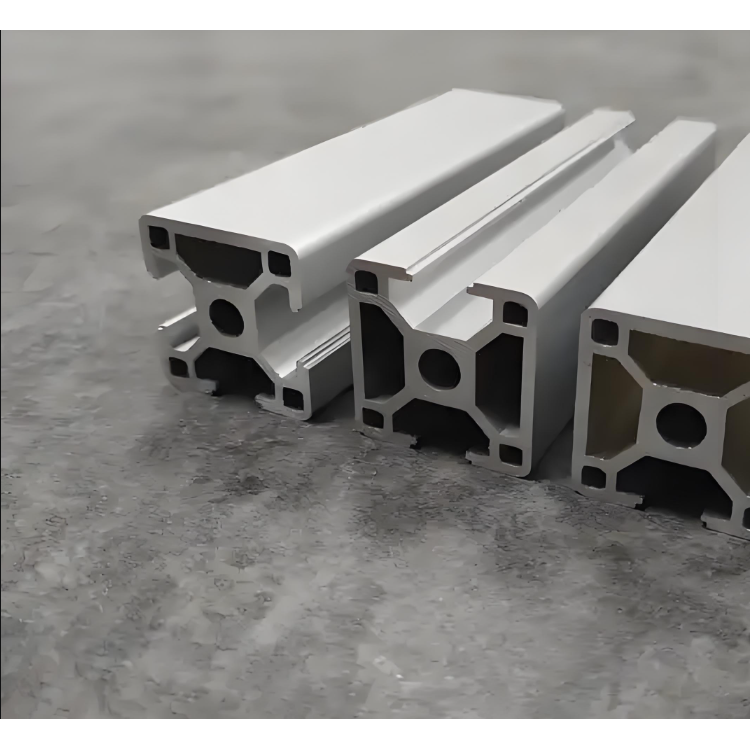

Automotive decorative aluminum profiles are aluminum alloy materials used for both interior and exterior car decoration, featuring lightweight, high strength, corrosion resistance, ease of processing, and aesthetic appeal. Below is a detailed description of automotive decorative aluminum profiles:
1. Material: Aluminum alloyMaterial, featuring excellent mechanical properties and corrosion resistance.
2. Surface Treatment: Common surface treatments include anodizing, powder coating, wood grain transfer, and electro-phoresis painting, all of which enhance the weather resistance, corrosion resistance, and aesthetic appeal of aluminum profiles.
3. Shape and Size: Automotive decorative aluminum profiles come in various shapes, including straight, curved, and custom shapes. Sizes can be customized according to specific requirements.
4. Application Range: Widely used in automotive door frames, windows, roofs, racks, trim strips, and guards, providing aesthetic appeal, protection, and reinforcement.
5. Connection Methods: Common methods include riveting, welding, and bonding, which can be selected according to different parts and usage environments.
6. Performance Features:
o Lightweight and High-Strength: Aluminum alloys have low density and high strength, contributing to reducing vehicle weight and improving fuel efficiency.
o Corrosion-resistant: The oxide film formed on the aluminum alloy surface effectively prevents corrosion, extending its service life.
o Easily machinable: Aluminum alloy is easy to cut, bend, and stamp, making it convenient for manufacturing various shaped decorative pieces.
o Aesthetics: The aluminum alloy surface is smooth and can be treated in various ways, offering a pleasing visual effect.



















