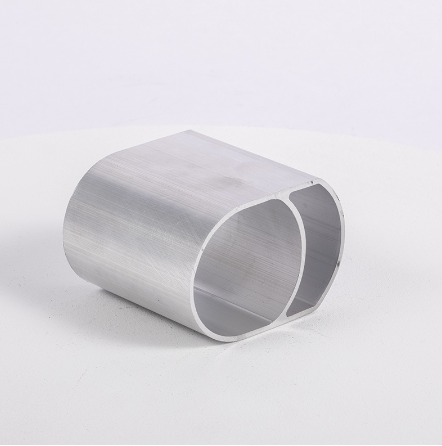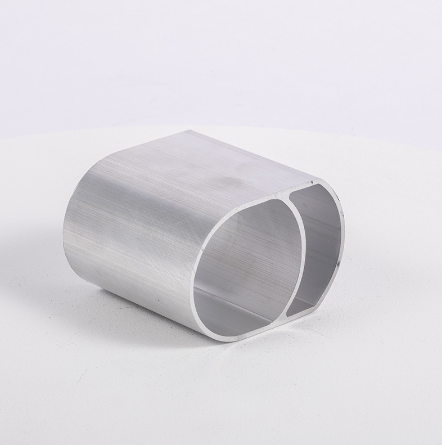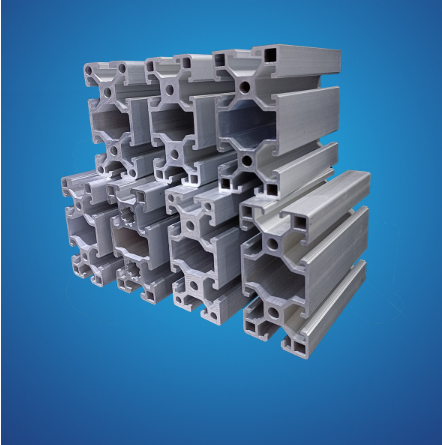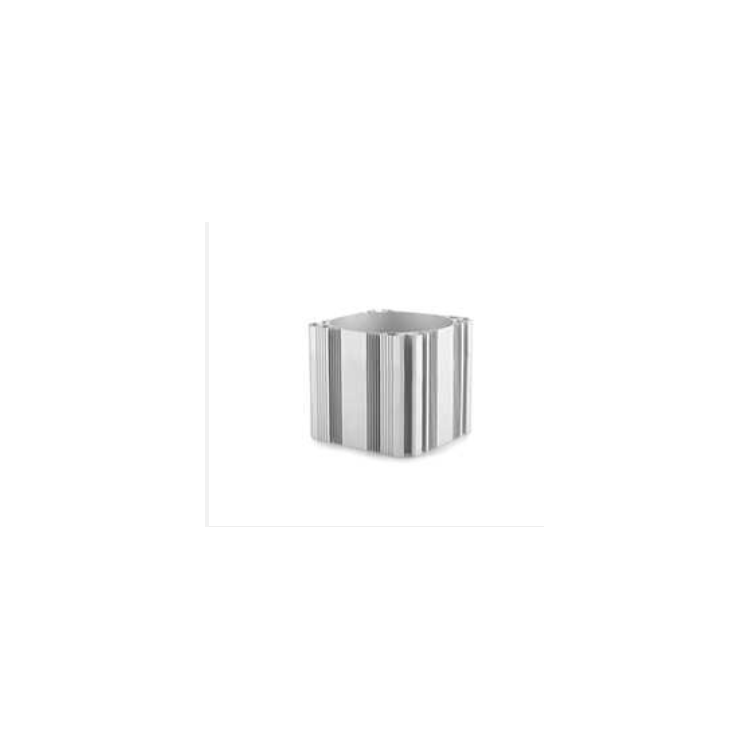













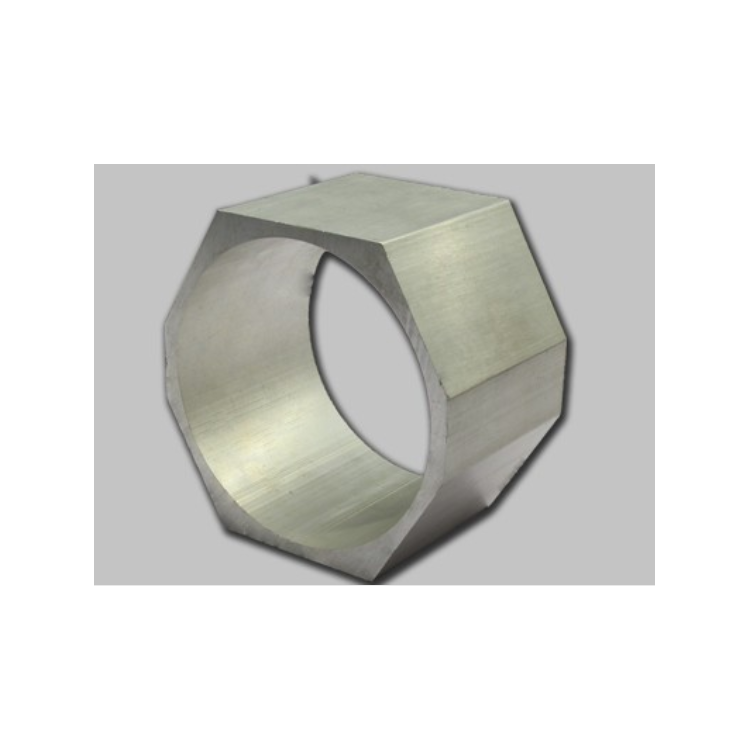

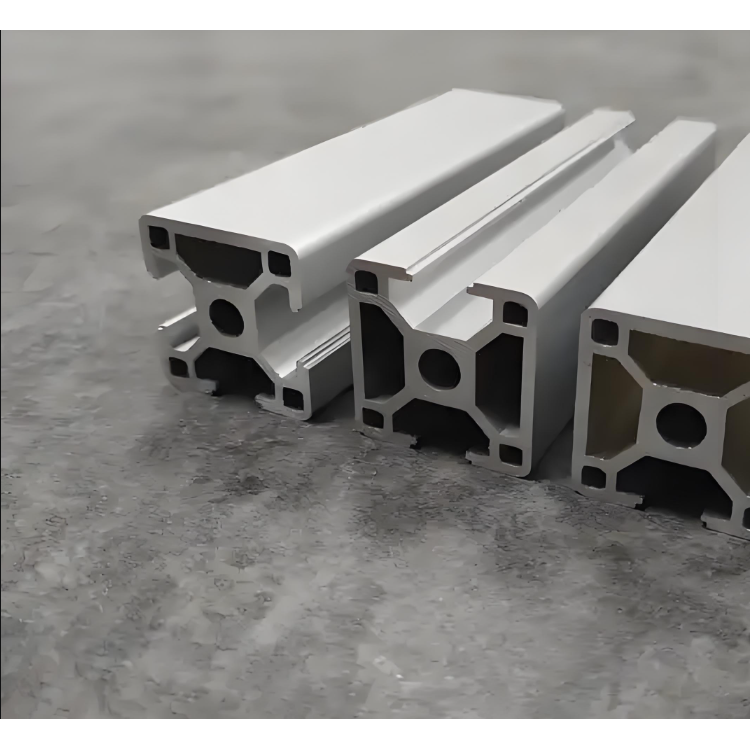
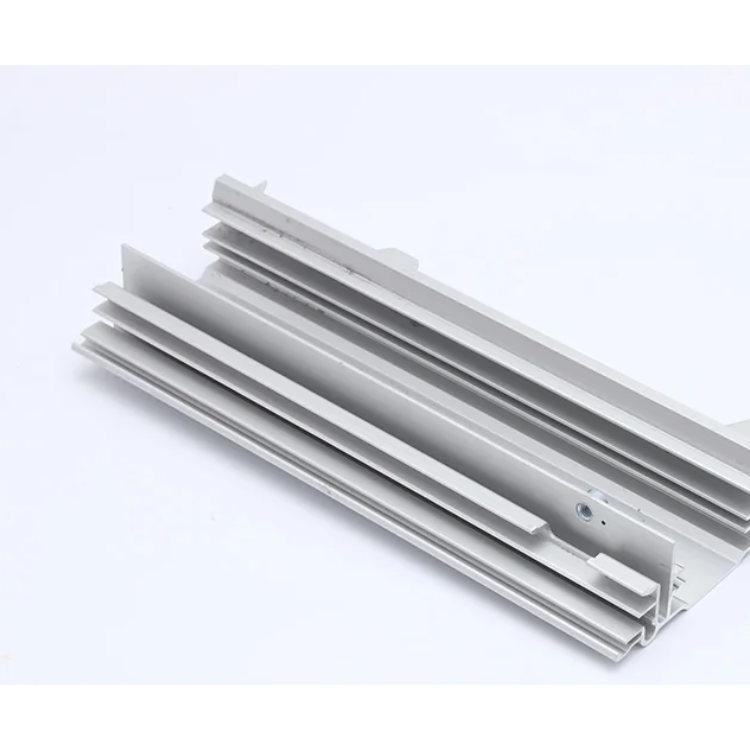
The demand for aluminum profiles in the medical equipment industry has its uniqueness. Below is a detailed description of aluminum profiles for medical equipment:
I. Material Characteristics
Aluminum profiles used in medical equipment must feature high strength and lightweight characteristics. With a low density, about one-third that of steel, aluminum profiles offer higher strength, making them an ideal lightweight material for medical devices. Additionally, aluminum profiles exhibit excellent corrosion resistance, capable of withstanding the侵蚀 of common chemicals and disinfectants found in medical environments.
II. Processing & Manufacturing
Medical equipment has strict requirements for the dimensional accuracy and surface treatment of aluminum profiles. Aluminum profiles can be processed through precise cutting, drilling, threading, and other techniques to meet the high precision requirements for part dimensions and shapes in medical equipment. Additionally, the surface treatment of aluminum profiles, such as anodizing and electro-phoresis painting, not only enhances their corrosion and wear resistance but also endows them with good decorative and functional properties.
III. Design Flexibility
Excellent malleability of aluminum profiles allows them to accommodate the complex design requirements of medical equipment. Through die extrusion, various shapes and sizes of aluminum profiles can be manufactured to meet the diverse component needs of medical equipment. Additionally, aluminum profiles can be combined with other materials through welding, riveting, and bolted connections, enhancing the overall performance and reliability of the equipment.
Economic Efficiency
When considering aluminum profiles for medical equipment, cost-effectiveness is also a crucial factor. The production cost of aluminum profiles is relatively low and they are easy to process and manufacture, which helps to reduce the production costs of medical equipment. Additionally, the recyclability and reusability of aluminum profiles meet environmental requirements, contributing to the reduction of resource waste and environmental pollution.
In summary, medical equipment aluminum profiles, with their high strength, lightweight, corrosion resistance, precision processing, flexible design, and cost-effectiveness, offer a broad application prospect in the medical equipment manufacturing field.