
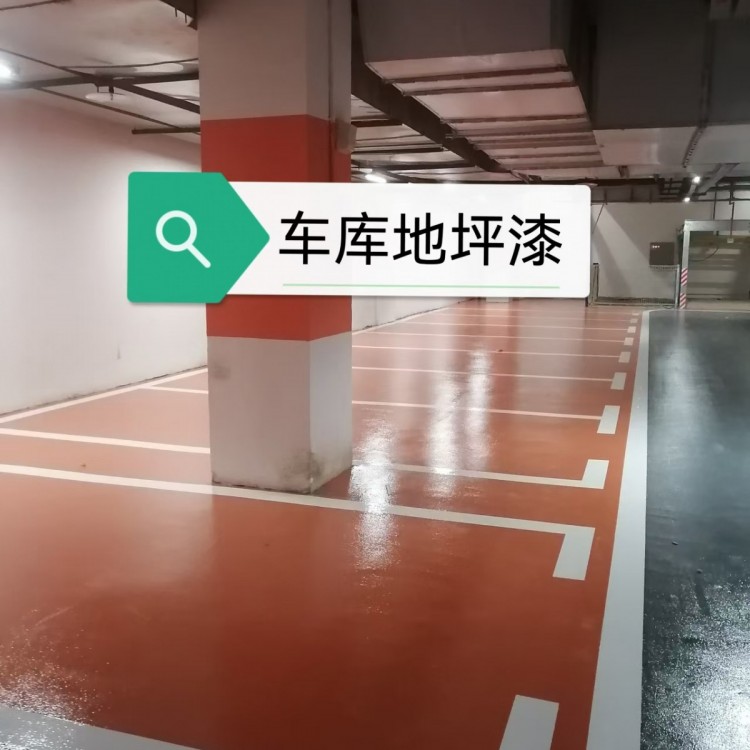
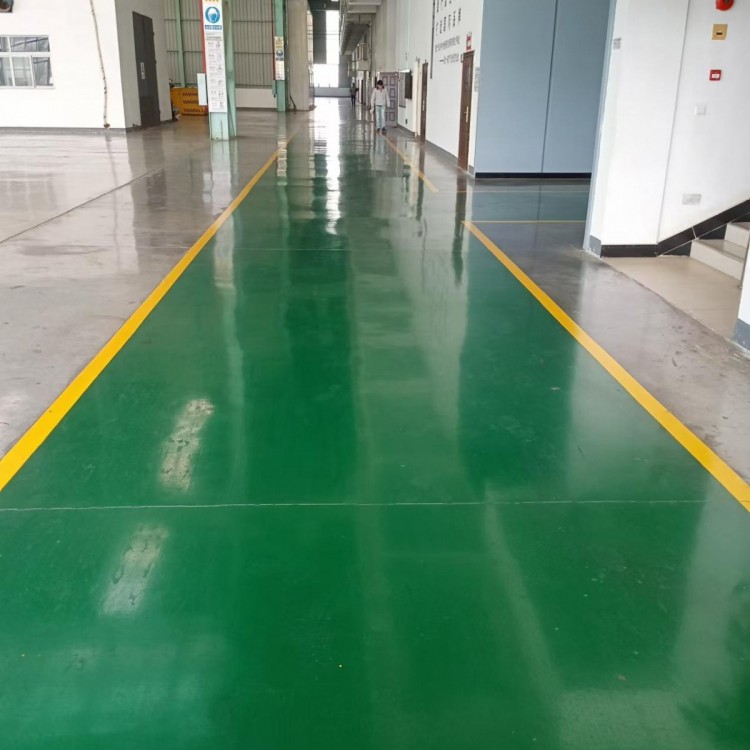
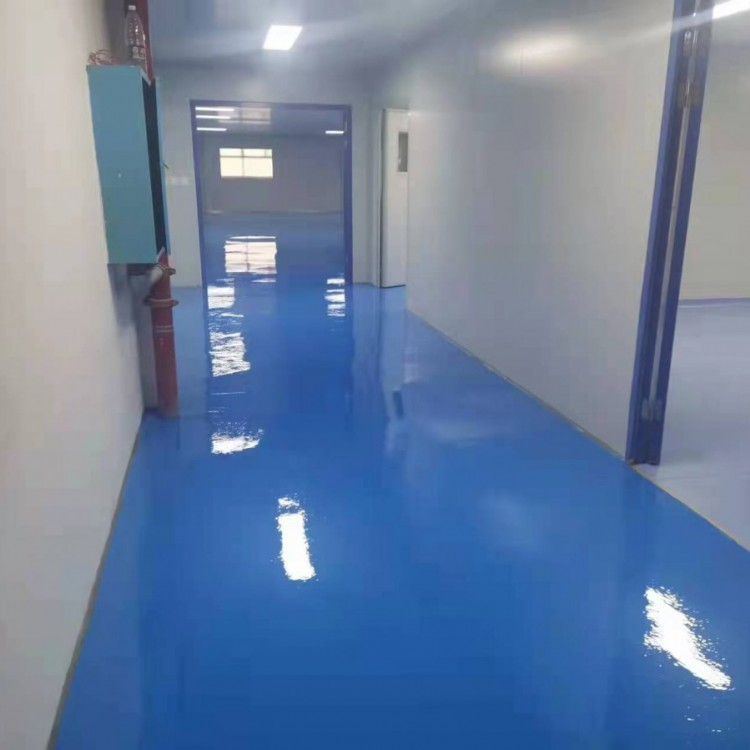









The Difference Between Epoxy Self-Leveling and Epoxy Floor Paint
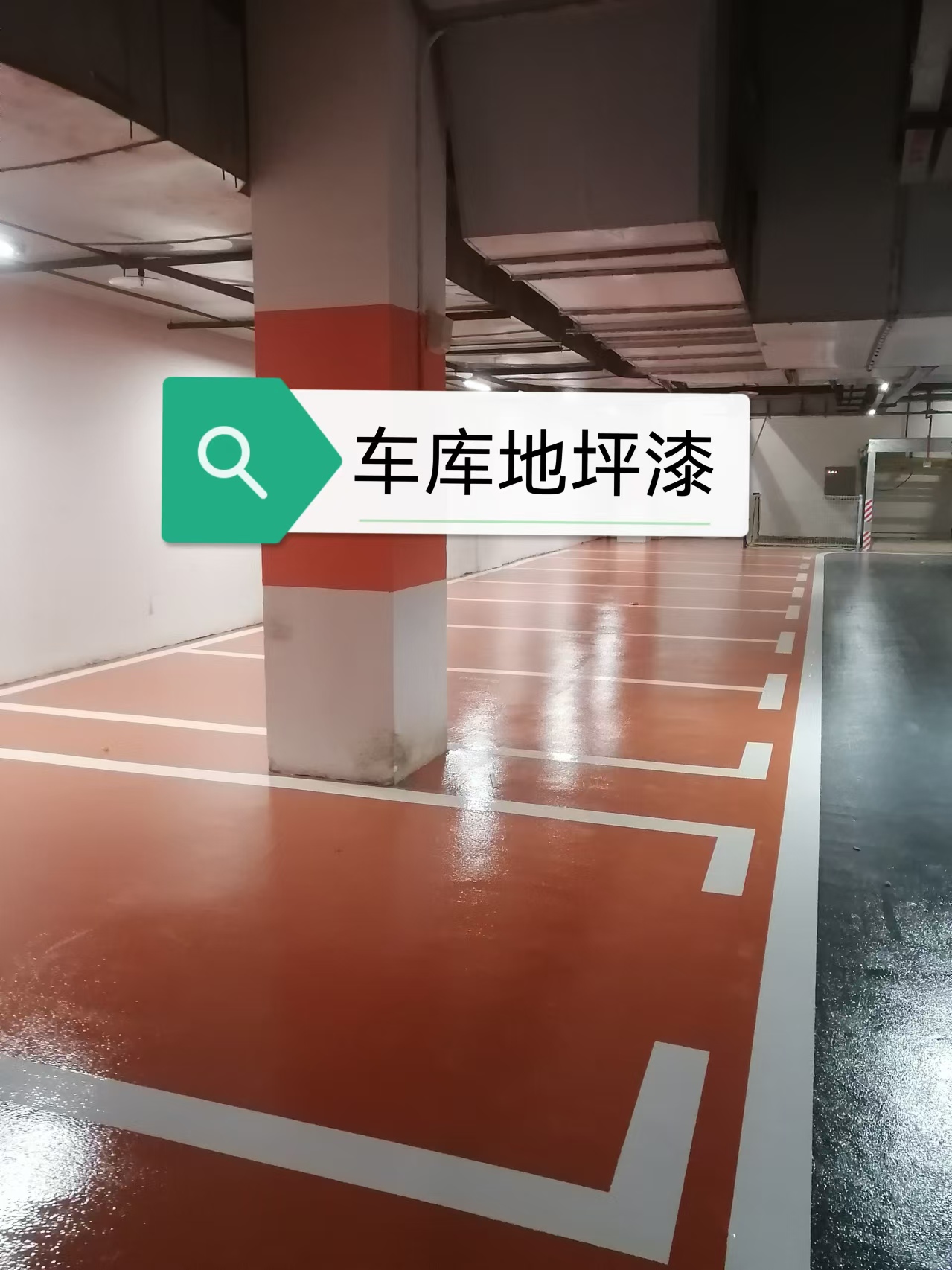
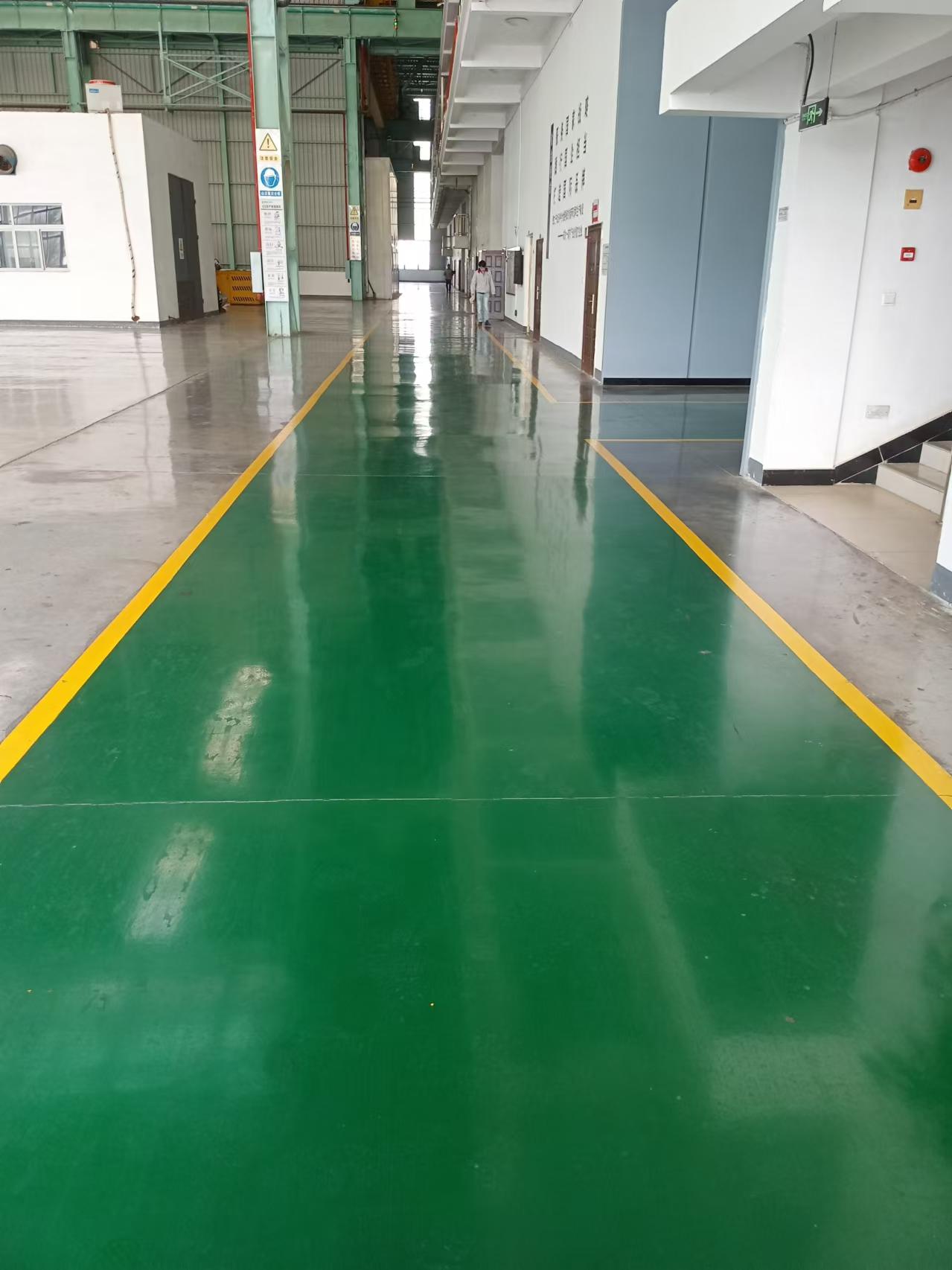
In appearance, the glossy finish and color of the epoxy self-leveling floor are superior to those of the epoxy thin-coated floor, capable of achieving a mirror-like effect. Consequently, in terms of cleaning, the display is highly clean, dust-free, and sterile, making it particularly suitable for electronic equipment rooms, precision instrument rooms, and similar environments.
One, differences in construction techniques
Brushed epoxy flooring is a level epoxy flooring, also known as roller-coated or thin-coat flooring. It is coated with roller paint and painted with a notched trowel on self-leveling epoxy resin flooring. The thickness of self-leveling epoxy mold products is thicker than that of the brush type. The strict construction techniques of self-leveling epoxy flooring are due to its excellent performance.
Firstly, the thickness of the self-leveling epoxy is much thicker than that of the thin epoxy coating.
Next, due to the thicker thickness of the self-leveling epoxy compared to thin-coated epoxy flooring, the installation process for the self-leveling epoxy involves an additional coating step.
Two, engineering price difference
From the perspective of construction costs, self-leveling floorings are more expensive than painted floorings under the same thickness requirements. It can be observed that the construction cost of epoxy self-leveling floorings is slightly higher than that of epoxy thin-coated floorings.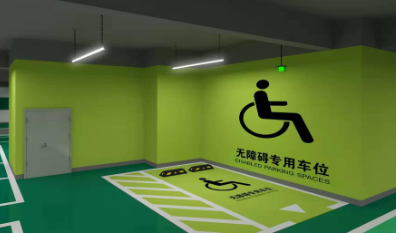
Epoxy Self-Leveling Floor Paint ManufacturerProcess
One, undercoat application
1. On the processed ground surface, roll-on penetrating primer is applied. High-performance, low-viscosity resin is used as the primer, which has certain penetration properties.
2. Mix all components of the material and blend well with a slow-speed stirrer. The primer should be mixed strictly according to the ratio and blended with a mixer.
3. After the primer has cured and is within its validity period, it should be evenly applied to the base layer. For corners that are difficult to apply the primer to, a brush can be used to ensure even coverage. The condition of the base layer greatly affects the application rate. If the base layer is loose, the amount of primer may need to be increased.
4. When scraping the undercoat, the base layer absorbs the undercoat at different speeds, which may lead to unevenness. Therefore, it is necessary to apply additional base coat to areas where the base layer has been absorbed too dry.
Epoxy quartz sand mortar layer application
After the infiltration coating is fully dried, construct the quartz mortar layer using the coating made from quartz sand and a small amount of other auxiliary powders.
2. Apply an epoxy mortar layer, mix the epoxy primer with the hardener, and start stirring with a slow-speed mixer. While stirring, pour in the quartz sand and relevant fillers. After mixing, use a trowel or spatula to evenly spread the mixed material onto the base coat. Throughout the application process, all entries are kept closed.