






I. Working Principle
- Section II: Equipment Structure
- Section 3: Application Fields
- IV. Advantages and Limitations
*’s separation effectEfficiently separates suspended particles, oils, and other impurities from water, with a shorter processing time typically ranging from 30 to 60 minutes. This method is more efficient compared to traditional sedimentation techniques.
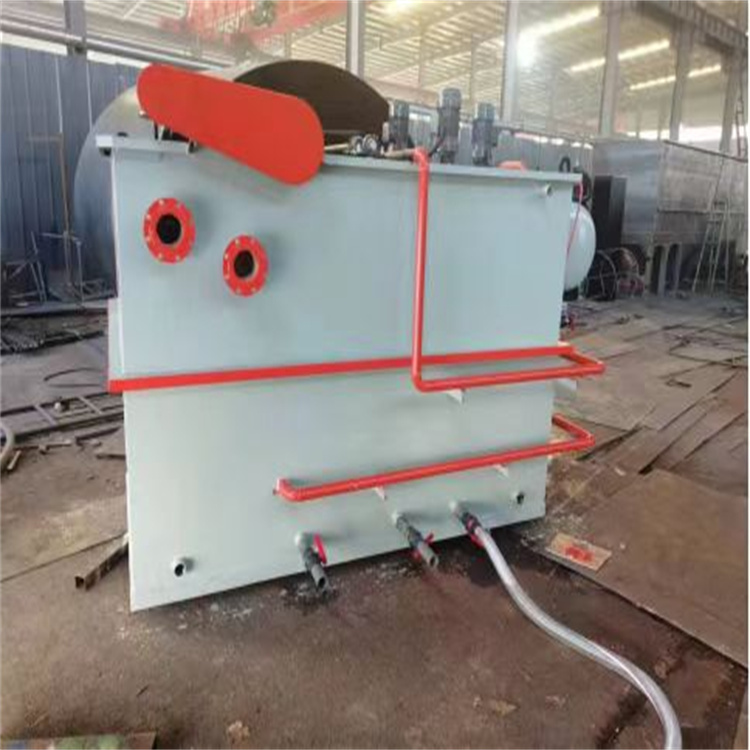
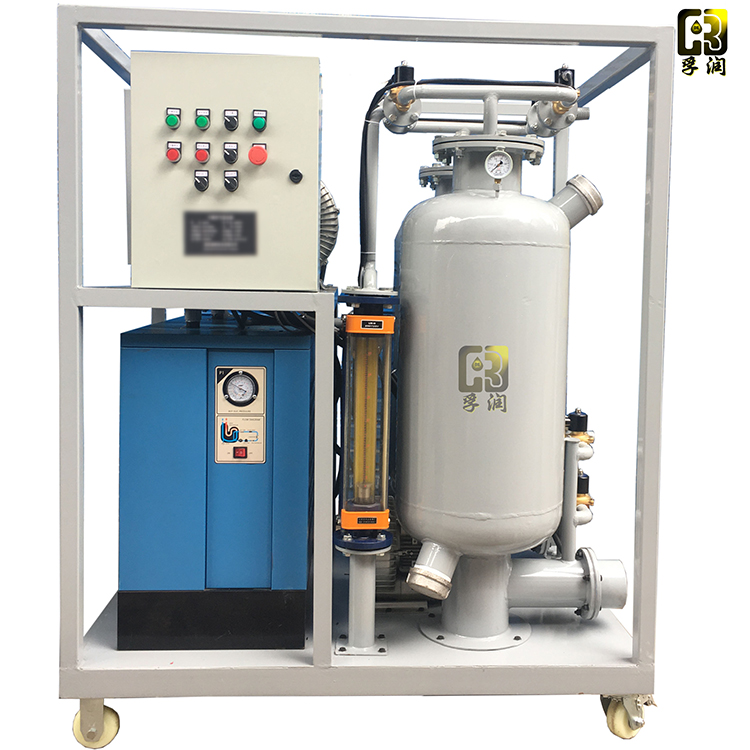
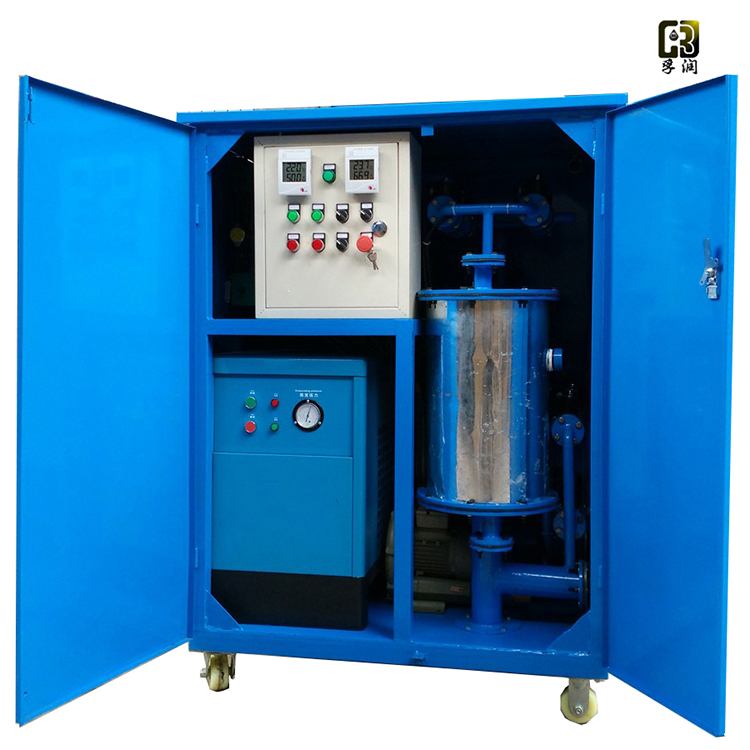
Small land areaThe flotation machine has a relatively compact structure, especially when handling the same volume of water. The footprint required for a flotation machine is significantly smaller than that of a traditional sedimentation pond. For instance, a flotation machine with a processing capacity of 100 m³/h may only occupy a few dozen square meters, whereas a sedimentation pond with the same capacity might take up several dozen square meters.
AdaptableCan handle various types of wastewater, including those containing suspended solids, oils, or colloids; the flotation machine can play a certain role in treatment.
Limitations
Higher operating costsDue to the continuous operation of the air flotation machine requiring air compressors and other equipment, its energy consumption is relatively high. Additionally, the maintenance and upkeep of the equipment also entail certain costs, such as regular inspections of the dissolved air tank, cleaning and replacement of the release valves, etc.
Water quality requirements are somewhat restricted.If the concentration of suspended solids in the wastewater is too high, it may affect the treatment performance of the flotation machine. Excessive suspended solids can lead to poor adhesion of bubbles, causing some suspended solids to fail to float effectively. Moreover, if the water contains a large amount of surfactants and other substances, it may alter the nature of the bubbles, reducing the flotation efficiency.