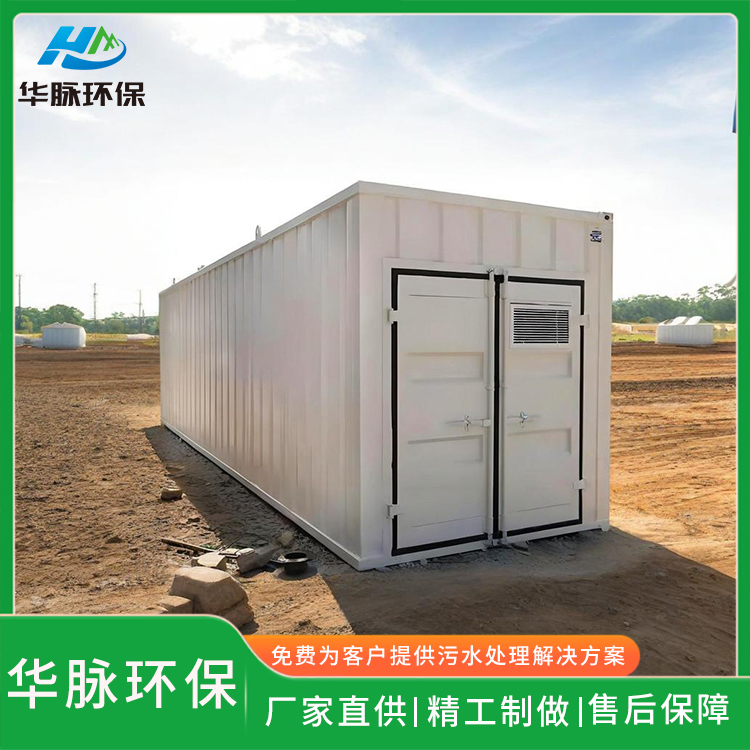
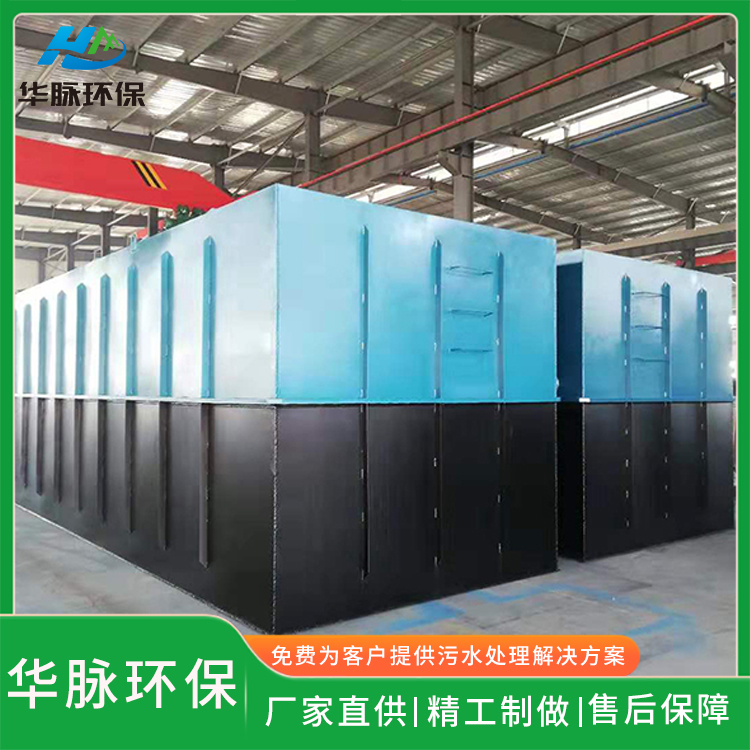







I. Overview of Laboratory Wastewater Treatment Equipment
Processing Purpose
Remove harmful substances from wastewater, such as heavy metals (mercury, cadmium, lead, etc.), organic pollutants (organic solvents, phenols, etc.), biological pollutants (bacteria, viruses, etc.), and chemical substances like acids and alkalis. For instance, chrome-containing wastewater frequently used in chemical experiments, which contains hexavalent chromium with strong toxicity, can be reduced to low-toxic trivalent chromium and removed by sedimentation through treatment equipment.
Reduce the Chemical Oxygen Demand (COD) and Biochemical Oxygen Demand (BOD) of wastewater. Organic matter in the experimental wastewater consumes dissolved oxygen in the water, and by treating it, we lower the COD and BOD to prevent eutrophication and other water pollution.
Equipment Categories
Physical treatment equipment, chemical treatment equipment, and biological treatment equipment can be categorized based on their processing principles. Physical treatment equipment primarily removes suspended solids from wastewater through methods such as filtration, sedimentation, and centrifugation. Chemical treatment equipment utilizes chemical reactions, such as neutralization, oxidation-reduction, and coagulation-sedimentation, to eliminate harmful substances. Biological treatment equipment relies on the metabolic actions of microorganisms to decompose organic pollutants.
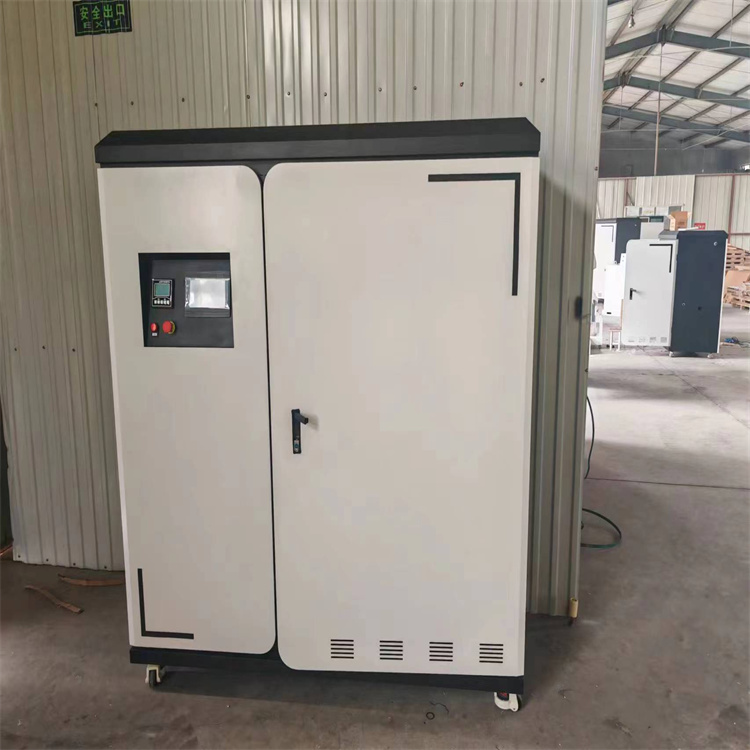
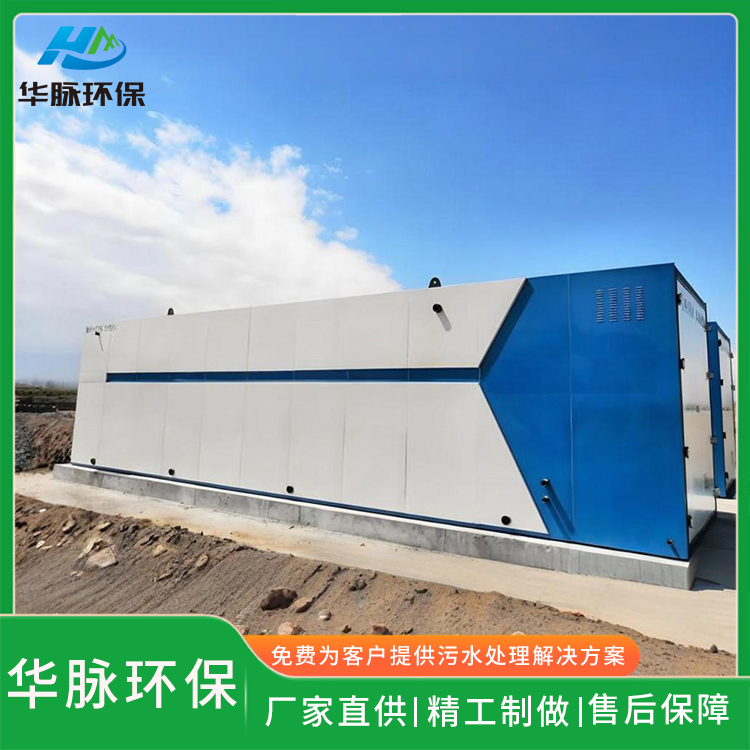
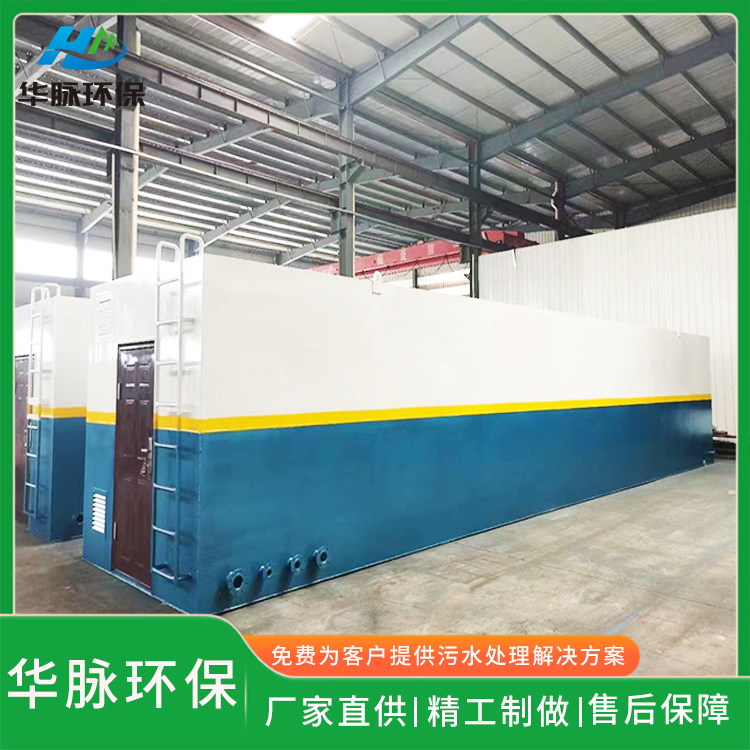
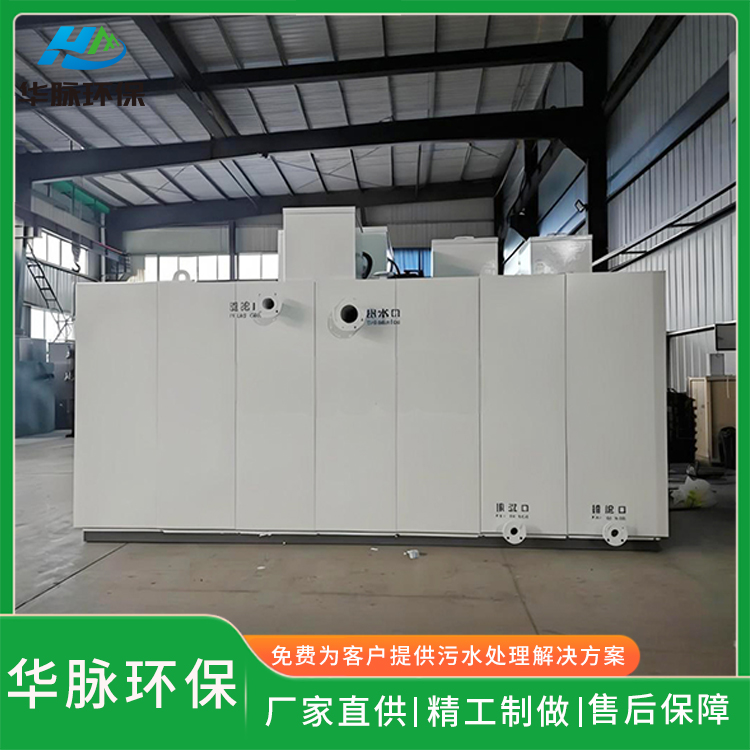
The equipment can be categorized into small lab-specific units (processing capacities ranging from a few to several dozen liters per hour) and medium to large comprehensive lab equipment (with capacities up to hundreds of liters per hour or more).