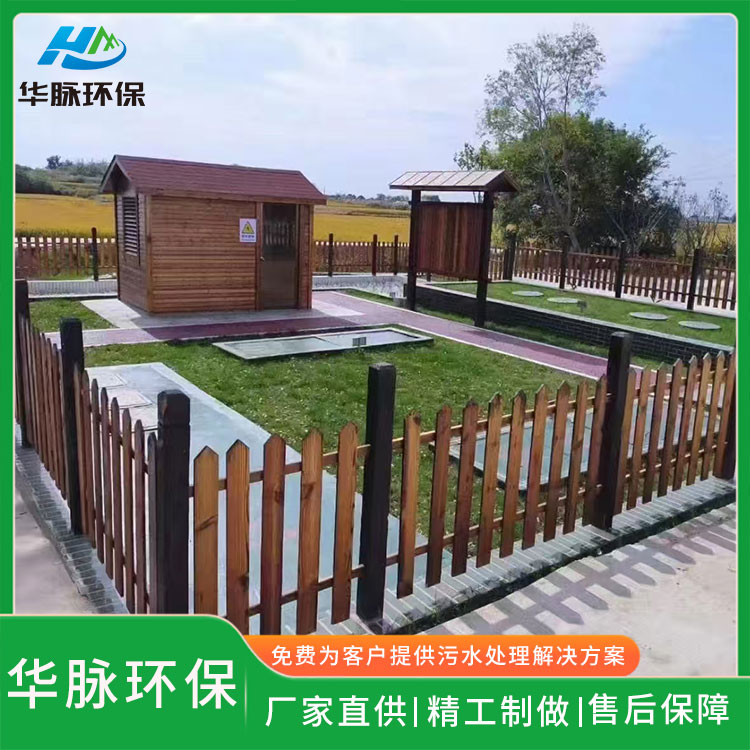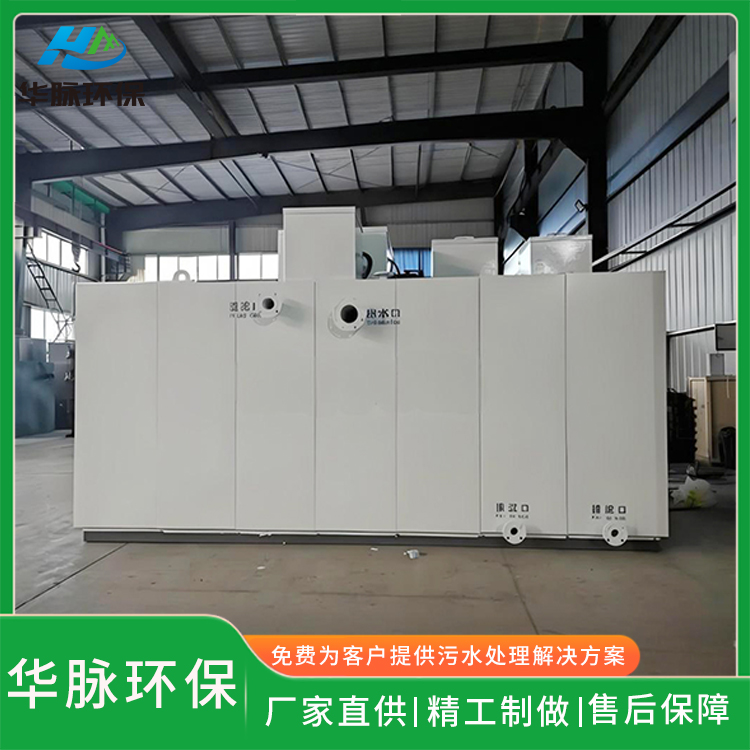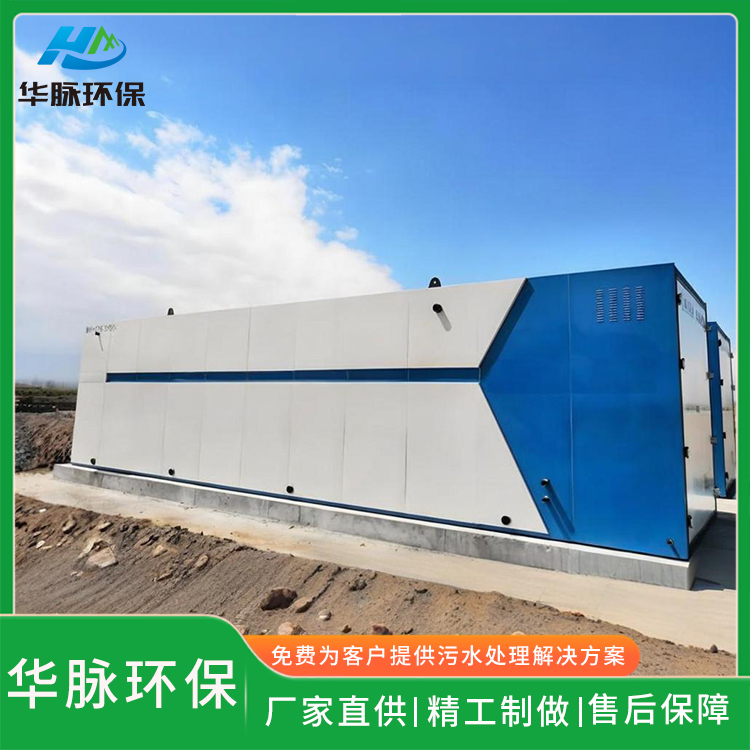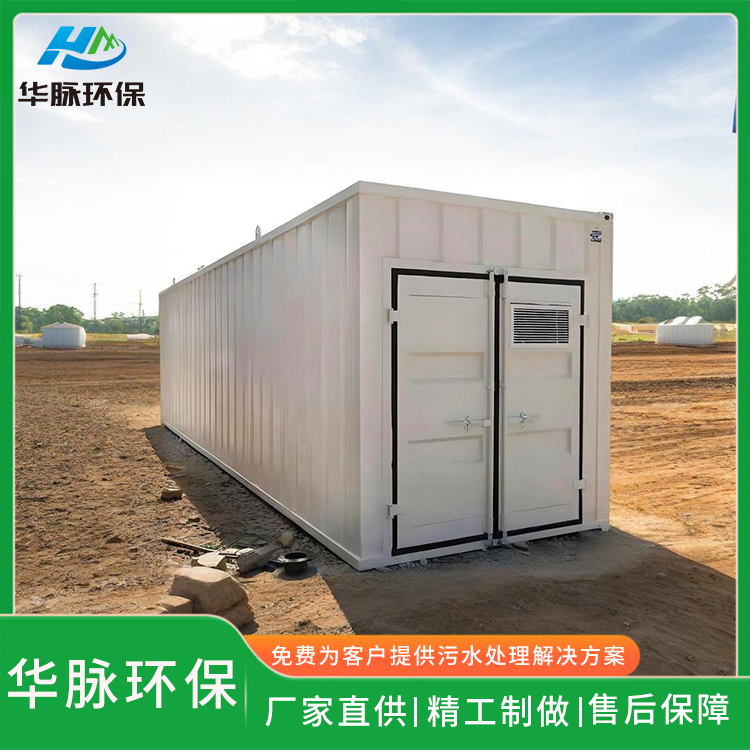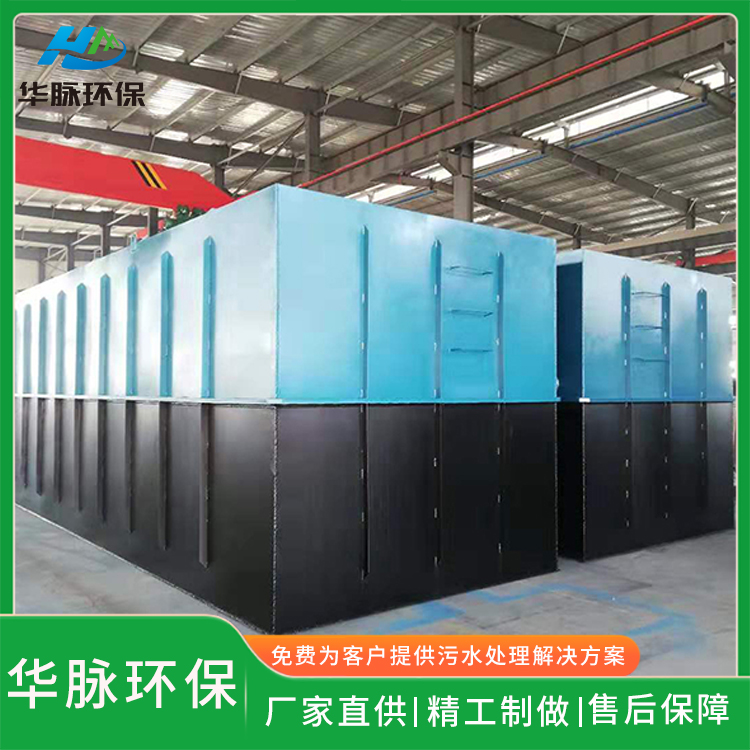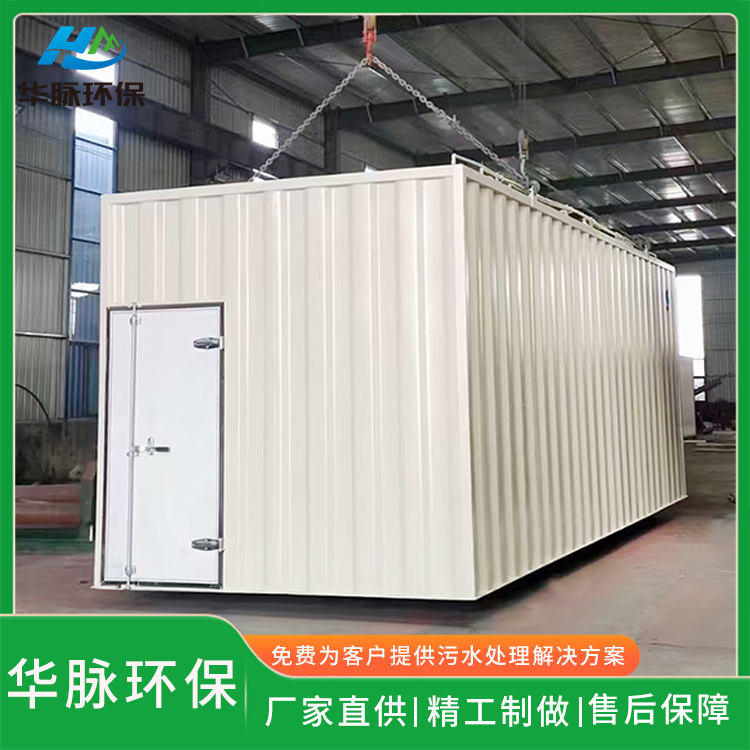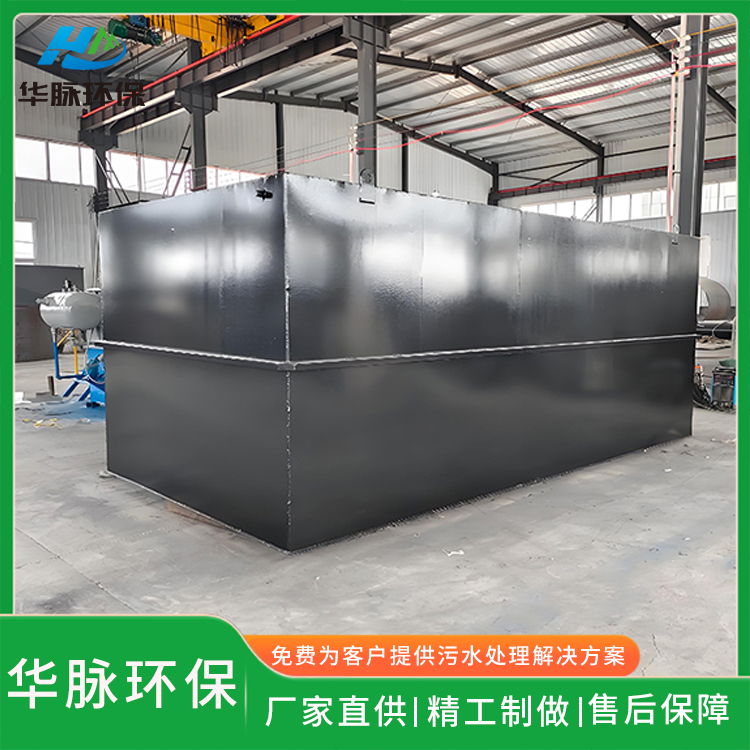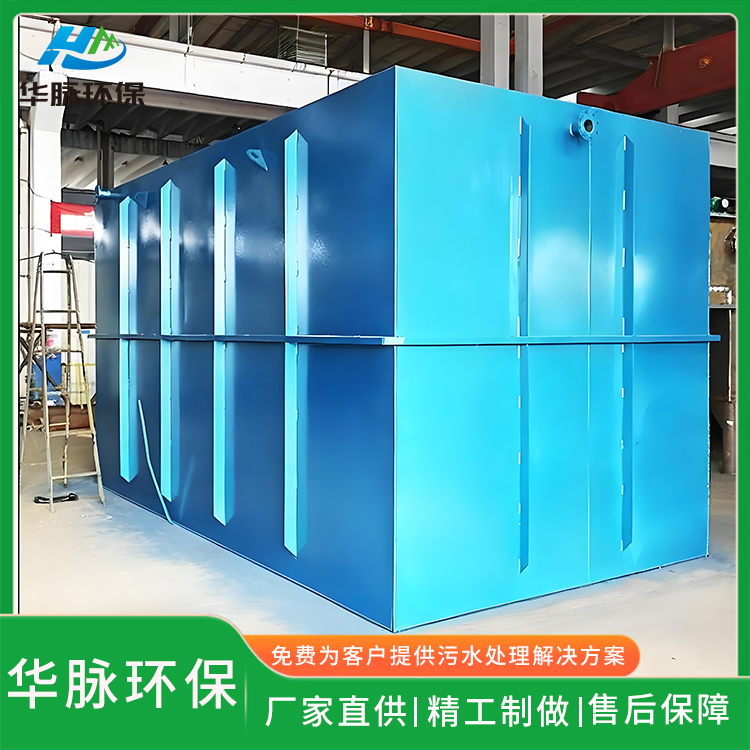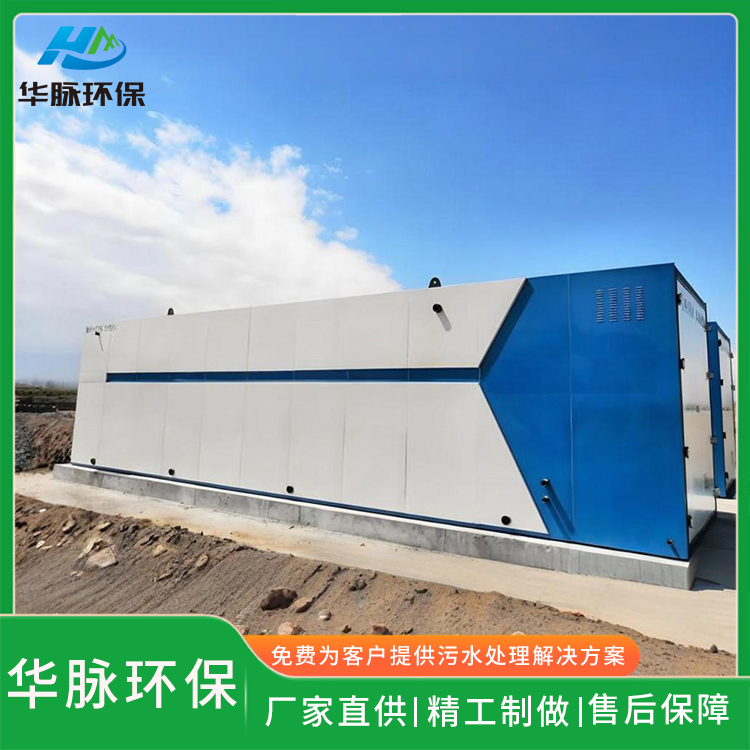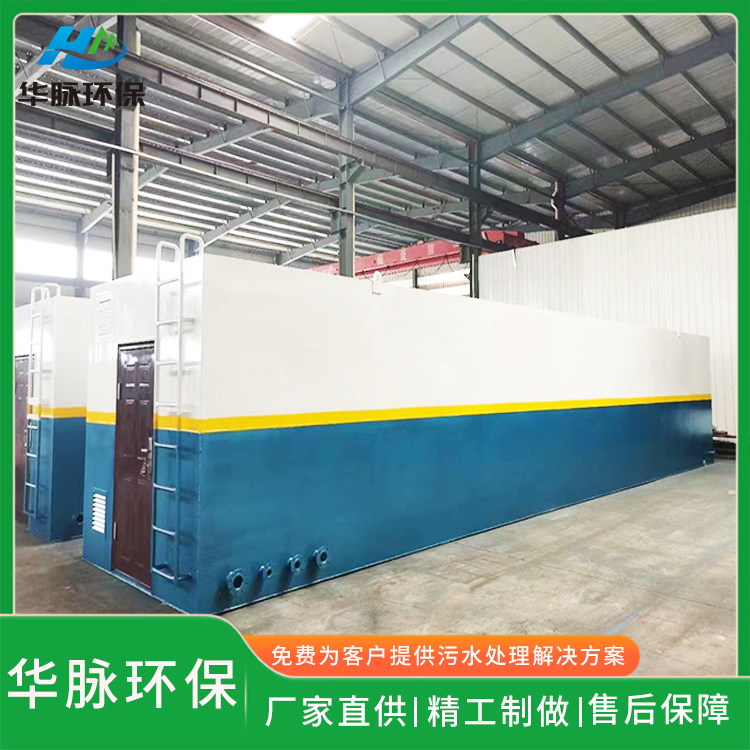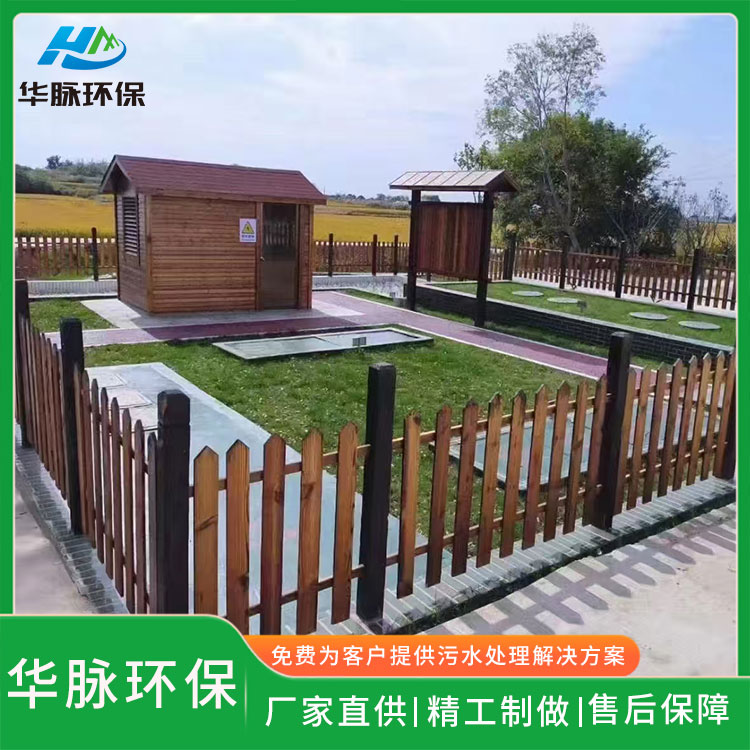
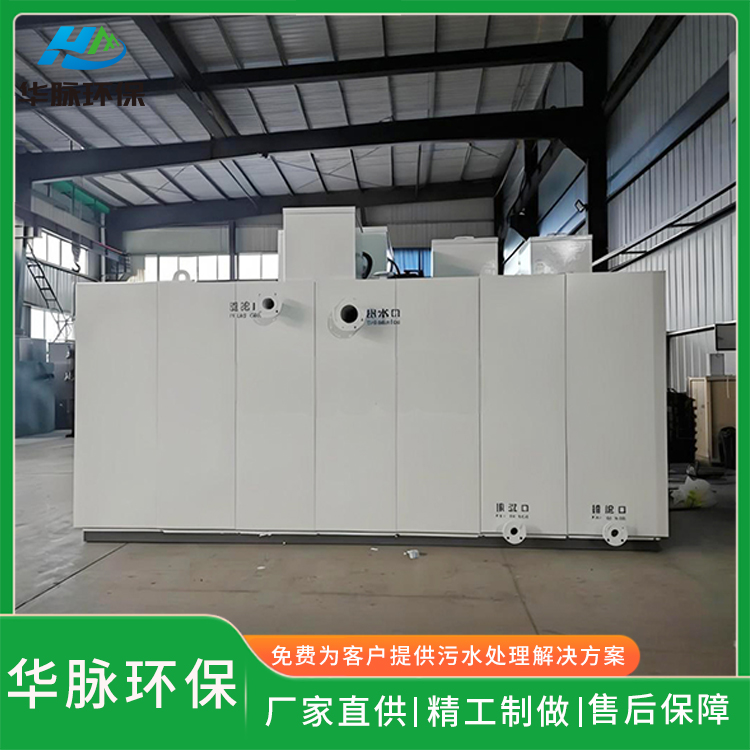
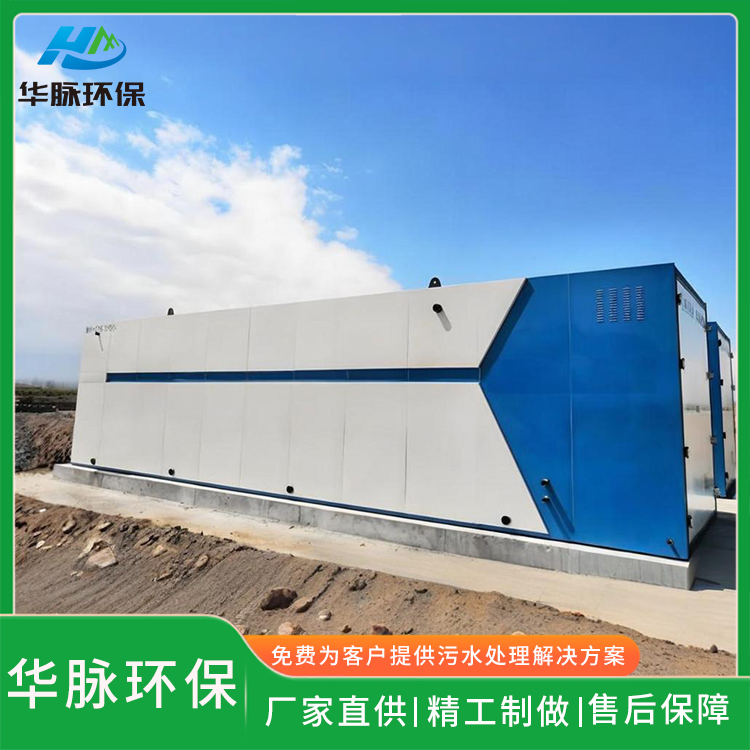
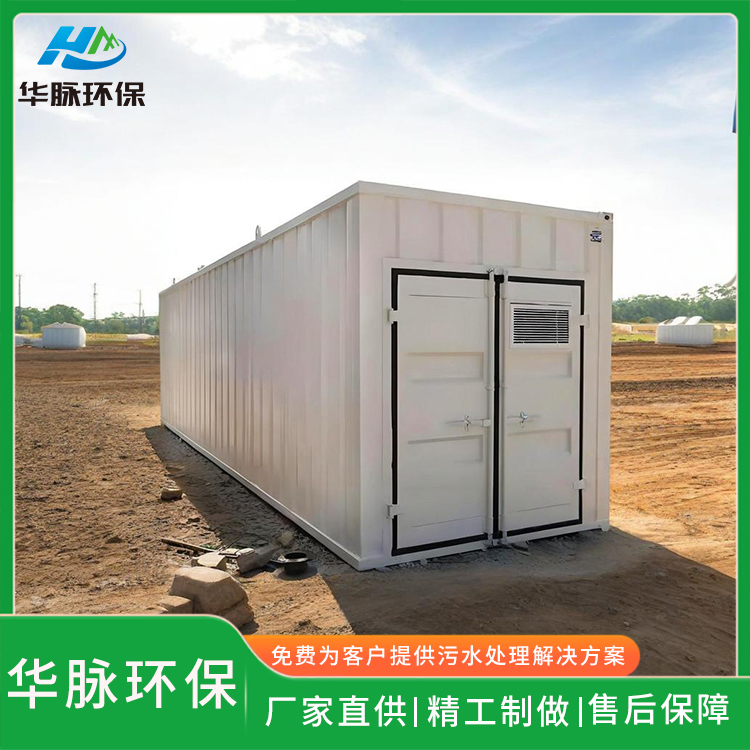
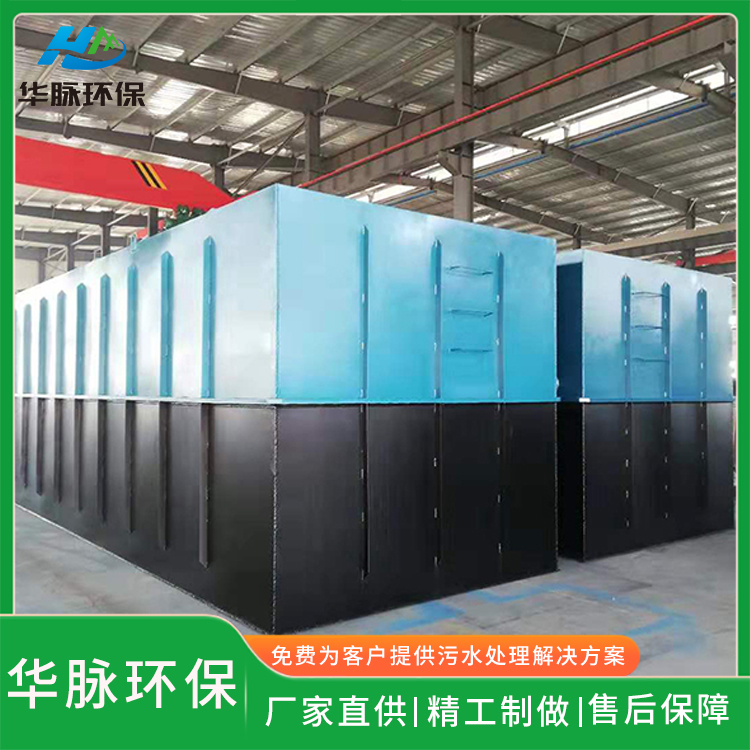







An integrated wastewater treatment facility is a convenient unit that combines various wastewater treatment processes, widely used in urban residential communities, villages, schools, factories, and other locations.
The biological treatment unit is the core component, predominantly utilizing mature processes like the activated sludge process or biofilm process. In the activated sludge process, a vast array of microorganisms comes into full contact with wastewater in the aeration tank, breaking down organic pollutants through their metabolic activities and converting them into carbon dioxide, water, and microbial cell material; while in the biofilm process, microorganisms adhere to the surface of the media to form a biofilm, where organic pollutants are gradually degraded as wastewater flows through.
Integrated wastewater treatment equipment boasts numerous significant advantages. Firstly, it requires minimal land area, enabling the entire treatment process to be completed within a limited space, making it particularly suitable for areas with restricted space. Secondly, it is easy to install and can be flexibly moved and set up according to needs, significantly reducing the construction timeline. Moreover, it is highly automated, equipped with advanced control systems and sensors that can automatically monitor water quality, adjust treatment parameters, and control equipment operation, thereby minimizing manual intervention and operational costs. Additionally, it delivers excellent treatment results, effectively removing organic matter, suspended solids, nitrogen, phosphorus, and other pollutants from wastewater, ensuring stable and reliable effluent quality. It plays an indispensable role in environmental protection and water resource recycling, providing an ideal solution to the wastewater treatment challenges in various locations.