








Steam-heated Reactor Vessel
Overview
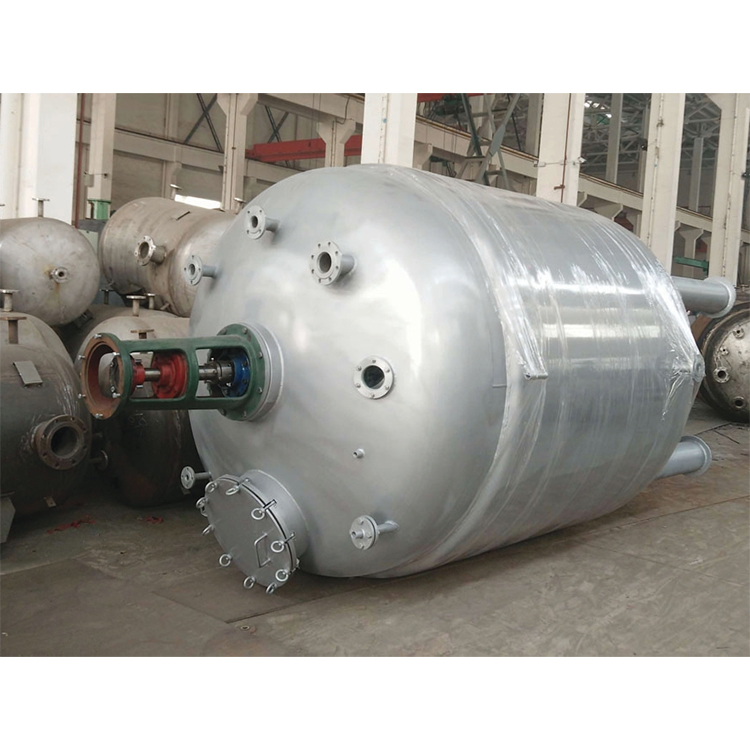
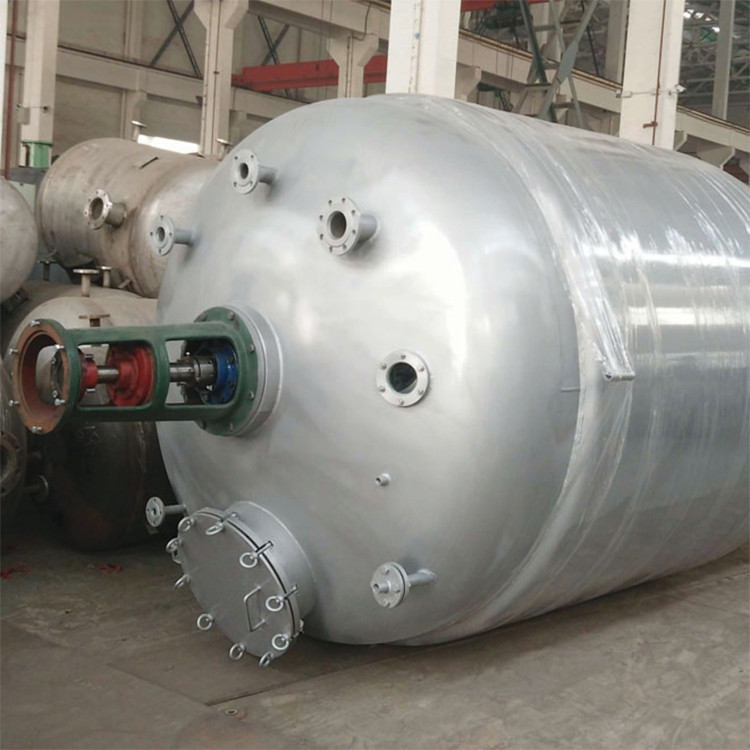
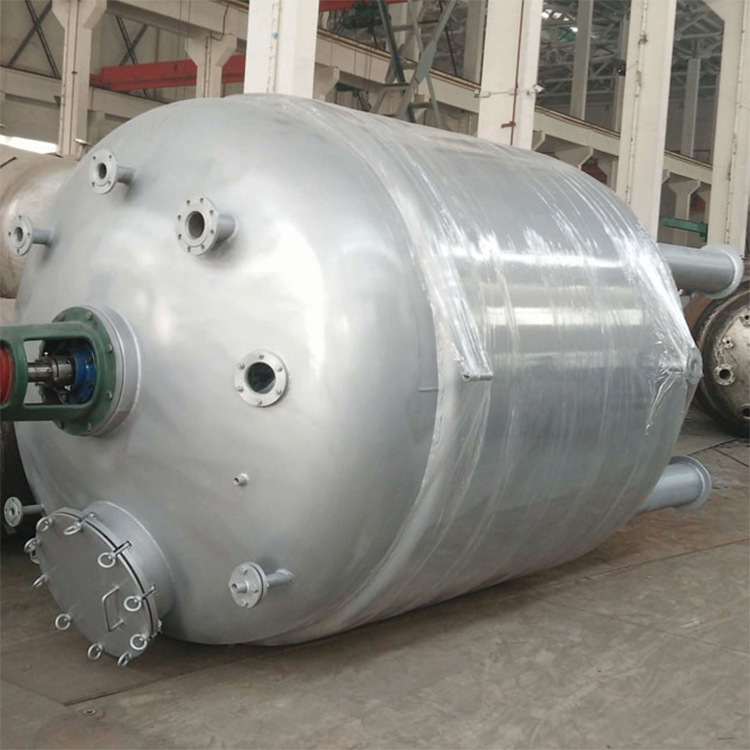
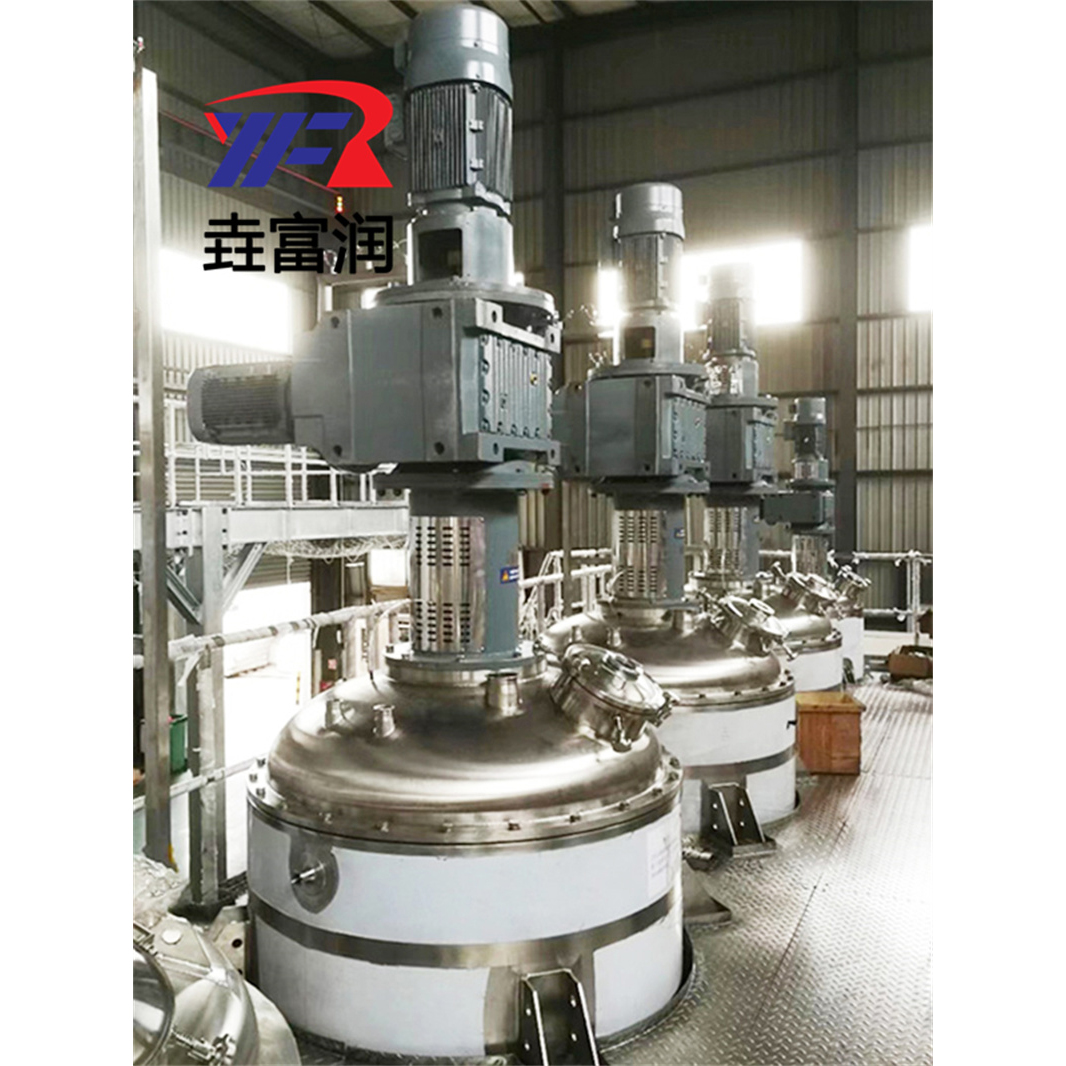
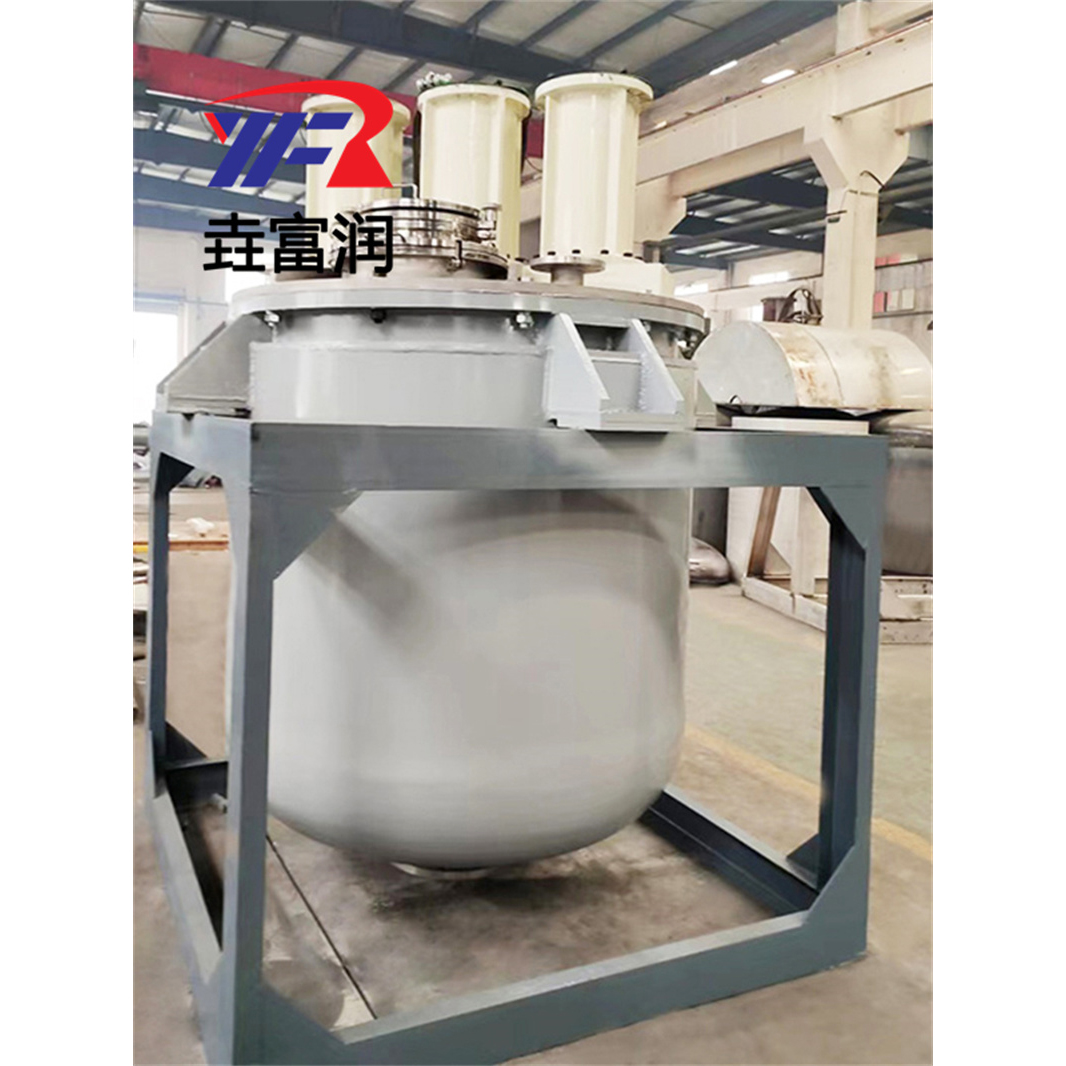
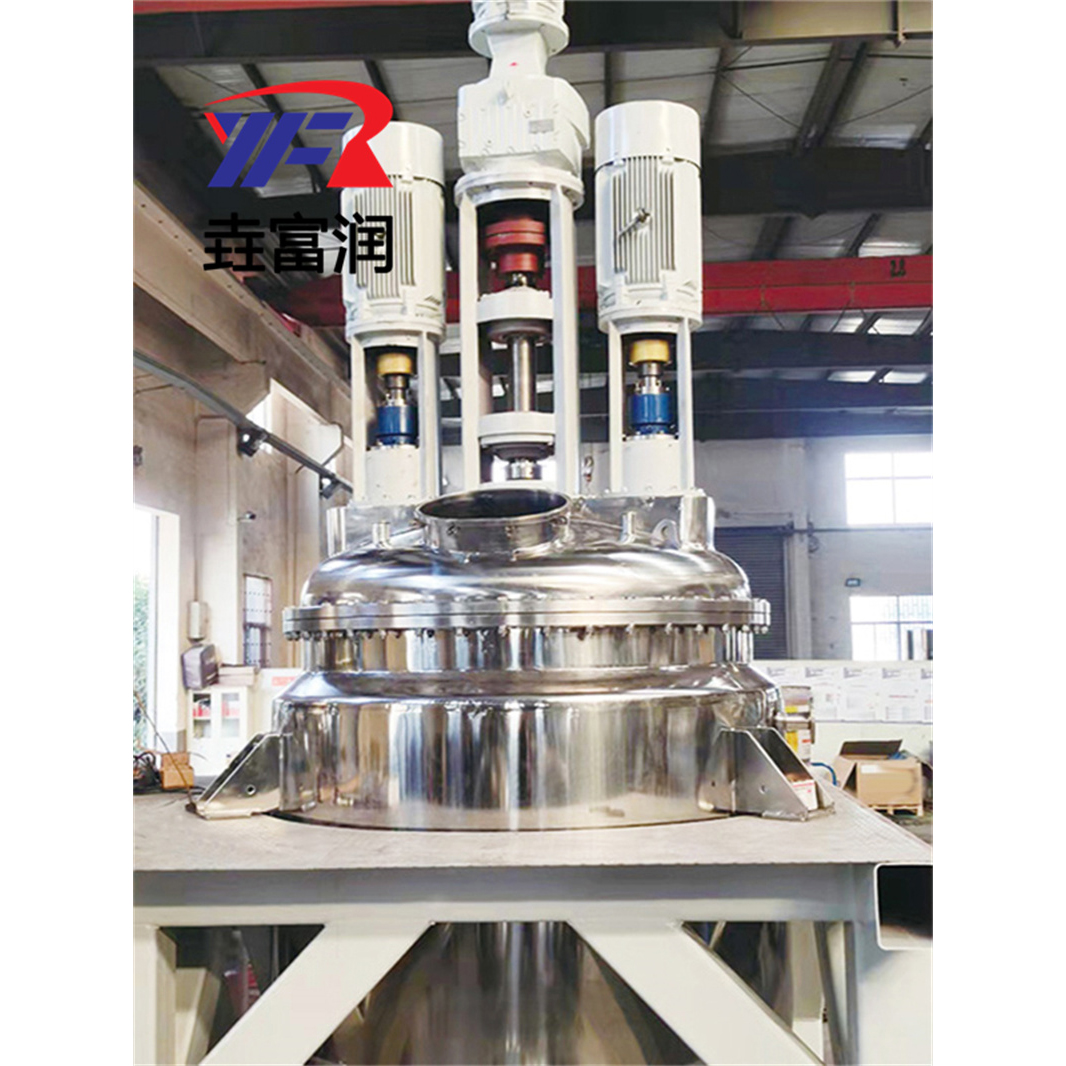
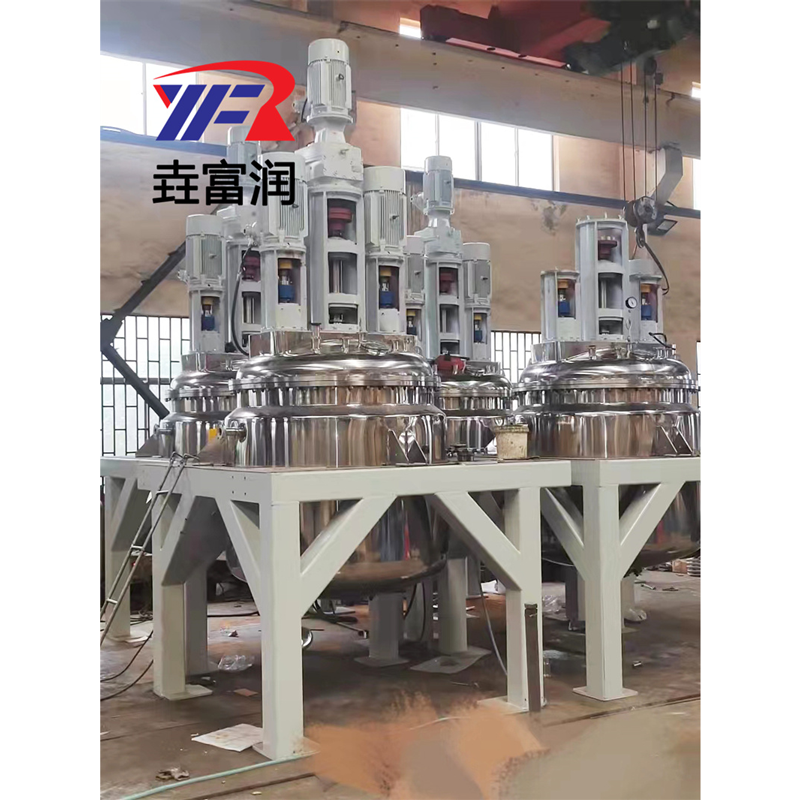
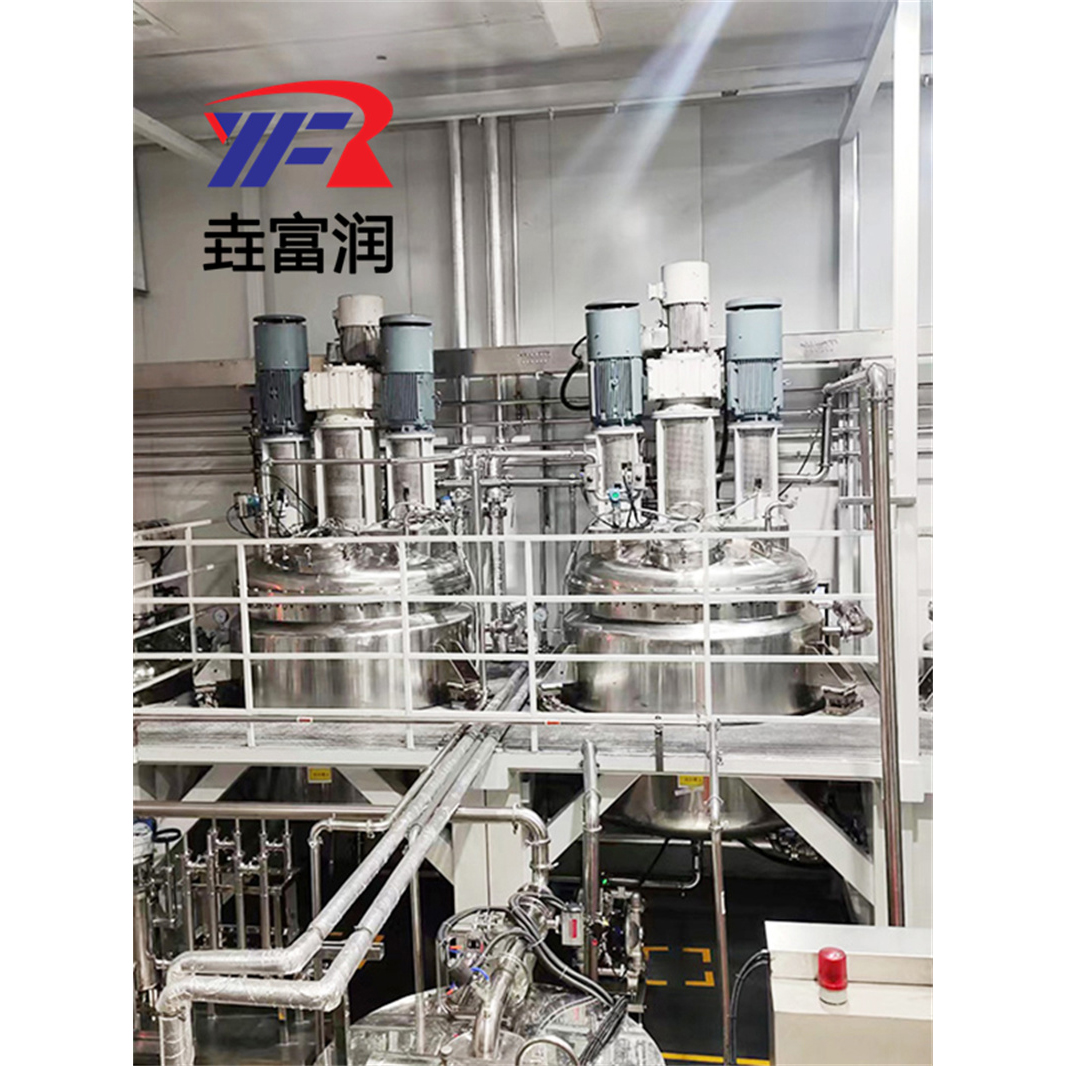
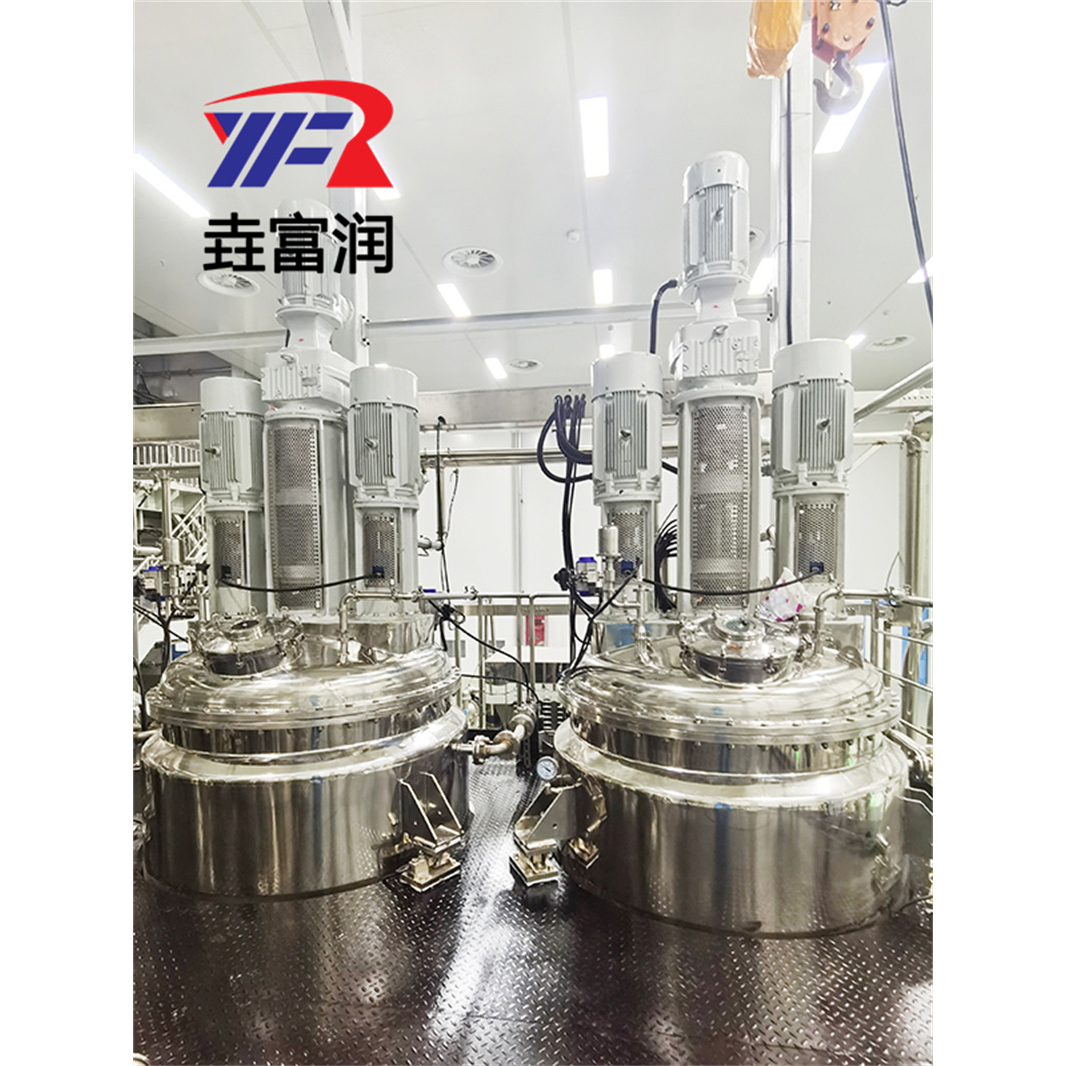
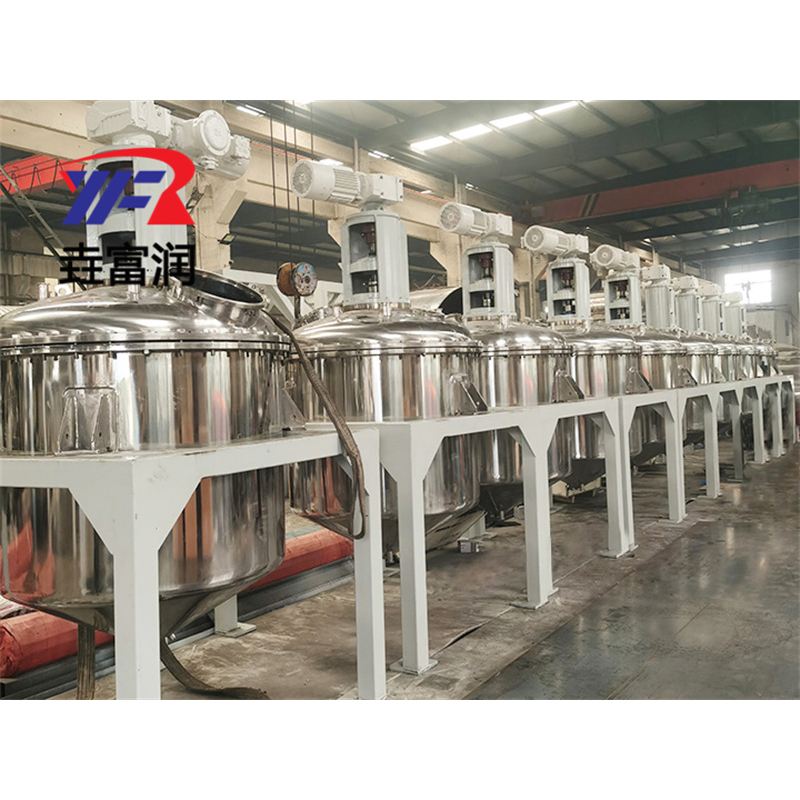
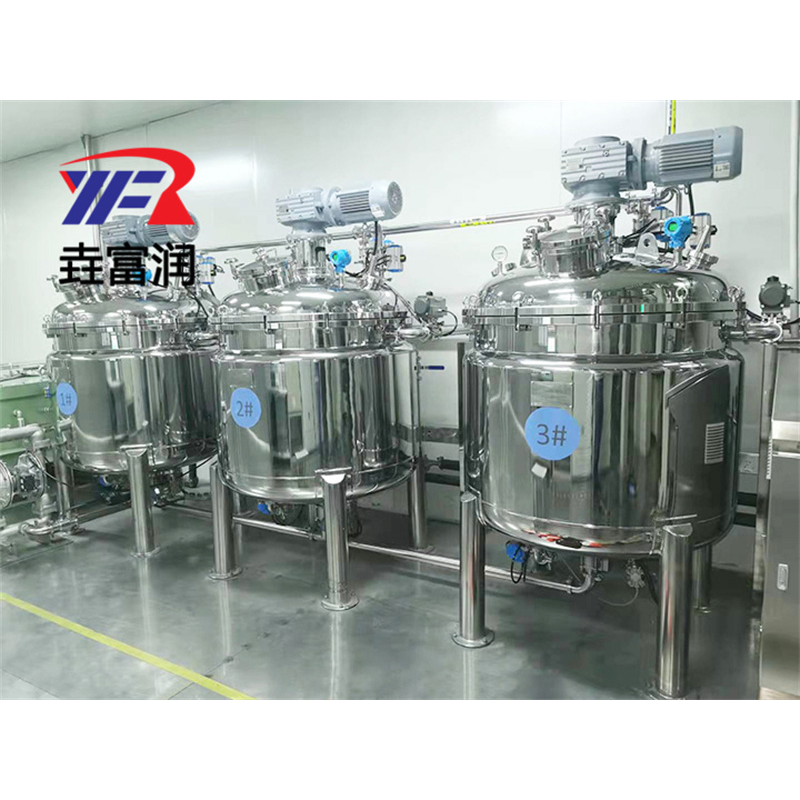
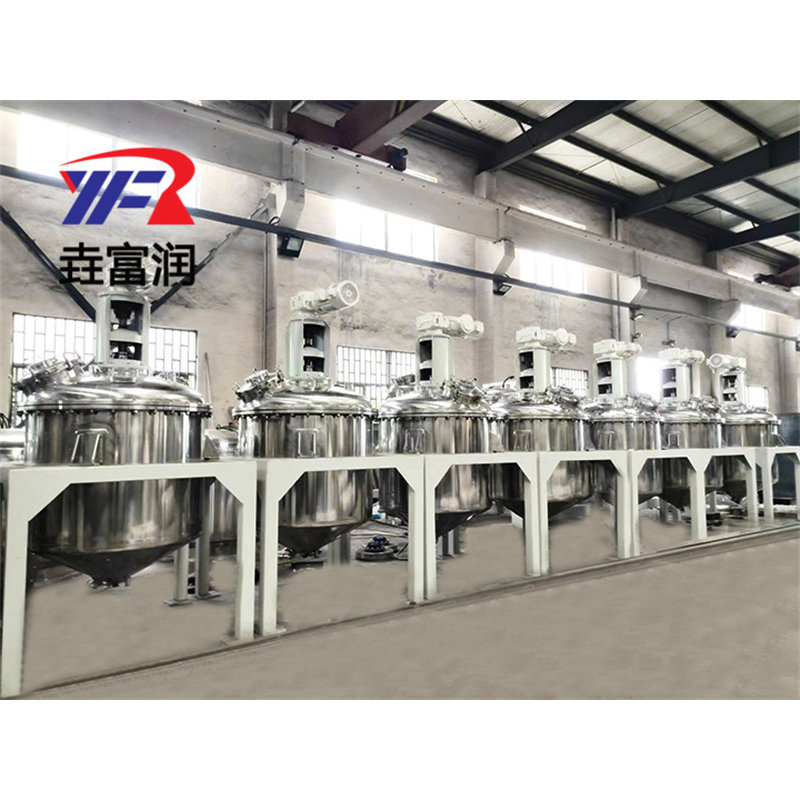
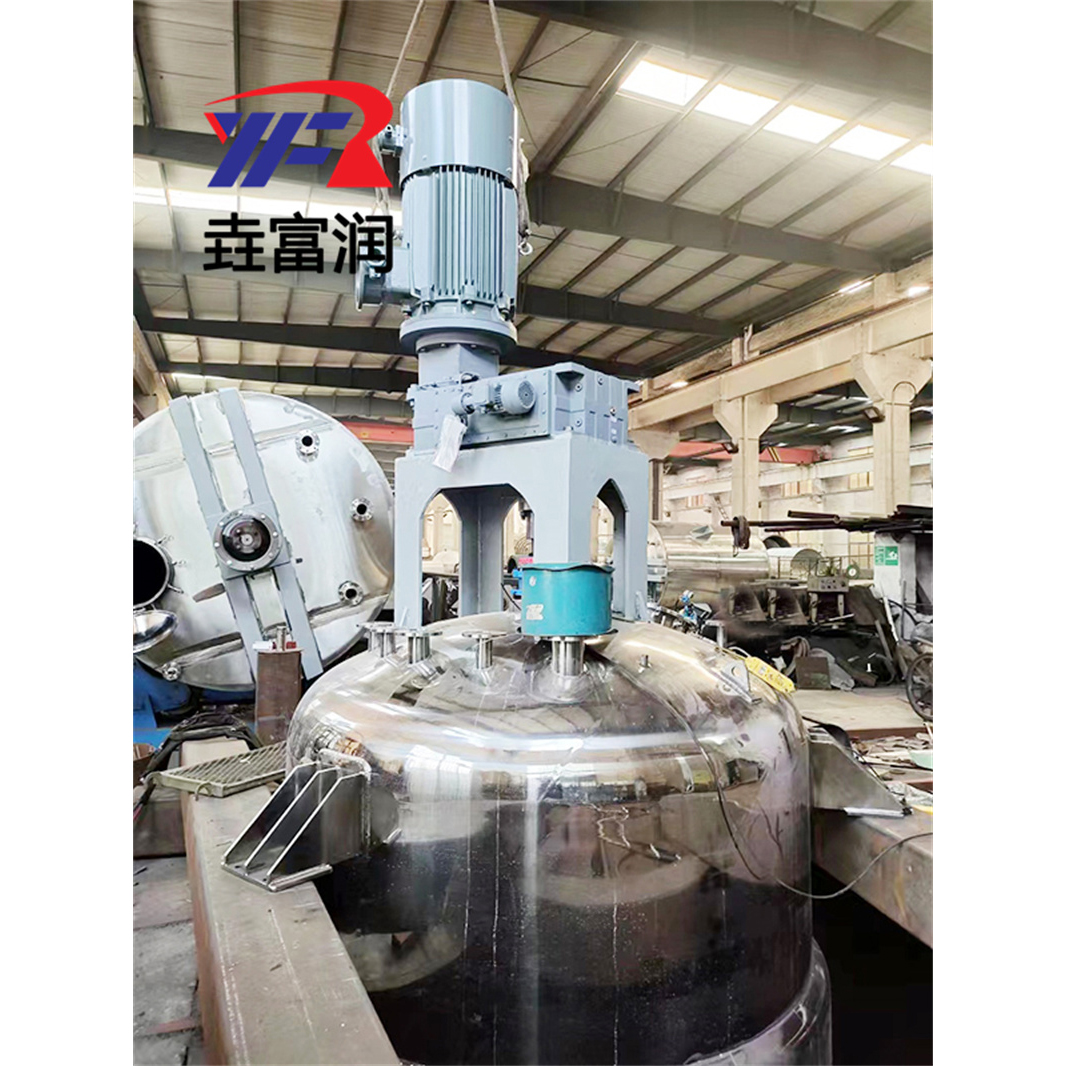
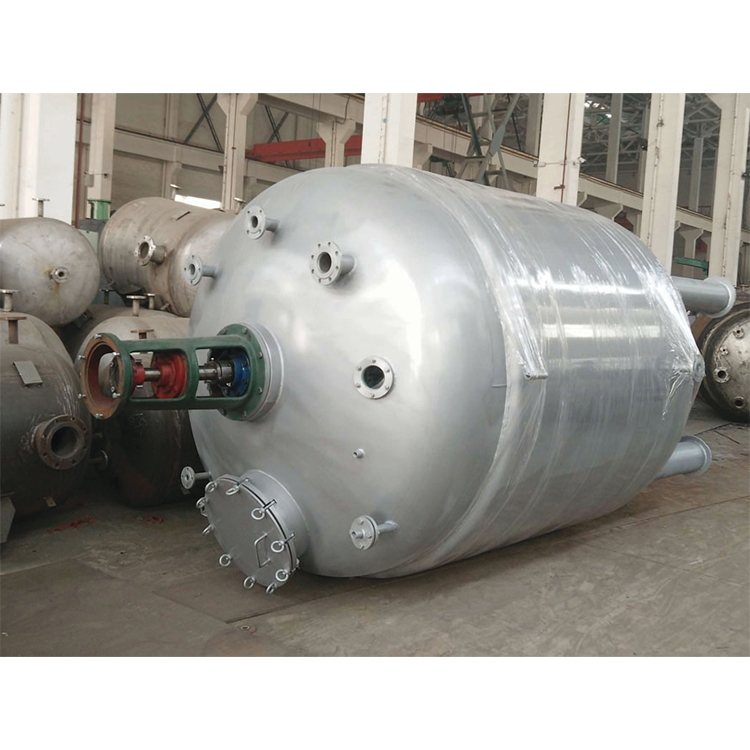
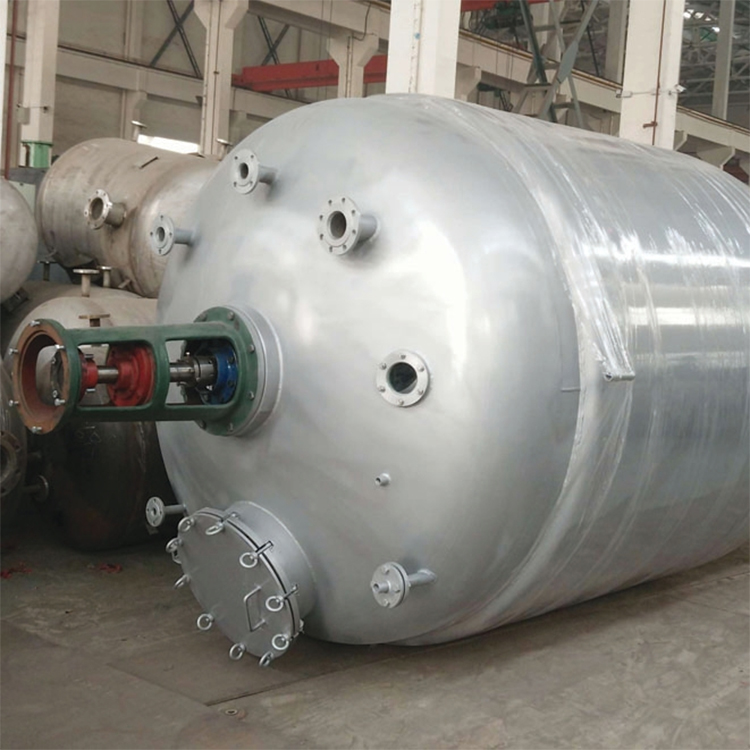
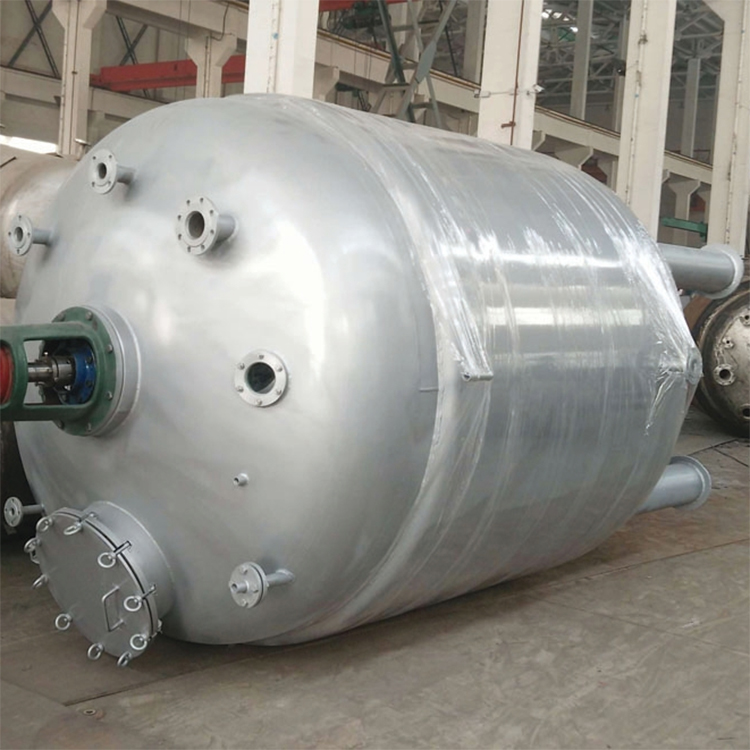
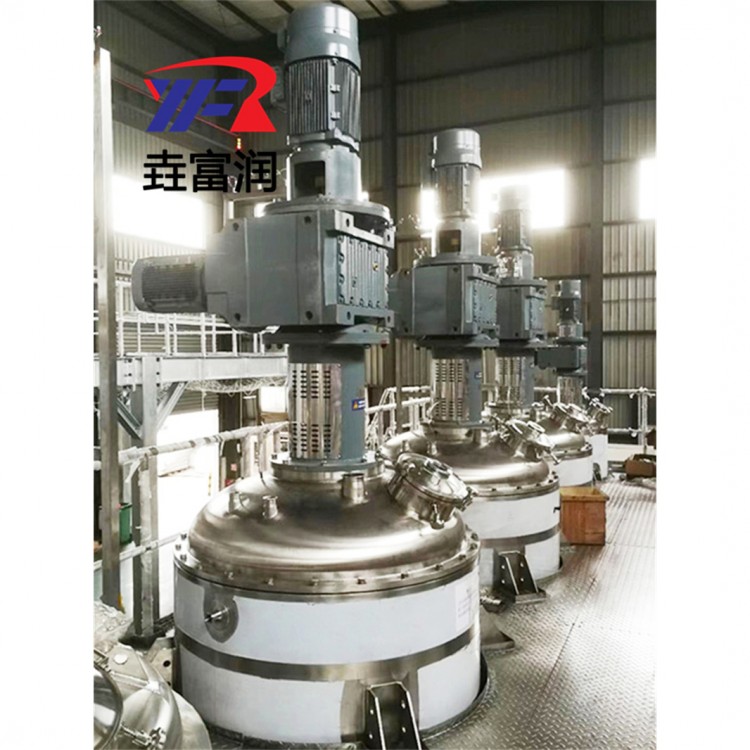
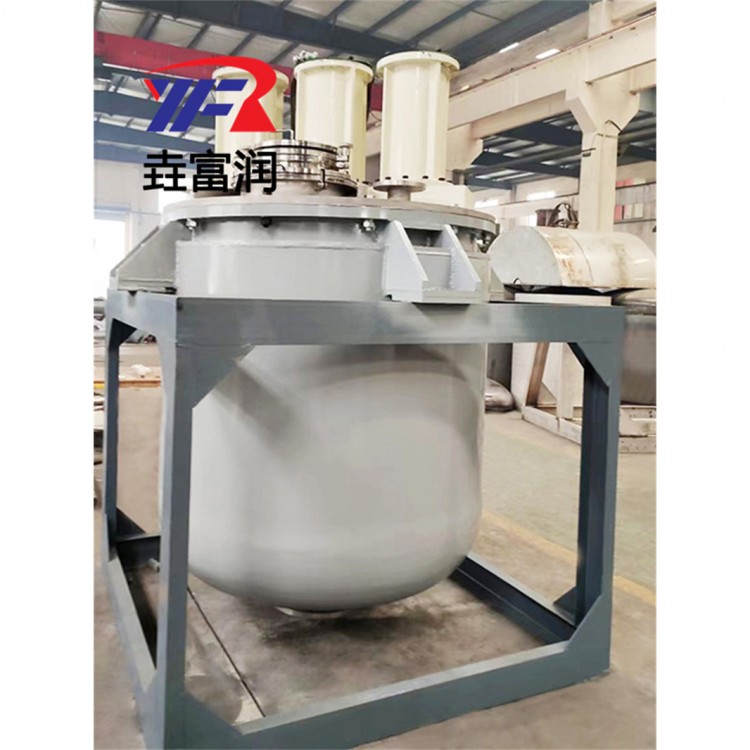
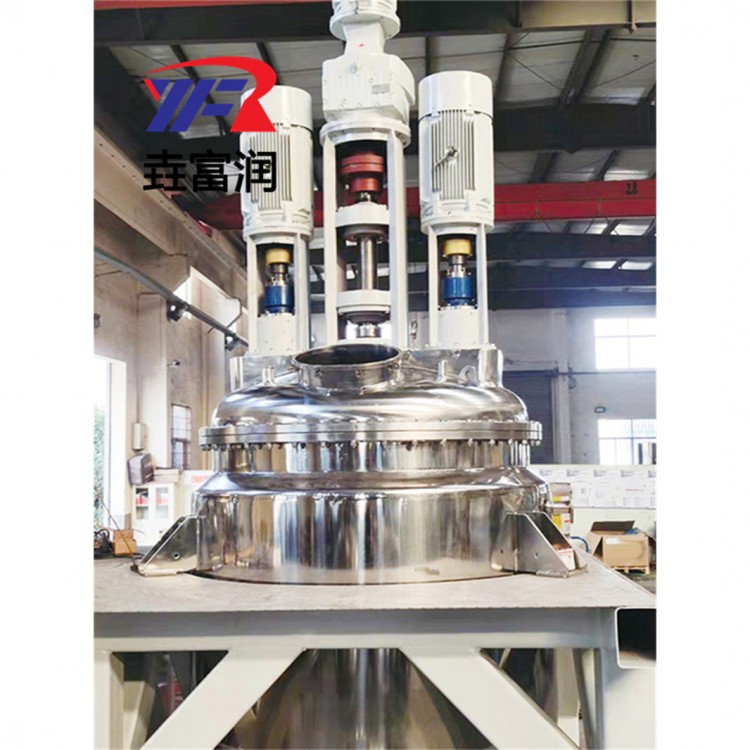
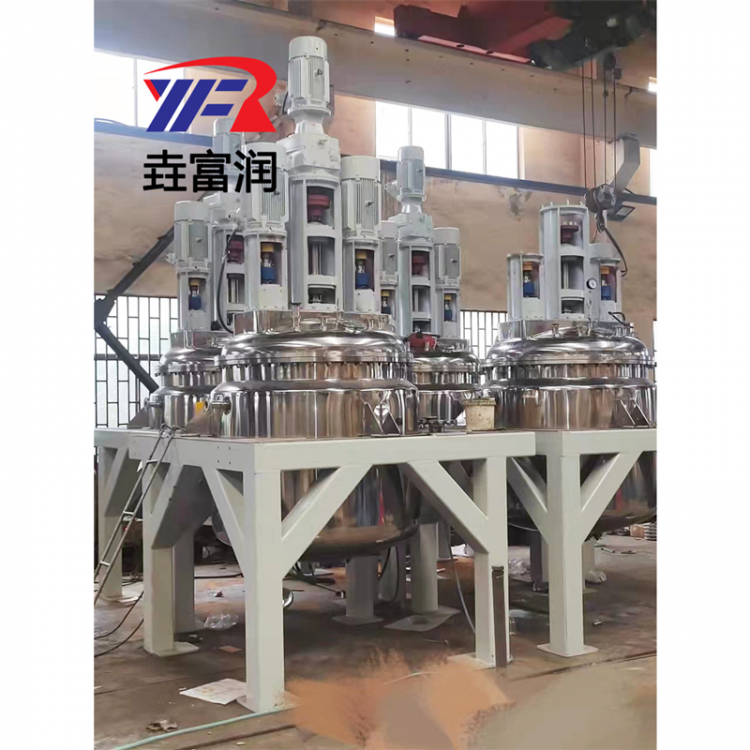
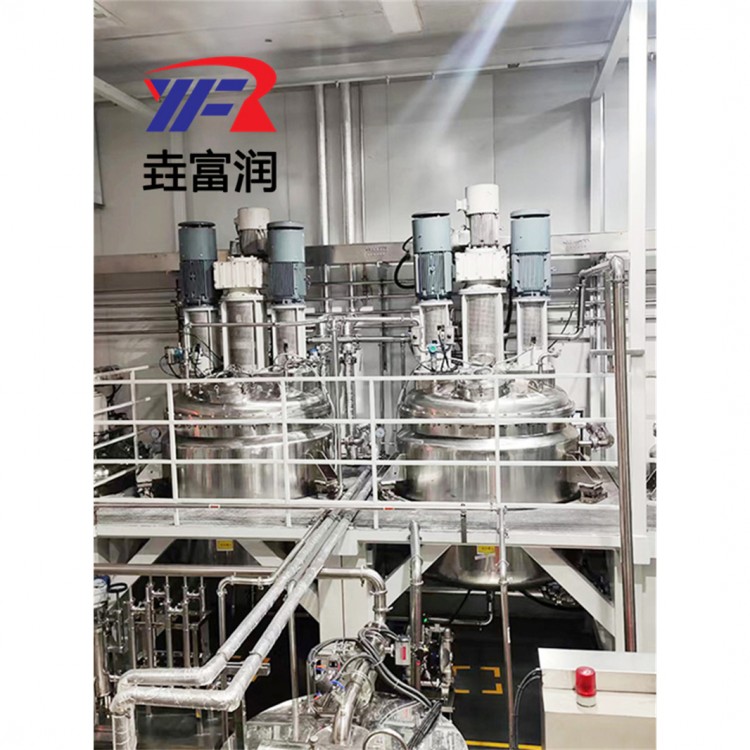
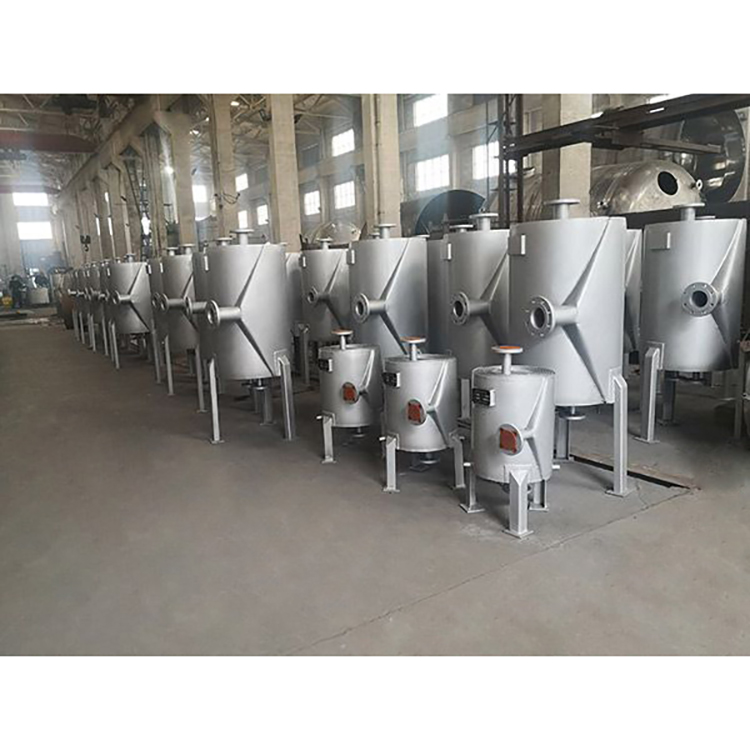
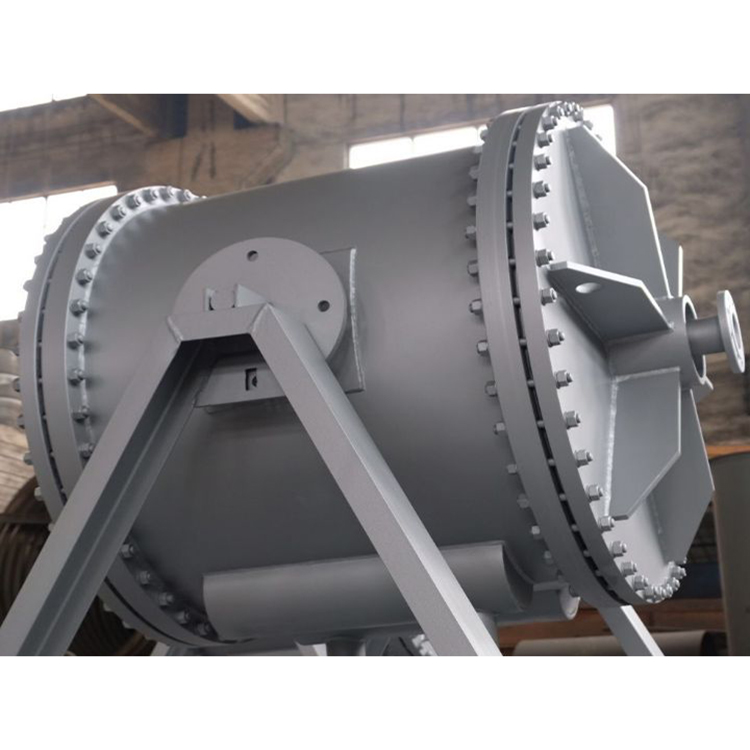
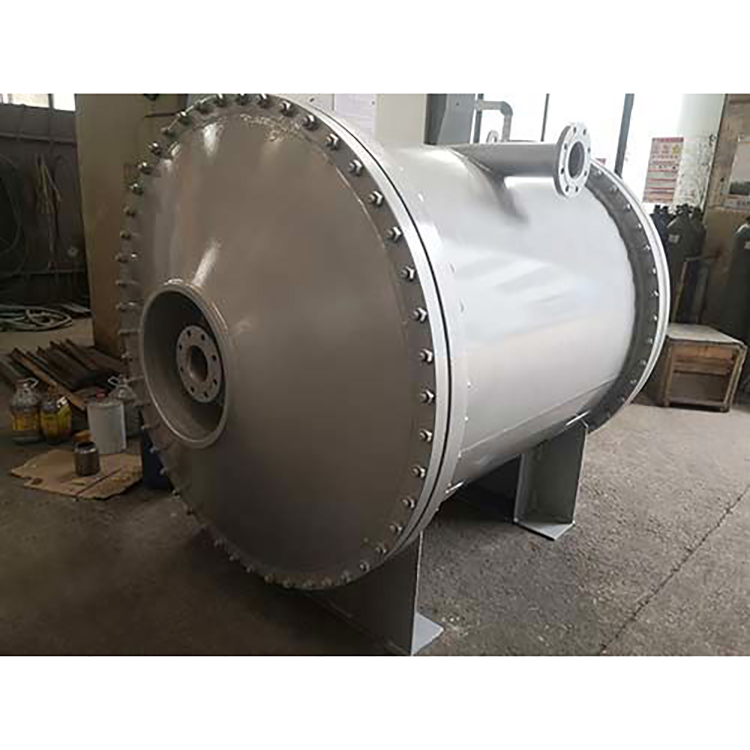
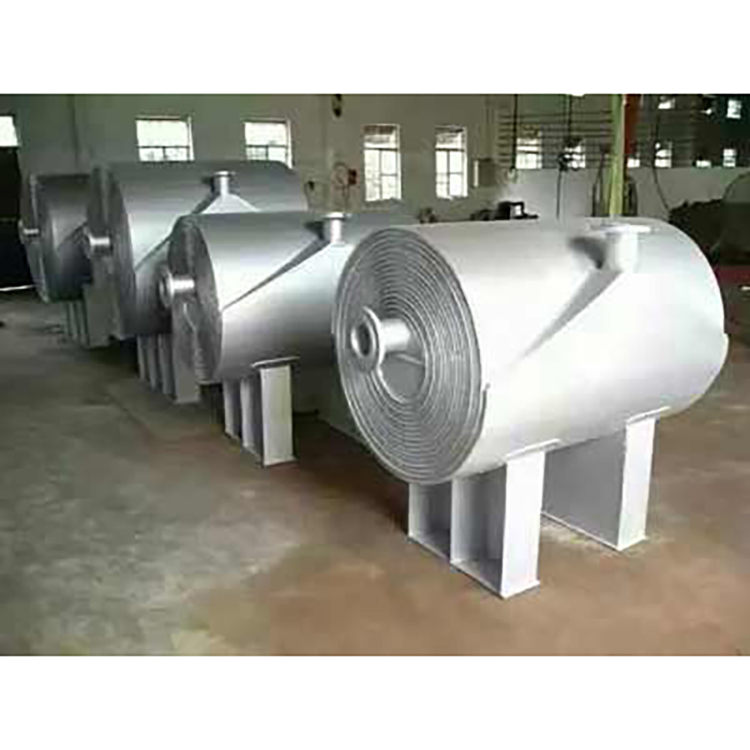
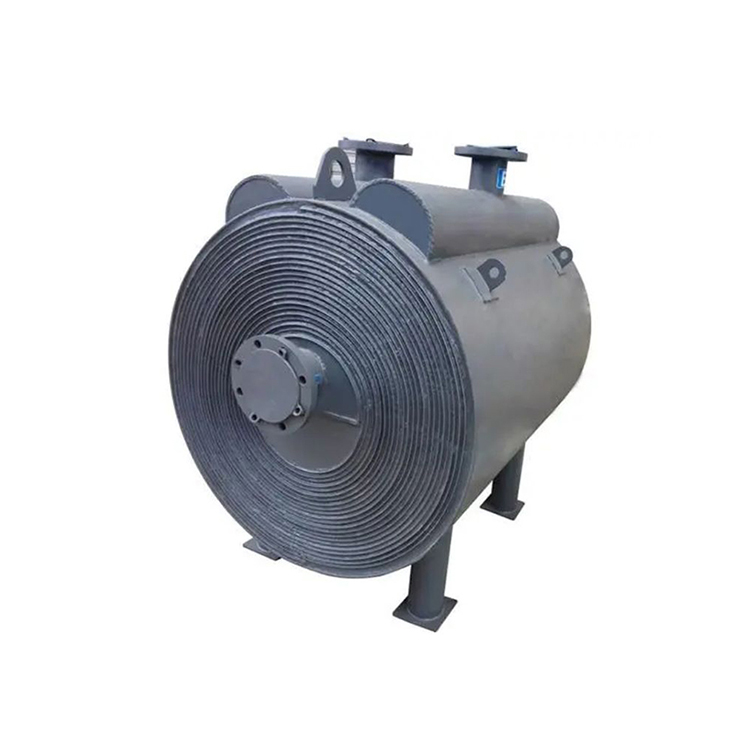
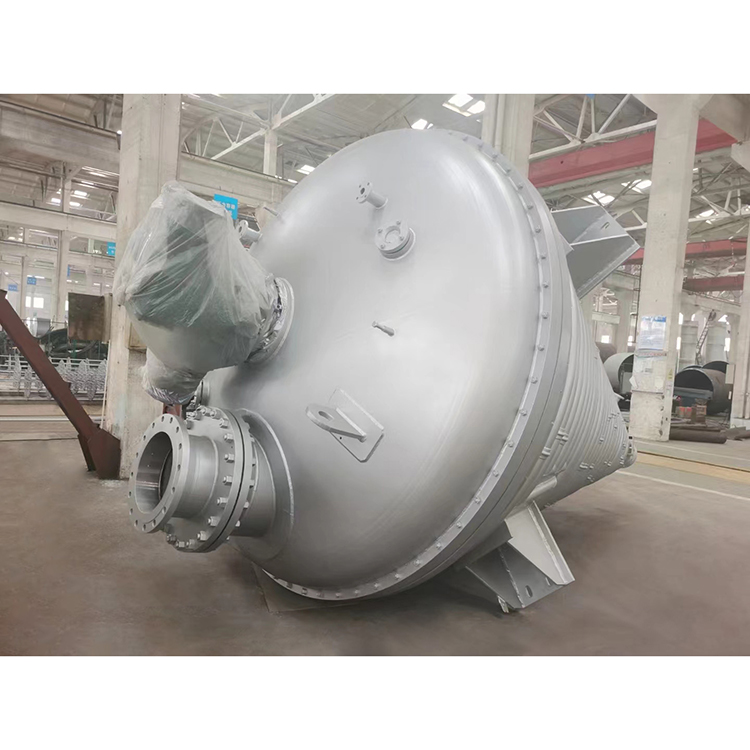
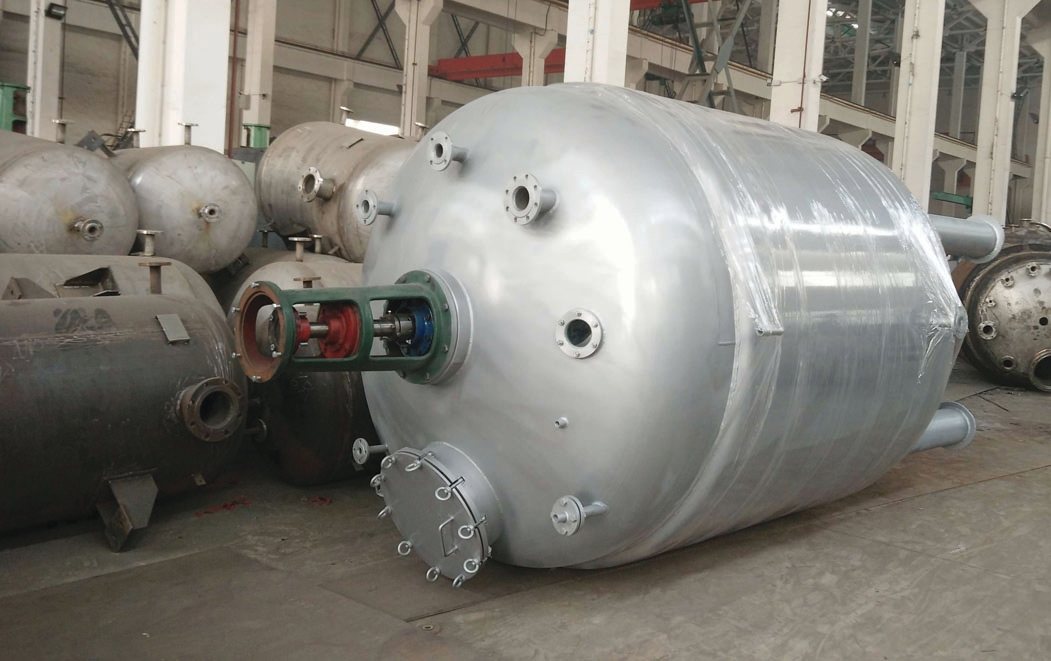
Steam-heated reaction kettle, also known as hydrothermal synthesis reaction kettle, boasts excellent corrosion resistance, no harmful substance leakage, reduced pollution, and safe operation. After heating and pressurizing, it can quickly and losslessly dissolve samples that are difficult to dissolve under normal conditions, as well as those containing volatile elements. It has an aesthetically pleasing appearance, a rational structure, simple operation, shortened analysis time, and reliable data. It features an inner sleeve with double-layer protection, resistant to acids and alkalis. The stainless steel reaction kettle is composed of the kettle body, lid, stirrer, heating jacket, support and transmission device, shaft seal device, etc. The kettle body, lid, stirrer, and shaft seal are all made of 1cr18Ni9Ti stainless steel. The kettle body and lid are sealed with flanges. The kettle body has a discharge hole at the bottom, and a stirrer is inside. The lid has process holes for feeding, stirring observation, temperature and pressure measurement, steam extraction and distillation, and safety venting. The upper part of the lid is welded to a bracket, where the reducer and motor are installed, driving the stirrer inside the kettle via the drive shaft. The shaft seal device is located at the top of the lid. The heating jacket has holes for oil (steam) intake and discharge, temperature measurement, venting steam valve, electric heating rod, and other connection holes.
Working Principle
The working principle of a steam-heated reaction kettle involves introducing boiler steam into the jacket of the kettle, transferring the steam heat into the kettle interior, causing the material inside to absorb heat and react. Steam-heated reaction kettles use steam as the heat source for heat exchange. The currently popular heat exchange technology for reaction kettles is the semi-disk type steam heat exchange technology, which overcomes the drawbacks of traditional heat exchange technology such as low thermal efficiency and large kettle diameter, and also reduces the thickness of the kettle wall inside the reaction kettle, saving manufacturing costs.
Structural form
Vapor-heated reactor structure: The reactor consists of the reactor body, lid, jacket, agitator, drive unit, shaft seal device, and support. The types of agitation typically include anchor, paddle, turbine, propeller, or frame, and when the aspect ratio of the reactor is high, multi-layer agitator blades can be used, or the configuration can be customized to meet customer requirements. Jackets can be set externally on the reactor wall, or heat exchange surfaces can be installed internally. Heat exchange can also be achieved through external circulation. Heating methods include electric heating, hot water heating, thermal oil circulation heating, far infrared heating, and external (internal) coil heating. Cooling methods include jacket cooling and internal coil cooling, as well as the form of the agitator blades. Support bases are available in support or ear type. Gear reducers should be used for speeds exceeding 160 rpm. The number, size, or other requirements for openings can be designed and manufactured according to customer specifications.