

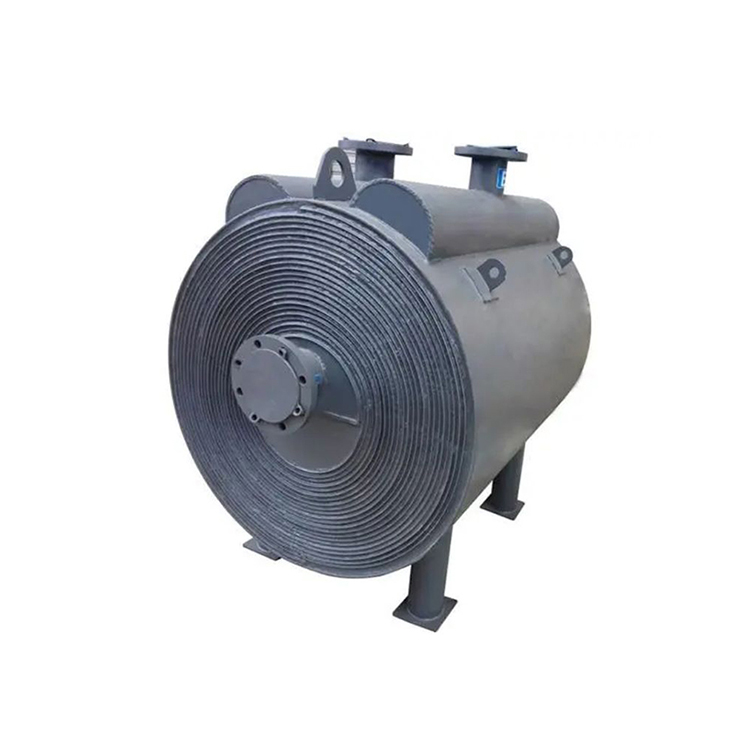
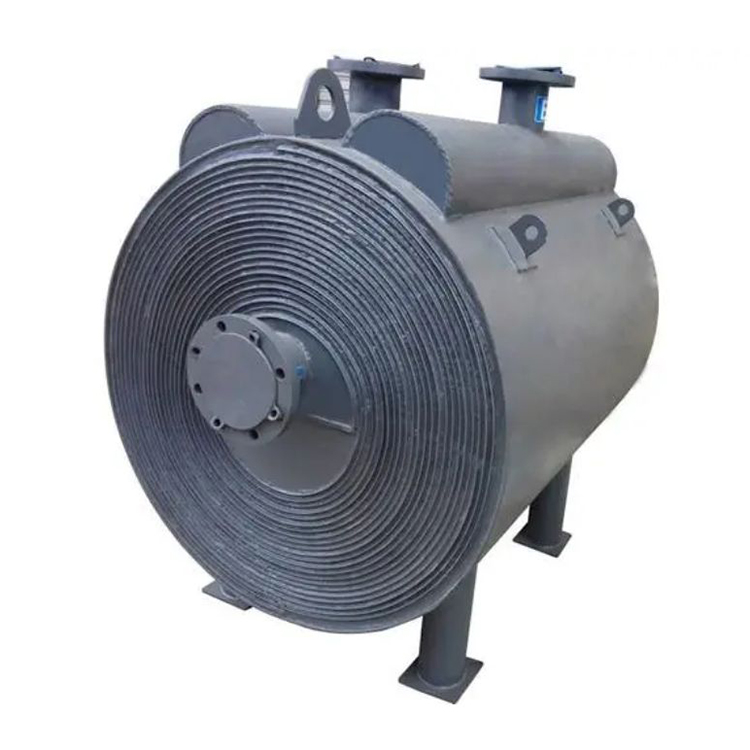
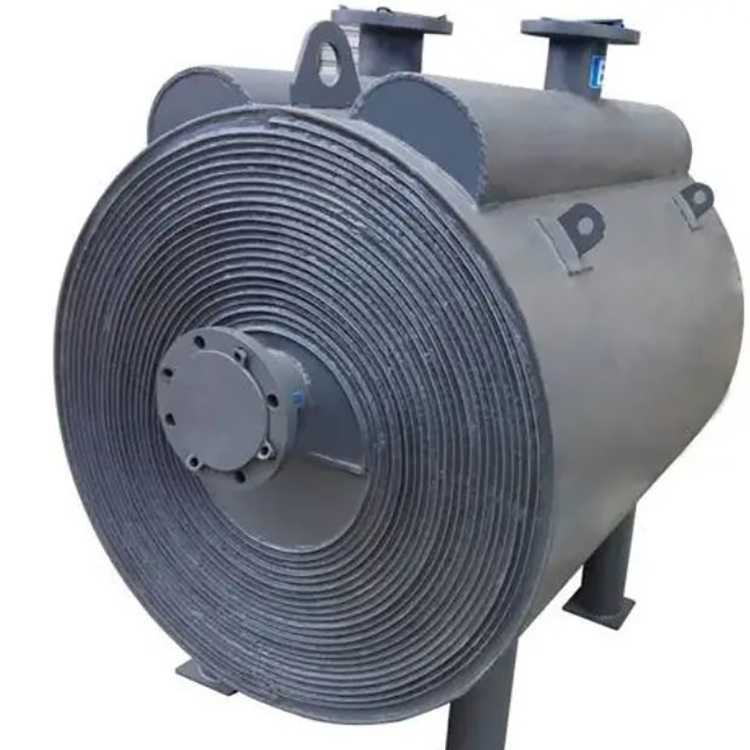









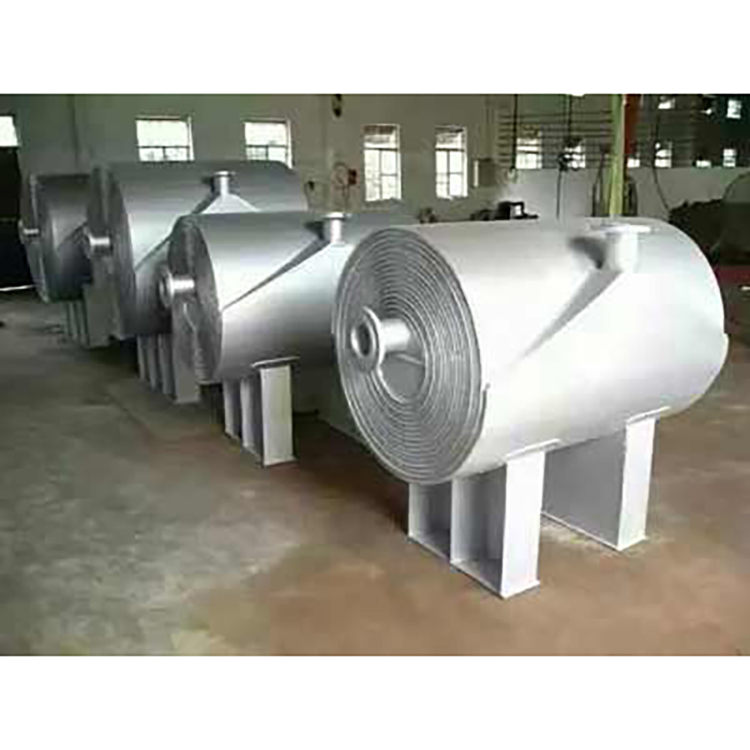
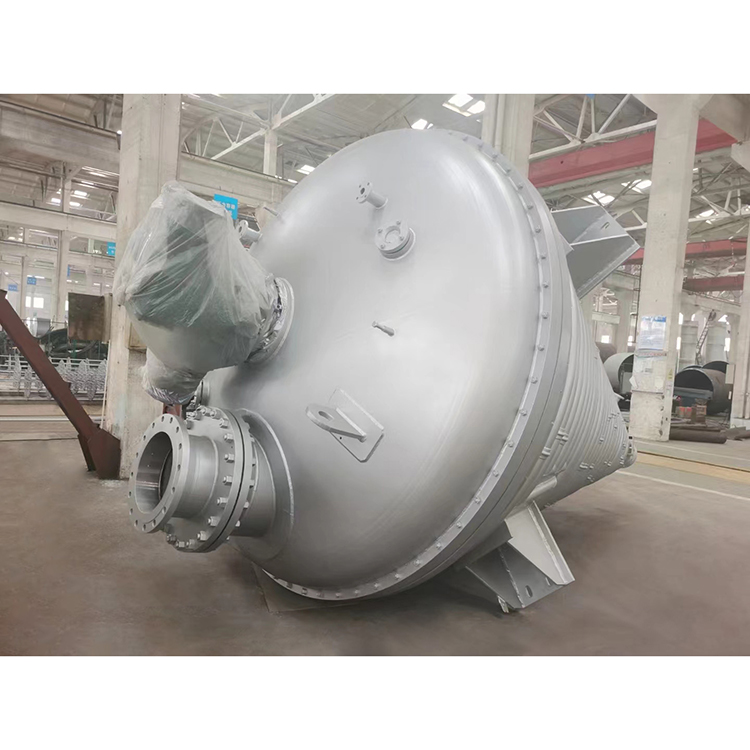
Spiral Plate Heat Exchanger
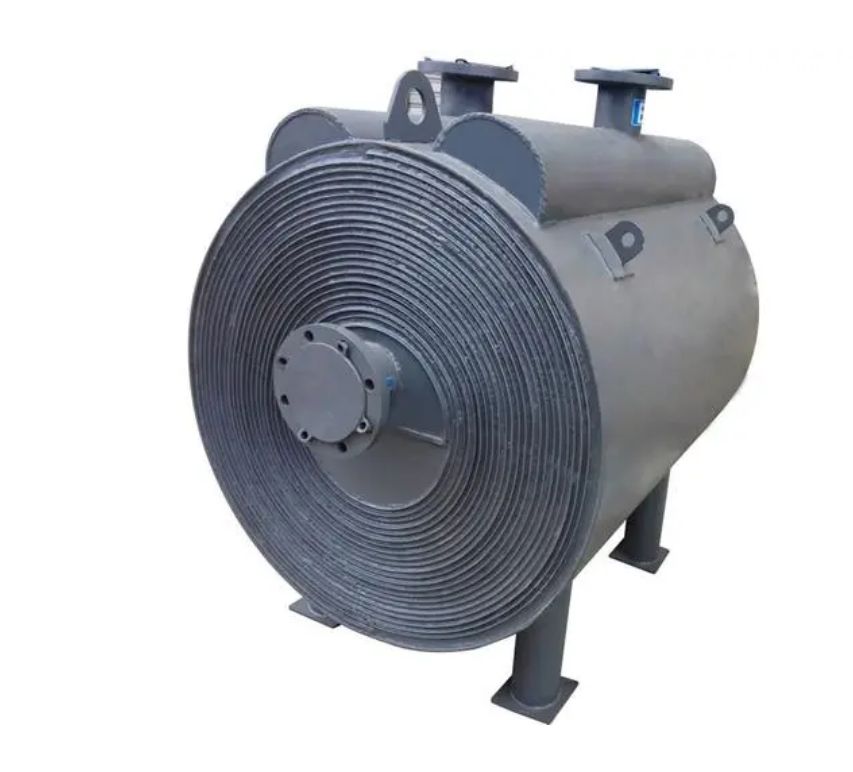
Overview
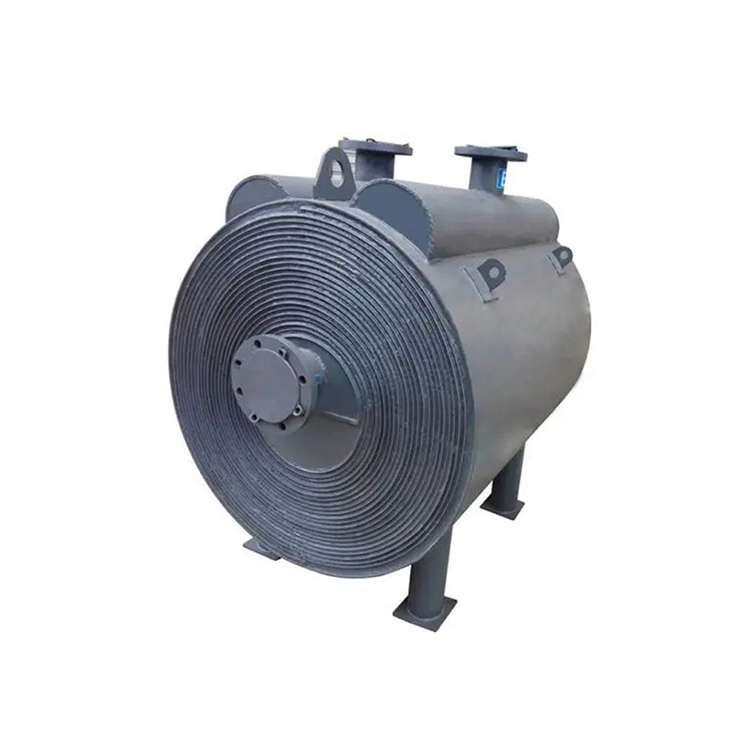
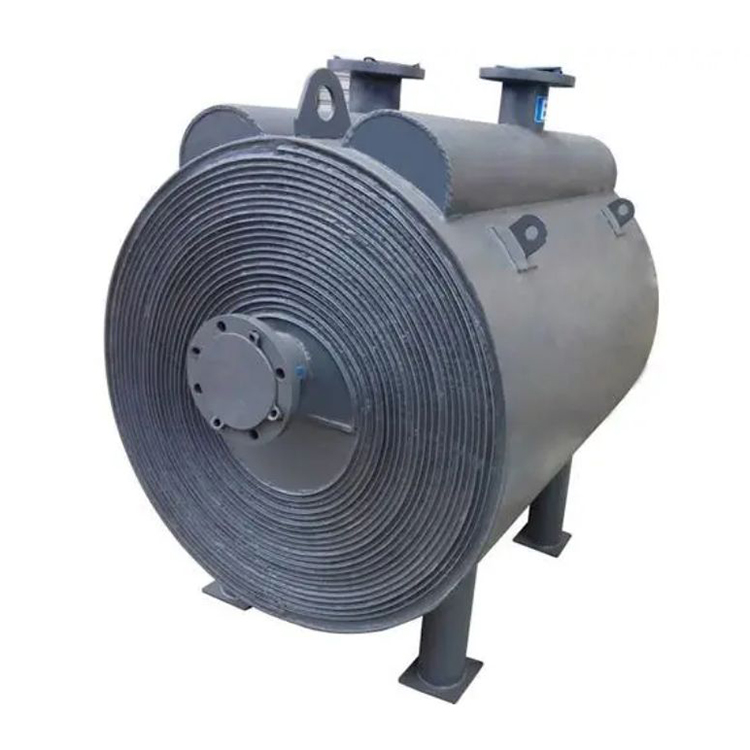
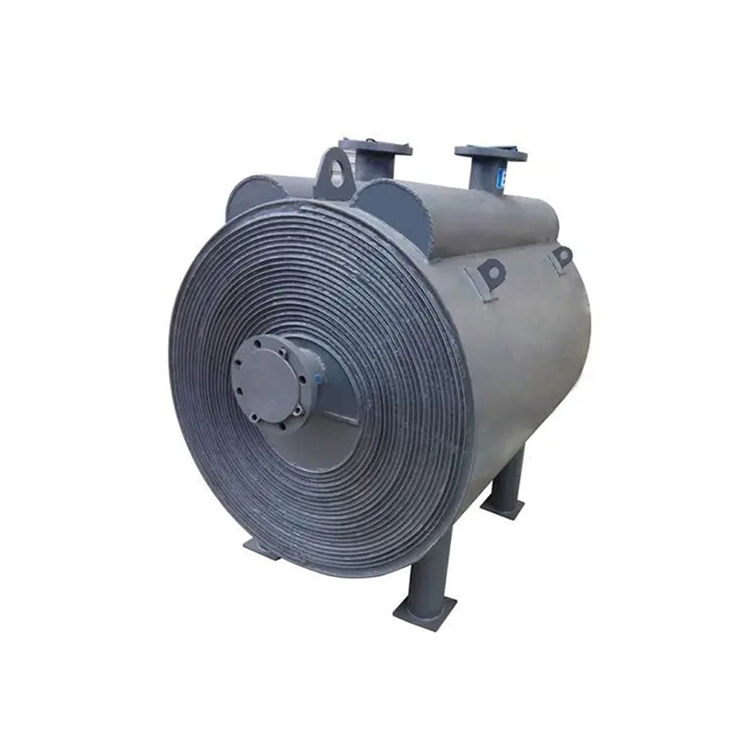
A spiral plate heat exchanger is a heat exchange device suitable for vapor-vapor, vapor-liquid, and liquid-liquid heat transfer. It is used in industries such as chemicals, petrochemicals, solvents, food, light industry, textiles, metallurgy, rolling steel, and coking. It can be divided into non-detachable (Type I) spiral plate heat exchangers and removable (Type II, Type III) spiral plate heat exchangers according to the structural form.
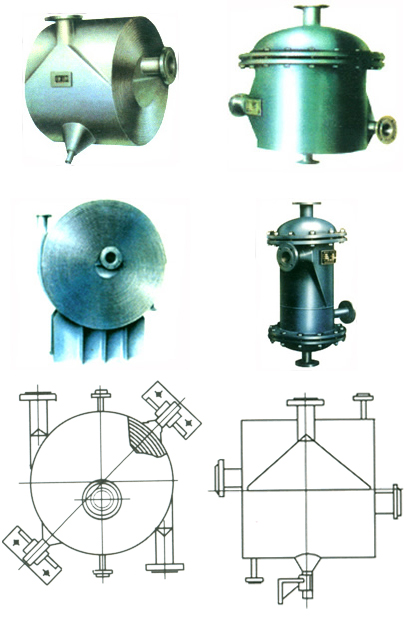
Structure and Performance
1. This unit is formed from two rolls, creating two even spiral channels. Both heat transfer media can flow in a full counter-current manner, significantly enhancing the heat exchange efficiency. Even with two media with small temperature differences, ideal heat exchange can still be achieved.
2. The transition on the housing is designed with a tangential structure, which minimizes local resistance. Due to the uniform curvature of the helical channel, the fluid flow within the equipment experiences minimal directional changes, resulting in lower overall resistance. Consequently, the design flow rate can be increased to achieve higher heat transfer capabilities.
3. The I-type non-detachable spiral plate heat exchanger features sealed ends in its spiral channels through welding, thereby offering high sealing integrity.
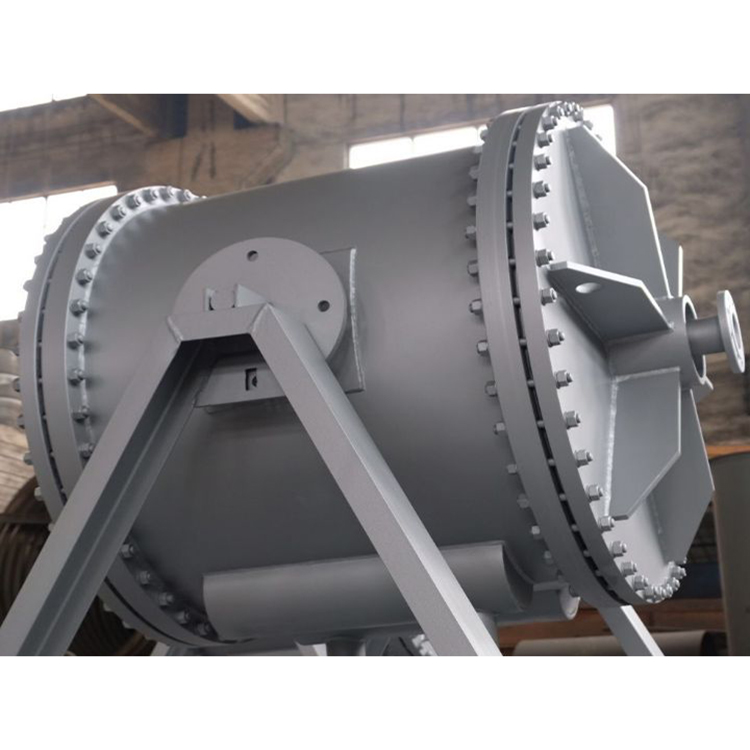
4. The II-type removable spiral plate heat exchanger operates on the same principle as the non-removable type, but one channel can be disassembled for cleaning, making it particularly suitable for heat exchange involving sticky or sedimentary liquids.
5. The III-type removable spiral plate heat exchanger has a structure and principle similar to non-removable heat exchangers, but its two channels can be disassembled for cleaning, making it more versatile in application.
6. Spiral plate heat exchangers are divided into PN0.6, 1.0, 1.6, and 2.5 MPa (referring to the maximum working pressure a single channel can withstand) based on nominal pressure. They can also be categorized into carbon steel and stainless steel according to material. Users can select according to their actual process requirements.
7. When a single unit does not meet the usage requirements, multiple units can be combined, but they must comply with the following regulations: parallel combination, series combination, and uniform spacing between equipment and pathways. Mixed combination: one channel in parallel and one channel in series.
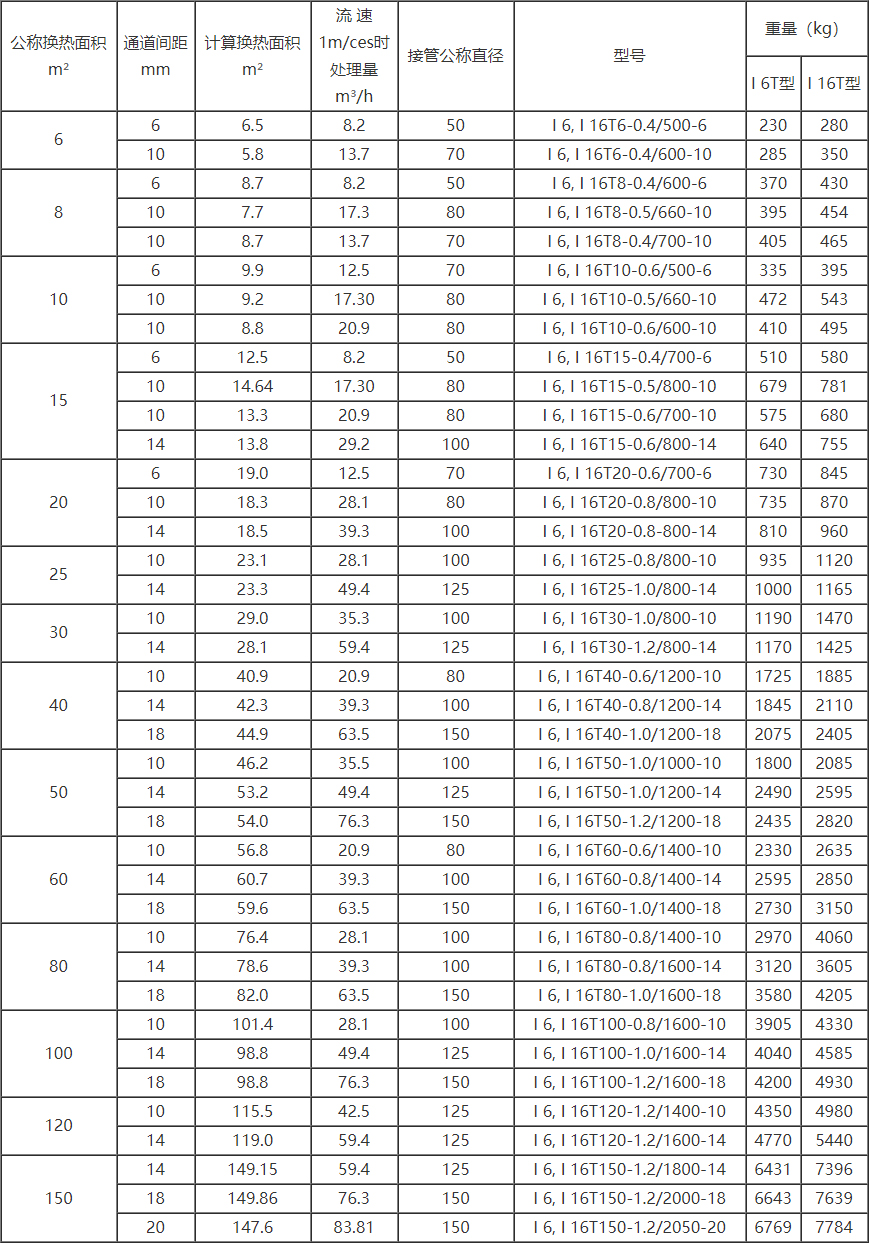
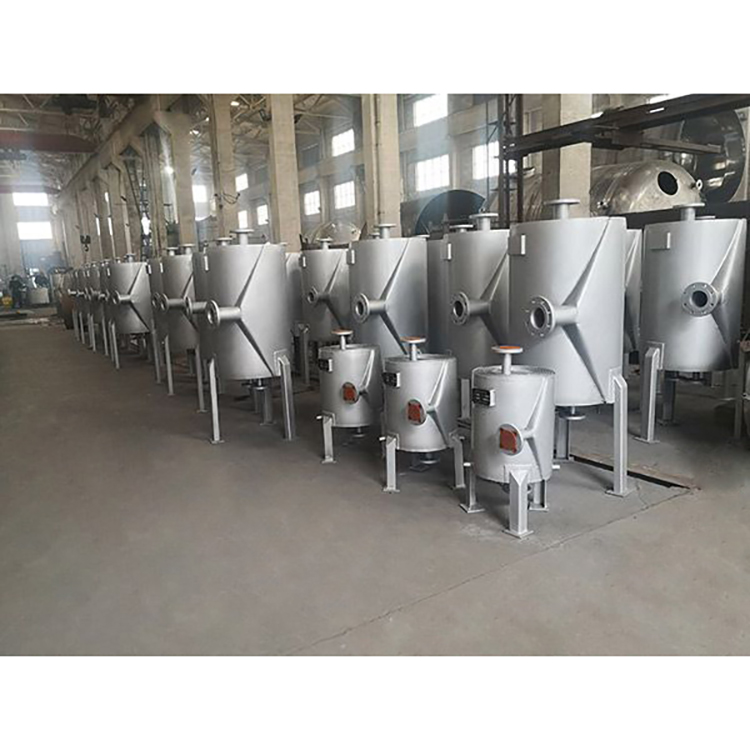
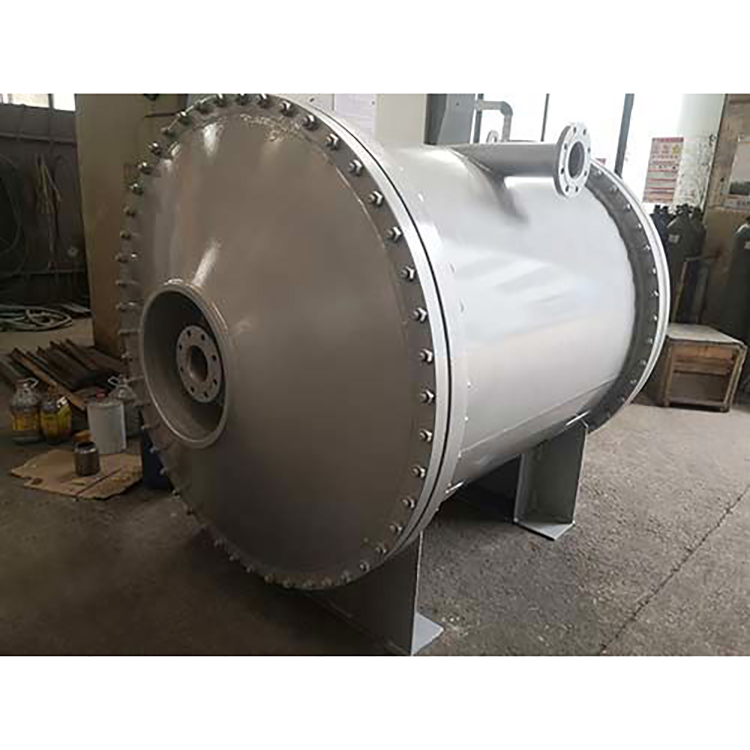
Stainless acid-resistant steel PN0.6, 1.6MPa non-detachable (Type I) spiral plate heat exchanger
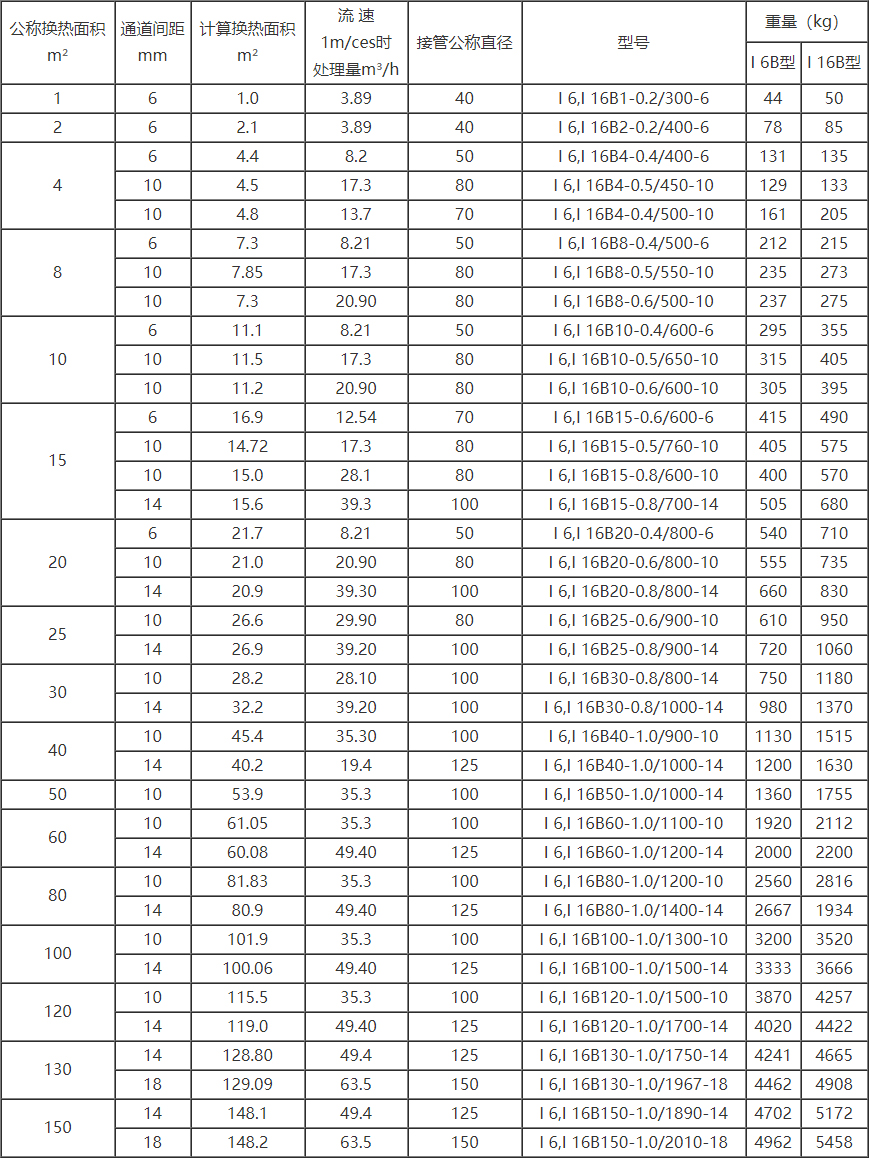
Carbon steel Pg6, 16 kg/cm² non-detachable (Type I) spiral plate heat exchanger