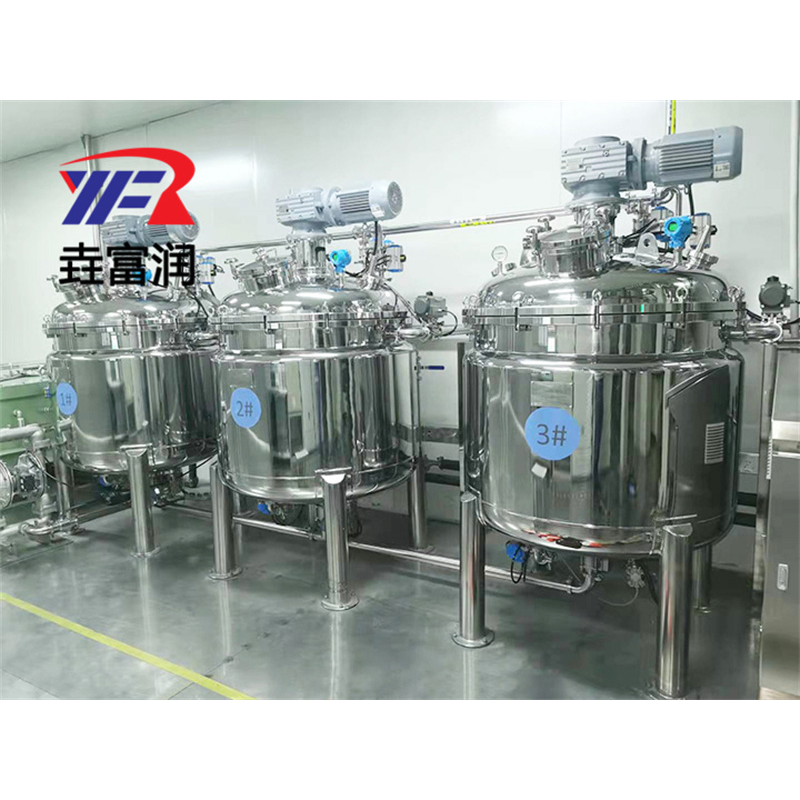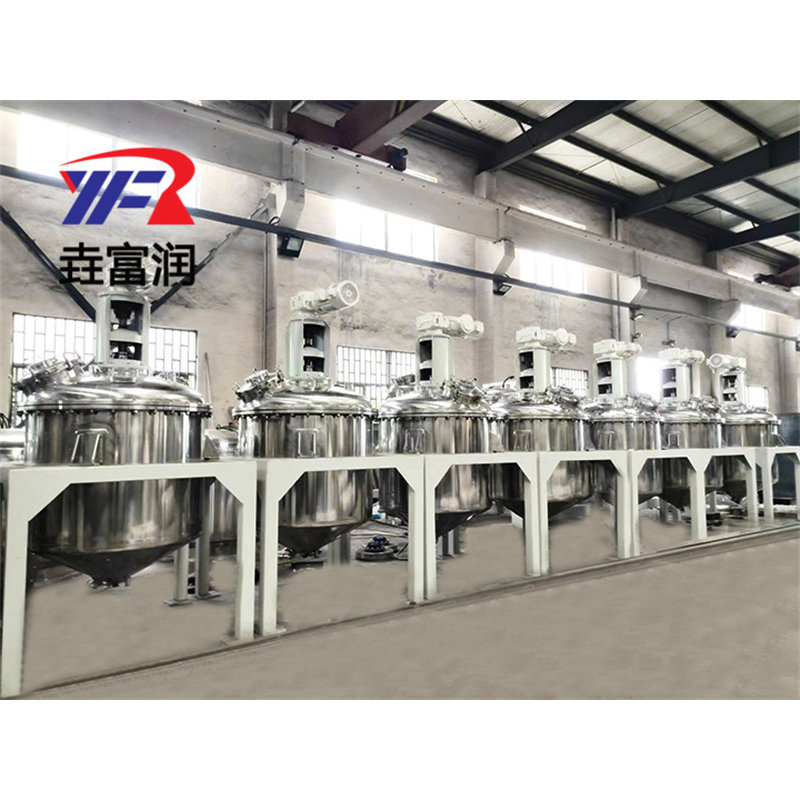


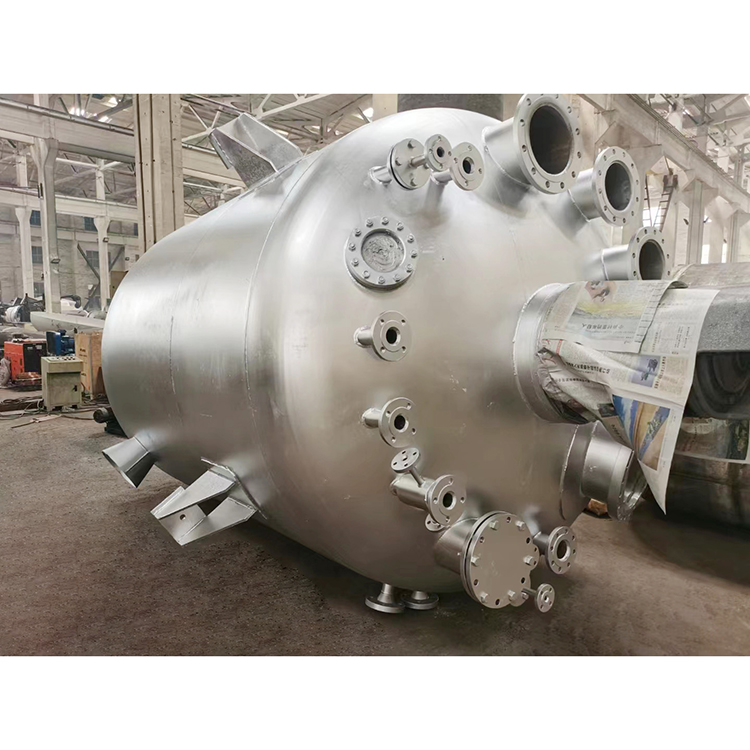
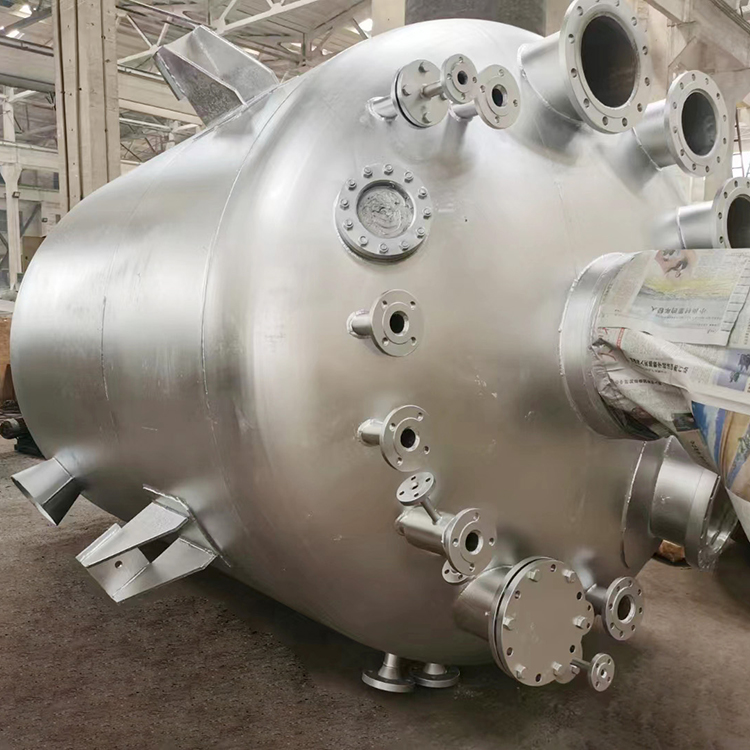
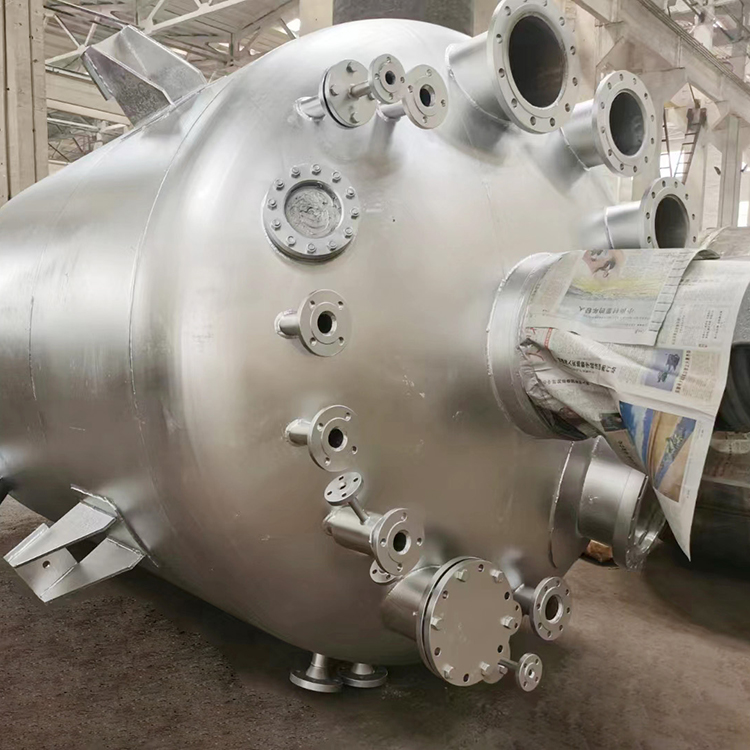


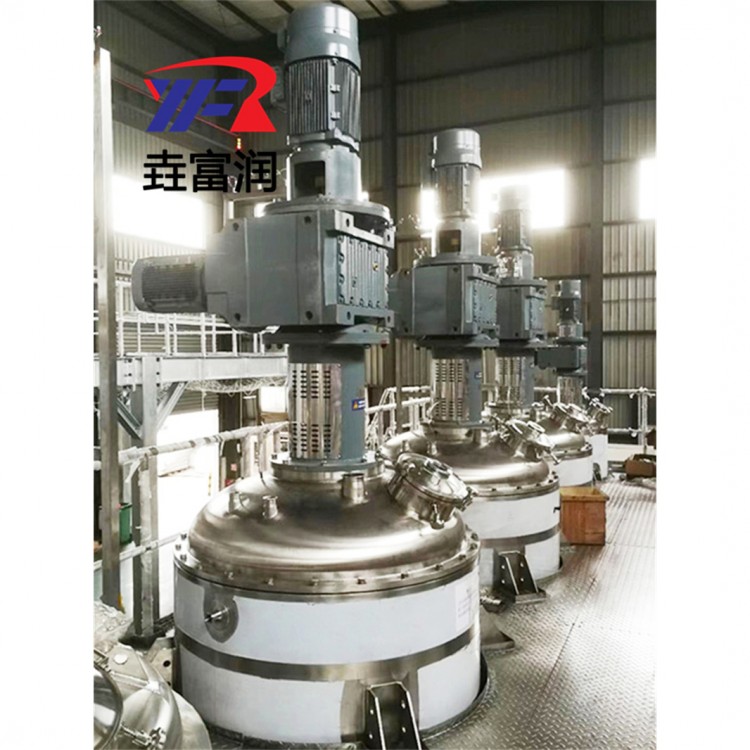
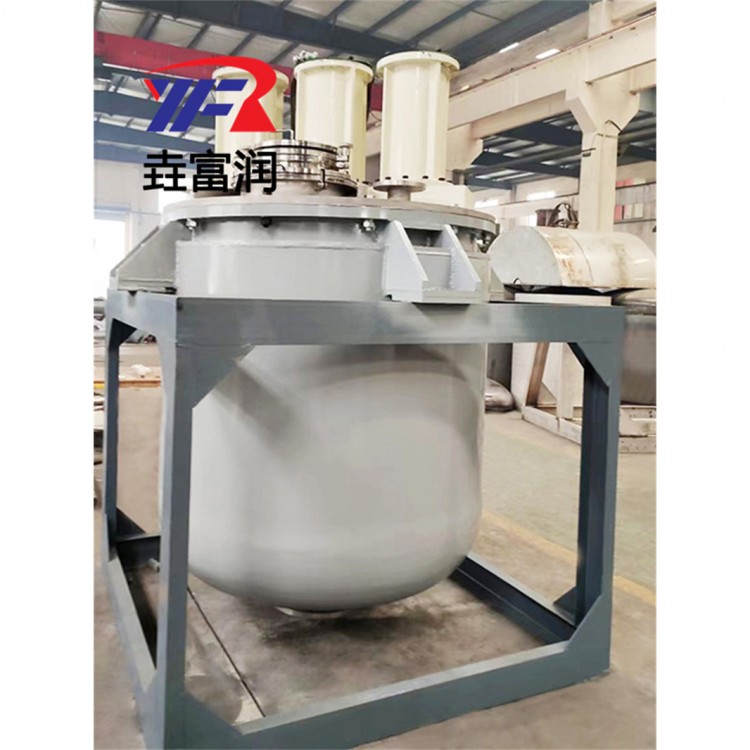
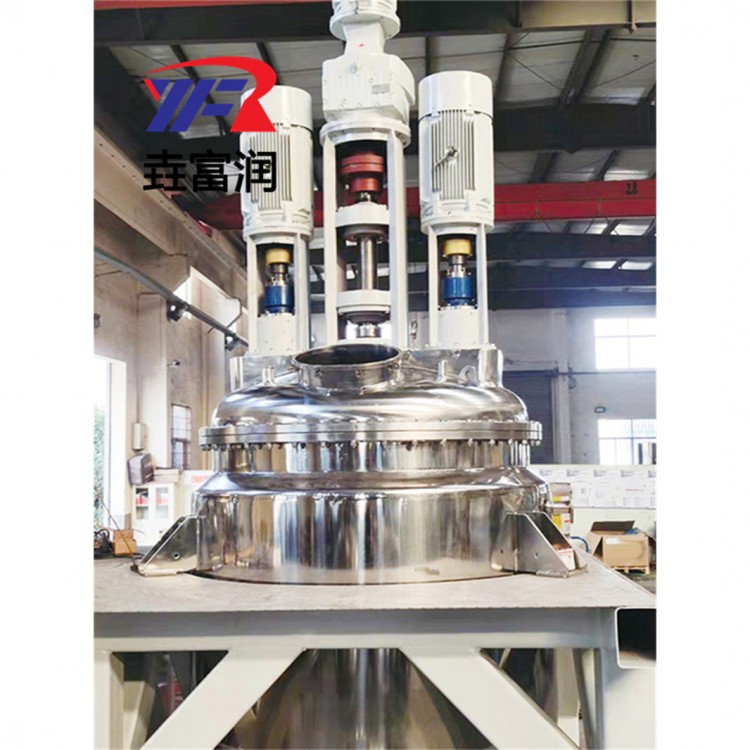
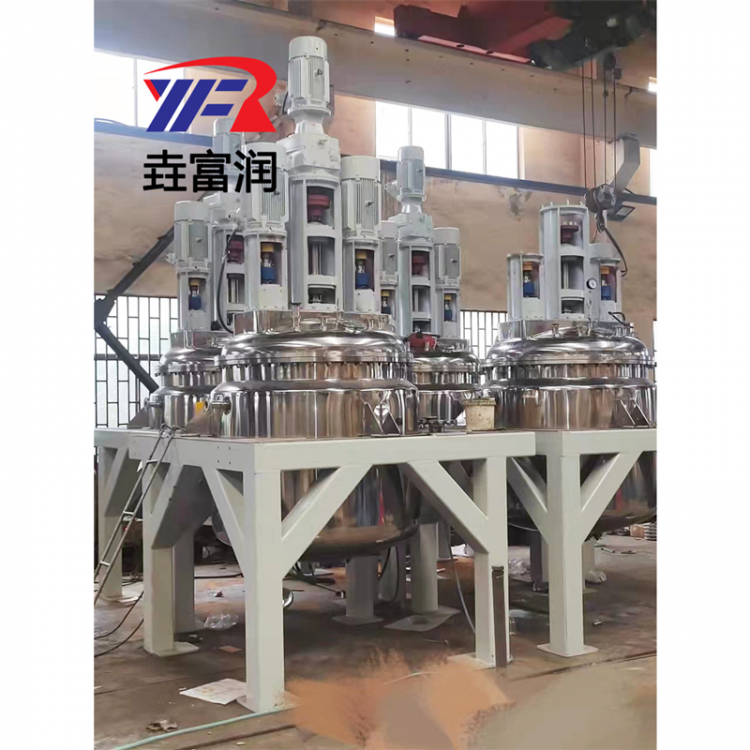
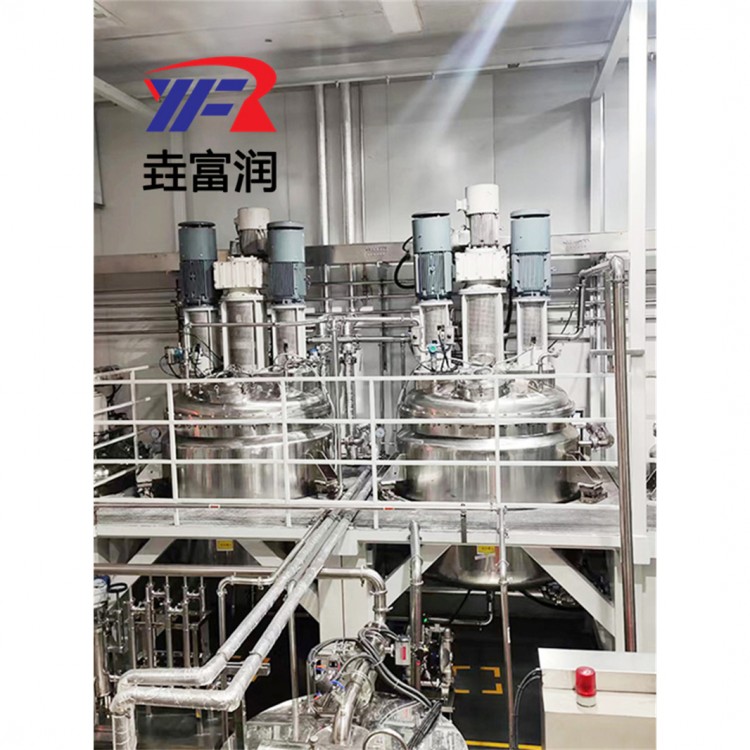





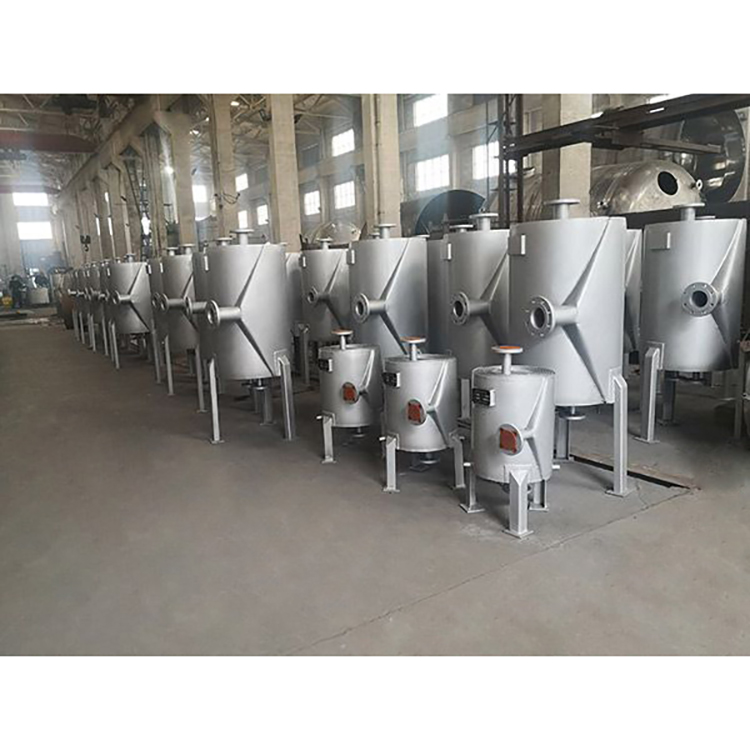
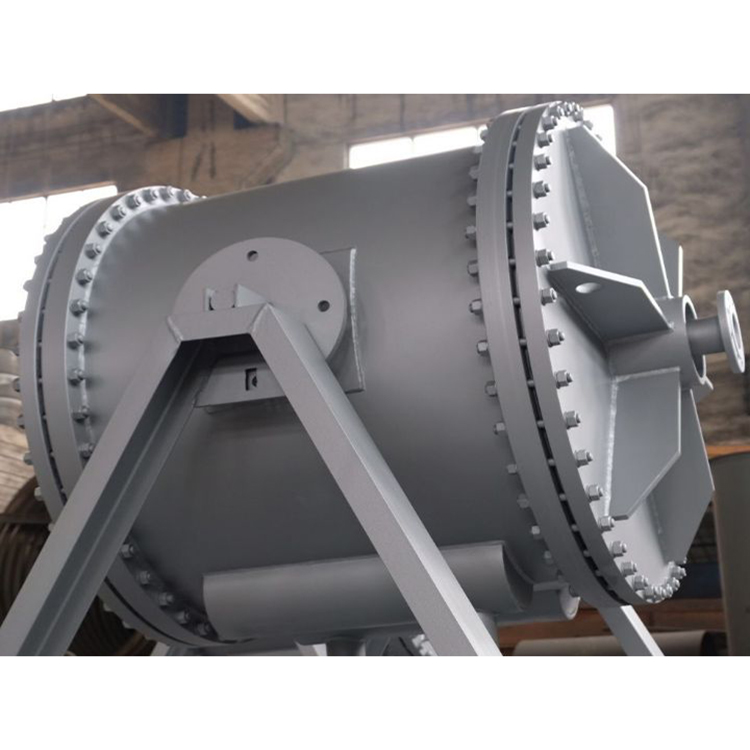
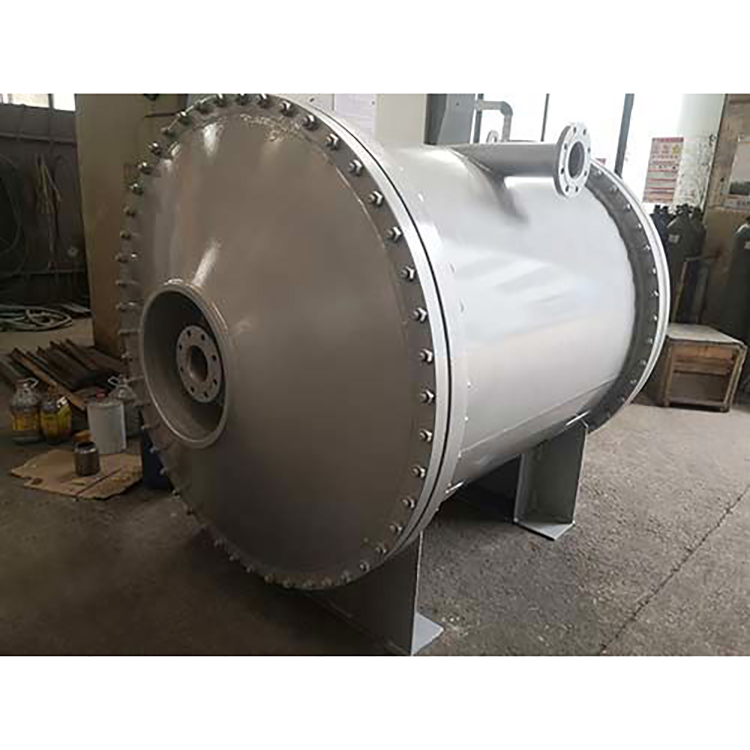
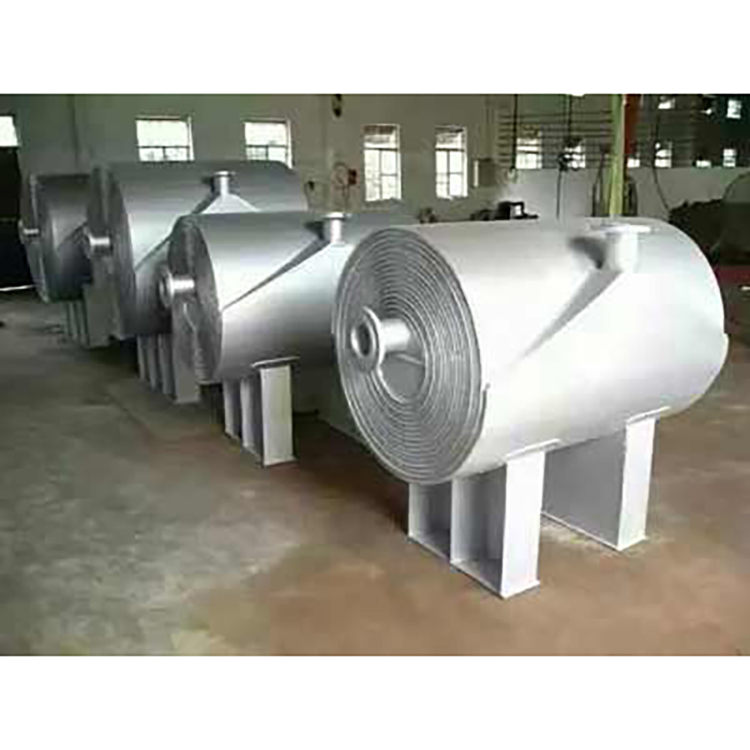
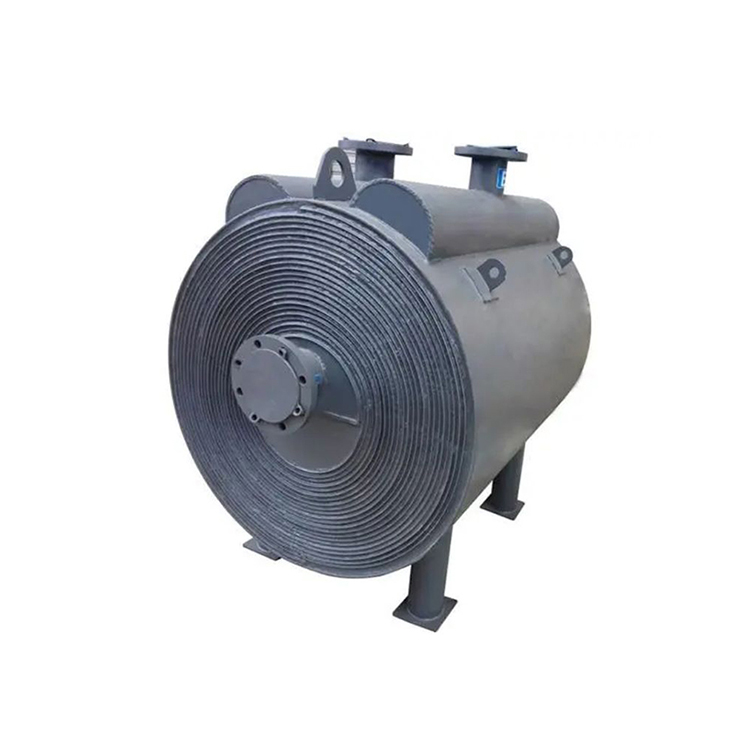
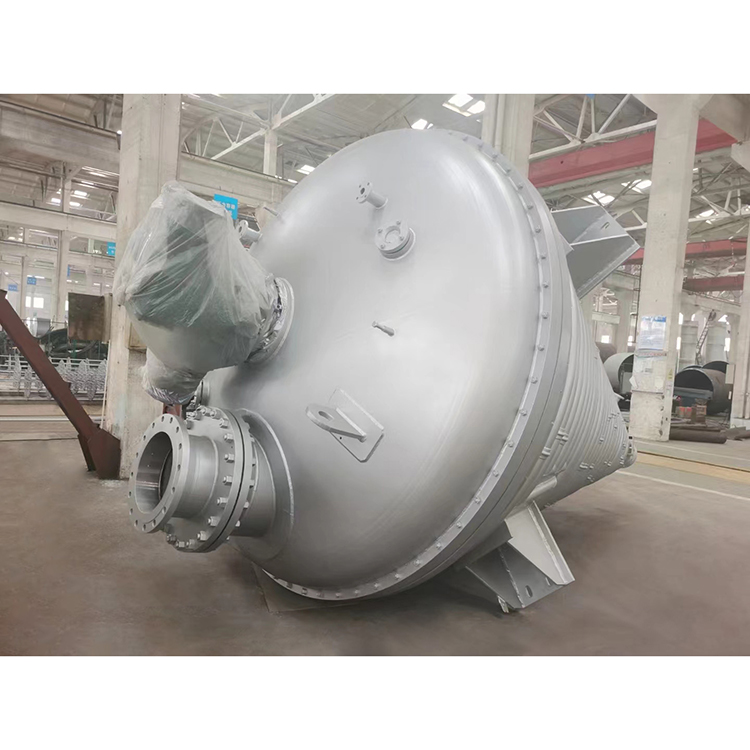
Electrically heated reaction kettle
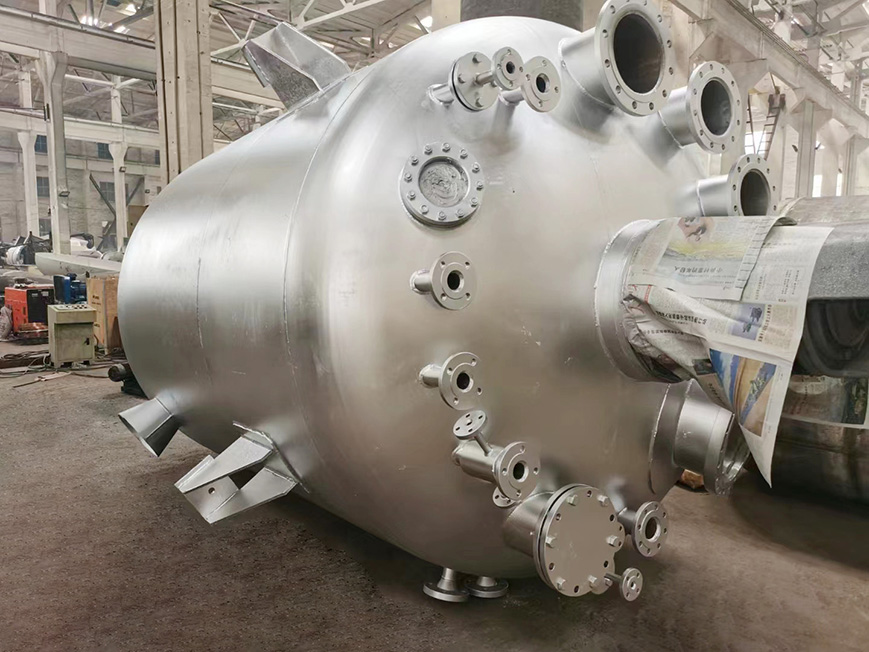
Overview
Electrically heated reaction vessels are mainly used in the petrochemical, chemical, rubber, pesticide, dye, and food industries. They are containers for completing processes such as vulcanization, nitrification, hydrogenation, hydrocarbonation, polymerization, and condensation, such as reactors, reaction vessels, decomposition pots, and polymerizers. Materials typically include stainless steel and carbon steel. Electrically heated reaction vessels are widely used in the chemical, food, natural flavoring, food additive, and light industry sectors.
Equipment Structure
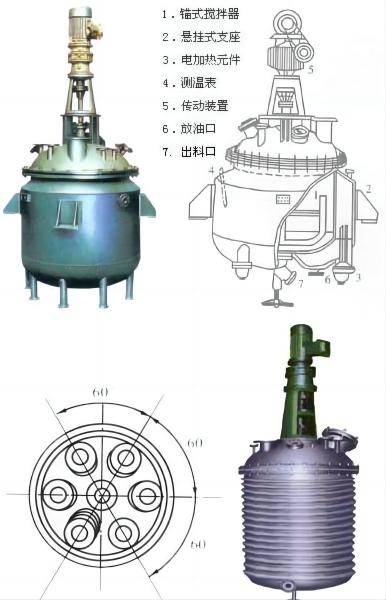
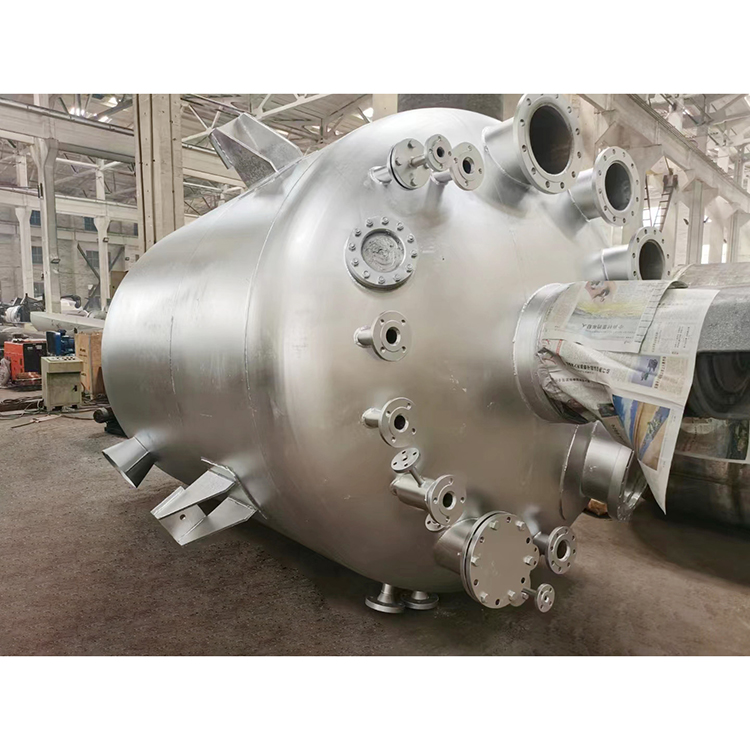
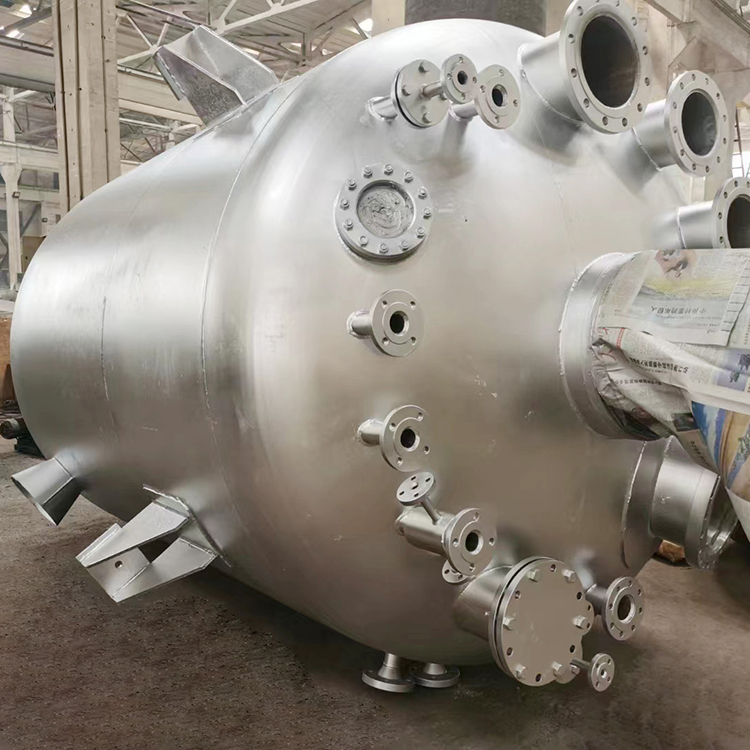
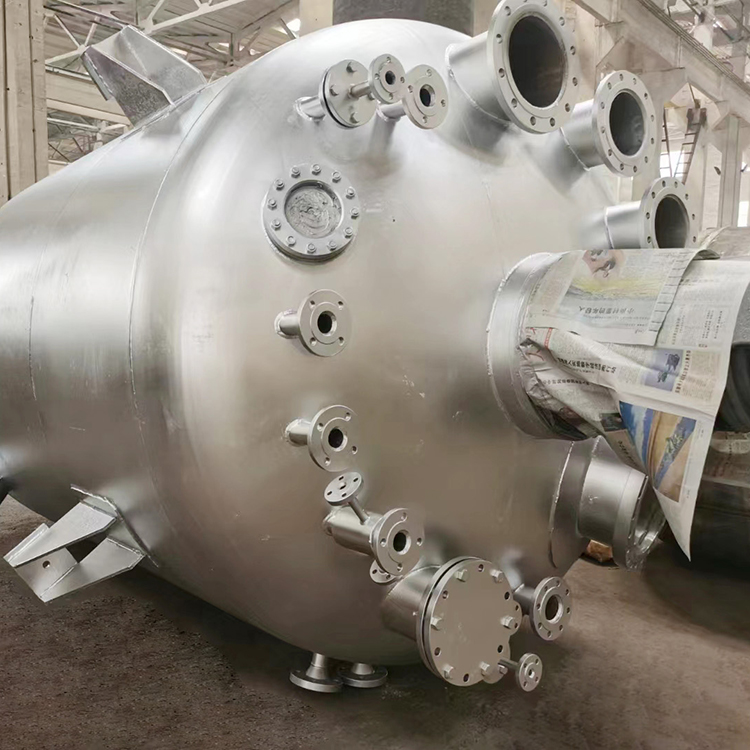
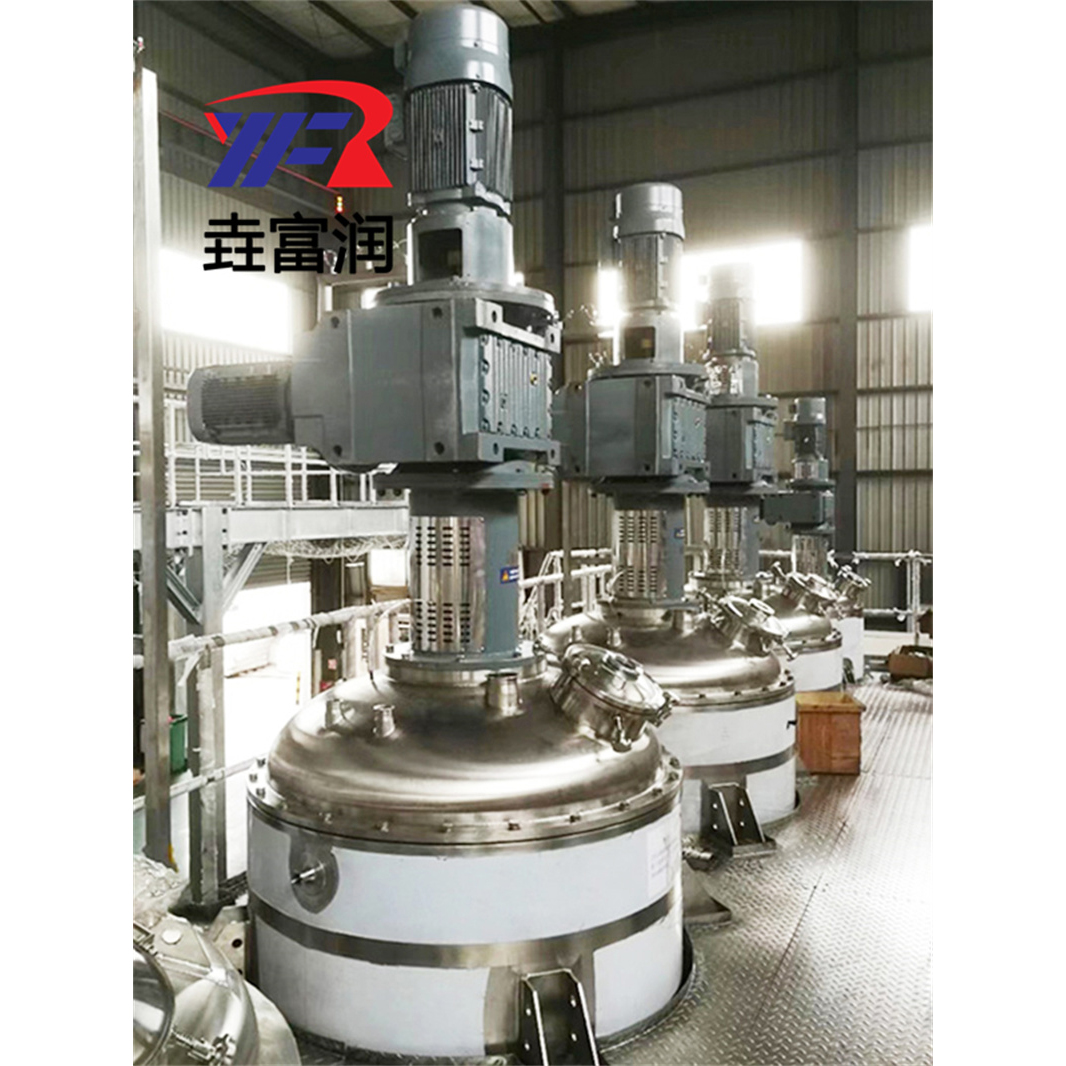
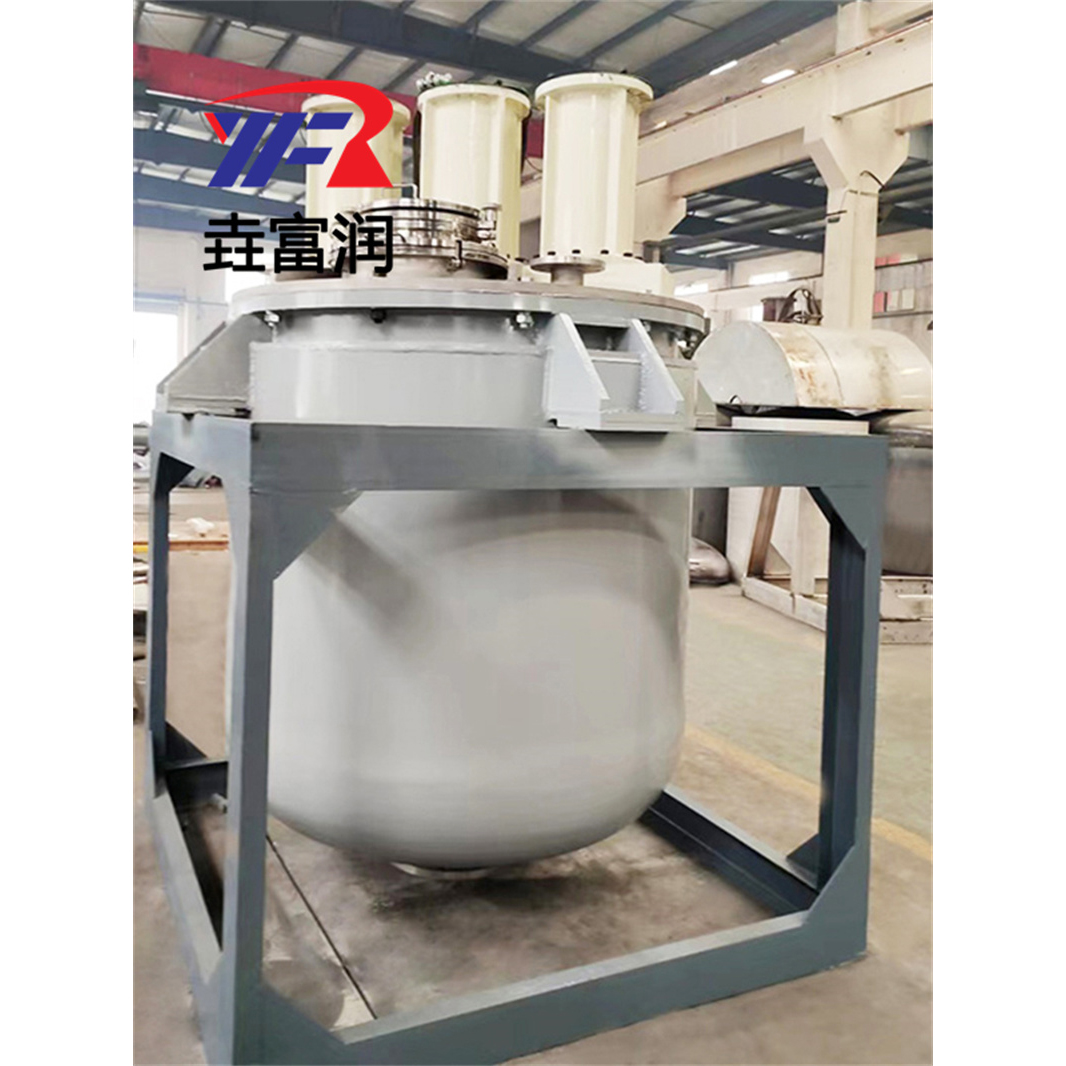
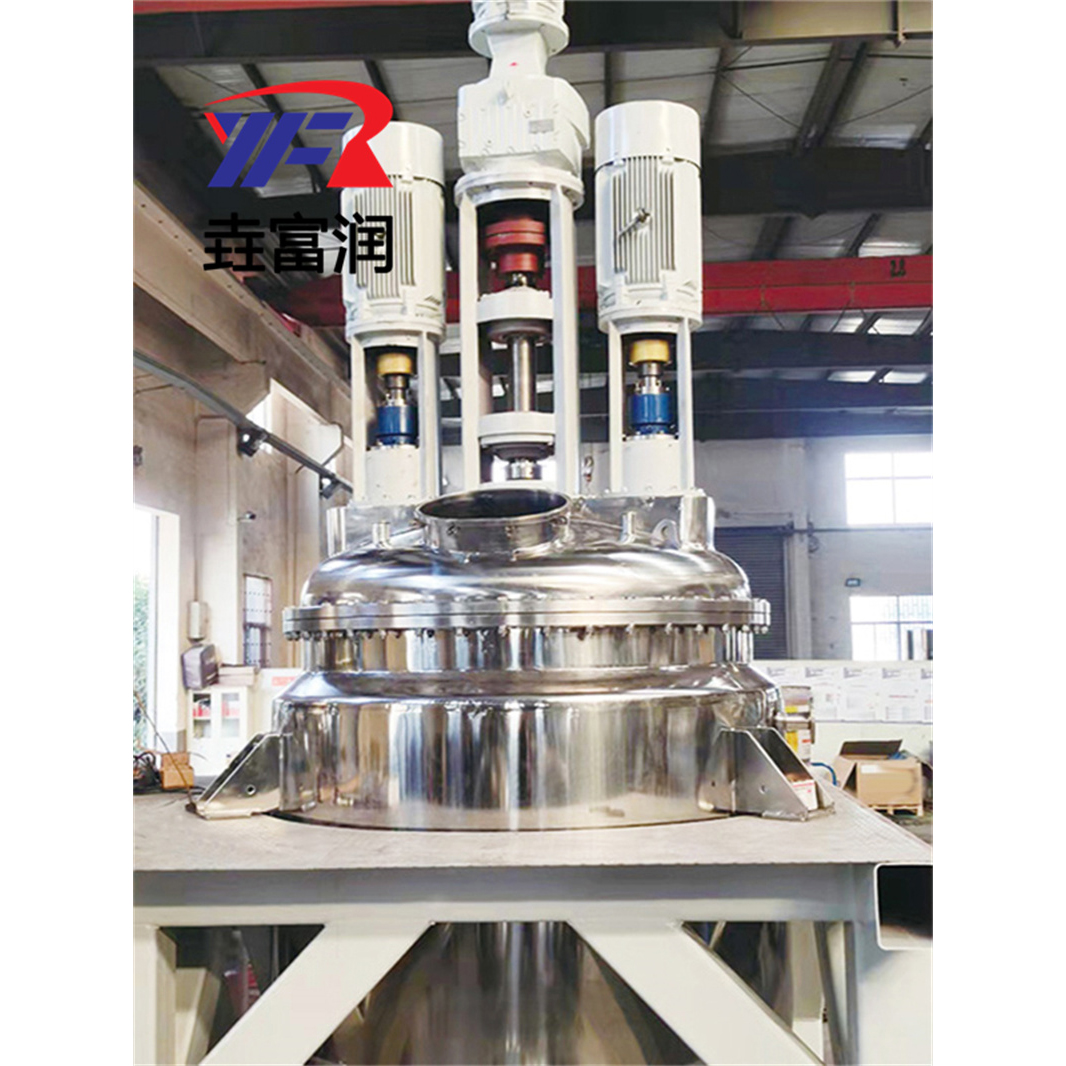
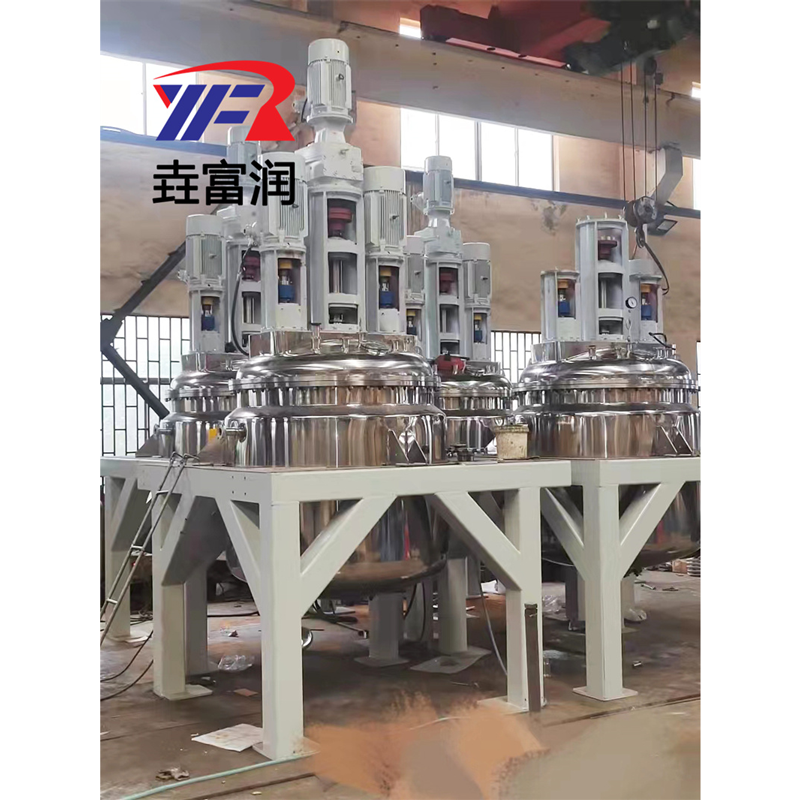
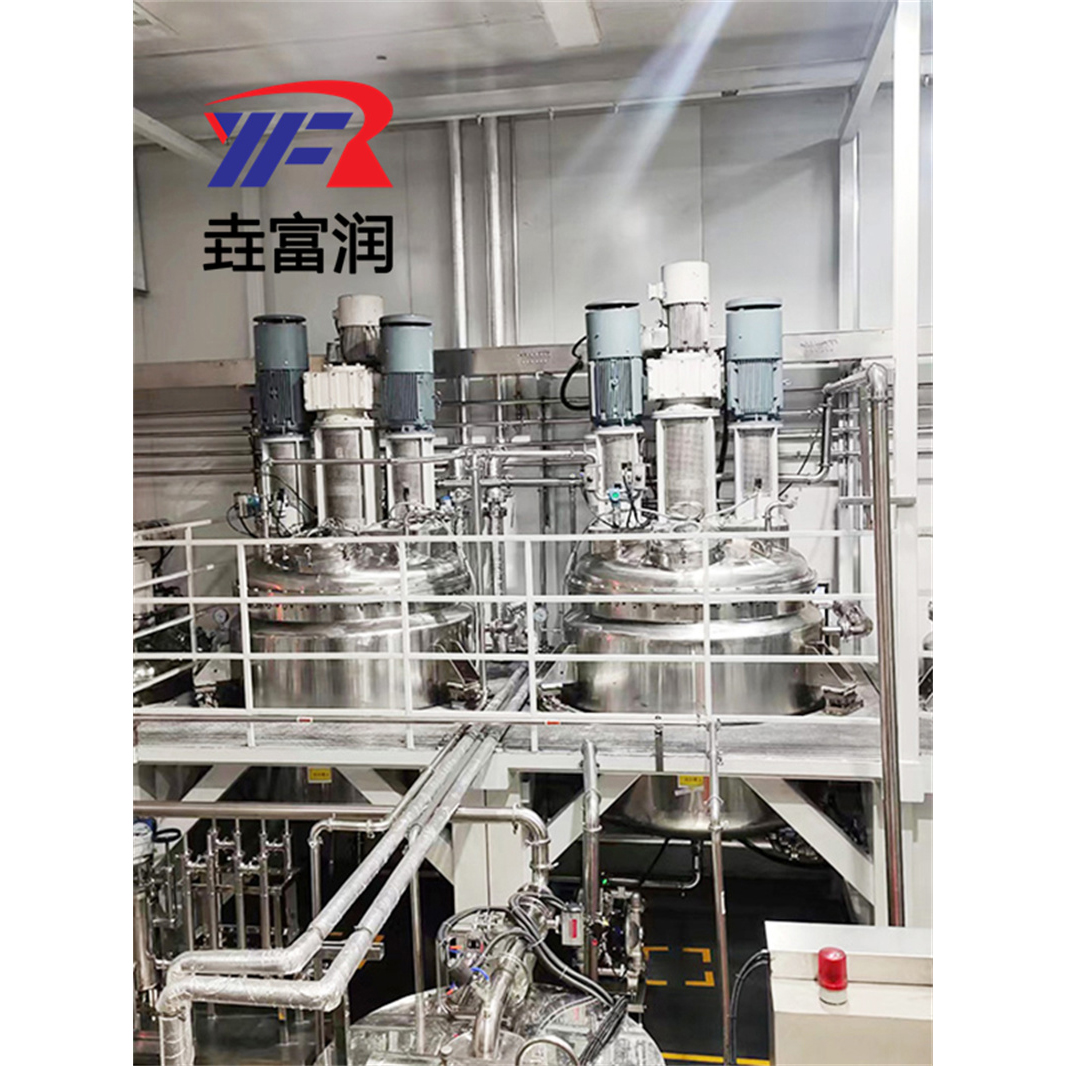
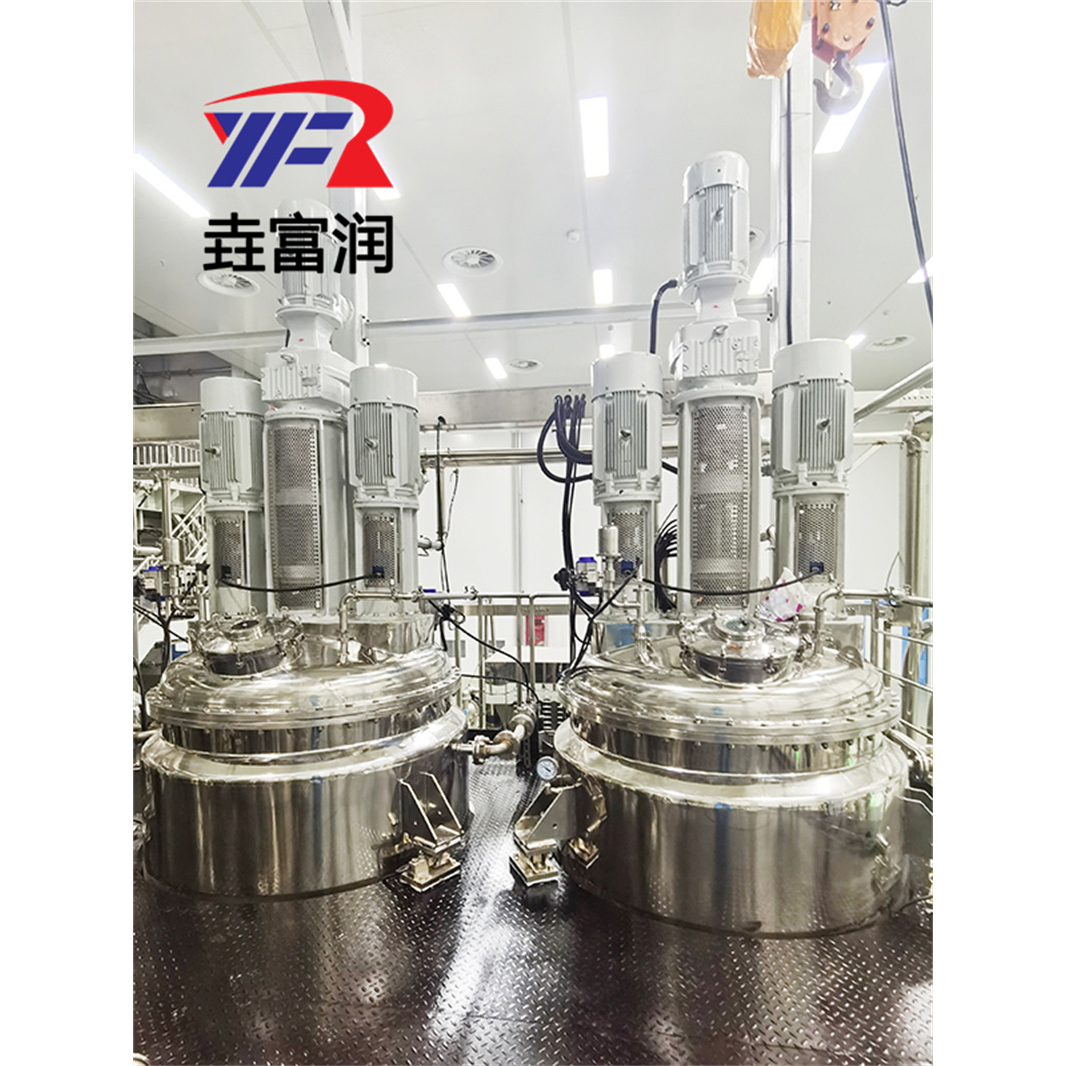
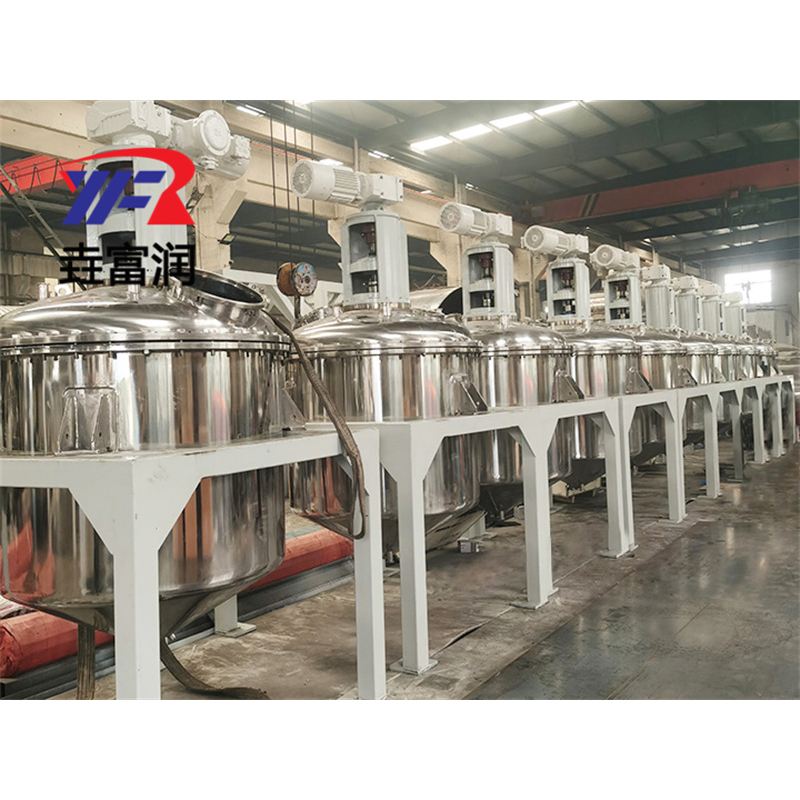
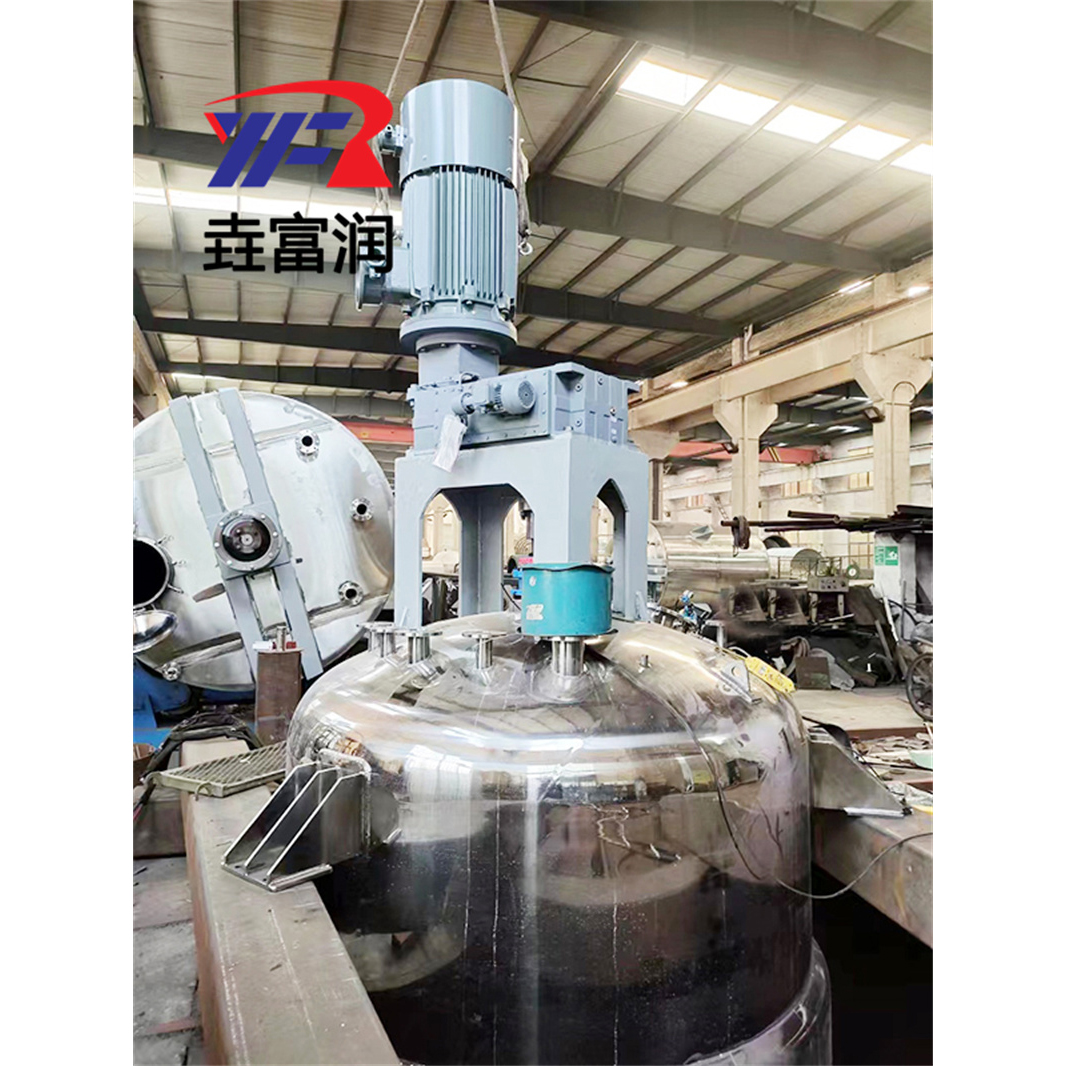
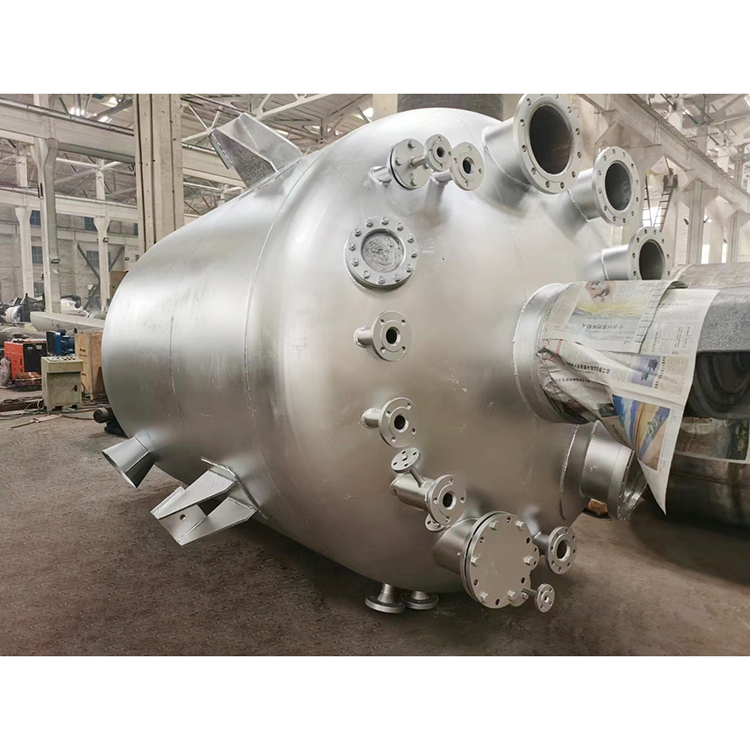
An electrically heated reactor is composed of the kettle body, lid, agitator, jacket, support and drive unit, shaft seal device, etc. The material and openings can be customized according to the user's process requirements. Made of 1Cr18Ni19Ti stainless steel plate, the agitator types usually include anchor, paddle, worm gear,推进式, or frame. It is a cost-effective, easy-to-operate reactor that heats the oil in the jacket directly with an electric heating rod, achieving high heating temperatures. The reactor consists of the lid, cylinder body, jacket, agitator, shaft seal drive unit, and support, and is suitable for various organic compounds for decomposition, synthesis, cracking, polymerization, and esterification reactions.
Heating methods include electric, oil, gas, water (or cooling), and open flame heating. Jacket types are: jacketed and semi-tubular jacketed, with jacketed oil heating equipped with a flow guide. Agitation methods generally include paddle, anchor, frame, helical, and scraper types. High-speed options include diffuser, turbine, high-shear, and propeller types, for customer process selection. Transmission types include standard motors, explosion-proof motors, electromagnetic speed control motors, and variable frequency drives. Heat exchangers come in cycloidal pinwheel, worm gear, and planetary variable-speed designs. Shaft seals are of the standard water-cooled filling, composite Teflon filling, and mechanical seal types. Discharge types include ball valves and butterfly valves.
Equipment Features
Electrically heated reaction kettle features rapid heating, high-temperature resistance, corrosion resistance, hygiene, no environmental pollution, no need for kettle movement to heat, and ease of use.
Used in oil, chemical, rubber, pesticide, dye, food industries, for processes such as vulcanization, nitration, hydrogenation, hydrocarbonation, polymerization, condensation, etc. It relies on thorough mixing of the reacting substances and requires a stirrer for effective heating, cooling, liquid extraction, and gas absorption. We can also design and process external coil reactors for our clients.
Equipment Categories
Sleeve types include jacketed and semi-tubular, with all jacketed oil heating models featuring flow guidance devices. Mixing methods are typically paddle, anchor, frame, helical, and scraper types. High-speed options include diffuser impeller, turbine, high-shear, and propeller designs, allowing customers to select based on their process requirements. Transmission methods include standard motors, explosion-proof motors, electromagnetic variable-speed motors, and inverters. Reduction gears come in involute pinion, worm gear, and planetary variable-speed configurations. Shaft seals are of the standard water-cooled packed, combined packed, and mechanical sealed types.
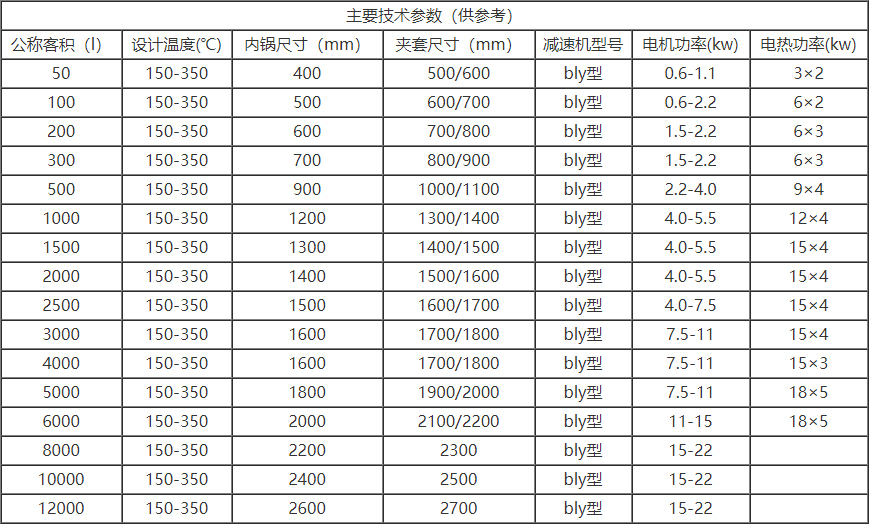
The reactor is composed of the pot body, pot cover, agitator, electric heating oil jacket, support and transmission device, shaft seal device, oil overflow trough, etc., and is equipped with electric heating rods and temperature and pressure measuring instruments. (See Figures 1 and 2) Due to the varying production processes and operating conditions among users, the types of agitation generally include anchor, paddle, turbine, propeller, or frame. The bearing seats are available in suspended or supported types. The jacket is internally filled with thermal medium cylinder oil, heated by electric heating rods, and features openings for oil intake, exhaust, overflow, venting, and electric heating rod and temperature measurement connections. The jacket's outer wall is welded with supports, and the pot body has an outlet at the bottom.