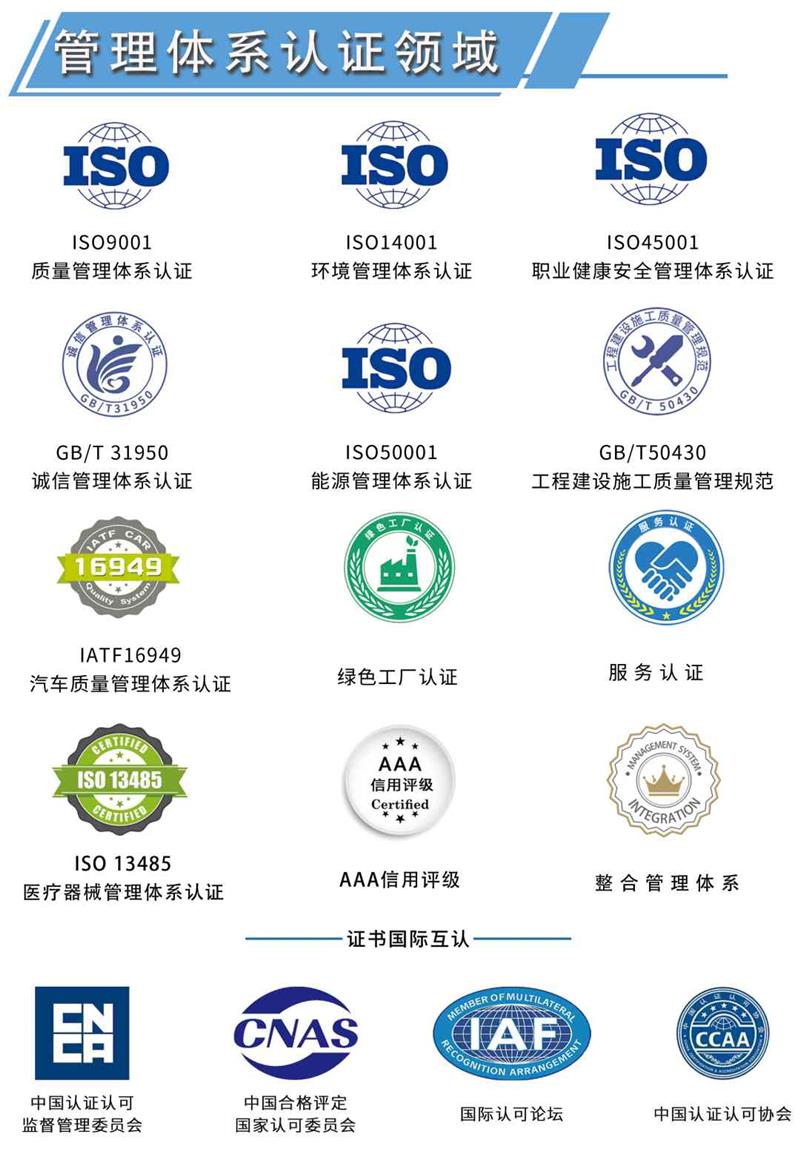








ISO 9001:2015 is a series of standard versions that describe the basic concepts and principles of quality management, which are universally applicable to management systems and supply chain logistics.Organizations seeking success through improved internal communication, etc. These standards also benefit clients seeking confidence in an organization's continuous provision of product services, as enhanced internal standards are reflected externally to clients. ISO 9001:2015 stipulates all quality management and quality management system standards established by ISO/TC 176.Terms and definitions.

ISO 9001 is a single measure within the ISO 9000 standard framework. It specifies the requirements for a quality management system when an organization needs to demonstrate its consistent ability to provide products and services that meet customer and applicable regulatory requirements. This standalone standard outlines a set of specific regulations detailed in a series of clauses. While maintaining a quality management system with ISO 9001, detailed processes must be implemented, including gap analysis and internal audits. All requirements of ISO 9001:2015 are generic and intended to be applicable to any organization, regardless of its type, size, or the nature of the products and services it provides; everyone can benefit from adhering to these standards and principles.

Obtaining ISO certification means you meet the expectations and qualifications set by global organizations' standards. This certification indicates that your products comply with international requirements and that your company has been updated according to these standards, which is beneficial both internally and externally. By obtaining ISO certification, your manufacturing organization demonstrates its adherence to industry standards and regulations. This is crucial for your business, as your products should reflect the measures taken to establish consistency and confidence in the global manufacturing market.
Individuals cannot obtain ISO certification—it is only available to businesses and organizations. It is also worth noting that ISO does not provide certification—it is offered by third-party organizations. However, as you might expect, ISO does have a Committee on Conformity Assessment (CASCO) responsible for the qualification of the certification process. When choosing a certification body, it is important to evaluate several to select one that suits your organization. One factor to consider is whether the organization uses the relevant CASCO standards and if they are an accredited body. The schedule for certification training depends on many factors, including research requirements, the organization's preparedness level, and its size and complexity. Most are expected to obtain certification within three to six months.