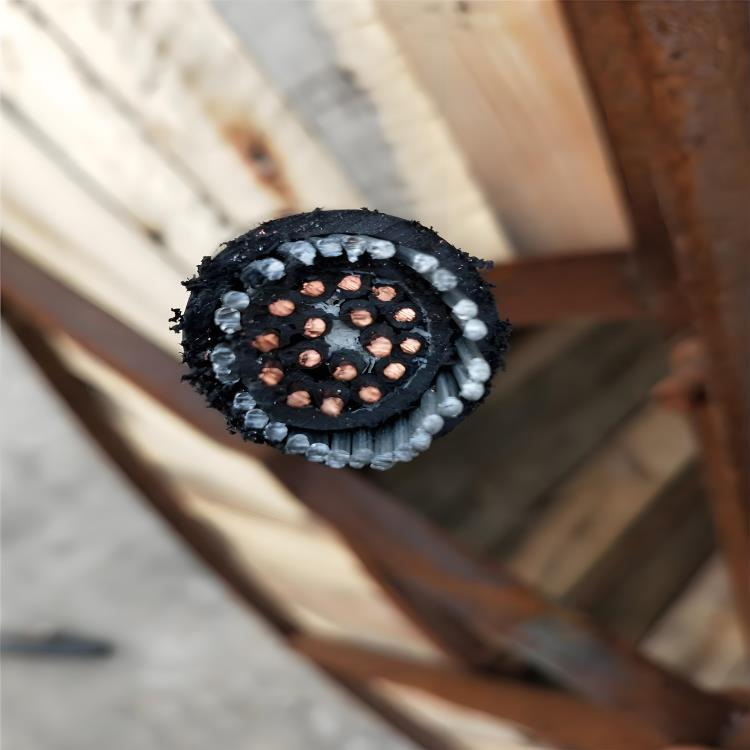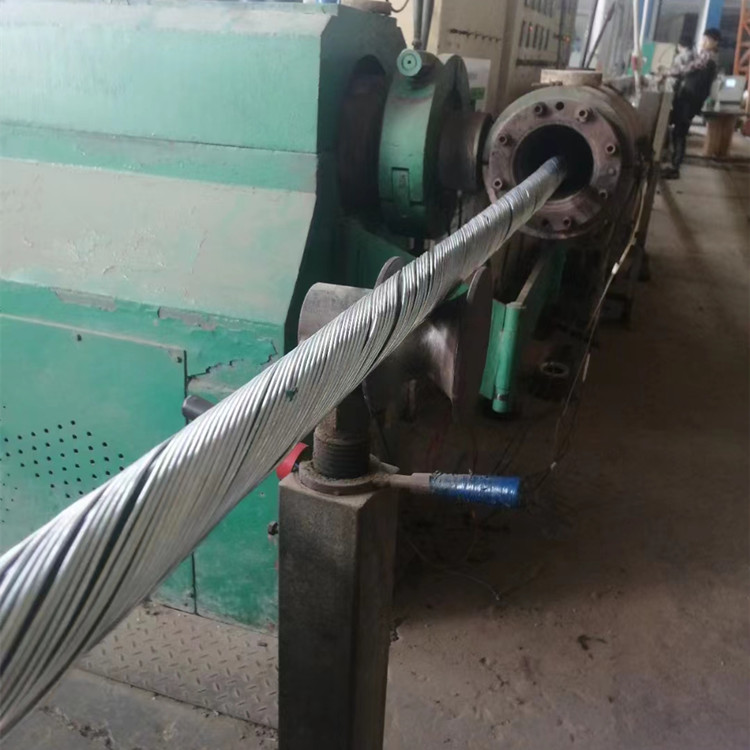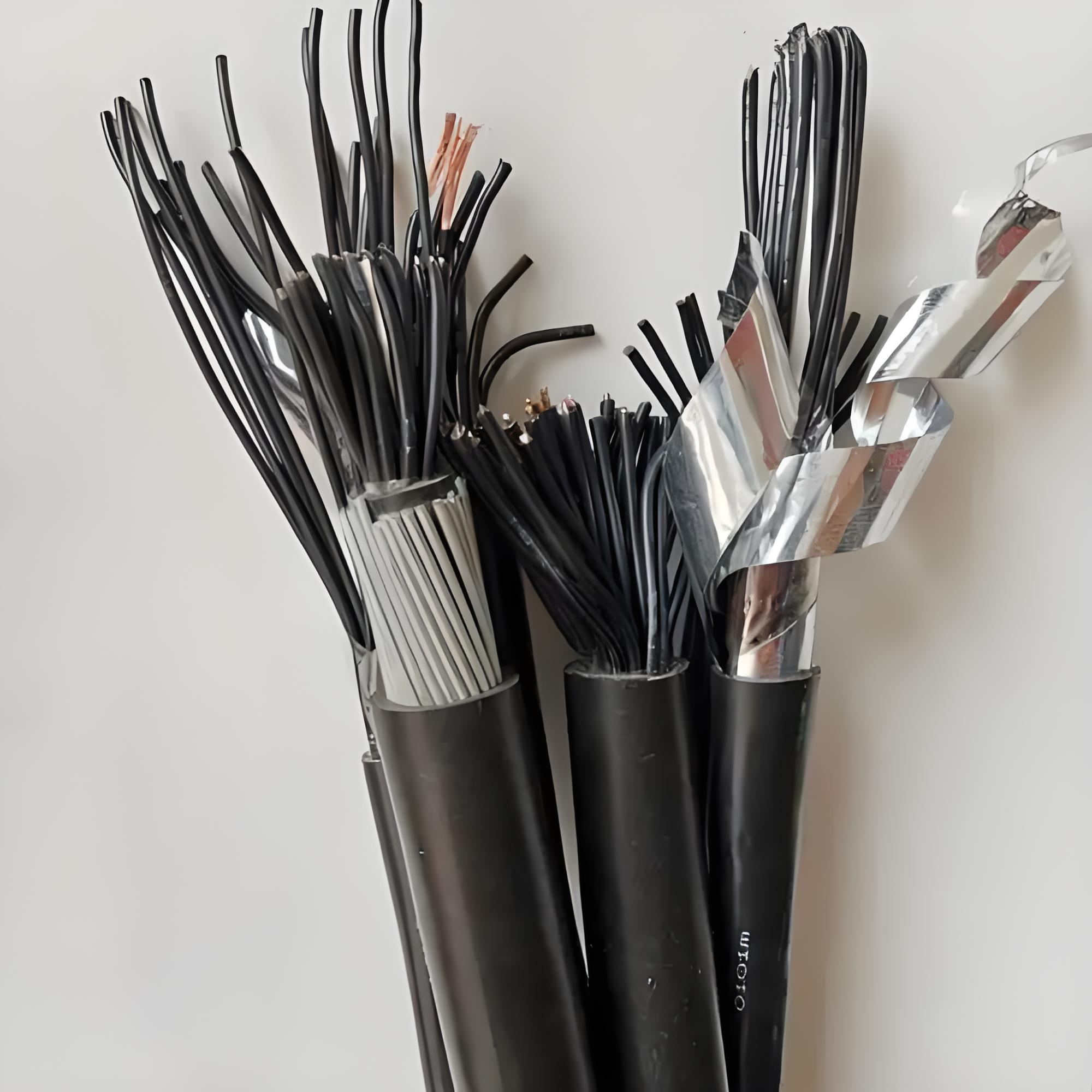

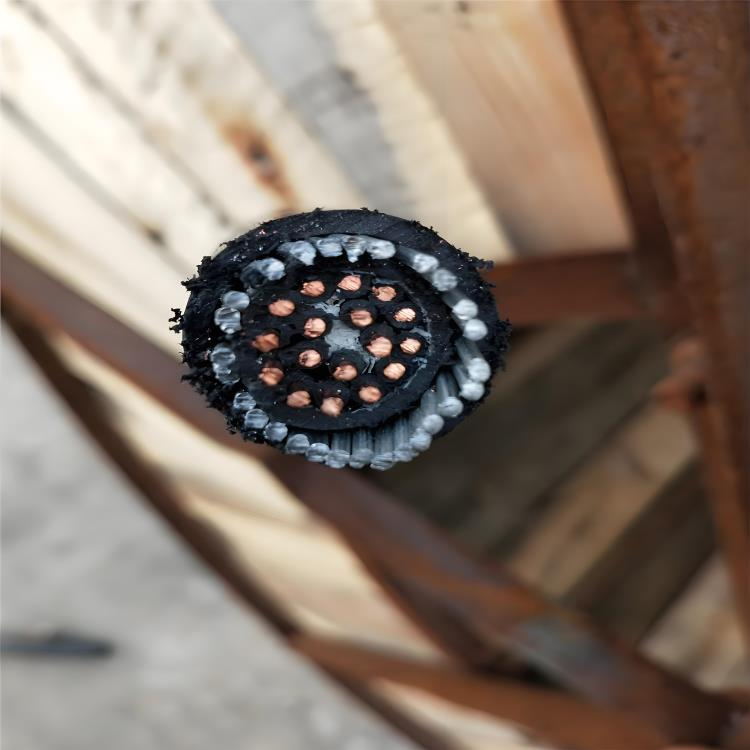

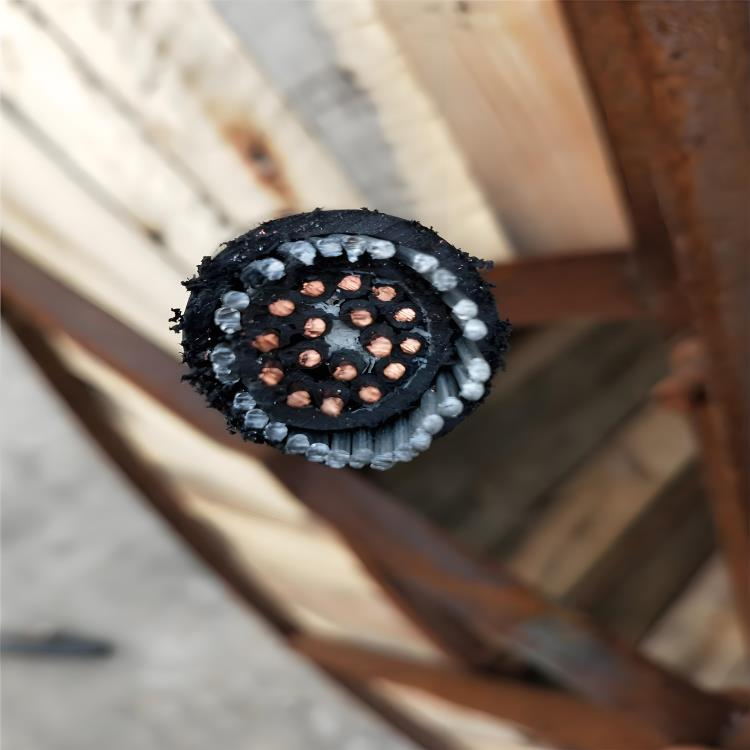
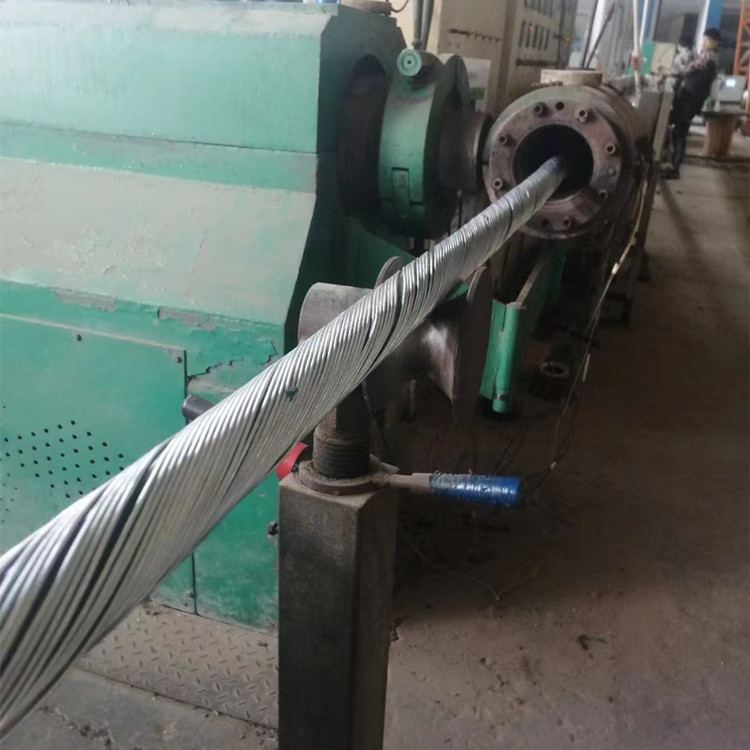
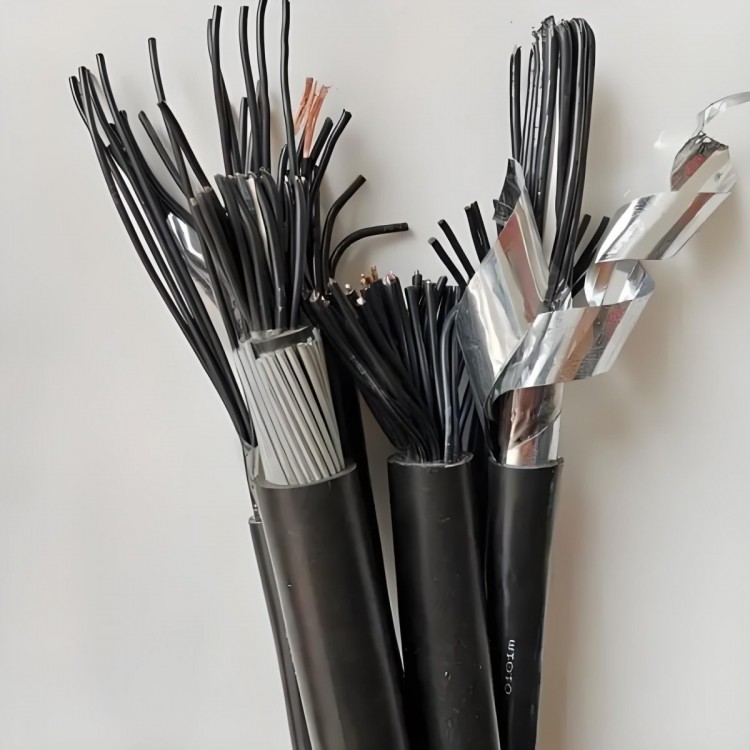







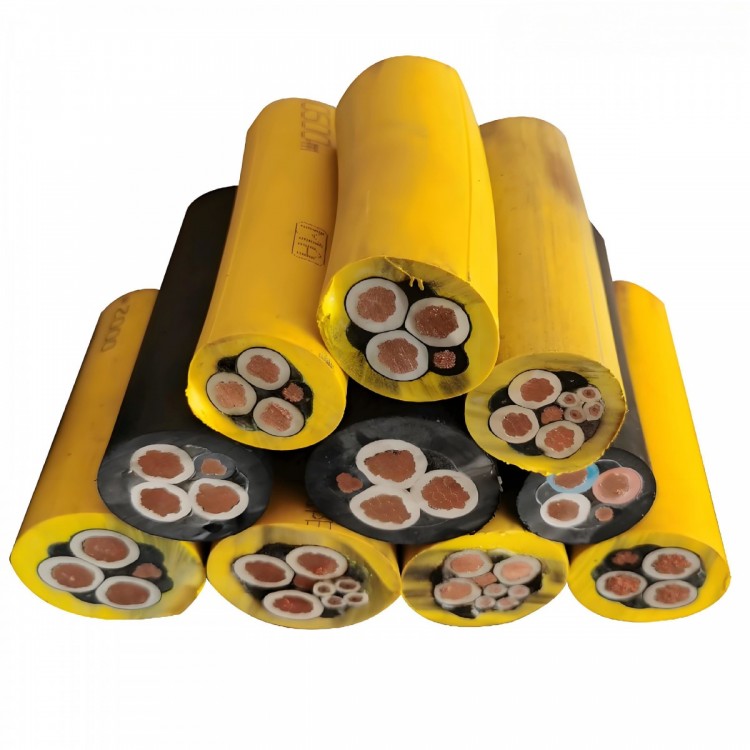


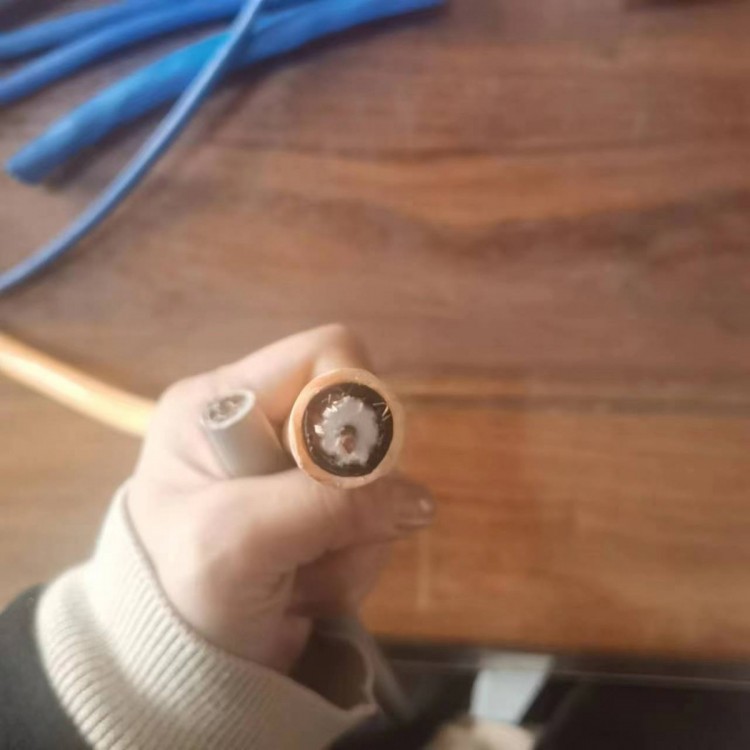
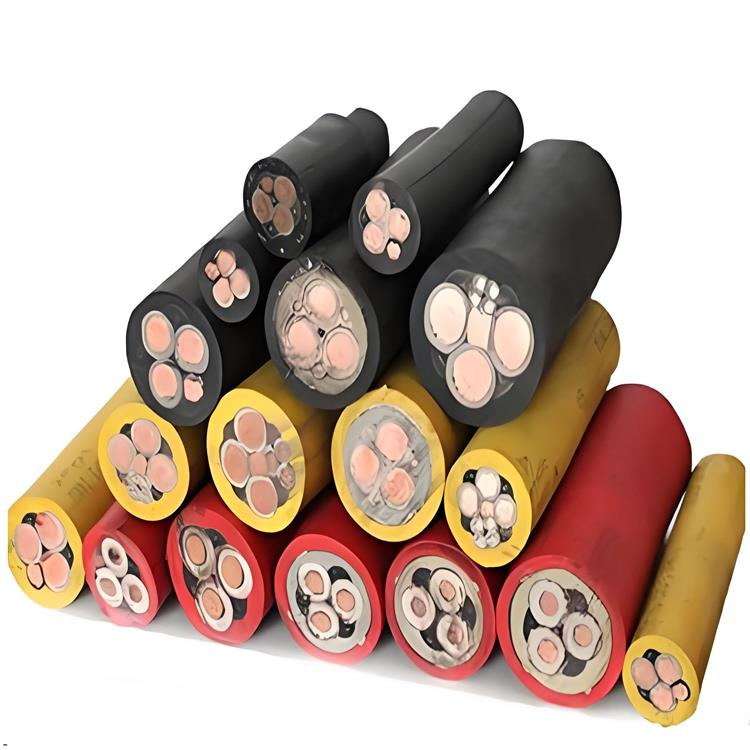
Mining Armor Cables MKVV32

Model | Name | Specs | Application |
MKVV | Copper-core polyethylene insulated PVC jacket flame-retardant mining control cable | (2-14)*(4-6) (2-61)*(0.75-2.5) | Laid in indoor spaces, within cables, pipes, and other fixed installations |
MKVV22 | Copper-core polyethylene insulated polyvinyl chloride sheathed steel wire armoured flame-retardant coal mine control cable | (7-61)*(0.75-1.5) (4-14)*(4-6) | Laid indoors, within cables, pipelines, or directly buried, capable of withstanding significant mechanical external forces for fixed installations. |
MKVV32 | Copper-core polyethylene insulated, polyvinyl chloride sheathed, steel wire armored, flame-retardant mining control cable | (2-61)*(0.75-2.5) (4-14)*(4-6) | Laid indoors, within cables, pipelines, buried directly, or suspended, capable of withstanding significant tensile forces for fixed installations. |
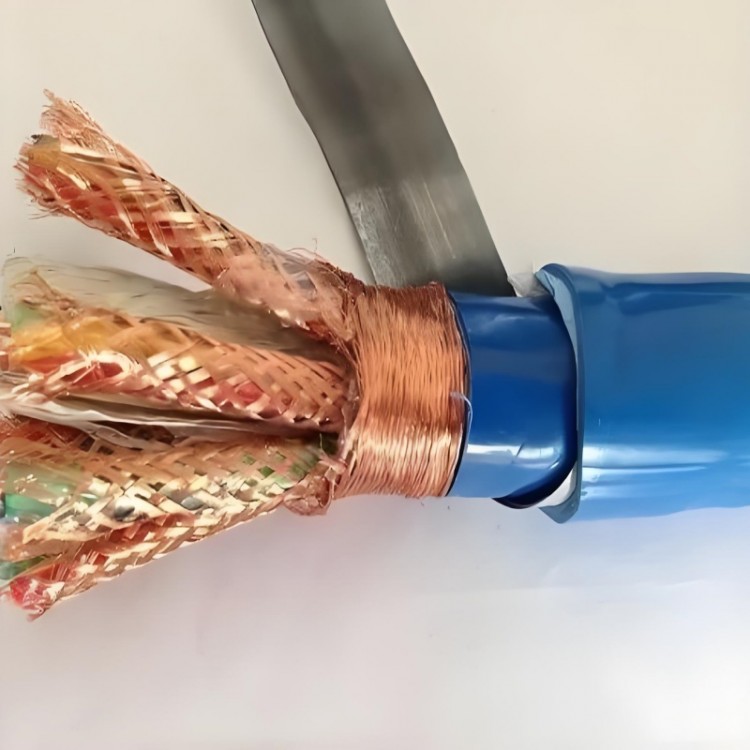
MKVVP22 | Copper-core polyethylene insulated, PVC sheathed, woven屏蔽steel tape armored, flame-retardant control cable for coal mine use | (4-14)*(4-6) (4-61)*2.5mm2 | Laid in high-magnetic field rooms, cables, pipelines, directly buried, or suspended, capable of withstanding significant tensile forces for fixed installations. |
MKVVRP | Copper-core Polyethylene Insulated, Polyvinyl Chloride Sheathed, Braided Screened Flame Retardant Control Flexible Cable for Coal Mines | (4-61)*(0.5-2.5) (4-37)*(1.5-2.5) | Laid in fixed locations such as large magnetic field rooms, cables, pipelines, etc. |
MKVV cable, MKVVP cable, MKVVP2 cable, MKVV22 cable, MKVV32 cable, MKVVR cable, MKVVRP cable, MKVVP22 cable, and other specifications of coal mine flame-retardant control cables. Recommended conductor counts: 2, 3, 4, 5, 7, 8, 10, 12, 14, 16, 19, 24, 27, 30, 37, 44, 48, 52, and 61 cores.
Rated Voltage: 450/750V
2. The length of the cable conductor is permissible for operation at a temperature of 70 degrees Celsius.
3. The laying temperature of the cable should not be below 0 degrees Celsius, with a recommended allowable bend radius.
4. The cable without armor should not be less than 6 times the diameter of the cable's outer sheath.
5. Cables with armored or copper tape shielding should have a diameter at least 12 times the cable's outer diameter.
6. Soft cables with a shielding structure should be no less than 6 times the diameter of the cable.