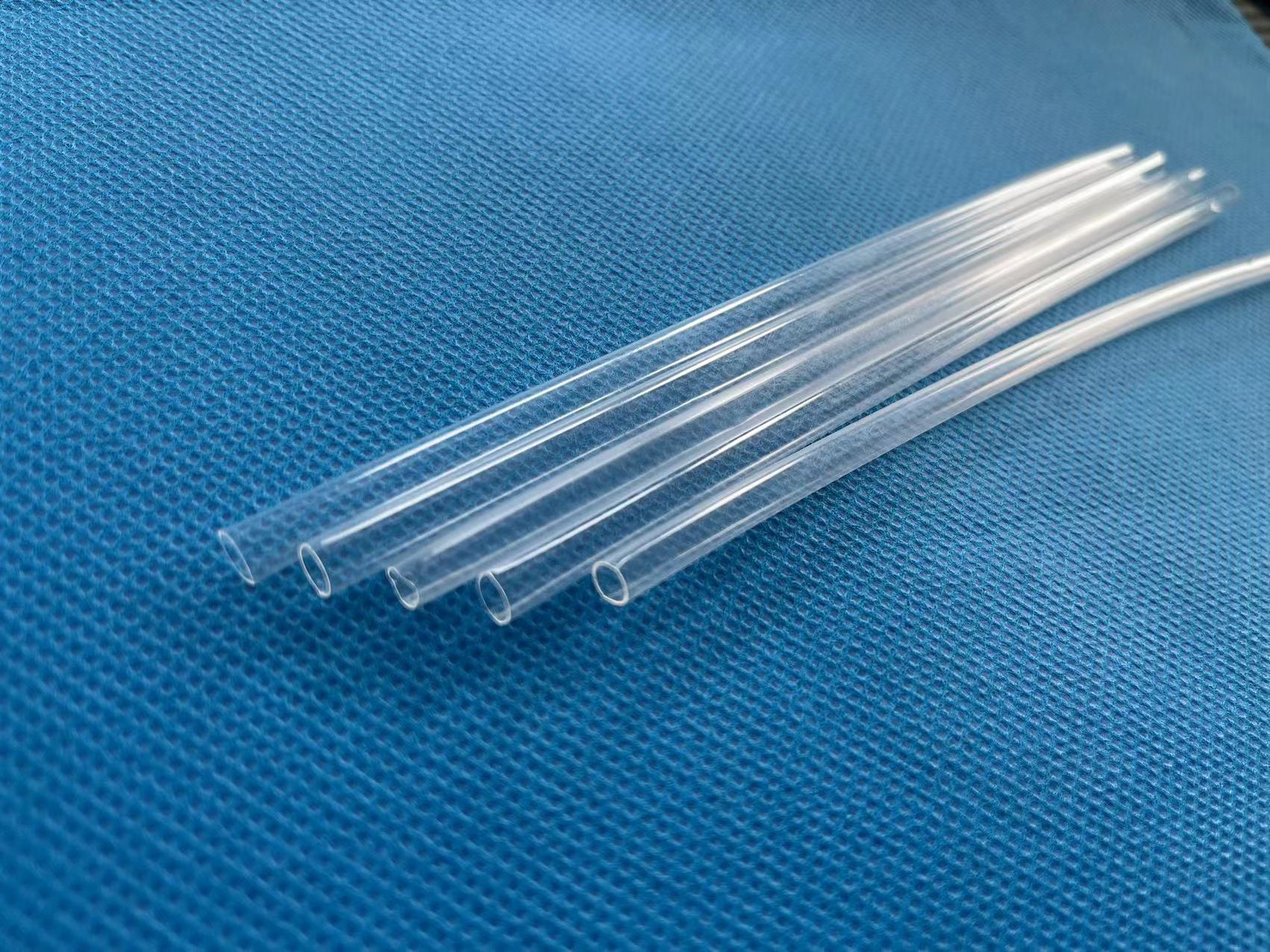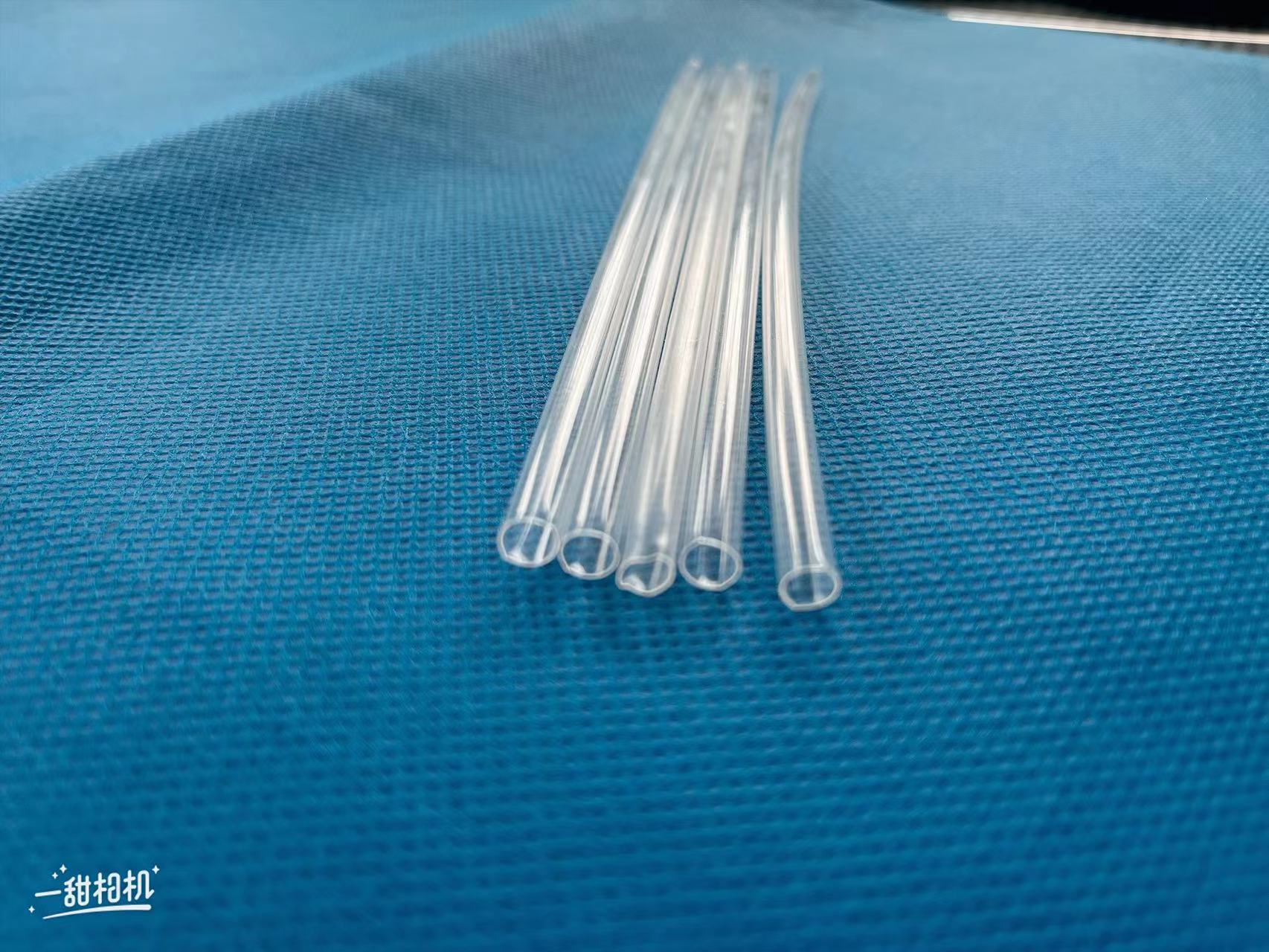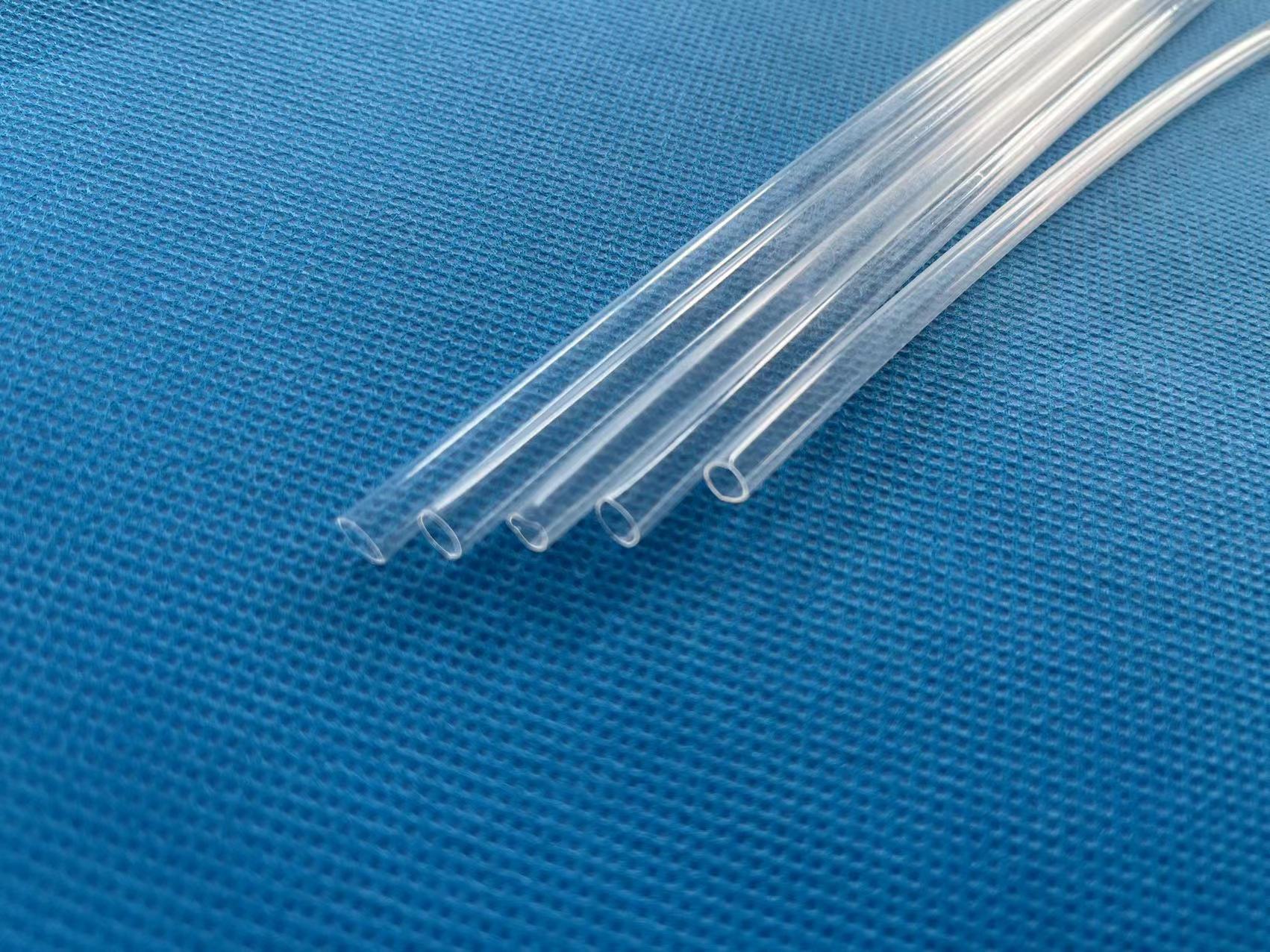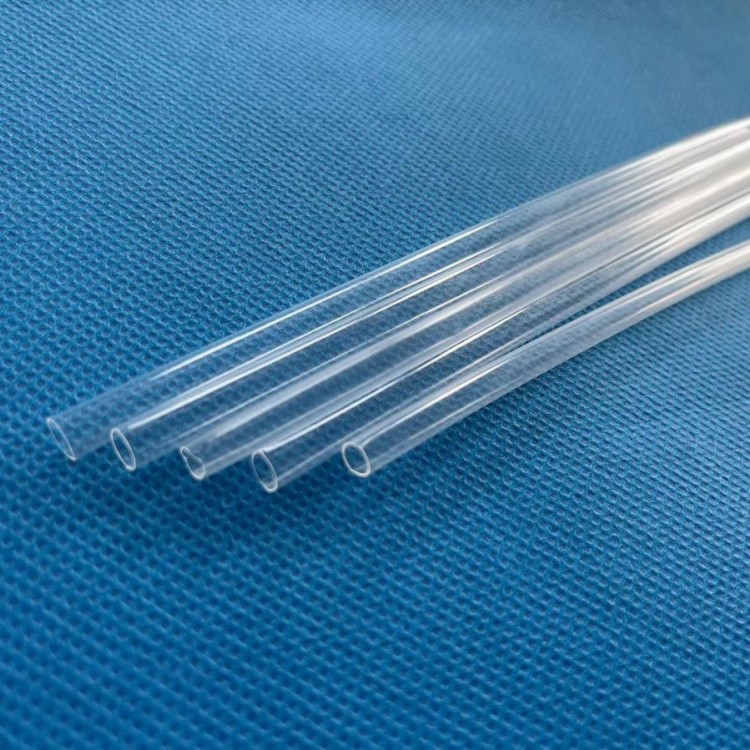

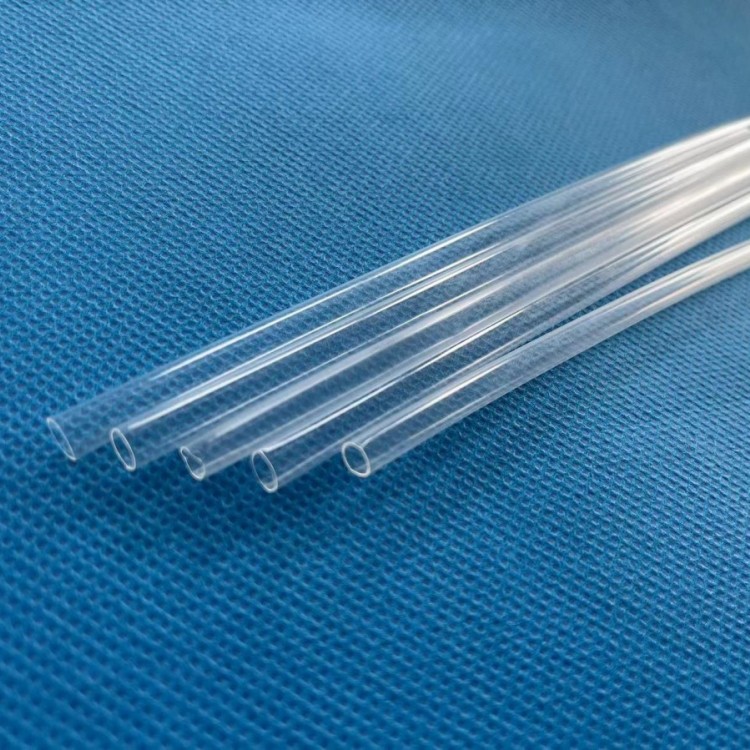
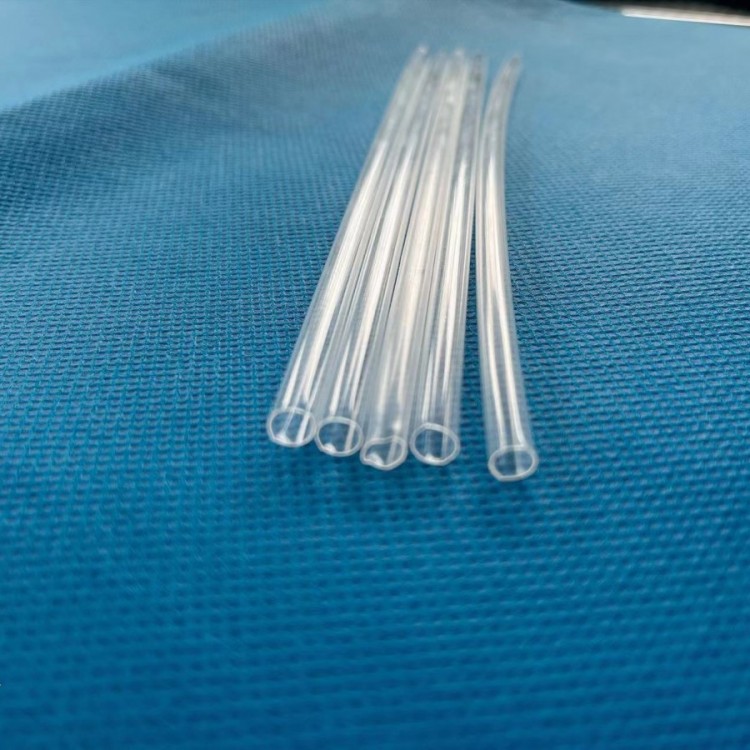
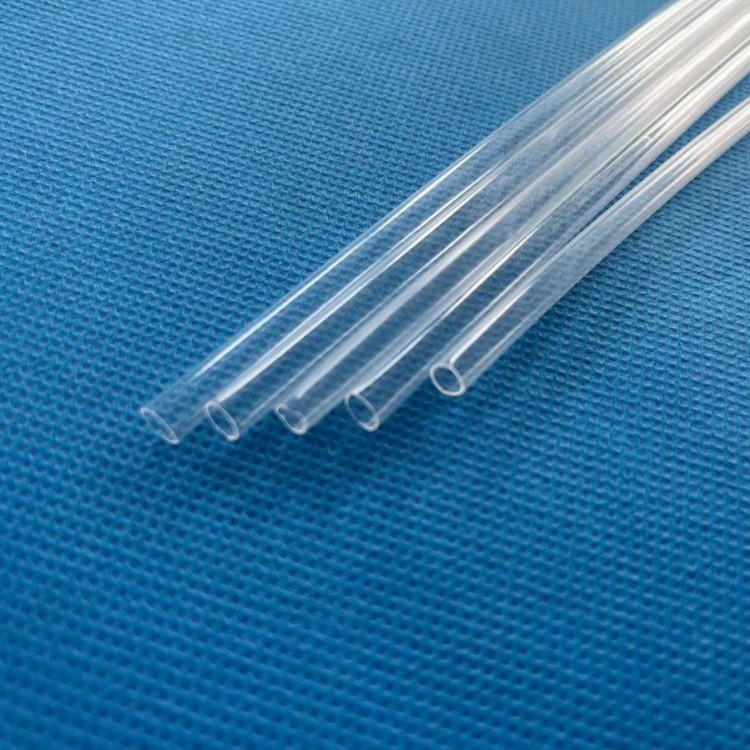








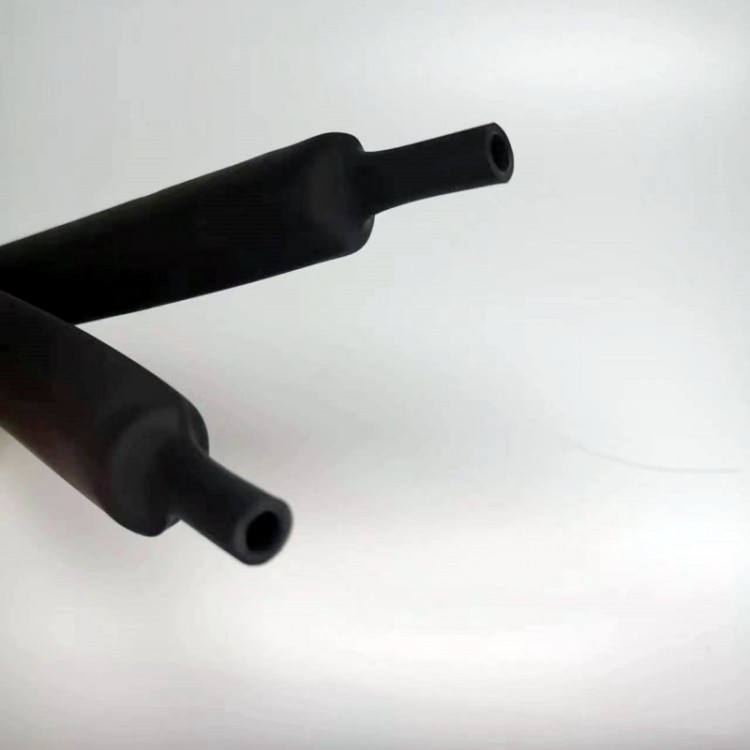
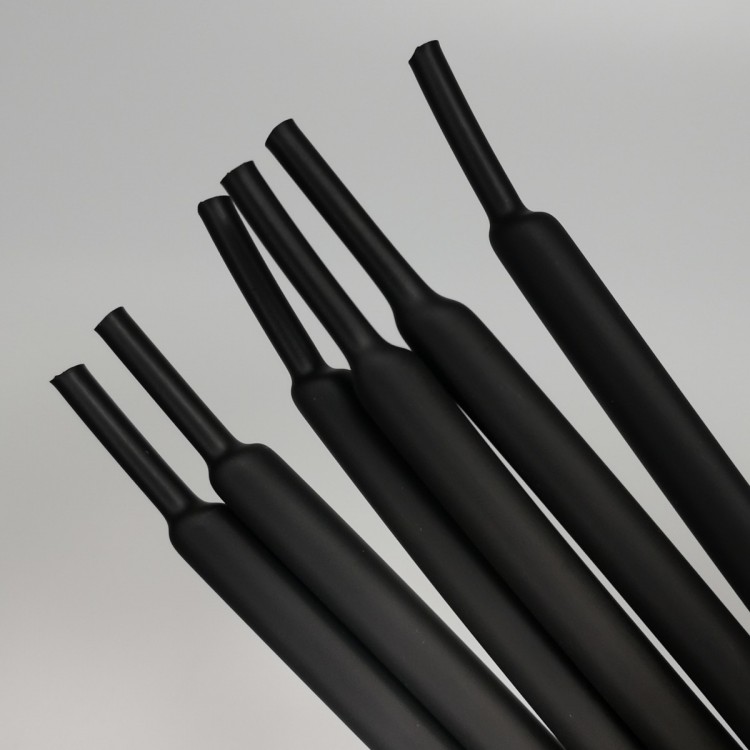
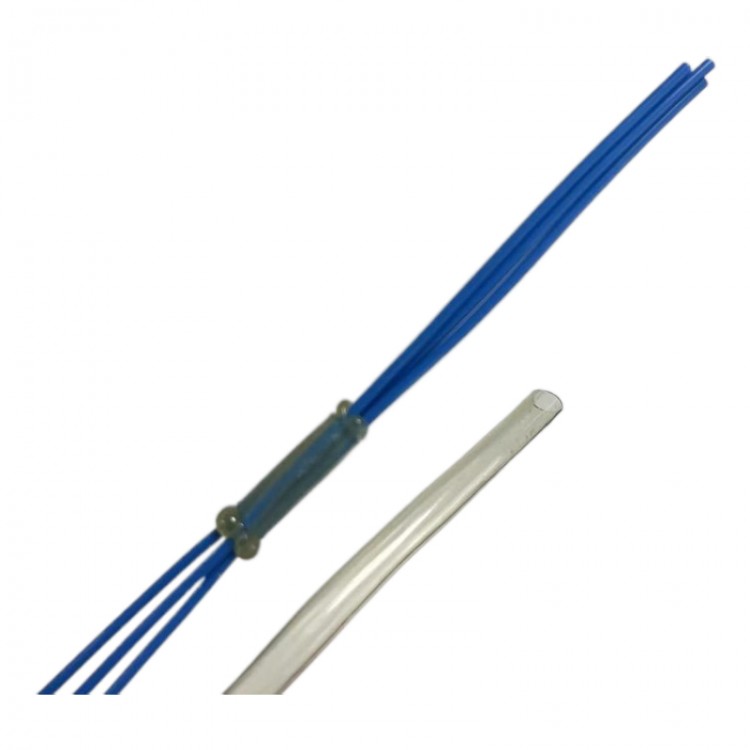
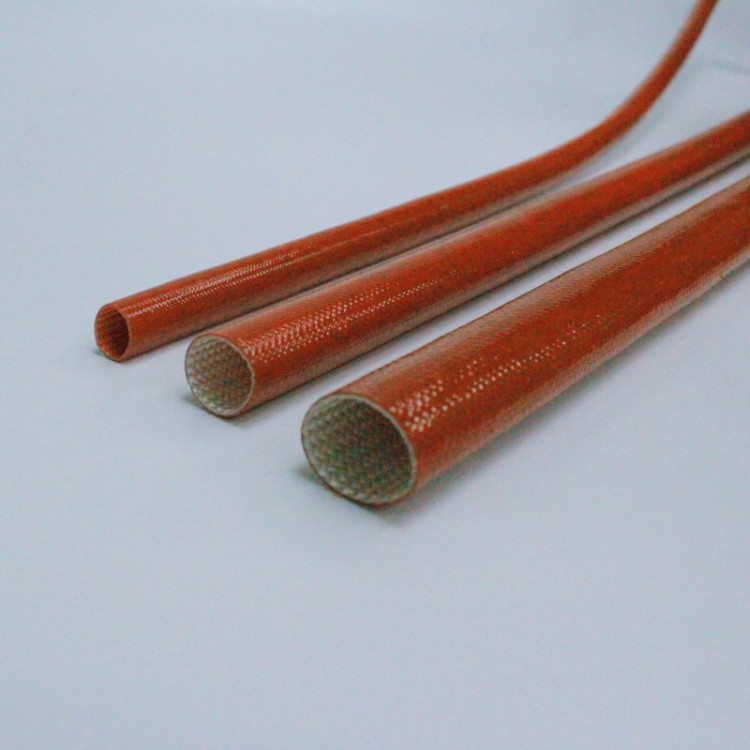
FEP shrink tubing
Product Features:Temperature Range, Continuous Operating Temperature: -55~200℃Product Introduction:

FEPHeat Shrink Tubing
FEPHeat Shrink TubingPolypropylene Copolymer )Features excellent high and low temperature resistance, oil and chemical agent resistance, especially suitable for areas requiring heat resistance (such as electrical and hydraulic systems near aircraft or car engines or fuel tanks) and environments requiring resistance to chemical solvents. It is suitable for insulating and stress relief of cables and harnesses in these environments, protecting electronic and electrical equipment from damage.
l Features/Advantages
Polypropylene Copolymer-FEPProperties of the various copolymersPTEESimilar, but with slightly lower heat resistance, suitable for long-term use in-85Degree+205Degree, short-term for-200Degree~+300Operate under high impact strength; excellent resistance to creep, and superior low-temperature toughness.PTEECrystallinity varies with the heat treatment temperature, offering good molding and processing properties; it is non-toxic, non-stick, electrically insulated, wear-resistant, and chemically stable compared to...PTEEFairly
Application
Outstanding wear resistance, chemical corrosion resistance, and high-temperature properties, particularly suitable for applications requiring high-temperature performance. Used for insulation protection and pressure relief at welding joints, as well as for distinguishing and identifying coated components. Features:/Advantages,Compression Ratio 2:1·Flexible, semi-hard, thin-walled insulating material · High flame retardancy · Excellent high-temperature resistance · Outstanding resistance to solvents, oils, and chemical corrosion
· Chlorine-free compoundsPCBS、PCPSPolybrominated BiphenylsPBBsPolybrominated biphenylsPBBOsPolybrominated Diphenyl EthersPBBEs、PBDEsHazardous substances, compliant with European standardsRoHSEnvironmental RegulationsSONY SS00259Standard environmental requirements.
Temperature Range,Continuous Operating Temperature:-55~200·Lowest Initial Shrinkage Temperature: