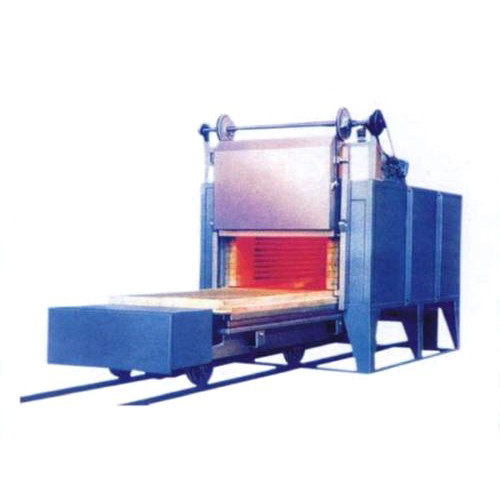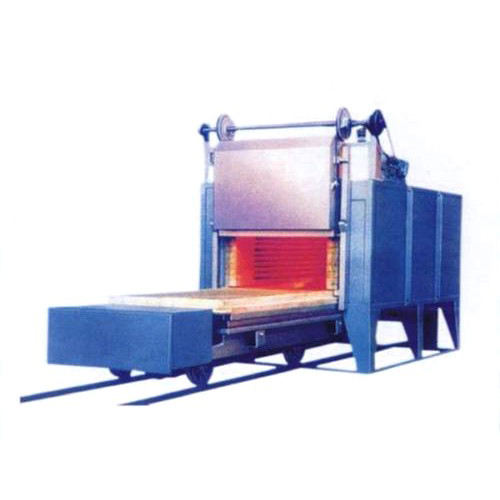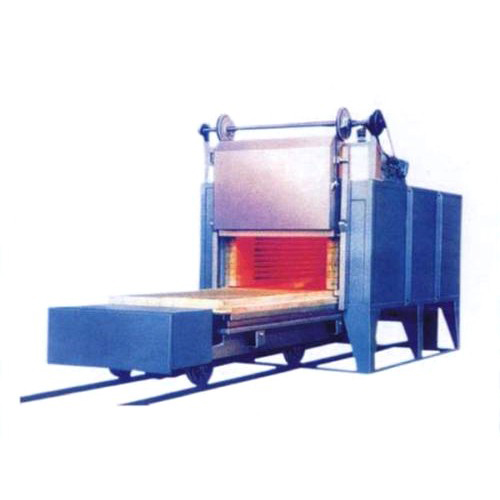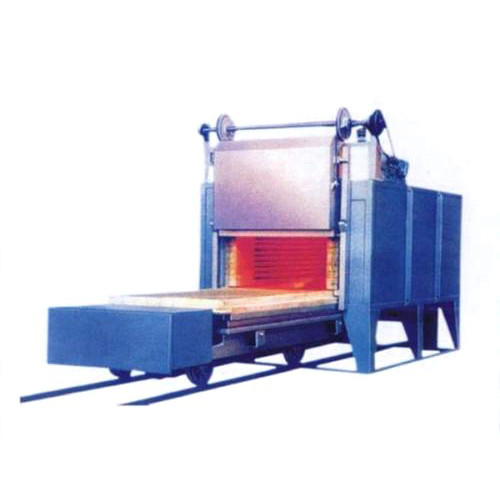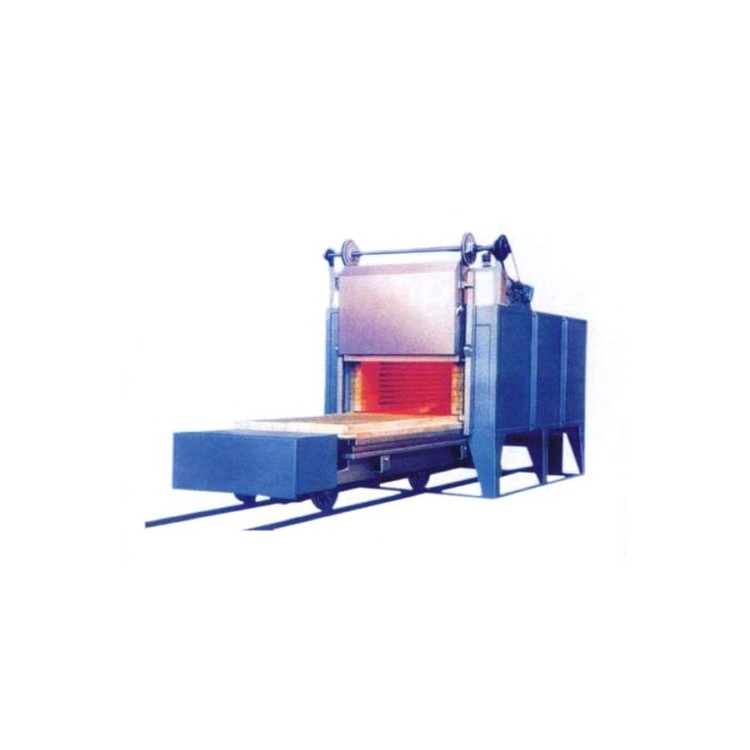

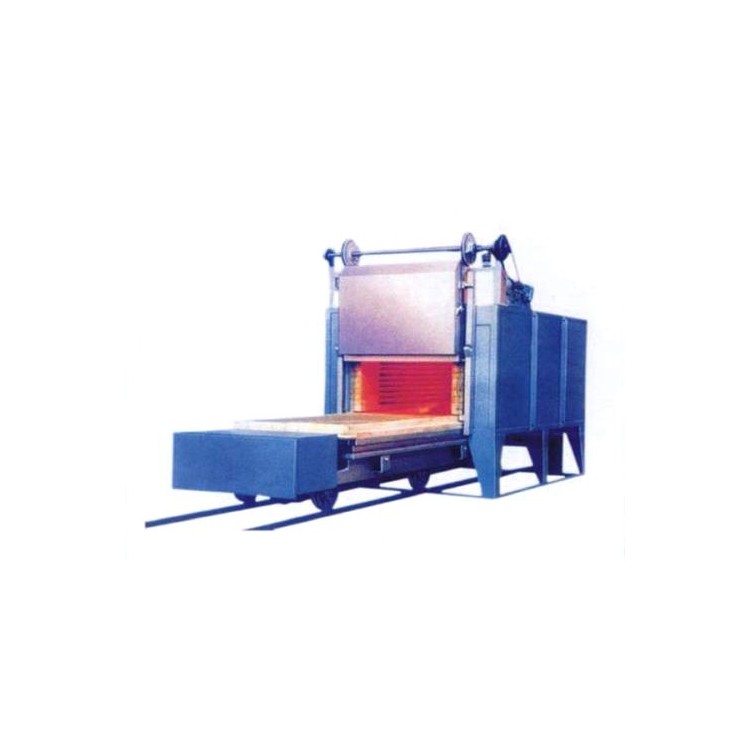
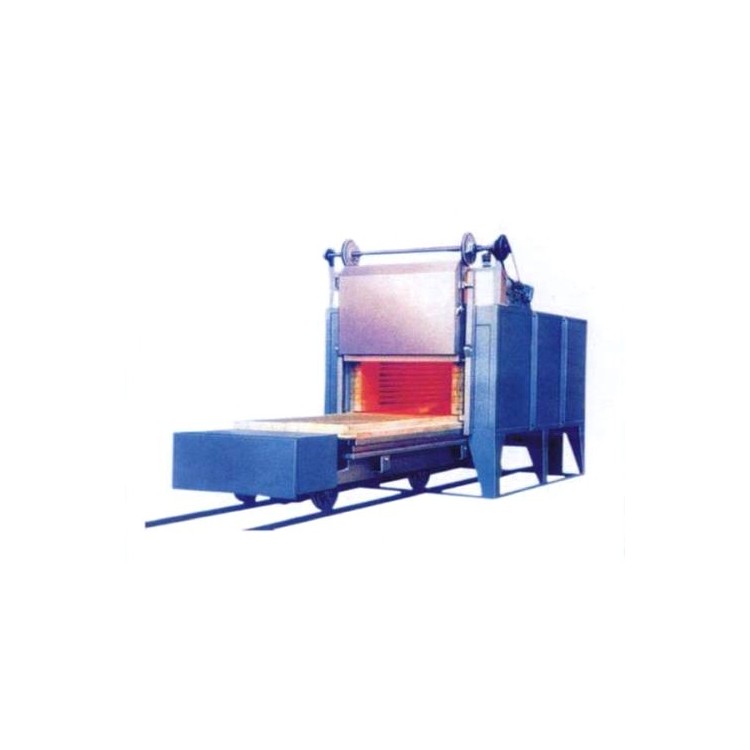
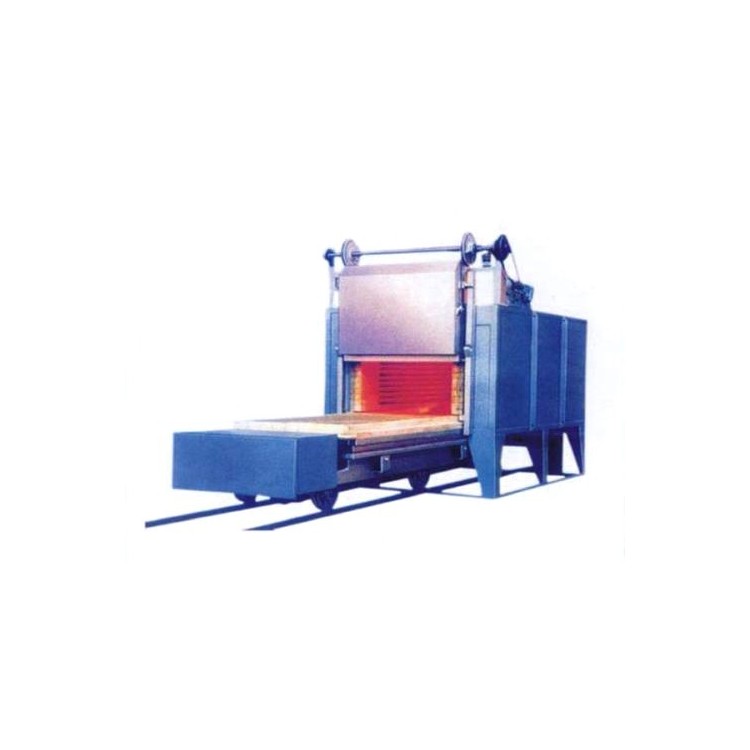











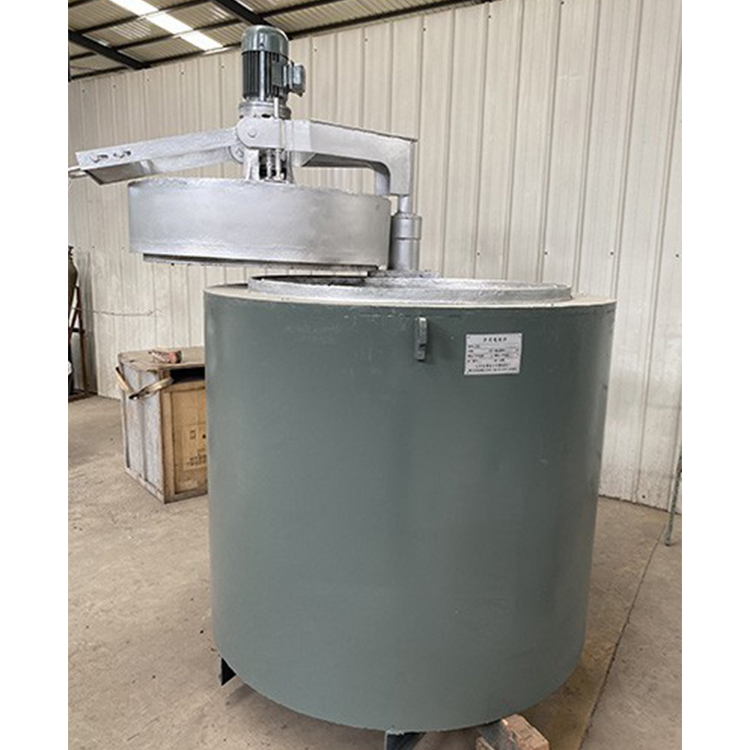
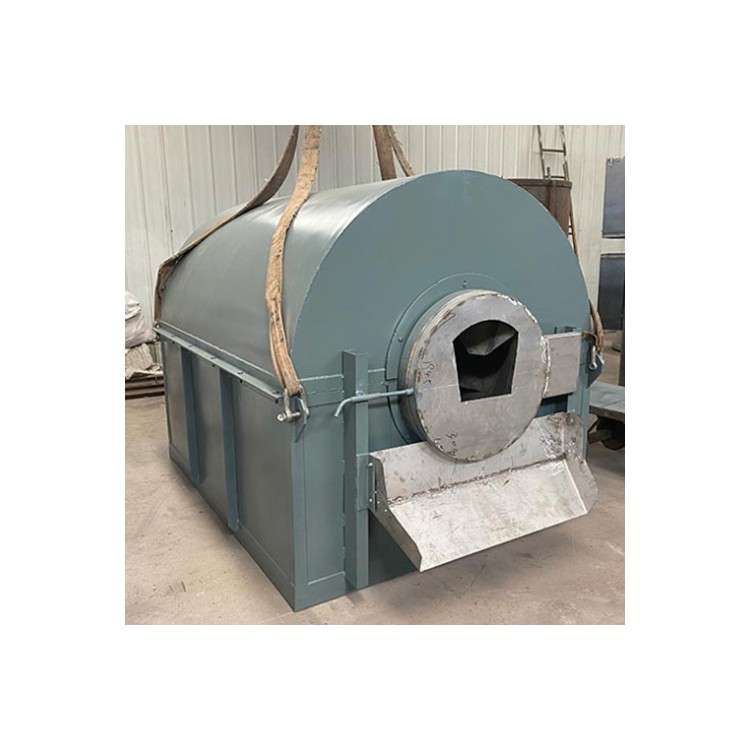
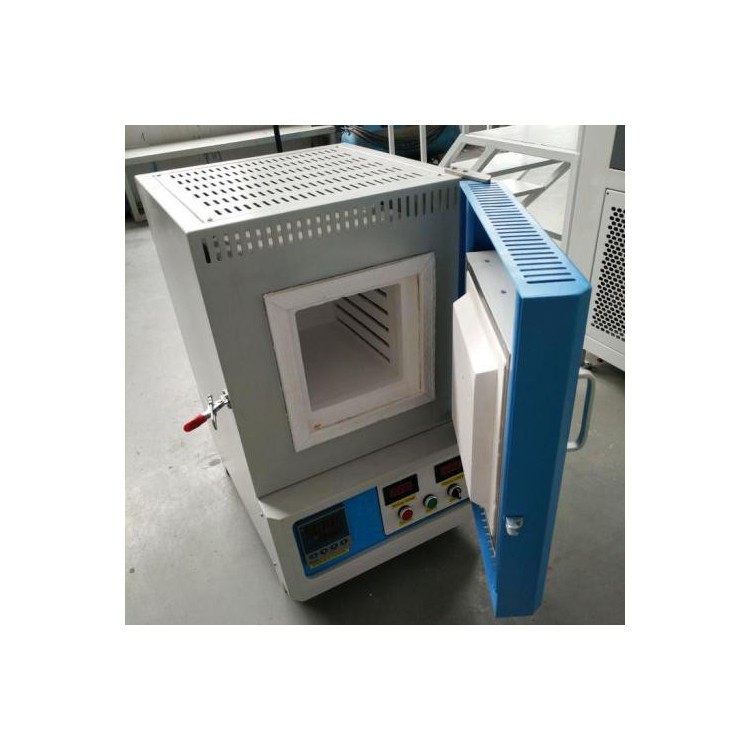
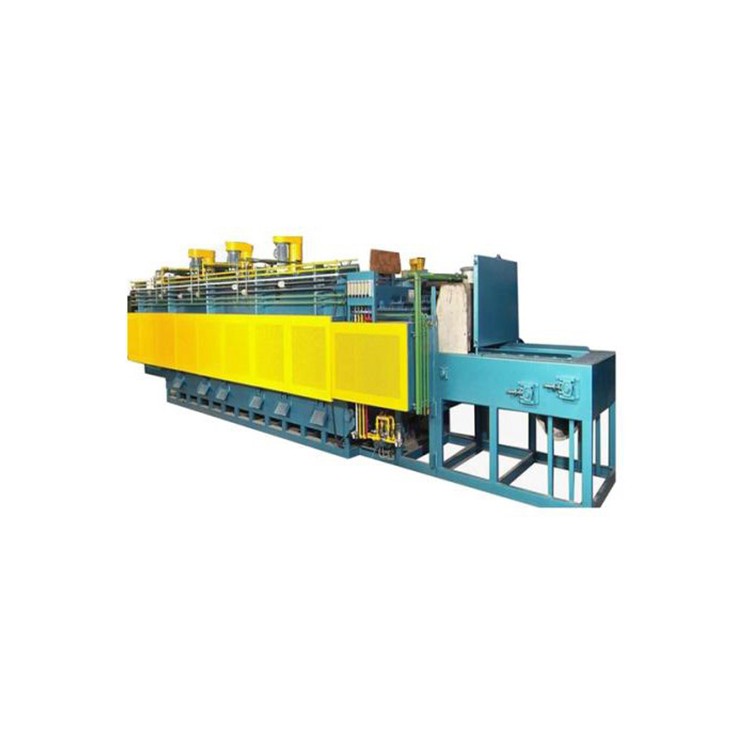
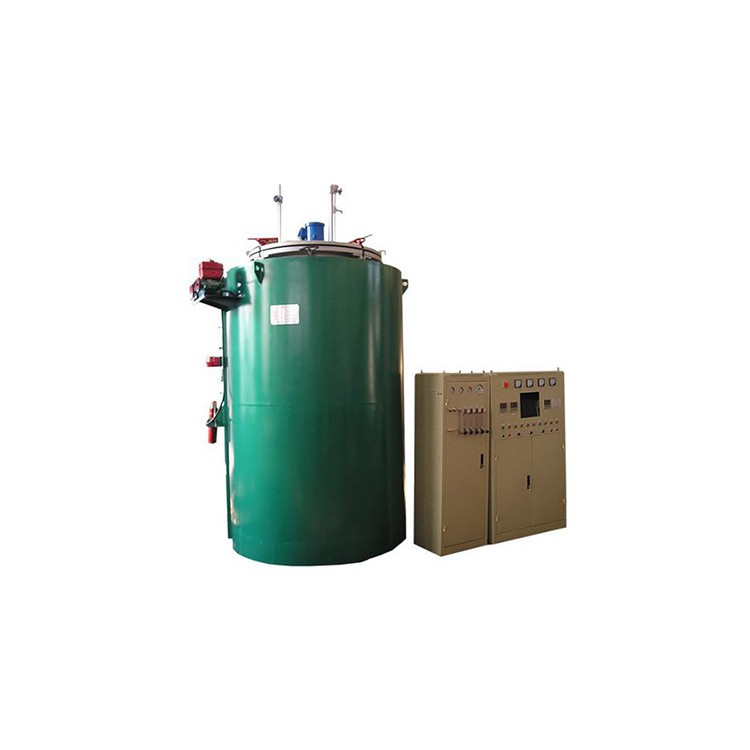
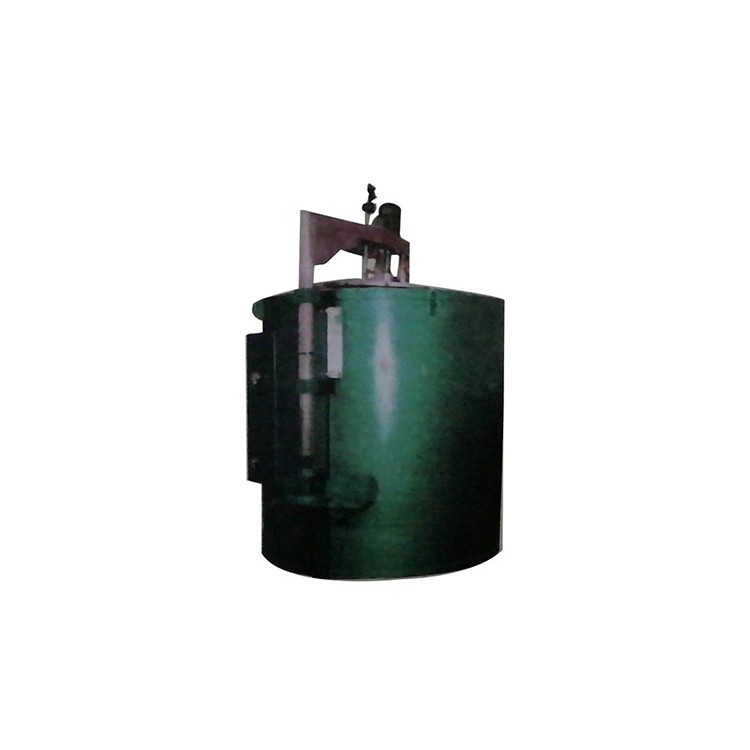
The cart-type resistance furnace consists of the furnace body and electrical control sections. The control panel is equipped with an intelligent temperature controller, power switch, main heating start/stop button, voltage and current meters, and computer interface for real-time monitoring of the system's operation status. This product utilizes reliable integrated circuits, operates in a favorable environment, is resistant to interference, and maintains an outer shell temperature of ≤45℃ at the highest temperature, significantly enhancing the working environment. It features microcomputer program control, programmable curves, automatic heating/cooling, and allows for the modification of temperature control parameters and programs during operation, providing flexibility, convenience, and simple operation.
All furnace materials are made of vacuum-formed high-purity alumina lightweight materials, which have high operating temperatures, low heat retention, and excellent resistance to rapid heating and cooling without cracking or spalling, as well as good insulation properties (energy-saving effect is over 60% of the old-style electric furnace). The structure is reasonable with an inner and outer double furnace jacket, wind-cooled heat dissipation, which can significantly shorten the testing cycle.
Safety Precautions for the Use of Trolley Resistance Furnaces:
1. To ensure the lifespan of the electric furnace is not adversely affected, we recommend a maximum heating and cooling rate of 10-20℃/min (rapid heating will shorten the lifespan of the heating elements).
2. This furnace does not have a vacuum-sealed structure, therefore it is not suitable for introducing flammable or explosive gases.
3. After a period of use, this furnace may develop minor cracks in the chamber, which is a normal occurrence and will not affect its operation. It can be repaired using an alumina coating.
4. Do not introduce corrosive gases. If it is necessary to introduce highly corrosive gases such as S, Na, etc., please inform us in advance. We will treat the furnace accordingly.
5. Do not allow high-temperature solutions to leak onto the furnace bottom; use pads or alumina powder as a barrier to prevent this.
6. Instruments should be stored in a well-ventilated, dry area.