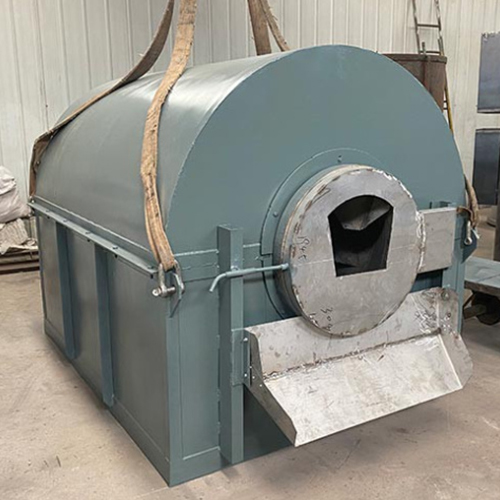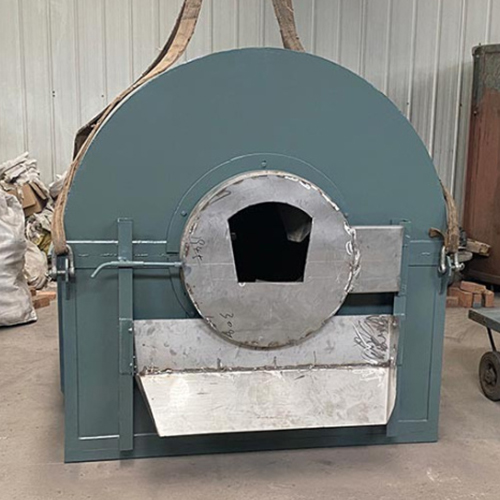

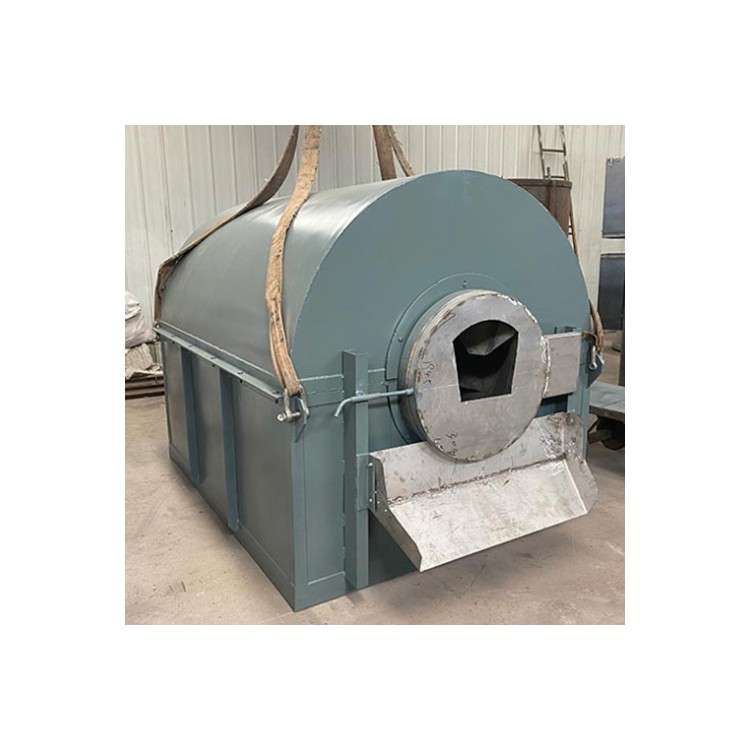

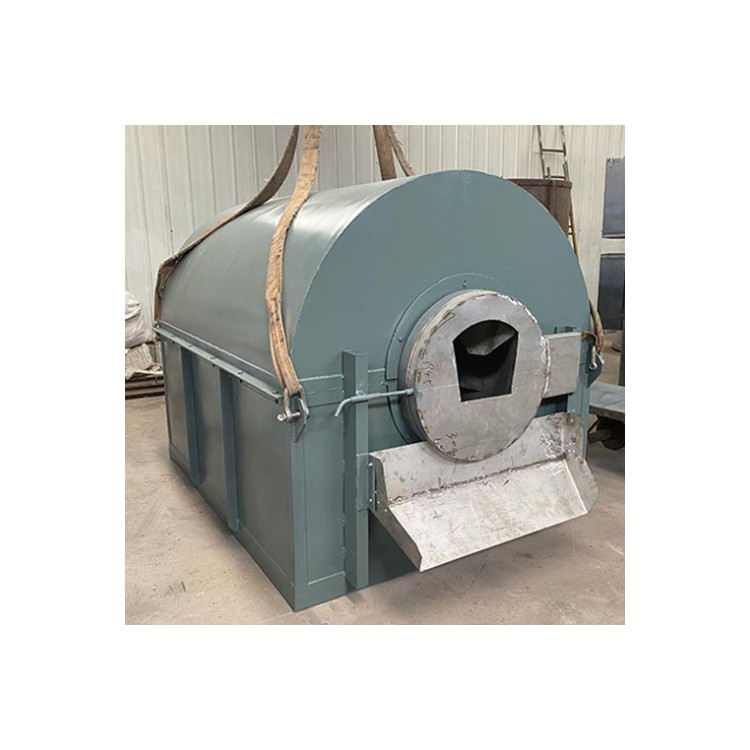











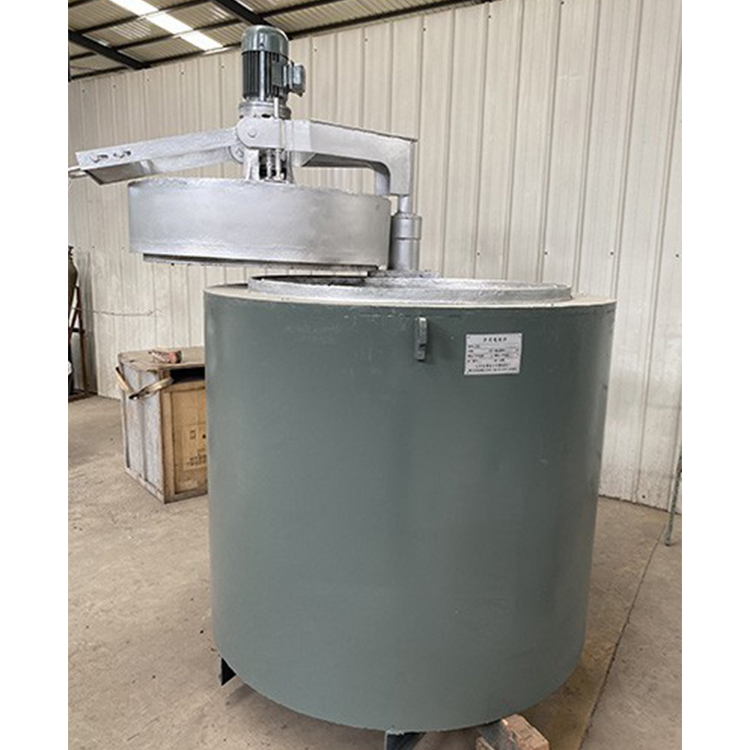
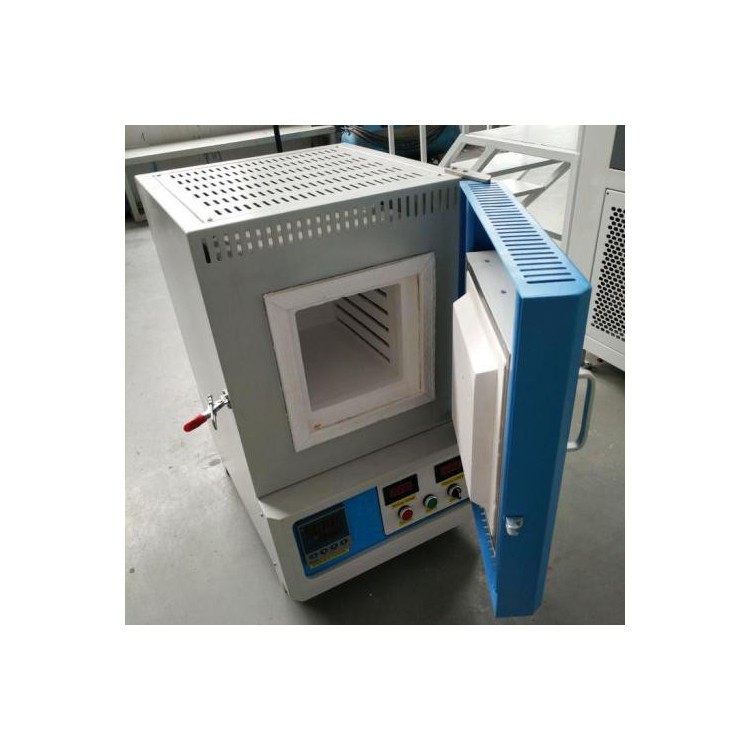
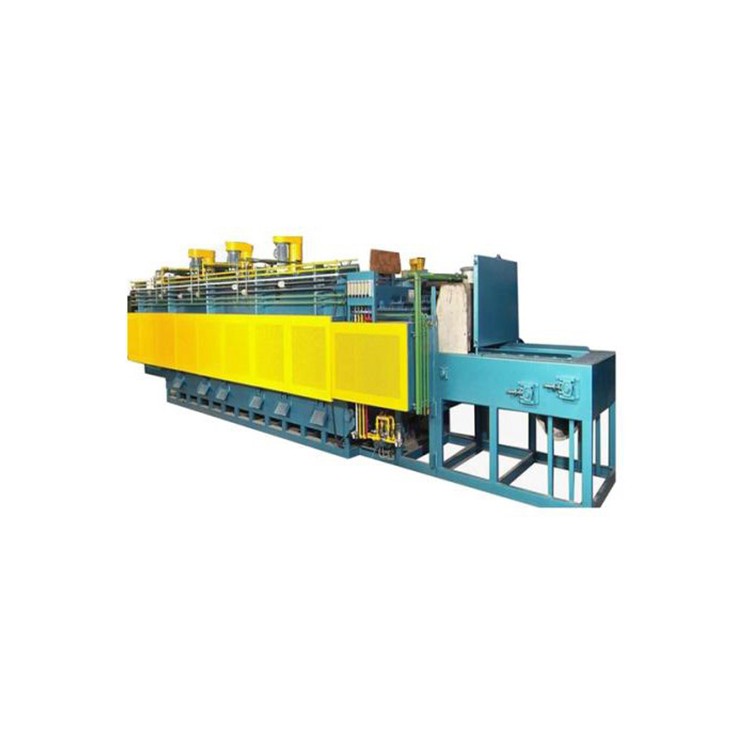
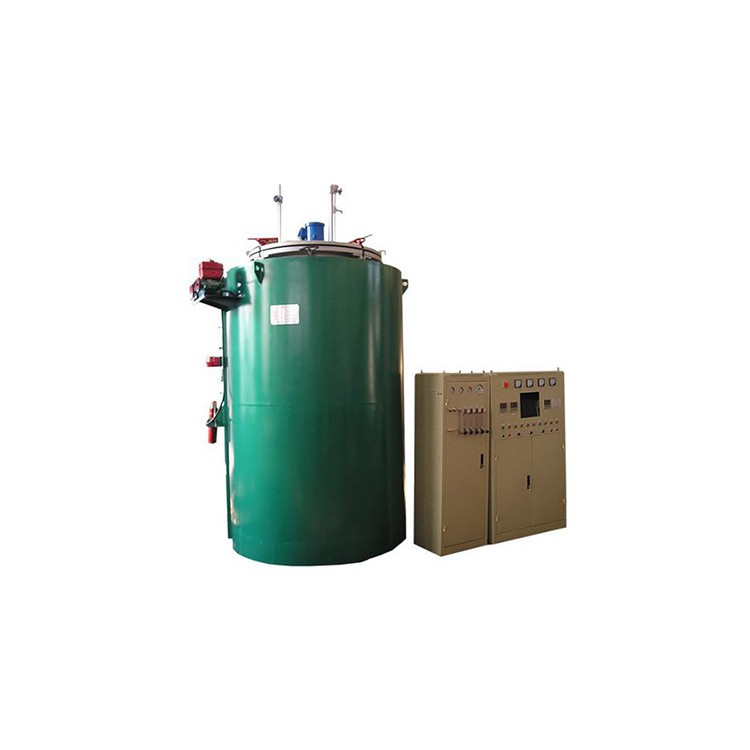
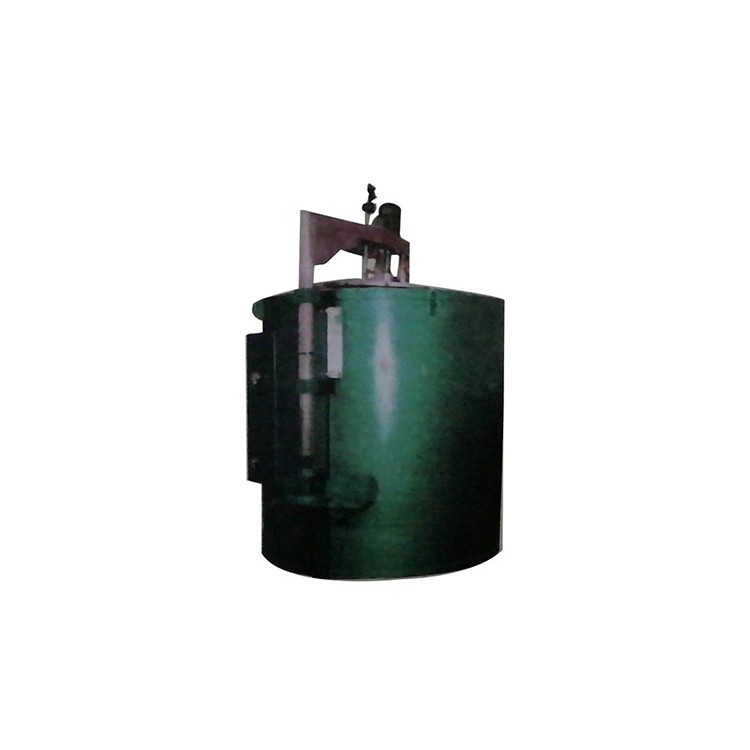
The tempering furnace is used for the tempering of general metal fittings in air, as well as for quenching, annealing, and aging heat treatment of lightweight alloy fittings such as aluminum alloy die castings, pistons, aluminum plates, etc. The shell is welded from steel plates and section steel, and the trolley is welded from section steel and steel plates.
The vehicle reduces heat radiation and convection losses through soft contact with the furnace lining and sand sealing mechanism, effectively ensuring the sealability of the furnace body.
What are the main operational and maintenance procedures?
1. Implement a combined approach of maintenance and planned repairs, ensuring timely troubleshooting and maintaining equipment in optimal condition.
2. Operators must inspect the equipment before each furnace opening. In case of any malfunctions or potential hazards, report them to the workshop immediately, cooperate with the maintenance staff for repairs, and ensure the equipment is in perfect condition before operation.
3. The maintenance electrician is responsible for the distribution equipment and transformer units, conducting regular inspections and addressing any issues promptly.
4. Maintenance technicians complete the repair plans issued by superiors on time and with quality, promptly address various equipment hazards, and regularly complete rectification projects on schedule, ensuring the normal operation of production in this department.
Features of the product:
1. The electric furnace is equipped with a large ventilation fan to enhance the uniformity of the internal temperature.
2. Multi-zone control for electric furnaces, further enhancing uniformity of the furnace temperature.
3. Furnace with stainless steel air guide drum.
4. The furnace cover is opened and closed using a crane lifting mechanism or an automatic hydraulic opening and closing device, equipped with guide posts to ensure smooth operation.
5. The furnace lid and body are made of high-temperature-resistant fiber cotton, offering excellent heat preservation for the body, energy conservation, and cost reduction in production.
6. Non-polluting, with good environmental benefits.
The control system is mainly composed of four parts: temperature sensors, temperature regulators, actuating devices, and the controlled object, with its system structure diagram. The controlled object is a large-capacity, high-inertia electric heating furnace temperature object, which exhibits typical multi-stage volume lag characteristics. In engineering applications, it is often approximated as a second-order volume lag that includes pure lag. Due to the large capacitance of the controlled object, a thyristor actuator with thermal treatment is commonly used as the regulator.